Bonsai Encyclopedia
Encyclopedia of popular bonsai species with care guides, traits, and styling tips.
Featured Bonsai
Showing 62 of 137 species(25–48)
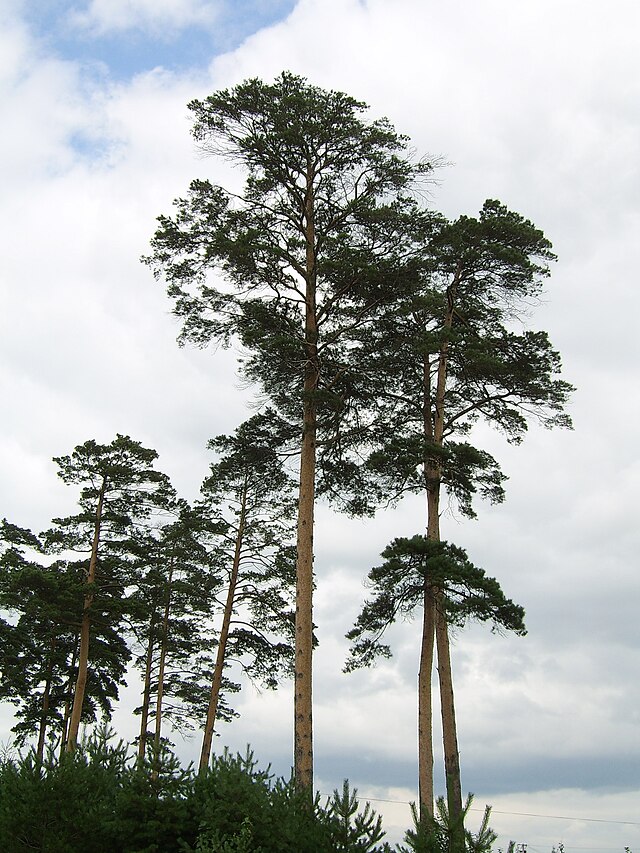
Japanese Red Pine
Pinus densiflora
Called female pine for its graceful appearance. Reddish-brown bark and soft needles give a feminine impression. Often styled as literati or informal upright.
 © Koichi Oda / CC BY 2.0
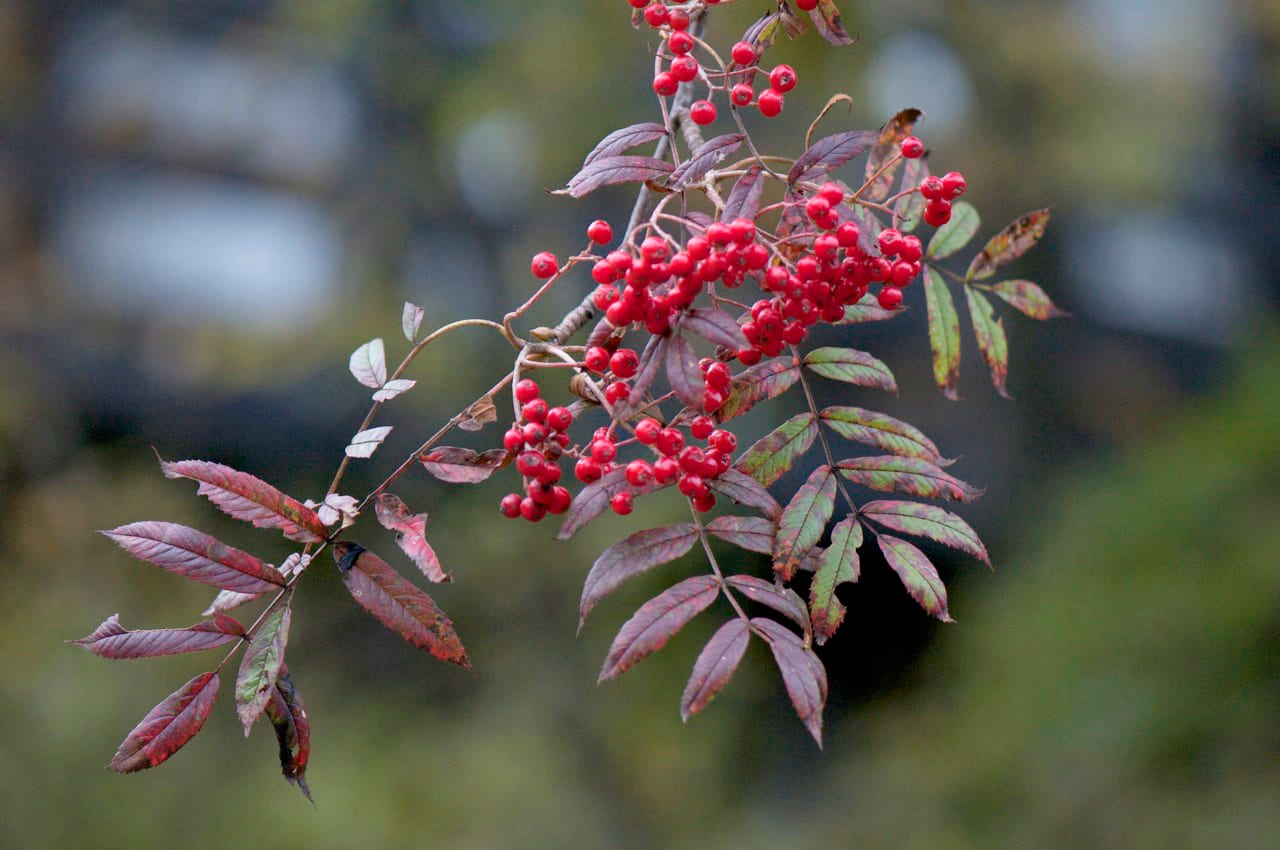
Japanese rowan
Sorbus commixta
A deciduous rose-family tree whose pinnate leaves turn scarlet in autumn, with clusters of red berries that stay on after leaf fall. Flat heads of small white flowers appear in early summer. It prefers cool climates and is hard to keep long in warm lowlands.
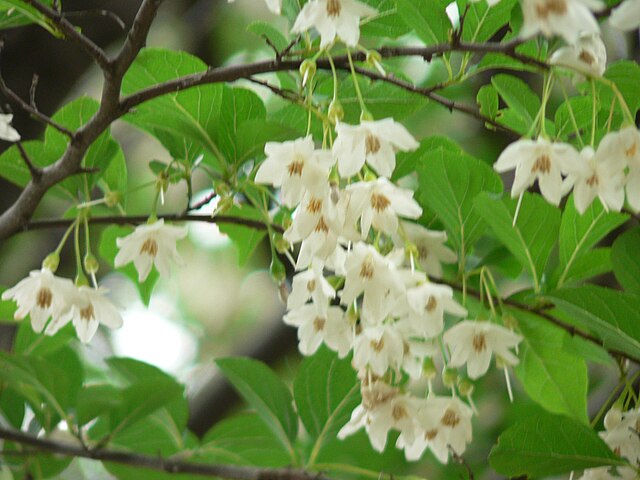
Japanese Snowbell
Styrax japonicus
Deciduous bonsai with dangling white bell-shaped flowers in early summer. Profuse bloomer with elegant appearance. Unique autumn fruits. Natural branching is beautiful.
 © KENPEI / CC BY-SA 3.0
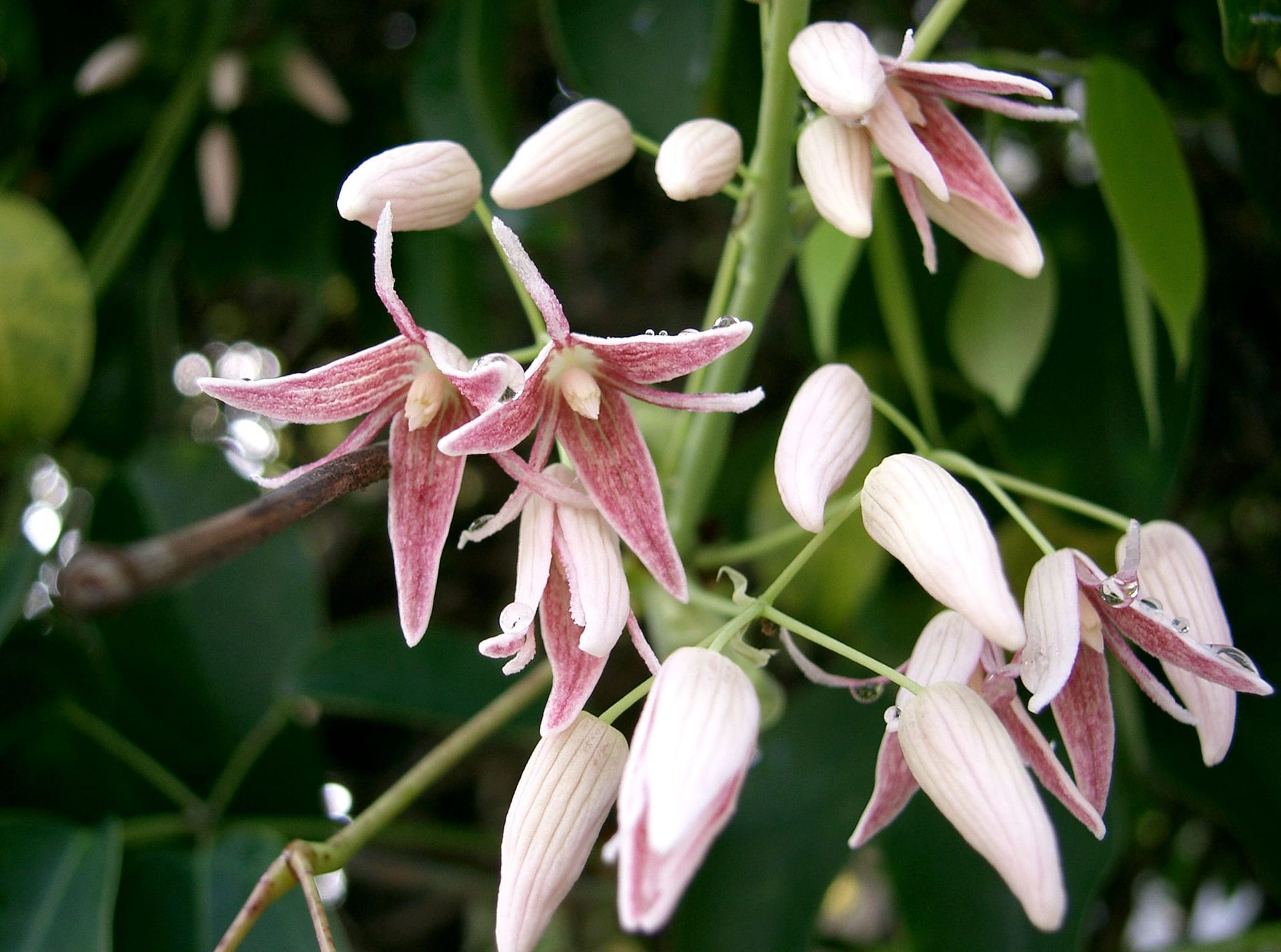
Japanese staunton vine
Stauntonia hexaphylla
An evergreen relative of akebi, also called tokiwa-akebi ('evergreen akebi'). In spring it bears flowers with white sepals marked red-purple inside, and in autumn purple fruits 5–8 cm long that, unlike akebi, rarely split open.
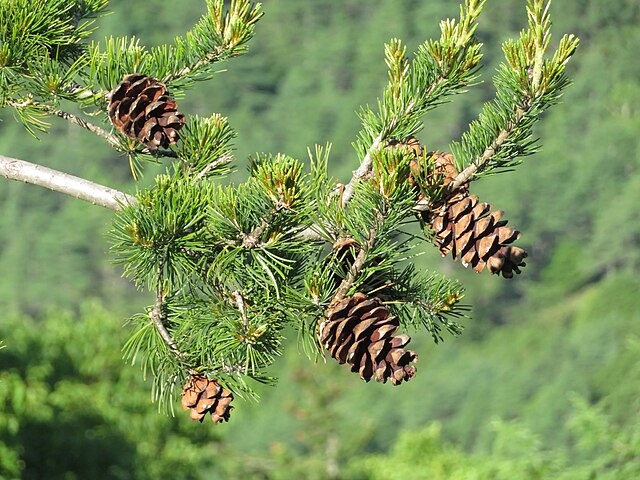 © belvedere04 / CC BY 4.0
Japanese White Pine
Pinus parviflora
One of the supreme bonsai species. Short needles in bundles of five and dignified trunk character. Slow growth maintains form well. Good entry point for conifer bonsai.
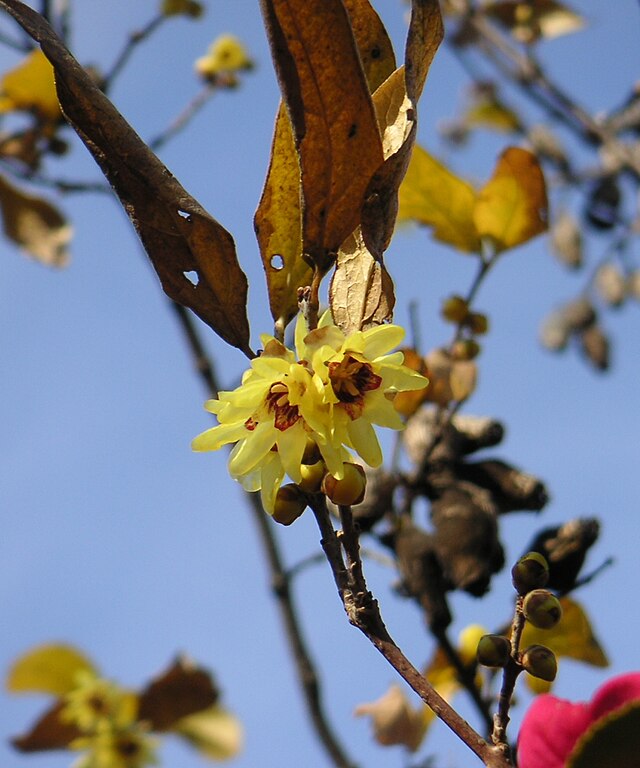 © Ans / CC BY-SA 3.0
Japanese Wintersweet
Chimonanthus praecox
Flowering bonsai with translucent waxy yellow blooms in midwinter. Sweet fragrance drifts through winter gardens. Precious species blooming when few others do. Improves with age.
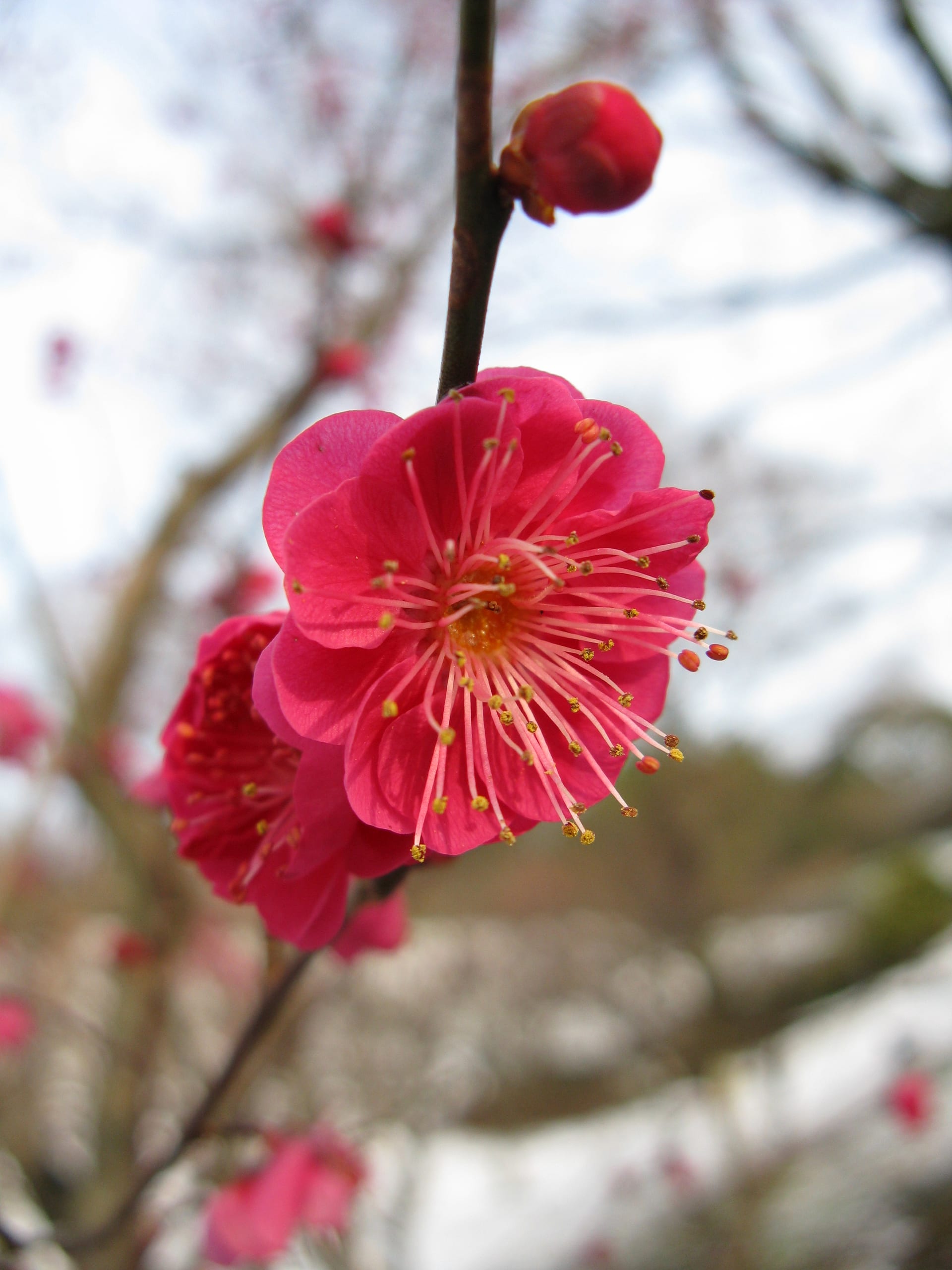 © KENPEI / CC BY-SA 3.0
Kagoshima-beni Japanese apricot
Prunus mume 'Kagoshima-beni'
A hibai-group cultivar regarded as the classic red ume. It bears deep red, double, medium flowers, and even the pith of thin twigs and the leaf stalks are deep red. Fragrant and a standard red ume for bonsai.
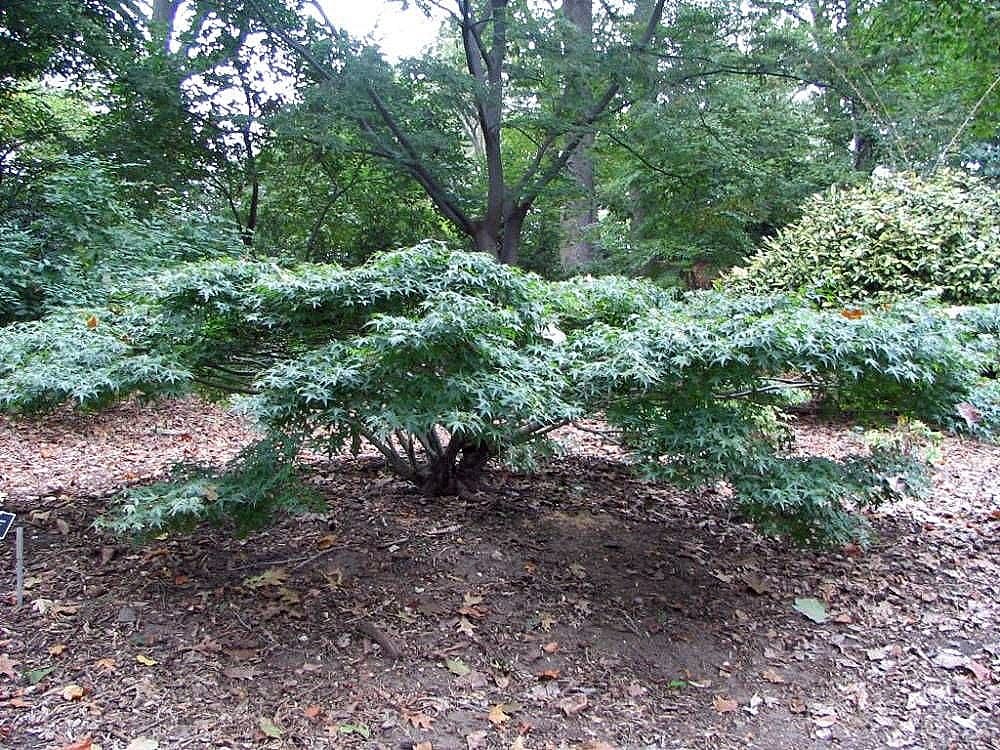 © David J. Stang / CC BY-SA 4.0
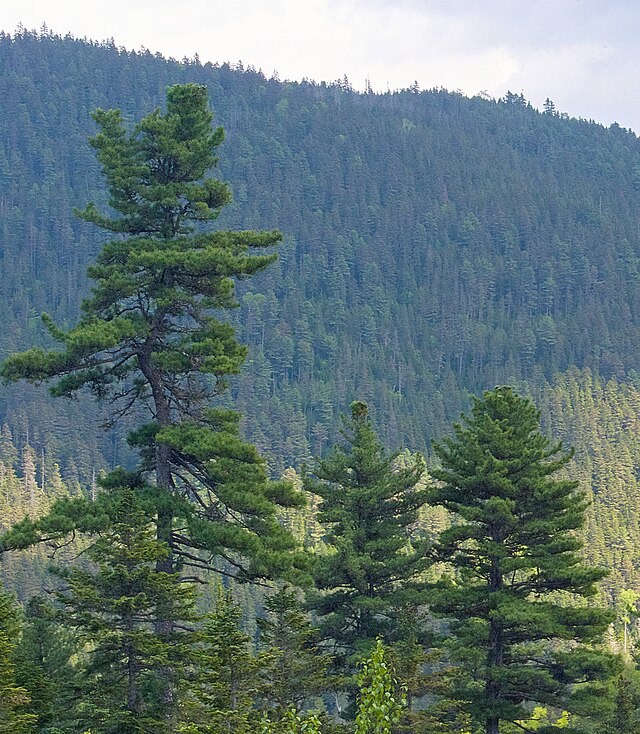
Kiyohime Japanese maple
Acer palmatum 'Kiyohime'
A dwarf, small-leaved maple with a beautiful spring flush: young leaves are edged red-purple, turn green in summer and colour yellow, orange and red in autumn. It spreads wider than tall with dense branching—a staple for shohin maples.
 © Original: Olga Ukhvatkina ; edit: MPF / CC BY-SA 4.0
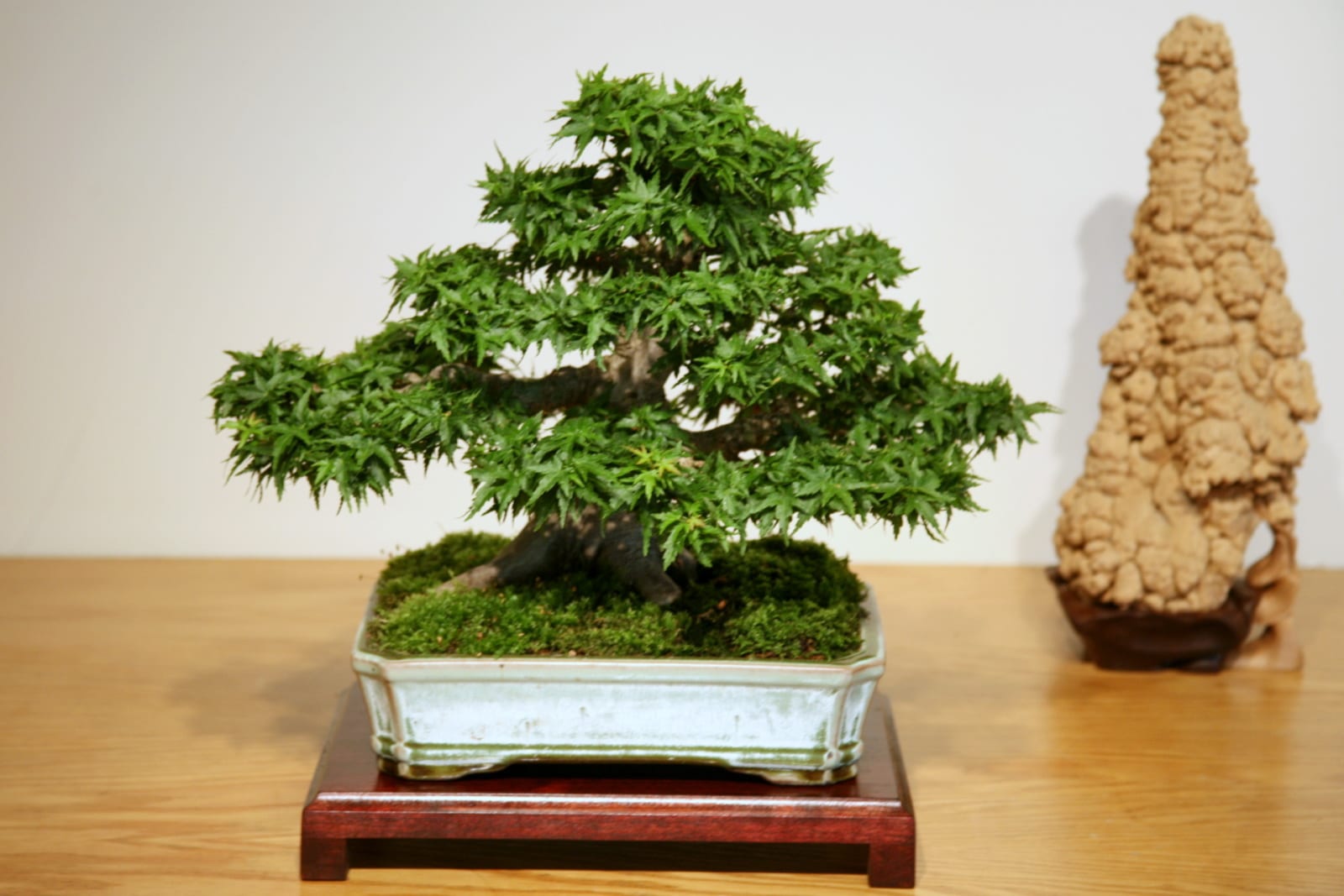
Korean Pine
Pinus koraiensis
Close relative of Japanese white pine with larger cones and edible pine nuts. Native to Korea, China, and Russia. Very cold-hardy with powerful trunks and rich foliage.
 © Cliff from Arlington, Virginia, USA / CC BY 2.0
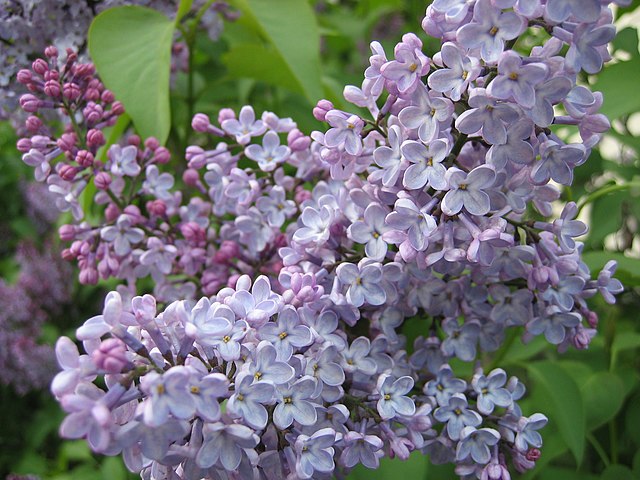
Kotohime Japanese maple
Acer palmatum 'Kotohime'
An extremely dwarf maple with tiny leaves and very short internodes—a representative yatsubusa maple. It builds dense, finely branched trees even in tiny pots, making it a staple for shohin and mame bonsai, and roots readily from cuttings.
 © Marisa DeMeglio from NYC, USA / CC BY 2.0
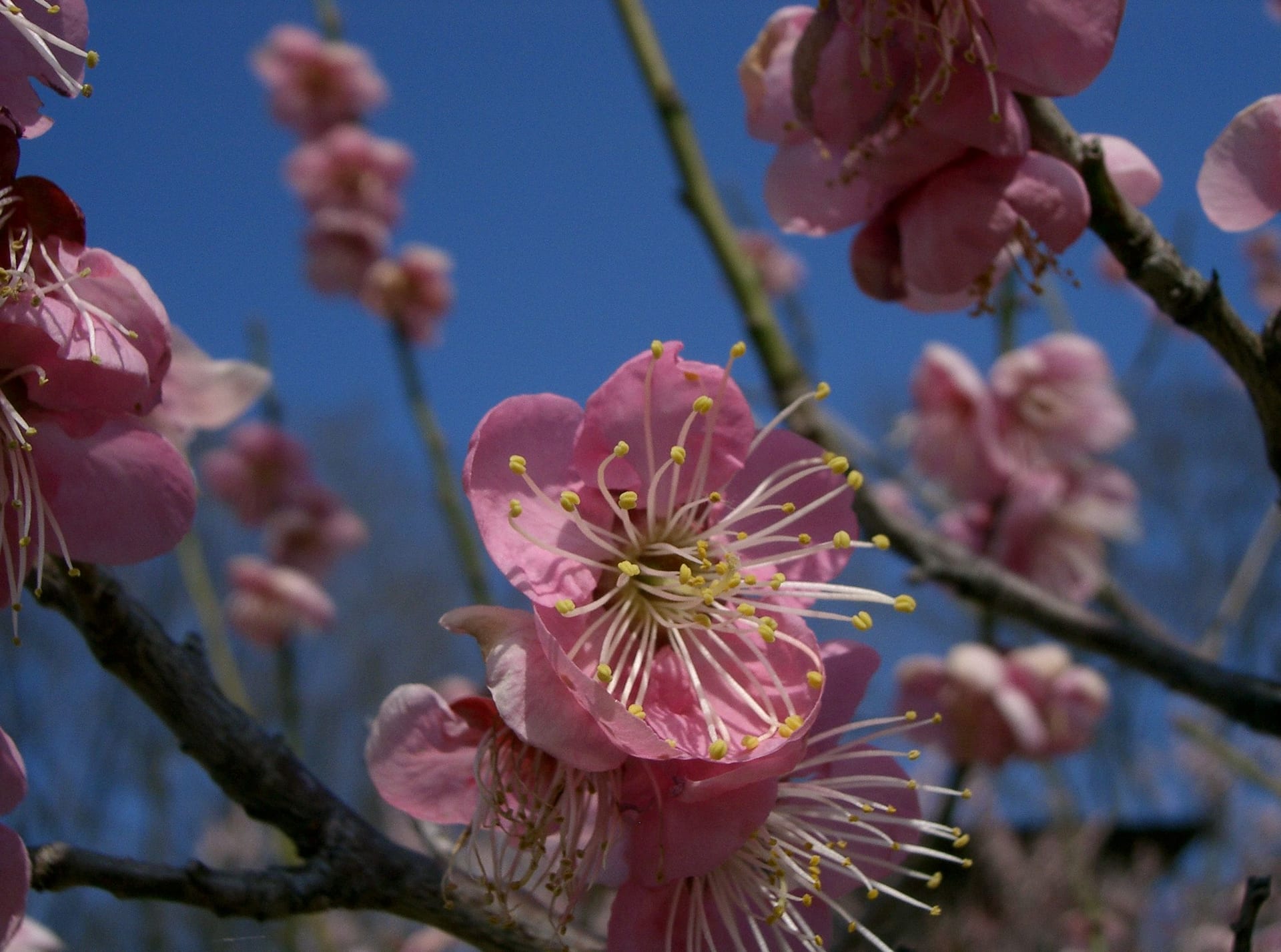
Lilac
Syringa vulgaris
Fragrant purple flowers are the main attraction. Suited for cool regions like Hokkaido and Tohoku. Dwarf varieties work well for small bonsai. Enjoy spring fragrance up close.
 © KENPEI / CC BY-SA 3.0
Michishirube Japanese apricot
Prunus mume 'Michishirube'
A flowering ume said to have been planted along old highways as a waymark for travellers. Large single flowers described as pale pink to red. A prefectural trial found it thickens its trunk well and grows very vigorously.
 © KENPEI / CC BY-SA 3.0
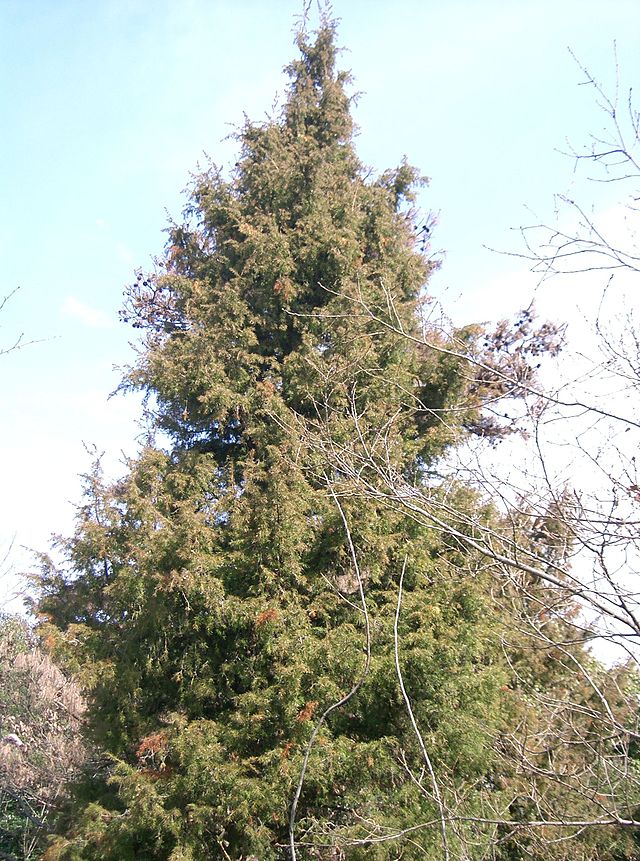
Needle Juniper
Juniperus rigida
Japanese native juniper with sharp needle-like foliage. Rougher texture than Shimpaku. Versatile from shohin to large sizes. Excellent for deadwood features.
 © Cliff from Arlington, Virginia, USA / CC BY 2.0
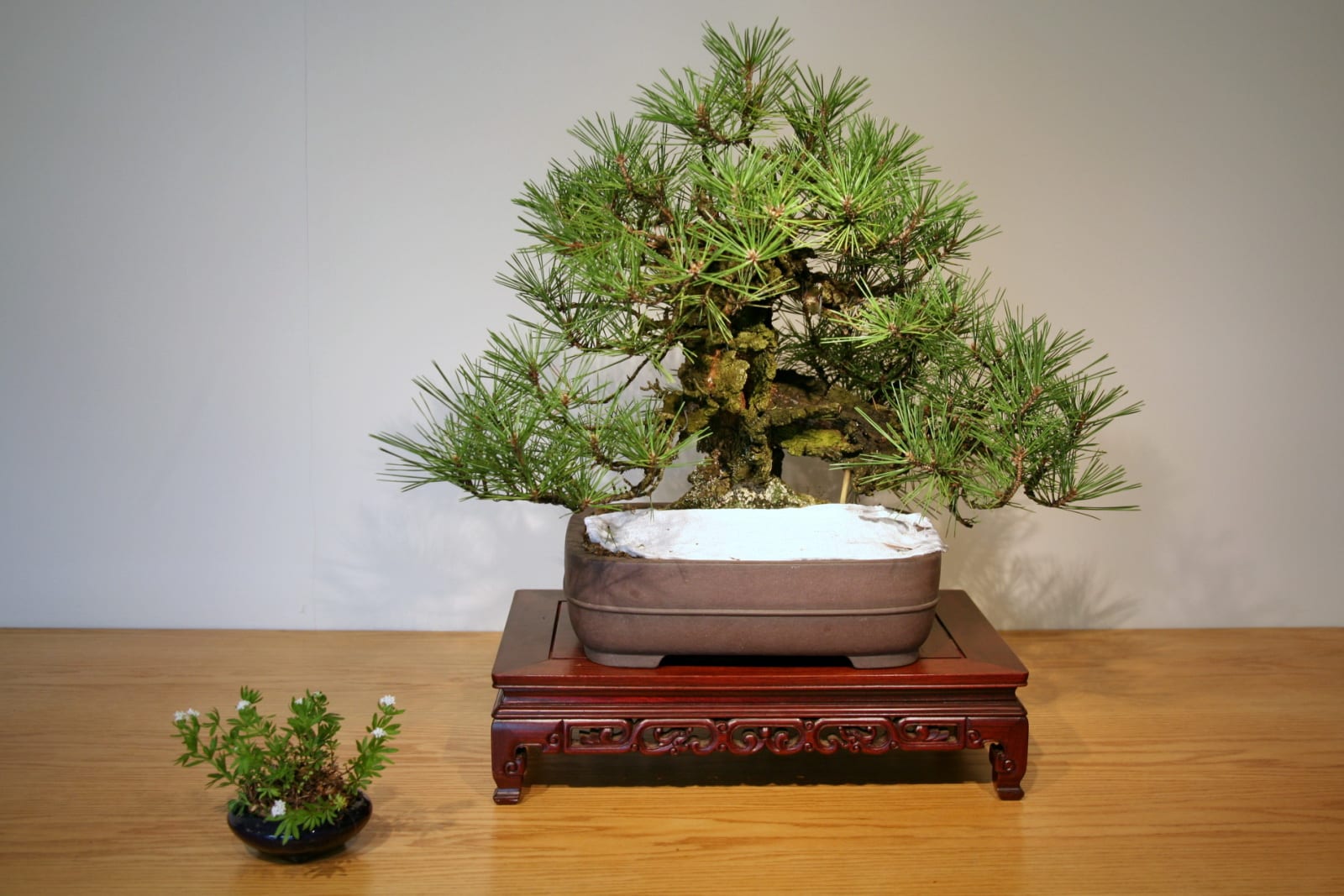
Nishiki-matsu (cork-bark Japanese black pine)
Pinus thunbergii 'Nishiki'
A mutation of Japanese black pine found on the Seto Inland Sea coast at Takamatsu, Kagawa. Its trunk and branch bark thickens into cork and splits deeply, giving even young trees the rugged look of a weathered old pine.
Omoi-no-mama Japanese apricot
Prunus mume 'Omoi-no-mama'
A late yabai-group cultivar that bears double flowers in red, white, pale pink and striped on one tree, even on the same branch. Also called Rinchigai. Where each colour appears changes every year, and some years bring a single colour.
 © albert kok / CC BY 3.0
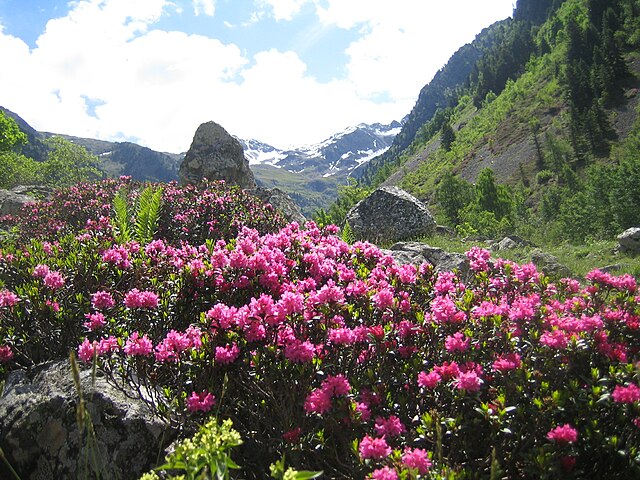
Rhododendron
Rhododendron
Evergreen shrub with gorgeous flowers. Large flower clusters color spring. Alpine varieties prefer cool conditions, requiring some experience. Post-bloom care is crucial.
 © Daderot / Public domain
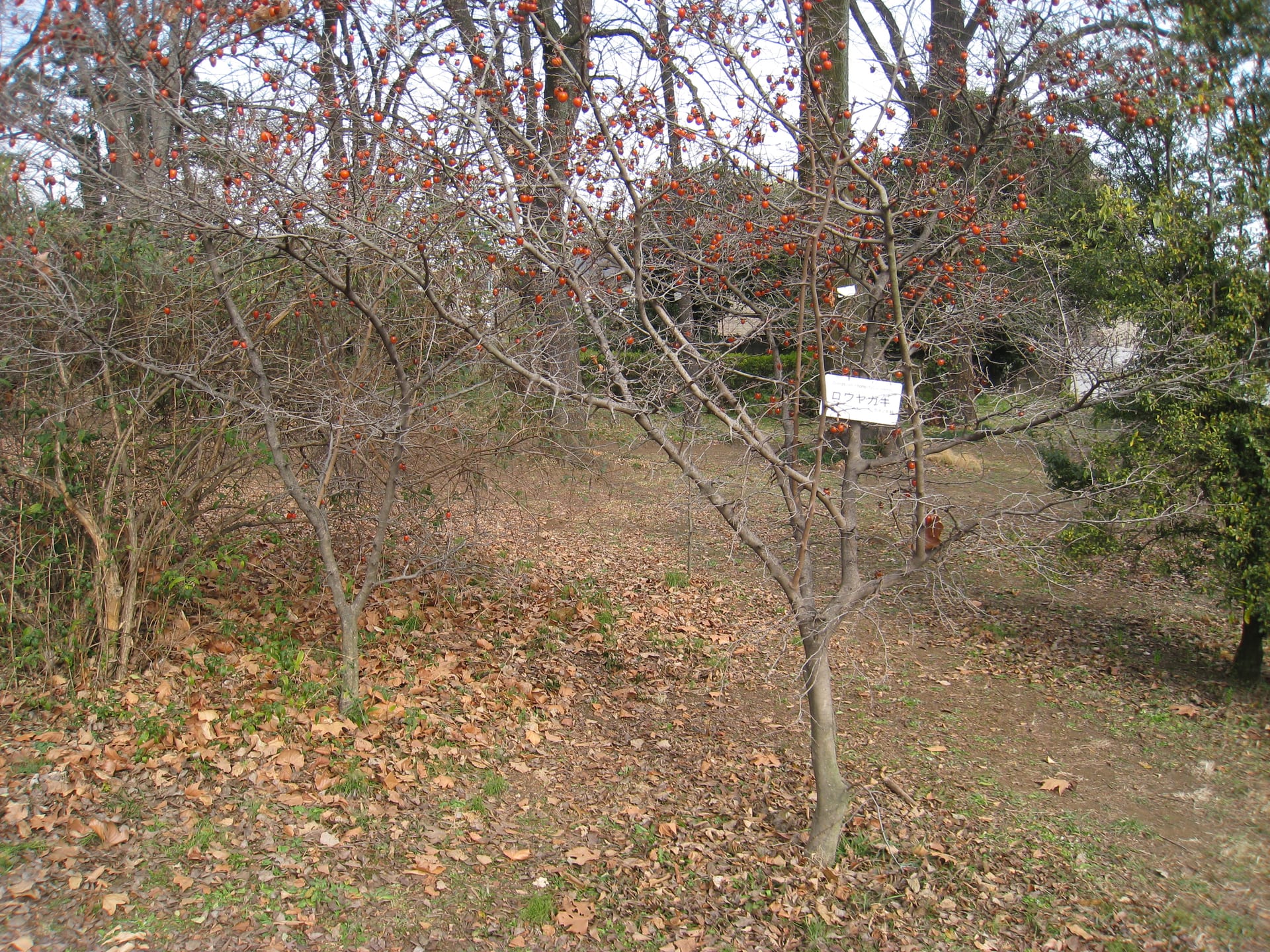
Rhombic-leaf persimmon
Diospyros rhombifolia
A small Chinese persimmon with rounded, diamond-shaped leaves and small, pointed orange fruits—a classic fruiting bonsai. The species is dioecious, so fruit set needs pollen from a male tree.
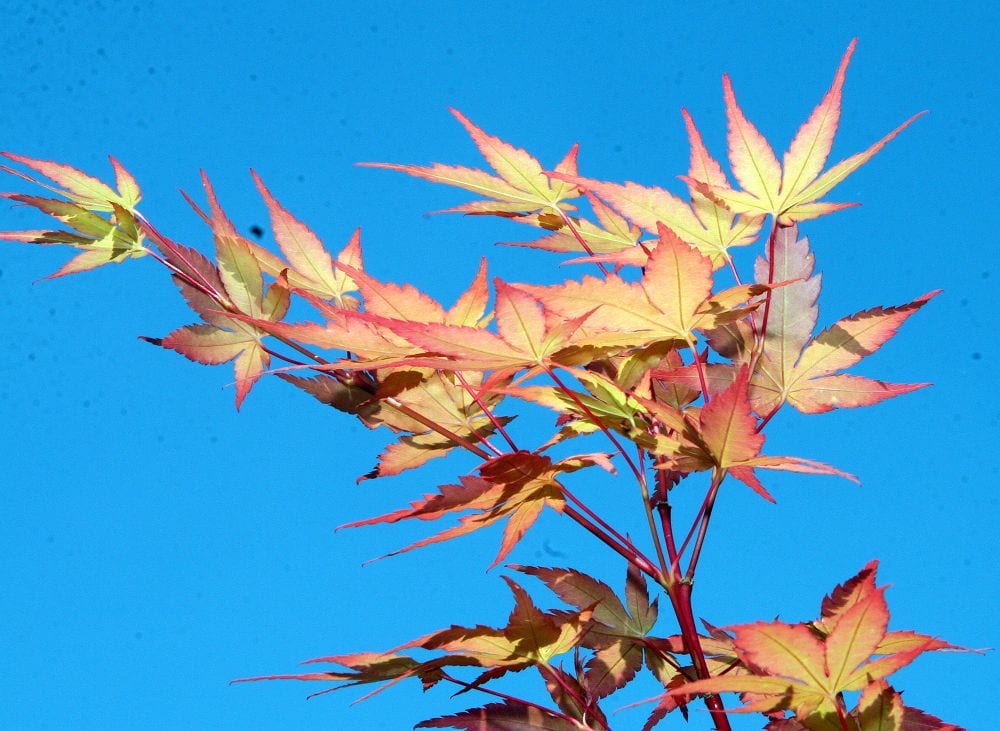 © David J. Stang / CC BY-SA 4.0
Sango-kaku (coral-bark maple)
Acer palmatum 'Sango-kaku'
A maple whose young shoots turn brilliant coral in autumn and winter. Only first- and second-year growth colours; older wood fades. The red twigs after leaf fall are the highlight, and it is sold both as bonsai and as a garden tree.
Satsuki azalea 'Juko'
Rhododendron indicum 'Juko'
A satsuki bred from 'Kotobuki' × 'Gyoten'. Medium flowers of pinkish purple with red-purple stripes, white centres or pure white on one plant; both petals and leaves are thick. Esteemed as a classic and parent of many named sports.
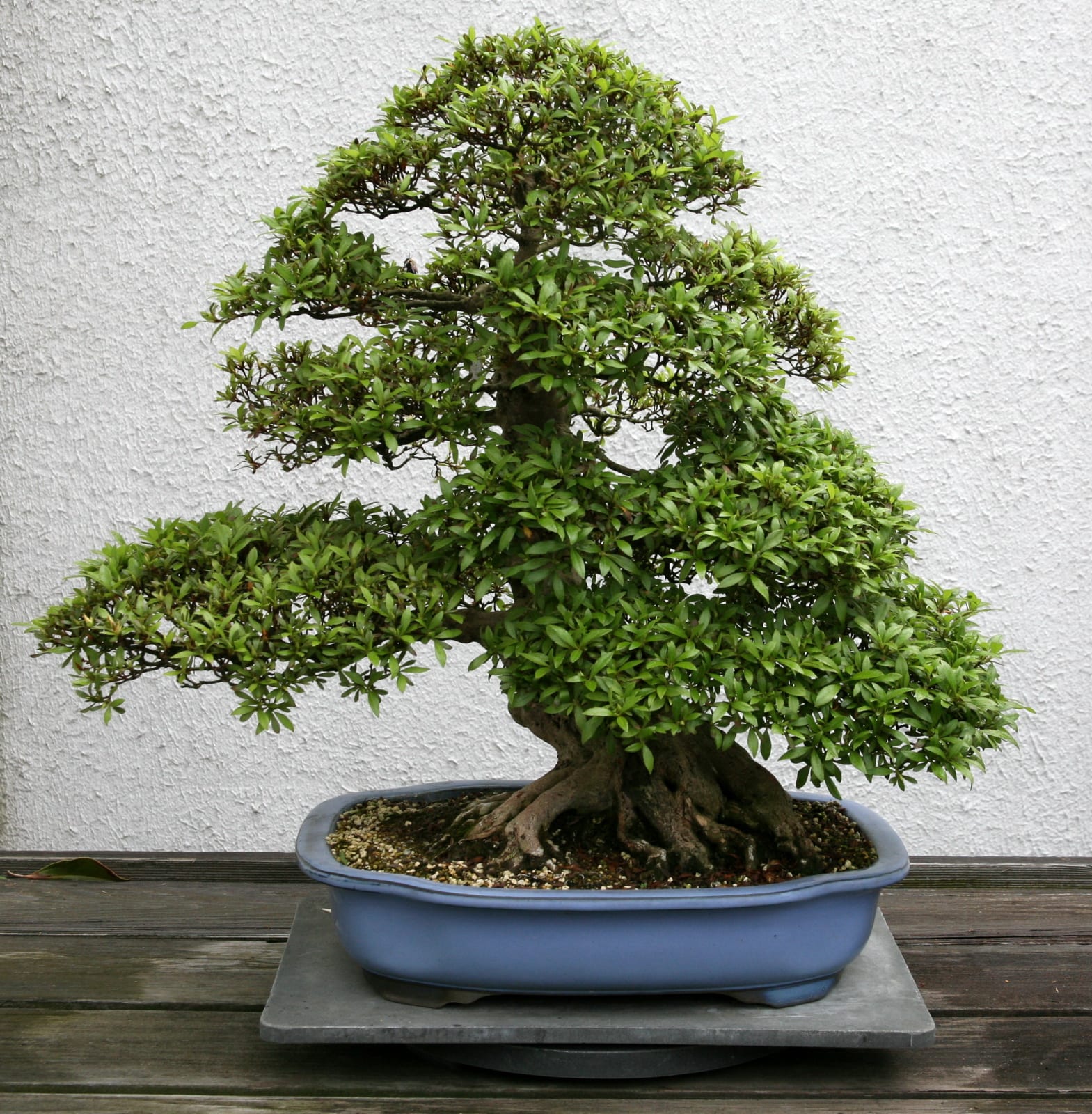 © Cliff from Arlington, Virginia, USA / CC BY 2.0
Satsuki azalea 'Kozan'
Rhododendron indicum 'Kozan'
An old satsuki of unknown parentage grown since before the Meiji era, with small, pale salmon-pink single flowers. Its slightly narrow small leaves, good branching and vigorous budding make it easy to train as bonsai.
Satsuki azalea 'Shinnyo-no-tsuki'
Rhododendron indicum 'Shinnyo-no-tsuki'
A satsuki with large purple flowers whose centres fade to white. Said to come from 'Zetsurin' × 'Adesugata' in the early Showa era, it has fairly large leaves and is usually grown as a larger tree to show off the flowers.
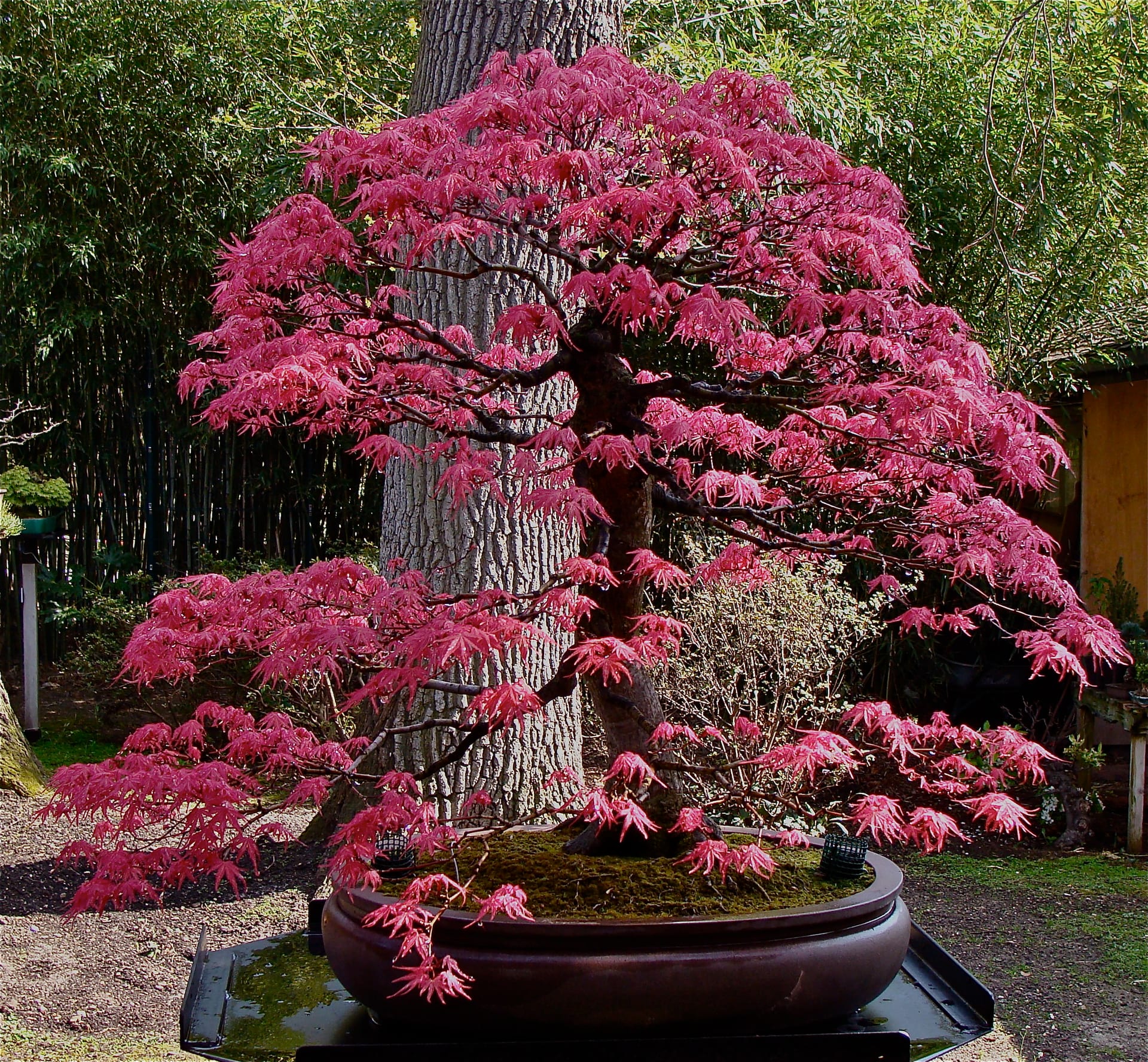 © Jebulon / CC BY-SA 3.0
Seigen Japanese maple
Acer palmatum 'Seigen'
A 'spring maple' of the iroha-momiji group, whose new leaves emerge red and colour well again in autumn. Small-leaved and offering two seasons of colour, it is regularly sold as shohin to medium maple bonsai.
Sekka hinoki cypress
Chamaecyparis obtusa 'Sekka'
A hinoki selection made for bonsai and a shohin staple. 'Sekka' here means foliage even harder and more crinkled than ordinary yatsubusa types, packing into tight mounds with an ancient, fossil-like look.
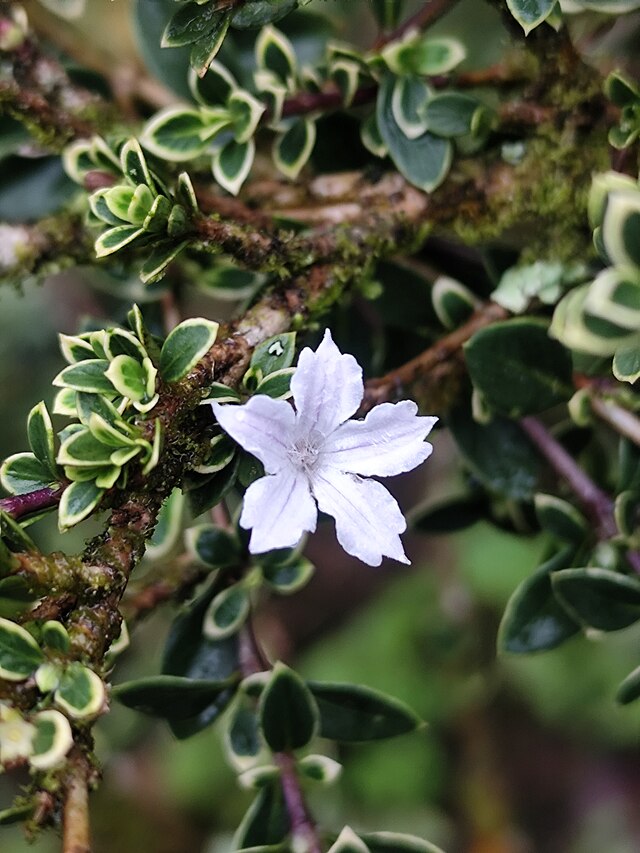 © Hayati Mayang Arum / CC BY-SA 4.0
Serissa
Serissa japonica
Evergreen shrub covered in tiny white star-shaped flowers. Extremely small leaves perfect for shohin to mini bonsai. Roots thicken well for exposed root style. Indoor capable.
Related Content
Bonsai FAQ
- How much do bonsai cost?
- Mini bonsai cost 1,000-5,000 yen, medium bonsai 5,000-50,000 yen, and masterpiece-class large bonsai hundreds of thousands to millions of yen depending on age, size, and form.
- Can beginners start bonsai?
- Starting with small Japanese maple, Shimpaku juniper, or Japanese white pine is recommended. With basic watering and 1-2 annual prunings, beginners can fully enjoy bonsai.
- How long do bonsai live?
- With proper care, bonsai can live for hundreds of years. Japan has many bonsai several centuries old, valued as art pieces passed down across generations.
- What should I check when buying bonsai?
- Look at root spread, trunk movement, and branch balance. Beginners may enjoy starting with affordable raw material trees and shaping them, rather than finished specimens.
- What's most important for bonsai care?
- Daily watering is the most important task. Water thoroughly when the soil surface dries, twice daily in summer (morning and evening). Keep outdoors in a spot with good airflow and sunlight.