Caudex Plant Encyclopedia
Encyclopedia of popular caudex plants with care guides, traits, and root management tips.
Featured Caudex Plant
Showing 8 of 141 species
 © Marinosalas / CC BY-SA 3.0
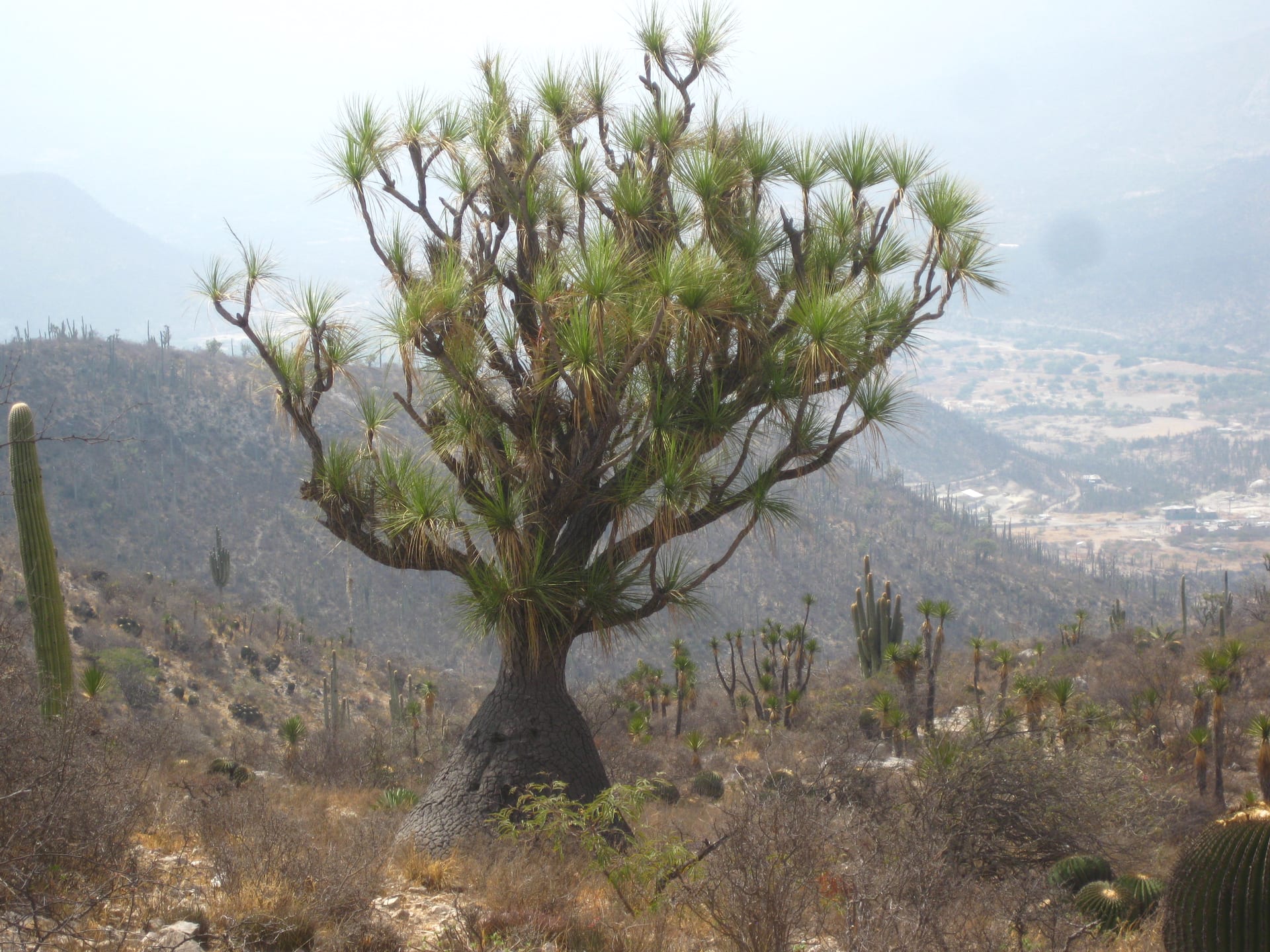
Beaucarnea gracilis
Beaucarnea gracilis
A ponytail-palm relative endemic to Mexico's Tehuacán Valley, raising several slender stems from a huge corky base like an elephant's foot. Unlike B. recurvata, its narrow, strongly blue-grey leaves stand stiffly upright.
 © Michael Wolf / CC BY-SA 3.0
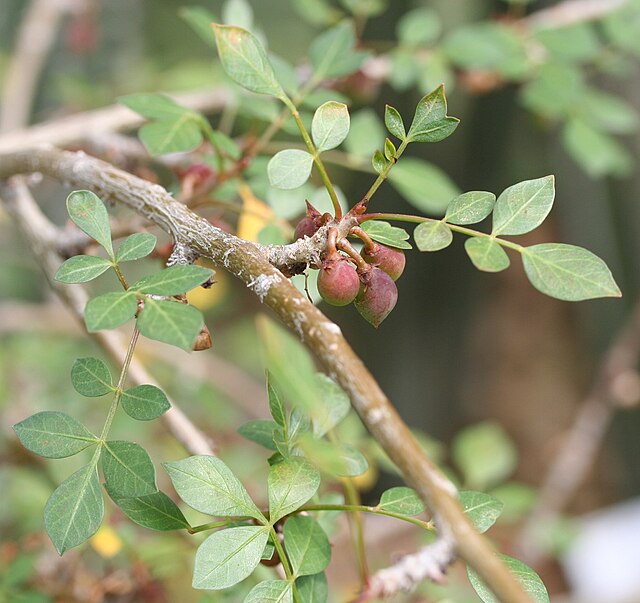
Bursera Fagaroides
Bursera fagaroides
A Mexican aromatic caudex with peeling bark and fragrant resin.
 © Frank Vincentz / CC BY-SA 3.0
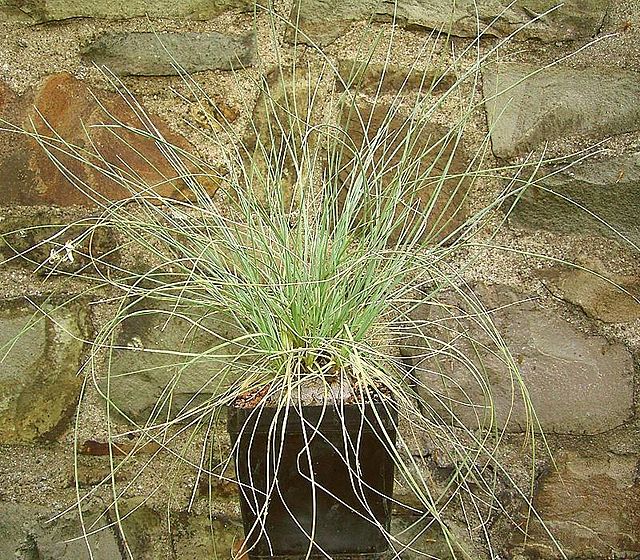
Calibanus Hookeri
Beaucarnea hookeri
A Mexican spherical caudex with cork-like large tuber producing fine grass-like leaves.
 © Rillke / CC BY-SA 3.0
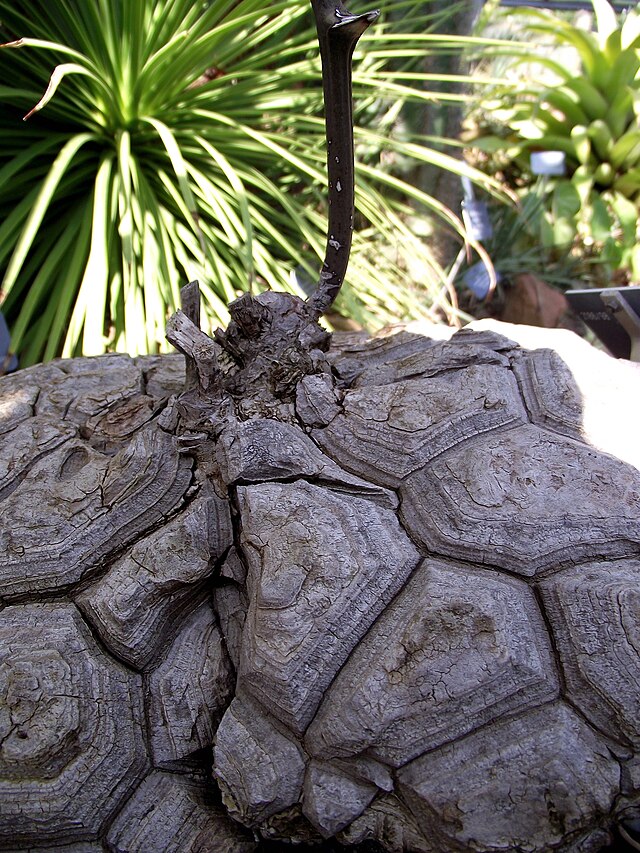
Dioscorea Mexicana
Dioscorea mexicana
Called Mexican Tortoise Plant with rounder caudex, summer-growing unlike the African species.
 © Tangopaso / Public domain
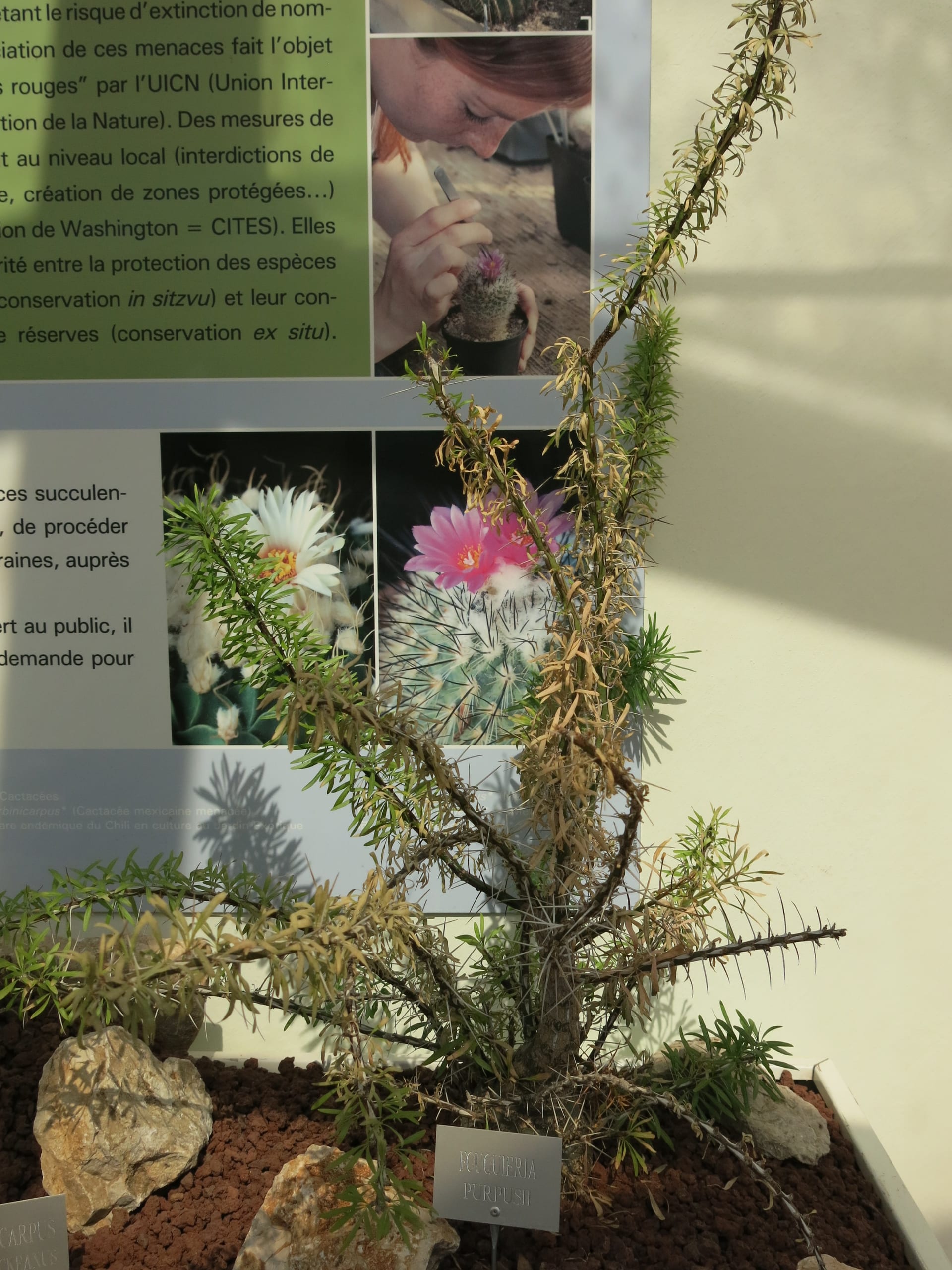
Fouquieria purpusii
Fouquieria purpusii
A "tree ocotillo" from Mexico's Tehuacán Valley with a succulent trunk that tapers gradually upward in a cone. It is one of the few white-flowered Fouquieria and is listed in CITES Appendix I.
 © Frank Vincentz / CC BY-SA 3.0
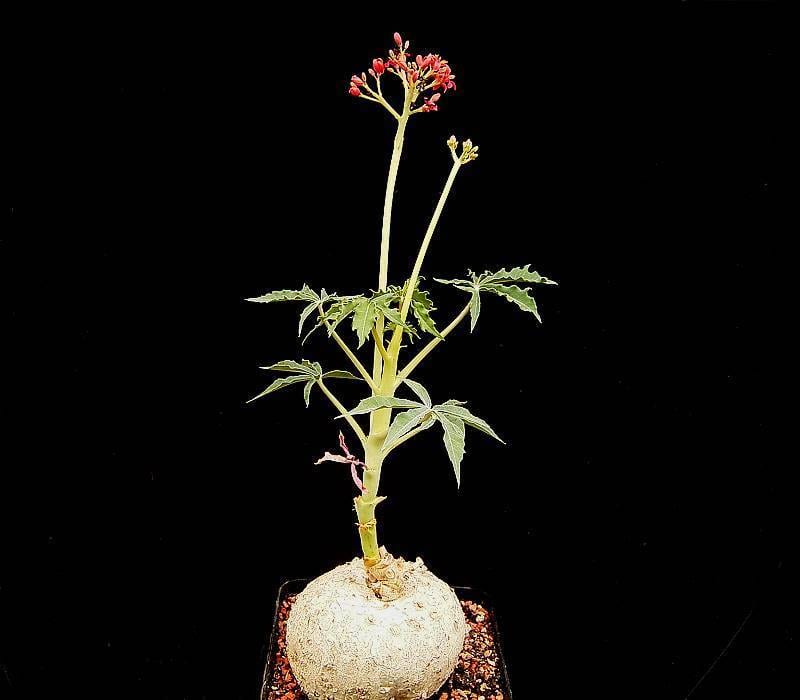
Jatropha cathartica
Jatropha cathartica
A spurge-family caudiciform from Texas and north-eastern Mexico with a pale, globe-shaped caudex and grey-green leaves deeply cut into five to seven lobes. Bright pink to poppy-red flowers appear throughout the growing season.
 © Daderot / CC0
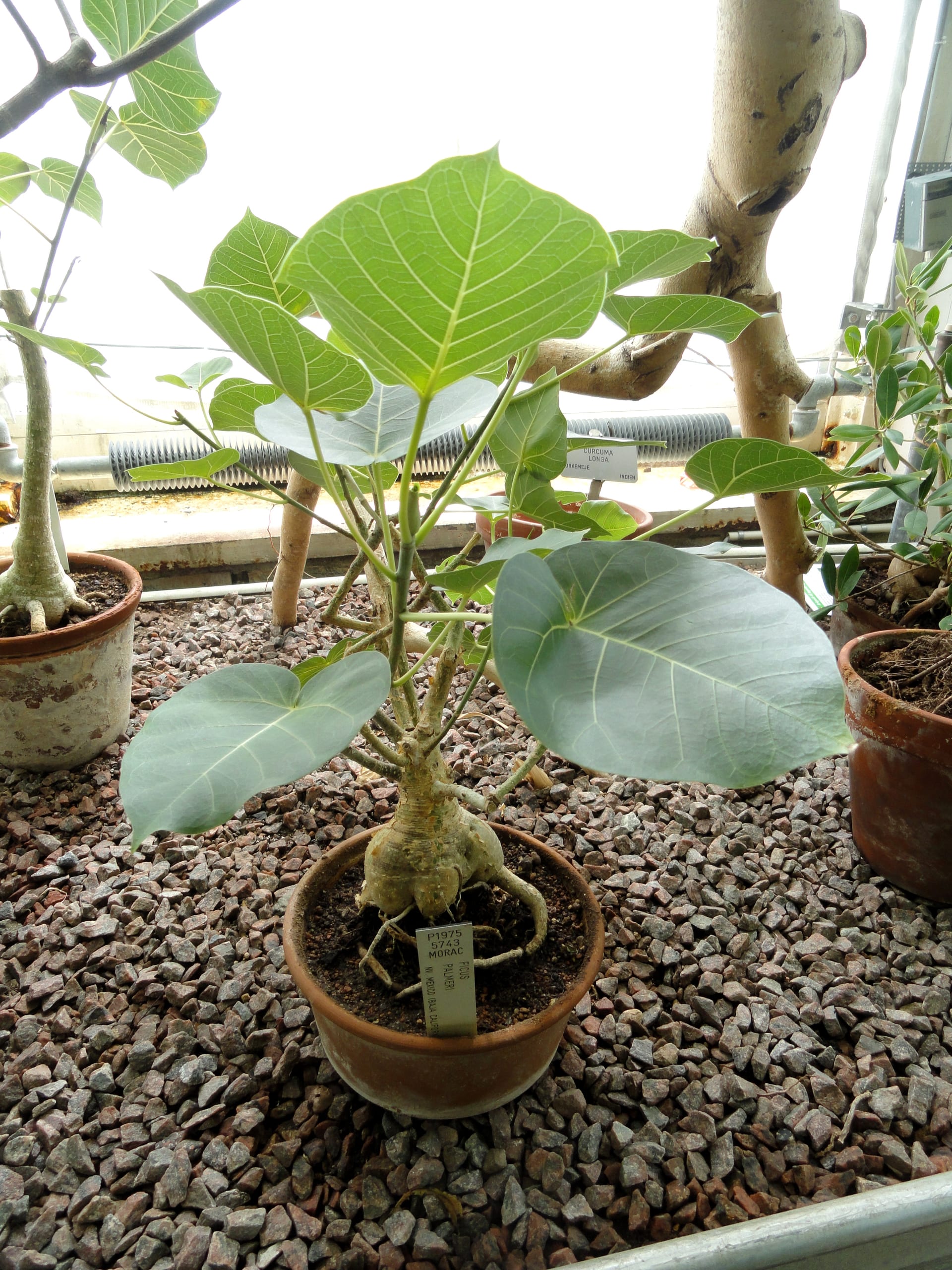
Palmer's fig
Ficus petiolaris subsp. palmeri
A subspecies of Ficus petiolaris from the dry lands of the Baja California peninsula and Sonora. In Japan it is sold separately from the parent species as "Palmeri", as plants with swollen caudex-like bases.
 © KATHERINE WAGNER-REISS / CC BY-SA 4.0
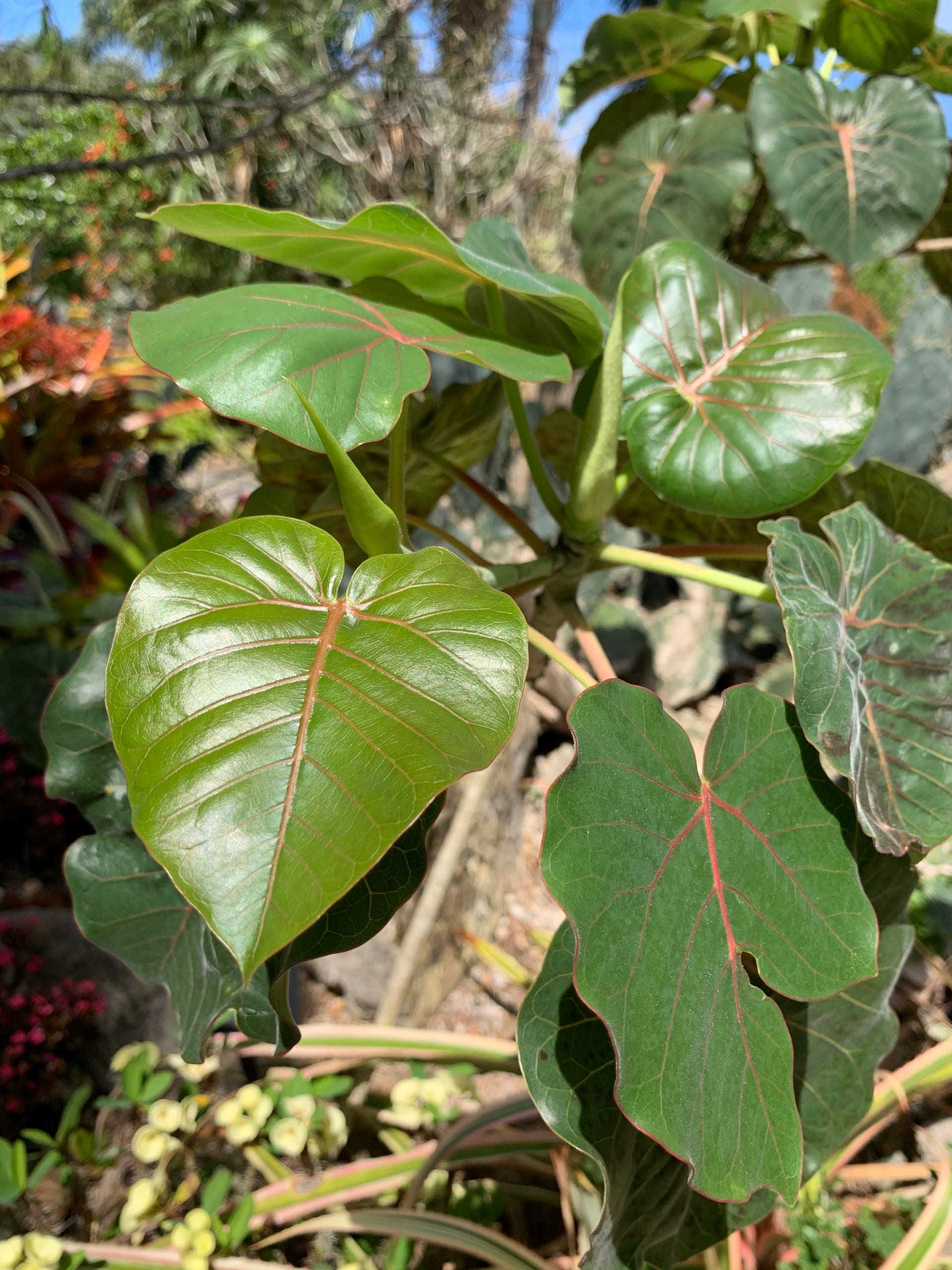
Rock fig
Ficus petiolaris
A fig endemic to Mexico with a yellowish-green trunk and bright green heart-shaped leaves. White tufts of hair in the vein axils on the leaf underside help identify it; in Japan, potted plants with swollen bases are sold as caudiciforms.
Related Content
Caudex Plant FAQ
- How much do caudex plants cost?
- Pachypodium gracilius seedlings cost 2,000-10,000 yen, wild-collected specimens 30,000-200,000+ yen, and Operculicarya pachypus can reach hundreds of thousands of yen.
- Can beginners grow caudex plants?
- Adenium (Desert Rose) and Pachypodium seedlings are relatively easy and beginner-friendly. Just be careful with watering during winter dormancy, and you can enjoy them for years.
- How long do caudex plants live?
- Some specimens live for hundreds of years in the wild. In cultivation, they can thrive for decades with proper care. Watching the caudex thicken year by year is the greatest appeal.
- What should I check when buying caudex plants?
- Whether it's rooted is the most important point. Wild-collected imports are often unrooted and require root establishment. Beginners should start with rooted domestically grown seedlings.
- How do caudex plants overwinter?
- Many caudex plants go dormant in winter. Reduce watering from October, and withhold water completely from December to February. Keep indoors in a sunny spot at minimum 10°C.