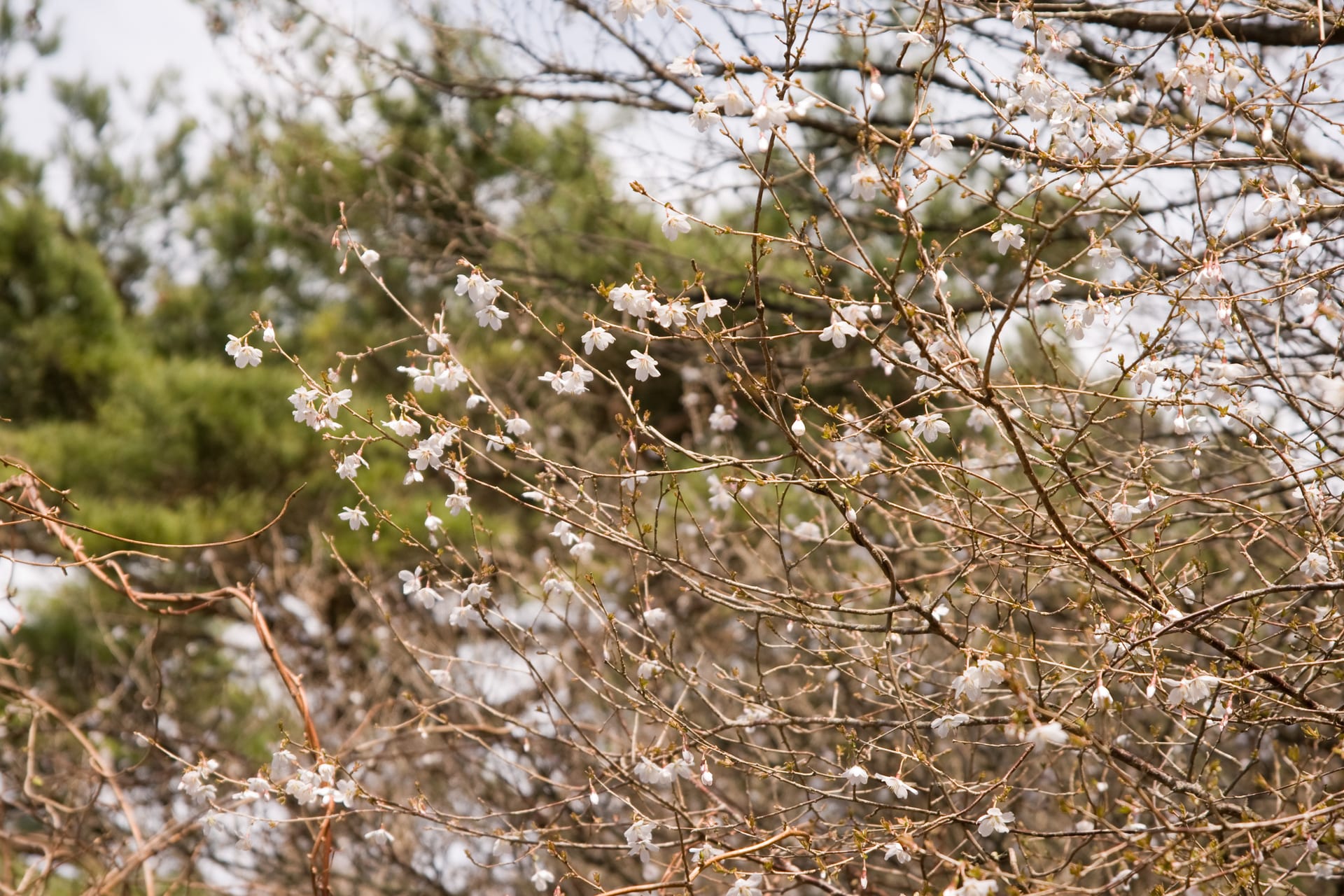
 © Σ64 / CC BY 3.0
豆樱
Fuji cherry (Fuji-zakura) is a wild cherry native to Japan, found mainly around Mt. Fuji and Hakone, where it's also known as mamezakura. Its flowers, leaves, and overall form stay compact — while some trees grow tall in the wild, multi-stemmed specimens typically top out around 3 to 5 meters. As bonsai, it produces small white to pale pink blossoms that nod downward, and it tends to flower even while still young. Because shaping and flower-bud care call for some experience, it's considered a plant for intermediate growers, but the reward is a richly expressive little tree that captures the feel of cherry blossoms on a small scale.
View 豆樱 encyclopedia →成交手续费0%!2026年9月30日前注册,前 2 株免佣金!
生产者 招募中!
在GrowerDirect上销售,直接面向全国客户销售吗?
GrowerDirect的 6 项透明性承诺
在盆景的上架中,生产者公开以下信息。确保树种、产地、光照需求、栽培难度的透明度。
- 树种公开
- 实物照片
- 色彩
- 产地公开
- 光照需求
- 难度公开
查看全部144个品种
盆景分类正在招募认证生产者
生产者正在陆续注册,即将上架。设置上架通知,不错过新商品。
「接收上架通知」需免费注册会员即可设置。当有符合您保存条件的新商品上架时,我们会通过邮件和站内通知提醒您。
已注册的生产者(抢先看)
豆樱的基本数据
- 养护难度
- 适合中级者
- 寿命
- 关于树龄的资料较少
- 体型
- 最大约10米,但多为丛生形式,通常3~5米高(盆景为微型~小型)
- 浇水
- 肥料(花后~秋季,除去梅雨和盛夏)
- 光照和放置位置
- 喜欢光照充足和湿润的环境。但豆樱系列对强烈日照和高温敏感,夏季应在遮阳的明亮半阴处养护
- 浇水
- 在干燥地区长势不佳。过干或过湿都容易伤害根系,因此表土干燥时应充分浇水
- 温度和越冬
- 耐寒性强,即使冬季温度达-20℃的地区也能生长。开花需要冬季的寒冷,应在室外越冬,避免干风和晚霜
- 土壤和换盆
- 原产于火山地带,对土质要求不严,但盆栽应使用排水良好的土壤。根据根系情况决定是否换盆
- 肥料
- 花后至秋季施肥,除去梅雨季和盛夏。适用含磷肥料或开花植物专用肥料
- 修剪和整形
- 萌芽能力弱,过度修剪容易导致衰弱。花后仅轻微修剪过长枝条,切口处涂抹保护剂
- 病虫害和注意事项
- 注意蚜虫、介壳虫、根头癌肿病等樱花类常见的病虫害。因为是自生种,应选择栽培品而非野生采集品
关于豆樱
Fuji cherry, a small wild cherry native to Mt. Fuji and Hakone, bears nodding white to pale pink blooms even while young — a compact, intermediate-level bonsai choice for enjoying cherry blossoms up close.
开始养护豆樱前需要了解的7件事
1Light and Airflow
Fuji cherry prefers a sunny spot, so keep the pot outdoors where it gets light for most of the day. Poor air circulation invites pests and disease, so leave some space around the pot. In midsummer, shielding it from harsh afternoon sun helps prevent leaf scorch.
2Watering Basics
Water thoroughly until it runs from the drainage holes once the soil surface has dried. The tree draws more moisture while flowering and pushing new growth, so watch closely for dryness during that period. In winter, once the leaves have dropped and the tree is dormant, cut back on watering frequency.
3Well-Drained Soil
Fuji cherry dislikes staying wet, so use a mix built mainly on akadama that balances drainage with water retention. Root rot from excess moisture is a common cause of poor growth, so also check that the pot drains freely.
4When to Repot
Repotting is usually done after flowering ends and before new growth gets underway. Gently loosen the root ball, remove old soil, trim away any damaged roots, then set the tree in fresh soil. Rather than every year, repot roughly every few years based on how crowded the roots have become.
5Pruning Without Losing Buds
Fuji cherry sets flower buds on the previous year's growth, so pruning at the wrong time or spot can reduce next spring's blooms. Trim back overly long shoots right after flowering, and avoid heavy pruning from autumn onward. Managing flower buds well is exactly why this species is considered better suited to growers with some experience.
6Watching for Pests and Disease
Like most flowering cherries, Fuji cherry can attract aphids and is prone to issues such as powdery mildew. Checking new shoots and the undersides of leaves regularly makes it easier to catch problems early.
7Choosing a Tree
Look for a tree with undamaged bark and well-balanced branching, which makes it easier to shape going forward. A tree already carrying flower buds lets you preview its bloom, while during dormancy you'll need to judge it by branch structure and trunk movement. Since this species is rated for intermediate growers, it can help to practice on another cherry bonsai first.
豆樱的常见问题
- Q.Are Fuji cherry and mamezakura the same plant?
- A.Yes — Fuji cherry is another name for mamezakura, a wild cherry native to Japan. It's called Fuji cherry because it grows widely around Mt. Fuji and Hakone.
- Q.Can beginners grow this tree?
- A.Fuji cherry is generally considered suited to intermediate growers. It calls for cherry-bonsai-specific know-how, like managing flower buds and keeping the soil well drained, so it helps to first learn the basics on another species.
- Q.How large does it get?
- A.Some trees grow tall in the wild, but multi-stemmed specimens typically stay around 3 to 5 meters. When trained as bonsai, it's usually kept at a mini to shohin (small) size.
- Q.How many years can I enjoy it?
- A.There isn't much detailed data on Fuji cherry's typical lifespan. As with other flowering cherry bonsai, consistent watering and repotting over the years lets you keep growing with the tree long-term.
- Q.When does it bloom, and what do the flowers look like?
- A.Even while still young, it produces small white to pale pink flowers that nod downward. As with other cherries, flowering is centered in early spring.
豆樱种植的实用工具
在图鉴中详细了解豆樱
查看豆樱的图鉴条目 →
收录栽培难度、尺寸、原产地、日照等基础数据。