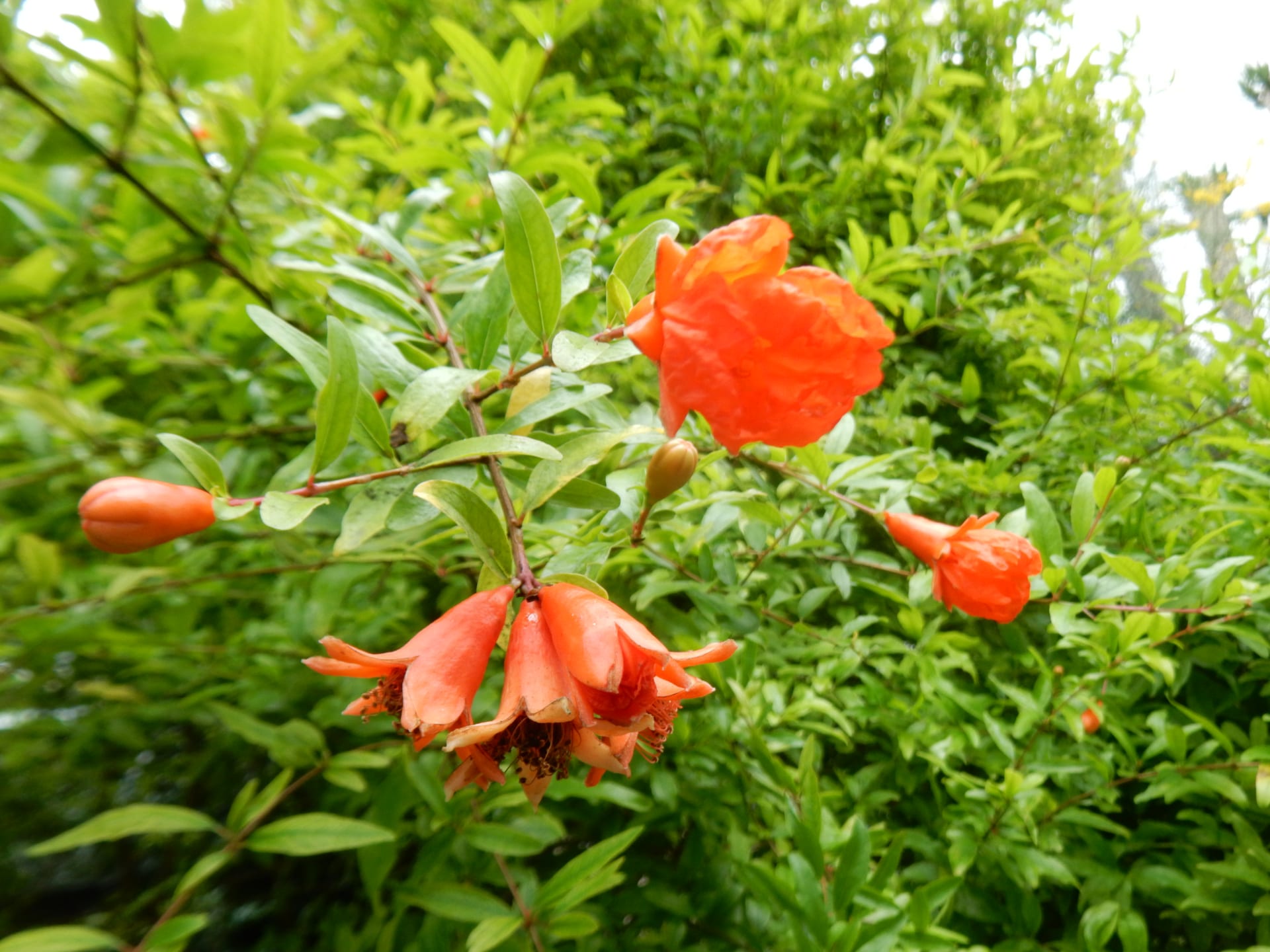
 © Shuvaev / CC BY 4.0
矮石榴
The dwarf pomegranate (Hime-zakuro) is a compact variety of pomegranate bred to stay low and small, making it a popular choice for container gardens and mini bonsai. In early summer it produces wrinkled, vermilion-red flowers, and when pollination succeeds, small fruit can be enjoyed alongside the blooms. Both its flowers and fruit are noticeably smaller than those of a standard pomegranate, so it suits growers with limited space. Also sold under the name "Issai-zakuro," it is considered an easy plant for beginners once the basics of care are understood.
View 矮石榴 encyclopedia →成交手续费0%!2026年9月30日前注册,前 2 株免佣金!
生产者 招募中!
在GrowerDirect上销售,直接面向全国客户销售吗?
GrowerDirect的 6 项透明性承诺
在盆景的上架中,生产者公开以下信息。确保树种、产地、光照需求、栽培难度的透明度。
- 树种公开
- 实物照片
- 色彩
- 产地公开
- 光照需求
- 难度公开
查看全部144个品种
盆景分类正在招募认证生产者
生产者正在陆续注册,即将上架。设置上架通知,不错过新商品。
「接收上架通知」需免费注册会员即可设置。当有符合您保存条件的新商品上架时,我们会通过邮件和站内通知提醒您。
已注册的生产者(抢先看)
矮石榴的基本数据
- 养护难度
- 适合新手
- 寿命
- 石榴树的寿命约为200年左右(作为栽培品种的资料较少)
- 体型
- 矮化,株型低矮(微型~小型盆景)
- 浇水
- 肥料(极少用量)
- 光照・位置
- 选择光照充足、通风良好的位置。荫蔽环境下难以开花结果。小盆应避免在夏季长时间被西晒照射
- 浇水
- 表土干透后浇透。春季每天1~2次,夏季2~3次,冬季每2~3天1次为目安。花蕾形成后保持偏干可防止落花
- 温度・越冬
- 不耐寒冷(石榴适合USDA区域7b~8)。冬季需避免寒风并做好保温,避免在寒冷季节修剪
- 土壤・换盆
- 需排水良好的土壤。土壤过酸时叶片易黄化,换盆时应混入少量熏炭以调节。换盆时间为3月中旬~4月上旬,每1~2年进行一次
- 施肥
- 矮石榴基本不需施肥或很少施肥。若需施肥,应在花后和摘果后进行,减少氮肥,以磷钾肥为主
- 修剪・整形
- 花朵开于春季新生枝的顶端,故春季不应修剪,在花后的6~7月修剪徒长枝。绑扎造型仅在6~7月对幼嫩枝条进行
- 病虫害・注意事项
- 需防范介壳虫、蚜虫和白粉病。冬季需寻找并清除袋蛾。枝条有刺,需特别注意
关于矮石榴
Dwarf pomegranate (Hime-zakuro) is a compact variety suited to pots and mini bonsai. It blooms wrinkled, vermilion-red flowers in early summer and can bear small fruit, and is also sold as "Issai-zakuro."
开始养护矮石榴前需要了解的7件事
1Choosing a Sunny Spot
Dwarf pomegranates thrive in sunlight, so keep them outdoors in a spot with good airflow and plenty of direct sun. Insufficient light can reduce flowering and fruit set, so choose the sunniest location available.
2Watering by Season
During the growing season from spring through autumn, water thoroughly once the soil surface dries out. In winter, when the tree is dormant and leafless, keep the soil on the drier side to avoid root damage from excess moisture.
3Well-Draining Soil
A bonsai soil mix based on akadama with good drainage and balanced water retention works well. Standing water in the pot can lead to root rot, so prioritize drainage when choosing your soil.
4Repotting to Prevent Root-Bound Pots
Roots tend to fill the pot quickly, so repot roughly every one to two years during dormancy. Refreshing the soil at this time supports healthy roots and reliable flowering.
5Prune After Flowering
Dwarf pomegranate flowers at the tips of shoots that grow in spring. Leave those spring shoots uncut, and prune leggy shoots after flowering, in June or July, to tidy the shape. The tree is not very cold-hardy, so avoid pruning during the cold months.
6What to Look for in a Plant
Choose a specimen with plenty of branching and firm, healthy-looking stems and branches, as these tend to grow more reliably. Since this is considered a beginner-friendly variety, starting with a plant that has vibrant leaf color is a safe bet.
7A Plant You Can Grow With for Years
Pomegranates are known as long-lived trees, with some reported to reach around 200 years of age. Kept as a small bonsai, a dwarf pomegranate can be enjoyed for many years as its shape and character continue to change.
矮石榴的常见问题
- Q.Is dwarf pomegranate suitable for beginners?
- A.Yes, it's generally considered a beginner-friendly variety. Sticking to the basics of watering and sunlight makes it manageable even in a pot.
- Q.Can I enjoy both flowers and fruit at once?
- A.It blooms wrinkled, vermilion-red flowers in early summer, and if pollination succeeds, small fruit can form on the same plant. Some years may produce flowers without fruit.
- Q.Is "Issai-zakuro" the same plant as dwarf pomegranate?
- A.Issai-zakuro is one of the other names used for dwarf pomegranate. Issai-zakuro and dwarf pomegranates are said to flower freely but not to fruit especially well, although some plants do set fruit readily. If fruit matters to you, check how well a plant is fruiting before you buy it.
- Q.How is it different from a regular pomegranate?
- A.Dwarf pomegranate stays smaller than a standard pomegranate tree, with correspondingly smaller flowers and fruit. This makes it well suited to container growing and mini bonsai.
- Q.Is it better to grow it outdoors or indoors?
- A.Since it prefers sunlight, growing it outdoors in a bright, well-ventilated spot suits it best. If grown indoors, choose a window with as much direct light as possible.
矮石榴种植的实用工具
在图鉴中详细了解矮石榴
查看矮石榴的图鉴条目 →
收录栽培难度、尺寸、原产地、日照等基础数据。