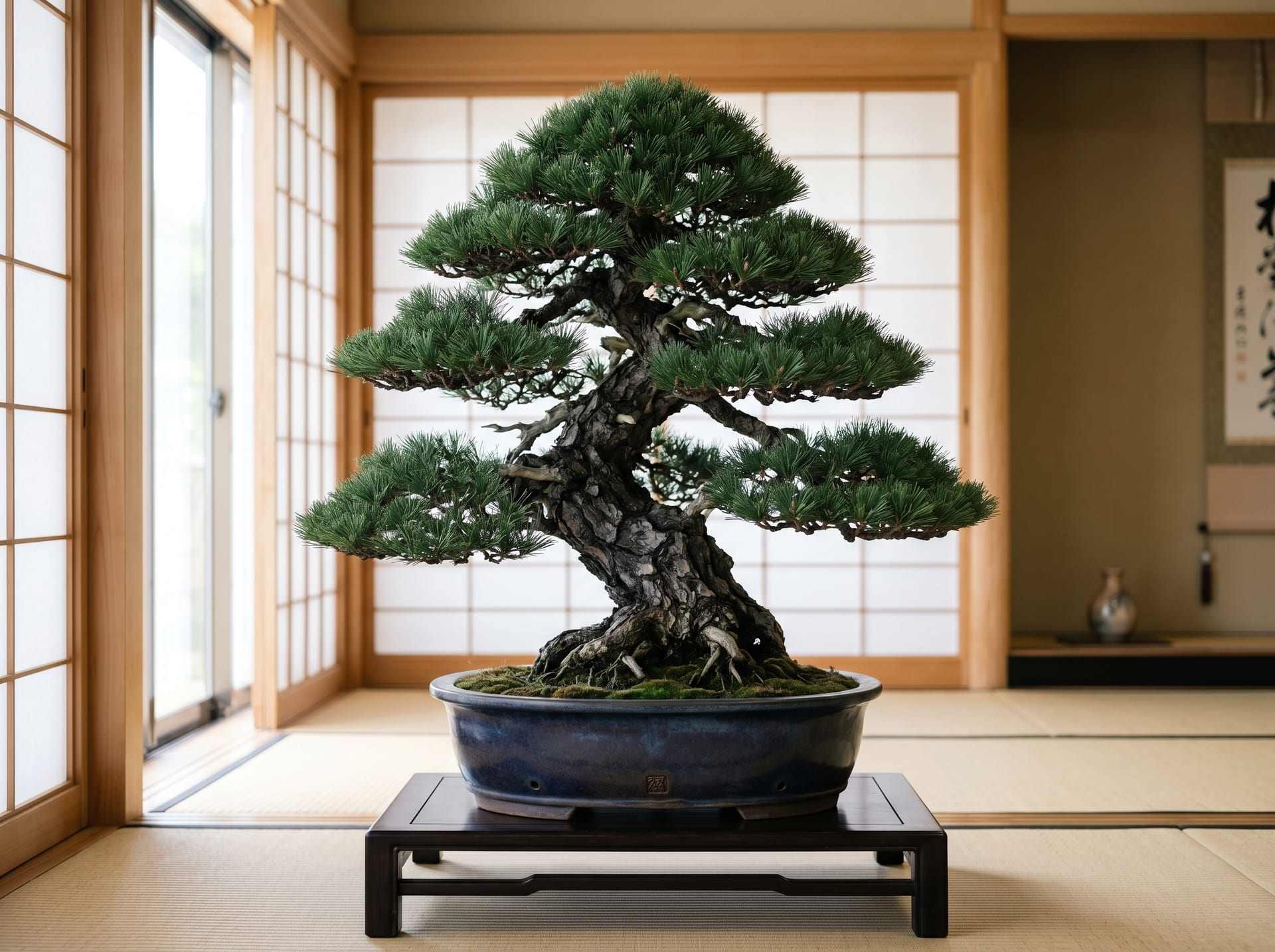
黑松
The ultimate bonsai classic. Rugged bark and powerful branching are its greatest appeal. Faster than white pine; advanced techniques like bud cutting create refined canopies. Challenging but supremely rewarding.
View 黑松 encyclopedia →前3笔销售免佣金!在2026年8月31日前注册生产者账户 → 前3笔成交的手续费免费!
栽培者 招募中!
在BoTachoku上销售,直接面向全国客户销售吗?
ボタちょく的 6 项透明性承诺
在盆景的上架中,栽培者公开以下信息。确保树种、产地、光照需求、栽培难度的透明度。
- 树种公开
- 实物照片
- 色彩
- 产地公开
- 光照需求
- 难度公开
盆景分类正在招募认证栽培者
栽培者正在陆续注册,即将上架。设置上架通知,不错过新商品。
「接收上架通知」需免费注册会员即可设置。当有符合您保存条件的新商品上架时,我们会通过邮件和站内通知提醒您。
已注册的栽培者(抢先看)
黑松的基本数据
- 养护难度
- 适合高级者
- 寿命
- Centuries (50+ years as bonsai)
- 体型
- 15-100cm (bonsai size)
- 适宜温度
- -10〜35℃
- 浇水
- Generous solid organic fertilizer in spring and fall
- Placement
- Outdoor in full sun. More sunlight is always better
- Bud Cutting
- Cut new shoots at base in June — forces shorter second-flush needles. Advanced technique
- Watering
- Keep on the dry side. Overwatering causes leggy growth
- Notes
- Watch for pine caterpillars and needle cast. Regular spraying needed
关于黑松
Japanese Black Pine (Pinus thunbergii) is a two-needled pine native to Japan's coastlines, long revered as the "king of bonsai." True to its name, the bark weathers to a gray-black and develops a deeply fissured, tortoise-shell texture as the tree matures, creating striking shadows and depth. Its paired needles are stiff and resilient, lending the tree a bold, linear beauty. The same species is widely cultivated as bonsai across Japan, prized precisely because it rewards skilled technique — candle cutting, bud selection, and careful wiring allow the grower to sculpt the silhouette over time. Each season brings its own essential task: bud pinching in spring, candle cutting in midsummer, and wiring in autumn and winter. For anyone who wants to experience bonsai as a true craft rather than a passive hobby, Black Pine offers unmatched depth. The quiet power and sense of accumulated years in a well-developed specimen is a presence no other variety quite matches.
开始养护黑松前需要了解的7件事
1Full Sun Is Essential
Japanese Black Pine thrives in full, direct sunlight and should be kept outdoors year-round. Insufficient light causes weak, elongated growth and disrupts the tree's structure. A south- or east-facing spot with good air circulation is ideal.
2Candle-Cutting Is Key
Candle-cutting is a technique unique to Black Pine bonsai: the spring candles are removed in early summer to stimulate back-budding and produce shorter, denser growth. Timing is critical — generally late June to early July — and mistakes can weaken the tree significantly. Beginners should study the technique carefully before attempting it.
3Needle-Thinning Refines Form
In autumn, older needles are manually thinned to improve light penetration and airflow within the canopy. Overcrowded foliage invites pests and disease and can cause branch dieback. The amount of needles left on each branch should be adjusted according to the branch's vigor.
4Water Deeply, Not Frequently
Black Pine dislikes waterlogged soil. Water thoroughly until it drains from the bottom, but only after the soil surface has dried. During hot summers, watering twice daily may be necessary, but never allow water to pool in the saucer, as this promotes root rot. Always check drainage from the pot's bottom holes.
5Fertilizing Drives Vigor
Black Pine responds well to fertilization. Regular applications of solid organic fertilizer in spring (March–May) and autumn (September–October) maintain healthy vigor. Avoid feeding immediately before and after candle-cutting to moderate growth. Choose a balanced fertilizer — excess nitrogen causes overly long growth.
6Repot Every 2–3 Years
Repotting every two to three years prevents the roots from becoming compacted and keeps drainage optimal. The best time is late February to March, just before the buds begin to swell. Trim the roots by about one-third and repot into fresh, well-draining soil (primarily akadama). Keep the tree in partial shade for one to two weeks after repotting before returning it to full sun.
7Watch for Pine Wilt Disease
Japanese Black Pine is susceptible to pine wilt disease caused by the pinewood nematode, which can cause needles to turn reddish-brown and the tree to die rapidly, often from late summer onward. Preventive trunk injections are considered effective; if symptoms appear, consult a specialist promptly. Maintaining strong vigor through good airflow and proper care is the best overall prevention.
黑松的常见问题
- Q.Can beginners grow Japanese Black Pine bonsai?
- A.Black Pine is generally considered intermediate to advanced due to techniques like candle cutting. However, it rarely dies if basic sun and watering requirements are met. Beginners can absolutely try with the help of instructional books or a bonsai class to learn step by step.
- Q.What happens if I skip candle cutting?
- A.Without candle cutting, branches elongate and needles grow long, gradually losing the compact, refined silhouette. Skipping it for several years disrupts overall balance and makes correction time-consuming. Annual cutting in June–July is essential for maintaining good form.
- Q.How should I care for Black Pine in winter?
- A.Black Pine is cold-hardy and can overwinter outdoors in most of Japan. In frosty areas, simple protection under eaves or a frost cloth is usually sufficient. Water only in the morning on days when the soil has completely dried, and avoid letting roots freeze.
- Q.How often should I fertilize Black Pine?
- A.Apply slow-release solid fertilizer primarily during the growing seasons — spring (March–May) and autumn (September–October). Reduce feeding in summer when the tree is under heat stress, and withhold fertilizer in winter. Over-fertilizing causes elongated growth, so stick to recommended amounts.
- Q.How many years does it take to develop a finished Black Pine bonsai?
- A.It varies greatly by starting material and target style, but a display-quality Black Pine typically takes 10–20 or more years to develop. That said, each season's changes and the results of your own work are rewarding along the way — the long journey is very much part of what makes this tree special.
黑松种植的实用工具
Learn more about 黑松 in the encyclopedia
View 黑松 encyclopedia entry →
Care difficulty, size, origin and light needs — all basics covered.