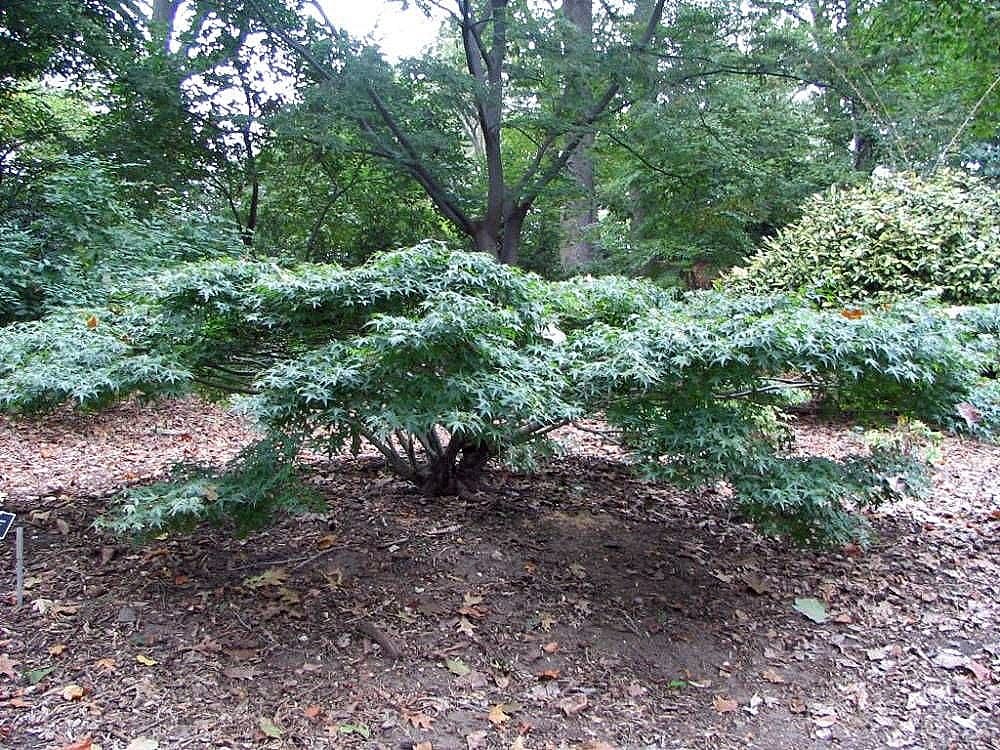
 © David J. Stang / CC BY-SA 4.0
清姫日本枫
Kiyohime is a dwarf Japanese maple prized for its small leaves and the beauty of its new spring growth. The young foliage emerges with a soft reddish-purple edge, settles into calm green through summer, and turns shades of yellow, orange, and red in autumn. Because it spreads wider than it grows tall and branches densely, Kiyohime is a favorite choice for compact maple bonsai. It suits growers with some prior experience, rewarding attentive care with a changing display of color through the seasons.
View 清姫日本枫 encyclopedia →成交手续费0%!2026年9月30日前注册,前 2 株免佣金!
生产者 招募中!
在GrowerDirect上销售,直接面向全国客户销售吗?
GrowerDirect的 6 项透明性承诺
在盆景的上架中,生产者公开以下信息。确保树种、产地、光照需求、栽培难度的透明度。
- 树种公开
- 实物照片
- 色彩
- 产地公开
- 光照需求
- 难度公开
查看全部144个品种
盆景分类正在招募认证生产者
生产者正在陆续注册,即将上架。设置上架通知,不错过新商品。
「接收上架通知」需免费注册会员即可设置。当有符合您保存条件的新商品上架时,我们会通过邮件和站内通知提醒您。
已注册的生产者(抢先看)
清姫日本枫的基本数据
- 养护难度
- 适合中级者
- 寿命
- 作为品种的寿命资料较少
- 体型
- 高度60~90厘米,横幅约为高度的2倍左右,矮性特征
- 浇水
- 肥料(春季和秋季,适量使用)
- 光照与放置位置
- 光照充足、通风良好的环境。避免西晒,从梅雨期结束到9月上旬,需遮光50~70%以防叶烧
- 浇水
- 叶片展开后干燥较快。春季每天2次,夏季2~3次,冬季1~2天1次,以株根部为准。夏季缺水会影响秋叶变色
- 温度与越冬
- 抗寒性强(USDA区域6~9),对夏季高温也相对耐受。落叶后,在经过数次霜冻后,避免干风和晚霜
- 种植土和换盆
- 使用排水良好的种植土,换盆在3月萌芽前进行。每2~3年一次,迷你品种每1~2年一次,梳理根系以增加细根
- 肥料
- 新叶成熟的4月中旬施有机肥,5月追肥。秋肥在8月中旬~9月施完,以促进秋叶变色
- 修剪与整形
- 由于枝条密集,在3月中旬~4月中旬摘芽时,取掉中心芽以形成二叉。拥挤的部分在6月中旬通过疏叶来透光和通风。修剪在落叶前后进行
- 病虫害和注意事项
- 新芽易受蚜虫侵害,梅雨后易出现白粉病。叶片较薄,容易产生药害,所以要遵守标签上的药剂浓度
关于清姫日本枫
Kiyohime is a dwarf Japanese maple with small leaves and striking spring growth, its foliage shifting from reddish-purple to green to autumn yellow, orange, and red — a favorite for compact maple bonsai.
开始养护清姫日本枫前需要了解的7件事
1Placement and Light
Kiyohime has relatively thin leaves that can scorch under strong, prolonged afternoon sun in midsummer. A spot with good morning light and light shade in the afternoon works well, or you can soften harsh sun with a shade cloth during the hottest weeks. Good air circulation also helps keep the dense branching from staying damp.
2Watering Basics
Because Kiyohime is dwarf-sized with a compact root mass, the basic rule is to water thoroughly once the soil surface has dried. In the heat of summer it dries out quickly, so watering twice a day, morning and evening, helps prevent the leaves from wilting. In winter the soil dries more slowly, so check it carefully before watering to avoid overdoing it.
3Well-Draining Soil
Japanese maples like consistent moisture but dislike waterlogged roots, so a bonsai soil mix based on akadama with some kiryu sand offers a good balance of drainage and water retention. Continuing to use a poorly draining mix can lead to root rot, so it's worth checking that the pot itself drains well too.
4Repotting Timing
As a dwarf cultivar, Kiyohime's roots tend to fill the pot fairly quickly, so repotting roughly every two to three years is typical. Early spring, just before the buds begin to move, is the best window — removing old soil and tidying the roots at this time helps keep subsequent growth and autumn color reliable.
5Getting Good Autumn Color
How vivid the autumn color turns out depends on seasonal conditions like daylight hours and the day-to-night temperature swing. If the foliage is left too dense, light struggles to reach the inner branches, so thinning out crowded growth during summer to keep air and light moving through the tree helps bring out better color.
6Choosing a Plant
When choosing a plant, look at whether the branching is reasonably dense and the leaf size is even — this gives a good sense of how well it expresses Kiyohime's characteristic form. It's also worth checking the trunk and branches for damage or awkward bends, and making sure the base feels stable rather than loose in the pot.
7Pruning and Pinching
Because Kiyohime branches so densely, pinching back overly long new shoots from spring into early summer encourages further branching and helps maintain the delicate, twiggy form typical of small maple bonsai. Pruning of thicker branches is best done during the leafless dormant season, which limits sap loss from the cut.
清姫日本枫的常见问题
- Q.Can beginners grow Kiyohime?
- A.Kiyohime is generally considered suited to growers with some experience, since watering and light need a bit of attention. It's manageable for anyone who has grown Japanese maples before, and also a reasonable next step for those looking to build up their experience.
- Q.Why doesn't the autumn color turn out well?
- A.Autumn color quality depends on seasonal factors such as daylight hours and temperature swings. Dense, overcrowded growth that blocks light from reaching the inner branches can also be a factor, so thinning it out during summer tends to make the color more reliable.
- Q.How often does Kiyohime need repotting?
- A.As a dwarf cultivar, its roots fill the pot fairly quickly, so repotting about every two to three years is a good guideline. Early spring, before the buds start moving, is the best time to tidy the roots and keep growth stable afterward.
- Q.How large does Kiyohime grow?
- A.It typically reaches about 60 to 90 cm in height, with a spread roughly twice that width, making it a genuinely dwarf cultivar. Because it grows wider than it grows tall, it's well suited to being trained in a compact pot.
- Q.How is Kiyohime different from other maple cultivars?
- A.Kiyohime stands out for its small leaves and beautiful spring flush, along with dense branching and a habit of spreading wider than it grows tall. These traits make it easy to train into a compact form, which is why it's a long-time favorite for small maple bonsai.
清姫日本枫种植的实用工具
在图鉴中详细了解清姫日本枫
查看清姫日本枫的图鉴条目 →
收录栽培难度、尺寸、原产地、日照等基础数据。