 © Rowan Adams / CC BY-SA 4.0
地锦
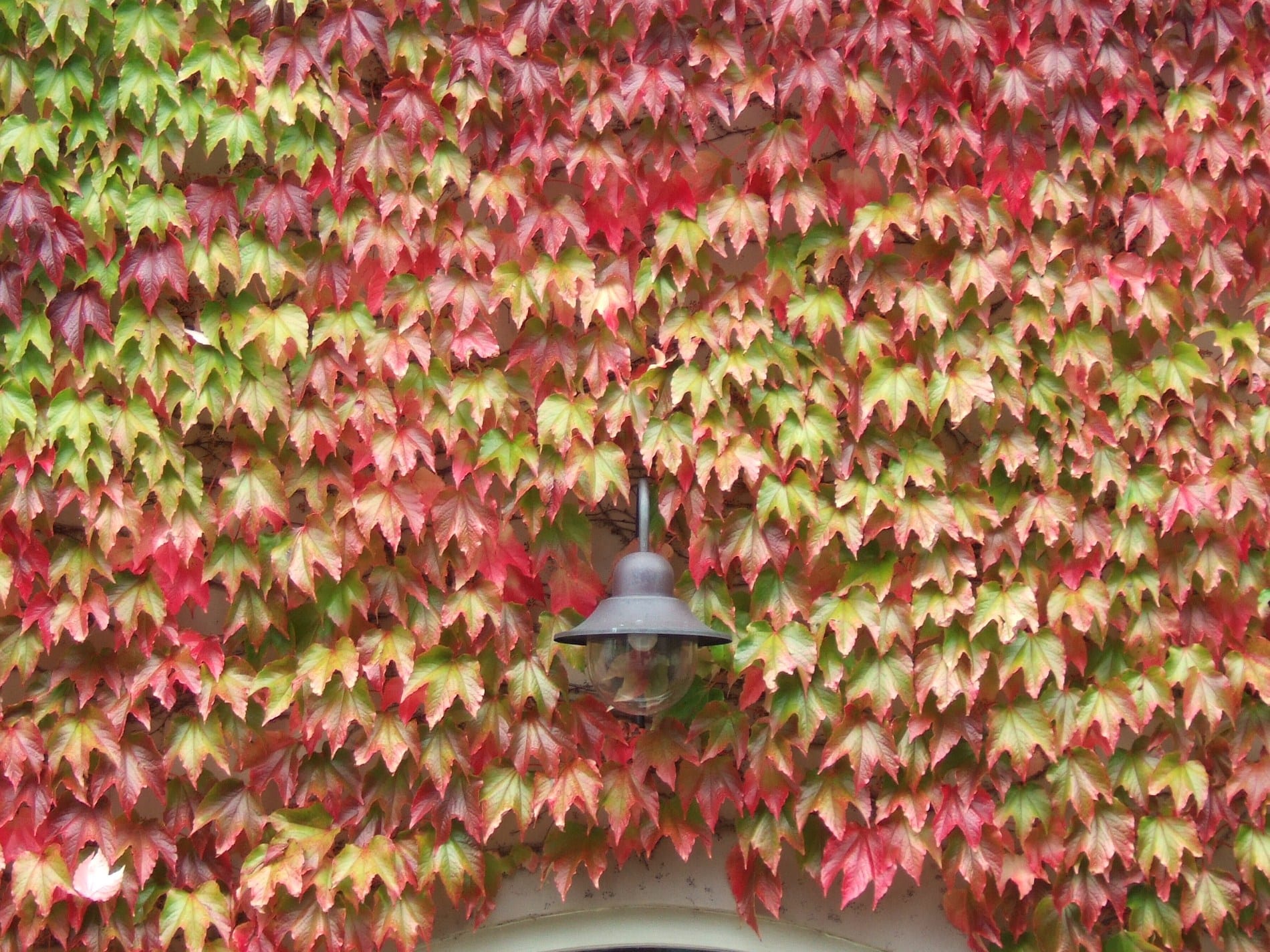
Boston ivy is a deciduous, vine-like plant in the grape family, prized for its brilliant fiery red autumn foliage. Tiny suction pads at the tips of its tendrils let it cling tightly to walls, tree trunks, and other surfaces as it grows. In bonsai circles it is often called "summer ivy" to distinguish it from the evergreen English ivy. Left to its own devices the vine can stretch on for a long way, but regular pruning keeps a bonsai specimen compact and easy to manage in a pot, letting you enjoy its autumn color up close. It is considered an approachable choice for beginners, and its vivid seasonal change makes it a rewarding plant to watch through the year.
View 地锦 encyclopedia →成交手续费0%!2026年9月30日前注册,前 2 株免佣金!
生产者 招募中!
在GrowerDirect上销售,直接面向全国客户销售吗?
GrowerDirect的 6 项透明性承诺
在盆景的上架中,生产者公开以下信息。确保树种、产地、光照需求、栽培难度的透明度。
- 树种公开
- 实物照片
- 色彩
- 产地公开
- 光照需求
- 难度公开
查看全部144个品种
盆景分类正在招募认证生产者
生产者正在陆续注册,即将上架。设置上架通知,不错过新商品。
「接收上架通知」需免费注册会员即可设置。当有符合您保存条件的新商品上架时,我们会通过邮件和站内通知提醒您。
已注册的生产者(抢先看)
地锦的基本数据
- 养护难度
- 适合新手
- 寿命
- 关于寿命的资料很少
- 体型
- 藤本可生长至30m以上(盆景中通过修剪保持较小的大小)
- 浇水
- 肥料(5~11月,除去梅雨和夏季外适量施用)
- 光照与放置位置
- 春季至梅雨季放在明亮通风的地方。夏季强光会导致叶灼伤和红叶不良,应置于明亮的半阴处。秋季以后要充分日照才能使红叶美丽。
- 澆水
- 春季每天1~2次,夏季主要在早晚2~3次,冬季每2~3天1次为目安。需注意夏季不要干旱,但过度浇水会导致根腐,应待干后再浇。
- 温度与越冬
- 抗寒能力强,但冬季易出现枝条干枯,因此需要保护。
- 用土与换盆
- 3月每1~2年进行1次。直根如遭割断会枯死,因此避免大规模根系处理,只在分叉处适度修剪即可。
- 肥料
- 过量施肥会导致红叶延迟和徒长,因此应控制用量。除梅雨和夏季外,在5~11月期间施用固体肥料或稀释肥液。
- 修剪与整形
- 摘芽难以产生小枝。休眠期(12~3月)进行全面修剪,生长期通过截短促进二次芽发育。6~7月摘叶能缩小叶片并改善秋季红叶效果。
- 病虫害与注意事项
- 生长强健易于栽培。细枝冬季易枯死,金属丝只用于位置调整。作为野生种,应选择实生或扦插培育的栽培品,避免采集野生种。
关于地锦
Boston ivy is a deciduous vine in the grape family known for vivid red autumn foliage. Called "summer ivy" in bonsai to distinguish it from evergreen ivy, it is pruned to stay compact and suits beginners well.
开始养护地锦前需要了解的7件事
1Adjust Placement by Season
From spring through the rainy season, keep it outdoors somewhere bright and well-ventilated. Strong summer sun scorches the leaves and spoils the autumn color, so move it to bright shade in summer, then give it plenty of sun from autumn on for the best fall color.
2Water thoroughly once soil dries
Water generously whenever the soil surface dries out, until water runs from the drainage holes. Keep a close eye on moisture during the fast-drying summer growing season, and water more sparingly in winter dormancy to avoid overly wet soil.
3Use well-draining soil
Boston ivy grows vigorously as a vine, so a bonsai soil mix that balances good drainage with adequate water retention suits it well. A ready-made bonsai potting mix makes a practical, easy-to-manage base.
4Repot in March
Repot in March, roughly every one to two years. Cutting the taproot can kill the plant, so avoid heavy root pruning and just trim back to a branching point.
5Prune to shape the vine
Left unchecked, Boston ivy's vines will keep stretching outward, so trim back overgrown shoots regularly to maintain the desired shape. Pruning during the growing season also tends to encourage fresh budding from the cut points.
6Fall color is the main highlight
Boston ivy's biggest draw is its foliage turning a fiery red in autumn. Growing it in a sunny spot with a clear day-to-night temperature swing tends to bring out more vivid color.
7Check branch structure when choosing
When choosing a plant, look for one with healthy foliage and sturdy vines. Since this is a species you'll shape over time, picking one while imagining its future form adds to the enjoyment of growing it.
地锦的常见问题
- Q.Can beginners grow Boston ivy?
- A.Yes, Boston ivy is generally considered beginner-friendly to grow. As long as you keep up with basic watering, placement, and regular pruning, it's manageable even for someone new to bonsai.
- Q.Does it lose all its leaves in winter?
- A.Yes, Boston ivy is deciduous, so it drops its leaves and enters dormancy in winter. This is a natural part of its cycle rather than a sign of illness, and fresh buds appear again in spring.
- Q.Will the vine just keep growing longer?
- A.In the wild, Boston ivy's vines can stretch out considerably, but in bonsai form regular pruning keeps the plant small and compact. It helps to trim back overgrown shoots as soon as you notice them.
- Q.How is it different from evergreen English ivy?
- A.The Boston ivy used in bonsai belongs to the grape family and is deciduous, offering autumn color before dropping its leaves in winter. It differs in both family and habit from evergreen English ivy, and bonsai growers call it "summer ivy" to tell the two apart.
- Q.Should it be kept outdoors or indoors?
- A.Boston ivy prefers sunlight and the natural swing of seasonal temperatures, so outdoor care is the standard approach. Keeping it outside year-round, including through its leafless dormant period, supports a natural growth rhythm and good autumn color.
地锦种植的实用工具
在图鉴中详细了解地锦
查看地锦的图鉴条目 →
收录栽培难度、尺寸、原产地、日照等基础数据。