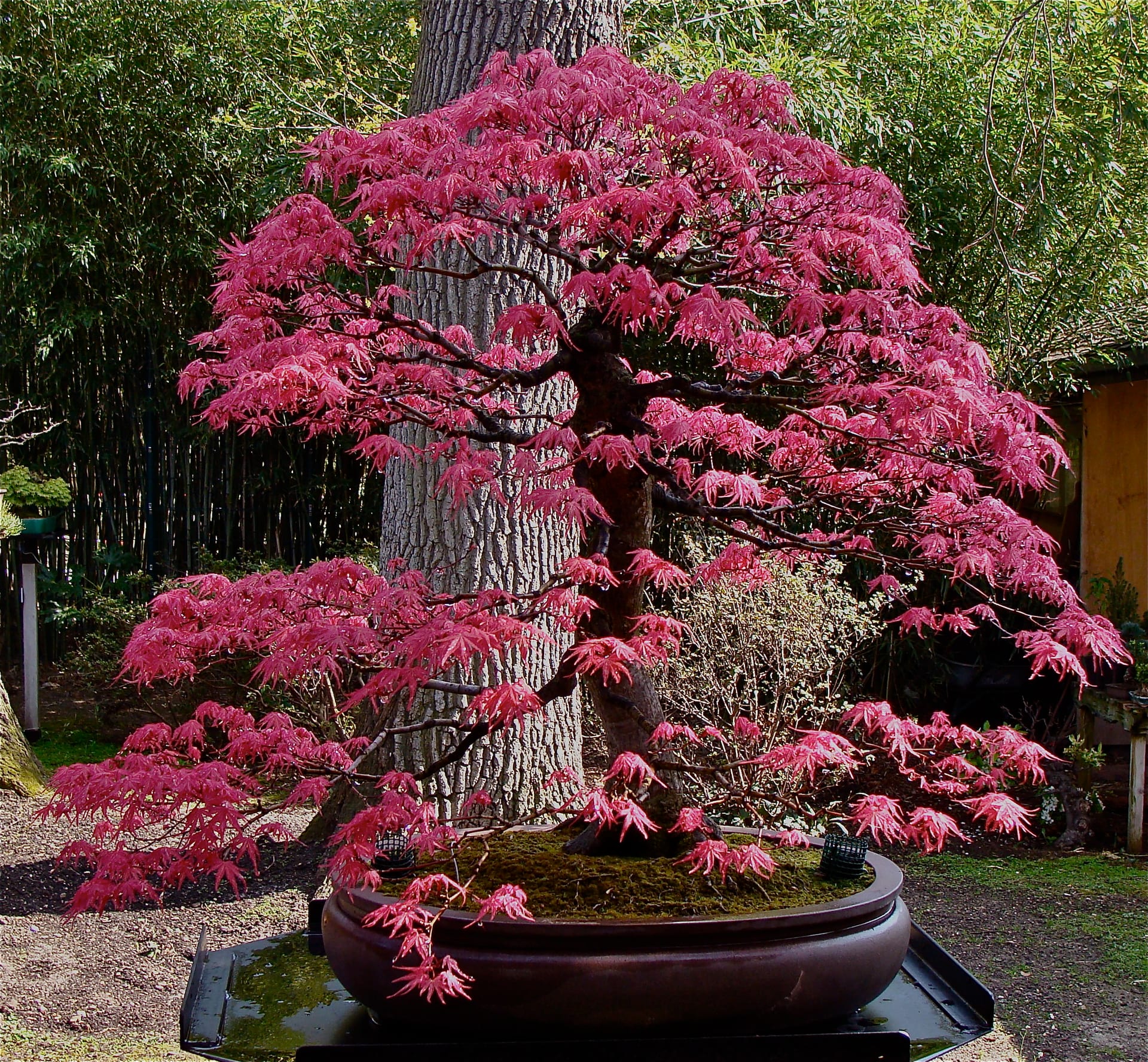
 © Jebulon / CC BY-SA 3.0
清玄
Seigen is a cultivar of Japanese maple valued among the "spring maples" for its vivid red new growth in spring and rich autumn color later in the year. Its small, finely textured leaves make it well suited to bonsai styling, giving the tree a refined, detailed silhouette. Because it changes color twice each year — bright red buds in spring and warm autumn hues in fall — Seigen rewards growers who enjoy watching a tree's appearance shift with the seasons. It is typically trained as a small to medium bonsai and calls for intermediate-level care, so growers who already have some experience with maple bonsai will find it easiest to bring out its full character.
View 清玄 encyclopedia →成交手续费0%!2026年9月30日前注册,前 2 株免佣金!
生产者 招募中!
在GrowerDirect上销售,直接面向全国客户销售吗?
GrowerDirect的 6 项透明性承诺
在盆景的上架中,生产者公开以下信息。确保树种、产地、光照需求、栽培难度的透明度。
- 树种公开
- 实物照片
- 色彩
- 产地公开
- 光照需求
- 难度公开
查看全部144个品种
盆景分类正在招募认证生产者
生产者正在陆续注册,即将上架。设置上架通知,不错过新商品。
「接收上架通知」需免费注册会员即可设置。当有符合您保存条件的新商品上架时,我们会通过邮件和站内通知提醒您。
已注册的生产者(抢先看)
清玄的基本数据
- 养护难度
- 适合中级者
- 寿命
- 该品种寿命数据有限
- 体型
- 作为盆栽以小至中型流通(该品种成熟树木尺寸数据有限)
- 浇水
- 肥料(春季和秋季,适量)
- 光照和放置位置
- 光照充足、通风良好的地方。新芽期的红色新叶对干燥和强光敏感,应限制在上午光线程度。梅雨结束至9月上旬需遮荫
- 浇水
- 叶片展开后干燥速度快。春季每天2次,夏季2-3次,冬季1-2天1次,向根部浇水。夏季缺水会影响秋叶效果
- 温度和越冬
- 抗寒性强(日本红枫适应USDA第5区)。落叶后经过2-3次霜冻后,需保护免受干风和晚霜
- 培养土和换盆
- 使用排水良好的培养土,在新芽展开前的3月左右换盆。每2-3年一次,小型盆栽1-2年一次,修整根系以增加细根
- 肥料
- 新叶硬化的4月中旬和5月施用有机肥料。对成熟树过量施肥会导致徒长。秋季肥料在9月结束
- 修剪和造型
- 3月中旬至4月中旬摘除顶部芽。叶片修剪和疏叶在6月中旬进行,修剪在落叶前后进行(冬季修剪有枝条枯死危险)。金属丝易嵌入,应短期使用
- 病虫害和注意事项
- 新芽易发生蚜虫,梅雨后容易出现白粉病。叶片薄容易产生药害,使用药剂时应遵守标签浓度
关于清玄
Seigen is a Japanese maple bonsai cultivar prized as a "spring maple" for its red spring shoots and vivid autumn foliage. Typically grown as a small to medium bonsai, it suits intermediate-level growers.
开始养护清玄前需要了解的7件事
1Managing Light
Seigen's signature red spring leaves are sensitive to strong light and drying out. While the new leaves are emerging, limit the plant to morning sun, and provide shade from the end of the rainy season through early September to prevent leaf scorch. A spot with good air circulation is also important.
2Watering When Dry
Bonsai pots hold very little soil, so they dry out quickly, and Seigen is no exception. Water thoroughly once the surface soil feels dry, letting water run from the drainage holes, and pay extra attention during spring shoot growth and before autumn coloring when the tree is more sensitive to dryness.
3Well-Draining Soil
Seigen develops a fine, fibrous root system typical of Japanese maples, so it does best in bonsai soil that balances drainage with some water retention. A commercial maple or deciduous-tree mix based on akadama is easy to work with and helps prevent root rot from excess moisture.
4Repotting in Dormancy
As roots fill the pot, growth slows, so Seigen needs repotting every few years like most bonsai. Doing this while the tree is dormant and leafless, trimming back old soil and roots at the same time, keeps stress on the tree to a minimum.
5Two Seasons of Color
Seigen's appeal comes from its two color changes each year — red shoots in spring and colorful foliage in autumn. Protect new growth from strong wind and frost in spring, and keep watering and light steady as autumn approaches to help the color develop evenly.
6Pruning to Shape
With its small leaves and fine branching, Seigen responds well to pinching and pruning, which keep the silhouette delicate and bonsai-like. Pinch out the central buds from mid-March to mid-April, and prune around the time the leaves fall. Avoid pruning in winter, as it risks branch dieback.
7Choosing a Healthy Tree
When selecting a Seigen, look for small, densely growing leaves and a well-balanced branch structure, both signs the tree will be easy to style as bonsai. Because care calls for intermediate-level experience, some background in basic maple bonsai watering and pruning will make growing it easier.
清玄的常见问题
- Q.Is Seigen suitable for beginners?
- A.Seigen's care level is generally considered intermediate rather than beginner-friendly. Some prior experience with basic maple bonsai watering and pruning makes it easier to manage, so it suits growers who already have some bonsai experience rather than a first tree.
- Q.How does Seigen differ from other maple cultivars?
- A.Seigen belongs to the "spring maple" group, valued for two distinct color changes each year: red new growth in spring and colorful foliage in autumn. Its small, finely textured leaves also make it easier to train into a refined bonsai silhouette.
- Q.How large does Seigen grow?
- A.As bonsai, Seigen is most commonly grown and sold in small to medium sizes. Detailed records of the cultivar's mature size outside of bonsai training are limited, so its final size largely depends on pot choice and ongoing pruning.
- Q.When does Seigen show its best color?
- A.Seigen offers color twice a year — reddish new shoots in spring and autumn foliage later in the year. The exact timing shifts somewhat depending on climate and the tree's growing location.
- Q.How long does a Seigen tree live?
- A.There isn't much documented information specifically about the lifespan of the Seigen cultivar. As with bonsai in general, consistent care — repotting, pruning, and routine maintenance — supports growing the tree over the long term.
清玄种植的实用工具
在图鉴中详细了解清玄
查看清玄的图鉴条目 →
收录栽培难度、尺寸、原产地、日照等基础数据。