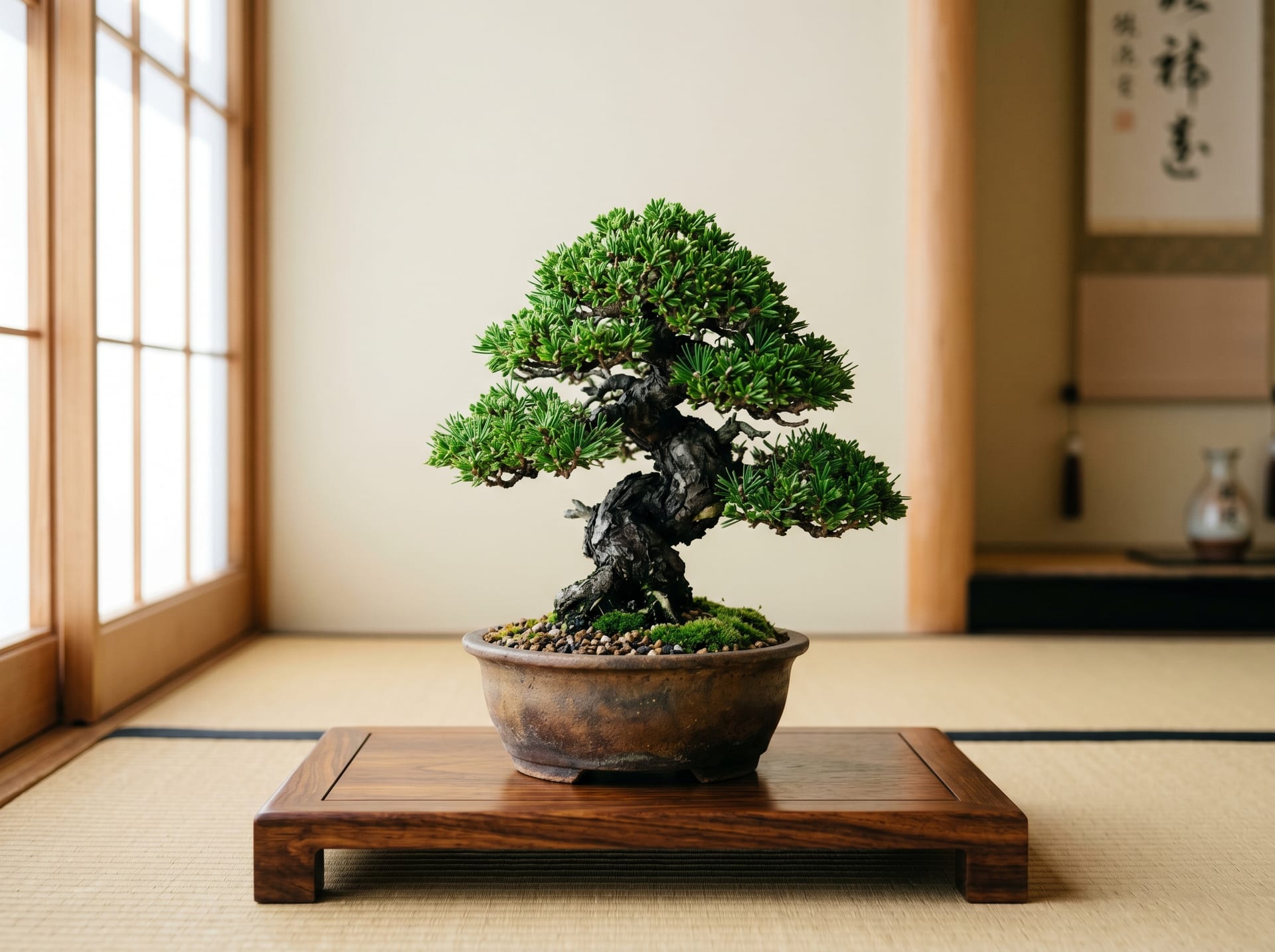
小品盆栽
Shohin bonsai are miniature trees trained in small pots, typically under 20 cm tall, allowing you to enjoy the full art of bonsai even in limited spaces. Despite their compact size, they capture the essence of bonsai — graceful tree form, seasonal change, and aged character — and are popular as interior décor. Collections of multiple trees can be displayed together, making shohin bonsai a genre enjoyed by beginners and experienced enthusiasts alike.
前3笔销售免佣金!在2026年8月31日前注册生产者账户 → 前3笔成交的手续费免费!
栽培者 招募中!
在BoTachoku上销售,直接面向全国客户销售吗?
ボタちょく的 6 项透明性承诺
在盆景的上架中,栽培者公开以下信息。确保树种、产地、光照需求、栽培难度的透明度。
- 树种公开
- 实物照片
- 色彩
- 产地公开
- 光照需求
- 难度公开
已注册的栽培者(抢先看)
关于小品盆栽
Shohin bonsai evolved from a cultural tradition that flourished among samurai and townspeople during the mid-Edo period—the art of holding nature in the palm of one's hand. After the Meiji era, exhibition culture helped establish shohin as a distinct genre in its own right. Trees in the roughly 10–20 cm range are classified as shohin, while those under 5 cm are sometimes called mame or keshitsubo. Species range widely—from Japanese black pine and shimpaku juniper to Japanese maple, trident maple, plum, and cherry—each expressing the four seasons in miniature. Because the pots are so small, soil dries out and roots become pot-bound faster than in large bonsai, making daily observation and attentive care essential. At the same time, the intimacy of holding a finished composition in your hands—close enough to examine bark texture and moss color—is a unique pleasure that large bonsai cannot offer. Arranging a collection on a display bench to create a landscape adds another layer of creative expression, making shohin the most accessible scale at which to experience the essence of bonsai: a living portrait of nature in miniature.
开始养护小品盆栽前需要了解的7件事
1Placement and Sunlight
Shohin bonsai are fundamentally outdoor trees and thrive in spots with good sunlight and air circulation. Because the pots are small, soil dries out quickly under strong direct sun, so shading or repositioning during summer is important. When brought indoors for display, keep the period short and return the tree outside regularly.
2Watering Frequency
Small pots hold little soil and dry out very quickly, so shohin bonsai need far more frequent watering than larger trees. In summer, watering twice a day — morning and evening — is often necessary. The basic rule is to water thoroughly until water flows from the drainage holes whenever the soil surface becomes dry.
3Winter Care and Cold Hardiness
Most shohin bonsai can overwinter outdoors depending on species, but small pots expose roots to frost more easily. In cold regions, wrapping the pot in cardboard or fleece, or moving trees under eaves or into an unheated shelter, helps protect them. Overwintering in a fully heated indoor space can disrupt dormancy, so avoid this for many species.
4Soil and Repotting Cycle
Shohin bonsai become root-bound more quickly than larger trees, so repotting every one to two years is a good guideline. Use well-draining granular soil such as akadama or Kiryu sand, blended to suit the species. Spring, when the tree begins to grow actively (around March–April in most temperate regions), is the standard time to repot.
5Fertilizing Timing and Amount
With limited soil volume, nutrients deplete quickly, making regular fertilizing essential for shohin bonsai. During the growing season (spring through autumn), apply a slow-release solid fertilizer once or twice a month, or a liquid fertilizer about once a week, to maintain vigor. Overfertilizing causes weak growth and root damage, so always follow the recommended dosage.
6Pruning and Shaping Basics
Shaping shohin bonsai centers on pruning unwanted branches and wiring. Pruning combines "pinching" (removing growing tips before they extend too far) and structural cuts to refine the tree's silhouette. Use fine copper or aluminum wire for wiring, and remove it before it cuts into the bark to avoid scarring.
7Initial Cost and Tools
Starting with shohin bonsai requires a young tree, a pot, soil, and basic tools such as pruning scissors, tweezers, and wire. A starter set can be assembled for roughly 10,000–20,000 yen, though costs vary by species and pot quality. Rather than investing in expensive tools immediately, beginning with a manageable number of trees is the key to staying engaged long-term.
小品盆栽的常见问题
- Q.Can I grow shohin bonsai on an apartment balcony?
- A.Most species can thrive on a balcony as long as they receive at least four hours of sunlight per day. Be mindful of strong winds, intense afternoon sun, and heat reflected off concrete surfaces. Use shade netting in summer and move trees to a sheltered spot, such as under an eave, to protect them from direct frost in winter.
- Q.Will my tree die if I forget to water it?
- A.In summer, soil can dry out within half a day, and missing a single watering can sometimes be fatal. If you are away, consider using a self-watering tray or automatic drip system. Building a daily habit of checking soil moisture is the most effective prevention.
- Q.Is it okay to keep shohin bonsai indoors permanently?
- A.Most shohin species—pine, maple, juniper—are outdoor plants that will weaken and eventually die if kept indoors long-term due to insufficient light and poor air circulation. Limit indoor display to a few days at a time and maintain them primarily outdoors. Tropical species such as ficus or banyan are better suited to permanent indoor conditions.
- Q.How often does shohin bonsai need to be repotted?
- A.Young trees generally need repotting every one to two years, while mature trees can go two to four years between repottings. As roots fill the pot, drainage deteriorates and vigor declines, so check root condition regularly. The ideal timing varies by species, but for most trees, just before spring bud break is the optimal window.
- Q.What species should a beginner choose first?
- A.Hardy, forgiving species such as zelkova, Japanese maple, shimpaku juniper, and chojubai (flowering quince) are well-suited to beginners. Chojubai is particularly recommended because it flowers beautifully and recovers quickly from pruning mistakes. Start with one or two species so you can focus on learning each tree's individual needs.