跳转到主要内容
生石花

生石花

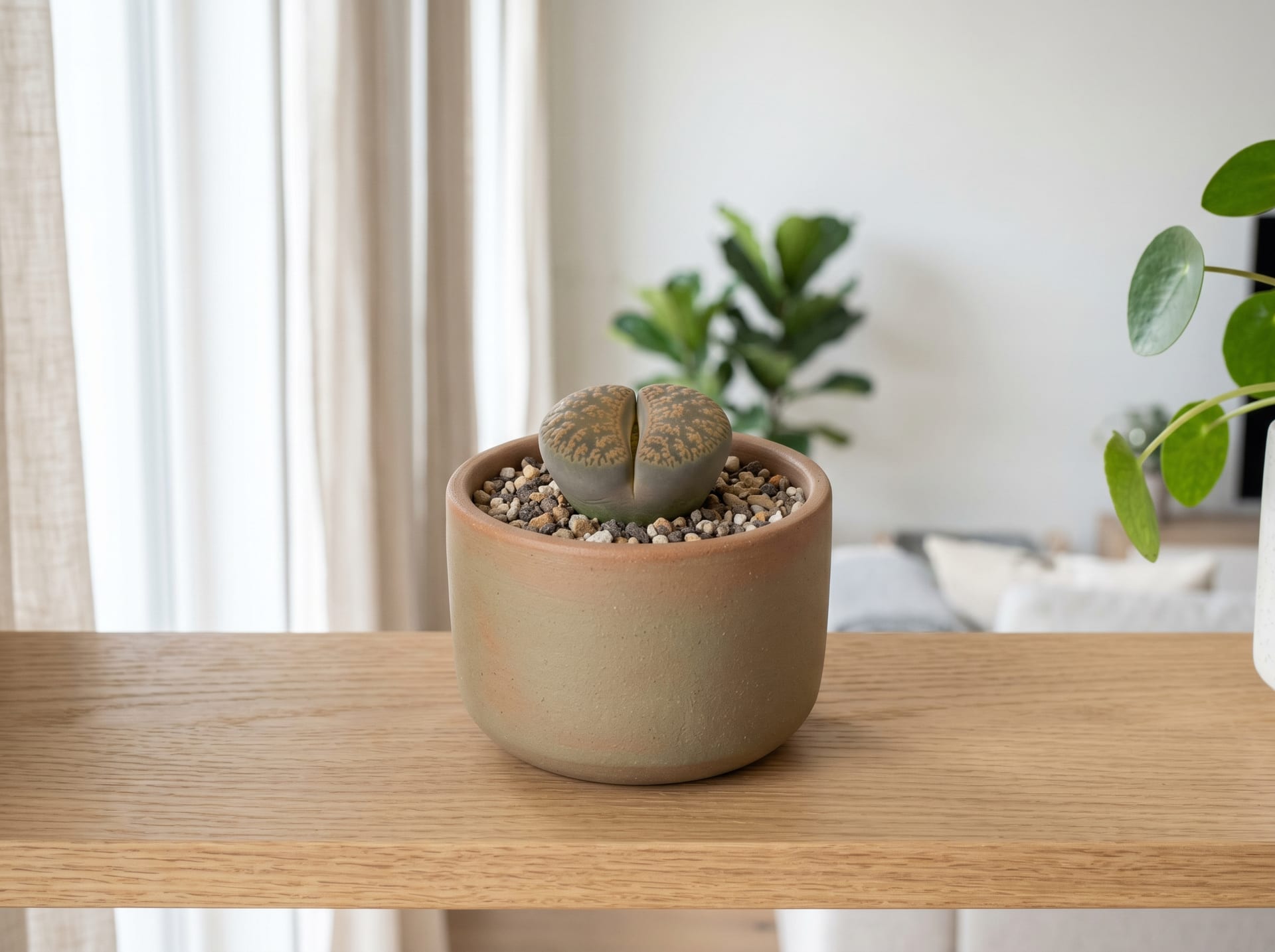
The 'Living Stone' from South Africa. Tiny succulents with two fused leaves that shed their outer skin to grow. Unique watering schedule makes them an advanced choice.

View 生石花 encyclopedia →
限时活动

前3笔销售免佣金!在2026年8月31日前注册生产者账户 → 前3笔成交的手续费免费!

栽培者 招募中!

在BoTachoku上销售,直接面向全国客户销售吗?

免费注册无月费仅在成交时收取佣金
立即免费注册

ボタちょく的 6 项透明性承诺

栽培者在多肉植物与仙人掌上架时将明示以下信息。确保品种、产地、所需光照、栽培难度的透明性。

  • 品种明示
  • 实物照片
  • 色泽
  • 产地明示
  • 所需光照
  • 难度明示
0 items

没有符合条件的商品

请调整筛选条件,或在有新商品时接收通知。

「接收上架通知」需免费注册会员即可设置。当有符合您保存条件的新商品上架时,我们会通过邮件和站内通知提醒您。

查看其他分类

已注册的栽培者(抢先看)

想上架多肉植物与仙人掌吗?

注册成为栽培者,即可与买家直接联系。

申请成为栽培者

生石花的基本数据

养护难度
适合高级者
体型
1-5cm
适宜温度
5〜35℃(適温15〜25℃)
浇水
Water: 1-2x monthly fall-spring / completely withhold in summer and during shedding
Soil
Ultra-fast-draining mix. Pumice and Kiryu sand dominant
Light
Full sun essential. Insufficient light causes elongation and poor form
Shedding
Old leaves split open for new growth in spring. No watering during this period
Notes
Overwatering is the #1 killer. When in doubt, don't water
特征AdvancedUltra-smallSkin sheddingLiving stone

关于生石花

Lithops are members of the Aizoaceae family, native to the gravel plains and rocky outcrops of Namibia and South Africa. Their genus name derives from the Greek words for "stone-like appearance," a fitting description for plants that have evolved to blend seamlessly into their pebble-strewn surroundings. First formally described by British botanist William John Burchell in the early 19th century, the genus now encompasses around 30 to 40 or more recognized species. Their defining feature is a pair of leaves almost entirely fused at the base, with only the flat or slightly convex tops exposed above ground. These upper surfaces contain semi-transparent "windows" that allow light to reach internal tissues for photosynthesis, even when the plant is mostly buried in sand. Colors and patterns vary widely across species, ranging from gray and green to russet and cream, each with its own distinctive stone-like markings. The true appeal of growing Lithops lies in witnessing their extraordinary life cycle—autumn flowering, winter-to-spring molting, and summer dormancy—a rhythm unlike any other houseplant, which invites a uniquely attentive kind of care.

开始养护生石花前需要了解的7件事

  1. 1Understand the Molting Cycle

    Lithops undergo an annual "molting" where new leaves grow from within the old ones. During this period—typically autumn through spring—withhold water entirely until the old leaves have fully shriveled. Watering during molting is the most common cause of rot.

  2. 2Water Sparingly and Deliberately

    Water only during the growing season (autumn) and after molting in spring, waiting 1–2 weeks after the soil fully dries. In summer, withhold water almost entirely—even small amounts can cause rot. When in doubt, err on the side of drought.

  3. 3Full Sun and Airflow Are Essential

    Lithops thrive with 4–6+ hours of direct sunlight daily. Insufficient light causes etiolation, distorting their distinctive shape. A south-facing windowsill or outdoor spot is ideal. Good air circulation also helps prevent fungal issues in humid climates.

  4. 4Use Fast-Draining Soil

    Mix cactus/succulent soil with 50–60% coarse sand or perlite for fast drainage. Standard potting mix retains too much moisture and promotes root rot. Terracotta pots with drainage holes, or deep pots to accommodate the long taproot, work best.

  5. 5Beware of Summer Heat and Humidity

    Lithops go dormant in summer and are sensitive to heat combined with humidity. During the rainy season and peak summer, move them to a covered outdoor spot or indoors. Provide shade cloth and ventilation if temperatures consistently exceed 35°C (95°F).

  6. 6Enjoy Clumping and Division

    Over time, Lithops form multi-headed clumps. When they become crowded, divide them after molting, letting the roots dry briefly before repotting. Growing from seed is also popular—collect seeds after flowering and sow the following spring for a rewarding propagation project.

  7. 7Huge Variety in Pattern and Color

    With over 100 recognized varieties, Lithops range from grey and brown to green and pink, each with unique surface patterning. Their collectibility makes them popular among enthusiasts who curate multi-variety displays. Checking the Latin name (e.g., Lithops lesliei) at purchase helps tailor care to the specific variety.

生石花的常见问题

Q.How often should I water my Lithops?
A.Water only during the spring growing period and around autumn flowering, and only after the soil has been completely dry for several days. Withhold water entirely during summer dormancy and the winter-to-spring molting period. About 10 waterings per year is a reasonable guideline.
Q.Can Lithops be grown entirely indoors?
A.Yes, Lithops can be grown indoors if placed in a spot that receives sufficient direct sunlight, such as a south-facing windowsill. However, they etiolate easily without enough light, so a grow light can be a helpful supplement. During the rainy season and summer, good ventilation is essential to prevent humidity buildup.
Q.My Lithops are wrinkling — is something wrong?
A.Wrinkling during the growing seasons (spring and autumn) is a sign of water stress, and a proper watering should help the plant recover. However, wrinkling during the molting period in winter is completely normal — the new inner leaves are drawing moisture from the outer pair. Do not water during molting; simply observe and wait.
Q.Can I peel off the old leaves during molting?
A.It is generally best to let the old leaves wither and dry naturally without intervention. Forcing them off too early risks damaging the new leaves beneath. Once the old pair has dried out almost completely and become thin and papery, you can carefully remove them without harm.
Q.My Lithops won't flower — what can I do?
A.Flowering requires a mature plant (generally 3 or more years old), adequate direct sunlight, and adherence to the correct watering cycle. The most common reasons for failure to bloom are insufficient light and overwatering during summer and autumn. Start by improving sun exposure and reviewing your watering schedule.

生石花种植的实用工具

Learn more about 生石花 in the encyclopedia

View 生石花 encyclopedia entry →

Care difficulty, size, origin and light needs — all basics covered.

同分类的更多品种