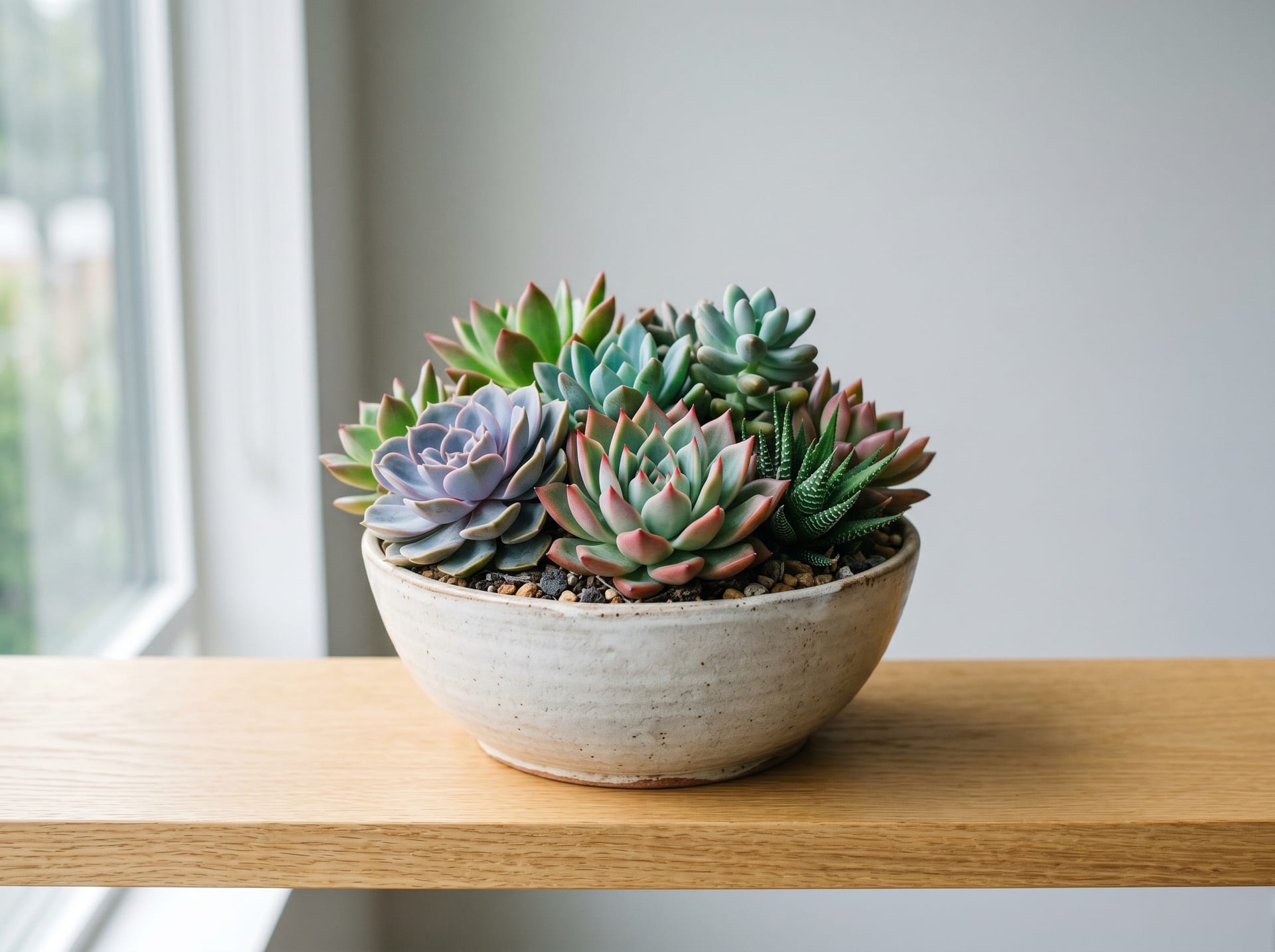
其他多肉植物
The "Other Succulents" category encompasses a diverse range of succulent plants beyond popular types like Echeveria and Haworthia, featuring unique shapes and colors. Many are relatively easy to care for due to their drought tolerance, making them enjoyable for beginners and experienced growers alike. Their rarity and collectibility make them especially appealing to enthusiasts.
前3笔销售免佣金!在2026年8月31日前注册生产者账户 → 前3笔成交的手续费免费!
栽培者 招募中!
在BoTachoku上销售,直接面向全国客户销售吗?
ボタちょく的 6 项透明性承诺
栽培者在多肉植物与仙人掌上架时将明示以下信息。确保品种、产地、所需光照、栽培难度的透明性。
- 品种明示
- 实物照片
- 色泽
- 产地明示
- 所需光照
- 难度明示
Browse all 17 varieties
没有符合条件的商品
请调整筛选条件,或在有新商品时接收通知。
「接收上架通知」需免费注册会员即可设置。当有符合您保存条件的新商品上架时,我们会通过邮件和站内通知提醒您。
已注册的栽培者(抢先看)
关于其他多肉植物
Other succulents is a broad and diverse category encompassing the wide variety of succulent plants outside the popular Echeveria, Haworthia, and Aloe genera. Originating from arid and semi-arid regions across the globe — including Africa, Central and South America, and Madagascar — each genus has evolved its own unique strategy for storing water. Their appearances are remarkably varied: stone-mimicking Lithops, large rosette-forming Agaves, columnar or globular cacti, and thread-producing Sedums all find a home here, showcasing the astonishing diversity of plant form. While good drainage and careful moisture management are common requirements, growth cycles differ — summer-growing, winter-growing, and spring/autumn-growing types each demand tailored care, making species-level knowledge the key to success. Whether you enjoy hunting for rare specimens, experimenting with leaf propagation, or simply displaying an eclectic collection on a windowsill, this is a deeply rewarding category for growers at every level.
其他多肉植物精选生产者
查看所有其他多肉植物生产者(1个)→开始养护其他多肉植物前需要了解的7件事
1Provide Adequate Light
Most succulents thrive in bright sunlight. Place them near a sunny window indoors, and consider outdoor sunlight exposure when possible. Insufficient light often leads to etiolation, where stems stretch and become weak.
2Avoid Overwatering
Overwatering is one of the most common causes of failure with succulents. Water only after the soil has completely dried out, following a "dry management" approach. Adjust watering frequency according to the growing season and dormancy period.
3Soil and Pot Selection Matter
Use well-draining soil specifically formulated for succulents or cacti. Pots made from breathable materials like terracotta help prevent root rot. Avoid pots without drainage holes, as standing water can quickly cause problems.
4Understand the Dormancy Period
Succulents have different growth cycles — summer type, winter type, or spring/autumn type — varying by species. During dormancy, drastically reduce watering and avoid forcing growth. Always confirm the growth type of a variety when purchasing.
5Watch Out for Humidity and Heat
Many succulents are sensitive to high humidity and heat, and rot from excess moisture is common during the rainy season and summer. Moving plants to a sheltered, well-ventilated spot away from rain helps prevent damage. For indoor plants, use a fan or air circulator to improve airflow.
6Check Cold Hardiness
Cold hardiness varies greatly between species — some tolerate frost while others do not. Even winter-type varieties can be damaged by extreme cold, so consider bringing plants indoors when temperatures drop below 5°C (41°F).
7Propagate via Leaf Cuttings
Many succulents can be easily propagated through leaf cuttings, division, or stem cuttings. Simply let a removed leaf dry out, then place it on soil — roots and new growth often appear on their own. Success rates vary by species, so experimenting is part of the fun.
其他多肉植物的常见问题
- Q.Are there varieties suitable for beginners?
- A.Sedums and Crassula species are robust and forgiving of minor watering mistakes, making them well-suited for beginners. Choosing varieties labeled as easy to grow at the time of purchase will help reduce the likelihood of failure.
- Q.Can succulents be grown indoors only?
- A.Indoor cultivation is possible if sufficient light is available, but light through a window alone is often inadequate. Supplementing with a grow light helps prevent etiolation and keeps plants healthy. Light requirements vary by species, so it is worth checking before placing a plant indoors.
- Q.How often should I water succulents?
- A.During the growing season (spring through autumn), watering once every one to two weeks after the soil has completely dried out is a general guideline. In the winter dormancy period, reduce to once a month or less; some varieties prefer no water at all. Adjust based on temperature, humidity, and pot size.
- Q.Can they be propagated by leaf cuttings or division?
- A.Many varieties can be propagated by leaf cuttings, stem cuttings, or division. Leaf propagation works well for Sedums and Echeveria relatives — simply allow the cut end to callous over, then place it on soil to root. Suitability varies by genus, so choose the method appropriate for the specific variety.
- Q.What should I do if root rot occurs?
- A.Cut away the rotted roots with clean scissors, allow the cut ends to dry out, then repot in fresh, well-draining soil. Withhold water for a period afterward to allow the roots to recover. Early detection and prompt action are the keys to saving the plant.