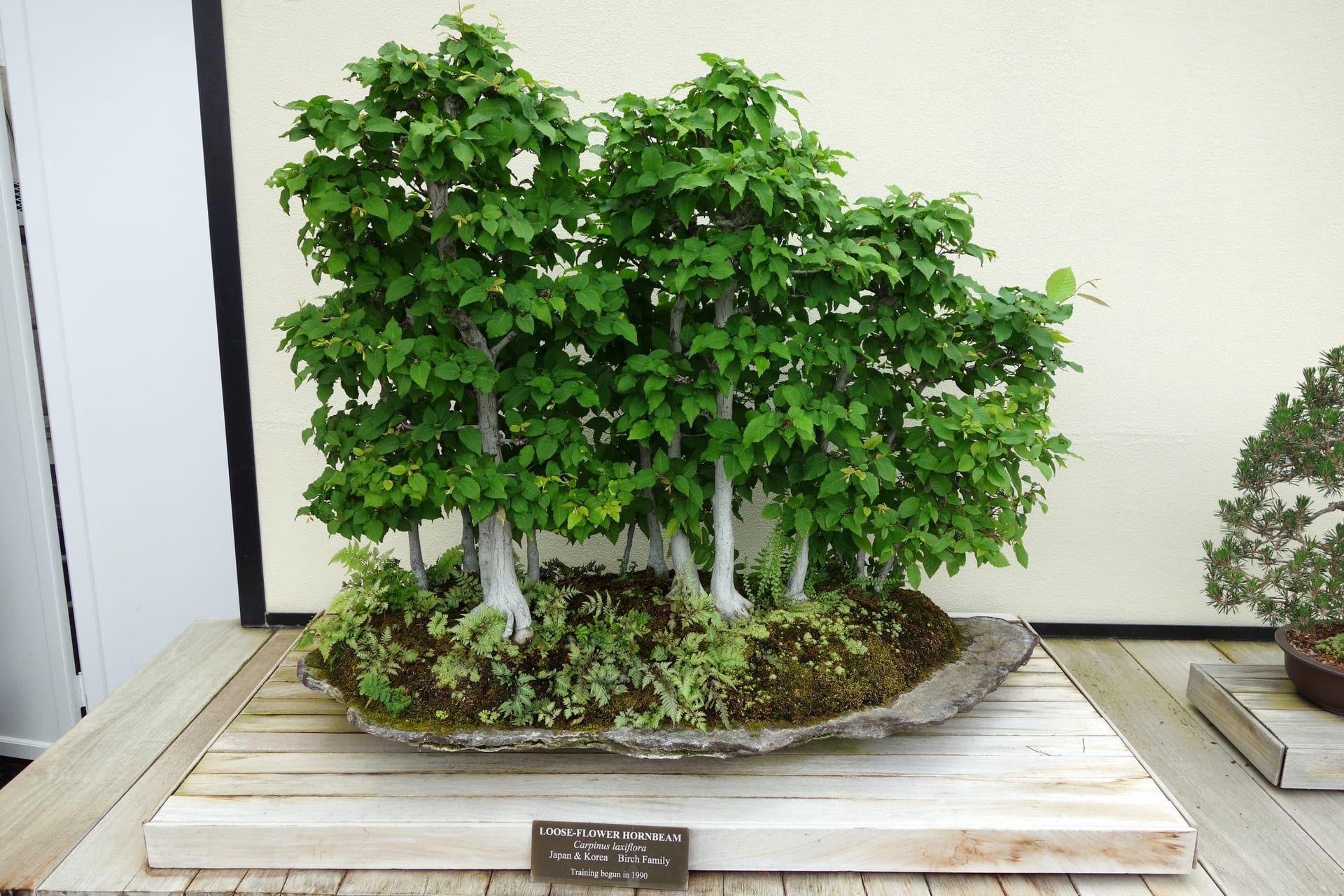
 © Daderot / CC0
紅芽鐵木
The Loose-flower hornbeam, known in bonsai circles by its Japanese nicknames "Akame-soro" or "Aka-soro," is a deciduous tree in the birch family valued for the reddish tint of its spring buds, young leaves, and autumn foliage. Among hornbeams, it stands out for its especially small leaves and fine branching, lending a delicate, twiggy character prized in deciduous bonsai. Even after the leaves fall, its bare winter silhouette has quiet appeal, so there is something to enjoy in every season. It is generally considered a good choice for beginners, making it an approachable species for anyone starting out in bonsai.
View 紅芽鐵木 encyclopedia →成交手續費 0%!2026年9月30日前註冊,前 2 株免佣金!
生產者 招募中!
在 GrowerDirect 上架,直接銷售給全國的客戶吧!
GrowerDirect承諾的 6 項透明性重點
盆景的出品中,生產者將明示以下資訊。確保樹種、產地、所需光照、栽培難度的透明度。
- 樹種明示
- 實物照片
- 色澤
- 產地明示
- 所需光照
- 難度明示
查看全部144個品種
已註冊的生產者(搶先看)
紅芽鐵木的基本資料
- 栽培難度
- 適合新手
- 壽命
- 樹齡資料較少
- 體型
- 自然樹高10~15公尺(盆栽因造型而異)
- 澆水
- 施肥(4~10月,除梅雨和盛夏)
- 日照與擺放位置
- 置於日照充足、通風良好的戶外。夏季強烈直射日光容易造成葉片灼傷,故應置於半日陰處
- 澆水
- 表土乾燥時充分澆水。從萌芽期至夏季容易乾燥,須注意不可缺水
- 溫度與越冬
- 耐寒性強,但冬季需適當接受寒冷同時防護寒風和霜凍。落葉後無需日照
- 盆土與換盆
- 使用赤玉土或混合鹿沼土。幼樹每2年換盆1次,成樹每3年換盆1次,於春初或秋涼後進行
- 施肥
- 4~10月間(除梅雨和盛夏)每月施肥1次,放置固形肥料
- 修剪與造型
- 新葉展開後保留2~3葉摘去先端。5~9月定期修剪徒長枝,2~3月調整整體樹形
- 病蟲害與注意事項
- 注意蚜蟲、介殼蟲、捲葉蟲和梅雨期白粉病。因為是自生種,應選擇栽培品而非山採品
關於紅芽鐵木
The Loose-flower hornbeam is a deciduous bonsai tree whose new shoots and autumn leaves turn red, prized for its small leaves and fine branching — an approachable choice for beginners.
開始照料紅芽鐵木前需要了解的7件事
1Choose a Sunny Spot
Akashide thrives in a spot with plenty of sun and good air circulation. Strong afternoon sun in midsummer can scorch the leaves, so moving potted trees into partial shade during the hottest hours helps. In winter, keep it somewhere sheltered from frost and cold wind.
2Watering: Let It Dry, Then Soak
Water thoroughly once the surface of the soil has dried out. Because Akashide has fine branches and small leaves, it doesn't tolerate drought well, so extra care is needed in summer. At the same time, a pot that stays constantly wet can lead to root rot, so aim for a clear dry-then-wet rhythm.
3Soil: Prioritize Drainage
A bonsai soil mix that balances drainage with moisture retention works best, typically combining components like akadama and kiryu sand. Keeping the roots healthy in well-draining soil helps maintain the fine branching and small leaves this species is known for.
4Repot During Dormancy
As a deciduous tree, Akashide is best repotted during its dormant season after the leaves have dropped. Its roots tend to fill the pot fairly readily, so trimming and refreshing them roughly every few years, depending on the tree's condition, helps keep growth healthy.
5Pinch and Prune to Keep Its Shape
Akashide puts out vigorous new growth in spring, so pinching back shoots and pruning as needed helps preserve its fine, delicate branching. Because the bare winter silhouette is also part of its appeal, shaping the branch structure with that dormant-season view in mind lets you enjoy the tree year-round.
6Look at Branch Tips and Leaf Size
Since Akashide is prized among hornbeams for its especially small leaves and fine branches, choosing a tree that clearly shows these traits helps you get the most out of its character. It's also worth checking that leaves are healthy all the way out to the branch tips.
7Keep Airflow Good to Prevent Pests
Because Akashide's branches can grow dense, poor air circulation makes it more prone to pests and disease. Thinning out crowded twigs and leaves, and checking the tree regularly so you catch changes early, goes a long way toward keeping it healthy.
紅芽鐵木的常見問題
- Q.Is it suitable for bonsai beginners?
- A.Yes, Akashide is generally considered a beginner-friendly species. As long as you keep up with basic watering and give it enough sun, it's manageable even for those new to bonsai.
- Q.When can I enjoy its autumn color?
- A.Along with reddish new shoots in spring, Akashide's autumn foliage also takes on a red tint. The exact timing varies with climate and the individual tree's condition, so it's best to watch each year's progress rather than expect a fixed date.
- Q.What does the nickname "Akame-soro" mean?
- A.It's an alternate name used in the bonsai world for Akashide, referring to its characteristically reddish buds. "Aka-soro" is another name used for the same tree.
- Q.How does it differ from other hornbeam species used in bonsai?
- A.Among hornbeams grown as bonsai, Akashide is noted for having the smallest leaves and the finest branches. That delicacy is part of why it lends itself so well to creating the fine branch structure typical of deciduous bonsai.
- Q.How large does it grow?
- A.In the wild, Akashide can reach a natural height of around 10 to 15 meters, but as a bonsai its size is determined by how it's trained. Regular pruning and pinching keep it at a compact size suited to bonsai.
紅芽鐵木栽培的實用工具
在圖鑑中詳細了解紅芽鐵木
查看紅芽鐵木的圖鑑條目 →
收錄栽培難度、尺寸、原產地、日照等基礎資料。