 © KENPEI / CC BY-SA 3.0
六葉木通
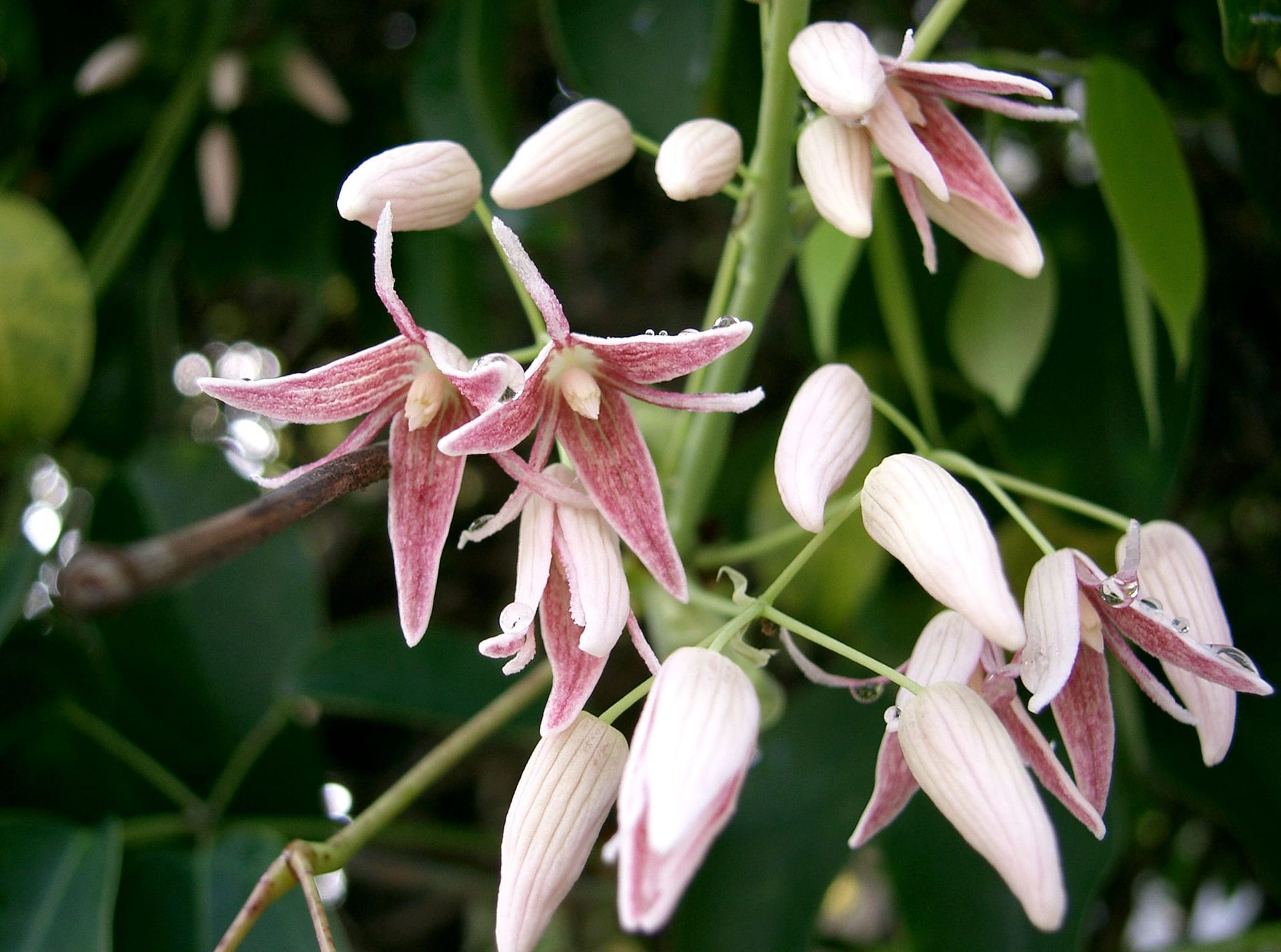
Mube (Stauntonia hexaphylla), also known as the Japanese staunton vine or "evergreen akebi," keeps its glossy leaves year-round unlike its deciduous akebi cousins. In spring it produces delicate white flowers with reddish-purple centers, followed in autumn by purple fruit roughly 5 to 8 cm long. Unlike akebi, mube's fruit rarely splits open even when ripe, giving it a distinctive look among vine fruits. Left untrained, the vine can stretch 5 to 15 meters, but as bonsai it's kept compact through regular pruning. Because it calls for a bit of care and attention, mube is generally considered better suited to intermediate growers.
View 六葉木通 encyclopedia →成交手續費 0%!2026年9月30日前註冊,前 2 株免佣金!
生產者 招募中!
在 GrowerDirect 上架,直接銷售給全國的客戶吧!
GrowerDirect承諾的 6 項透明性重點
盆景的出品中,生產者將明示以下資訊。確保樹種、產地、所需光照、栽培難度的透明度。
- 樹種明示
- 實物照片
- 色澤
- 產地明示
- 所需光照
- 難度明示
查看全部144個品種
已註冊的生產者(搶先看)
六葉木通的基本資料
- 栽培難度
- 適合中級者
- 壽命
- 壽命相關資料較少
- 體型
- 藤蔓長5〜15公尺(盆栽中通過修剪保持小型)
- 澆水
- 肥料(盆栽相關資料較少)
- 日照與放置場所
- 喜歡陽光充足且排水良好的場所
- 溫度與越冬
- 喜溫暖,過去只在暖地的海岸和山間看到,近年在東北地方也能夠生長
- 用土與換盆
- 用排水良好的用土加入腐葉土等混合種植。由於移植困難,應避免傷害根系
- 修剪與整形
- 蔓年長1公尺以上。應用誘引和修剪防止向四方蔓延,用較強修剪促進開花
- 病蟲害與注意事項
- 雌雄同株但結實需要技巧,準備2株以上可確保結實。果實幾乎不開裂,若期望開裂的果實應選擇木通
關於六葉木通
Mube is an evergreen vine in the akebi family that keeps its leaves year-round, blooming reddish-purple in spring and bearing purple fruit that rarely splits in autumn. As bonsai, pruning keeps its vine compact — best suited to intermediate growers.
開始照料六葉木通前需要了解的7件事
1Light and airflow
Mube tolerates everything from full sun to partial shade, but a sunny spot encourages better flowering and fruiting. Strong afternoon sun in midsummer can scorch the leaves, so potted plants benefit from some shade during the hottest hours. Good air circulation also helps prevent pests and disease.
2Watering basics
Water thoroughly once the soil surface dries out. Mube dislikes soggy roots, so never let water sit in the saucer. In summer the soil dries quickly, so watering morning and evening helps, while keeping it slightly drier in winter guards against root rot.
3Well-drained soil
Because mube dislikes wet roots, choose a soil mix that drains well and allows good aeration. A bonsai soil base of akadama with some leaf mold mixed in works well. Avoid heavy, clay-like soils that hold water.
4Repot Without Damaging the Roots
Mube is said to be difficult to transplant. Repot only when necessary, such as when the plant is root-bound, and avoid breaking up the root ball so the roots are not damaged. Use a well-draining mix with some leaf mold or similar organic matter added.
5Pruning the vine
Left alone, mube's vine can grow 5 to 15 meters, so regular pruning is essential for keeping it in bonsai form. Flower buds often form on the previous year's growth, so timing and placement of cuts matter if you want to enjoy flowers and fruit. Trimming back overly long shoots after flowering or during dormancy helps maintain the shape.
6Flowers and fruit
In spring, mube produces white flowers with reddish-purple calyxes, and successful pollination leads to purple fruit around 5 to 8 cm long by autumn. Unlike akebi, the fruit rarely splits open even when ripe, so you can enjoy its intact shape for longer. How well it fruits depends on the plant's vigor and growing conditions.
7Choosing a healthy plant
Look for a plant with glossy leaves free of yellowing or dark spots. Vines that feel sturdy with balanced branching tend to be easier to train into bonsai form. Since mube calls for a bit of growing experience, it helps to start with the basic care routine and build from there.
六葉木通的常見問題
- Q.How is mube different from akebi?
- A.Mube is a close relative of akebi but stays evergreen year-round, unlike deciduous akebi. Its fruit also rarely splits open when ripe, while akebi's fruit typically cracks open along a seam. The flowers look similar, though the coloring inside the calyx differs slightly.
- Q.Can a beginner grow mube?
- A.Mube is generally considered a plant for intermediate growers, since some experience with watering and pruning makes it easier to manage. That said, following the basics — well-drained soil, adequate sunlight, and regular pruning — makes it approachable even for a first attempt.
- Q.How small can mube be kept as bonsai?
- A.Mube's vine can naturally reach 5 to 15 meters, but regular pruning keeps it compact when trained as bonsai. Careful timing and placement of cuts make it possible to shape the plant into the form you want.
- Q.How long does mube live?
- A.There isn't much documented information on mube's typical lifespan. Keeping up with basic care, such as pruning the vine and watering, helps it stay healthy over the long term. Mube is said to be hard to transplant, so repot only when necessary.
- Q.Does mube stay green in winter?
- A.Yes — as an evergreen vine, mube keeps its green leaves through winter, unlike deciduous plants. Growth slows during the coldest months, though, so it helps to water a bit less frequently and adjust care to the season.
六葉木通栽培的實用工具
在圖鑑中詳細了解六葉木通
查看六葉木通的圖鑑條目 →
收錄栽培難度、尺寸、原產地、日照等基礎資料。