跳轉到主要內容
櫻花

櫻花

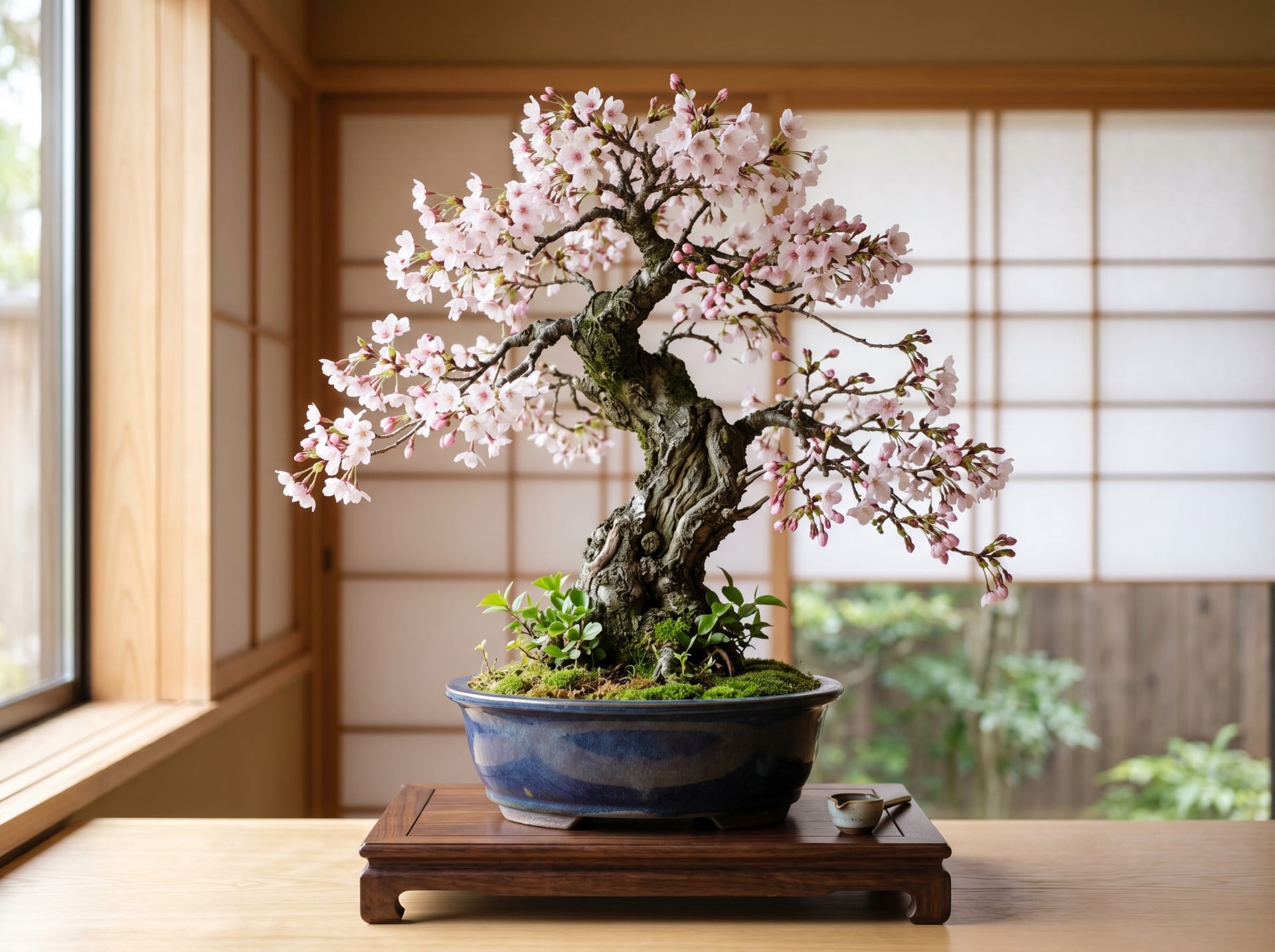
Cherry blossom bonsai captures the essence of Japanese aesthetics through its spectacular spring blooms and delicate branching structure. Varieties such as Somei Yoshino and Fuji Cherry offer different flower sizes and hues, letting you enjoy the full cycle of seasons in a single pot. With a grasp of the fundamentals, even beginners can look forward to reliable blooms each year.

限時優惠

前 3 筆銷售免佣金!於2026年8月31日前登記生產者→前3筆成交的手續費免費!

栽培者 招募中!

在 ボタちょく 上架,直接銷售給全國的客戶吧!

免費註冊無月費僅在銷售時收取佣金
立即免費註冊

ボタちょく承諾的 6 項透明性重點

盆景的出品中,栽培者將明示以下資訊。確保樹種、產地、所需光照、栽培難度的透明度。

  • 樹種明示
  • 實物照片
  • 色澤
  • 產地明示
  • 所需光照
  • 難度明示
0 items

沒有符合條件的商品

請調整篩選條件,或在有新商品時接收通知。

「接收上架通知」需免費註冊會員即可設定。當有符合您儲存條件的新商品上架時,我們會以郵件和站內通知提醒您。

查看其他分類

已註冊的栽培者(搶先看)

想上架盆景嗎?

註冊成為栽培者,即可與買家直接聯繫。

申請成為栽培者

關於櫻花

The cherry blossom has been woven into Japanese aesthetics since ancient times, beloved from the Heian-era aristocracy through to everyday people today as a symbol of fleeting beauty. As a bonsai subject, it has an equally long history: intensive cultivation during the Edo period gave rise to the many varieties now in circulation, from Somei Yoshino to Fuji Cherry and Asahiyama. Visually, the tree's finest traits are its intricately ramifying branches and the five-petaled flowers that burst open simultaneously each spring. Flower color ranges from pure white through soft to deep pink depending on the variety, and the vibrant fresh leaves that follow extend the display well into the green season. Autumn brings warm yellows and oranges, while the bare silhouette of winter branches carries its own quiet elegance. What makes cherry blossom bonsai especially rewarding is the unmistakable annual payoff: careful tending across all four seasons comes back to you as a canopy of bloom every spring — a satisfaction few other bonsai can match.

開始照料櫻花前需要了解的7件事

  1. 1Sunlight Is Essential

    Cherry blossom bonsai thrives in full sun and ideally needs more than six hours of direct sunlight per day. Insufficient light weakens flower bud formation, reducing or eliminating blooms the following spring. Keep your tree outdoors in the sunniest spot available as its default position.

  2. 2Watering Frequency

    Cherry blossom bonsai dislikes drying out; water thoroughly whenever the soil surface begins to dry. During spring budding and summer heat, water stress can quickly kill the tree, so check moisture once or twice daily. In winter, root activity slows, so take care not to overwater.

  3. 3Prune Right After Bloom

    Pruning immediately after flowering has a direct impact on the following year's bloom. Remove unnecessary branches as soon as the petals fall to refine the tree's shape. The Japanese saying "a fool cuts cherry trees" warns against large cuts on thick branches, but routine trimming of thin branches is both necessary and beneficial.

  4. 4When to Fertilize

    The primary fertilizing window runs from after flowering through summer. Apply a balanced solid fertilizer with nitrogen, phosphorus, and potassium one to twice a month. In autumn, shift to a formula higher in phosphorus and potassium to strengthen flower buds, then pause fertilizing through winter.

  5. 5Watch for Pests and Disease

    Cherry bonsai are prone to aphids, scale insects, and powdery mildew. Aphids tend to cluster heavily during new bud break, so early detection and appropriate pesticide application are effective countermeasures. Always seal pruning cuts with wound paste to prevent rot-causing fungi from entering.

  6. 6Cold Exposure in Winter

    Cherry blossom bonsai requires a period of cold dormancy to bloom vigorously the following spring. In regions where temperatures drop below 0°C, shelter the tree under eaves or in an unheated cold frame—protecting it from frost and strong wind while still exposing it to outdoor cold. Overwintering in a warm indoor environment often leads to poor flowering the next year.

  7. 7Repotting Schedule

    Cherry bonsai are vigorous root growers, so repotting every two to three years is recommended. The best time is in spring, immediately after flowering ends and before new growth begins in earnest. Neglecting repotting causes drainage to deteriorate and vigor to decline, which ultimately affects blooming, so maintain a regular repotting schedule.

櫻花的常見問題

Q.Can I grow cherry blossom bonsai indoors?
A.Cherry blossom bonsai is fundamentally an outdoor tree and is not suited to long-term indoor growing. Brief indoor display is fine, but keeping it inside year-round weakens the tree and reduces flowering over time. Exposure to winter cold during dormancy is necessary to trigger blooms the following spring.
Q.Why won't my cherry blossom bonsai bloom?
A.The most common causes are pruning at the wrong time (removing flower buds that form in summer), insufficient winter chilling, or inadequate sunlight. Prune right after flowering ends, allow full outdoor dormancy in winter, and ensure at least six hours of direct sun daily from spring to autumn. Review your fertilizing routine too, as nutrient deficiency can also reduce flowering.
Q.Which variety is best for beginners?
A.Fuji Cherry (Mame-zakura) and Asahiyama are generally recommended for beginners due to their vigorous growth and small flowers that are easy to manage. Both are widely available at bonsai specialty shops and online. Somei Yoshino is beautiful but involves grafted-tree care that suits growers with some prior experience.
Q.When and how often should I repot?
A.The ideal time to repot is immediately after the flowers fall, typically in March or April. As a general guide, repot young trees every two years and mature trees every three years. Root binding degrades drainage and weakens the tree, so check root condition regularly rather than waiting for obvious decline.
Q.What is the typical price range for cherry blossom bonsai?
A.Entry-level small and shohin-size trees typically start in the 3,000 to 10,000 yen range. Mid-size trees with well-developed form generally run 20,000 to 50,000 yen, while aged or prize-winning specimens can reach well into the hundreds of thousands. For beginners, starting with an affordable smaller tree is a practical way to learn the basics before investing in more valuable stock.

櫻花栽培的實用工具

同分類的更多品種