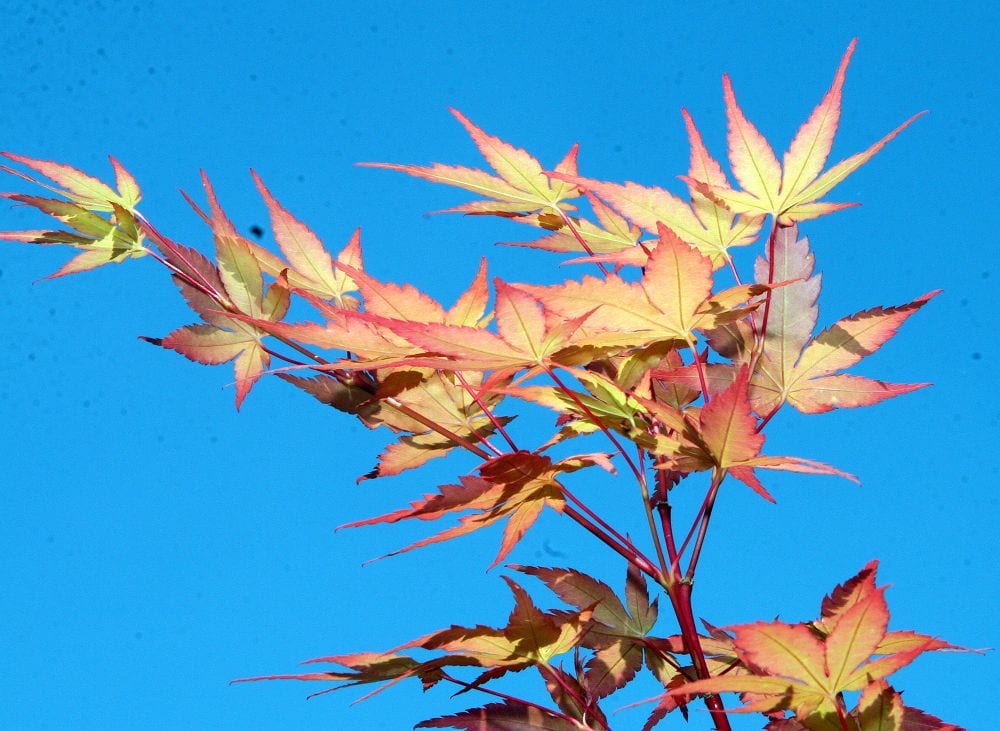
 © David J. Stang / CC BY-SA 4.0
珊瑚閣
Sango-kaku is a maple variety known for the way its young branches turn a vivid coral color from autumn into winter. Only branches in their first or second year develop this color; older wood gradually fades, so pruning to encourage fresh young growth is the key to keeping the bark vibrant. Its biggest draw is the bright red branch structure that remains after the leaves fall, making it stand out in the garden or in a pot just as other maples settle into their bare winter look. Considered a variety for intermediate growers, it grows upright to about 6 to 7.5 meters in its natural form, though bonsai specimens are typically trained to a small or medium size to showcase the changing bark color. Grown both as bonsai and as a garden tree, it offers a different look through the seasons.
View 珊瑚閣 encyclopedia →成交手續費 0%!2026年9月30日前註冊,前 2 株免佣金!
生產者 招募中!
在 GrowerDirect 上架,直接銷售給全國的客戶吧!
GrowerDirect承諾的 6 項透明性重點
盆景的出品中,生產者將明示以下資訊。確保樹種、產地、所需光照、栽培難度的透明度。
- 樹種明示
- 實物照片
- 色澤
- 產地明示
- 所需光照
- 難度明示
查看全部144個品種
已註冊的生產者(搶先看)
珊瑚閣的基本資料
- 栽培難度
- 適合中級者
- 壽命
- 關於該品種壽命的資料很少
- 體型
- 自然樹形下高度6〜7.5米,直立性(盆景中為小品至中品)
- 澆水
- 肥料(春季和秋季,適量減施)
- 光照・擺放位置
- 日照充足至半陰處,避免強風。夏季遮光以防葉片灼傷,秋季起充分日照以促進枝色和紅葉
- 澆水
- 葉片展開後乾燥速度快。春季每日2次,夏季2〜3次,冬季1〜2日1次為目標,澆至株根部。夏季缺水會影響紅葉效果
- 溫度・越冬
- 抗寒性強(美國農業部5區)。冬季是紅枝觀賞期。需保護,避免乾風和晚霜
- 用土・換盆
- 採用排水良好的用土,換盆在萌芽前的3月左右進行。每2〜3年一次,迷你盆景每1〜2年一次,修剪根系以增加細根
- 肥料
- 新葉定型後的4月中旬施有機肥,5月追肥。秋肥於8月中旬〜9月結束,以促進紅葉
- 修剪・整形
- 枝色在1〜2年生嫩枝上最鮮豔,因此在落葉前後修剪時應剪短老枝,更新為新枝。摘芽在3月中旬〜4月中旬進行
- 病蟲害・注意事項
- 據說容易感染細菌性枝枯病。黑色枯死的枝條應及早剪除,修剪工具保持清潔。注意新芽上的蚜蟲和梅雨後的白粉病
關於珊瑚閣
Sango-kaku is a maple whose young branches turn bright coral in autumn and winter. Only one- to two-year-old wood colors up, making the bare winter silhouette its main appeal; grown as both bonsai and garden tree, suited to intermediate growers.
開始照料珊瑚閣前需要了解的7件事
1Choose a Sunny, Airy Spot
Sango-kaku prefers a bright, well-ventilated spot outdoors. Good light through autumn and winter brings out its coral bark color at its best. Strong summer afternoon sun can scorch the leaves, so container-grown trees benefit from partial shade during the hottest months.
2Water with Clear Wet-Dry Cycles
Water thoroughly once the soil surface dries out. Potted trees dry out faster, so watch closely during the growing season from spring through autumn. At the same time, avoid letting water sit in the saucer, since constantly soggy soil can damage the roots.
3Use Well-Draining Soil
Like most maples, Sango-kaku dislikes waterlogged roots, so well-draining soil is essential. A bonsai or akadama-based mix blended with leaf mold gives a good balance of drainage and moisture retention.
4Repot During Dormancy
Repot roughly every few years once the roots become pot-bound, since crowded roots can affect growth and bark color. The dormant period after leaf drop puts the least stress on the roots.
5Winter Bark Is the Star of the Show
Sango-kaku is grown to showcase its bright red bark after the leaves fall, not just its foliage. Its true character shows most in the leafless season of autumn and winter, rather than when the canopy is full in summer.
6Look for Young, Colorful Branches When Choosing a Tree
Vivid bark color appears only on branches one to two years old, while older wood gradually fades. When selecting a tree, check that young branches are growing well and coloring clearly, which gives a good sense of how the color will develop over time.
7Prune to Renew Young Branches
Because Sango-kaku's coral color belongs only to young wood, pruning out faded old branches to encourage fresh growth is the key to keeping the color vivid. Left to its natural upright form the tree can reach about 6 to 7.5 meters, while bonsai specimens are kept to a small or medium size through regular pruning that manages both shape and bark color.
珊瑚閣的常見問題
- Q.Is Sango-kaku suitable for beginners?
- A.Sango-kaku is generally considered a variety for intermediate growers. It calls for a working knowledge of maple care, including watering, soil management, and the pruning needed to keep the bark color vivid, so it suits those with some prior experience growing maples or bonsai.
- Q.Why isn't the bark turning coral-colored?
- A.The coral color only appears on branches that are one to two years old; older wood naturally loses its color over time. To keep the bark vivid, older branches need to be pruned out so new, young growth can take over.
- Q.Is there anything to enjoy after the leaves have fallen?
- A.The leafless season is actually when Sango-kaku shines most. Once the leaves drop in autumn and winter, the bright coral-colored branches become the main attraction.
- Q.Is it grown as a bonsai or as a garden tree?
- A.Sango-kaku is available as both a bonsai and a garden tree. Planted in the ground it grows into an upright form reaching about 6 to 7.5 meters, while bonsai specimens are kept to a small or medium size to highlight the changing bark color.
- Q.How large does it grow?
- A.Left to its natural form, it grows upright to about 6 to 7.5 meters tall. When trained as bonsai, it's typically kept to a small or medium size.
珊瑚閣栽培的實用工具
在圖鑑中詳細了解珊瑚閣
查看珊瑚閣的圖鑑條目 →
收錄栽培難度、尺寸、原產地、日照等基礎資料。