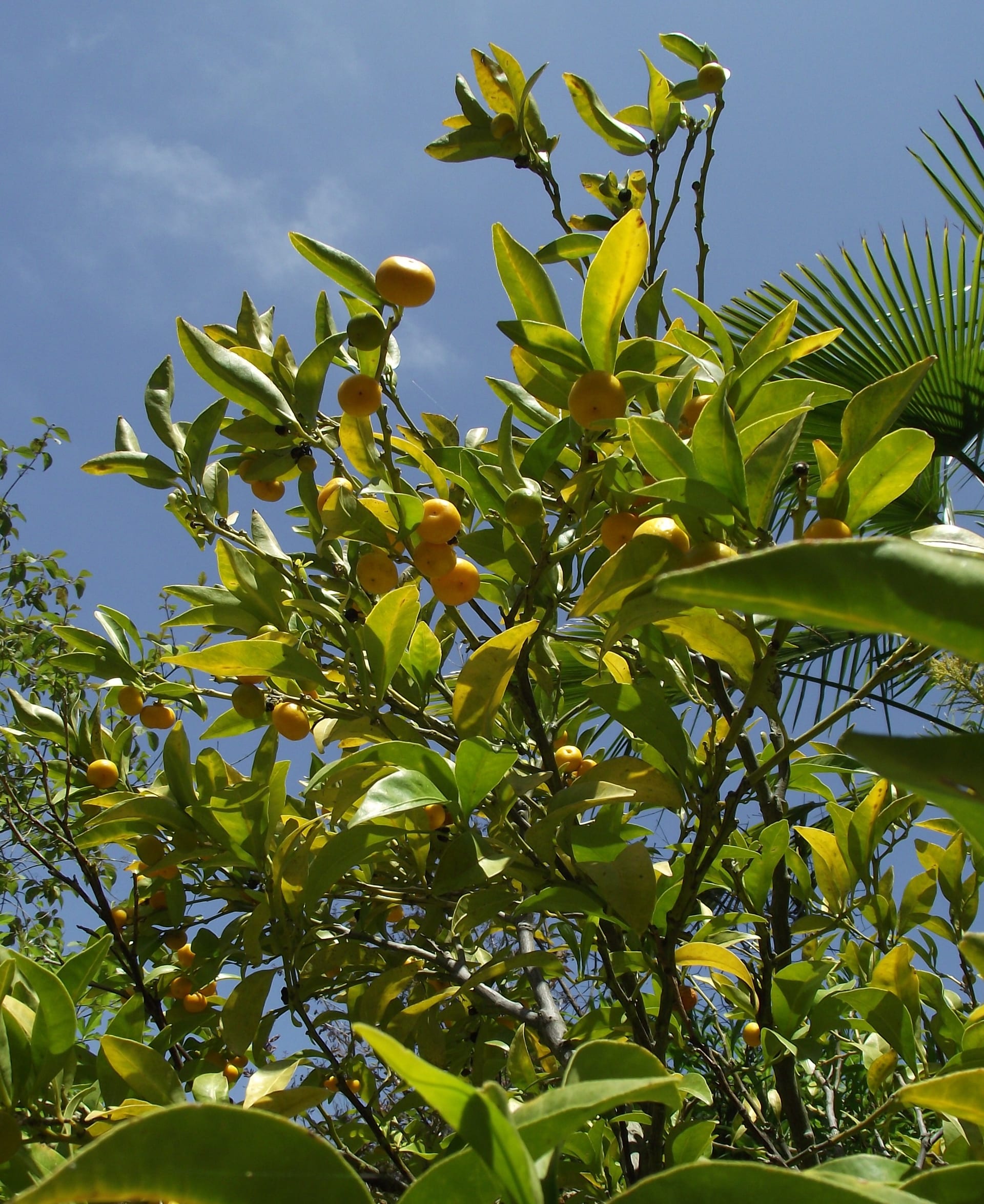
 © Stickpen / CC0
橘
Tachibana (Citrus tachibana) is a wild citrus native to Japan, an evergreen tree that produces fragrant white flowers in early summer and flat yellow fruit about 2.5 to 3 cm across in winter. It is famously associated with the "Ukon no Tachibana" tree at the Kyoto Imperial Palace, giving it a distinctly Japanese cultural charm as a bonsai subject. Left to grow naturally it can reach 2 to 6 meters, but trained in a pot it can be kept compact, letting you enjoy glossy evergreen foliage year-round along with the seasonal rhythm of flowers and fruit. It is considered a variety suited to growers with some prior experience, and rewards attentive care with an increasingly refined form over time.
View 橘 encyclopedia →成交手續費 0%!2026年9月30日前註冊,前 2 株免佣金!
生產者 招募中!
在 GrowerDirect 上架,直接銷售給全國的客戶吧!
GrowerDirect承諾的 6 項透明性重點
盆景的出品中,生產者將明示以下資訊。確保樹種、產地、所需光照、栽培難度的透明度。
- 樹種明示
- 實物照片
- 色澤
- 產地明示
- 所需光照
- 難度明示
查看全部144個品種
已註冊的生產者(搶先看)
橘的基本資料
- 栽培難度
- 適合中級者
- 壽命
- 壽命相關資料甚少
- 體型
- 樹高2~6公尺
- 澆水
- 肥料(生育期間。盆栽相關資料甚少)
- 日照與放置位置
- 常綠樹,生長於溫暖沿海林地。於日照良好的溫暖處栽培,冬季應防護寒冷
- 澆水
- 盆栽表面土壤乾燥後澆透。盆栽澆水方面資料甚少
- 溫度與越冬
- 喜溫暖,耐寒性較差(野生北限在靜岡縣沼津市)。冬季應避免霜凍和寒風,需加以保護。對高溫多濕的環境耐受性強
- 土壤與換盆
- 偏好疏鬆、排水性優良的土壤
- 剪修與造型
- 枝條易向橫向展開茂密,欲保持小型需定期剪修。枝條有銳利棘刺,作業時需小心
- 病蟲害與注意事項
- 病蟲害少,即使放任也能每年結實。市場上的「橘」多數為高麗橘。野生族群為近危物種,勿採集野生株,應栽培人工繁殖品
關於橘
Tachibana bonsai: a wild Japanese citrus with fragrant white summer flowers and flat yellow winter fruit, known from the Kyoto Imperial Palace's "Ukon no Tachibana." An evergreen for growers with some experience, trainable to a compact pot size despite reaching 2-6m in the wild.
開始照料橘前需要了解的7件事
1Sun and airflow matter
As an evergreen that thrives in sunlight, Tachibana bonsai are best kept outdoors year-round in a spot with good light and air circulation. Shield it from harsh summer afternoon sun and direct winter frost or cold wind—positioning it under eaves can help moderate these extremes.
2Water before it dries out
Potted trees dry out quickly, so water thoroughly once the surface soil feels dry. Water stress during flowering and fruiting is especially likely to cause flower or fruit drop, so check soil moisture regularly during these periods.
3Use well-draining soil
Like other citrus, Tachibana dislikes waterlogged roots, so choose a mix based on akadama that balances drainage with moisture retention. A commercial bonsai soil or citrus-specific mix makes ongoing care easier.
4Repot every few years
When roots become pot-bound, growth and flowering can suffer, so repot into a slightly larger container roughly every few years. The best timing is just before the tree breaks dormancy, and roots should be trimmed carefully rather than aggressively.
5Prune after flowering
To enjoy flowers and fruit reliably each year, timing matters when pruning. Trimming overgrown branches after flowering has finished and before summer generally helps limit the impact on the following season's blooms and fruit set.
6Protect it from hard frost
Although Tachibana is evergreen, sustained hard frost or below-freezing conditions can damage its leaves and branches. In colder regions, moving it to a bright spot indoors or adding simple frost protection during winter is worth considering.
7Check form and foliage when choosing
When selecting a tree, look for glossy leaves without much yellowing or spotting, and a naturally balanced branch structure. A specimen already showing fruit or buds makes it easier to picture how it will look in flower or fruit that year.
橘的常見問題
- Q.Is Tachibana suitable for beginners?
- A.Tachibana is generally considered a variety for growers with some experience, since citrus care involves specific knowledge around watering, soil, and pruning timing. If you're completely new to bonsai, it helps to learn the basics of citrus care before bringing one home.
- Q.How is Tachibana different from regular mikan oranges?
- A.Tachibana is a wild citrus native to Japan, distinct from the mikan varieties widely grown for eating. It's known for its flat yellow fruit, about 2.5 to 3 cm across, that ripens in winter.
- Q.How large does it grow?
- A.Grown naturally, Tachibana can reach 2 to 6 meters in height, but as a bonsai trained in a pot it can be kept much more compact. Its size is largely shaped by training and pruning choices over time.
- Q.When can I enjoy the flowers and fruit?
- A.It produces fragrant white flowers in early summer, followed by flat yellow fruit about 2.5 to 3 cm across in winter. This gives the tree a distinct seasonal character throughout the year.
- Q.What should I watch for in winter care?
- A.Although Tachibana is evergreen, sustained hard frost or below-freezing temperatures can damage its leaves and branches. In colder regions, moving it to a bright indoor spot or adding simple frost protection over winter can help.
橘栽培的實用工具
在圖鑑中詳細了解橘
查看橘的圖鑑條目 →
收錄栽培難度、尺寸、原產地、日照等基礎資料。