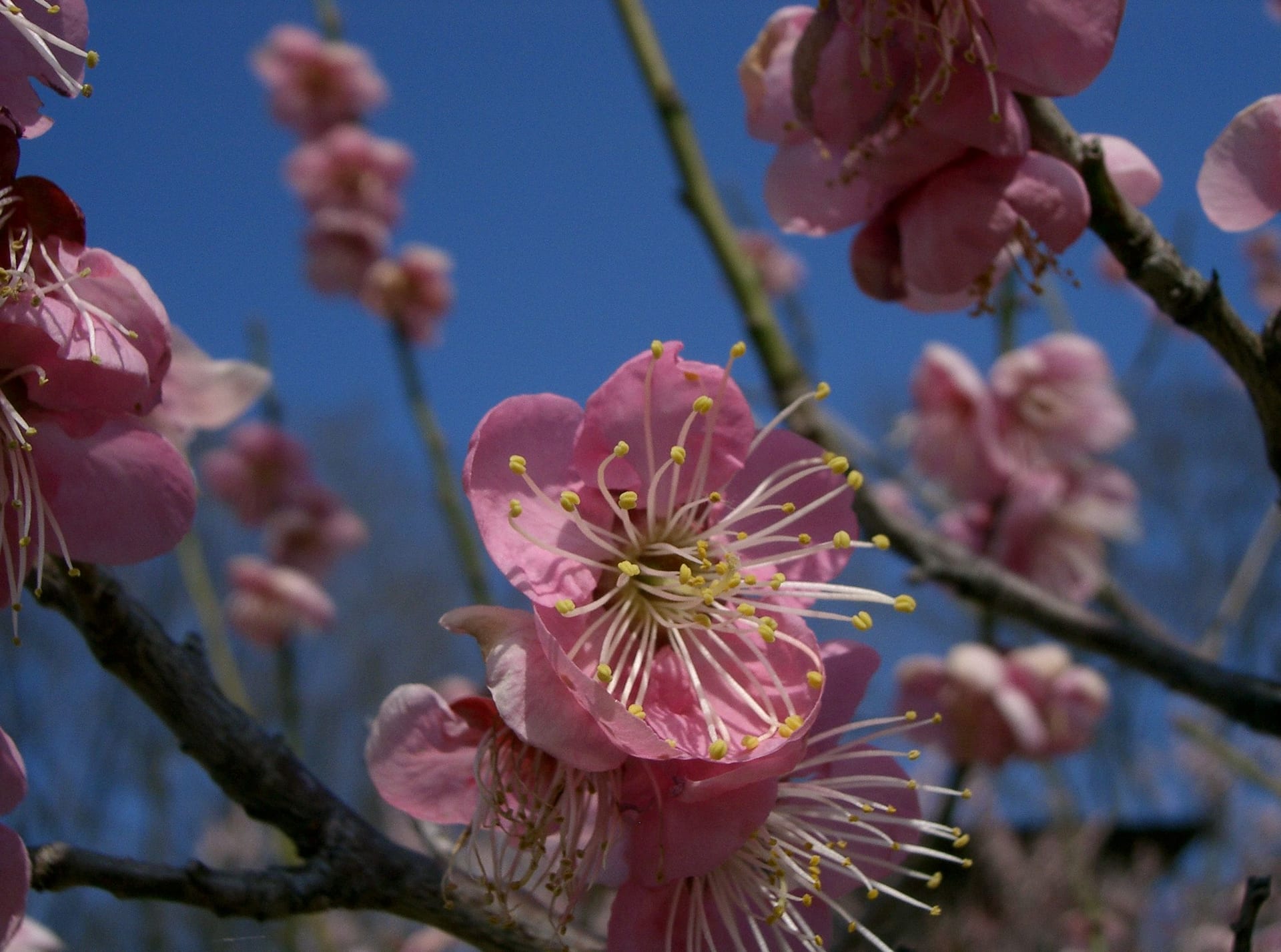
 © KENPEI / CC BY-SA 3.0
道知邊梅
Michishirube is a flowering Japanese apricot (ume) variety said to have once lined old highways, guiding travelers like a signpost. It bears large, single-petaled blossoms, described in different sources as either red or pale pink. What sets this variety apart is its exceptional vigor and trunk-thickening ability, a trait confirmed in research station trials. It suits growers who want to develop a bold, thick trunk, or who are drawn to the powerful silhouette associated with flowering ume bonsai. With its blooms and commanding presence, Michishirube offers a rewarding entry into the world of flowering plum bonsai.
View 道知邊梅 encyclopedia →成交手續費 0%!2026年9月30日前註冊,前 2 株免佣金!
生產者 招募中!
在 GrowerDirect 上架,直接銷售給全國的客戶吧!
GrowerDirect承諾的 6 項透明性重點
盆景的出品中,生產者將明示以下資訊。確保樹種、產地、所需光照、栽培難度的透明度。
- 樹種明示
- 實物照片
- 色澤
- 產地明示
- 所需光照
- 難度明示
查看全部144個品種
已註冊的生產者(搶先看)
道知邊梅的基本資料
- 栽培難度
- 適合中級者
- 壽命
- 梅是長壽的樹種,存在樹齡達400年的盆梅
- 體型
- 梅為高度3~10公尺的落葉小喬木。在盆栽中根據盆器大小進行培育
- 澆水
- 肥料(花後的3~6月和9~11月。夏季停止)
- 日照・置放位置
- 花芽形成需要春季以後充足的日照。應置放在日照充足、通風良好的場所,夏季易因強烈日照導致葉燒,需要遮蔭
- 澆水
- 本性喜水,葉片存在期間易乾燥。春秋季每天1~2次,夏季2~3次,冬季每2~3天1次為目安,表土乾燥後充分澆水
- 溫度・越冬
- 冬季休眠。應避免盆土凍結和晚霜傷害根系,需在棚下或地窖等處保護
- 用土・換盆
- 以赤玉土為主,混入2成排水性良好的沙土。換盆時間在2月發芽前進行,配合花後修剪進行。1~2年換1次,老樹則2~3年換1次
- 肥料
- 喜肥的樹種。花後3~6月持續少量施肥,花芽形成的夏季停止施肥,秋季9~11月施以充足肥料。使用含磷酸較多的果花用肥料較佳
- 修剪・整形
- 五至七分開花時摘除謝花以保持樹勢,花後立即進行修剪。花芽在7~8月形成,成熟樹在5月左右對新梢進行4~6節的摘心
- 病蟲害・注意事項
- 注意蚜蟲、紅蜘蛛、介殼蟲、蛀入樹幹的透翅蛾(滲出樹脂)、白粉病和黑斑病。花梅易患潰瘍病,應避免強風。樹勢非常強健、枝條生長旺盛,需經常進行摘芽和修剪
關於道知邊梅
Michishirube is a flowering ume variety with large single blooms in pale pink to red, prized for its strong vigor and fast trunk thickening—ideal for bold-trunked bonsai.
開始照料道知邊梅前需要了解的7件事
1Sunlight and Placement
Michishirube thrives in a sunny, well-ventilated outdoor spot, as strong light supports healthy flowering. Insufficient sun can lead to sparse blooms or leggy growth. In the height of summer, shielding the tree from harsh afternoon sun helps reduce stress.
2Watering Basics
Water thoroughly once the soil surface has dried, then let it dry again before the next watering. Since Michishirube can lose flower buds if it dries out severely during bud formation, extra attention is needed in summer. At the same time, constantly soggy soil can harm the roots, so aim for a clear rhythm between wet and dry.
3Soil Selection
A well-balanced mix that drains well while retaining some moisture suits this variety. A standard bonsai soil blend based on akadama, mixed with leaf mold as needed, works well. Avoid mixes that stay overly wet, as this can lead to root rot.
4Repotting Timing
Because of its vigorous growth and strong root development, this variety tends to fill its pot with roots relatively quickly. Repotting roughly every one to two years during dormancy is a good general guide. Leaving the roots pot-bound too long can worsen drainage and affect growth and flowering.
5Pinching and Pruning
Because the trunk thickens quickly, the branches also extend readily, making post-bloom pinching and pruning essential to keep the silhouette in shape. Left unchecked, vigorous growth can quickly throw the form off balance, so regular attention is needed to build good structure. This ongoing shaping work is part of why the variety is considered better suited to growers with some experience.
6Enjoying the Bloom Season
Michishirube is described as an early bloomer with large, single-petaled flowers, recorded as red in some sources and pale pink in others. Watching the buds swell and open is one of the pleasures of the season.
7Choosing a Good Specimen
Since this variety is known for good trunk development, choosing a young specimen that already shows some solidity in the trunk makes future shaping easier to plan. It also helps to check the balance of branching and the spread at the base of the trunk.
道知邊梅的常見問題
- Q.What kind of flowers does Michishirube produce?
- A.It produces large, single-petaled blossoms. Sources differ on the color, with some describing them as red and others as pale pink.
- Q.Is Michishirube suitable for beginners
- A.It is generally considered better suited to intermediate growers. Its strong vigor and vigorous branch growth mean ongoing pinching and pruning are needed to maintain the shape.
- Q.How large does it grow?
- A.As bonsai it is trained in proportion to the size of its pot. Michishirube is very vigorous and its branches grow quickly, so regular pinching and pruning are needed to keep it in check.
- Q.When should it be repotted
- A.As a general guide, repot during dormancy roughly once every one to two years. Because of its vigorous root growth, it helps to watch for signs of the roots becoming pot-bound.
- Q.What is the origin of the name Michishirube
- A.The name is said to come from a tradition of these trees being planted along old highways, where they served as a landmark or "signpost" for travelers. The name reflects the variety's long history as a flowering ume.
道知邊梅栽培的實用工具
在圖鑑中詳細了解道知邊梅
查看道知邊梅的圖鑑條目 →
收錄栽培難度、尺寸、原產地、日照等基礎資料。