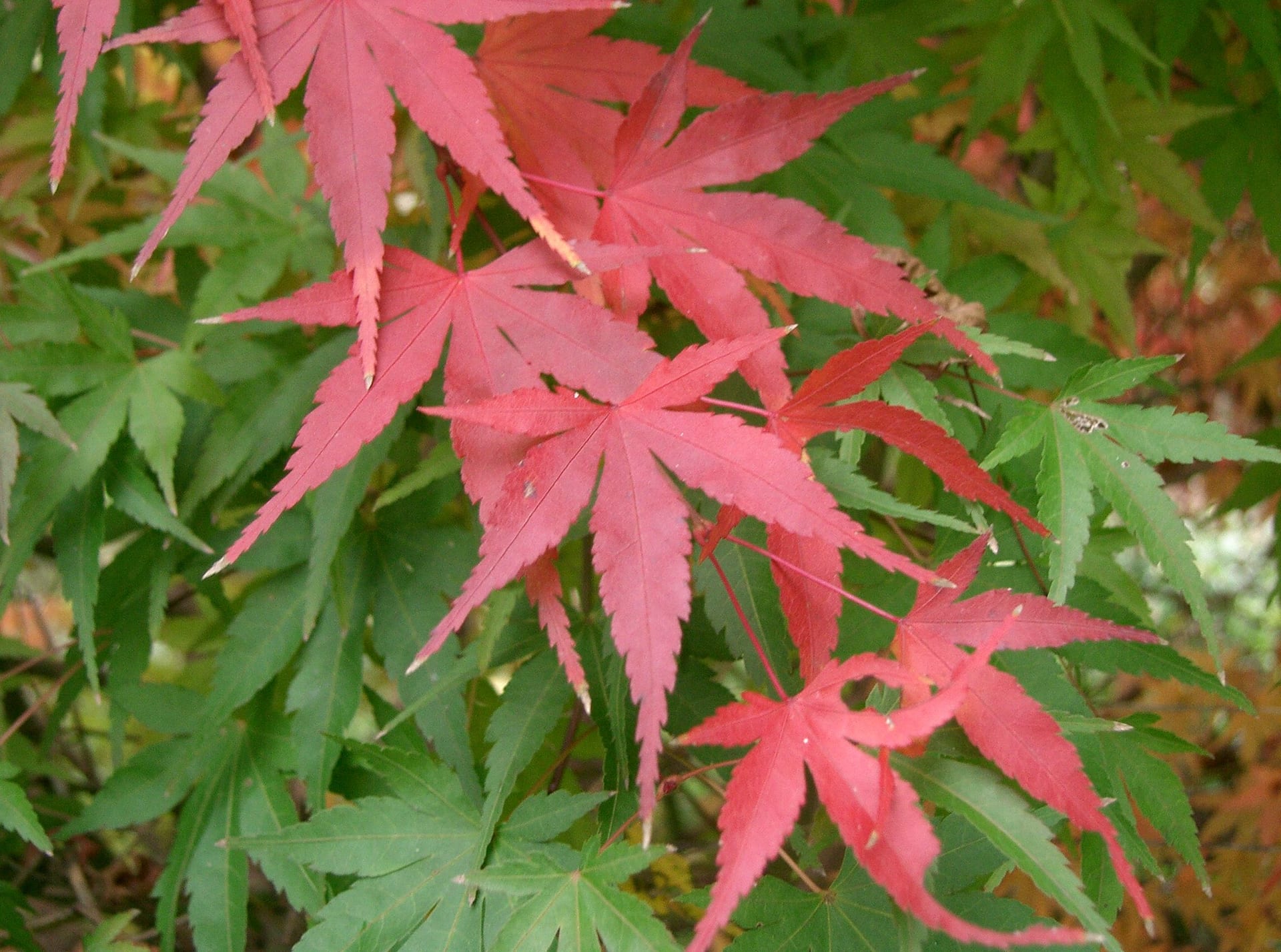
 © KENPEI / CC BY-SA 3.0
山紅楓
Yama-momiji is a wild Japanese maple native to mountain regions along the Sea of Japan coast, long valued as a classic bonsai material. Its leaves are somewhat larger than those of the Iroha maple and split into 7 to 9 deep lobes, giving the foliage a bold, natural look. The tree is hardy, grows quickly, and germinates readily, making it approachable even for beginners, while its responsiveness to pruning and shaping makes it a great way to practice training techniques. Because of its toughness, it is widely used as a parent stock or rootstock for many cultivated maple varieties, giving it a long track record as bonsai material. With foliage that changes through the seasons, it is a variety you can enjoy shaping into a tree that is uniquely your own.
View 山紅楓 encyclopedia →成交手續費 0%!2026年9月30日前註冊,前 2 株免佣金!
生產者 招募中!
在 GrowerDirect 上架,直接銷售給全國的客戶吧!
GrowerDirect承諾的 6 項透明性重點
盆景的出品中,生產者將明示以下資訊。確保樹種、產地、所需光照、栽培難度的透明度。
- 樹種明示
- 實物照片
- 色澤
- 產地明示
- 所需光照
- 難度明示
查看全部144個品種
已註冊的生產者(搶先看)
山紅楓的基本資料
- 栽培難度
- 適合新手
- 壽命
- 樹齡資料不多
- 體型
- 樹高最高約10公尺,山地多為約5公尺左右(盆景則視造型而定)
- 澆水
- 肥料(春季和秋季)
- 光照與擺放位置
- 喜歡陽光但怕乾燥。喜歡涼爽環境,在溫暖地區夏季遮光和西日遮擋會影響楓葉變色。
- 澆水
- 葉片展開後乾得快。春季每天2次,夏季2~3次,冬季每1~2天1次為目標,澆在株元處。夏季缺水會損害楓葉變色。
- 溫度與越冬
- 耐寒力強。溫暖地區楓葉和黃葉的色澤易褪色。落葉後經過數次霜凍後要避免乾燥的風。
- 用土與換盆
- 使用排水良好的用土,換盆在發芽前3月左右進行。每2~3年一次,迷你型每1~2年一次,整理根系時要增加細根。
- 肥料
- 新葉固定後於4月中旬施有機肥料,5月追肥。秋季肥料於8月中旬~9月結束,以促進楓葉變色。
- 修剪與整形
- 3月中旬~4月中旬摘除中心芽。葉片修剪和疏葉於6月中旬進行,修剪於落葉前後進行(冬季修剪有枝條枯死的危險)。金屬絲容易陷入,使用時間要短。
- 病蟲害與注意事項
- 通風不良會導致白粉病和煤煙病,嫩枝葉容易感染蚜蟲。定期修剪避免枝葉密生。因為是自生種,應選擇實生或插條繁殖的栽培品,不要採集野生植株。
關於山紅楓
Yama-momiji is a hardy wild maple from Japan's Sea of Japan mountains, known for its large, deeply lobed leaves and fast, easy growth that make it a classic beginner-friendly bonsai variety.
開始照料山紅楓前需要了解的7件事
1Sun and Air Circulation
Yama-momiji prefers an outdoor spot with good sun and airflow. Strong midday sun or drying west-facing light in midsummer can scorch the leaves, so moving it to partial shade during the hottest stretch helps. It tolerates cold well and can stay outdoors through winter as long as it's shielded from direct frost.
2Watering Basics
During the growing season, water thoroughly once the soil surface dries out. In summer, when soil dries quickly, watering both morning and evening is common. In winter, growth slows down, so cut back on how often you water.
3Well-Draining Soil
Even though yama-momiji is a tough tree, well-draining soil is essential to prevent root rot. A bonsai mix built mainly around akadama, blended with kiryu sand and leaf mold, works well. A ready-made bonsai soil mix is an easy option if you'd rather not blend your own.
4Repotting Timing
The best time to repot is around March, before the buds break. Repot into a free-draining mix every two to three years (every one to two years for mini bonsai), removing old soil and tidying the roots to encourage fine feeder roots.
5Pruning and Pinching
Fast growth means regular pruning and pinching are essential to keep the tree's shape. Pinch out the central buds from mid-March to mid-April, and do leaf-cutting or leaf-thinning in mid-June. Prune around the time the leaves fall, and avoid winter pruning, which risks branch dieback.
6Enjoying Fall Color
Come autumn, the leaves turn color, giving yama-momiji its signature fall display. To bring out vivid color, keep the tree in a sunny spot through autumn and avoid letting it dry out. Sudden changes in environment can cause the leaves to curl or color unevenly, so keep conditions stable.
7Choosing a Young Tree
When choosing a young tree, look for a trunk with good taper and well-balanced branching, which makes later styling easier. Leaves split into 7 to 9 deep lobes are a good sign of a true yama-momiji. Since it's hardy and fast-growing, it's also a solid first tree for anyone trying bonsai for the first time.
山紅楓的常見問題
- Q.Is yama-momiji suitable for beginners?
- A.Yes, it's hardy, fast-growing, and germinates readily, which makes it one of the more beginner-friendly bonsai varieties. As long as you keep up with basic watering and soil care, it's unlikely to give you major trouble.
- Q.How is it different from the Iroha maple?
- A.Yama-momiji has somewhat larger leaves than the Iroha maple, split into 7 to 9 deep lobes. It's a wild species native to mountains along the Sea of Japan coast, and its toughness has made it a common parent stock and rootstock for many cultivated maple varieties.
- Q.How large can it be trained as bonsai?
- A.As bonsai it can be shaped into a wide range of sizes through pruning and training, from small shohin trees to larger specimens, depending on how it's styled.
- Q.How often does it need repotting?
- A.Every two to three years is a good guide (every one to two years for mini bonsai). The best time is around March, before the buds break.
- Q.When does it show fall color?
- A.The leaves begin turning color in autumn, giving yama-momiji its distinctive fall display. To bring out the best color, keep it in a sunny spot through autumn and make sure it doesn't dry out.
山紅楓栽培的實用工具
在圖鑑中詳細了解山紅楓
查看山紅楓的圖鑑條目 →
收錄栽培難度、尺寸、原產地、日照等基礎資料。