Agave Garden Design | How to Create a Dry Garden and Plant Variety Arrangement
Explores how to design a dry garden utilizing agave. Introduces key points for garden creation, including variety placement balance, companion plants, stone arrangements, and mulching.
Key Takeaways
Explores how to design a dry garden utilizing agave. Introduces key points for garden creation, including variety placement balance, companion plants, stone arrangements, and mulching.
Related Species
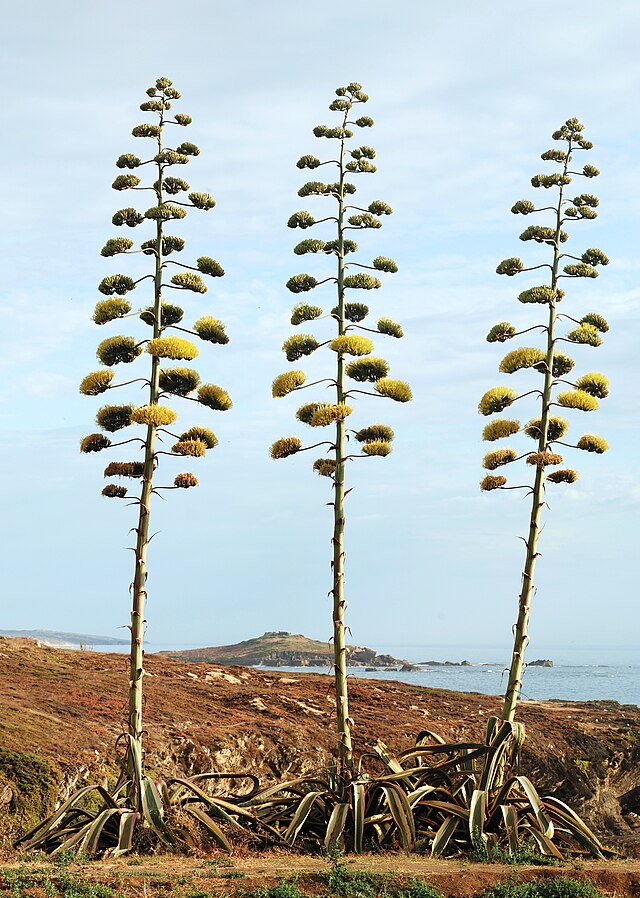
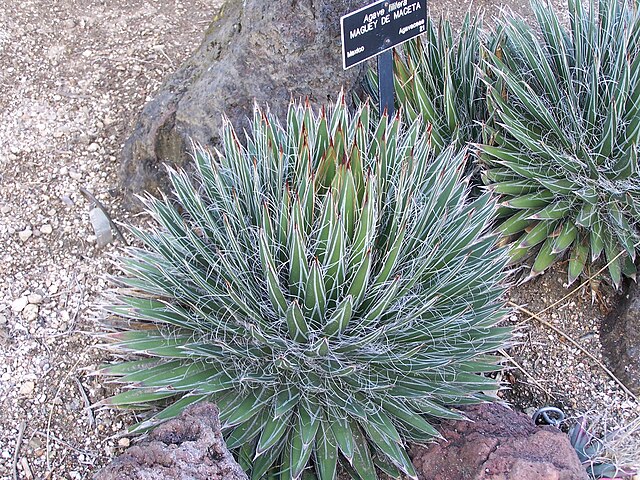
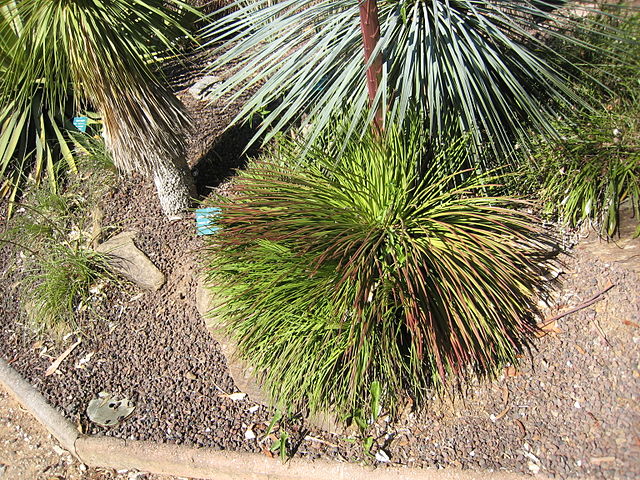
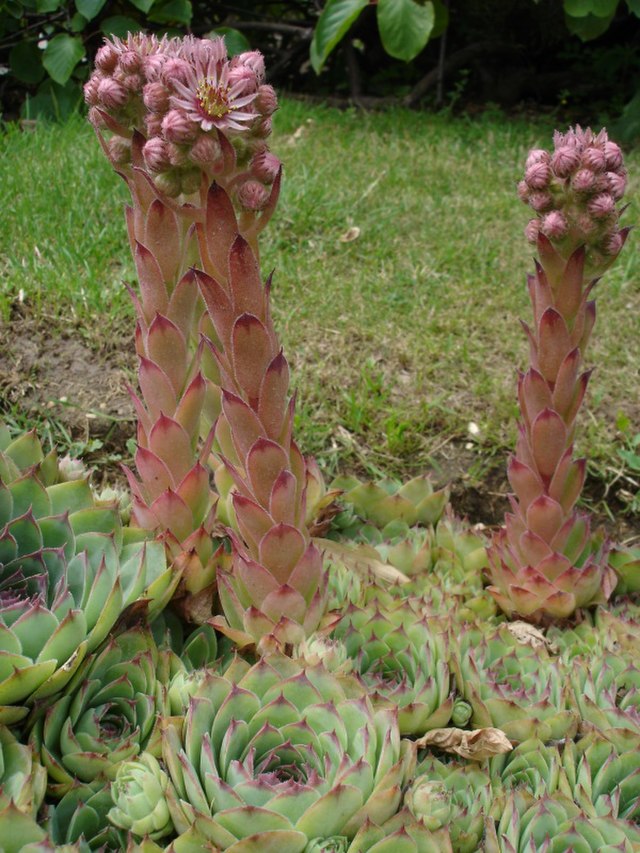
Agave excels as a symbol plant in the garden as well as in containers, commanding an impressive presence. Dry gardens (xeriscapes) composed primarily of drought-tolerant plants require less frequent watering and have continued to gain popularity for their modern, stylish aesthetic. Here we explain the basics of garden design with agave as the star, along with key points for creating a beautiful garden.
The Basic Concept of Dry Gardens
A dry garden is a garden style composed primarily of drought-adapted plants (xerophytes). The mainstream design is inspired by plantings from arid regions of California and Mexico, characterized by a hard landscape with abundant use of stone and gravel.
The attention dry gardens receive in Japan stems from reduced garden maintenance burden as extremely hot days increase, growing awareness of water conservation, and rising popularity of drought-tolerant plants such as agave and yucca. Compared to typical flower beds, watering frequency is significantly reduced, making it possible to achieve a low-maintenance garden.
The design principle of dry gardens is "the aesthetics of subtraction." Rather than planting diverse species densely, carefully selected plants are spaced apart to showcase the negative space of stone and gravel. A beautiful dry garden is achieved through compositions that emphasize negative space, allowing each plant's form to stand out distinctly.
Since Japan's climate receives more rainfall compared to dry garden homelands (such as Southern California), drainage management is the most critical design element. Measures to ensure good drainage—such as sloped terrain, thick layers of gravel or pumice, and the use of raised beds—are essential. For those wishing to learn more about the basics of in-ground planting, please also see Agave Ground Planting Guide.
Selecting Agave Varieties for the Garden
When selecting agave for garden planting, you must consider cold hardiness and final size.
| Purpose | Variety | Characteristics |
|---|---|---|
| Large Focal Tree | Agave americana | A striking large variety growing to 1.5–2 m in diameter; variegated Agave americana var. marginata is particularly popular for its beautiful yellow margins. Cold hardiness is approximately −8°C |
| Medium Focal Specimen | Agave parryi series | Compact rosette with beautiful gray-blue foliage serves well as a garden accent. Cold hardiness of −15°C or better is exceptionally high, allowing in-ground planting throughout most of Japan. Agave parryi subsp. truncata is especially popular for its well-proportioned, elegant form |
| Ground Cover | Agave geminiflora, Agave filifera | The distinctive appearance created by fibrous filaments extending from leaf tips blends naturally into a graveled garden |
| Focal Point (visual focus) | Agave titanota, Agave oteroi | Cold hardiness is somewhat lower (around 0°C), requiring planting only in warm regions or winter protection in containers |
For comparisons of outdoor cold hardiness by variety, see Cold-Hardy Agave Variety Guide.
When selecting varieties, always confirm the final size. Agave varies in diameter from 30 cm to 3 m depending on species, and planting a large variety in a small space can become unmanageable within a few years.
Principles of Placement and Layout
Here are design principles for arranging agave beautifully.
- Rule of Odd Numbers: Main agave specimens are arranged in groups of three or five as a base. Even numbers can look too orderly and make the garden feel static. Combining three sizes—large, medium, and small—creates dimension and depth
- Triangular Composition: The most fundamental layout technique. Place a large agave at the apex and smaller specimens on either side to form a triangle. Repeating this composition in several places around the garden creates a unified design
- Planting Spacing: Space plants 1.5 to 2 times the rosette diameter at maturity. Planting too densely can cause overcrowding within a few years, making maintenance difficult. Though newly planted specimens may appear sparse, spacing should anticipate growth to achieve optimal density over time
- Elevation Change: Create variation in height using raised beds or stone arrangements and position agave at different levels to generate visual interest. Elevated agave also benefits from better drainage, providing functional advantages as well
Companion Plants and Stone Arrangements
Companion plants and stone arrangements add richness to gardens that might otherwise feel monotonous with agave alone. See Agave and Companion Plant Pairing Guide for detailed combination examples.
- Yucca (especially Rostrata): Pairs exceptionally well with agave. Its finely leaved silhouette spreading radially adds a different rhythm to the garden compared to the agave rosette. Its tree-like form serves as a vertical accent
- Dasylirion: An excellent companion plant. Its delicate fine foliage moving in the wind contrasts beautifully with agave's solidity, creating dynamic interplay between movement and stillness
- Grasses (such as Carex and Festuca): Add softness to gravel gardens. Placing grasses between agave's hard-edged forms softens the overall impression
- Ground-Cover Succulents (such as Sedum and Sempervivum): Serve as colorful ground covers at the base of agave. Masses of succulents emerging from gravel gaps create a natural landscape effect
Stone arrangements form the backbone of a dry garden. Combining 2 to 3 large stones and planting agave around them creates a landscape suggesting natural rocky outcrops. Using uniform stone types (such as lava rock, granite, or sandstone) produces a cohesive appearance.
Mulching and Maintenance
As the finishing touch to a dry garden, mulching (surface coverage) is important both aesthetically and functionally.
Mulching with gravel or decorative stone is standard practice.
- White Stone (white gravel, Shirakawa sand): Creates a modern impression
- Beige to Brown Stone (Ise gravel, Jawa rock): Creates a natural impression
- Black Stone (Nachi kuroki stone, lava gravel): Enhances the color of agave
Ideal mulch depth is approximately 5 to 10 cm. Too thin and it fails to suppress weeds; too thick and water penetration slows. Laying landscape fabric beneath gravel further reduces weed emergence.
Maintenance is significantly easier than typical gardens. After the establishment period following planting (1–2 months), watering can rely primarily on rainfall. However, during extended summer droughts, occasional supplemental watering—about once or twice per month—is advisable.
Remove dead lower leaves regularly to keep the base of plants tidy. When pups appear, decide whether to retain or remove them based on garden balance. For guidance on pup management, see Complete Pup Separation Guide.
For dry gardens, selecting agave varieties suitable for in-ground planting is crucial. On GrowerDirect, you can receive advice from growers with in-ground planting experience, helping you choose varieties suited to your region's climate.
Maintenance and Long-Term Planning for Dry Gardens
Dry gardens require less maintenance than typical gardens, but long-term planning is still important.
Agave grows over several years to a decade or more, with some varieties reaching diameters exceeding 1 m. Even if plants appear sparse when first planted, landscape planning must anticipate proper density within a few years. Conversely, planting too densely can cause agave to crowd each other within years, resulting in damage to leaves from serrated edges. Visualizing the mature appearance before planting and confirming final sizes by variety in the Agave Encyclopedia as needed helps minimize future adjustments.