Aquatic Plant Layout Contest Beginner's Guide|The World of IAPLC and ADA
Explaining IAPLC, the world aquatic plant layout contest, entry methods, judging criteria, and production schedules.
Key Takeaways
Explaining IAPLC, the world aquatic plant layout contest, entry methods, judging criteria, and production schedules.
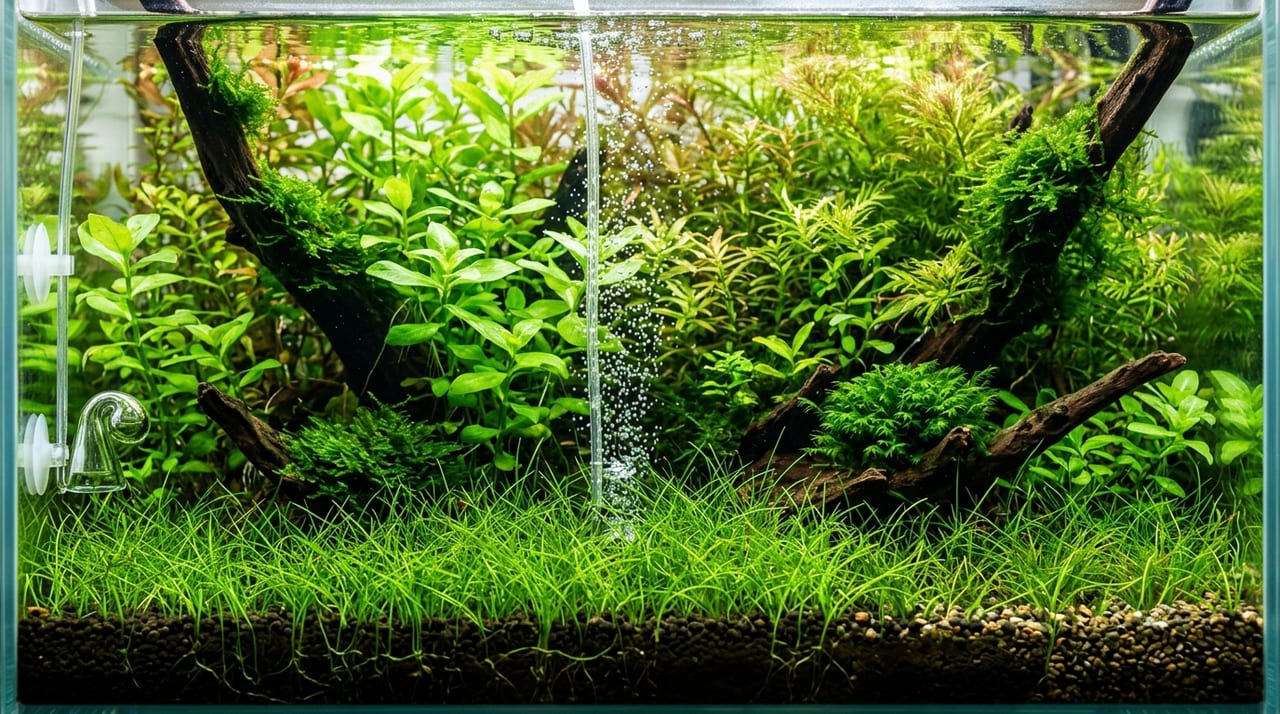
Aquatic plant layout contests exist where designers compete on beauty. Among these, IAPLC (International Aquatic Plants Layout Contest) is known as the world's largest aquatic plant layout contest, and thousands of works are submitted from around the world every year. This article introduces the overview of aquatic plant layout contests, entry methods, and tips for aiming to win awards.
Major Aquatic Plant Layout Contests
There are several renowned aquatic plant layout contests in the world.
- IAPLC (International Aquatic Plants Layout Contest): The world's largest contest hosted by ADA (Aqua Design Amano). Founded by Takashi Amano, it receives 2,000+ works annually from over 60 countries worldwide. Entries are submitted as a single photograph, and awards are given from Grand Prize through the top 100
- AGA Aquascaping Contest: A contest hosted by the Aquatic Gardeners Association in America. It features the characteristic of being judged by category (Dutch style, Nature style, Paludarium, etc.)
- CAC (China Aquascape Contest): A large-scale contest held in China that has been rapidly expanding in recent years. It has many participants from the Asia region, and the level of competition is very high
- Domestic Contests: Within Japan, local contests hosted by aqua shops and photo contests on social media are also held. Though modest in scale, they are ideal for beginners
- Online Contests: Online contests that are easy to participate in, such as Instagram hashtag campaigns and Reddit community events, are also increasing
IAPLC Entry Methods and Process
We explain the specific steps for entering IAPLC.
- Entry Eligibility: No age restrictions or nationality requirements—anyone can participate. There is no distinction between professional and amateur. Beginners can also enter
- Application Period: Applications are typically accepted from April through May each year. The exact dates are announced on the ADA official website, so check regularly starting in the new year
- How to Apply: Submit photos online via the entry form on the ADA official website. Submit one front-facing photo of the aquarium, fill in the tank size, and list the aquatic plants used
- Entry Fee: Participation is free. However, the results announcement booklet (collection of works) must be purchased separately
- Judging and Results Announcement: Judging is performed by multiple international judges, and results are typically announced in fall. Top-ranked winners are honored at ADA official events
- Important Notes: Composite photos or excessive image editing result in disqualification. Also check the rules when submitting the same aquarium to multiple contests
Judging Criteria Highlights
Understanding the perspective judges use to evaluate works is the shortcut to winning an award. After mastering the basics of how to compose aquatic plant layouts, keeping the following perspectives in mind will raise your work to the next level.
- Recreating Natural Beauty: The philosophy underlying IAPLC is "to recreate nature within the aquarium." Works that evoke actual natural landscapes are more highly valued than layouts that give an artificial impression
- Composition Balance: Whether basic compositions such as triangular, concave, and convex compositions are firmly established is examined. Arrangement conscious of the golden ratio (1:1.618) is effective
- Use of Materials (Rocks and Driftwood): It is important whether the placement of rocks and driftwood looks natural and whether there is a balance between primary and secondary rocks. Practicing the stone arrangement (Iwagumi) style composed of rocks alone is a shortcut to refining material placement balance
- Health of Aquatic Plants: Evaluation is based on whether aquatic plants are lush and vibrant, free from algae, and colorful. Wilted leaves and discolored areas are subject to deductions
- Sense of Depth and Perspective: It is important how to express a vast space within the limited depth of the aquarium. Perspective that makes the foreground larger and the background smaller, or expressing depth through substrate gradient, is effective
- Originality: Whether the work includes original ideas and expression, rather than imitation of past award-winning works, is also evaluated. Pursue your own unique worldview rather than simply following trending styles
- Fish Selection and Schooling: Whether fish species are selected to match the layout and whether fish schools swim naturally are also examined. Color harmony is also important, such as pairing red fish with red aquatic plants
How to Plan Production Schedule
Contest works are completed over several months. A planned schedule is essential.
- 6–8 Months Before (Concept and Preparation Stage): Create a layout concept and sketch. Collect photos of natural landscapes for reference, and decide on materials (rocks, driftwood) and aquatic plant lists to use. Set up the aquarium and substrate, and stabilize water quality through idle cycling
- 5–6 Months Before (Setup): Determine rock and driftwood placement, and plant aquatic plants. At this stage, plant 60–70% of the final form. Begin CO2 injection and fertilization, and promote root development of aquatic plants
- 3–4 Months Before (Growth Period): This is when aquatic plants grow and the layout takes shape. Trim regularly with periodic trimming to refine the form, and perform additional planting in insufficient areas. Manage algae thoroughly, and perform water changes twice weekly
- 1–2 Months Before (Finishing Stage): Perform final trimming and detail adjustments. Introduce fish, and proceed with feeding and acclimation to make their school movement appear natural
- Just Before Photography (1–2 Weeks Before): Complete major trimming and water changes, and maximize water transparency. Thoroughly clean glass surfaces, and prepare to remove unnecessary items such as filter intake and output pipes
- Photography Day: Photograph when the water is clear the day after a water change. The optimal time is 1–2 hours after lighting turns on and stabilizes
Layout Techniques for Aiming to Win Awards
We introduce techniques practiced by top award winners.
- Contrast Between Shadow and Light: The contrast between shadowed areas of driftwood and rock and areas where light hits gives depth to the aquascape. By intentionally creating dark spaces, bright areas stand out more
- Diversity of Texture: Combining aquatic plants with different leaf shapes, sizes, and colors creates visual richness. Arrange fine needle-like leaves and round leaves, and bright green and red-toned aquatic plants in balanced proportions
- Focal Point Setting: Set one focal point where the eye naturally gathers. In many cases, space or distinctive materials are placed at the intersection of the rule of thirds
- Substrate Design: Substrate design that expresses small paths with decorative sand or expresses canyons with slopes is a common feature in top works. Works with 3–5 cm or more of elevation difference in the substrate alone are not uncommon
- Aquatic Plant Density Management: The contrast between densely planted areas and intentionally spaced areas is important. The contrast between 'dense' and 'sparse' creates a natural forest-like impression
- Background Skyline: Ensure the aquatic plant line near the water surface is not unnaturally flat by giving it wavelike undulations like mountains and valleys
Community of Contest Participants
Through contest participation, connections with aquatic plant enthusiasts at home and abroad expand.
- Interaction on Social Media: After IAPLC results are announced, social media becomes lively, and new connections form as people discuss works. Posting the production process of your work deepens interactions with followers
- Study Meetings and Workshops: Layout study meetings and workshops are held throughout Japan. Top award winners sometimes serve as instructors, offering a valuable opportunity to learn techniques directly
- ADA Gallery Visits: At the ADA headquarters gallery in Niigata, you can view massive Nature Aquariums up close. It is an ideal place to boost motivation for contest participation
- Improving Photography Skills: Since the quality of submission photos also affects judging, learning aquatic plant layout photography techniques can greatly change how your work appears
Sourcing Contest Aquatic Plants from GrowerDirect
At GrowerDirect, you can purchase high-quality aquatic plants that shine in contests directly from growers. Especially rare varieties and well-conditioned aquatic plants have a lineup unique to specialist growers—you might find the essential materials for your custom layout. First research candidate varieties in the aquatic plant encyclopedia, then take your first step toward contest challenges at GrowerDirect.