Complete Guide to Aquatic Plant Layouts in Small Aquariums | Starting with 20cm Cubes
Explains aquatic plants suited to small aquariums, techniques for mini layouts, simplified lighting and CO2 setups, and maintenance.
Key Takeaways
Explains aquatic plants suited to small aquariums, techniques for mini layouts, simplified lighting and CO2 setups, and maintenance.
Related Species
Anubias Nana
View species detailsAnubias Nana Petite
View species details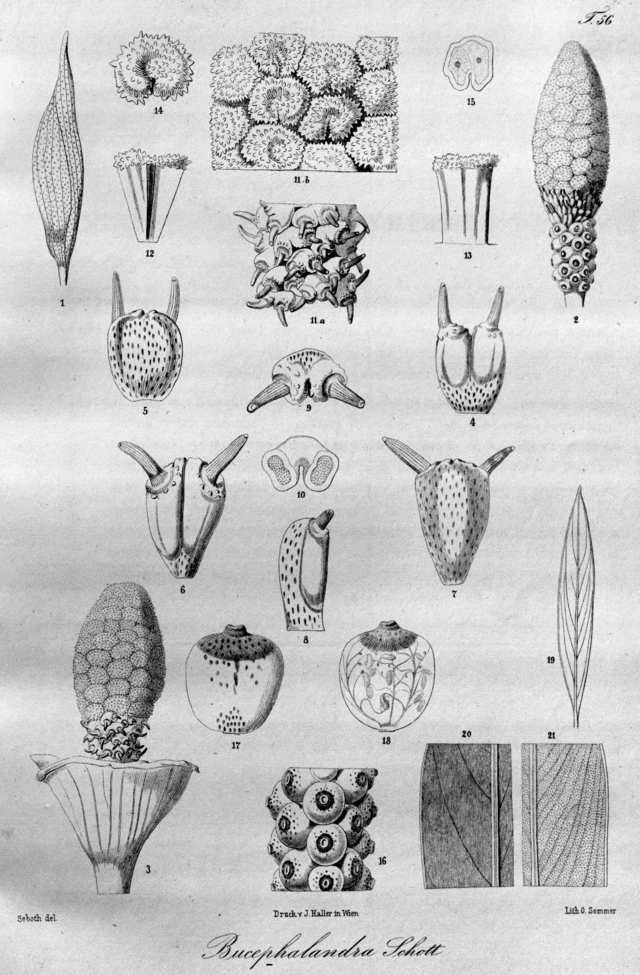
Bucephalandra
View species details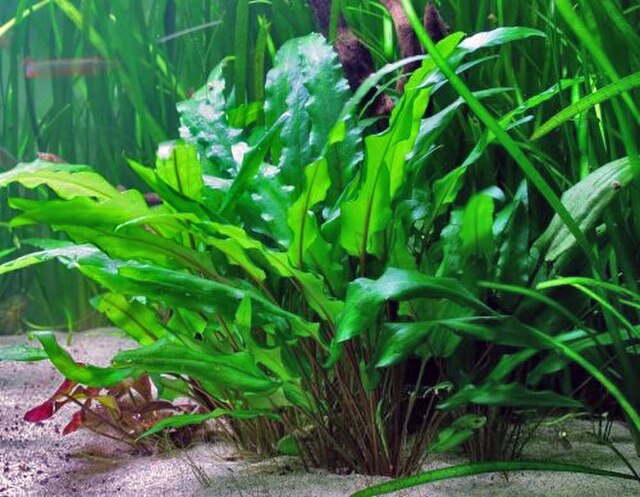
Cryptocoryne
View species detailsCryptocoryne parva
View species details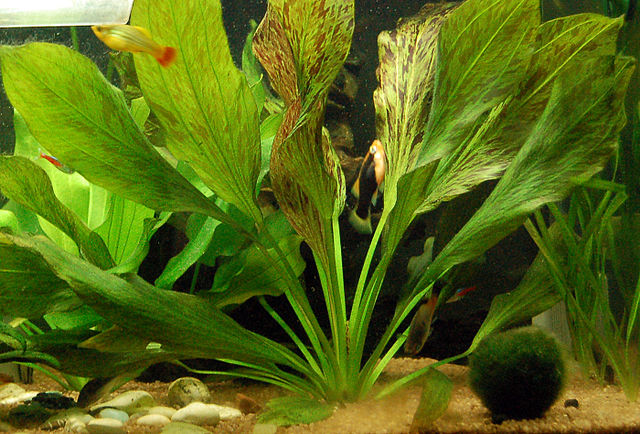
Echinodorus (Amazon Sword)
View species details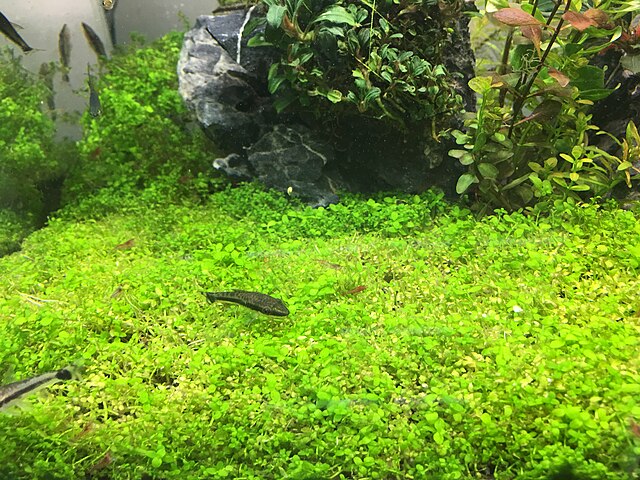
Hemianthus callitrichoides
View species details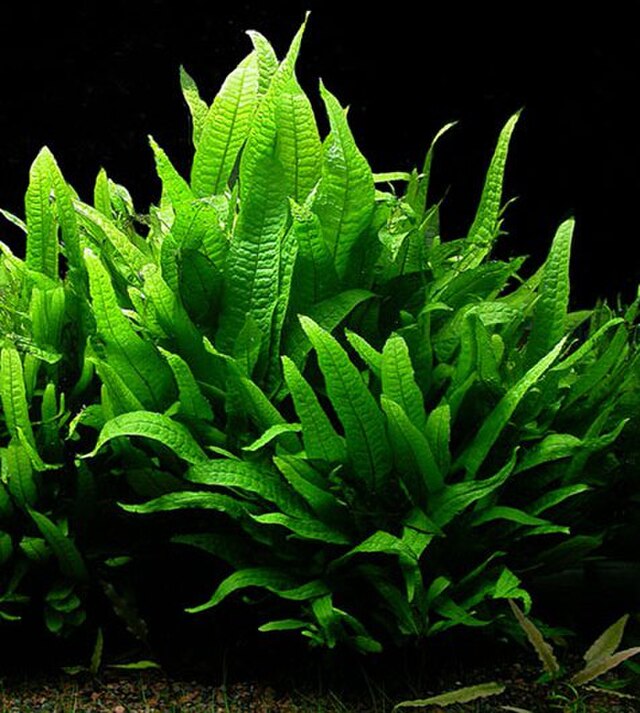
Java Fern
View species detailsAquatic plant layouts in small aquariums are appealing for their convenience — you can enjoy them on a desk or in a corner of a shelf. Even with a 20cm cube or 30cm aquarium, if you know how to choose the right aquatic plants and apply proper layout techniques, you can create breathtakingly beautiful aquascapes. This article explains the tips and considerations unique to small aquariums in detail.
Small Aquarium Merits and Considerations
First, let's understand the characteristics of small aquariums.
- Ease of setup: Requires minimal installation space and water volume, keeping initial costs low. A 20cm cube holds about 8L of water, and water changes amount to just a few cups
- Interior appeal: Its compact size fits on desks, kitchen counters, or bookshelves, allowing you to enjoy it as stylish interior décor. The lighting becomes an accent that illuminates the room
- Larger water parameter fluctuations: With less water volume, temperature and water quality parameters fluctuate more drastically. Temperature swings in summer require special attention — room temperature control and fan installation are essential
- Watch out for overcrowding: Cramming too many aquatic plants into a small space prevents light from reaching the substrate and restricts water circulation. Focus on "subtractive layouts"
- Faster evaporation: With a small water volume relative to surface area, evaporation occurs relatively quickly. Daily water top-offs may become necessary
Choosing Aquatic Plants Suited to Small Aquariums
In small aquariums, the key to success is selecting plants that grow slowly and don't become too large.
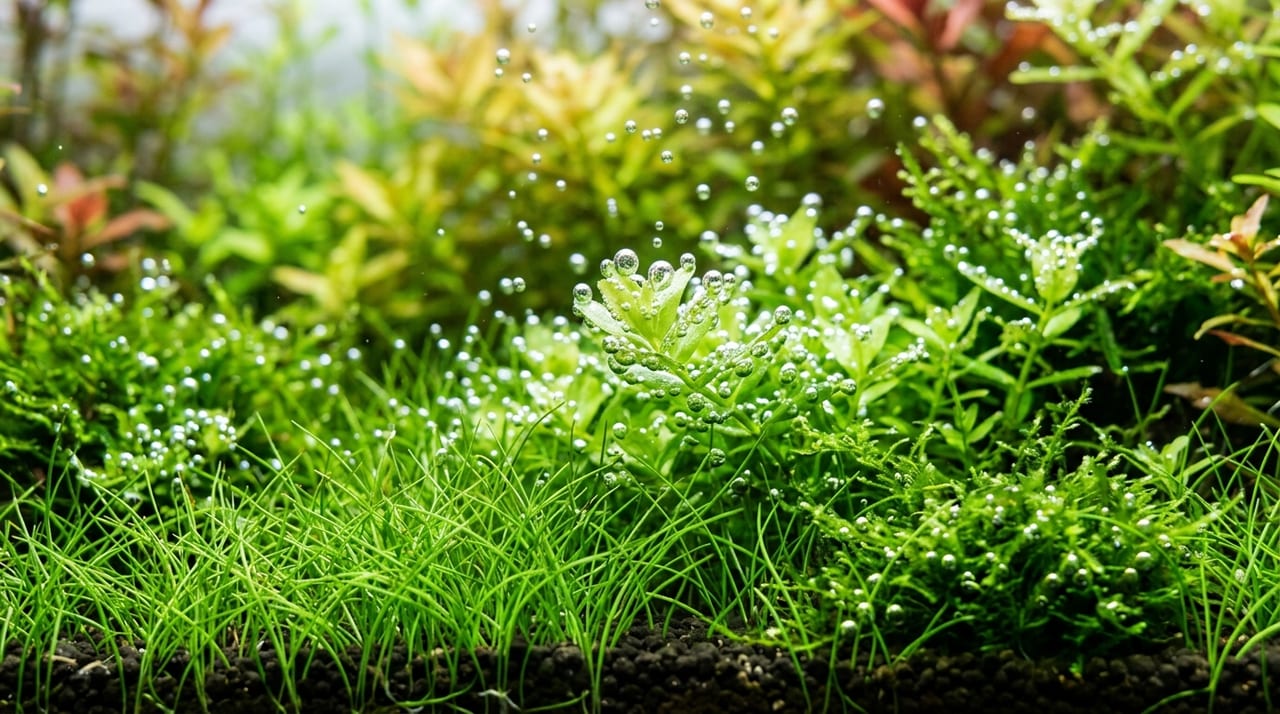
- Foreground plants: New Large Pearl Grass is the standard choice for small aquariums. It spreads low and creeping, creating a bright green carpet. Dwarf Pearl Grass is also compact, but its condition improves dramatically with CO2 supplementation
- Midground plants: Bucephalandra is small with slow growth, making it one of the most suitable aquatic plants for small aquariums. Attaching it to driftwood or stones creates a natural atmosphere. Cryptocoryne parva is also a small species ideal for the midground
- Background plants: Dwarf varieties of Rotala rotundifolia and Rotala sp. Hra are easy to grow compactly and work well as background plants in small aquariums. However, regular trimming is necessary
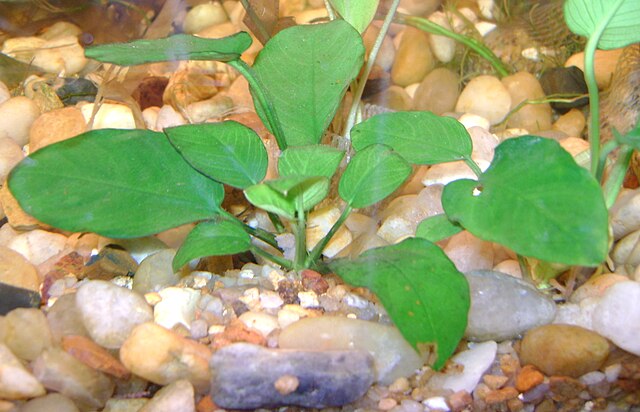
- Rhizome-attaching plants: The narrow (fine-leaved) variety of Microsorum pteropus and Anubias nana 'Petite' are suitable rhizome-attaching plants for small aquariums. Simply tie them to driftwood or stones with thread and they will grow
- Moss varieties: Willow Moss and Water Feather are easy to use in small aquariums. Attaching them thinly to driftwood creates a natural forest-like atmosphere
- Plants to avoid: Large species like standard Vallisneria, large Echinodorus varieties, and standard green Rotala grow too large for small aquariums
If you're unsure about placement balance, reviewing the basics of composition in Aquatic Plant Layouts 101 | Foreground, Midground, and Background Placement Techniques makes it easier to achieve your desired composition even in a small aquarium.
Mini Layout Composition Techniques
In a small space, following the fundamentals of composition makes a significant difference in appearance.
- Triangular composition: This composition features one side of the aquarium tall and the opposite side low. Even in a 20cm cube, placing stones or driftwood toward one side creates a sense of depth
- Concave composition: This composition raises the left and right sides while leaving the center open and low. It looks especially striking in 30cm aquariums, with the central space creating a sense of depth
- Using perspective: Placing larger stones in the foreground and smaller stones in the background emphasizes perspective. Selecting shorter background plant species toward the rear makes the tank appear larger than it actually is
- Material unity: In small aquariums, limit yourself to 1–2 types of stones and 1–2 pieces of driftwood. Too many materials create a cluttered impression. Bold choices like "only lava rock" or "just one piece of driftwood" are effective
- Substrate slope: Creating depth by having a thin foreground (1–2 cm) and thicker rear (4–5 cm) adds three-dimensionality. This slope also benefits aquatic plant planting, allowing stem plants in back to develop strong roots
- Negative space: In small aquariums, "empty planted space" is extremely important. A narrow path of decorative substrate or gaps between stones give the aquascape a sense of breathing room
Lighting and CO2 Simple Setup
Small aquariums don't require elaborate equipment. Here are compact and effective setups.
- Choosing lighting: Clip-on LED lights are ideal for 20cm cubes. Many products tout their suitability for plant growth, and 1500–3000 lm is sufficient. If you're unsure which to choose, 5 Best Aquarium LED Lights is also helpful
- Lighting duration: Aim for 7–8 hours per day. Use a timer to turn lights on and off at the same time each day. Longer durations promote algae growth
- Simplified CO2 dosing: For small aquariums, fermentation-based CO2 offers excellent value for money. Simply place sugar and yeast in a plastic bottle to generate CO2. Adding 1–2 bubbles per second is enough for a small aquarium
- Layouts that thrive without CO2: Focusing on Bucephalandra, Anubias, Microsorum, and moss varieties allows for beautiful layouts without CO2 supplementation. Growth slows, but trimming becomes less frequent. If you're seriously considering CO2-free management, also check Low-Tech, No-CO2 Aquatic Plant Guide
- Filtration: Hang-on filters or small external filters work well. Sponge filters are inexpensive but may look out of place in a layout aquarium
Maintenance Tips
Because small aquariums have less water, consistent maintenance is key to stability.
- Frequency and amount of water changes: Perform 1–2 times per week, changing 30–50% of the water volume. For a 20cm cube, this is about 2–4L. A small bucket or pitcher makes this easy to manage
- Algae control: Small aquariums are prone to algae growth. Clean glass surfaces with a dedicated scraper once a week. If green algae or other algae appears frequently, try reducing lighting duration by 1–2 hours
- Trimming: Stem plants need trimming every 2–3 weeks. In small aquariums, fine-tipped scissors (curved-tip recommended) are easier to work with
- Introducing biological cleaners: Bristlenose plecos grow too large for small aquariums; instead, young Otocinclus or juvenile Siamese flying foxes are better suited. 2–3 Yamato shrimp are also powerful algae eaters
- Water top-offs: Top off evaporated water with dechlorinated tap water poured slowly. If there's a large temperature difference, let the water acclimate to room temperature before adding it to avoid stressing the inhabitants
- Cleaning the substrate: Use an S-size gravel vacuum or syringe to remove debris from the substrate. In areas with dense plant growth, you can stir up sediment with water flow and let the filter capture it
Small Aquarium Layout Examples
Here are three specific layout examples.
- Moss-covered driftwood forest: Attach Willow Moss to small branching driftwood, and affix Bucephalandra to the base. Planting New Large Pearl Grass on the substrate creates a miniature forest-like aquascape. Fermentation-based CO2 is sufficient for this setup
- Rocky grassland: Arrange 2–3 volcanic rocks and spread a carpet of Cuba Pearl Grass or New Large Pearl Grass around them. Attaching a small Microsorum specimen to a stone creates height variation
- Wabi-inspired style: Place wabi-kusa or a handmade moss ball in the center of the tank. This simple style lets you enjoy watching the aquatic plants naturally change shape as they grow
Find Small Aquarium Plants on GrowerDirect
On GrowerDirect, you can purchase aquatic plants in sizes perfectly suited to small aquariums directly from growers. Especially for Bucephalandra and rare moss varieties, you may discover species unique to specialist growers. Start with a small aquarium and discover the charm of aquatic plants.