10 Recommended Aquatic Plants That Grow Without CO2
Carefully selected aquatic plants that thrive without CO2 supplementation. We introduce shade-tolerant, beginner-friendly aquatic plants like Anubias, Microsorum, and Willow Moss that are easy to get started with.
Key Takeaways
Carefully selected aquatic plants that thrive without CO2 supplementation. We introduce shade-tolerant, beginner-friendly aquatic plants like Anubias, Microsorum, and Willow Moss that are easy to get started with.
Related Species
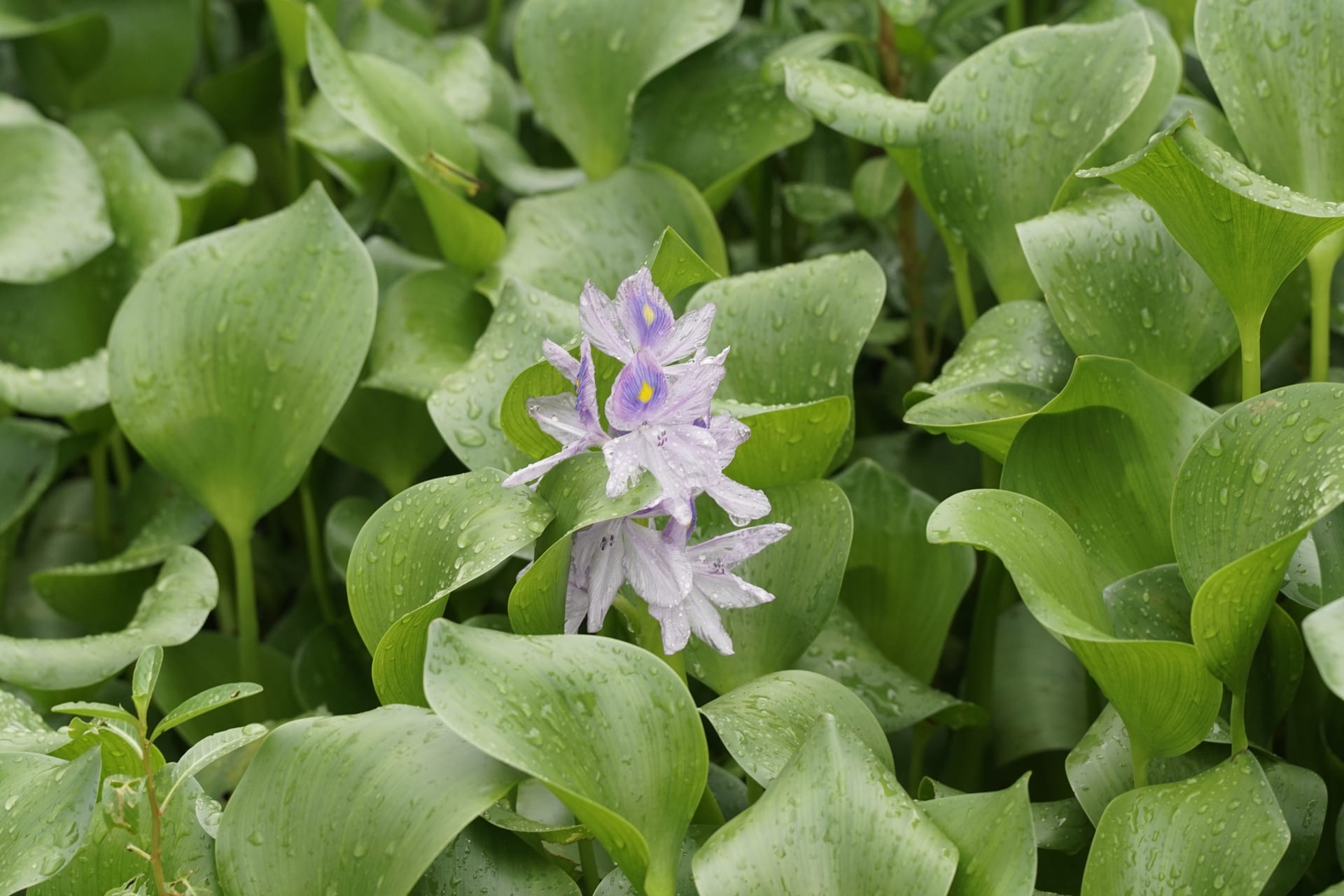
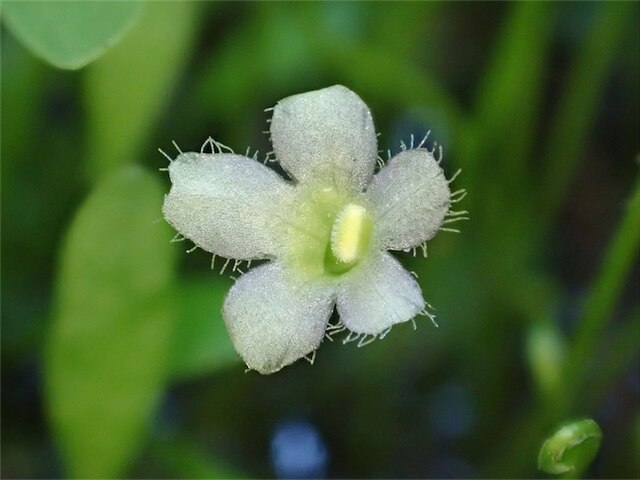
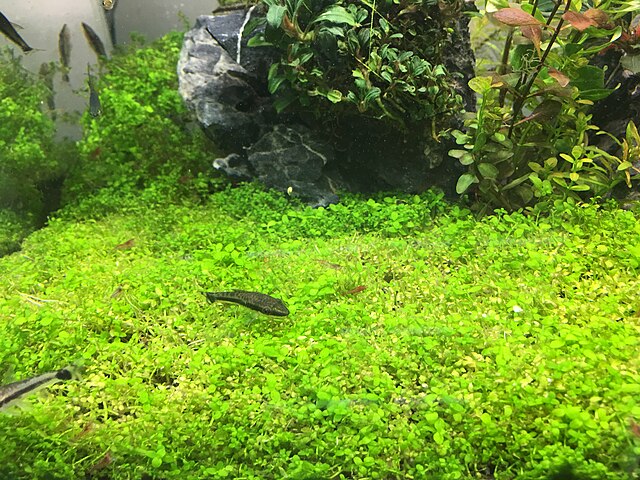
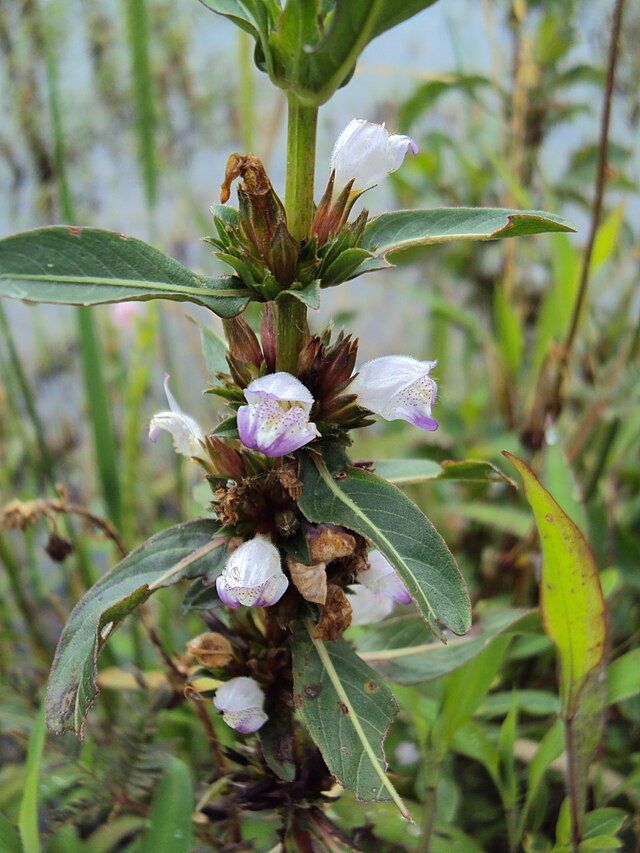
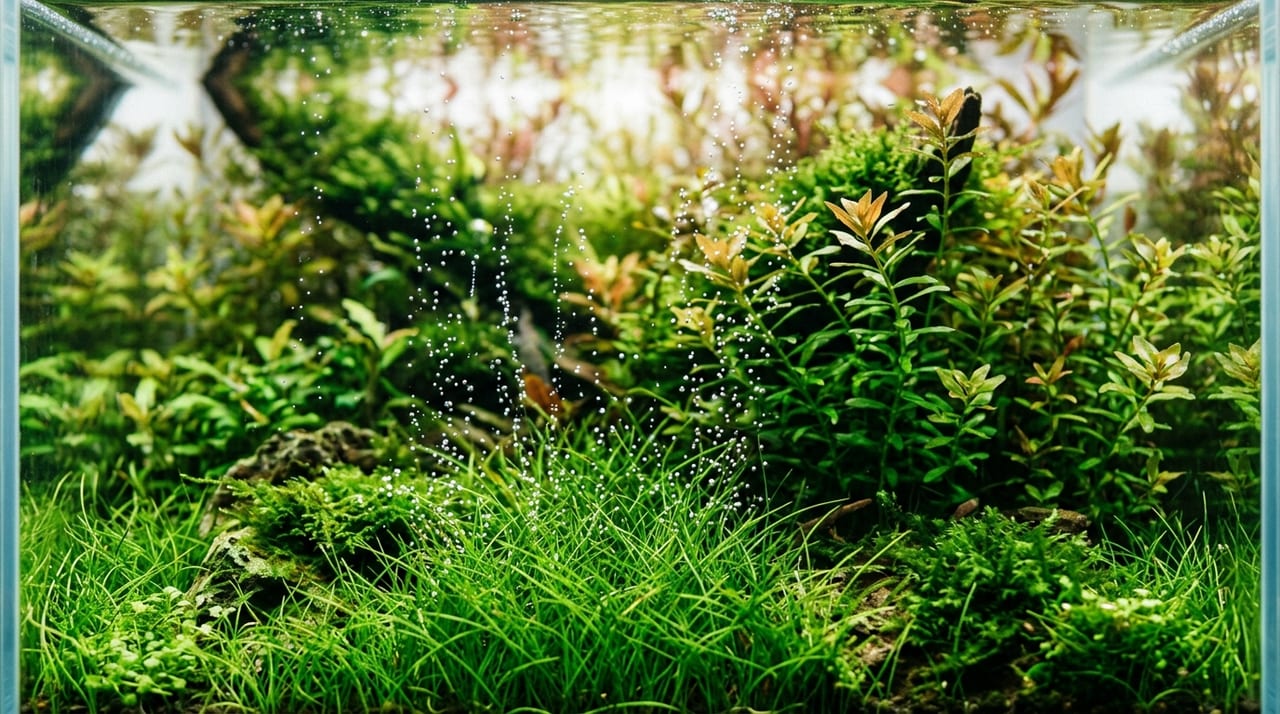
Enjoy a Beautiful Aquatic Plant Tank Without CO2 Supplementation
When people first consider setting up an aquatic plant tank, many begin by worrying about "CO2 supplementation equipment." It is true that adding CO2 significantly accelerates the growth of aquatic plants, but the equipment costs thousands to tens of thousands of yen, and you need to manage bottle replacements and regulator maintenance. For beginners, the hurdle certainly feels high.
But don't worry. In nature, there are many aquatic plants with high photosynthetic capacity that grow well with just the small amount of CO2 dissolved in water. If you choose these plants carefully, you can create a lush and beautiful aquatic plant tank without CO2 supplementation equipment. This article explains in detail 10 recommended CO2-free aquatic plants that are easy to grow, and key management points to avoid failure.
Common Characteristics of Aquatic Plants That Grow Without CO2
Aquatic plants that can be grown without CO2 supplementation share several common traits. Understanding these will help you apply them when selecting new species.
Low light requirements Many types fall into the category of "shade plants," and they grow well without strong light. Standard aquarium LED lights or fluorescent lamps are sufficient. They also adapt well to indoor environments where direct sunlight is not strong.
Slow growth The slower growth rate does mean leaves are more prone to algae, but conversely, trimming requires less effort and management is easier. This is a major benefit for busy people and beginners.
Wide tolerance for water conditions Many species can withstand minor temperature fluctuations and water quality changes, and remain hardy even if water change frequency decreases slightly. Even those growing aquatic plants for the first time can feel confident.
Many have attaching ability Many "attached aquatic plants" that root onto driftwood or stones are included. Since there is no need to plant in substrate, you don't have to worry about choosing soil.
10 Recommended CO2-Free Aquatic Plants
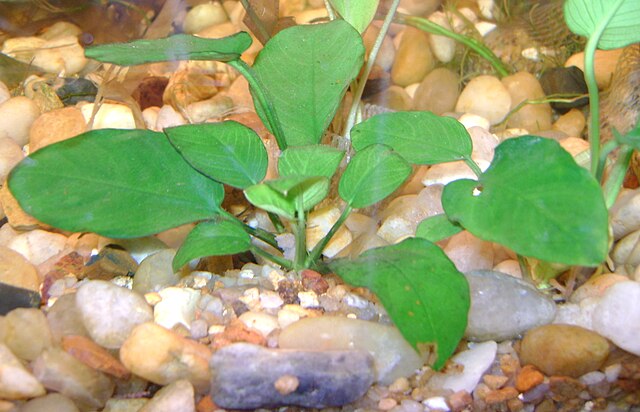
1. Anubias Nana
A signature shade plant. The glossy, deep green rounded leaves are beautiful and grow well in extremely low light. It is typically attached to driftwood or stone and is popular as an accent in the midground or foreground of the tank. Growth is very slow, and management becomes easier if you keep Amano shrimp in the tank to control algae on the leaves.
2. Microsorum (Microsorum pteropus)
A fern relative with uniquely narrow, elongated leaves that give the tank a natural feel. It excels at attaching to driftwood and many varieties such as "Narrow Leaf," "Trident," and "Windlov" are available. It is a standard shade plant alongside Anubias.
3. Willow Moss
A type of moss with fine, overlapping leaves. If you wrap it around driftwood or stone surfaces, it will attach firmly over time. Hardy and vigorous in growth, it is indispensable for moss layouts in aquariums. It also serves as a hiding place for shrimp.
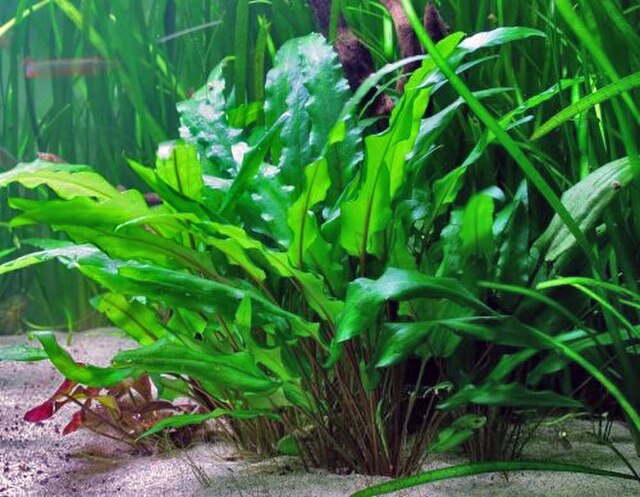
4. Cryptocoryne (Crypto)
A rosette-type aquatic plant that roots in substrate, with leaves in muted tones that stand out in the midground. A phenomenon called "crypt rot" may occur shortly after purchase, where leaves appear to dissolve, but they will recover as the roots adapt to the new environment. Once stable, it is very hardy and suited for long-term cultivation.
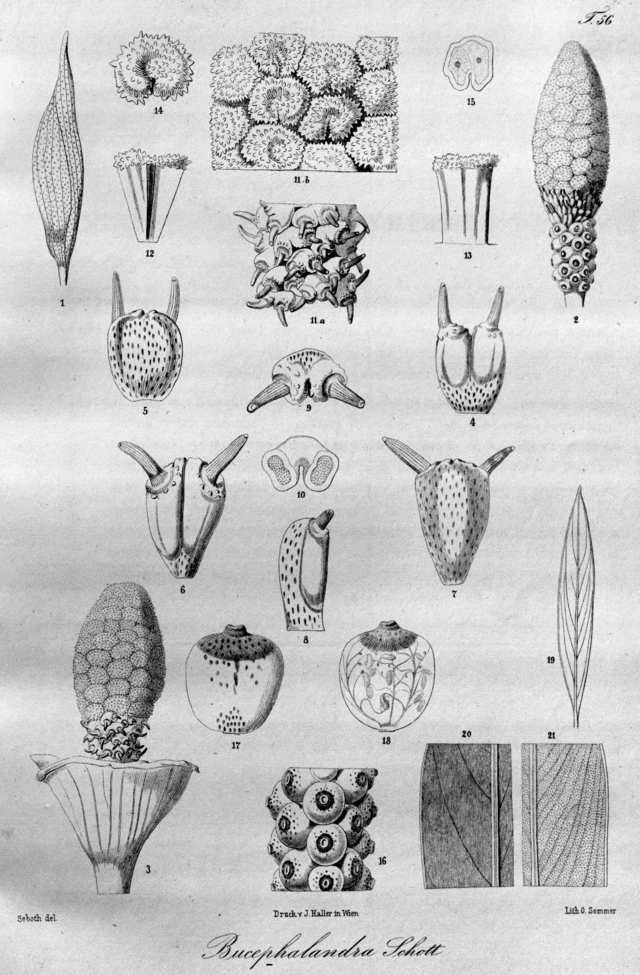
5. Bucephalandra
A shade plant native to Southeast Asia and Borneo, with many varieties showing iridescent shimmer on leaf surfaces—a popular species with high collectibility. It is grown similarly to Anubias, with driftwood attachment as the norm. Growth is slow, but you can enjoy building a beautiful layout at a relaxed pace.
6. Amazon Sword
A large rosette plant from South America widely used as a background plant. CO2 is not necessary, but since its root system is vigorous, root tabs (solid fertilizer inserted near the base) are effective. Its broad leaves and volume make it a striking centerpiece for the tank.
7. Vallisneria
A background plant with long, tape-like leaves that sway beautifully in water current. It spreads horizontally via runners, naturally forming dense colonies. Relatively easy to manage and affordable, making it suitable for beginners.
8. Hornwort
A stem plant that grows simply by leaving it to drift or float in the water. It grows vigorously even without CO2 and has a water-purifying effect, absorbing excess nutrients from the water. It pairs especially well with goldfish tanks and is attractive for its low cost and easy availability.
9. Hygrophila Polysperma
A particularly hardy stem plant that grows well without CO2 and even under standard LED lighting. Fast-growing, it can quickly fill the background with volume and helps stabilize water quality by consuming excess nutrients during initial setup. You can propagate it simply by cutting and replanting, and it is affordable. Note that "Java Fern" is the English name for Microsorum (No. 2), referring to the same plant.
10. Floating Plants (Water Sprite, Salvinia, Frogbit)
The greatest appeal is the ease of simply floating them on the water surface without substrate or rooting. Given sufficient light, they multiply remarkably and effectively absorb nitrate and phosphate from the water. This is an effective solution for those struggling with water quality in overstocked tanks.
CO2-Free Aquatic Plants Reference Table
| Plant | Type | Ease of Care | Features |
|---|---|---|---|
| Anubias Nana | Attached (Shade) | ◎ | Extremely low light OK, popular |
| Microsorum | Attached (Fern) | ◎ | Driftwood attachment, many varieties |
| Willow Moss | Attached (Moss) | ◎ | Wraps and attaches, shrimp hiding place |
| Cryptocoryne | Rosette | ○ | Midground, watch for crypt rot |
| Bucephalandra | Attached (Shade) | ○ | Iridescent leaves, high collectibility |
| Amazon Sword | Rosette (Large) | ○ | Background, root tabs effective |
| Vallisneria | Background | ◎ | Tape-like, spreads via runners |
| Hornwort (Coontail) | Stem/Floating | ◎ | Good for goldfish tanks, water-purifying |
| Hygrophila Polysperma | Stem (Background) | ◎ | Fast-growing, propagates via cuttings |
| Floating Plants (Water Sprite, etc.) | Floating | ◎ | Just float them, absorb nutrients |
Key Management Points to Avoid Failure
Even CO2-free aquatic plants require some basic care.
Manage lighting duration and intensity Set lighting for 8–10 hours per day. Lighting them too long encourages algae growth, while too little causes the plants to weaken. Using a timer outlet makes automatic management convenient. For CO2-free aquatic plants, lower light is sufficient, but they cannot grow in complete darkness.
Use liquid fertilizer wisely Although CO2 is not needed, nitrogen, phosphorus, potassium, and trace elements are still necessary for plant growth. Especially in tanks with few fish or very low stock density, adding a small amount of liquid fertilizer 1–2 times per week will stabilize growth. However, overuse causes algae, so follow dosage instructions.
Reset water quality with regular water changes Perform a water change roughly 20–30% of total volume weekly to remove accumulated organic matter and nitrate. When plant condition is poor, increasing water change frequency may improve it.
Don't forget algae control Since shade plants grow slowly, their leaves tend to accumulate algae. Introducing algae-eating creatures such as Amano shrimp or Otos keeps leaf surfaces clean. Adjusting lighting direction and duration is also effective.
When Is CO2 Supplementation Necessary? —— The Limits of Non-Supplemented Tanks and Next Steps
Aquatic plants that grow without CO2 are suited for "slow-growing, green-toned" aquatic landscapes. Consider CO2 supplementation when aiming for the following types of scapes:
- Red-toned plants (Rotala, Ludwigia, etc.) that you want to color red
- Foreground carpets (Glossostigma, Cuba Pearl Grass) that you want to achieve
- Dense stem plants that you want to complete the layout quickly
If you're unsure whether CO2 supplementation is too advanced for beginners, a sensible approach is to start your first tank without supplementation using shade plants, grow them for about half a year, and once you feel "I want them to grow denser," try fermentation-type CO2 (thousands of yen) systems. Detailed setup procedures for non-supplemented tanks and equipment selection can be found in CO2-Free Low-Light Tank Startup Guide, minimal-effort configurations in Low-Maintenance Tank Using Only Shade Plants, and species selection for carpet planting in Carpet Plant Species and Methods.
Benefits of Purchasing Aquatic Plants on GrowerDirect
On GrowerDirect, you can purchase aquatic plants directly from growers and sellers who specialize in cultivating aquatic plants. This offers several significant advantages over general home improvement stores and online retailers.
Lower pesticide risk Imported aquatic plants often have pesticide residues, causing problems such as shrimp and other crustaceans dying. Aquatic plants listed on GrowerDirect include information about pesticide treatment in the product listing, so you can choose pesticide-free or pesticide-removed plants. This is especially reassuring for those who want to keep shrimp and plants together.
Rare varieties like Bucephalandra are available Rare varieties of Bucephalandra rarely seen in general distribution, as well as specific variants of Cryptocoryne and Anubias, can often be found in lineups unique to specialist growers. This suits collectors and those aiming for meticulously curated layouts.
You can consult about care after purchase GrowerDirect has a messaging system that allows buyers and growers to communicate directly. You can ask the grower directly about concerns such as "the leaves are dissolving after arrival" or "the plant won't attach properly," so even beginners can cultivate with confidence.
You can enjoy aquatic plant layouts even without CO2 supplementation equipment. Start with hardy shade plants and experience the joy of growing aquatic plants.