Conservation of Carnivorous Plant Native Habitats and the Current State of Extinction Risk | Understanding the Washington Convention and Illegal Collection
Explains why carnivorous plant native habitats are being rapidly lost, how protection works under the Washington Convention (CITES), the realities of illegal collection, the rules cultivators should follow, and how to participate in conservation activities.
Key Takeaways
Explains why carnivorous plant native habitats are being rapidly lost, how protection works under the Washington Convention (CITES), the realities of illegal collection, the rules cultivators should follow, and how to participate in conservation activities.
Related Species
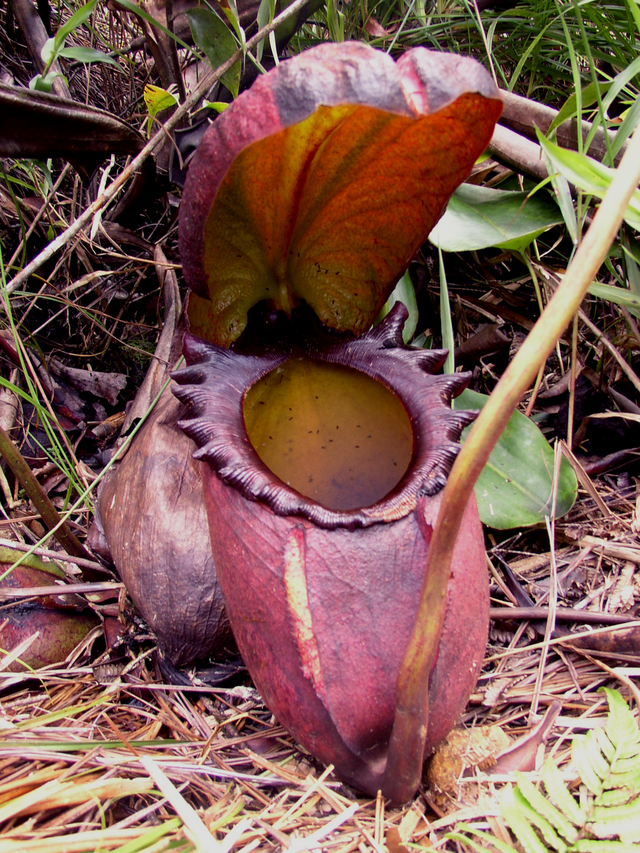
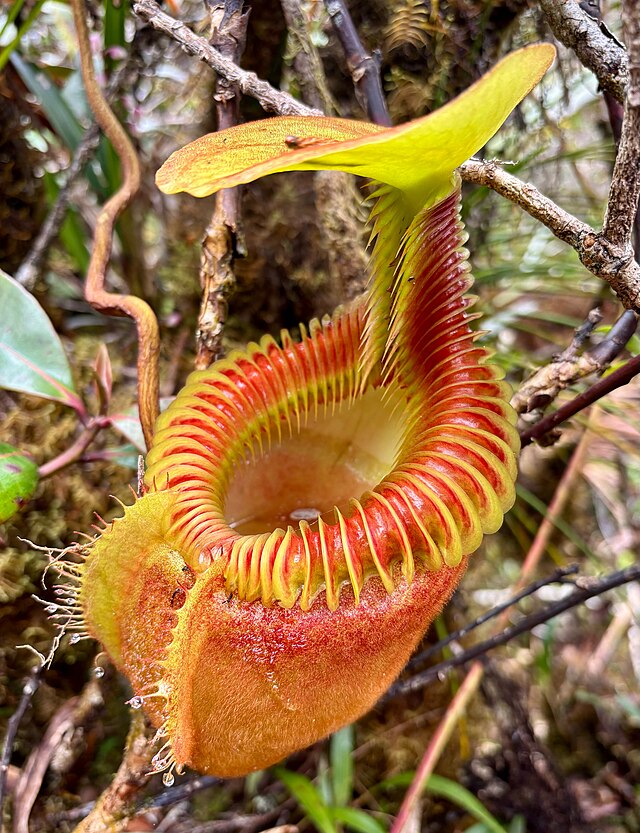
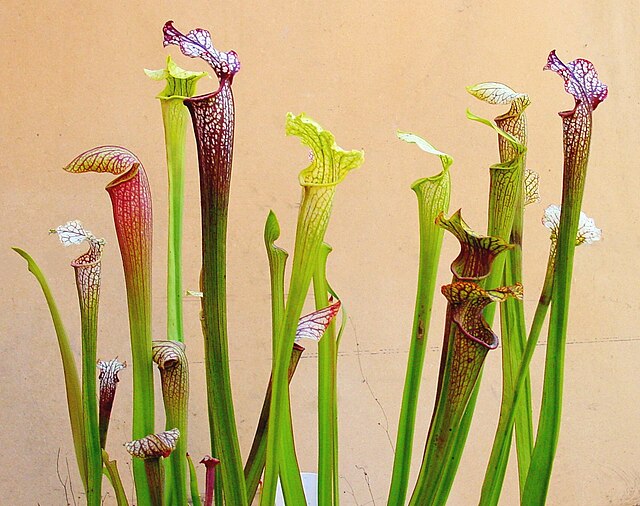
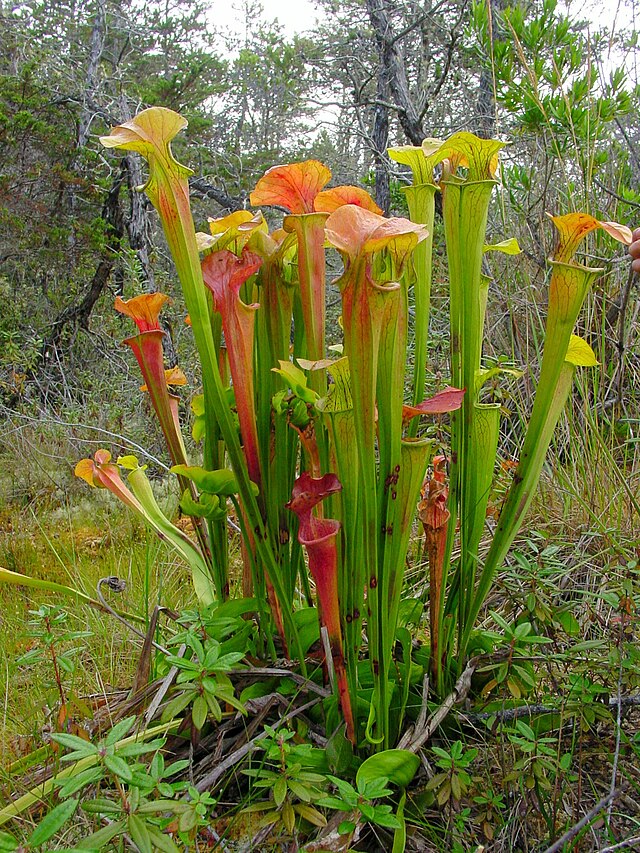
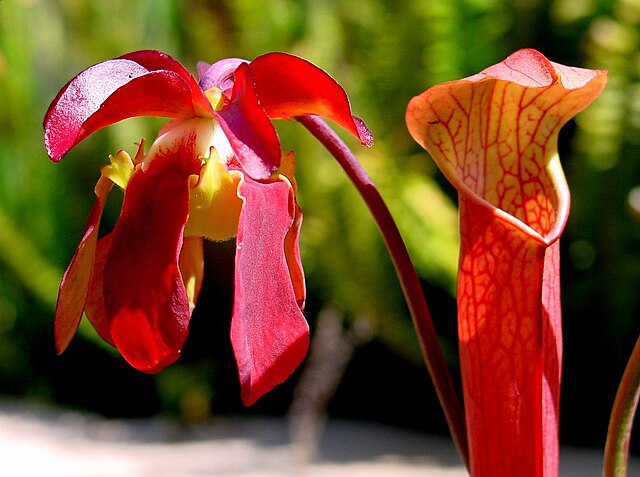
Carnivorous plants captivate many enthusiasts with their unique forms and insect-trapping mechanisms, but behind their appeal, serious problems are unfolding: rapid habitat loss and illegal collection. Understanding the current state of conservation surrounding carnivorous plants, not just enjoying their cultivation, is essential knowledge for responsible enthusiasts.
This article explains in detail how carnivorous plant native habitats are being threatened, the international protective frameworks in place, the realities of illegal collection, and what we cultivators can do about it.
Why Are Carnivorous Plant Native Habitats Disappearing?
Wetland Development and Drainage
Most carnivorous plants grow naturally in nutrient-poor wetlands, peatlands, and marshes. However, globally, wetlands are among the most easily lost ecosystems due to agricultural development, residential construction, and industrial conversion. According to reports from the Ramsar Convention on Wetlands, an estimated 85% or more of the world's wetlands have disappeared since 1700.
The Venus flytrap (Dionaea muscipula) is particularly limited in its range, naturally occurring only in an area roughly 120 kilometers in radius in North and South Carolina in the United States. This narrow native habitat is shrinking year by year due to urbanization and agricultural conversion, and wild population numbers have declined significantly over the past several decades.
Peat Extraction
As demand for horticultural peat moss has increased, peatlands have been mined on a massive scale. Ironically, the extraction of peat moss—which is widely used as growing medium for carnivorous plants—is itself a factor in destroying the carnivorous plants' native habitats. Europe is shifting toward peat-free growing media for peatland conservation, but awareness remains low in Japan.
Changes in Fire Management
The native habitats of pitcher plants (Sarracenia) and Venus flytraps are grassland ecosystems maintained by periodic wildfires. As fire burns back shrubs and leaf litter, it creates open environments where carnivorous plants can win the competition for resources and access to sunlight. However, modern forest management tends to suppress wildfires, resulting in dense growth of trees and shrubs and loss of the growing environment for carnivorous plants.
In the southeastern United States, conservation organizations have begun implementing prescribed burns, which have shown some effectiveness.
Water Pollution and Eutrophication
The fundamental reason carnivorous plants evolved to trap insects during their evolutionary process is adaptation to nutrient-poor environments. However, as eutrophication advances through agricultural runoff and sewage discharge, other plants grow rapidly and cover carnivorous plants, outcompeting them for survival. The influx of nitrogen and phosphorus is a fatal environmental change for carnivorous plants.
Protection Under the Washington Convention (CITES)
What is CITES?
The Washington Convention (CITES: Convention on International Trade in Endangered Species of Wild Fauna and Flora) is an international treaty that regulates international trade in wild animals and plants to ensure species survival. More than 180 countries are parties to it, and Japan has been a signatory since 1980.
Regulations Affecting Carnivorous Plants
CITES has three appendices (Appendix I–III) with varying levels of regulatory strictness.
Appendix I (Strictest Regulations) International trade for commercial purposes is prohibited in principle. The following carnivorous plants fall into this category:
- Nepenthes khasiana: An endemic species to the Assam region of northeastern India. Only two Nepenthes species are listed in Appendix I—N. khasiana and Nepenthes rajah.
- Sarracenia oreophila: A pitcher plant found in the mountains of the southeastern United States and one of the most critically endangered species.
- Sarracenia rubra subsp. alabamensis: A subspecies endemic to Alabama.
- Sarracenia rubra subsp. jonesii: A subspecies found in the mountain wetlands on the border of North Carolina and South Carolina, also listed in Appendix I.
Appendix II (Trade Requires Permission) All Nepenthes species and all Sarracenia species, as well as the Venus flytrap (Dionaea muscipula), are included. International trade in wild-collected individuals of these species requires a permit issued by the management authority of the exporting country. However, for artificially propagated individuals, procedures are simplified.
Key Points for Cultivators to Know
When personally importing carnivorous plants from overseas, species listed in CITES Appendix II or higher require an export permit from the exporting country and an import permit from Japan (Ministry of Economy, Trade and Industry). Additionally, plant quarantine procedures (Plant Protection Station) are required.
There are cases where such species are sold via online shops and SNS without going through these procedures. Purchasing illegally imported individuals not only violates the law but also creates demand that fuels illegal collection.
The Reality of Illegal Collection
Poaching of Venus Flytraps
Illegal collection of Venus flytraps has become a serious problem in North Carolina in the United States, where the species naturally occurs. In 2014, North Carolina law was amended to upgrade illegal Venus flytrap collection to a felony offense. The maximum penalty is 25–39 months in prison, a severe sanction, yet illegal collection continues.
The motive for poaching is high-value resale of individuals with rare traits (mutations). Individuals with intense red coloration or leaf shape variations are particularly prized in the collector market and are targeted for collection.
Nepenthes in Southeast Asia
Species of Nepenthes naturally occurring in tropical rainforests in Southeast Asia such as Borneo, Sumatra, and the Philippines generate speculative demand whenever new species are discovered. When a new species is formally described in academic papers, collectors have been reported to converge on the habitat based on location information in the paper.
Highland Nepenthes species such as Nepenthes villosa and Nepenthes rajah are particularly challenging to cultivate, with high mortality rates, so there is constantly new demand for wild individuals. Some researchers have taken measures to withhold detailed locality information in papers to prevent illegal collection.
Drosera and Roridula in South Africa
The Cape region of South Africa hosts numerous endemic carnivorous plants, but native habitats are rapidly disappearing due to urban development and agricultural conversion. Additionally, some Drosera and Roridula species are targets of illegal collection due to high horticultural market demand.
Conservation Status of Carnivorous Plants in Japan
Crisis of Japanese Native Carnivorous Plants
Japan is home to native carnivorous plant species. The sundew Drosera peltata var. nipponica, Drosera indica f. akane, Aldrovanda vesiculosa, and others are listed on the Ministry of the Environment's Red List, with some designated as Critically Endangered.
In particular, Aldrovanda vesiculosa was historically known to occur naturally only in the Houkokuji Pond in Saitama Prefecture, but deteriorating water quality has made natural occurrence in the wild extremely tenuous. It is now maintained in human-managed environments through conservation efforts.
Drosera indica f. akane is considered a Japan-endemic variety and occurs naturally in limited wetlands in Chiba and Ibaraki Prefectures, but native habitat areas have drastically declined due to development and ecological succession.
Risk of Non-Native Carnivorous Plant Escape
On the other hand, there is concern that non-native carnivorous plants being cultivated may escape into the natural environment and threaten native ecosystems. When cultivating carnivorous plants outdoors, care must be taken to prevent seed dispersal, such as removing flower stalks early.
What We Cultivators Can Do
Purchase Legally Propagated Individuals
When obtaining carnivorous plants, purchase from trusted nurseries or established growers. Check the following points:
- Domestic propagation is clearly stated
- For imported specimens, the presence of a CITES permit can be verified
- Not unnaturally cheap with large quantities of wild-collected plants
- The seller is knowledgeable about cultivation methods and can answer questions
Consider Transitioning to Peat-Free Growing Media
From the perspective of peatland conservation, consider using alternatives to peat moss:
- Coco peat (coconut fiber): Has properties similar to peat moss and is made from a renewable resource
- Akadama + Kanuma soil blend: Easily obtainable in Japan and suitable for many carnivorous plants
- New Zealand sphagnum moss: Choose material harvested using sustainable methods (with certification marks)
It is not necessary to convert entirely to peat-free media, but it is important to be aware of these options.
Meet Demand Through Home Propagation and Sharing
Most carnivorous plants can be relatively easily propagated through division, leaf cuttings, and seed. By sharing home-propagated individuals among fellow enthusiasts, you can reduce demand for wild plants. In particular, consistently propagating popular species and variants and increasing cultivated specimen circulation has the indirect effect of reducing collecting pressure on wild populations.
Support Conservation Organizations
Several organizations worldwide work to conserve carnivorous plant native habitats:
- International Carnivorous Plant Society (ICPS): An international organization supporting carnivorous plant conservation and research
- The Meadow Project: A savanna wetland restoration project in the southeastern United States
- Local wetland conservation NPOs: There are organizations working on wetland conservation within Japan, where you can contribute through volunteer participation or donations
In addition to membership fees and donations, there are ways to participate such as native habitat cleanup activities and non-native species removal volunteering.
Spread Correct Knowledge
When sharing carnivorous plant cultivation information on SNS or blogs, include a conservation perspective. Rather than equating "rare with righteous," communicating the beauty of legally propagated individuals and the depth of cultivation techniques contributes to fostering a healthy enthusiast culture.
Protecting the Future of Carnivorous Plants
Cultivating carnivorous plants is a wonderful hobby that allows us to feel the wonders of nature up close. However, the native habitats where these plants truly belong are definitely shrinking due to development, pollution, and illegal collection.
The actions of each individual cultivator may seem small, but by accumulating legal acquisition, choosing sustainable growing media, promoting home propagation, and supporting conservation activities, we become a force protecting the future of carnivorous plants.
While enjoying their beautiful traps and digestive fluids, it is valuable to also think of the environments where these plants originated—that is perhaps the most important attitude for maintaining a long relationship with carnivorous plants. Daily care practices such as those described in The Complete Guide to Watering Carnivorous Plants that pay such attention to water quality ultimately become one step toward supporting a healthy cultivation culture that does not rely on wild specimens.