Carnivorous Plant Display & Styling Guide | How to Beautifully Display from Terrariums to Bog Gardens
Explains how to create terrariums, vivariums, and bog gardens for beautifully displaying carnivorous plants. Introduces material selection, planting layout, and how to combine multiple species.
Key Takeaways
Explains how to create terrariums, vivariums, and bog gardens for beautifully displaying carnivorous plants. Introduces material selection, planting layout, and how to combine multiple species.
Related Species
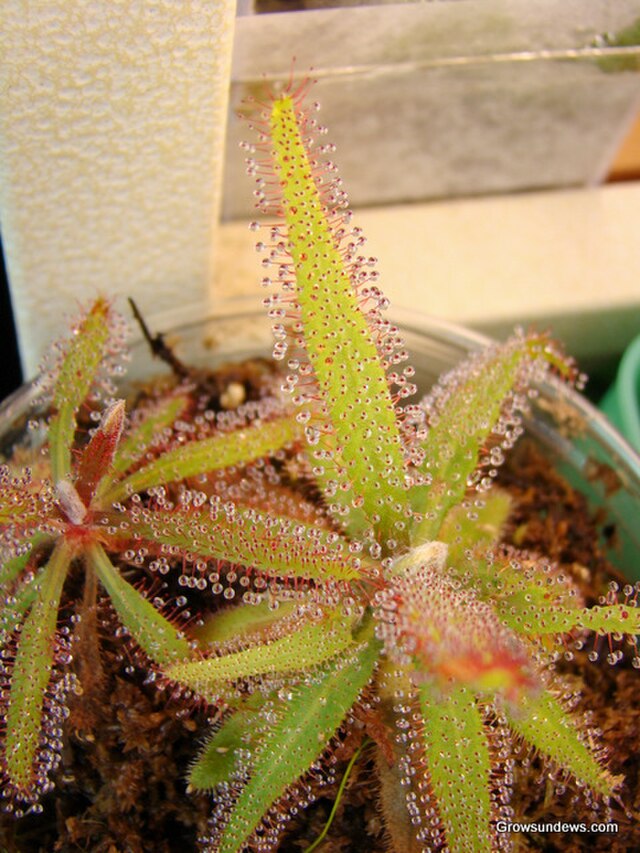
Drosera Adelae
View species details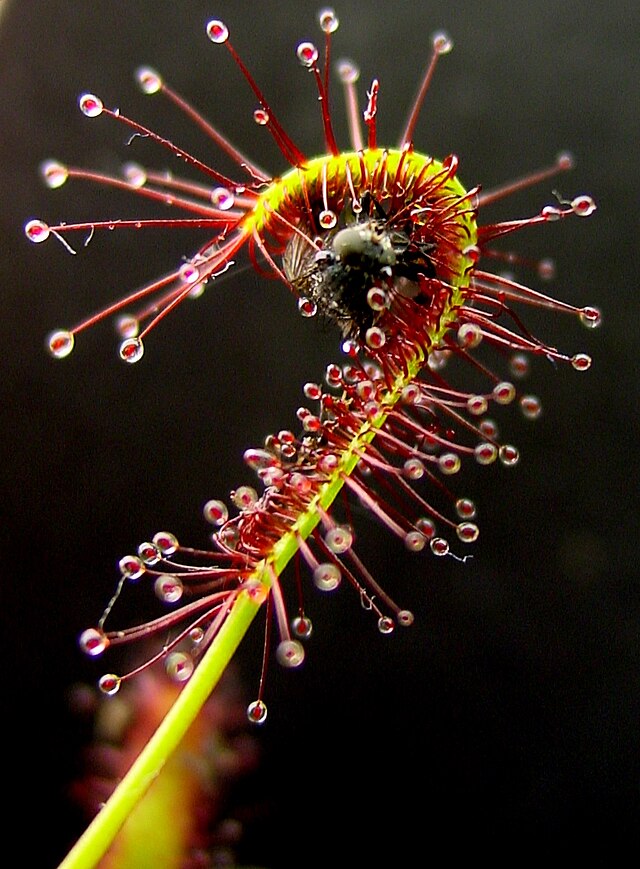
Drosera Capensis
View species details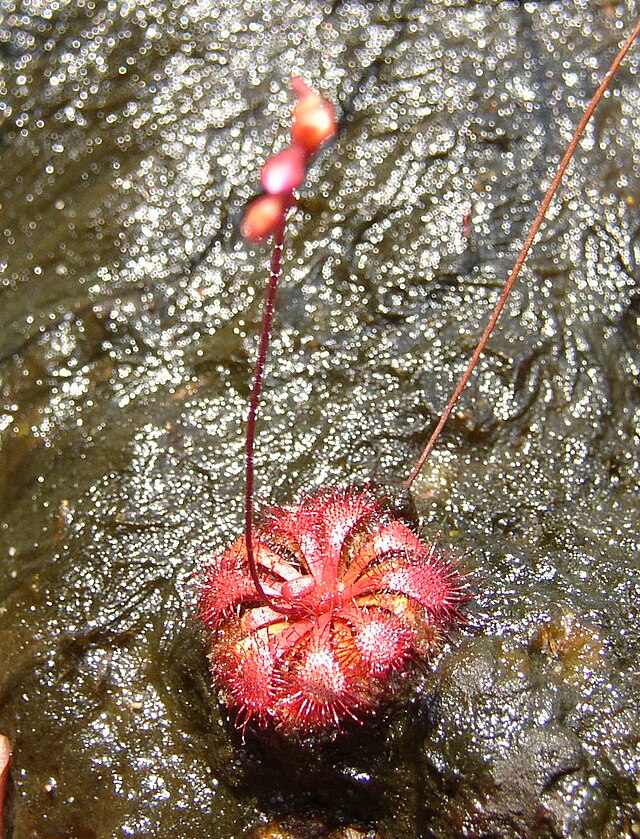
Drosera Spatulata
View species detailsNepenthes (Tropical Pitcher Plant)
View species details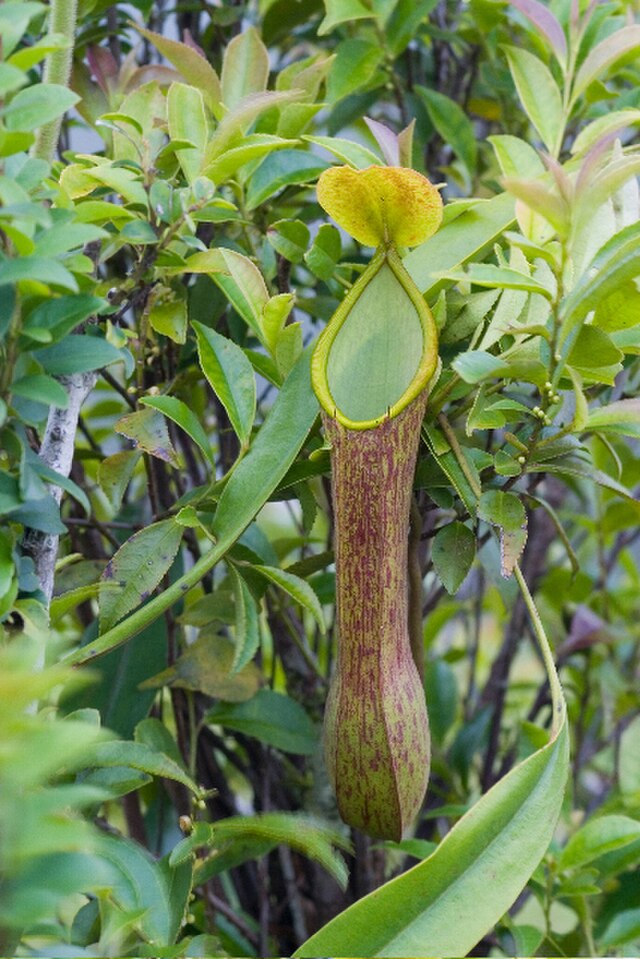
Nepenthes Alata
View species details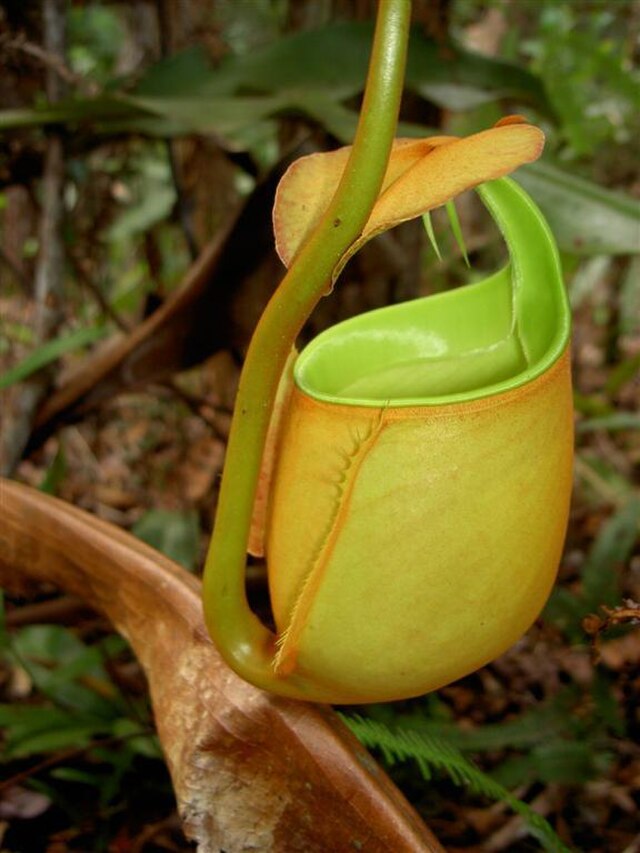
Nepenthes Bicalcarata
View species details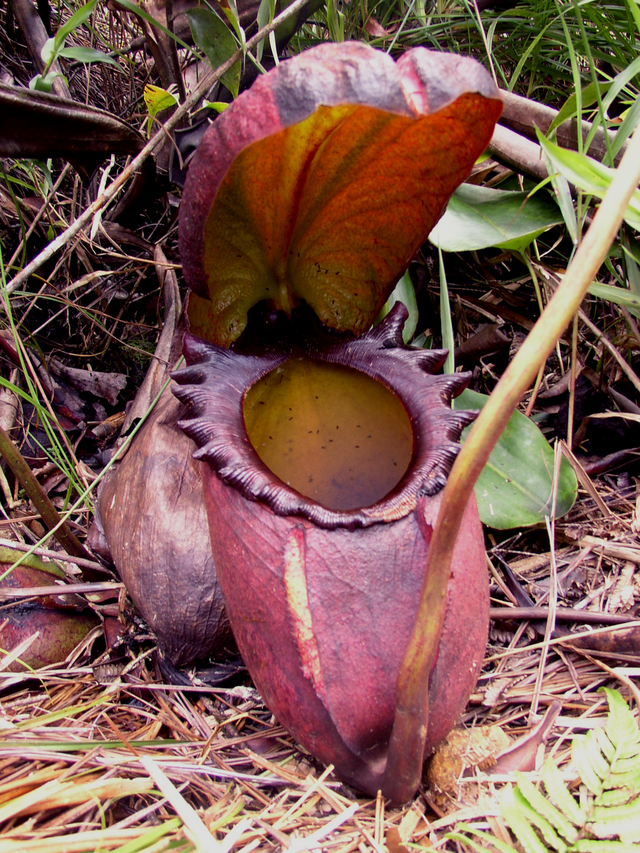
Nepenthes Rajah
View species details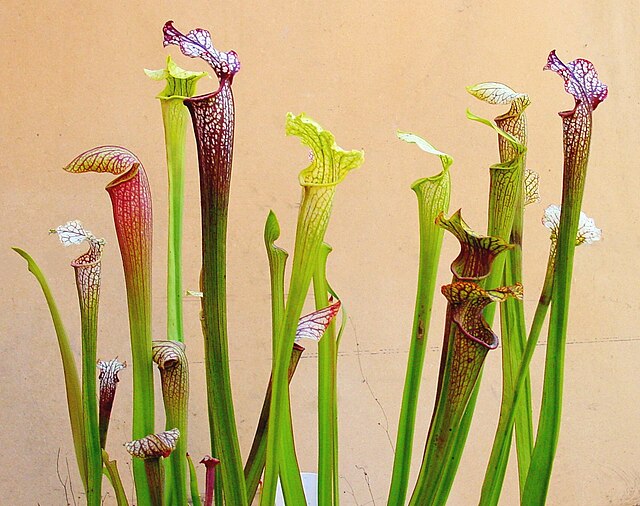
Sarracenia
View species detailsCarnivorous Plants Are Eye-Catching Distinctive Plants
Carnivorous plants are particularly eye-catching among foliage plants, due to their traps' unique shapes and movements, and their diverse colors. The bold pitcher-shaped traps of Nepenthes (Pitcher Plants), the opening-and-closing clamshell shape of the Venus Flytrap (Venus Flytrap), the upright trumpet tubes of Sarracenia—these forms themselves can be considered art. However, simply placing them in a flowerpot does not bring out even half of their charm. By understanding proper display methods and environmental design, you can bring out the beauty of carnivorous plants to the fullest.
This article explains practical display techniques, from terrarium making that even beginners can tackle, to full-fledged bog gardens (wetland gardens).
Staging Worlds with Terrariums
Closed Terrarium (Sealed)
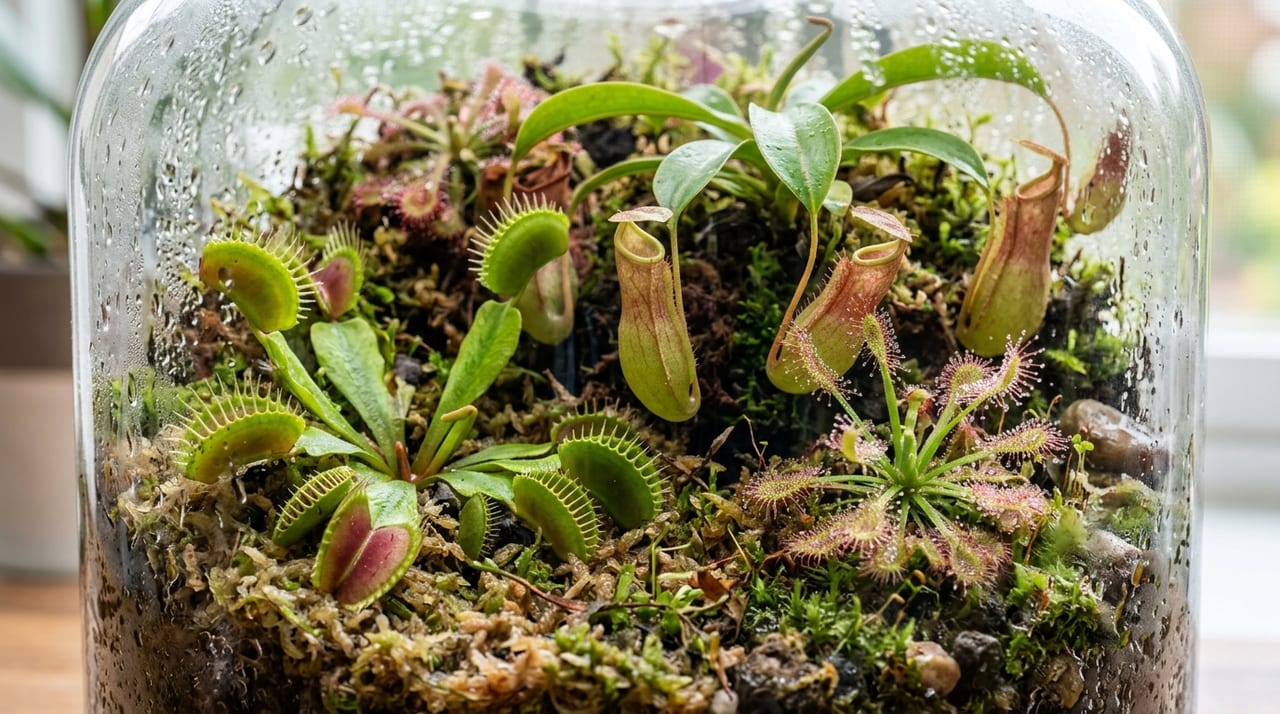
Sealing a glass container to maintain humidity is ideal for tropical species that prefer high humidity. It is suitable for lowland species like Nepenthes rajah and Nepenthes bicalcarata, and tropical sundews such as Drosera capensis and Drosera adelae.
How to Make It
- Establish a 3–5 cm drainage layer of lightweight stone or polystyrene at the bottom
- The basic soil mix is 7 parts Kanuma soil to 3 parts nutrient-free peat moss. Do not use nutrient-rich potting soil, as it causes root rot.
- Rather than sealing the lid completely, open a 3–5 mm gap to prevent steaming and stretching.
- Use LED grow lights on a timer for 8–10 hours per day. Color temperature of 5000–6500K is effective for trap coloration.
- Once a month or so, remove the lid and ventilate for about 30 minutes.
Styling Tips: Arranging driftwood and lava rock adds a tropical jungle atmosphere. Laying down moss (sphagnum moss or Java moss) enhances both moisture retention and appearance.
Open Terrarium (Unsealed)
This is a display using a glass case or aquarium without a lid. It suits relatively drought-tolerant species such as Sarracenia, Venus Flytrap (Dionaea), and temperate sundews. While humidity is harder to manage, it recreates a more natural growing environment and allows close observation of trap activity.
Incorporating the "water-level method" by filling the tank bottom with 2–3 cm of water and submerging pots makes management significantly easier.
Showcasing Your Collection in a Glass Case
Displaying multiple carnivorous plants together in a glass case fully expresses the joy of collecting. Arranging varieties with different shapes, colors, and sizes creates a museum-like beauty.
Layout Fundamentals
- Vary the heights: Use pedestals and pot stands to create height variation. The basic "depth composition" places low sundews in front and taller Sarracenia in back.
- Be color-conscious: Decide on a color theme, such as unifying reds (Sarracenia rubra, red Nepenthes), or leveraging green-and-red contrast. This creates cohesion.
- Work with growth direction: Hang vining Nepenthes varieties with S-hooks and enjoy the gravity-defying display of hanging traps.
- Don't fear empty space: Avoid overcrowding; leaving space lets each plant's individuality shine.
Lighting Design
Lighting in a glass case serves both growth and display. Side lighting from the sides or upper angles, rather than direct overhead light, beautifully showcases the translucence of traps. Adding warm white (3000K range) as supplemental lighting creates dramatic atmosphere in the display space at night.
Recreating Wetlands with Outdoor Bog Gardens
A bog garden (wetland garden) is a style of planting carnivorous plants that adapt to Japan's climate outdoors in groups. Various Sarracenia, Venus Flytraps, and temperate sundews can handle Japan's four seasons, and the sight of new growth appearing in spring after winter dormancy is exceptionally beautiful.
How to Make a Bog Garden
- Do not drill drainage holes in the bottom of a planter or waterproof tray; make the structure retain water.
- Fill with soil mix of 6 parts peat moss to 4 parts perlite (never add fertilizer).
- Covering the surface with Kanuma soil prevents drying and improves appearance.
- Maintain water at 2–5 cm in the base at all times using the water-level method.
- Use rainwater or distilled water (tap water chlorine harms roots).
Combining stones and driftwood increases the diorama feel of a wetland, making a corner of your balcony or garden a special space. Sarracenia tubes turn red from spring through summer, and in autumn the dead tubes take on a dry-landscape garden aesthetic. Enjoying the changing appearance through the seasons is the joy of a bog garden.
Incorporating Carnivorous Plants as Interior Design
Small Display on Desk or Shelf
Small Venus Flytraps or Drosera spatulata planted in a 15–20 cm tall glass jar and placed on your desk become conversation starters. Pairing with an LED table light (grow-light type) achieves growth and display simultaneously. Close observation of trap activity provides a soothing break during remote work.
Display in Restaurants and Shops
Carnivorous plants' unique forms are gaining attention as interior accents, and more cafés and plant specialty shops are adopting them in displays. Hanging Nepenthes with hooks, in particular, makes effective use of ceiling space while naturally drawing the eye. If you want to reduce maintenance, choose lowland varieties like Nepenthes alata that tolerate artificial light.
Find Distinctive Carnivorous Plants on GrowerDirect
On GrowerDirect, you can source rare carnivorous plant varieties directly from specialist growers. Growers provide thoughtful advice on specific questions such as "What beginner-friendly varieties suit terrariums?" "What species would fit this size glass case?" and "What combinations can I mix in a bog garden?"
The greatest strength of grower-direct sales is access to rare hybrids difficult to find in retail channels, along with detailed cultivation information. As a first step in creating your own unique carnivorous plant display, we encourage you to use GrowerDirect.