Autumn Management Guide for Caudex Plants | Leaf Drop, Reduced Watering, and Overwintering Preparation
Autumn is the management transition period for caudex plants. This guide explains the management points necessary for overwintering preparation, including the timing of leaf drop, how to begin reducing water, and when to move plants indoors, organized by plant type.
Key Takeaways
Autumn is the management transition period for caudex plants. This guide explains the management points necessary for overwintering preparation, including the timing of leaf drop, how to begin reducing water, and when to move plants indoors, organized by plant type.
Related Species

Why Autumn Management Determines the Fate of Caudex Plants
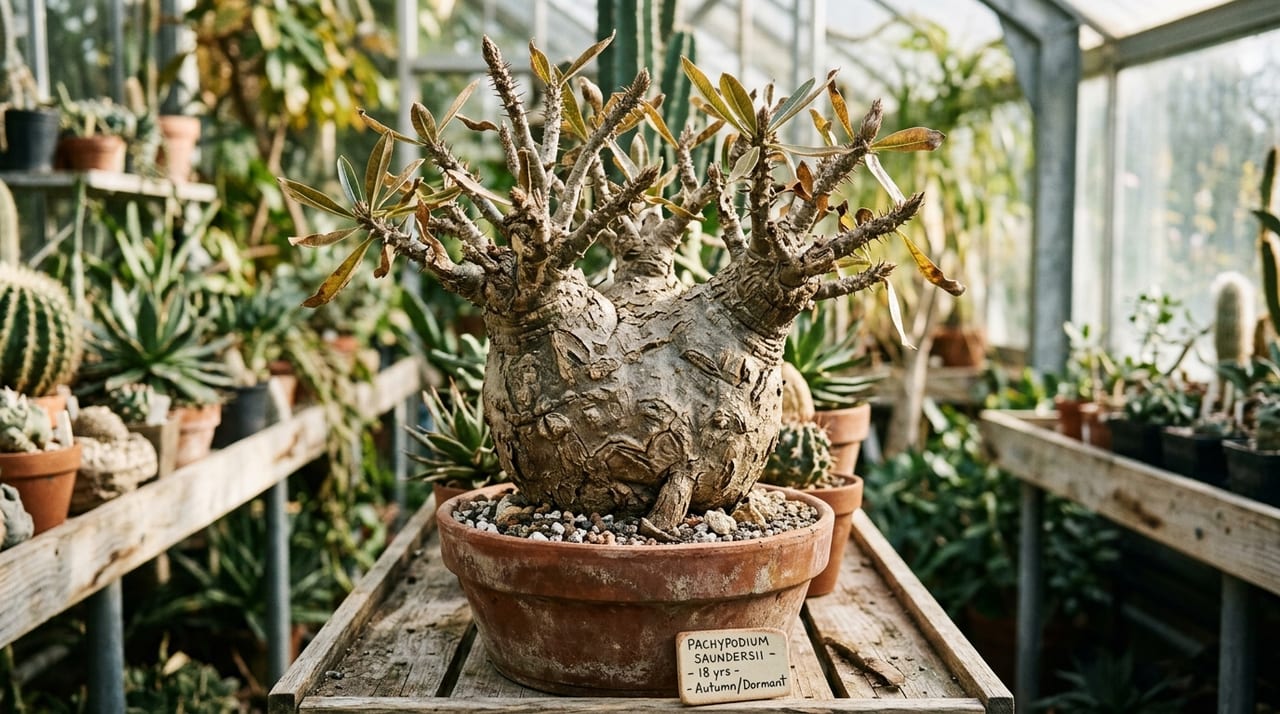
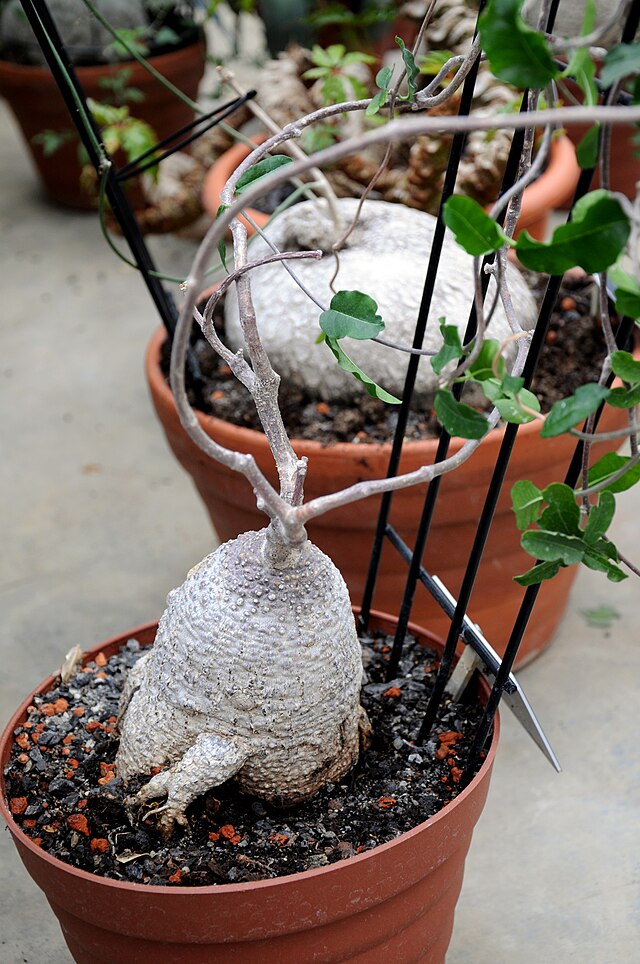
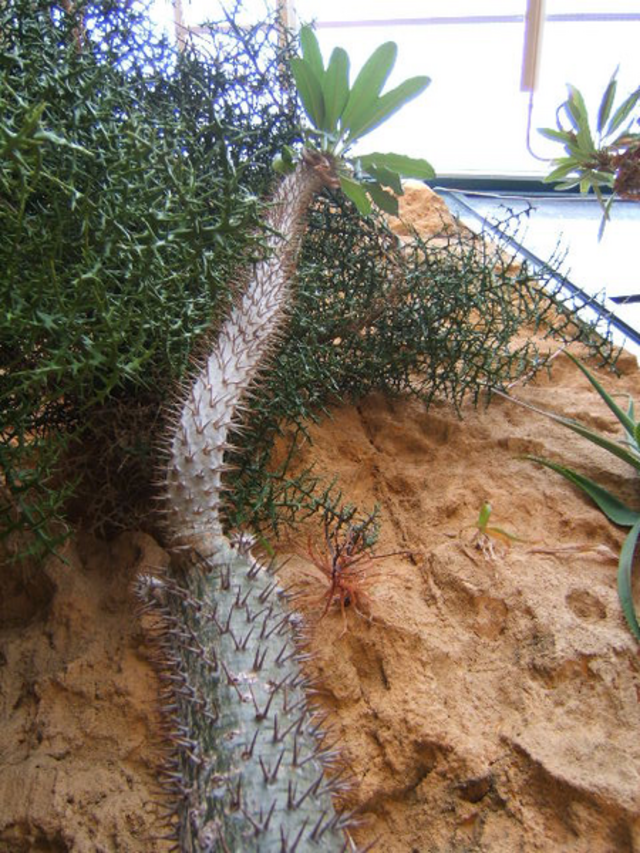
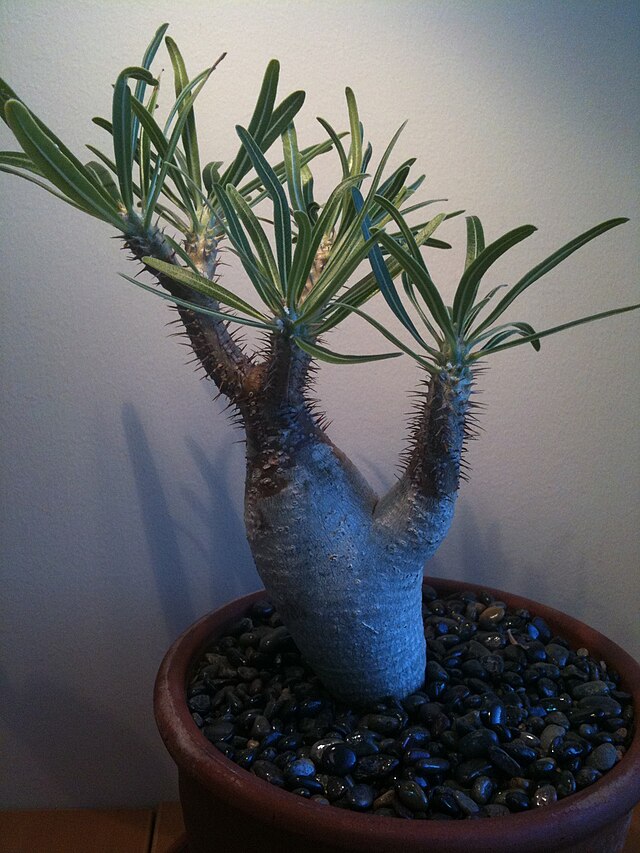
For caudex plants, autumn is an important transition period from summer growth to winter dormancy. Many summer-type caudex plants such as Pachypodium gracilius, Adenium (desert rose), and Fockea edulis are adapted to the dry and rainy season cycles of Madagascar and South Africa, using changes in temperature and moisture as triggers for dormancy. Japan's autumn provides an opportunity to artificially simulate these signals, but poor management causes plants to enter winter in a weakened state.
The key points to manage in autumn are two-fold: "gradual reduction in watering linked to temperature" and "moving plants indoors before frost arrives." Abruptly stopping water or conversely continuing to water because the plant "still looks vigorous" causes stress to caudex plants.
Based on successful cultivation examples from 2026, this guide systematically organizes autumn management procedures.
Autumn Temperature Changes and Caudex Plant Response
September: Monitoring Phase
Although temperatures are still around 25°C, the temperature difference between day and night begins to widen. From this time onward, caudex plants sense the "change of season."
Management at this stage:
- Continue watering at the same frequency as summer, but reduce slightly if the soil dries more slowly
- Prioritize air circulation (to prevent rot)
- Provide full sunlight during the day, but prepare for temperature drops at night
October: Adjustment Phase
Temperatures drop to around 20°C and growth clearly slows. Management during this period is most critical.
Gradual reduction in watering:
- Early month: Normal watering (however, as soil dries more slowly, watering intervals naturally lengthen)
- Mid-month: Reduce watering frequency to about 70% of normal
- Late month: Reduce watering frequency to about 50% of normal
The secret to autumn management is to "not decide by date." Check soil dryness daily and link watering decisions to temperature based on the soil condition.
November: Completion Phase
Temperatures drop below 15°C and caudex plants prepare for dormancy.
Management at this stage:
- Reduce watering to minimal levels (approximately once or twice per month)
- Target for completing the move from outdoors to indoors: early to mid-November
- It is essential to move all plants indoors before frost arrives
Specific Watering Example: Pachypodium Gracilius
September: Water 3–4 days after soil dries (same pace as summer) Early October: Water 5–6 days after soil dries Mid to late October: Water 10–14 days after soil dries (roughly "once per month") November onward: Light watering approximately once per month when soil is quite dry
This transition is "natural" autumn adjustment. Forcing a decision like "stop watering from month X, day Y" stresses active plants, causing root rot, wilting, and delayed spring budbreak.
Preparing the Move from Outdoors to Indoors
Optimal Timing for Moving
- Latest deadline: Mid-November (early November in some regions)
- Reason: Once frost arrives, caudex plant activity for the year nearly halts. In the weeks immediately after moving indoors, until temperature and humidity stabilize, plants are under extreme stress. To maintain overwintering strength, sufficient adjustment time is necessary.
Pre-Move Checklist
- Pest and disease check: When moving from outdoors to indoors, check that no pests (scale insects, spider webs, etc.) are attached. In indoor environments, a single pest can multiply explosively.
- Soil reset: Autumn is the best time to change soil. Remove old soil and replace with fresh succulent soil (60% akadama, 30% perlite, 10% leaf mold).
- Pot selection: Since growth stops in winter, repotting to a slightly smaller pot (e.g., size 10 to 8) is acceptable. Prioritize an environment where roots can breathe.
Important Notes Immediately After Moving Indoors
Immediately after moving from outdoors to indoors (late November to early December), even if you think "temperature has stabilized," it is actually an extremely stressful period for the plant.
Common mistakes:
- Sudden temperature rise from indoor heating → plant resumes activity → cannot go dormant until spring, resulting in poor spring budbreak
- High indoor humidity → soil dries slowly → risk of root rot
Solutions:
- Keep heating "quite minimal" (ideally 10–15°C)
- Be mindful of air circulation indoors (use fans)
- Water even less than when outdoors
Steps Until Overwintering
Step 1: Gradually reduce watering by mid-October
Step 2: Apply light fertilizer outdoors in early November for the last time
- High phosphorus and potassium balance (e.g., N:P:K = 5:10:10)
- Concentration at about half normal strength
- This is the last opportunity to build overwintering strength
Step 3: Move indoors by mid-November
Step 4: Even indoors, water very lightly approximately once per month
- The goal is complete prevention of root drying (to prevent death)
- The theme is "life maintenance," not growth promotion
Step 5: Rest and observe from December to February
Caudex plants are nearly dormant in winter. During this time, the secret to success is to wait patiently, thinking of it as "preparing for spring" rather than rushing.
Common Autumn Management Mistakes
Mistake 1: Suddenly reduce watering in September "because it's autumn"
- Problem: Temperature is still around 25°C and plants are active. Sudden water restriction is perceived as "drought stress," causing leaves to drop easily.
- Solution: Adjust gradually in line with temperature drops.
Mistake 2: Keeping roots constantly wet even in late October
- Problem: Root rot progresses rapidly in low winter temperatures. Root rot after November is nearly impossible to recover from in spring.
- Solution: From mid-October onward, aim for soil dryness to the point where part of it is beginning to desiccate.
Mistake 3: Moving indoors after late November
- Problem: Indoor heating causes plants to resume activity → new shoots extend and weaken in winter → plants wilt easily in early spring.
- Solution: Ensure the move is completed by mid-November.
Autumn Management Differences by Caudex Plant Type
Summer-type (Gracilius, Adenium, etc.)
Follow the standard management above. Begin gradually reducing water from late August.
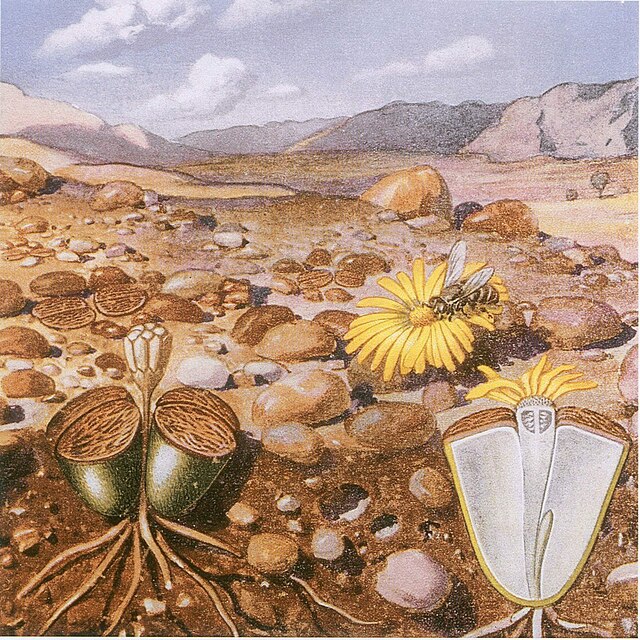
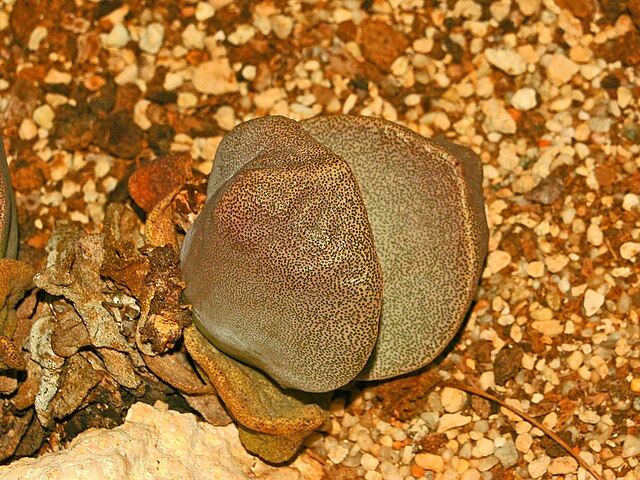
Winter-type (Pleiospilos, Lithops, etc.)
Conversely, autumn onward is the "active period." From autumn, increase watering and continue watering 2–3 times per month through winter. Avoid mixing with summer-type plants.
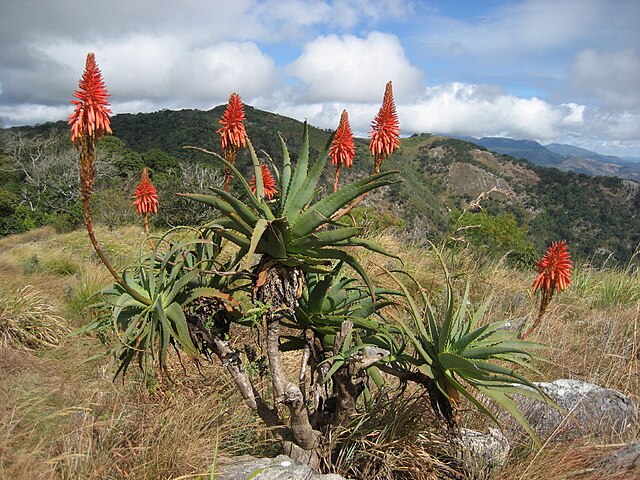
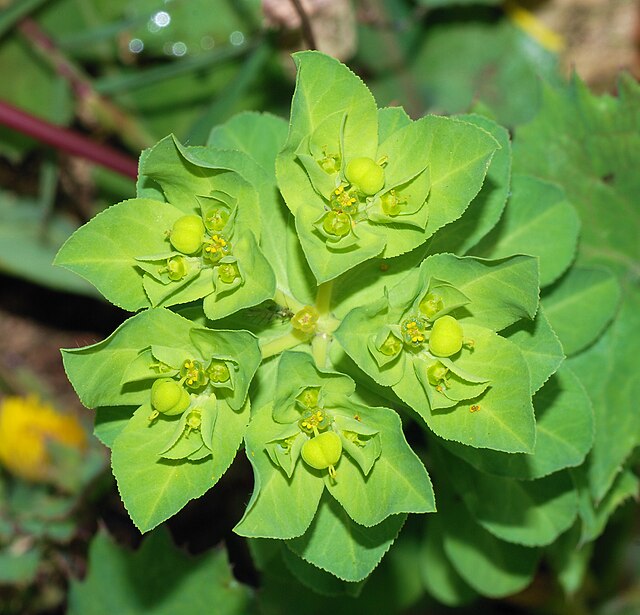
Intermediate-type (Some aloes, Euphorbia, etc.)
Since the active period is unclear, judge based on plant condition. Growing → continue watering, dormant → very little water.
Importance of Autumn Fertilization
Autumn is the time for "final accumulation of overwintering strength."
- Fertilization period: Early to mid-October (latest by late October)
- Fertilizer type: Balance with higher phosphorus and potassium (different from spring growth promotion)
- Amount: Less than normal (excess can cause new shoots to surge uncontrollably, delaying winter preparation)
Preparation for Next Spring
Even if winter management from November to February is perfect, failing the spring "budbreak" timing ruins that year's growth.
- Early March: Begin preparing to move outdoors (once frost risk has passed)
- Mid-March: Move outdoors and begin sunbathing
- Early April: Gradually increase watering to encourage new shoot extension
Summary
The keyword for autumn caudex plant management is "take your time, don't rush, and synchronize with temperature." By carefully tending plants each autumn, plant durability increases dramatically, and you nurture long-lived caudex plant companions that can be cultivated for 20 or 30 years. Examples from 2026 cultivation clearly show that fine autumn adjustments directly correlate with spring flowering and tree vigor.