Summer-type caudex plants: types and how to grow them | Maximizing growth during the active season
An explanation of major varieties of caudex plants that grow in summer and how to cultivate them. Introduces summer-type varieties such as Pachypodium, Adenium, and Euphorbia, along with active growth period management and dormancy preparation.
Key Takeaways
An explanation of major varieties of caudex plants that grow in summer and how to cultivate them. Introduces summer-type varieties such as Pachypodium, Adenium, and Euphorbia, along with active growth period management and dormancy preparation.
Related Species
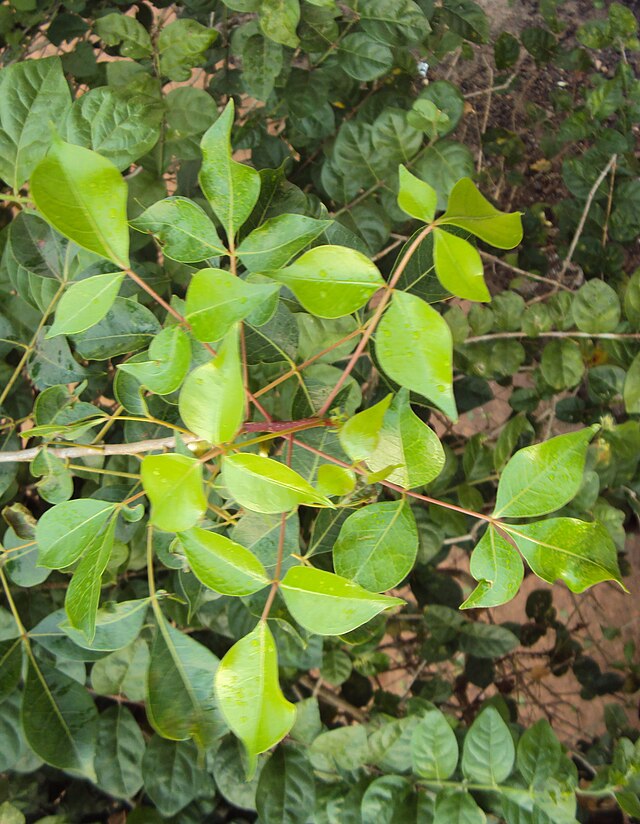
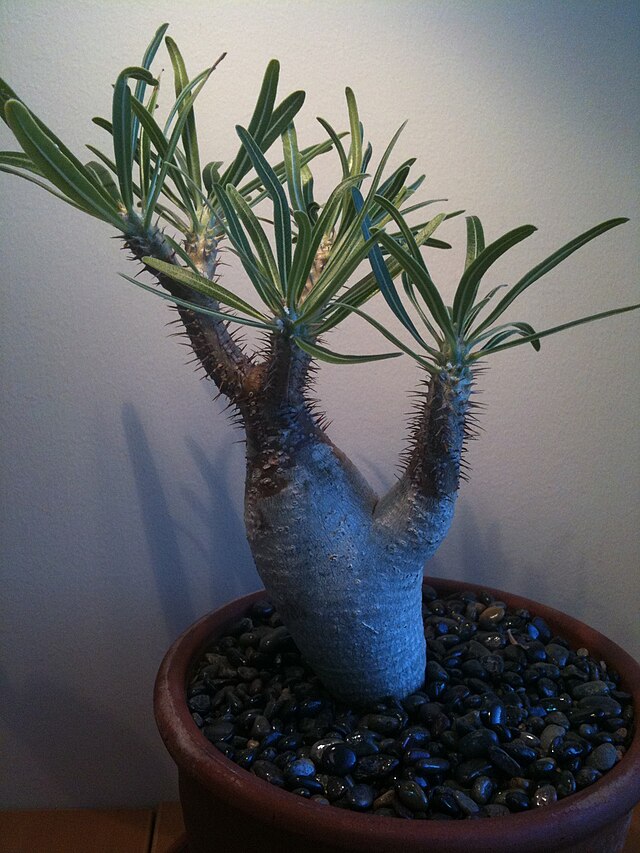
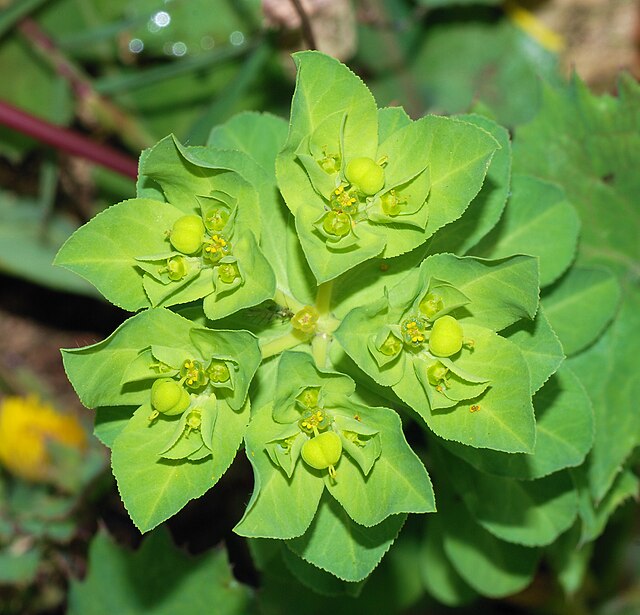
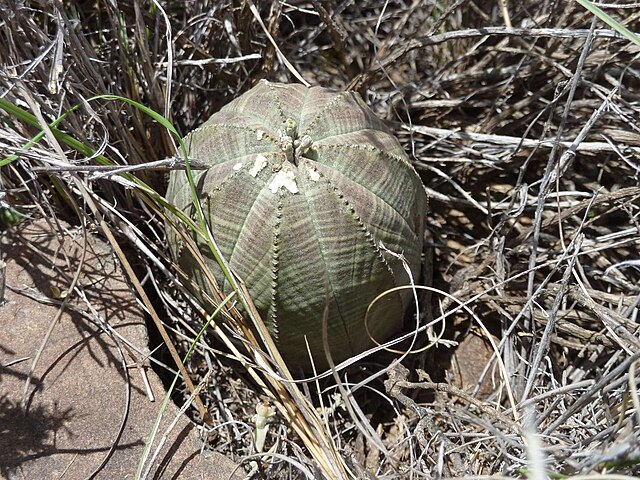
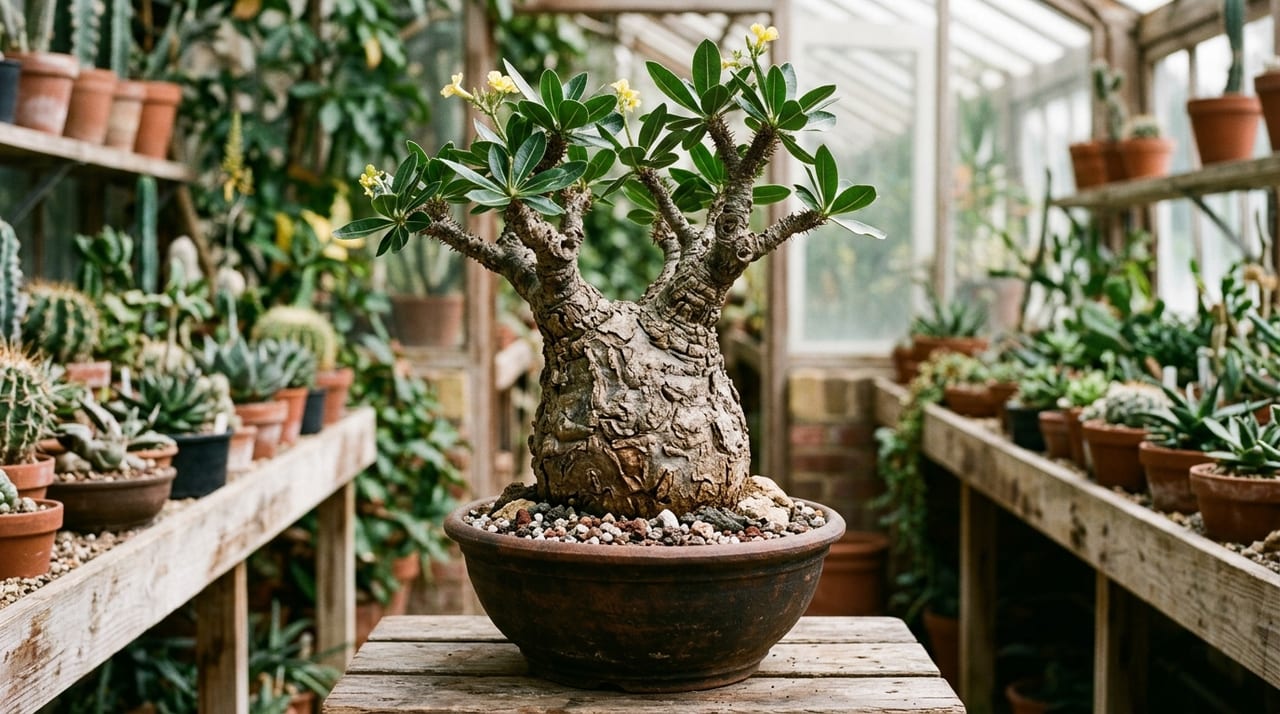
Many caudex plants follow a "summer-growing" growth cycle, putting out leaves and growing vigorously during the warm spring to autumn months, then dropping leaves and going dormant in winter. Japan's summer heat provides an ideal growing environment for these plants, and with proper management, they can grow remarkably within a single season. Here we explain the representative varieties of summer-type caudex plants and management methods to maximize their active growth period.
Major varieties of summer-type caudex plants
Summer-type caudex plants come in many varieties, but here we introduce the most popular representative genera.
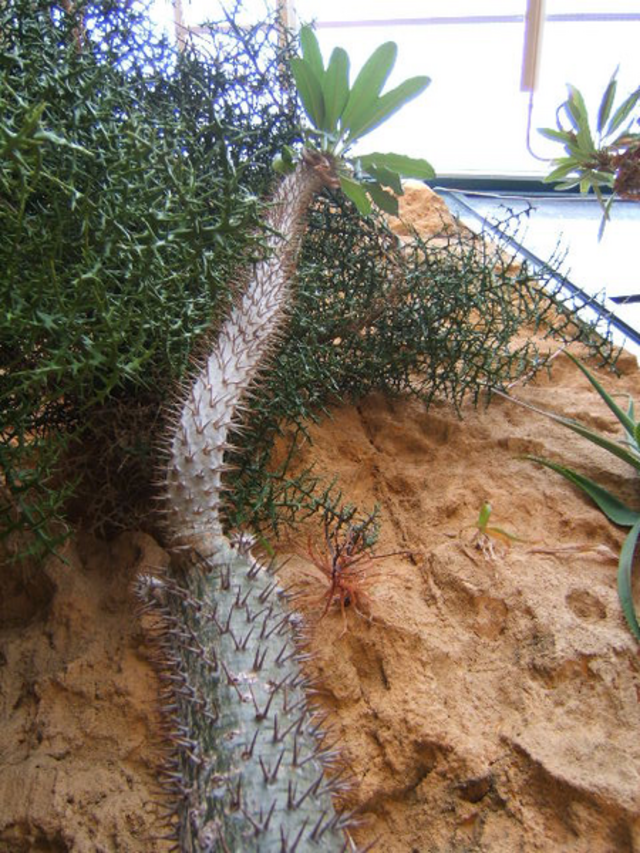
- Pachypodium genus: A caudex plant native to Madagascar and a representative of summer-growers. Gracilis (Ebisu Laughing) is beloved for its charmingly round, swollen caudex and is the most popular variety. Brevicaule (Ebisu Daikoku) produces an even flatter caudex and is a rare species coveted by collectors. Lamerei and Geayi are large African Pachypodiums with a distinctive tree form that is their main appeal.
- Adenium genus: A caudex plant native to East Africa to the Arabian Peninsula, also known as the "desert rose." Its greatest characteristic is its beautiful flowers, allowing you to enjoy both the form of the caudex and the flowers. Plant breeding has advanced considerably, and the variety of flower colors is extremely rich—red, pink, white, and double flowers, among many others.
- Caudex species of Euphorbia genus: Extremely diverse. Obesa (Pineapple Cone) is characterized by its spherical caudex. Francoisii is a beautifully formed tree-type caudex, offering a different appeal than Pachypodium.
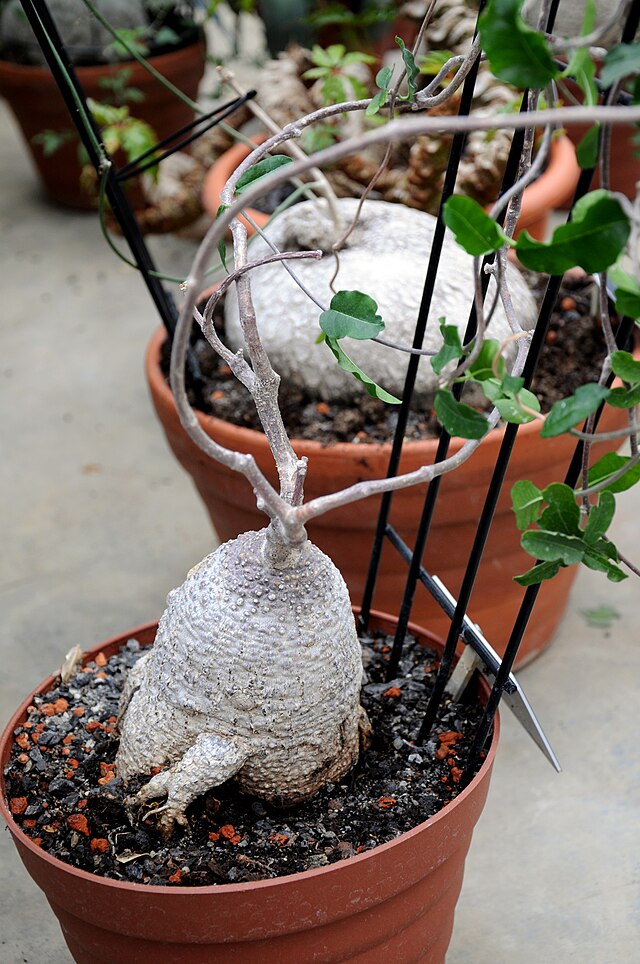
- Fockea edulis (Martian): Native to South Africa, with a distinctive appearance of gray, rough-textured caudex with vine-like stems extending from it. Growth is relatively fast, making it an easy variety for beginners.
- Burseraceae caudex plants such as Boswellia and Commiphora: Summer-growers that have become increasingly popular in recent years.
Starting the growth period: Awakening management
The transition from winter dormancy to the summer growth period is one of the most important phases in caudex plant cultivation.
| Item | Management |
|---|---|
| Signs of budbreak | This varies by variety, but most summer-growers begin to sprout new buds around the time the minimum temperature consistently rises above 15°C (mid-April to early May in the Kanto region). Swelling at the tip of the caudex or at the branch tips is a precursor to budbreak. |
| Resuming watering | Perform this after confirming new bud growth. Watering before buds appear will cause the soil to become wet while roots are inactive, leading to root rot. Begin with a small amount of water, then gradually increase the amount and frequency. |
| Moving outdoors | Perform this after frost danger has passed. For the Kanto region, late April to early May is the guideline. However, avoid abrupt environmental changes; for the first week, place in partial shade and gradually acclimate to sunlight (hardening off). |
| Fertilizer | Begin fertilizing after new leaves have unfurled. Fertilizing before budbreak is pointless and only accumulates in the soil. Start with dilute liquid fertilizer in small amounts, then increase to normal concentration once growth is in full swing. |
Midsummer management: Maximizing growth
July to August, during the height of summer, is the most vigorous growth period for summer-type caudex plants. Management during this time significantly influences the total annual growth.
| Item | Management |
|---|---|
| Watering | During this peak growth period, it is fine to water as soon as the pot soil dries out. High temperatures and active transpiration cause the soil to dry quickly. A watering frequency of once every 2–3 days is not uncommon. However, this assumes that air circulation within the pot is assured. |
| Light | Secure the maximum amount possible. Most Pachypodiums and Adeniums prefer full summer sun, and insufficient light will dull caudex enlargement. However, on extremely hot days exceeding 40°C, excessive pot temperature can damage roots. Black pots in particular heat up easily, so either shade the pot or protect it with a white pot cover. |
| Fertilizer | Apply liquid fertilizer about twice a month during peak growth season. A balanced all-purpose liquid fertilizer with nitrogen, phosphorus, and potassium is appropriate. However, excessive fertilizing can cause etiolation, so adhere to recommended dosages. |
| Rainy season management | A critical period for summer-growers. Extended rain increases the risk of root rot, so manage under a rain shelter or move to the eaves. The end of the rainy season often marks the start of a growth surge. |
Autumn management and dormancy preparation
From September onward, growth speed gradually declines, and the period of preparation for winter dormancy begins.
- Reducing water: Do this in sync with temperature decline. Once the minimum temperature begins to fall below 20°C, gradually widen the watering interval. When it falls below 15°C, nearly stop watering and keep it to light watering about once a month.
- Fertilizer: Stop by mid-September. If new buds emerge before dormancy, they will be damaged by low winter temperatures, so avoid promoting growth with fertilizer.
- Leaf drop: A natural process. As temperatures fall, leaves turn yellow and eventually drop. Leaf drop is a sign that the plant is entering dormancy and there is no need to worry. However, if leaves drop suddenly and the stem turns black, there may be root rot, so check the plant.
- Moving indoors: Do this before the minimum temperature falls below 10°C. For the Kanto region, late October to early November is the guideline. Before bringing it in, check the entire plant and be careful not to bring insects indoors.
Tips for growth period management by variety
There are tips to growth period management for each variety.
- Pachypodium gracilis: To thicken the caudex, adequate watering during the growth period is important. However, rather than keeping it constantly wet, establish a proper dry–wet cycle. Secure maximum light and aim for a compact, spherical caudex.
- Adenium: Fertilizer high in phosphate is effective for promoting flowering. It prefers full summer sun and high temperatures, growing most actively in environments above 30°C. Japan's summer heat is ideal for Adenium.
- Euphorbia obesa: Water more sparingly compared to other summer-growers. It stores large amounts of water in its spherical form, so it easily becomes overwatered. It prefers strong light, but it is safer to avoid strong afternoon sun in midsummer.
- Fockea edulis: Vine-like stems grow vigorously, so provide a stake or trellis. Providing adequate water and fertilizer promotes caudex enlargement as well.
Choosing summer-type caudex plant varieties is best done by purchasing from specialist growers on GrowerDirect. You can confirm the seedling condition and growth status through photos, and you can ask growers directly about how to cultivate each variety, so even beginners can start cultivating summer-type varieties with confidence.