2026 Foliage Plant Boom | Complete Guide to This Year's Trending Species, Investment Value & Trends
A thorough explanation of 2026 foliage plant trends. We've compiled the latest information on trending species, price movements, collector demand, and the interior greenery market.
Key Takeaways
A thorough explanation of 2026 foliage plant trends. We've compiled the latest information on trending species, price movements, collector demand, and the interior greenery market.
Related Species
Epipremnum Cebu Blue
View species details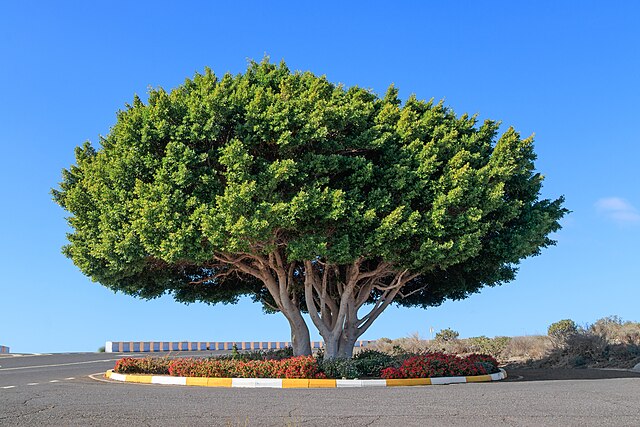
Chinese Banyan
View species details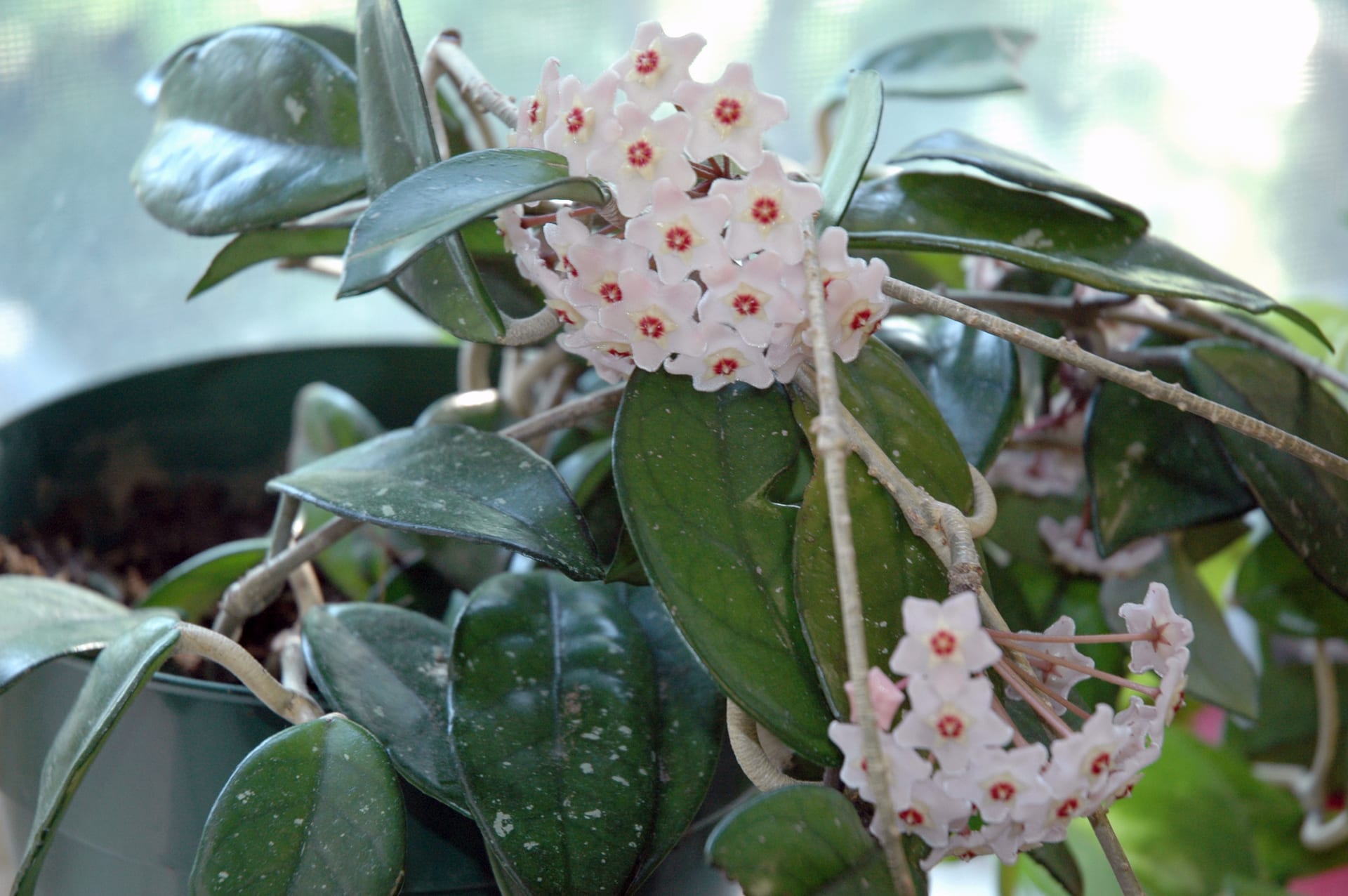
Hoya Carnosa
View species details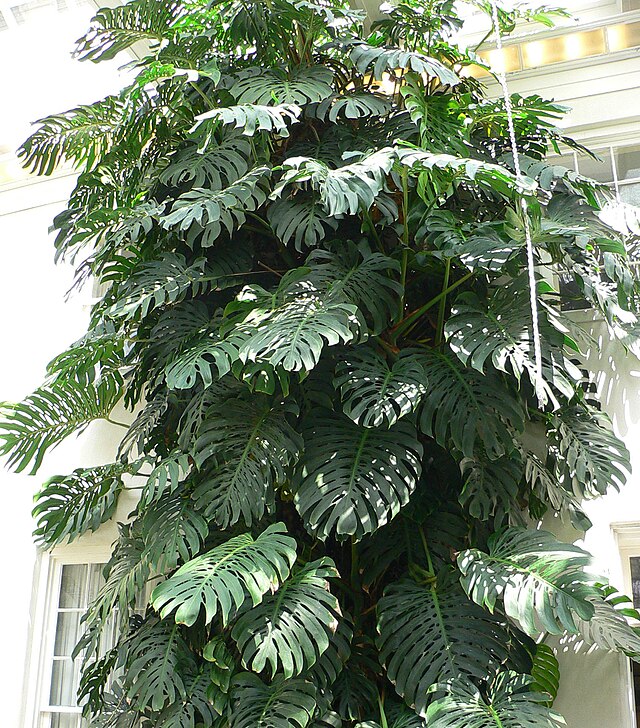
Monstera Deliciosa
View species detailsMonstera Thai Constellation
View species details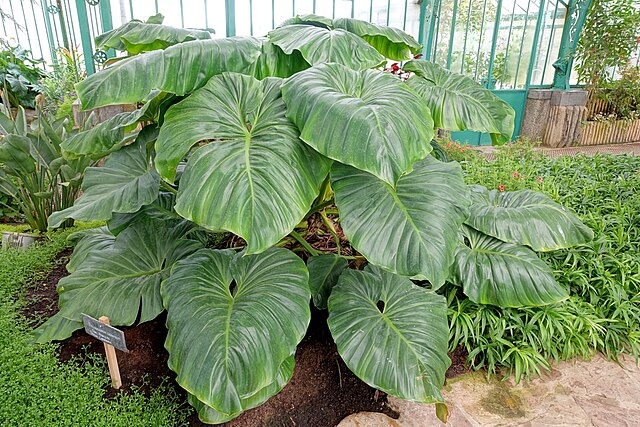
Philodendron
View species detailsPhilodendron Birkin
View species detailsPhilodendron Pink Princess
View species detailsHow the Foliage Plant Market Changed in 2026
The foliage plant boom that began in the early 2020s shows no signs of waning even as we enter 2026, and instead, as the market approaches maturity, a clear shift from "quantity to quality" is becoming apparent. The home-greening trend that began during the COVID-19 pandemic has transcended mere relaxation or interior decoration, and for certain rare species, positioning as an "investment and collection object" comparable to artwork or antiques is becoming established.
As we enter the second half of 2026, this trend has become even more pronounced. The market is characterized by these three key trends:
- Concentrated demand for rare variegated (variegata) species
- Deepening of Araceae (aroid family) collector communities
- Fusion of bonsai and foliage plants (Ficus and Money Tree styling)
2026 Trending Species by Category
Monstera Deliciosa 'Albo Variegata'
Popularity: ★★★★★
Monstera Albo, prized for its beautiful white variegation, has maintained its high popularity in 2026 following price adjustments in 2025. While prices have stabilized compared to its peak (2021–2022), beautifully variegated specimens continue to trade in the ¥30,000–¥150,000 range. The robustness and ease of care of Monstera deliciosa as a base species also underpin the popularity of variegated varieties.
| Species | Price Range (2026) | YoY Change |
|---|---|---|
| Monstera Albo (Cutting/Single Leaf) | ¥8,000–¥40,000 | ↓ Stable |
| Monstera Albo (Large/Multi-leaf) | ¥50,000–¥200,000 | → Flat |
| Monstera Thai Constellation | ¥5,000–¥30,000 | ↓ Adjusting |
Philodendron Supremo
A breakout species of 2026. Its rich green hue and velvety texture are captivating aroid collectors and gaining rapid appreciation among collectors. Domestic supply remains limited, with prices hovering around ¥5,000–¥25,000. Collectors are expanding their collections by pairing it with established popular variegated species like Philodendron Pink Princess.
Diversification of Alocasia Species
Alocasia species once overlooked—such as Odora, Frydek, and Macrorrhiza—are undergoing reevaluation. Their commanding presence when grown large and their relatively accessible price points are being appreciated.
Do Foliage Plants Have "Investment Value"?
Overall price levels have stabilized compared to the peak (2021–2022), and the risk of purchase for investment purposes has increased. However, specimens meeting the following criteria continue to maintain their rarity.
Conditions for Retaining Value
- Fixed genetic rarity: Spontaneous mutation lineages within variegated individuals that are difficult to reproduce
- Domestically grown specimens: Proven specimens that have been acclimated and grown larger within Japan rather than immediately after import
- Photogenic unique forms: Branched Monstera, trained Money Tree forms and other styled specimens
Conversely, Pothos and Ficus species, which have become easier to propagate and mass-produce, continue to see price declines, making clear the structure in which "rarity × difficulty of reproduction" determines value.
2026 Interior Greenery Market Trends
Integration of Plants and Interior Design
"Biophilic design"—integrating foliage plants as part of interior design from the planning stage—is spreading within Japan. Beyond commercial spaces like cafes, beauty salons, and offices, examples of incorporating living walls and hanging planters in the design phase of apartments and custom homes are increasing.
From "Growing" to "Styling"
Beyond simply maintaining healthy growth, a broader appreciation for "styling plants into their ideal form" using stakes, moss poles, guiding, and pruning techniques is emerging. The following styling techniques are particularly noteworthy:
- Monstera upright stem form: Removing aerial roots and developing leaves around an upright stem (See Complete Monstera Care Guide for detailed styling instructions)
- Pothos long fall: Hanging long from the ceiling to cover wall surfaces
- Money Tree bonsai styling: Japanese-modern style emphasizing exposed roots
Coping with Summer Heat and Insufficient Light
2026 has seen prolonged summer heat, and more households are combining indoor shading and insulation measures with supplemental plant growth LED lights. Supplemental lighting becomes particularly important in rooms with excessive direct sunlight near windows or in north-facing spaces with insufficient light, significantly affecting plant health (For details, see Choosing Plant Growth Lights).
Benefits of Sourcing Foliage Plants Directly from Growers
In 2026, a notable shift in foliage plant buyer behavior is occurring, moving away from "purchases at home centers and flower shops" toward "direct purchase from growers and specialists."
Benefits of grower direct sales:
- Parent plant and cultivation environment information is available: Provides peace of mind
- Higher likelihood of obtaining healthy plants: Plants grown under proper management
- Priority access to rare species: Obtaining species unavailable at major retailers
- After-sales support: Easy access to advice if plants struggle
Five Species to Try in 2026
We introduce five noteworthy species for beginners to intermediate enthusiasts to try in 2026.
- Spathiphyllum: Charming white flowers and bright foliage. Shade-tolerant and easy to manage
- Hoya carnosa: Charming thick leaves and sweetly-scented flowers. Increased availability makes it easier to source
- Pilea peperomioides: Chinese Money Plant. Easy to propagate and popular as a gift
- Epipremnum Seb Blue: Pothos relative featuring metallic blue-green foliage
- Philodendron Birkin: Beautiful white stripes. Easy to cultivate and ideal for beginners
Summary
The foliage plant market in 2026 has reached maturity, shifting from "quantity over quality" to "quality over quantity" and from "speculation to passion." While prices for rare variegated species have stabilized, appreciation for beautifully grown specimens remains strong.
Rather than following boom trends, selecting species suited to one's interior and growing environment and nurturing them carefully over the long term has become the mainstream approach to foliage plants in 2026. Common challenges after acquiring plants—such as repotting and pest management—are covered in the Complete Houseplant Repotting Guide and Foliage Plant Pest & Disease Guide. Why not leverage grower direct sales to bring home your favorite species with proper information and guidance?