How to Grow Winter-Type Succulents | Conophytum and Aeonium Care Guide
Explanation of the characteristics and growing methods of winter-type succulents. Introduction to watering, temperature management, how to manage summer dormancy, and optimal repotting timing for winter-growing varieties such as Conophytum, Aeonium, and Lithops.
Key Takeaways
Explanation of the characteristics and growing methods of winter-type succulents. Introduction to watering, temperature management, how to manage summer dormancy, and optimal repotting timing for winter-growing varieties such as Conophytum, Aeonium, and Lithops.
Related Species
What Are Winter-Type Succulents? Understanding the Difference from Summer Types
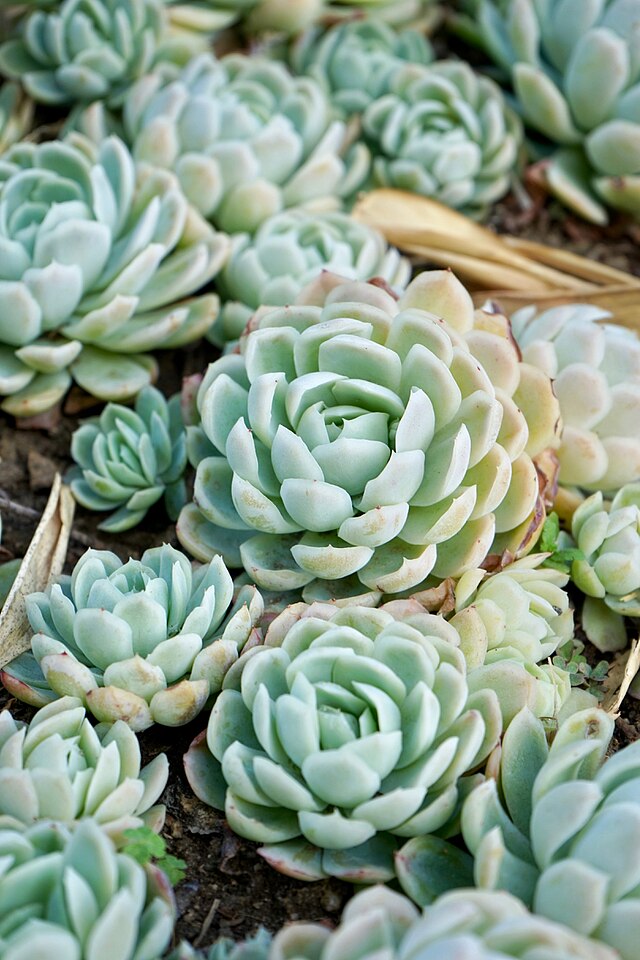
Among succulents, the "winter-type" variety—those whose growth cycle is reversed from the norm—is relatively uncommon in Japan. Most common succulents (such as Echeveria and Sedum) are summer-type, growing actively from spring through autumn, while winter-types have their vigorous growth period from autumn through spring and enter dormancy in summer.
Originating from arid regions in southern Africa and the Namibian coast—areas where summer brings extreme heat and drought—the warm, humid Japanese summer is their worst enemy. Understanding this fundamental difference is the first step to growing winter-type succulents without letting them die.
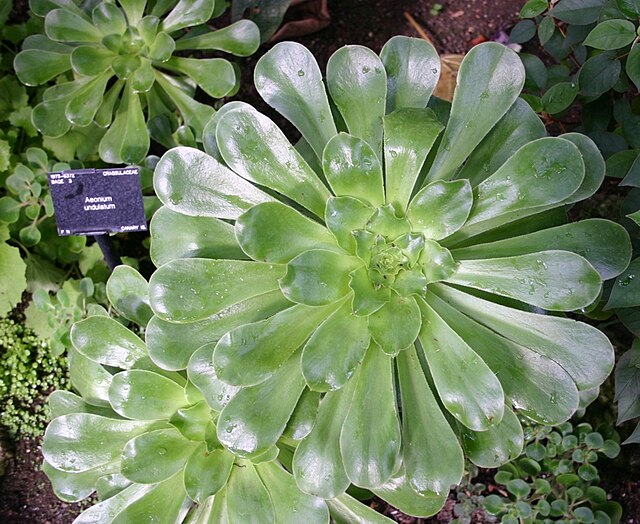
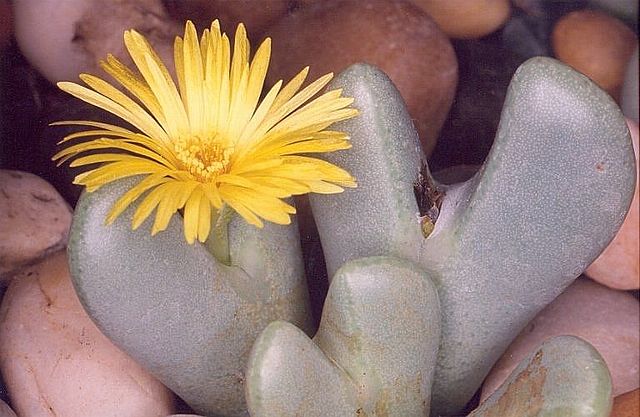
The two most commonly cultivated genera are Conophytum and Aeonium. Though their appearance and characteristics differ considerably, both follow the same basic rule: dormancy in summer, activity in winter. Lithops, also a winter-type species known as "living jewels," shares the same basic principles, with detailed care instructions covered in "Complete Guide to Growing Lithops | Shedding, Watering, and Summer Dormancy Tips".
---
Basic Care for Conophytum
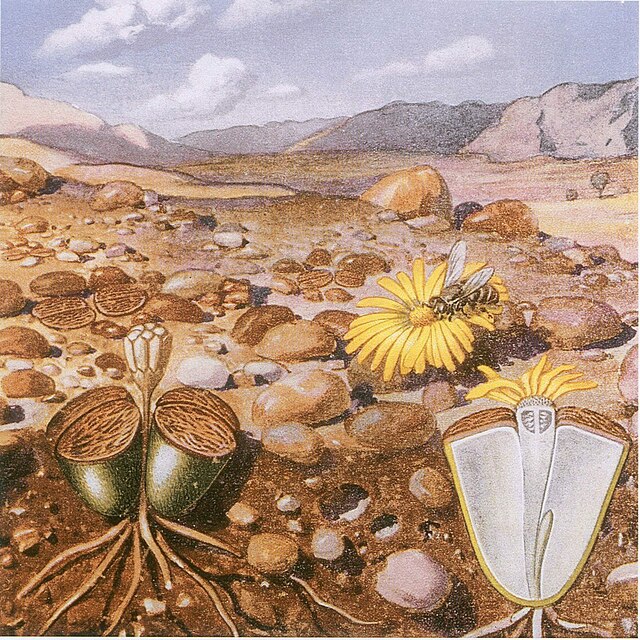
Conophytum is a member of Mesembryanthemaceae (a succulent group native to southern Africa) and is characterized by its unique spherical or cone-like form, with two leaves fused together. The most striking feature is the "shedding" that occurs in autumn, when new leaves burst through the old ones; more detailed information including variety selection is provided in "Complete Guide to Growing Conophytum | Understanding Shedding, Summer Dormancy, and Variety Selection".
Watering Timing
Resume watering around September to October, when shedding begins. From June through early September, complete drought (no watering) is the standard practice. However, resume watering only after confirming that the intense heat has subsided and the maximum temperature has dropped to around 25°C. Watering too early can cause rot.
During the growing season (October through April), water thoroughly until it drains from the bottom, 2–3 days after the soil has completely dried out. Never allow water to pool in the saucer.
Location and Light Intensity
Autumn through spring, an ideal location is a south-facing windowsill with direct sunlight or outdoors (protected from frost). Insufficient light causes leaves to stretch and become "leggy." Conophytum surprisingly loves light; using a growth light as a supplement during prolonged cloudy periods helps keep it stable.
Summer Dormancy Management
Begin drought management before the rainy season begins, keeping the plant in bright shade without direct sunlight. Move the plant indoors or under an eave to avoid rain, which can cause rot from excessive moisture. The leaves will shrivel and wrinkle, but this is normal dormancy. Do not rush to water.
---
Basic Care for Aeonium
Aeonium is a member of the Crassulaceae family, primarily distributed in the Canary Islands, characterized by beautiful rosette-shaped leaf clusters that spread at the tips of stems. Many cultivated varieties are available, such as Black Rose and Canariense.
Watering Guidelines
Aeonium is somewhat less drought-tolerant than Conophytum; during the growing season, water approximately once weekly, checking that the soil has dried. However, excessive moisture causes root rot, so well-draining soil and drainage holes are essential.
During summer dormancy, withhold water or give only minimal watering once or twice per month. The plant may lose leaves and appear as a bare stem, but new leaves will begin to emerge once autumn cools.
Temperature and Location
Optimal growing temperature is 5–20°C. Many varieties are relatively frost-tender, so move indoors if the minimum temperature drops below 3°C. In summer, place in partial shade with 30–50% shade cloth to prevent leaf burn. Conversely, in winter, provide full sunlight; varieties like Black Rose develop beautiful deep coloration.
Propagation
Aeonium can be propagated by stem cuttings. After cutting, allow the stem to dry for 2–3 days, then insert into dry soil; begin light watering after approximately one week. Roots develop during the growing season (autumn–spring), so the best time for propagation is October through March.
---
Common Soil and Pot Selection
Drainage is critical for both species. Using commercial "succulent soil" as a base and mixing in 20–30% perlite further improves drainage. Conophytum has shallow roots, so a shallow, wide pot (terracotta or unglazed clay) is appropriate. Aeonium develops tall stems, so a deeper terracotta pot with a lower center of gravity helps prevent tipping and is recommended.
Plastic pots have poor airflow and tend to retain moisture, so unglazed clay pots are recommended for beginners. Terracotta dries quickly and reduces the risk of root rot.
---
Annual Care Calendar
| Season | Conophytum | Aeonium |
|---|---|---|
| Mar–May | Late growing season · continue watering | Vigorous growth · can fertilize |
| Jun–Aug | Complete drought · keep in shade | Drought to minimal watering · partial shade |
| Sep–Oct | Shedding period · resume watering | Growth resumes · begin watering |
| Nov–Feb | Vigorous growth · flowering period | Growing season · watch for cold |
Fertilize once monthly during the growing season, diluting liquid fertilizer to about half the recommended concentration. Excess fertilizer causes weak, leggy growth, so use sparingly.
---
Common Problems and Solutions
"Leaves melted in summer"
The most common problem is rot from high heat and humidity in summer. Prevent this by strictly withholding water before the rainy season and avoiding rain exposure. If only part of the plant is affected, remove the affected tissue, apply fungicide (such as benomyl), and dry thoroughly; the plant may recover.
"Shedding is not beginning" (Conophytum)
This may be due to resuming watering too early or insufficient light. First, move the plant to a brighter location and observe. Some varieties take time for new leaves to appear after old ones completely wither, so patience is important.
"Black Rose leaves have turned green" (Aeonium)
This is due to insufficient sunlight. Move to a location with direct sunlight; the deep purple-black color should return within 1–2 weeks. Provide abundant sunlight outside of summer to keep Black Rose beautifully colored.
The greatest challenge for winter-type succulents is "surviving summer." Conversely, if you can manage the plant through summer, autumn onwards brings vigorous growth and the chance to enjoy their unique beauty. Please try managing your winter-type succulents with an awareness of their annual cycle.