Carnivorous Plant Encyclopedia
Encyclopedia of popular carnivorous plants with care guides, trapping mechanisms, and cultivation tips.
Featured Carnivorous Plant
Showing 40 of 140 species(1–24)
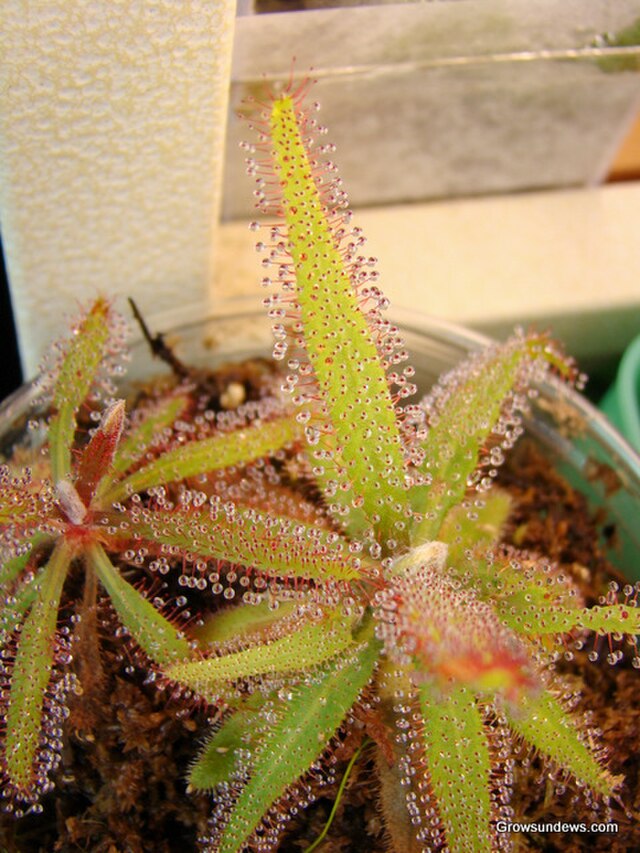 © Aaron May ( Sundewman at en.wikipedia ) / CC BY-SA 3.0
Drosera Adelae
Drosera adelae
An Australian sundew preferring partial shade with long lance-shaped leaves.
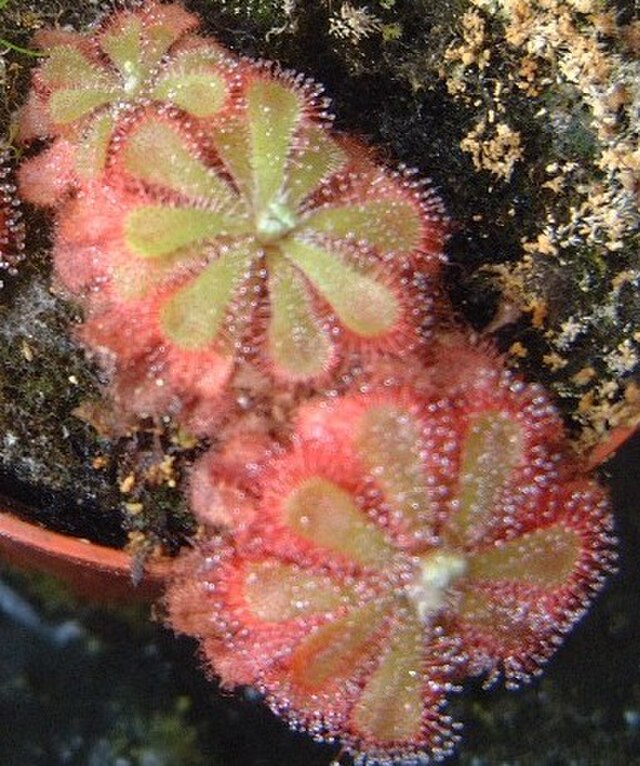 © Polypompholyx at English Wikipedia / CC BY-SA 3.0
Drosera Aliciae
Drosera aliciae
A South African rosette sundew with beautiful symmetrical form, a top beginner species.
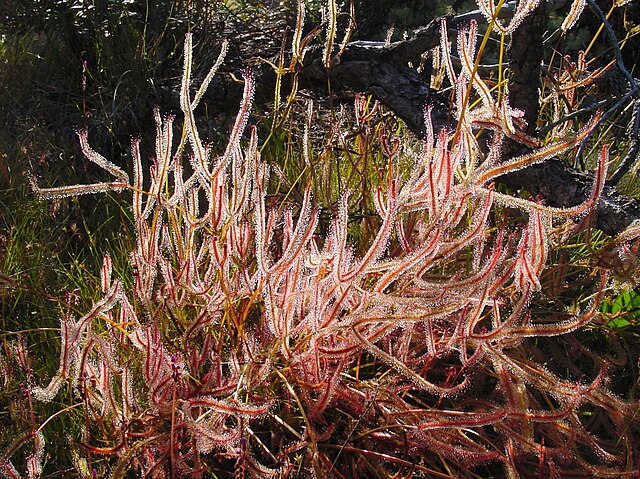 © No machine-readable author provided. NoahElhardt assumed (based on copyright claims). / CC BY-SA 2.5
Drosera Binata
Drosera binata
A sundew with uniquely forked leaves, large and impressive, very hardy.
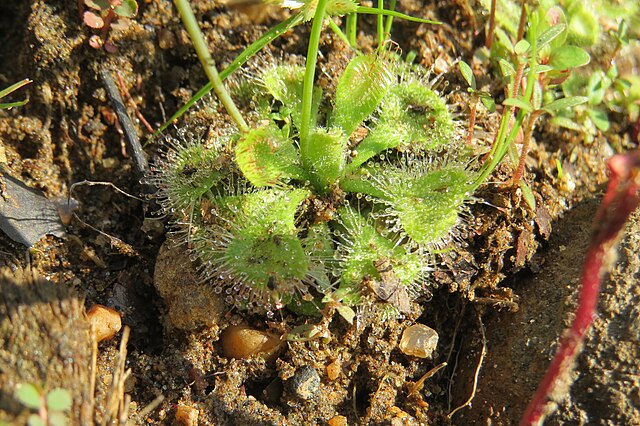 © Vinayaraj / CC BY-SA 4.0
Drosera Burmannii
Drosera burmannii
A sundew that captures insects very quickly, curling leaves in seconds. Sometimes annual.
 © NoahElhardt / CC BY-SA 3.0
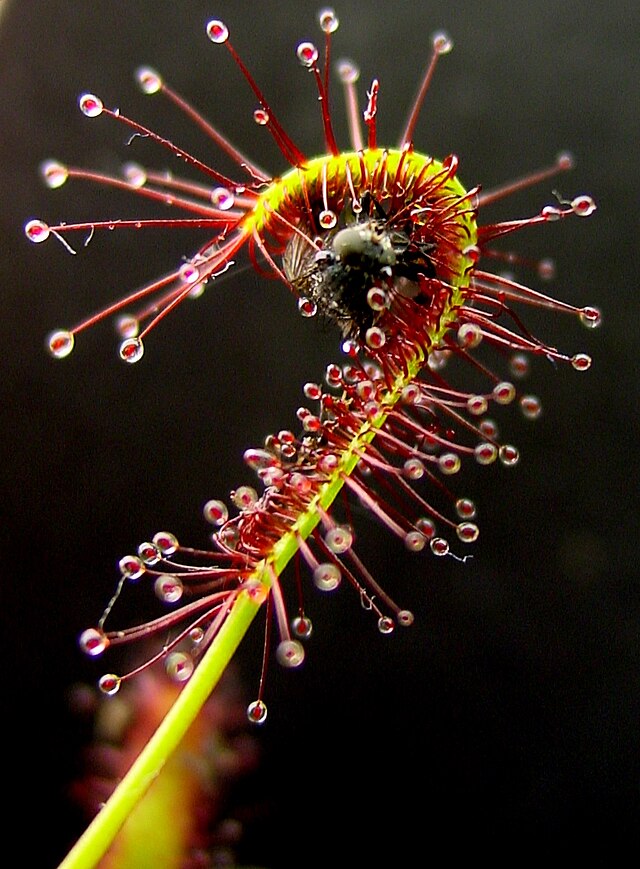
Drosera Capensis
Drosera capensis
A hardy sundew from South Africa with beautiful glistening sticky leaves, perfect for beginners.
 © Krzysztof Golik / CC BY-SA 4.0
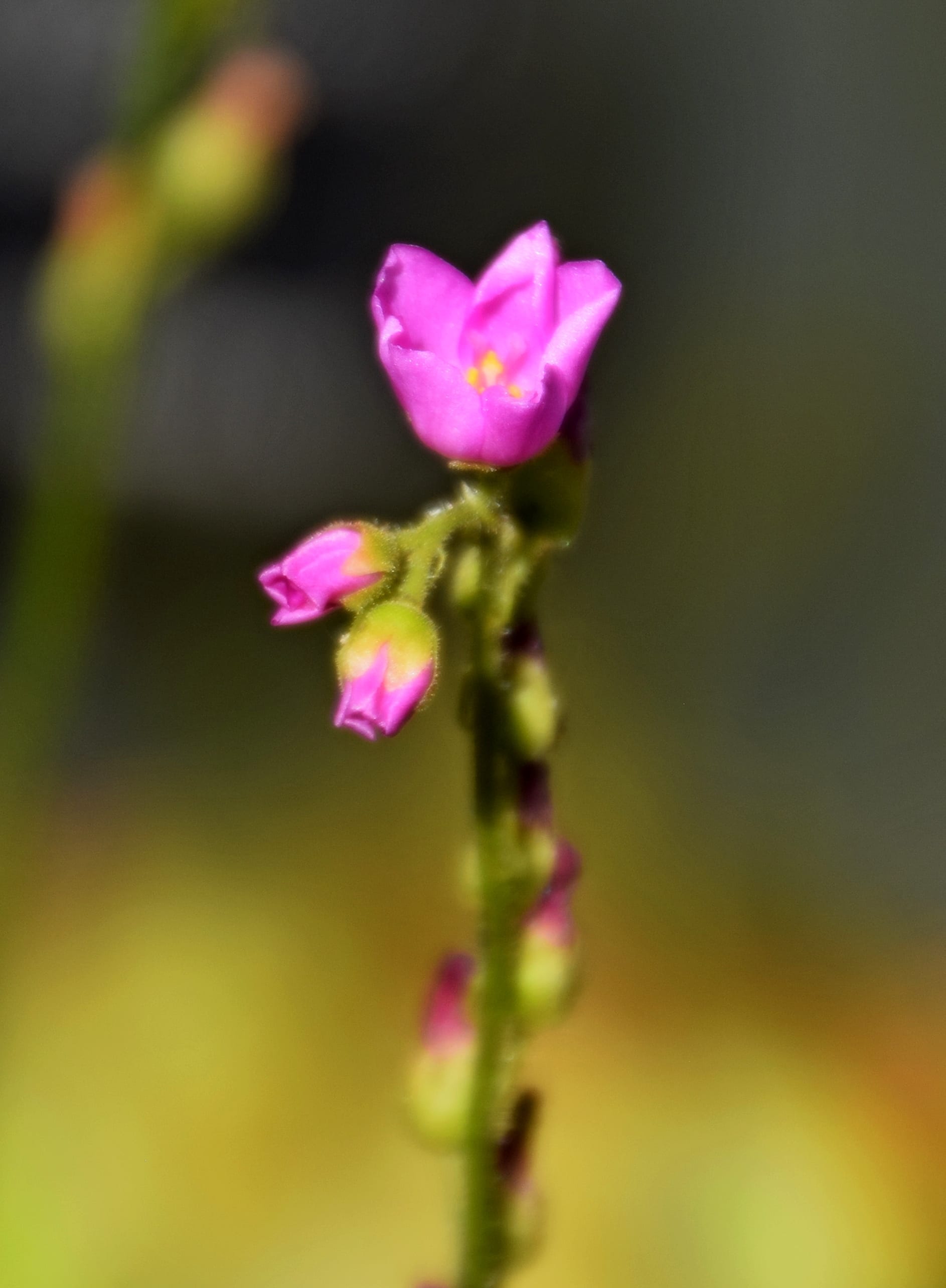
Drosera madagascariensis
Drosera madagascariensis
A stem-forming sundew that raises a distinct stem with alternate, spoon-shaped sticky leaves. The lower stem is clothed in dead old leaves and the plant reaches about 25 cm. A robust African species with pink flowers.
 © Krzysztof Ziarnek, Kenraiz / CC BY-SA 4.0
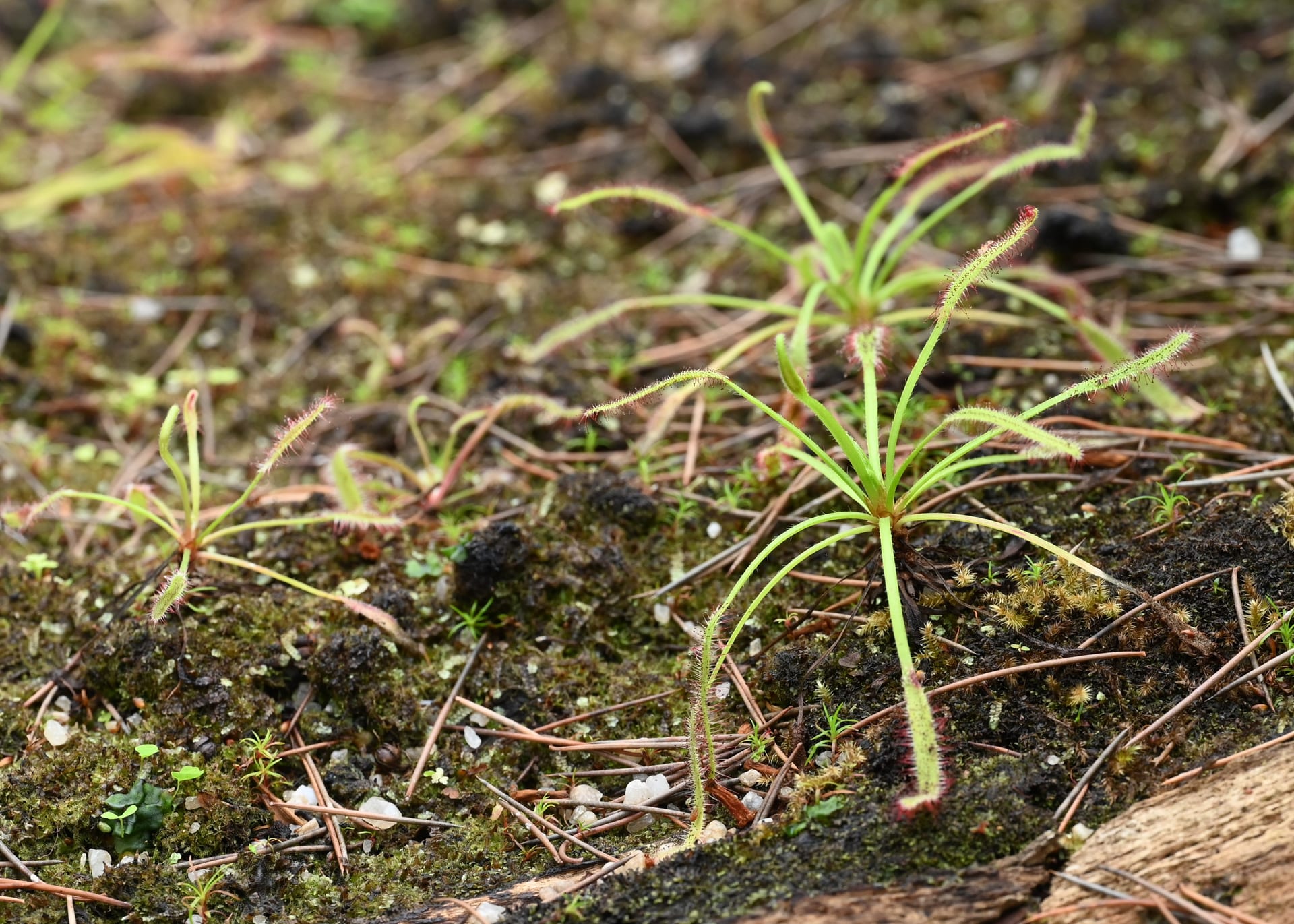
Drosera natalensis
Drosera natalensis
A small rosette-forming sundew with wedge- to spoon-shaped leaves about 2 cm long lying at ground level. Wiry flower stalks reach about 25 cm. Native to swamps of South Africa and Madagascar.
 © NasserHalaweh / CC BY-SA 4.0
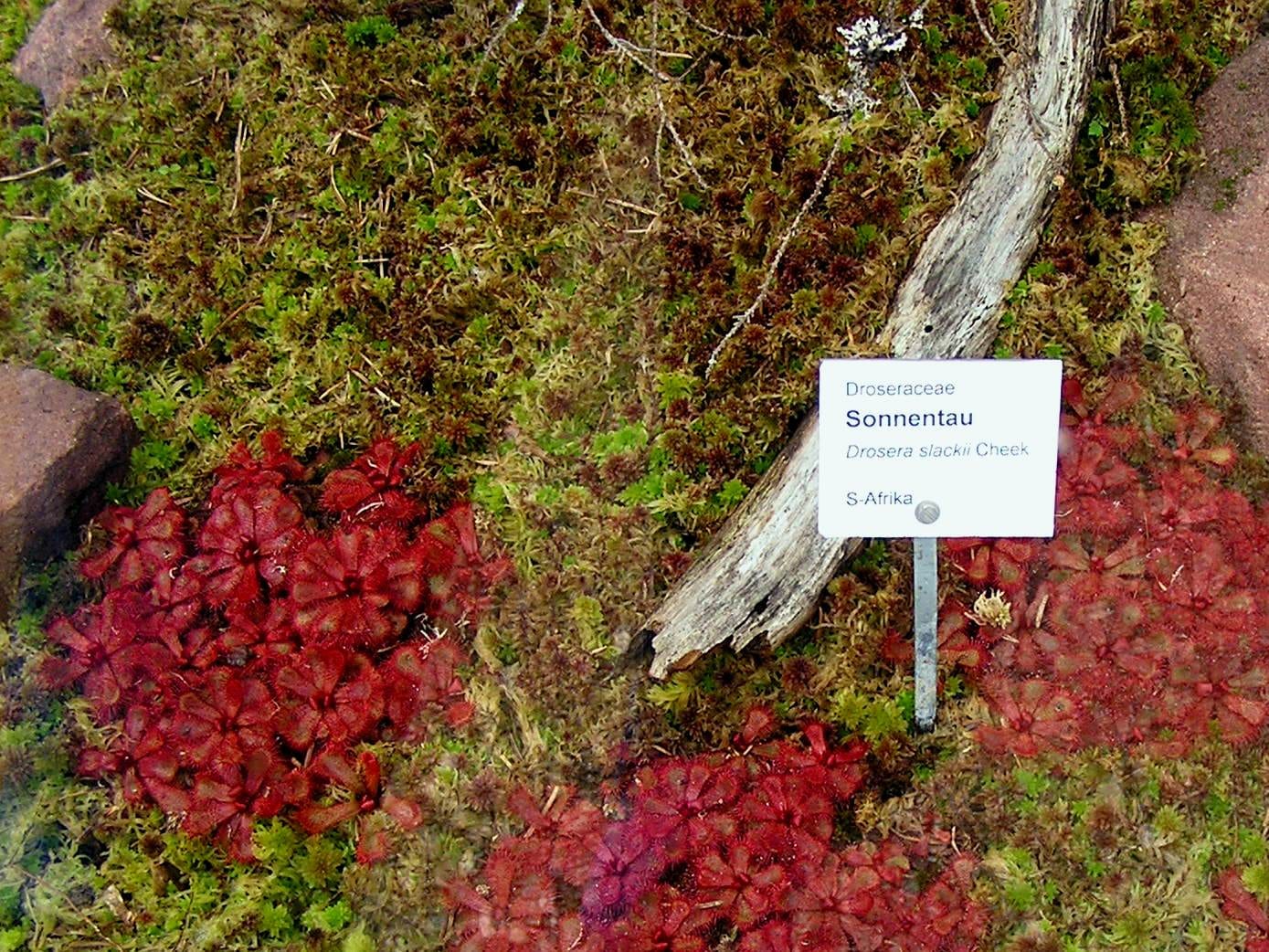
Drosera slackii
Drosera slackii
A sundew from the Cape region of South Africa forming rosettes 5-10 cm across of spoon- to heart-shaped leaves, with pink flowers. Named after the British carnivorous-plant author Adrian Slack, it holds the RHS Award of Garden Merit.
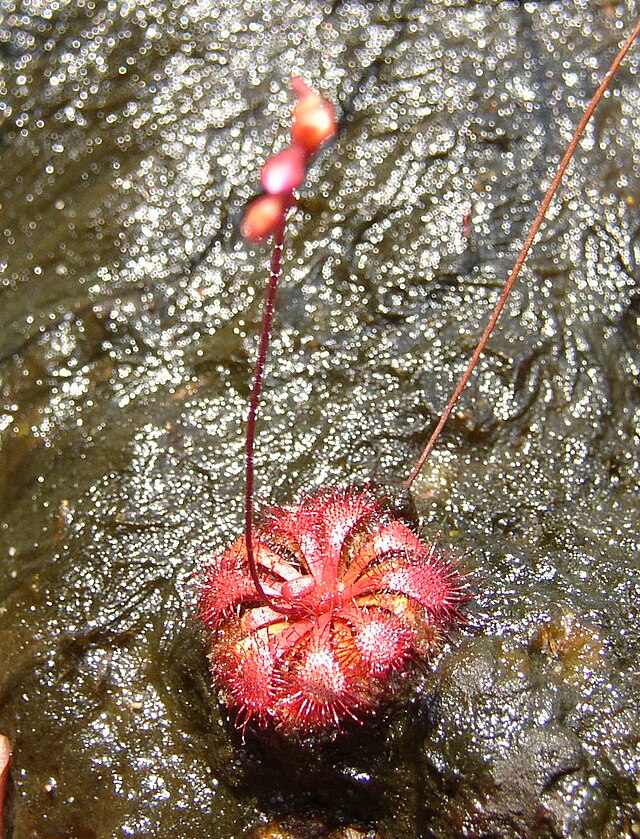 © Mgiganteus / CC BY-SA 3.0
Drosera Spatulata
Drosera spatulata
A spatula-leaved sundew native to Japan, forming cute rosettes.
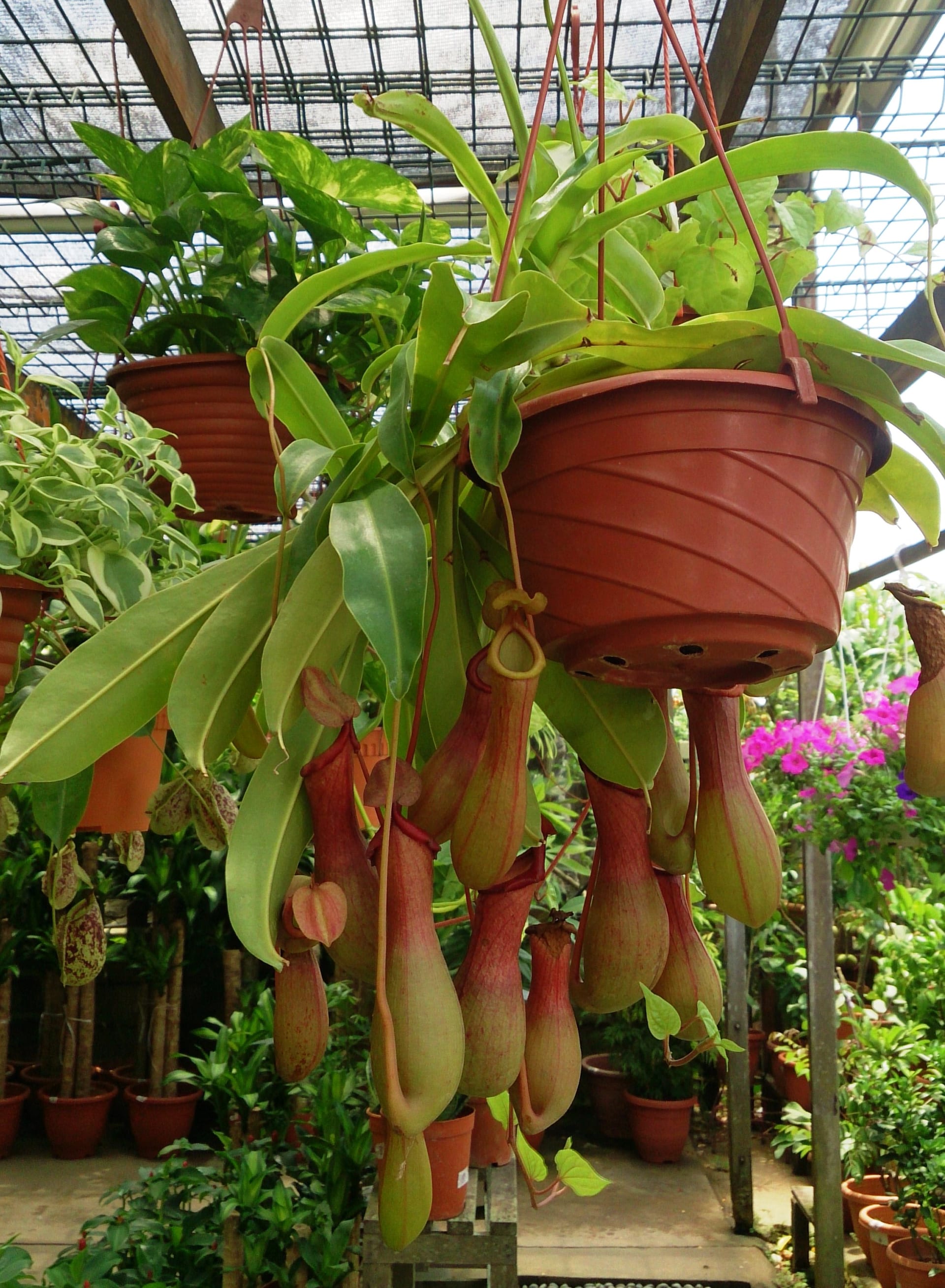 © Mokkie / CC BY-SA 3.0
Nepenthes × ventrata
Nepenthes × ventrata
The pitcher plant most often seen at garden centres and home stores: a cross between the Philippine species N. ventricosa and N. alata (in the broad sense), bearing green pitchers flushed with red. Easy indoors, it is often sold under the name N. alata.
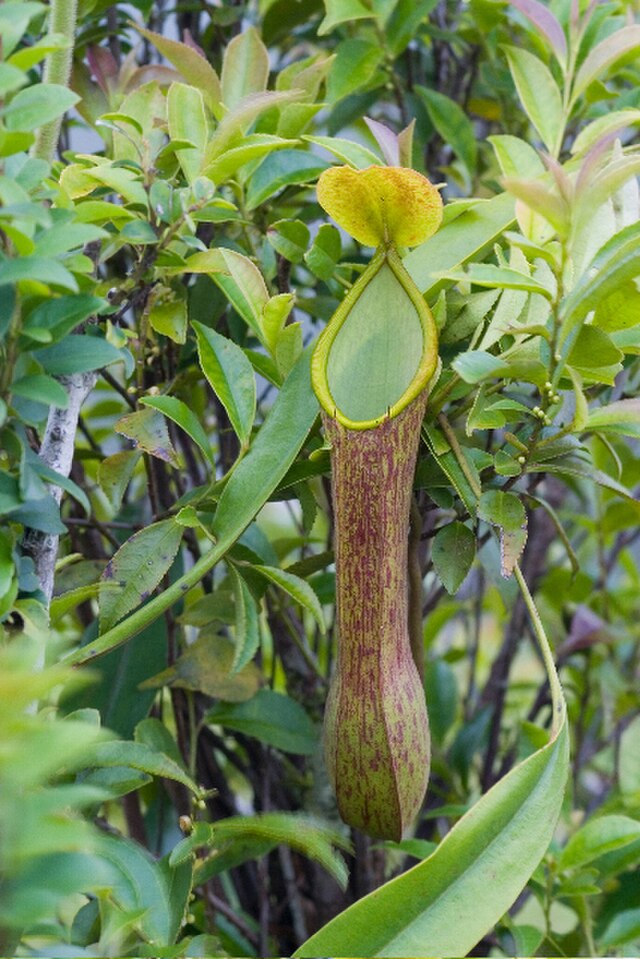 © Attenboroughii at English Wikipedia / CC BY 3.0
Nepenthes Alata
Nepenthes alata
One of the easiest Nepenthes, growable indoors by beginners, producing many green pitchers.
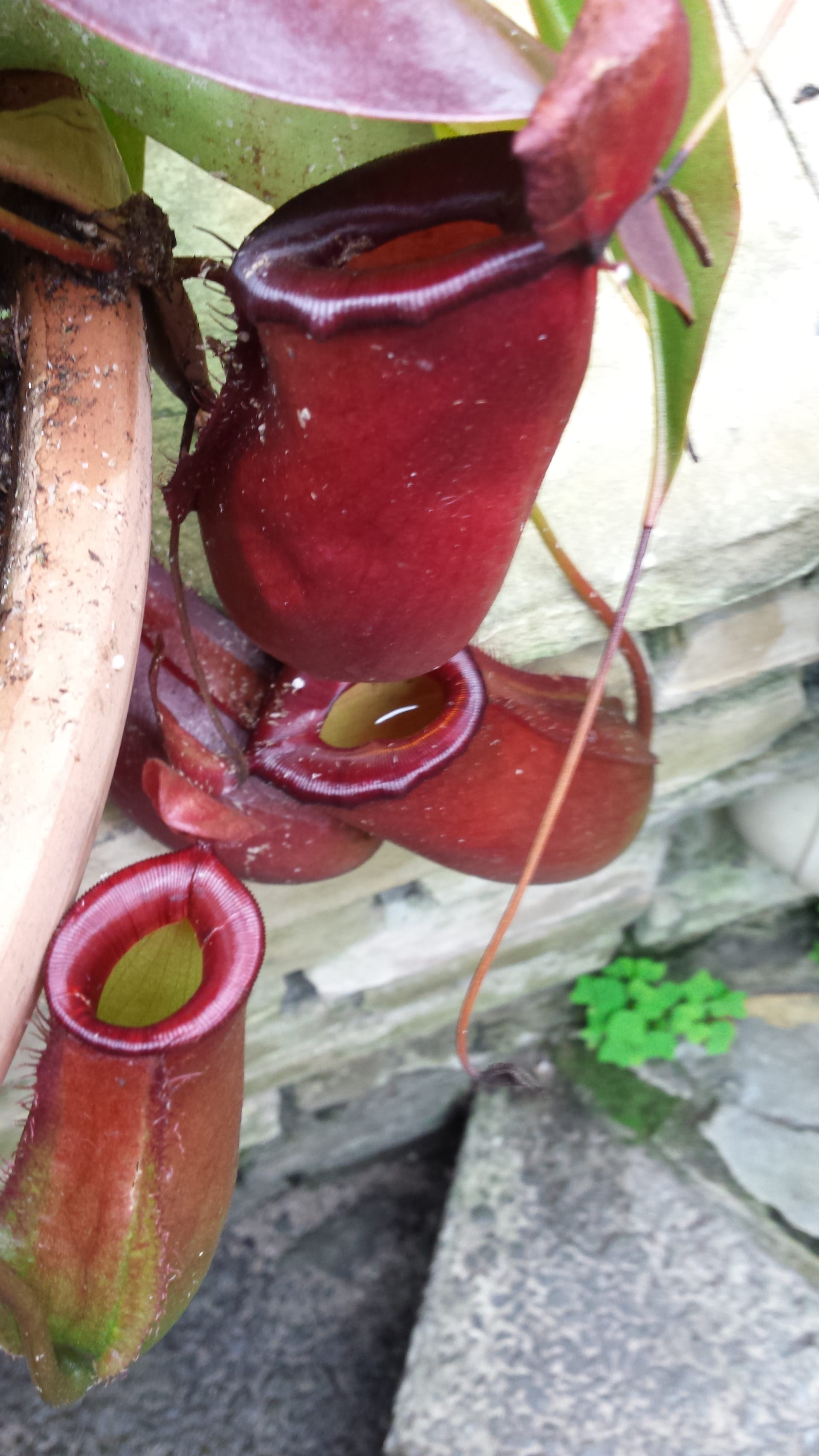 © Olaf / CC BY-SA 4.0
Nepenthes Bloody Mary
Nepenthes 'Bloody Mary'
A hybrid of N. ventricosa and N. ampullaria with pitchers and leaves stained deep blood red. Tough and treated as a beginner's houseplant, it is often said to be the same clone as 'Lady Luck'.
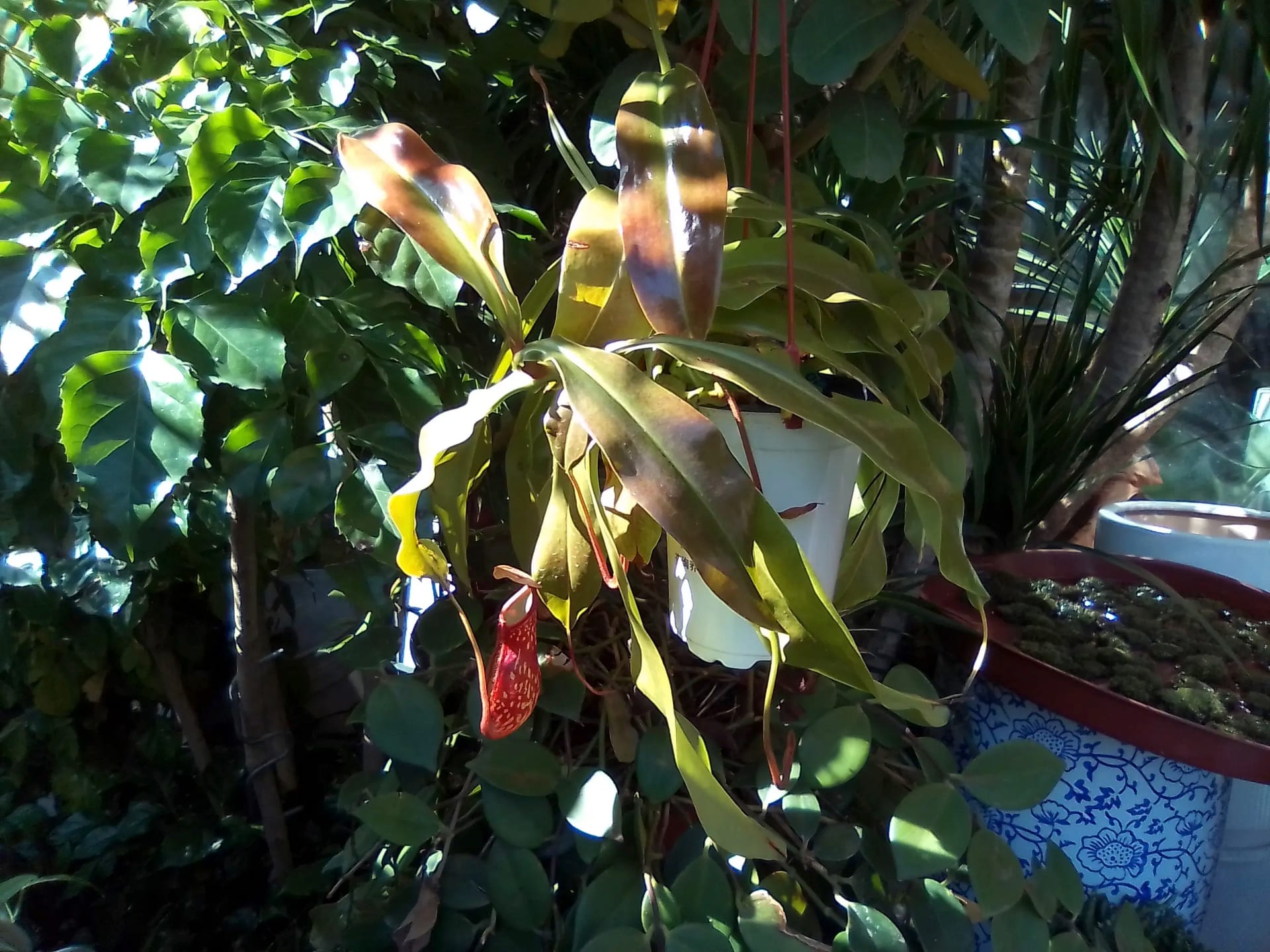 © 数理考高分 / CC BY-SA 4.0
Nepenthes Gaya
Nepenthes 'Gaya'
A hybrid pitcher plant recorded as N. khasiana × (N. ventricosa × N. maxima); the same cross is sold abroad as 'St. Gaya'. It is sold everywhere from mass-market hanging baskets to aquarium plant stores.
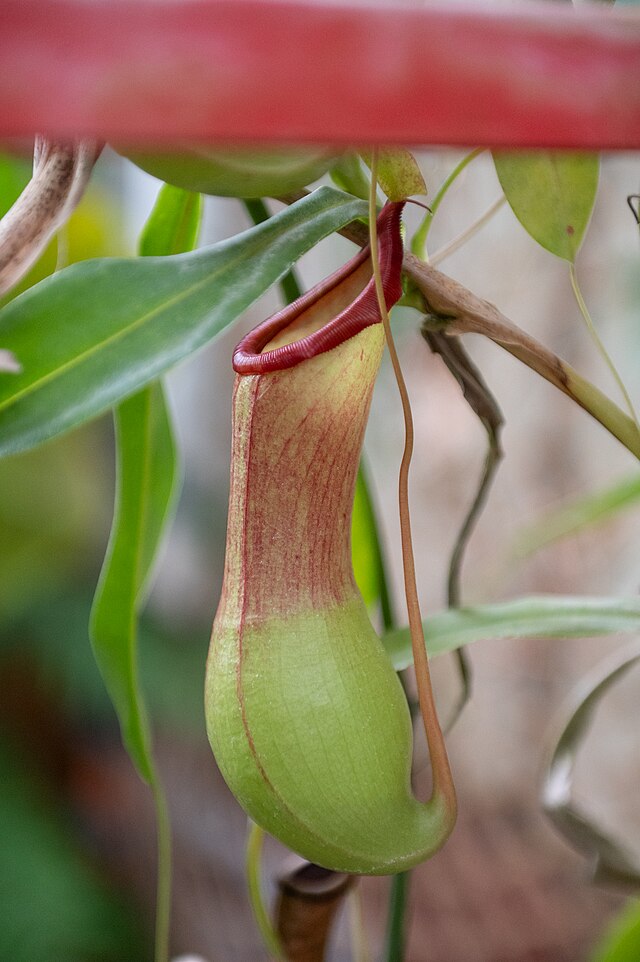 © Mickaël Schauli / CC BY-SA 4.0
Nepenthes Gracilis
Nepenthes gracilis
A slender Nepenthes with a unique lid mechanism that flicks insects in with raindrop impact.
Nepenthes Lady Luck
Nepenthes 'Lady Luck'
A pitcher plant selected from a cross of N. ampullaria and N. ventricosa, bearing pitchers coloured deep blood red all over. Short internodes and many basal shoots make a dense, bushy plant. It is often said to be the same clone as 'Bloody Mary'.
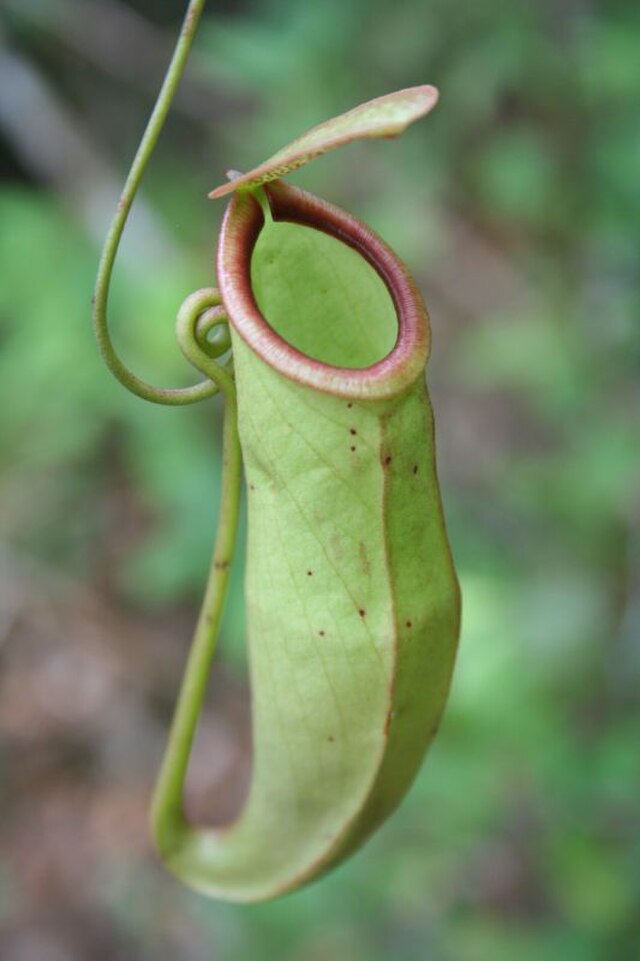 © apes_abroad / CC BY-SA 2.0
Nepenthes Mirabilis
Nepenthes mirabilis
The most widespread Nepenthes, from SE Asia to Australia, hardy and great for beginners.
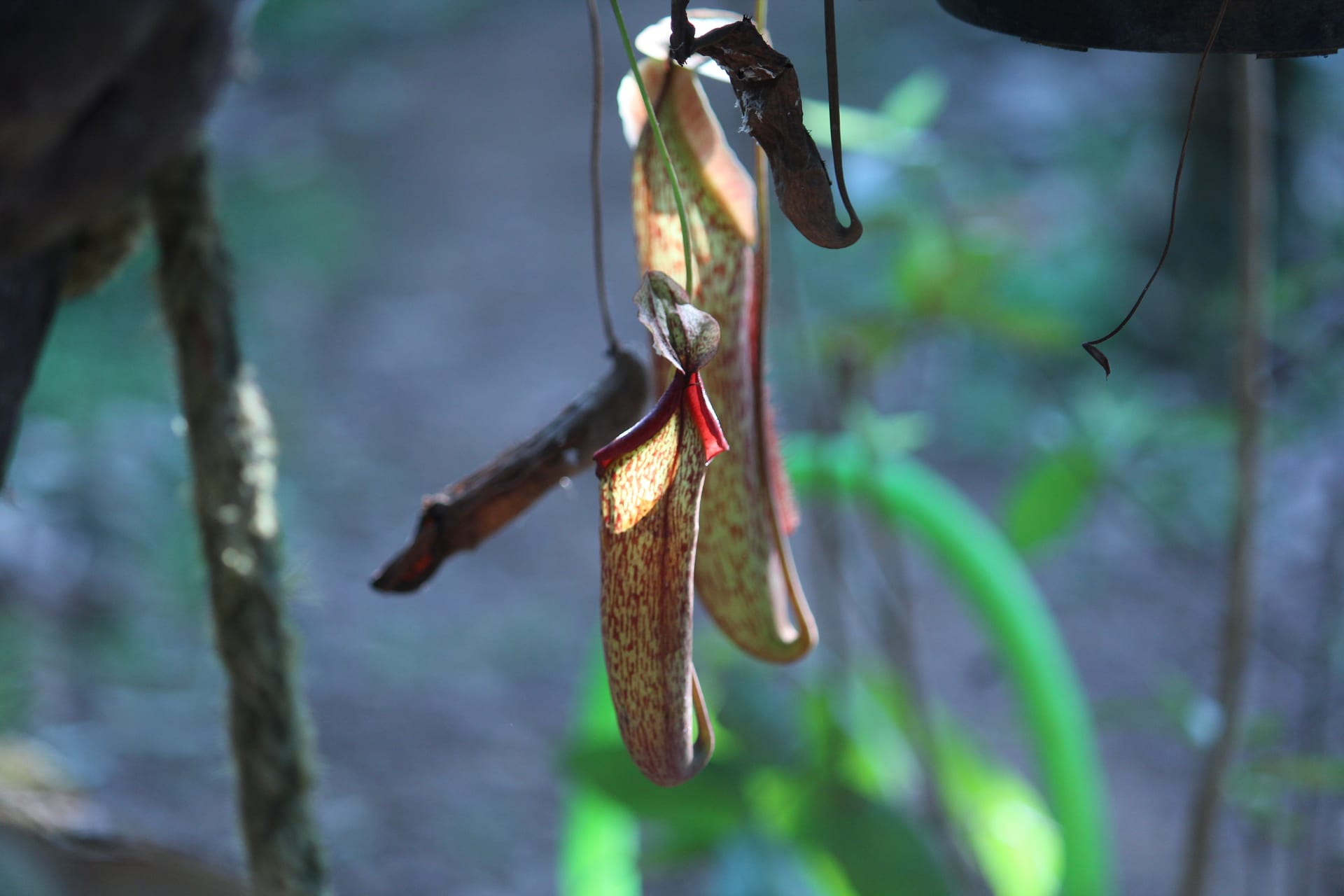 © vijayakumarblathur / CC BY-SA 4.0
Nepenthes Miranda
Nepenthes 'Miranda'
A hybrid pitcher plant with large pale-green pitchers speckled red-brown and a near-vertical mouth ringed by a dark red-brown peristome. Pitchers reach about 25-30 cm, and it is a staple at both mass-market and specialist sellers.
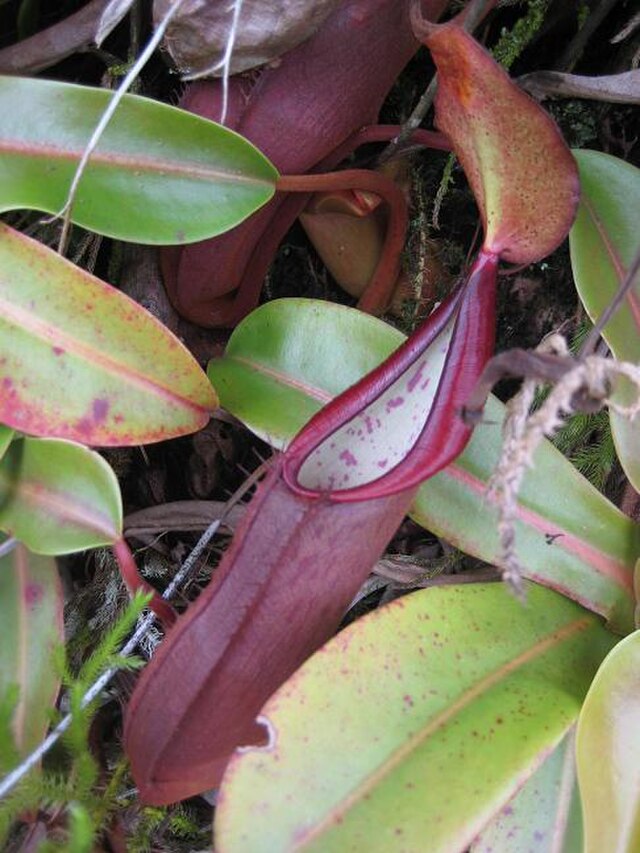 © David Tan / CC BY-SA 3.0
Nepenthes Sanguinea
Nepenthes sanguinea
A hardy Nepenthes from Malay Peninsula with many red-green color forms, easy for beginners.
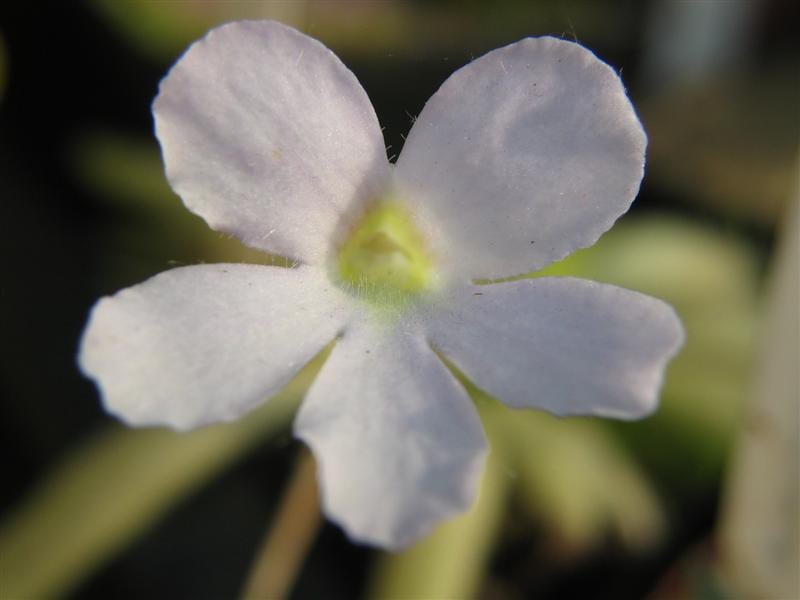 © fischermans / CC BY-SA 3.0
Pinguicula 'Aphrodite'
Pinguicula 'Aphrodite'
A Czech-raised butterwort from P. agnata × P. moctezumae. It has long, narrow, arching leaves and flowers up to 4 cm across that open dark violet and fade to pink as they age.
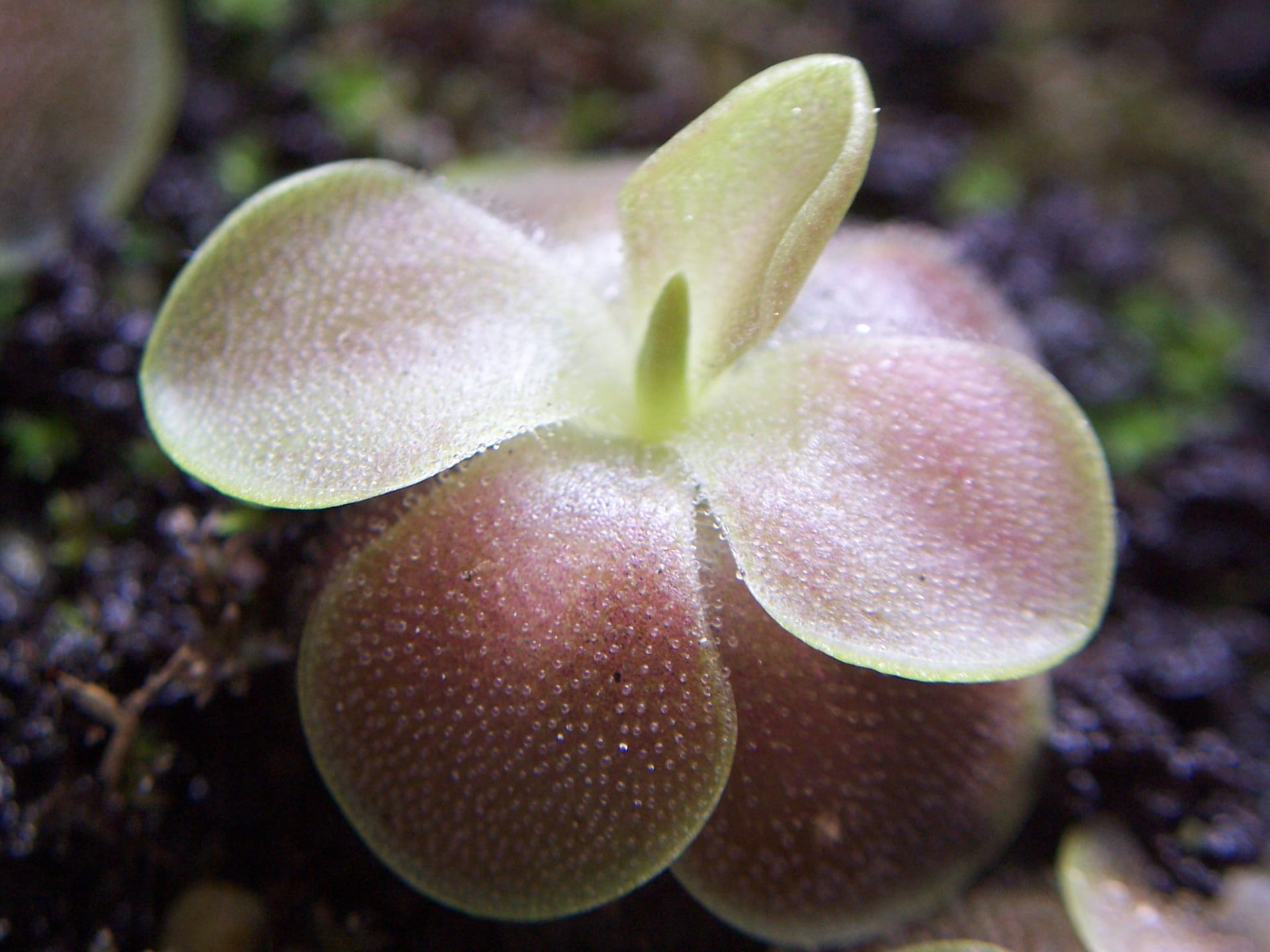 © User:Ch.Andrew / CC BY 3.0
Pinguicula 'Sethos'
Pinguicula 'Sethos'
A classic hybrid of the Mexican butterworts P. moranensis and P. ehlersiae. It flowers freely, and its large orchid-purple flowers have a white, many-rayed star at the throat.
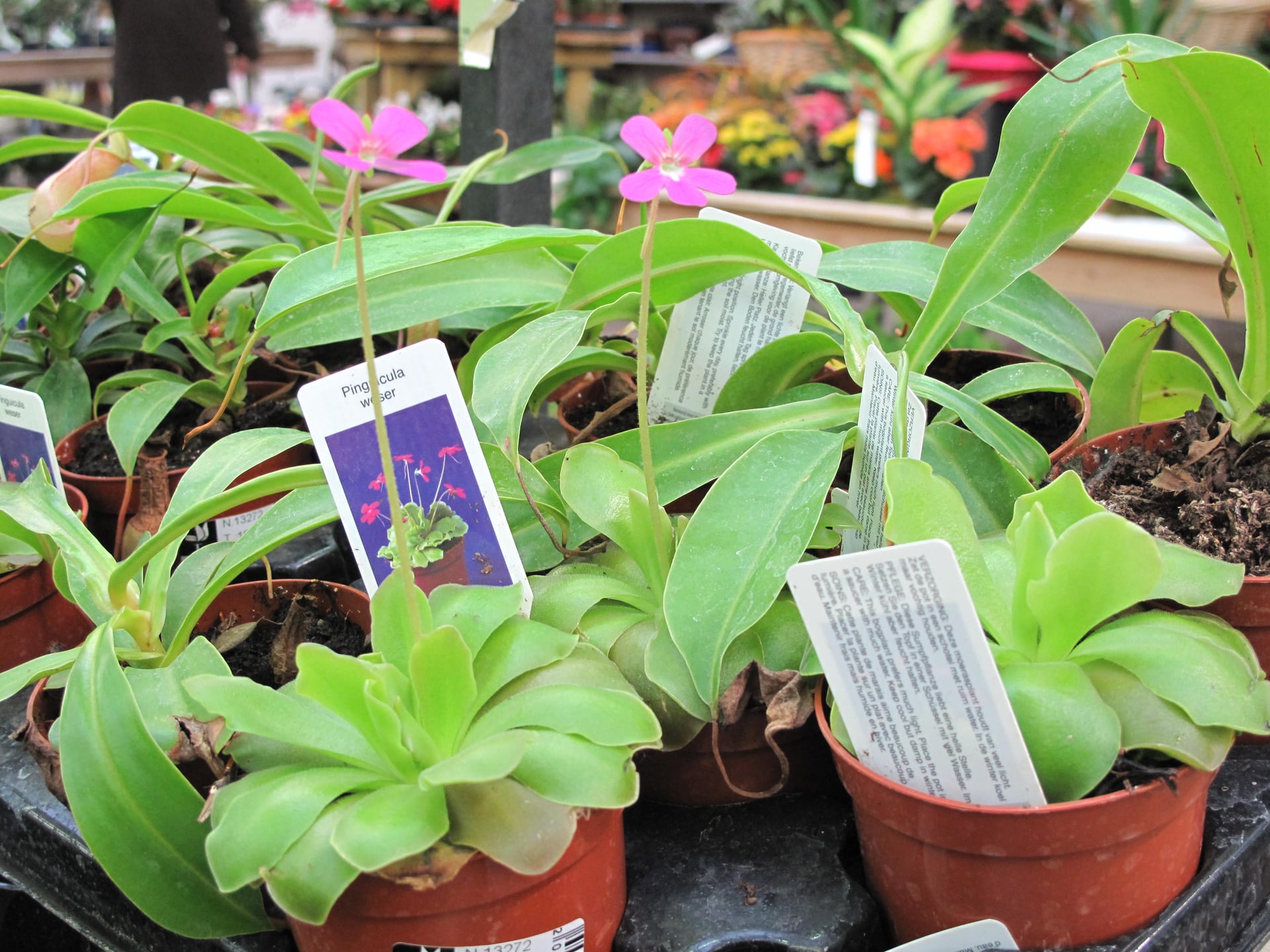 © Tangopaso / Public domain
Pinguicula 'Weser'
Pinguicula 'Weser'
A butterwort cultivar selected from the same P. moranensis × P. ehlersiae cross as 'Sethos'. The flowers resemble 'Sethos' but have a single white streak down the central lower lobe and dark veins.
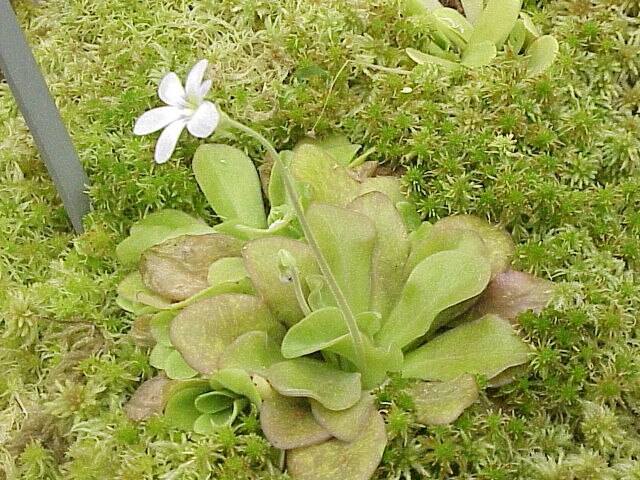 © Kurt Stüber [1] / CC BY-SA 3.0
Pinguicula Agnata
Pinguicula agnata
A hardy Mexican butterwort with blue-purple flowers and thick leaves, recommended for beginners.
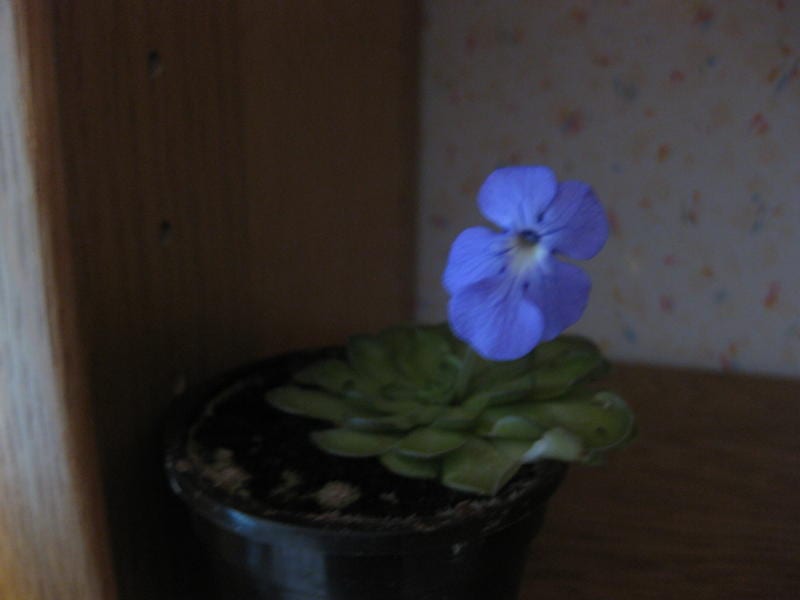 © Nephiliskos at de.wikipedia / CC BY-SA 3.0
Pinguicula cyclosecta
Pinguicula cyclosecta
A small butterwort from limestone country in north-eastern Mexico. The blue-violet edges of its fleshy leaves are unmistakable, and in strong light the whole leaf can colour. The purple flowers have evenly rounded petals.
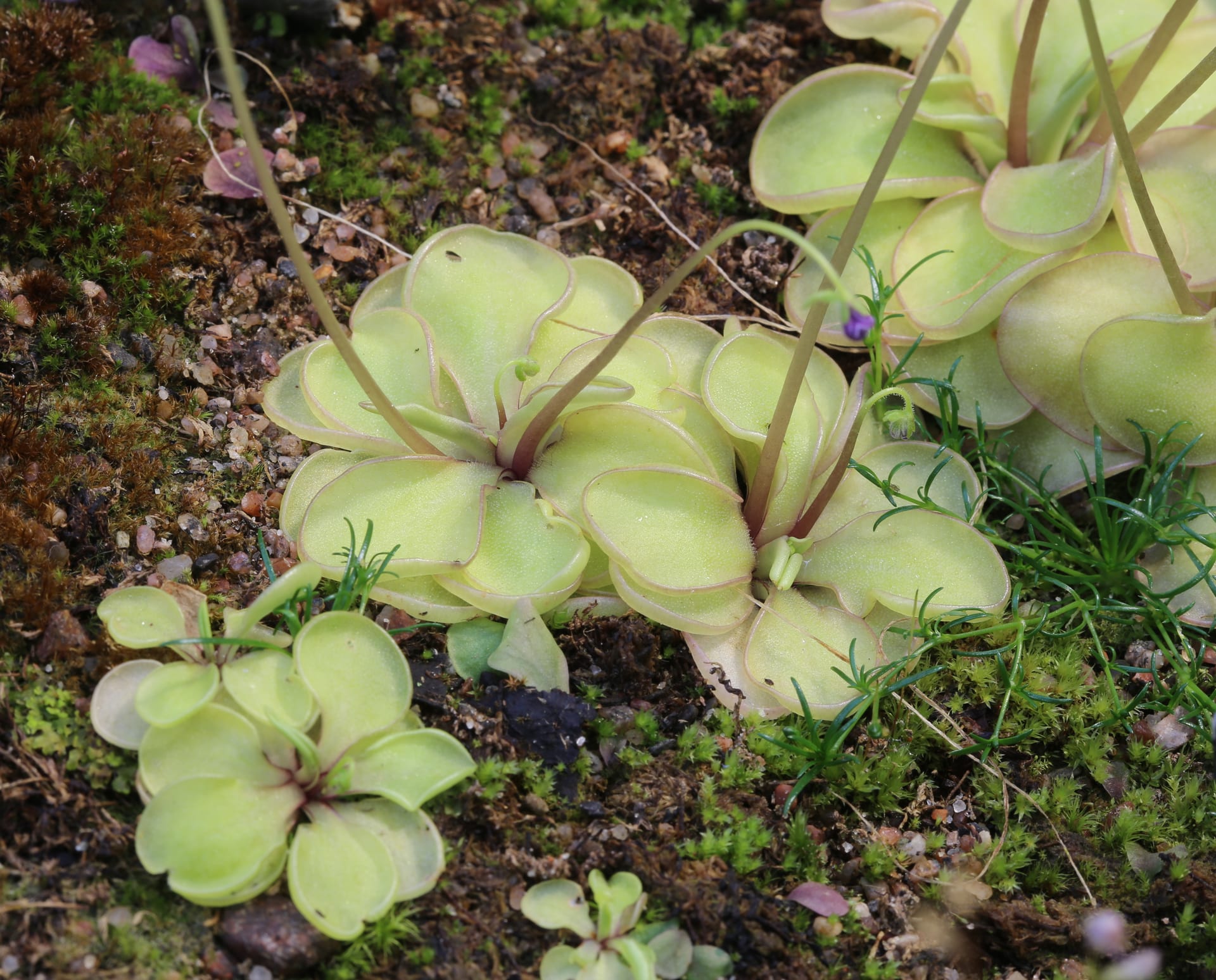 © Averater / CC BY-SA 3.0
Pinguicula emarginata
Pinguicula emarginata
A small butterwort from rock faces in Mexican cloud forest. It keeps the same leaves all year without forming a winter rosette, and its small white flowers are veined in violet; the name refers to the notched petals.
Related Content
Carnivorous Plant FAQ
- How much do carnivorous plants cost?
- Venus Flytraps cost 500-2,000 yen, Nepenthes 1,000-10,000 yen, and rare highland Nepenthes can exceed tens of thousands of yen depending on species and size.
- Can beginners grow carnivorous plants?
- Venus Flytraps, Sundews, and Sarracenia are relatively easy and beginner-friendly. Keep them in a tray of water for humidity and place in a sunny spot.
- How long do carnivorous plants live?
- Venus Flytraps can live 10+ years with proper care, and Sarracenia are similarly long-lived. Nepenthes can grow for decades in the right conditions, getting progressively larger.
- What should I check when buying carnivorous plants?
- Check that leaves and traps are healthy with no root rot. For Nepenthes, choose specimens with pitchers. Avoid sudden environment changes after purchase and acclimate gradually.
- Do I need to feed insects to carnivorous plants?
- They grow fine through photosynthesis alone without feeding. Insects are supplemental nutrition and don't need to be force-fed. Outdoor plants catch bugs naturally, which is fun to observe.