Caudex Plant Encyclopedia
Encyclopedia of popular caudex plants with care guides, traits, and root management tips.
Featured Caudex Plant
Showing 34 of 141 species(1–24)
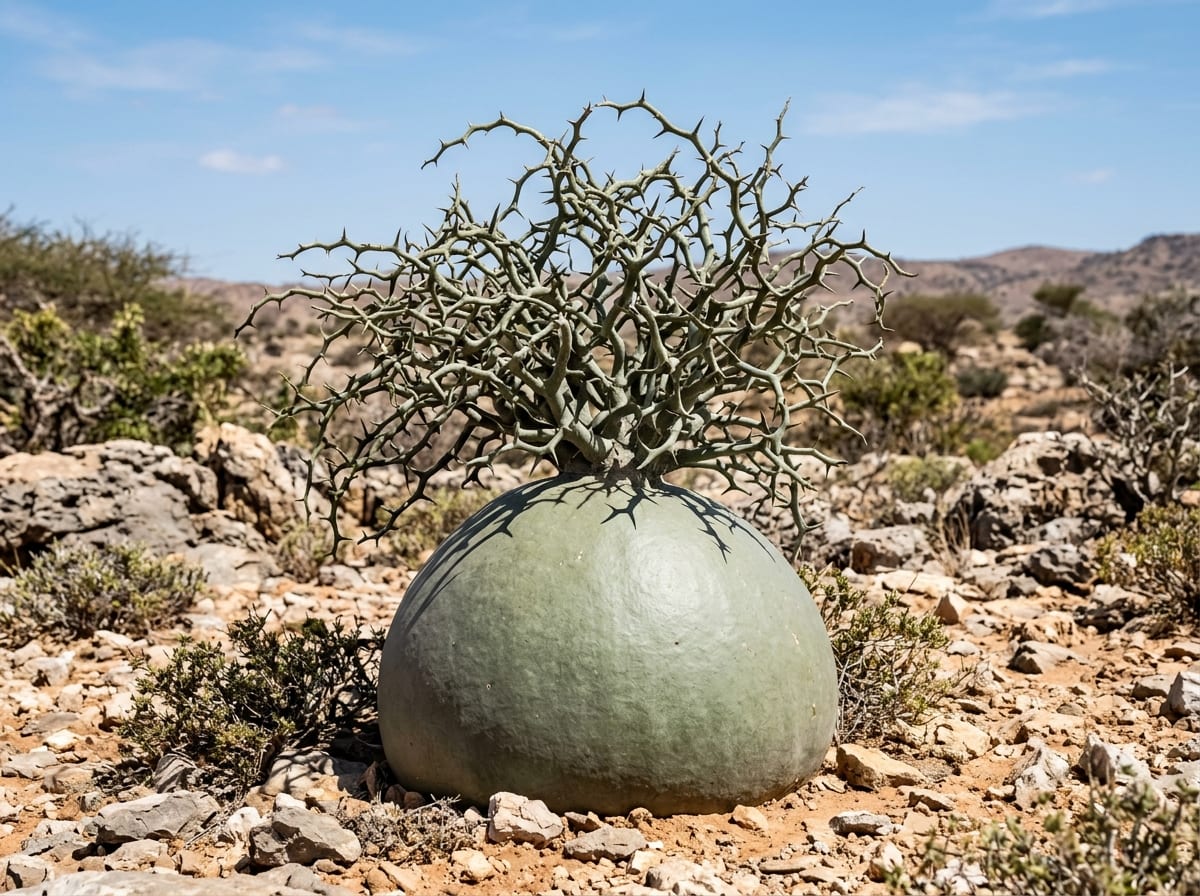
Adenia ballyi
Adenia ballyi
A Somali Adenia whose large grey-green, dome-shaped caudex is topped by a tangle of strongly curved, spiny branches. Its tendrils have become thorns, and wild caudices can reach 1 m across like boulders.
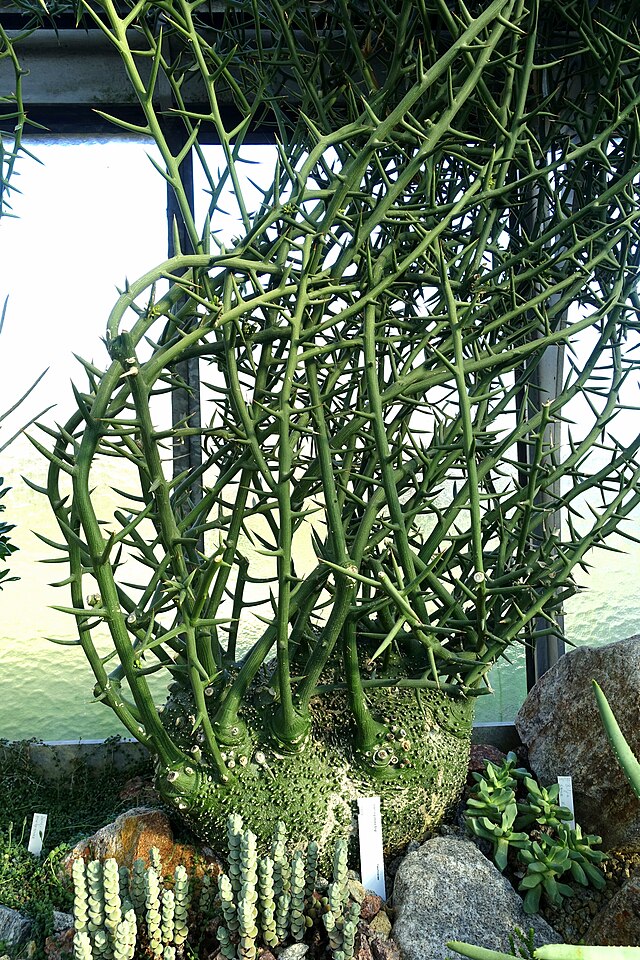 © Daderot / CC0
Adenia Globosa
Adenia globosa
An Adenia with a massive spherical caudex and thorny branches, very wild appearance.
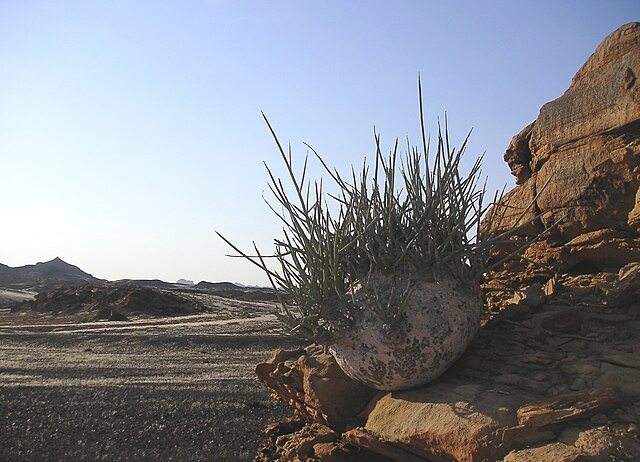 © Ewald Schmidt (= Harbuse ) / Public domain
Adenia Pechuelii
Adenia pechuelii
A rare Namibian Adenia with massive gray-green caudex exposed above ground.
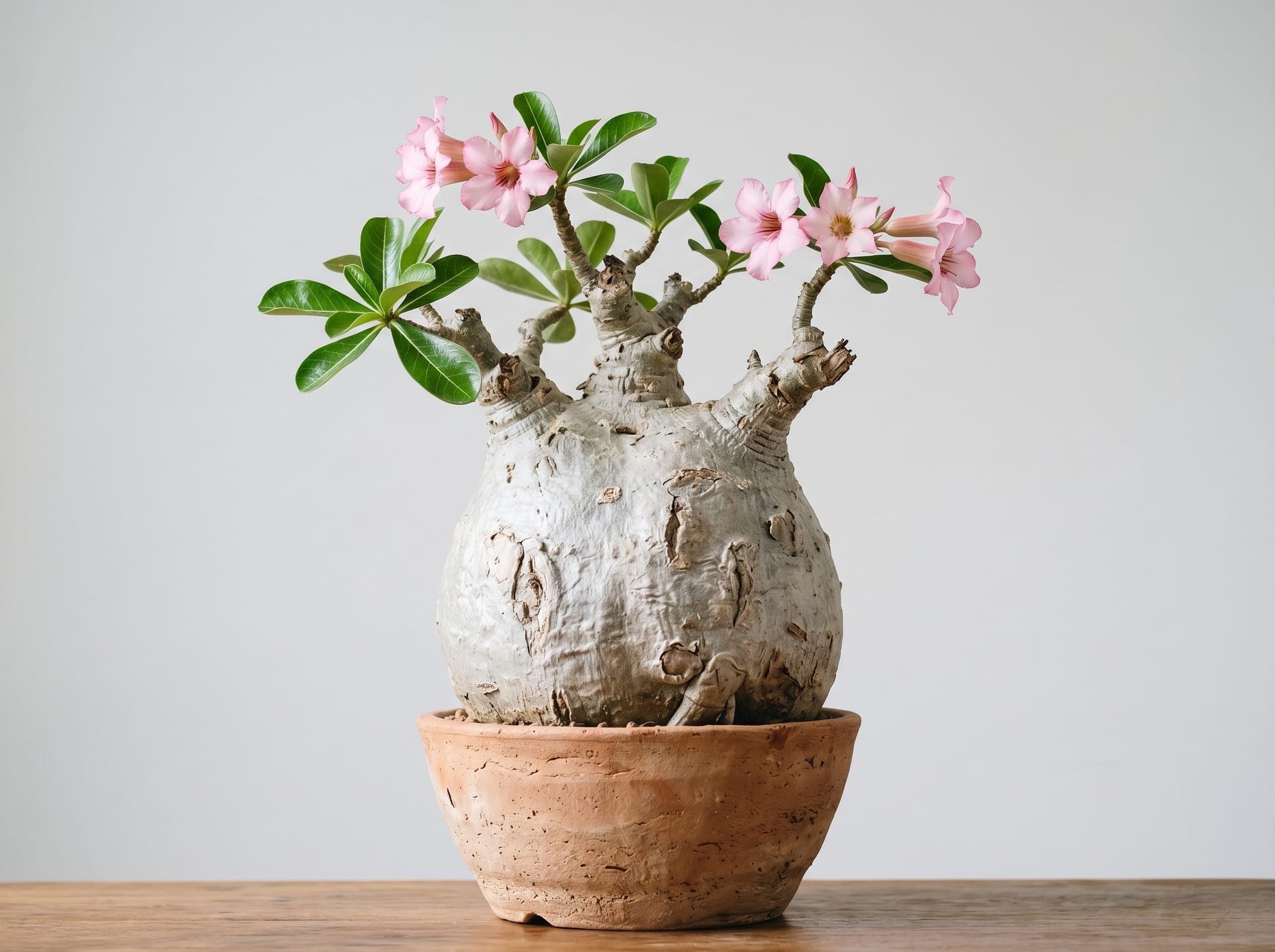
Adenium Socotranum
Adenium obesum subsp. socotranum
From Socotra Island, growing into massive bottle trees several meters wide in habitat.
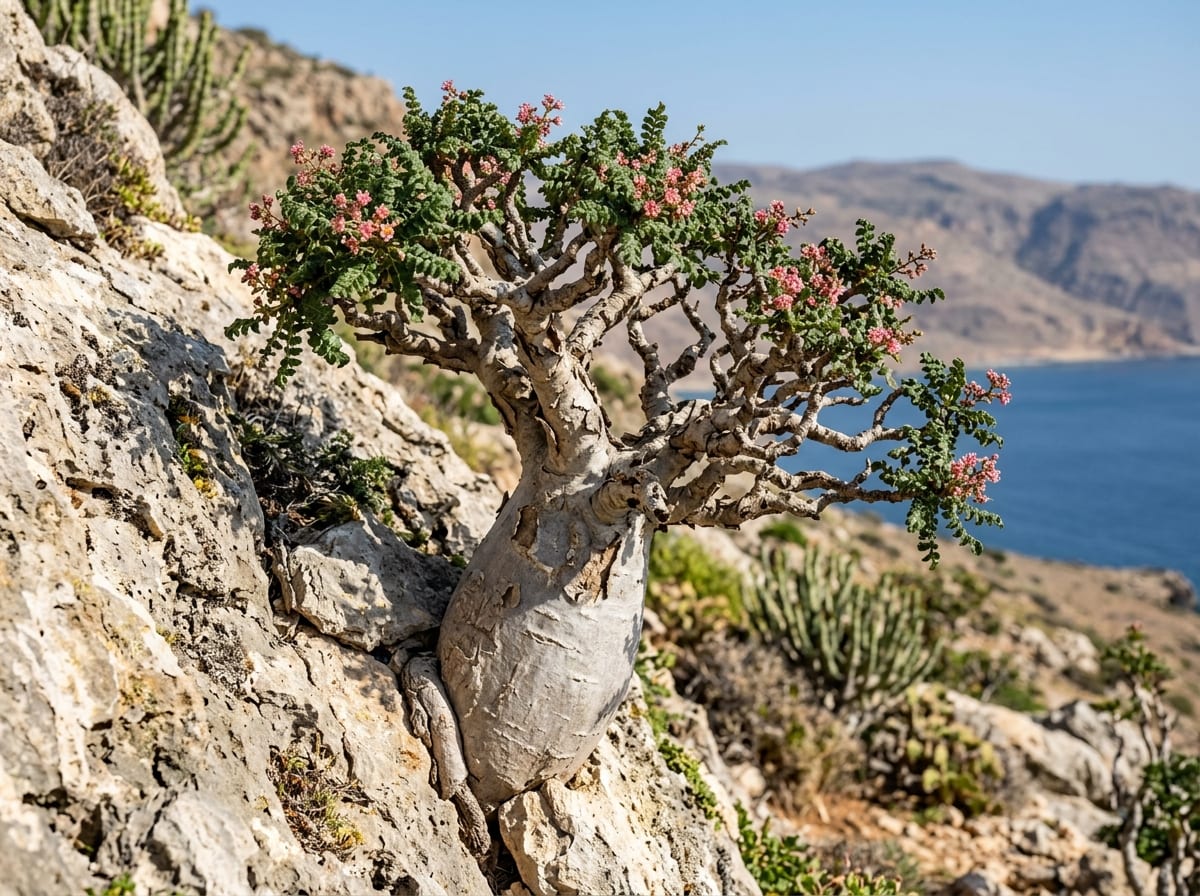
Boswellia nana
Boswellia nana
A dwarf frankincense relative that clings to limestone cliffs on Socotra. A bottle-shaped base bears short branches, and its pink to rosy-red flowers set it apart from other Boswellia.
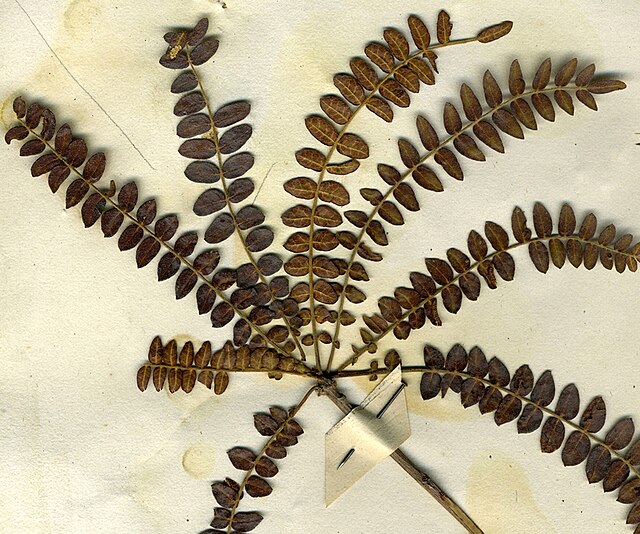 © Mauro Raffaelli / CC BY-SA 3.0
Boswellia Neglecta
Boswellia neglecta
A frankincense relative caudex plant with white bark and unique branching, increasingly popular.
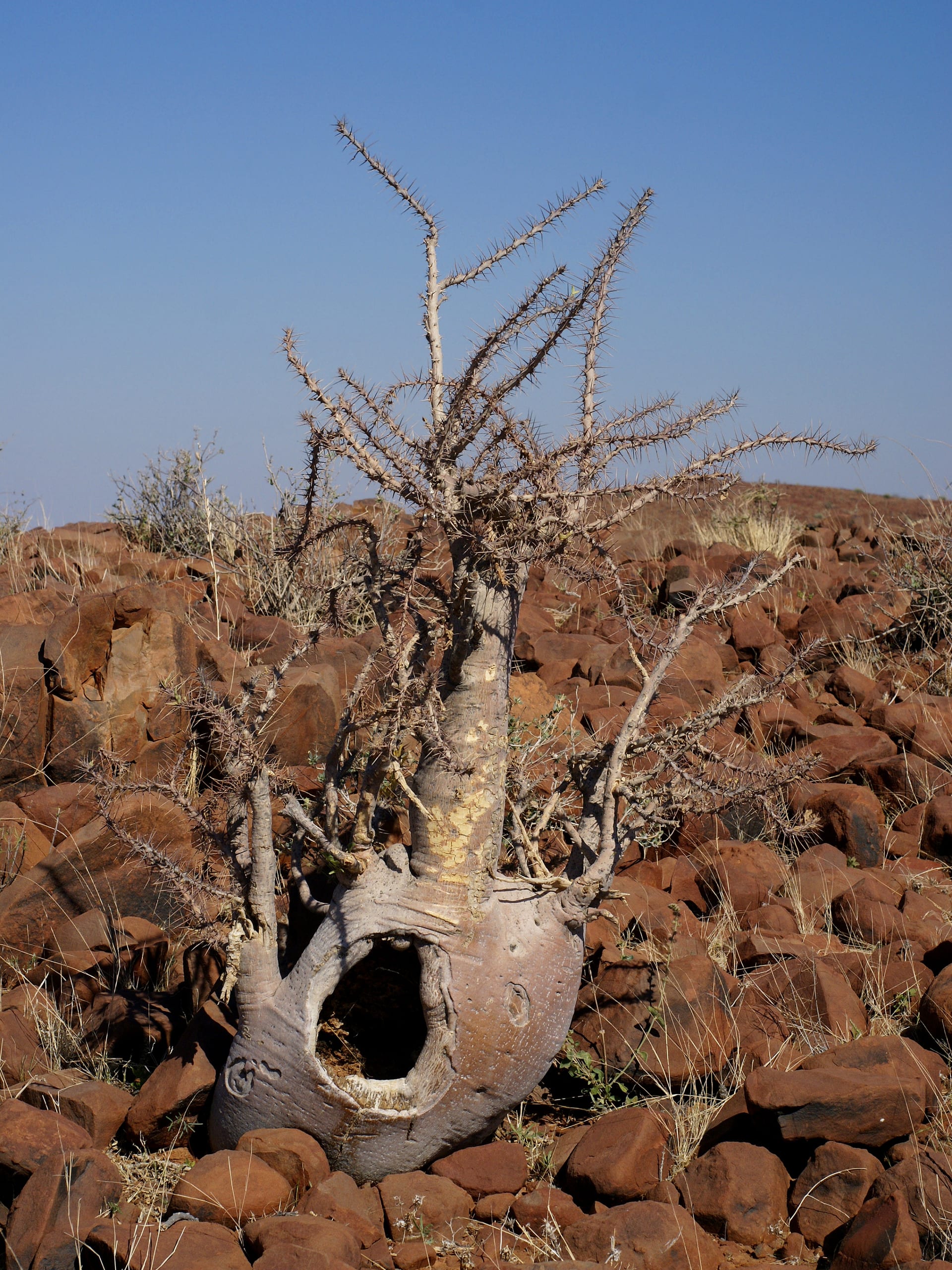 © Hans Hillewaert / CC BY-SA 4.0
Bottle Tree
Pachypodium lealii
A Pachypodium from Namibia and Angola that grows into a 3-6 m tree with a bottle-shaped, swollen-based trunk. In the dry season it bears fragrant white flowers, flushed purple outside, on leafless branch tips.
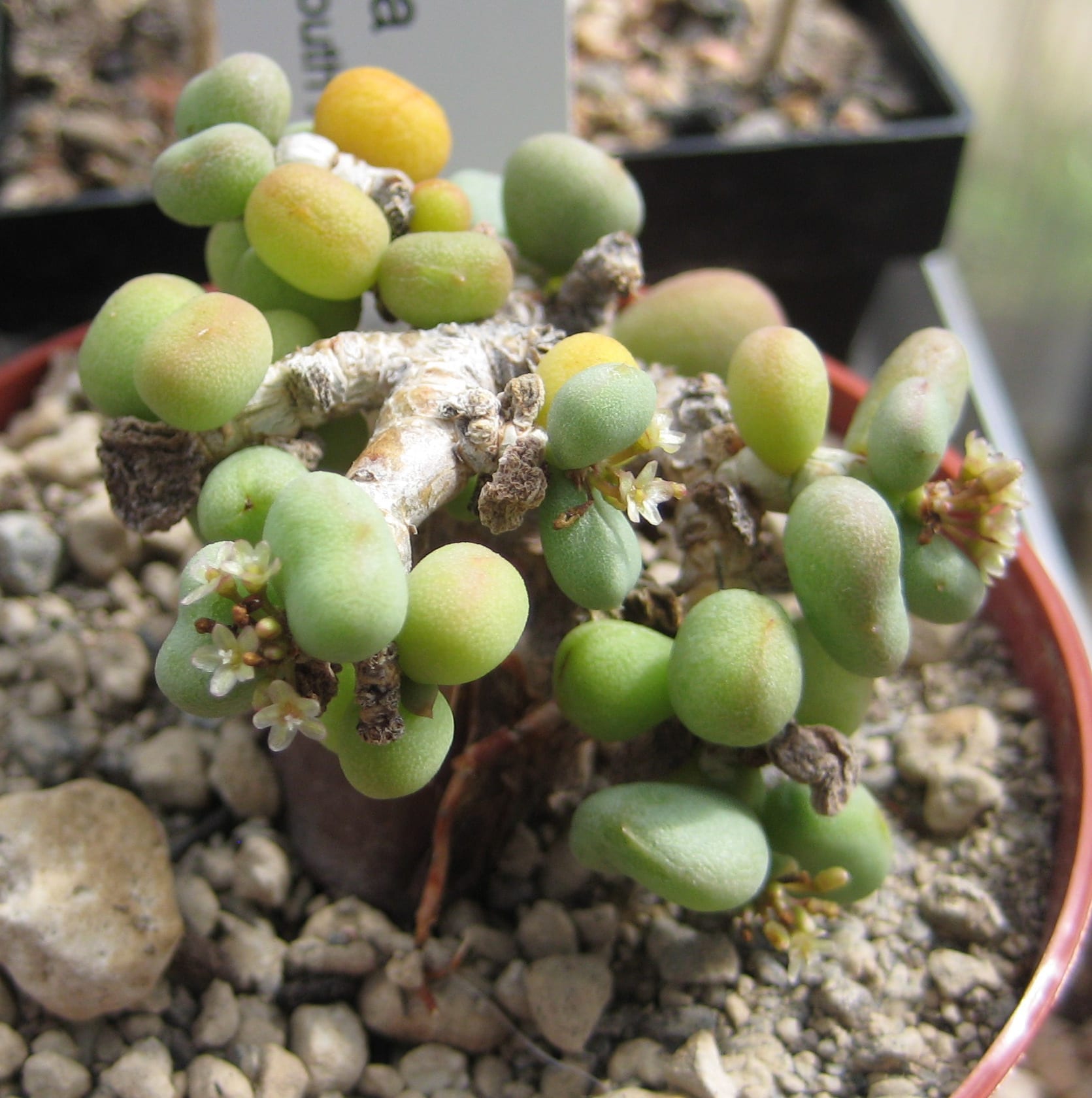 © Michael Wolf / CC BY-SA 3.0
Ceraria pygmaea
Portulacaria pygmaea
A dwarf from the South Africa–Namibia border that forms a low mound of short branches over a knotty, half-buried caudex. The thick blue-green, jelly-bean-like leaves drop off almost at a touch.
Commiphora
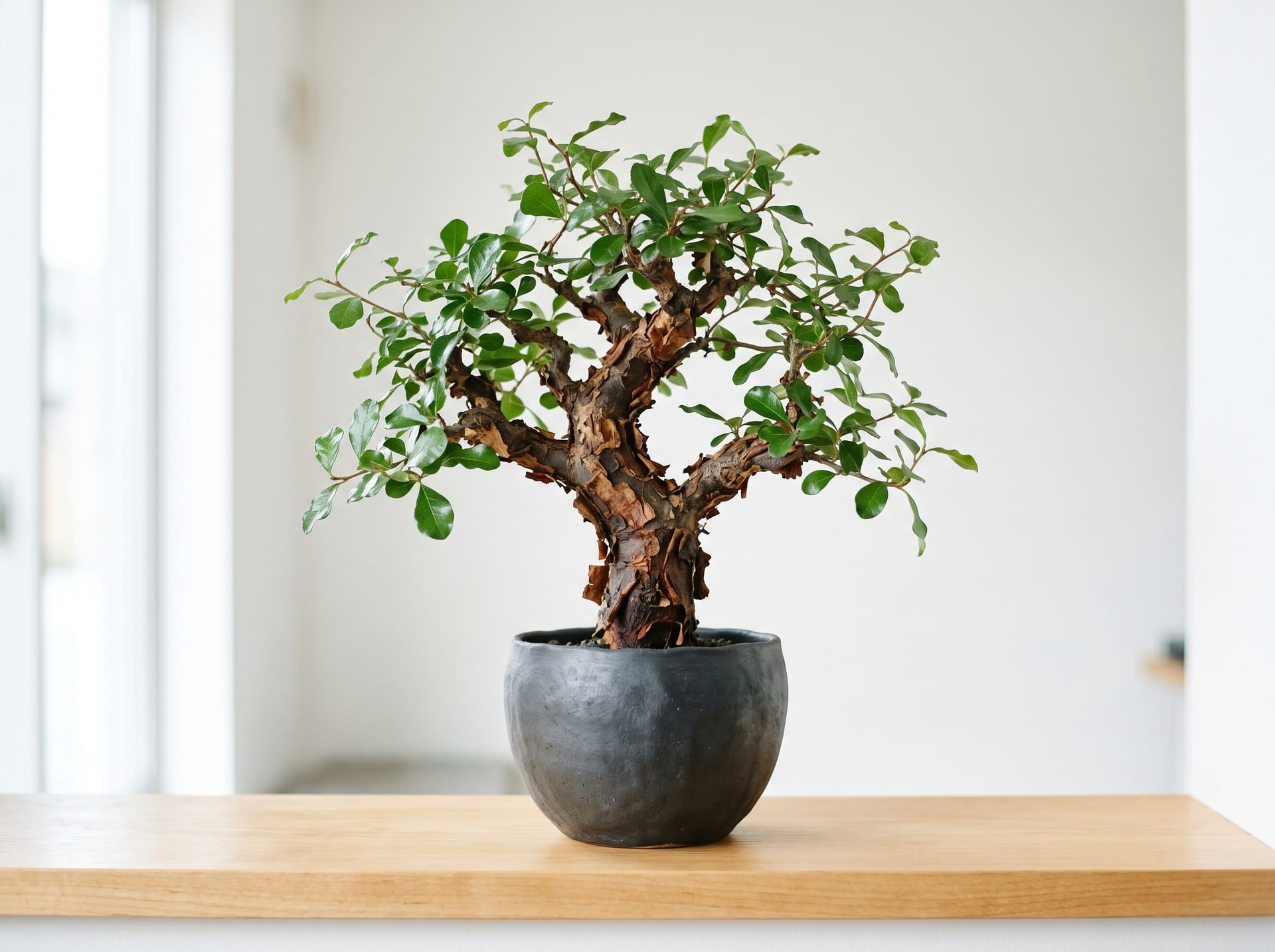
Commiphora
A myrrh-related caudex plant with peeling bark and distinctive trunk from Africa.
Cyphostemma uter var. macropus
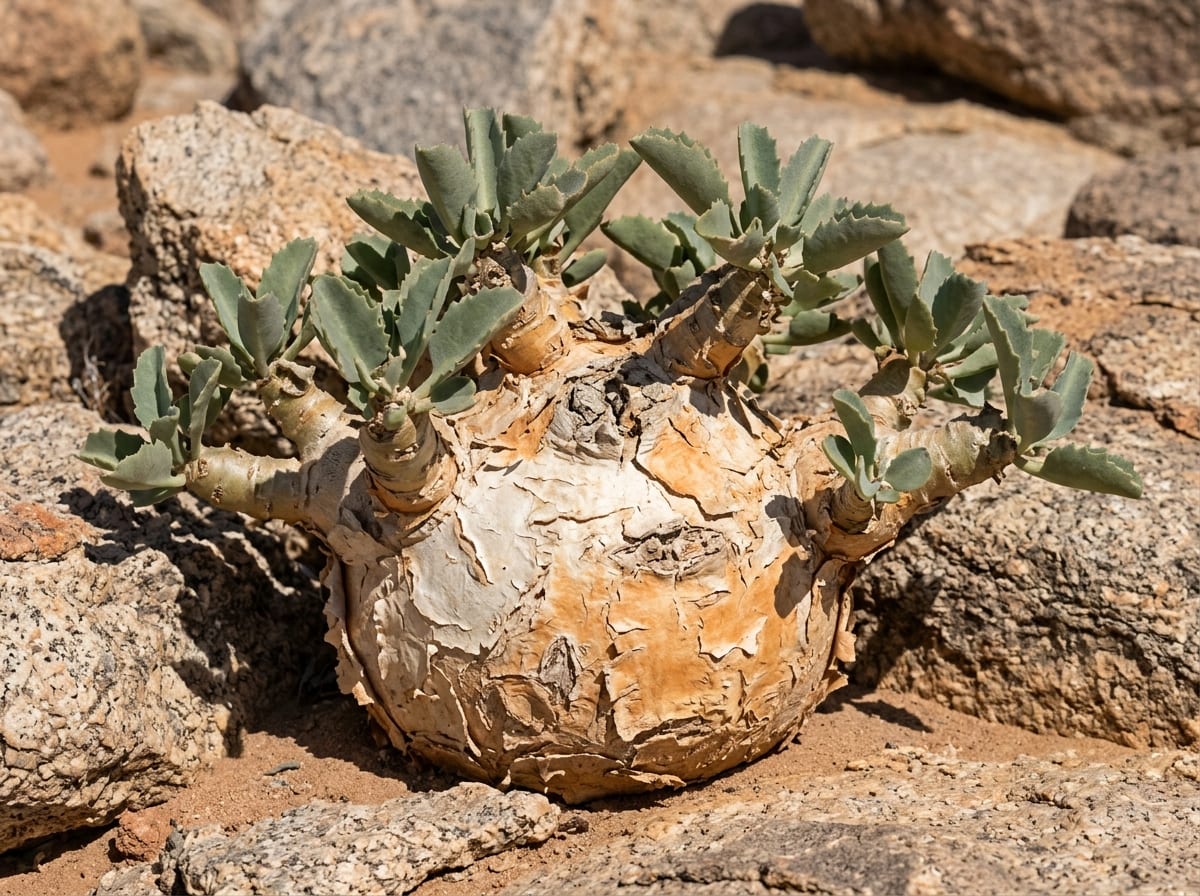
Cyphostemma uter var. macropus
A caudiciform member of the grape family whose round caudex, with whitish to orange bark peeling like paper, spreads short, thick succulent branches close to the ground. Plants sold under this name are more compact than typical C. uter.
 © Stan Shebs / CC BY-SA 3.0
Dorstenia Gigas
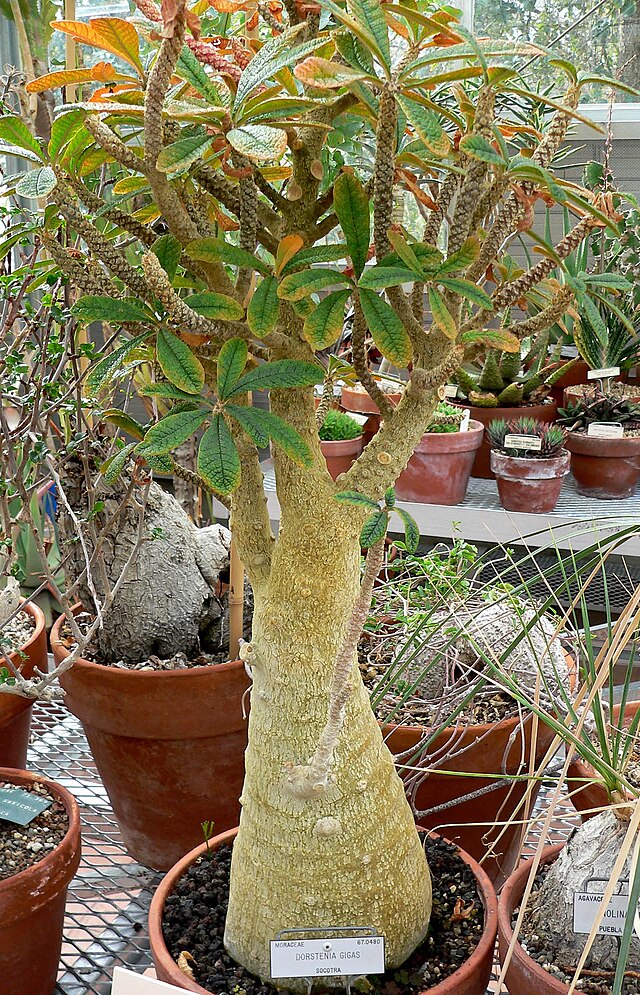
Dorstenia gigas
From Socotra Island, growing into a massive bottle tree form, an ultimate rare species.
 © Frank Vincentz / CC BY-SA 3.0
Euphorbia Bongolavensis
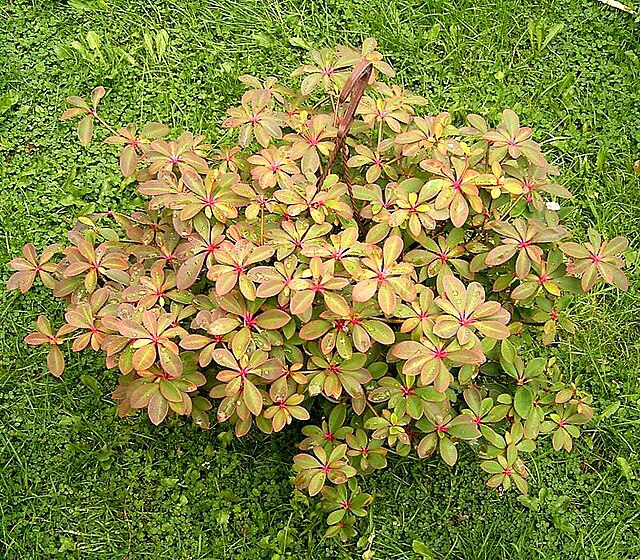
Euphorbia bongolavensis
An endemic Madagascar species from Bongolava with flat caudex and thin branches.
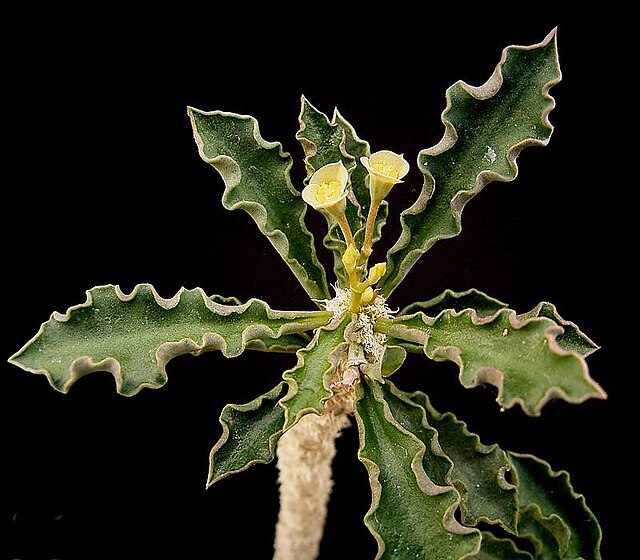 © Frank Vincentz / CC BY-SA 3.0
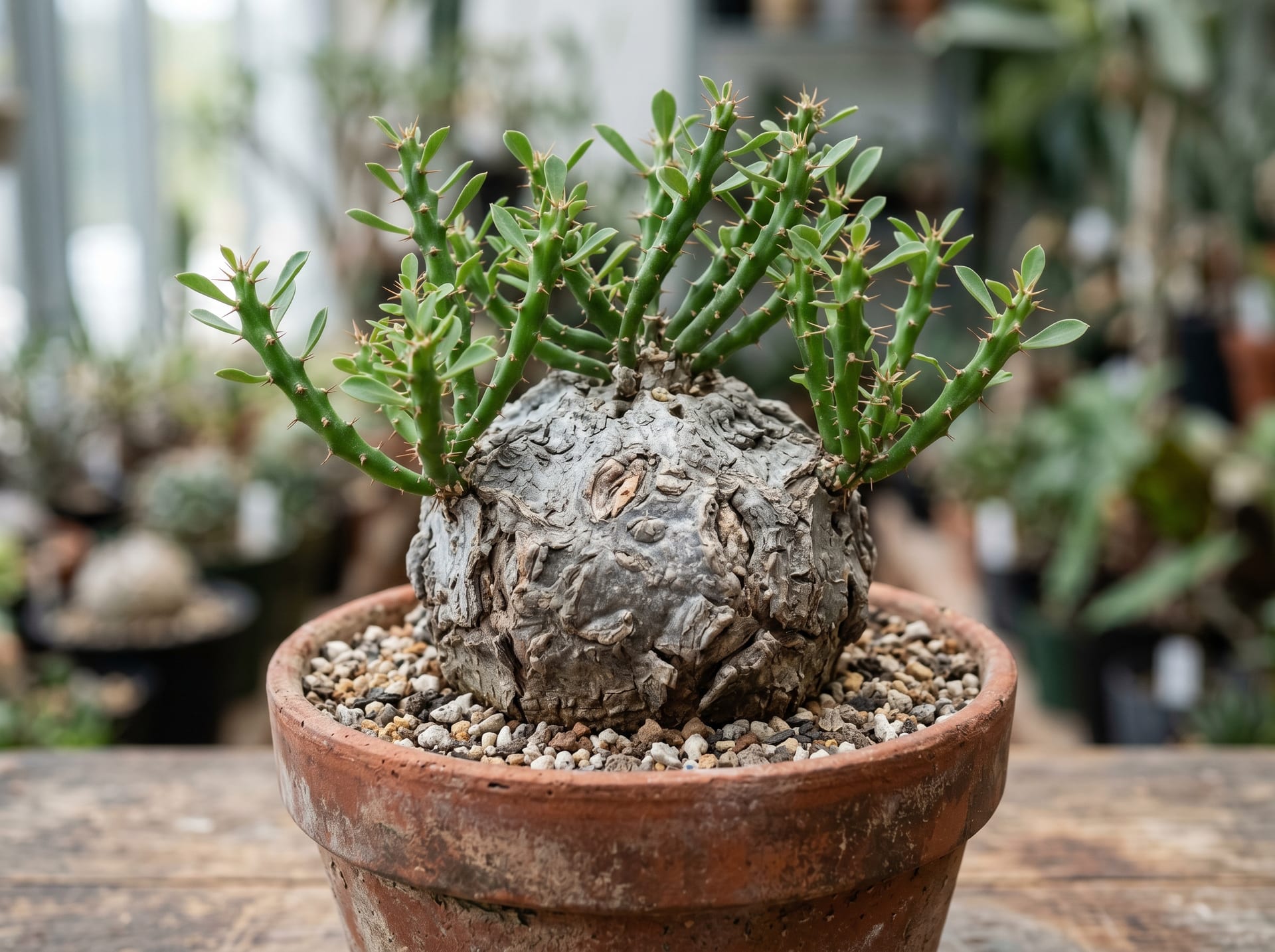
Euphorbia Cap-Saintemariensis
Euphorbia cap-saintemariensis
A rare Euphorbia from southern Madagascar with wavy leaves and flat caudex.
Euphorbia Guillauminiana
Euphorbia guillauminiana
A Madagascar Euphorbia with zebra-patterned trunk, rare and highly popular.
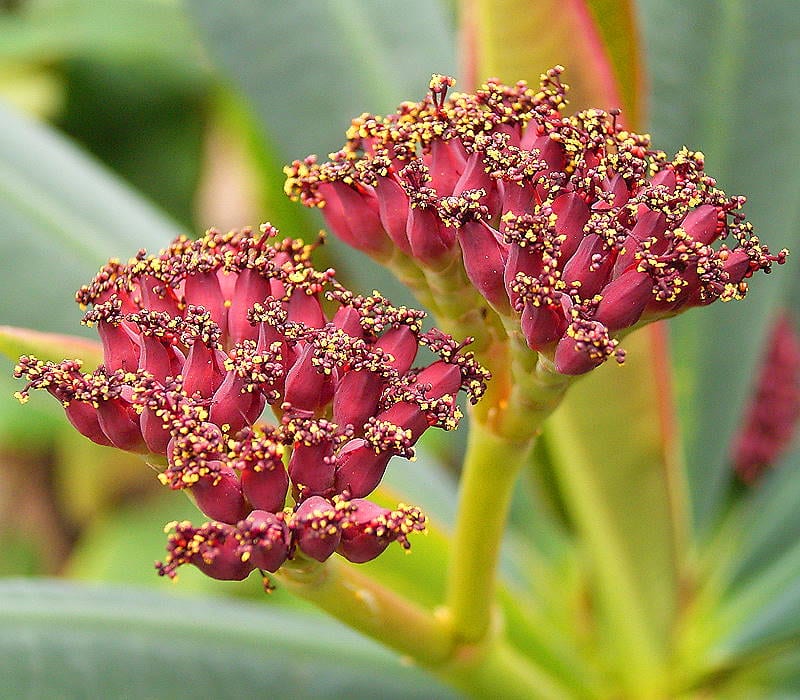 © Frank Vincentz / CC BY-SA 3.0
Euphorbia pachypodioides
Euphorbia pachypodioides
A Euphorbia with a Pachypodium-like columnar stem topped by large leaves, glaucous blue-green above and red-violet beneath. Flowers wrapped in dark purple bracts open before the leaves.
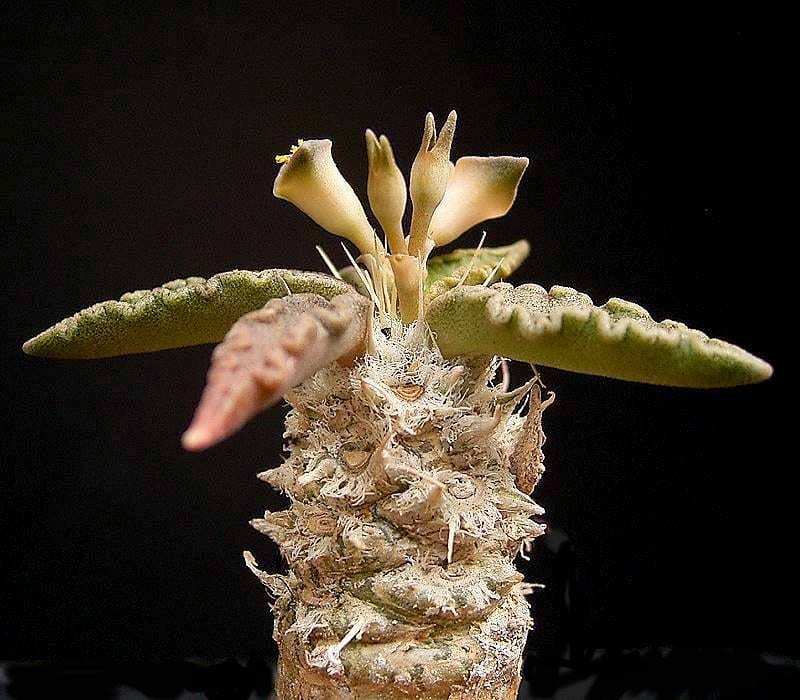 © Frank Vincentz / CC BY-SA 3.0
Euphorbia tulearensis
Euphorbia tulearensis
A small spurge from south-western Madagascar with a rounded corky caudex, short fat branches and rosettes of crinkled leaves like those of E. decaryi. It forms a bonsai-like plant about 20 cm tall.
 © Tomas Castelazo / CC BY 3.0
Fouquieria Columnaris
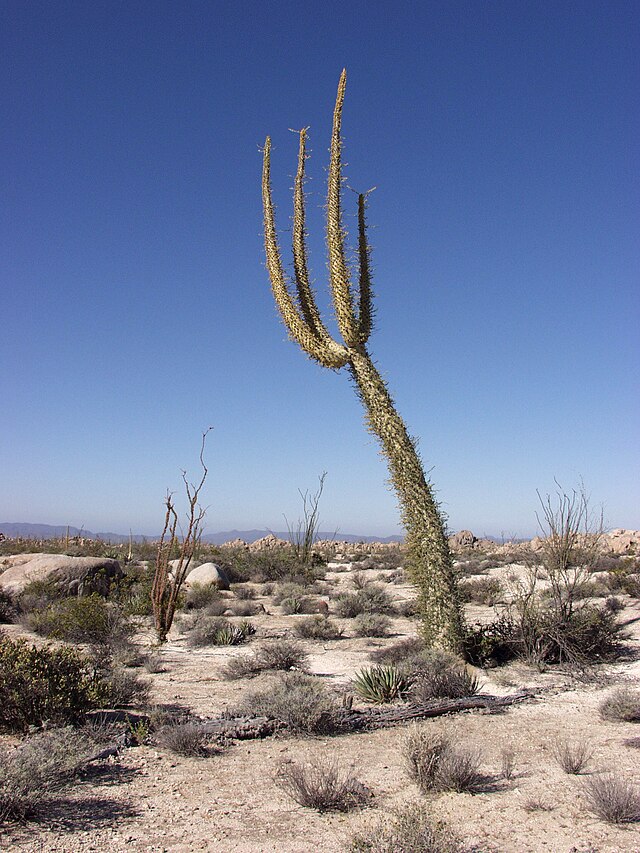
Fouquieria columnaris
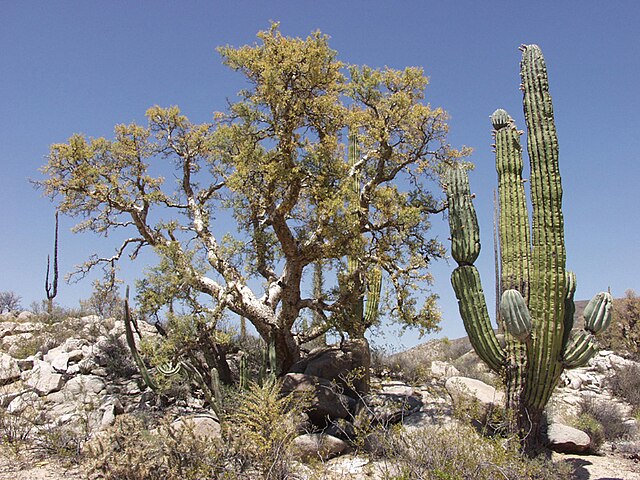
The Boojum Tree, iconic caudex tree of Baja California with tall conical trunk.
 © Amante Darmanin from Malta / CC BY 2.0
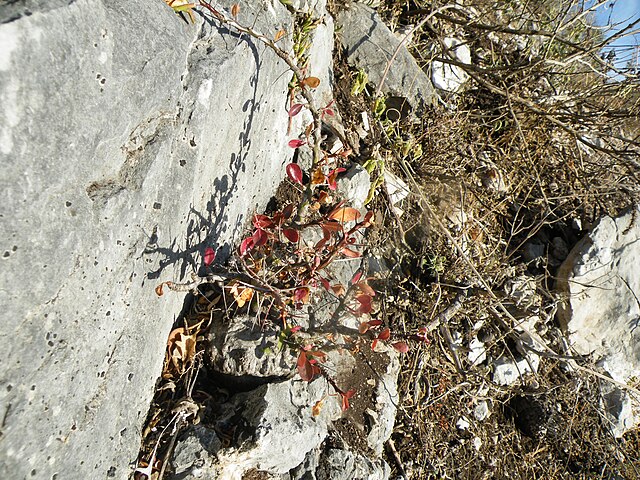
Fouquieria Fasciculata
Fouquieria fasciculata
A rare Fouquieria from Mexico with thick trunk and red flowers.
 © Tangopaso / Public domain
Fouquieria purpusii
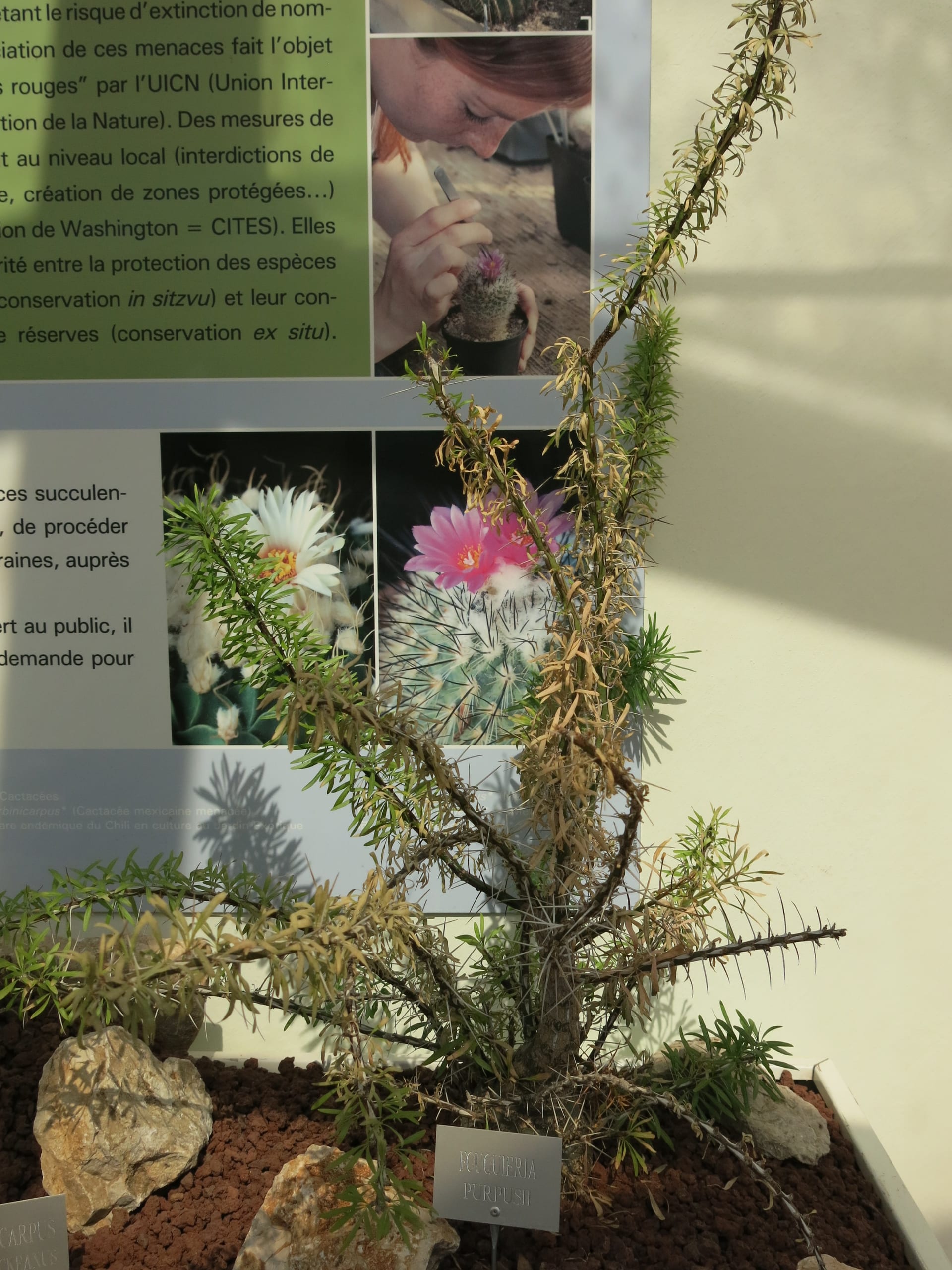
Fouquieria purpusii
A "tree ocotillo" from Mexico's Tehuacán Valley with a succulent trunk that tapers gradually upward in a cone. It is one of the few white-flowered Fouquieria and is listed in CITES Appendix I.
Othonna cacalioides
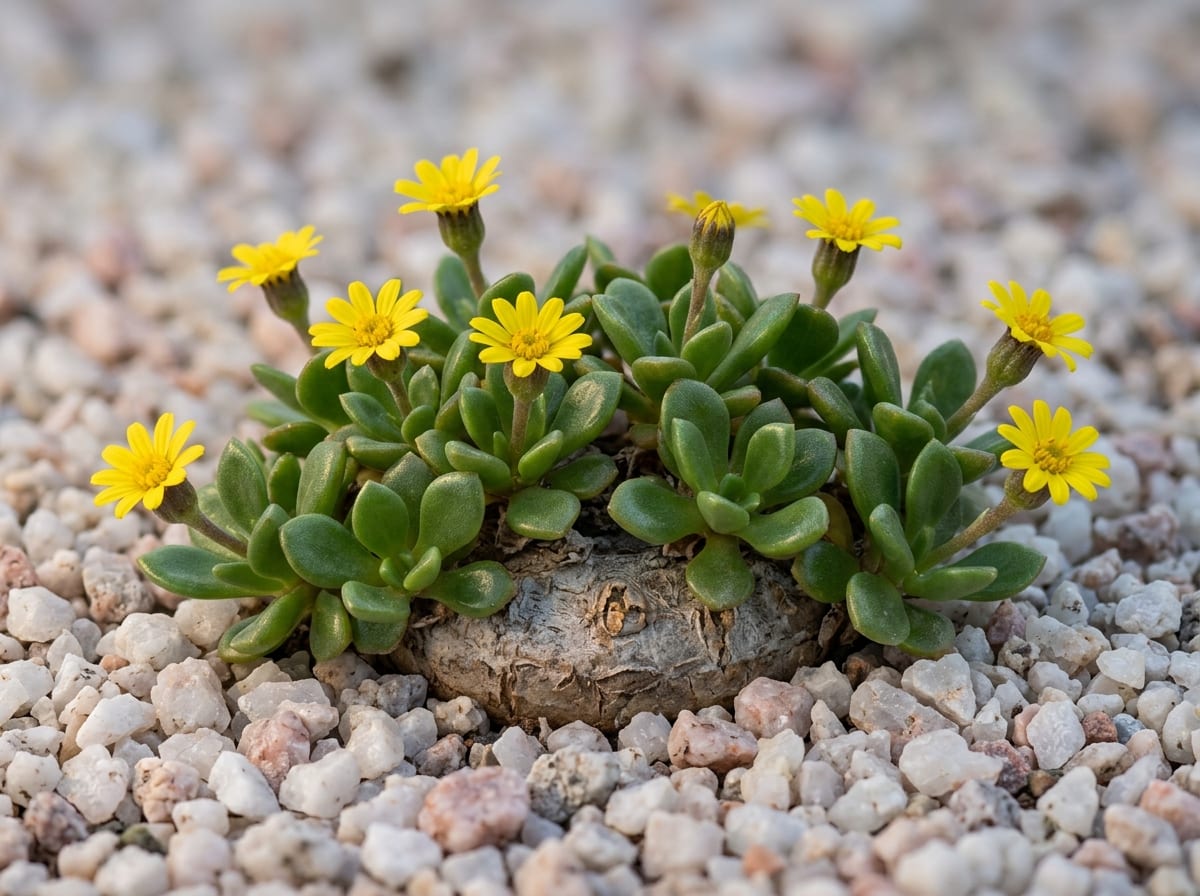
Othonna cacalioides
One of the smallest succulents in the daisy family, with a flattened, potato-like caudex below ground and up to twenty or more stubby heads just at soil level. A winter grower with small glossy leaves and little yellow daisies.
Othonna lepidocaulis
Othonna lepidocaulis
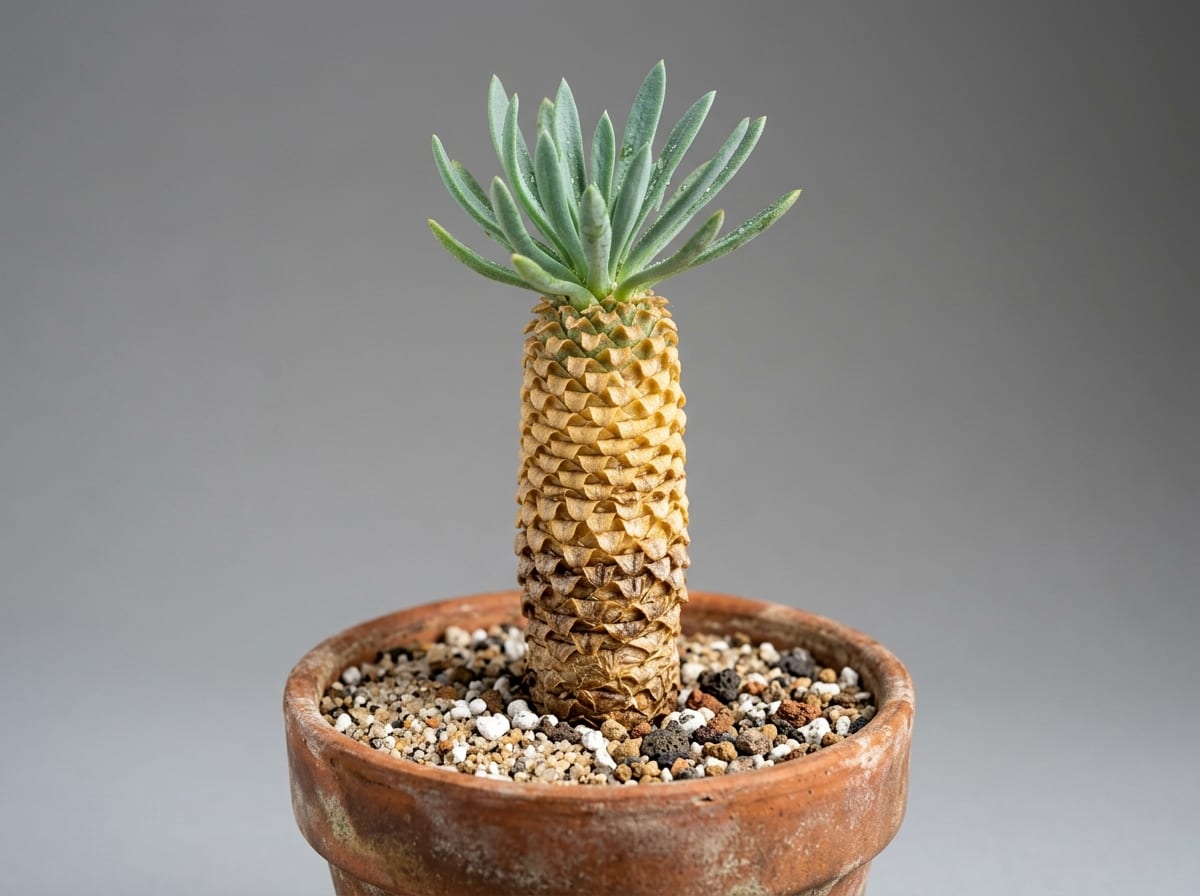
A winter-growing Othonna whose golden trunk is covered in tightly packed, fish-scale-like leaf bases, like a miniature corn cob. It is among the rarest Othonna in South Africa.
 © Tomás Castelazo / CC BY-SA 2.5
Pachycormus Discolor
Pachycormus discolor
Called Elephant Tree from Baja California, with white trunk and pink flowers.
 © Dorian HUVELIN / CC BY-SA 4.0
Pachypodium Ambongense
Pachypodium ambongense
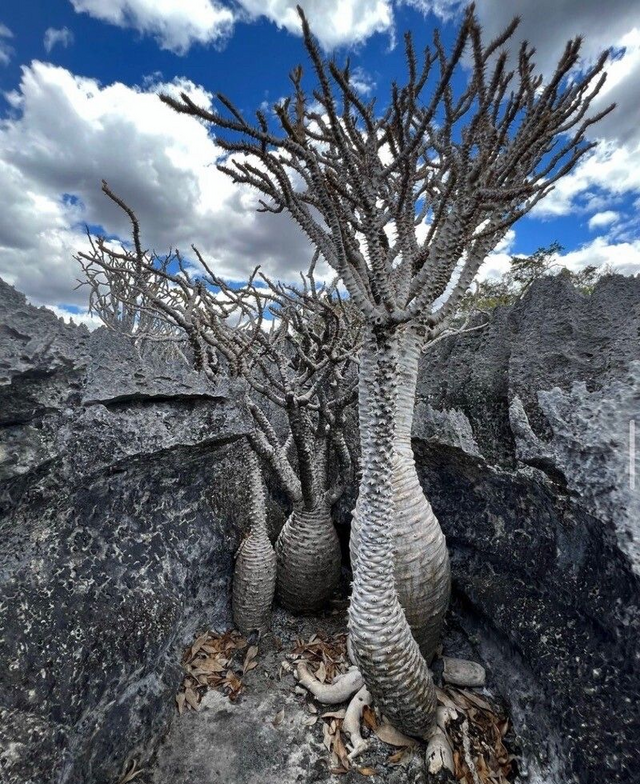
A rare Pachypodium from NW Madagascar with white flowers and thick trunk, difficult to grow.
 © User:Qwertzy2 / CC BY-SA 3.0
Pachypodium Baronii
Pachypodium baronii
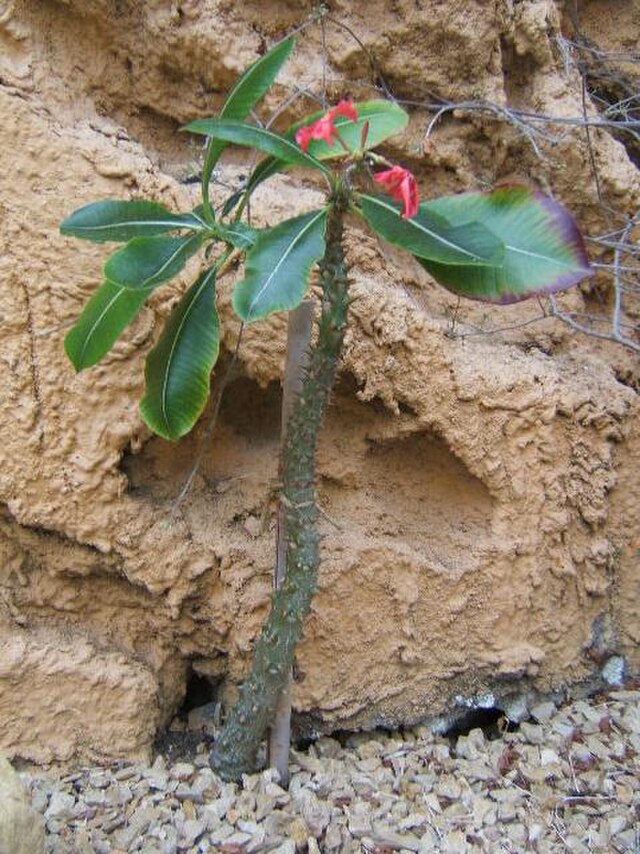
A rare Pachypodium with red flowers, the only red-flowered species in the genus.
Related Content
Caudex Plant FAQ
- How much do caudex plants cost?
- Pachypodium gracilius seedlings cost 2,000-10,000 yen, wild-collected specimens 30,000-200,000+ yen, and Operculicarya pachypus can reach hundreds of thousands of yen.
- Can beginners grow caudex plants?
- Adenium (Desert Rose) and Pachypodium seedlings are relatively easy and beginner-friendly. Just be careful with watering during winter dormancy, and you can enjoy them for years.
- How long do caudex plants live?
- Some specimens live for hundreds of years in the wild. In cultivation, they can thrive for decades with proper care. Watching the caudex thicken year by year is the greatest appeal.
- What should I check when buying caudex plants?
- Whether it's rooted is the most important point. Wild-collected imports are often unrooted and require root establishment. Beginners should start with rooted domestically grown seedlings.
- How do caudex plants overwinter?
- Many caudex plants go dormant in winter. Reduce watering from October, and withhold water completely from December to February. Keep indoors in a sunny spot at minimum 10°C.