Houseplant Encyclopedia
Encyclopedia of popular houseplants with care guides, traits, and placement tips.
Showing 76 of 134 species(1–24)
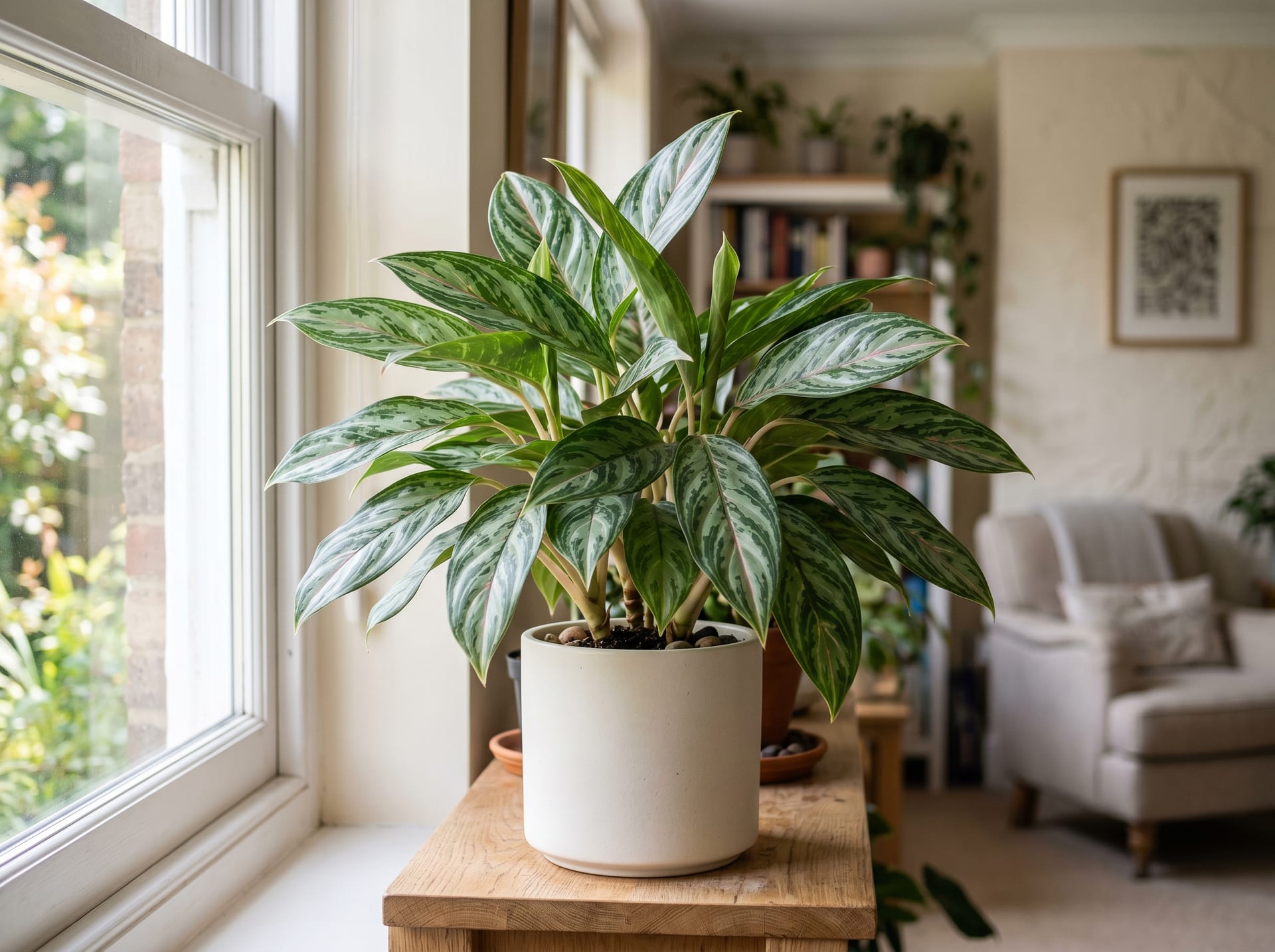
Aglaonema
Aglaonema spp.
A tropical Asian houseplant with colorful varieties in red, pink and green. Highly shade-tolerant and easy to grow in low indoor light. Known for air-purifying properties.
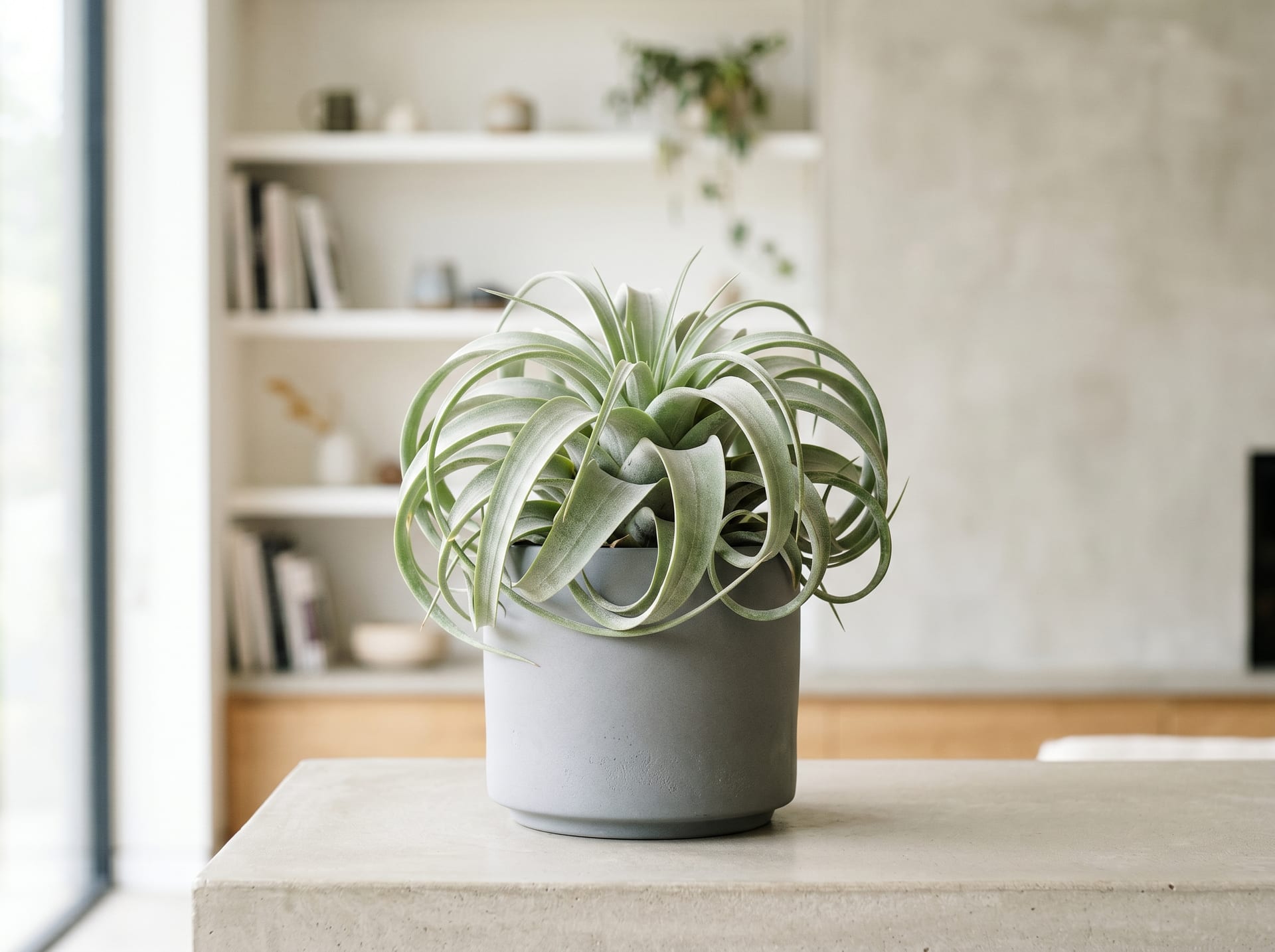
Air Plant (Tillandsia)
Tillandsia spp.
Epiphytic tropical plants requiring no soil, absorbing moisture and nutrients through leaves. Native to Central and South America. Weekly misting sustains growth; minimal care needed, making them perfect for beginners.
 © Pijri Paijar / CC BY-SA 4.0
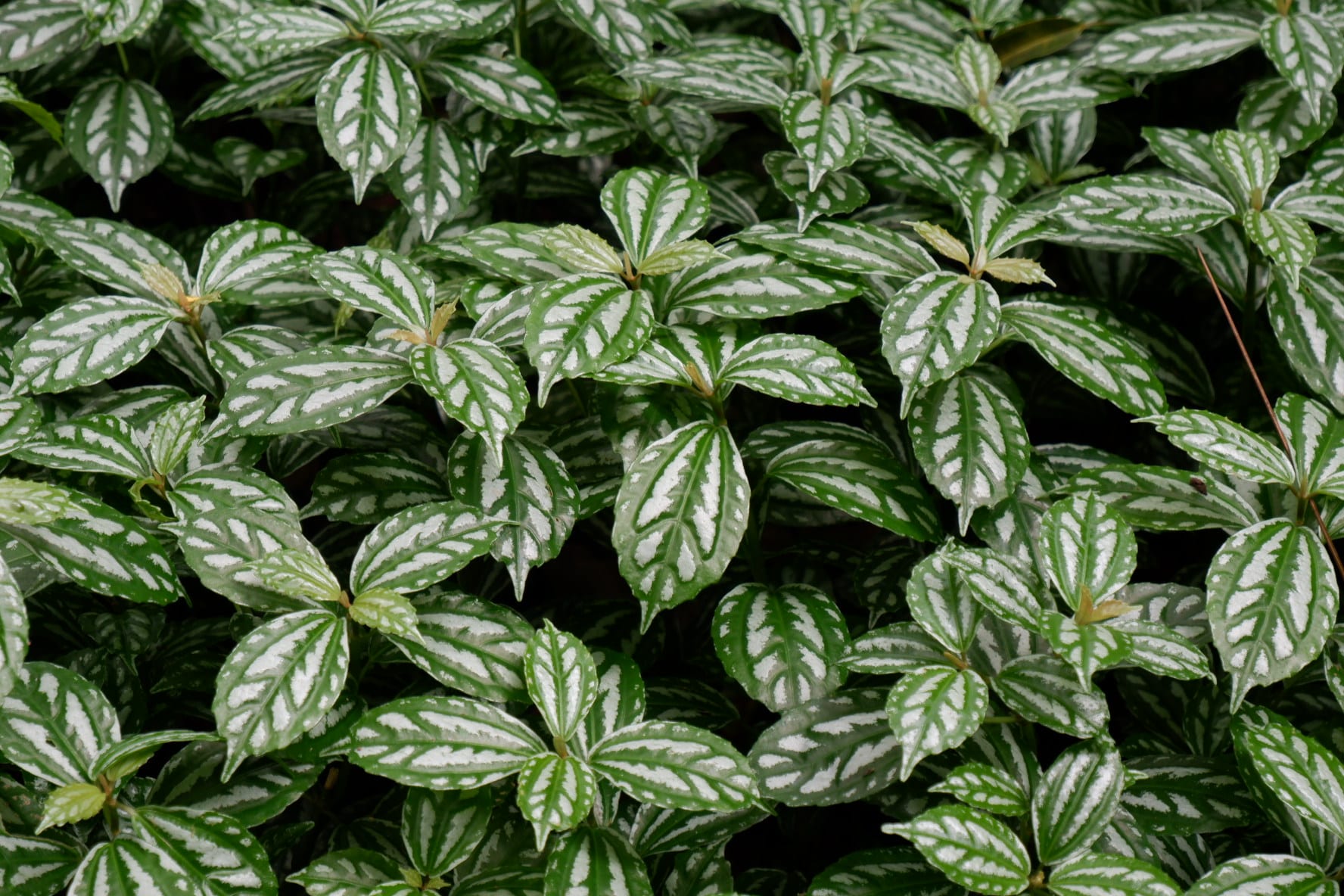
Aluminum Plant
Pilea cadierei
A pilea whose dark green leaves carry four rows of raised silver patches, as if splashed with aluminium paint. The patches catch the light with a metallic sheen.
 © KENPEI / CC BY-SA 3.0
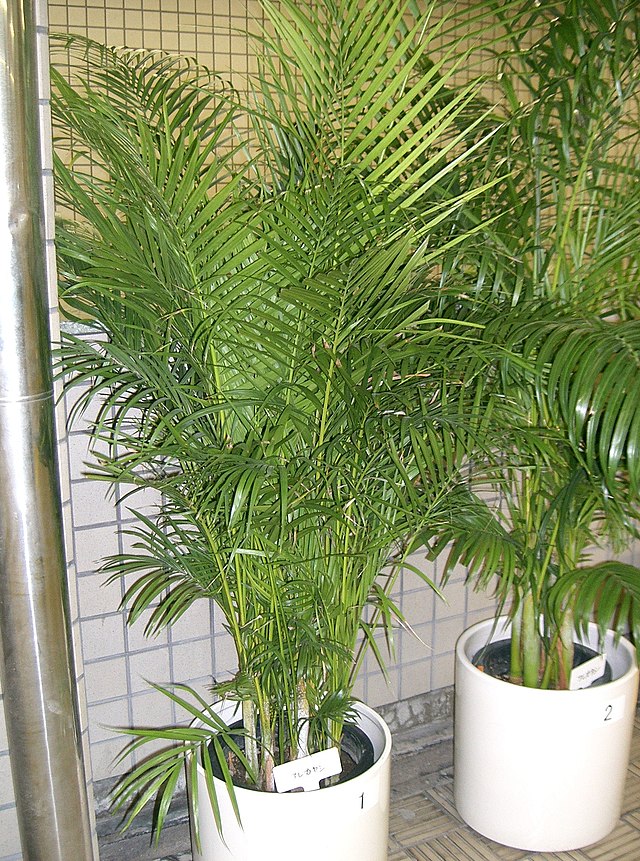
Areca Palm
Dypsis lutescens
Most popular indoor palm. Feathery fronds create resort atmosphere. Also provides natural humidifying effect.
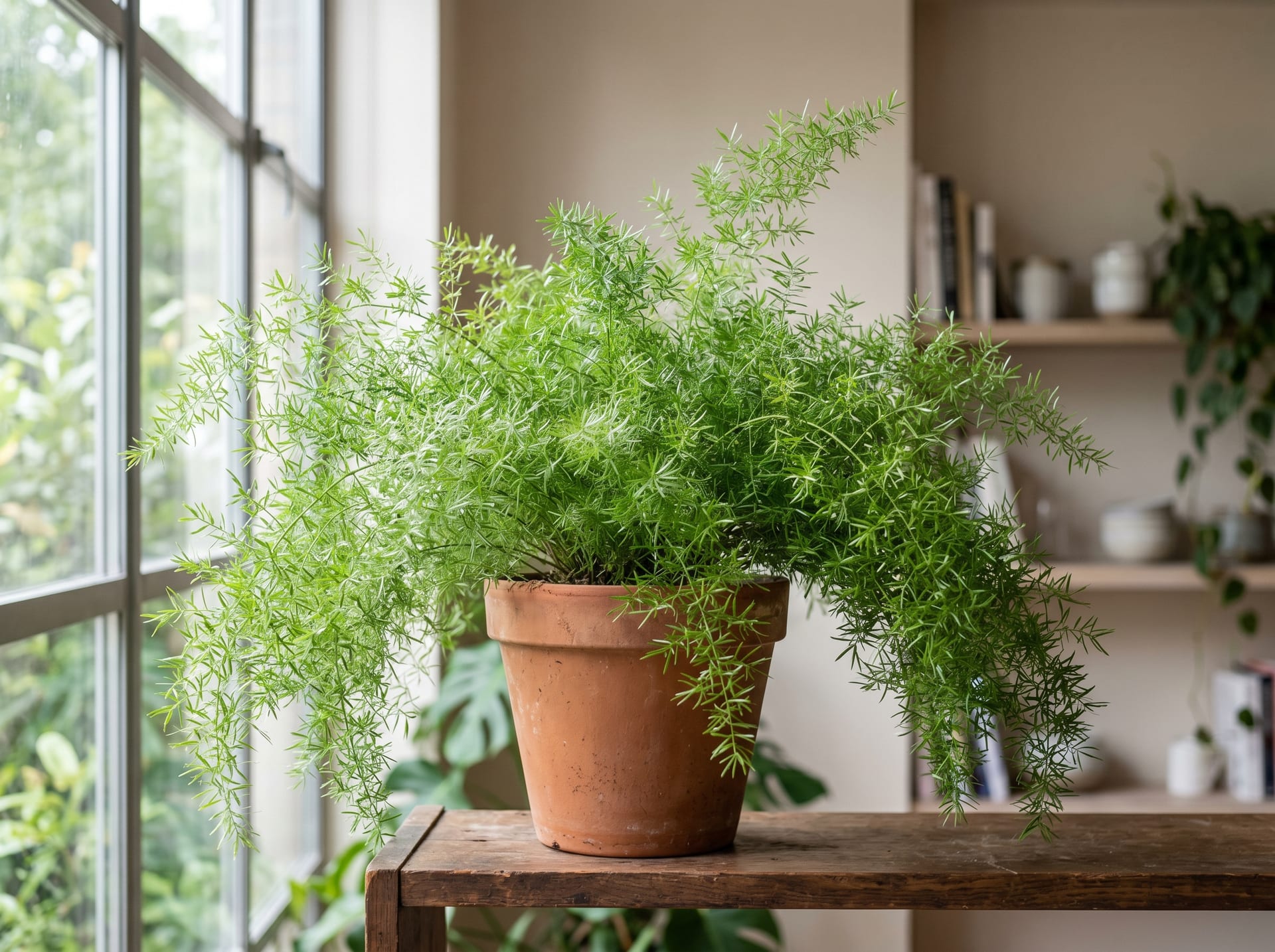
Asparagus Fern
Asparagus densiflorus 'Sprengeri'
Graceful plant with fluffy fine foliage cascading outward. Looks like a fern but is actually in the asparagus family (Asparagaceae). Perfect for hanging baskets. Hardy and vigorous.
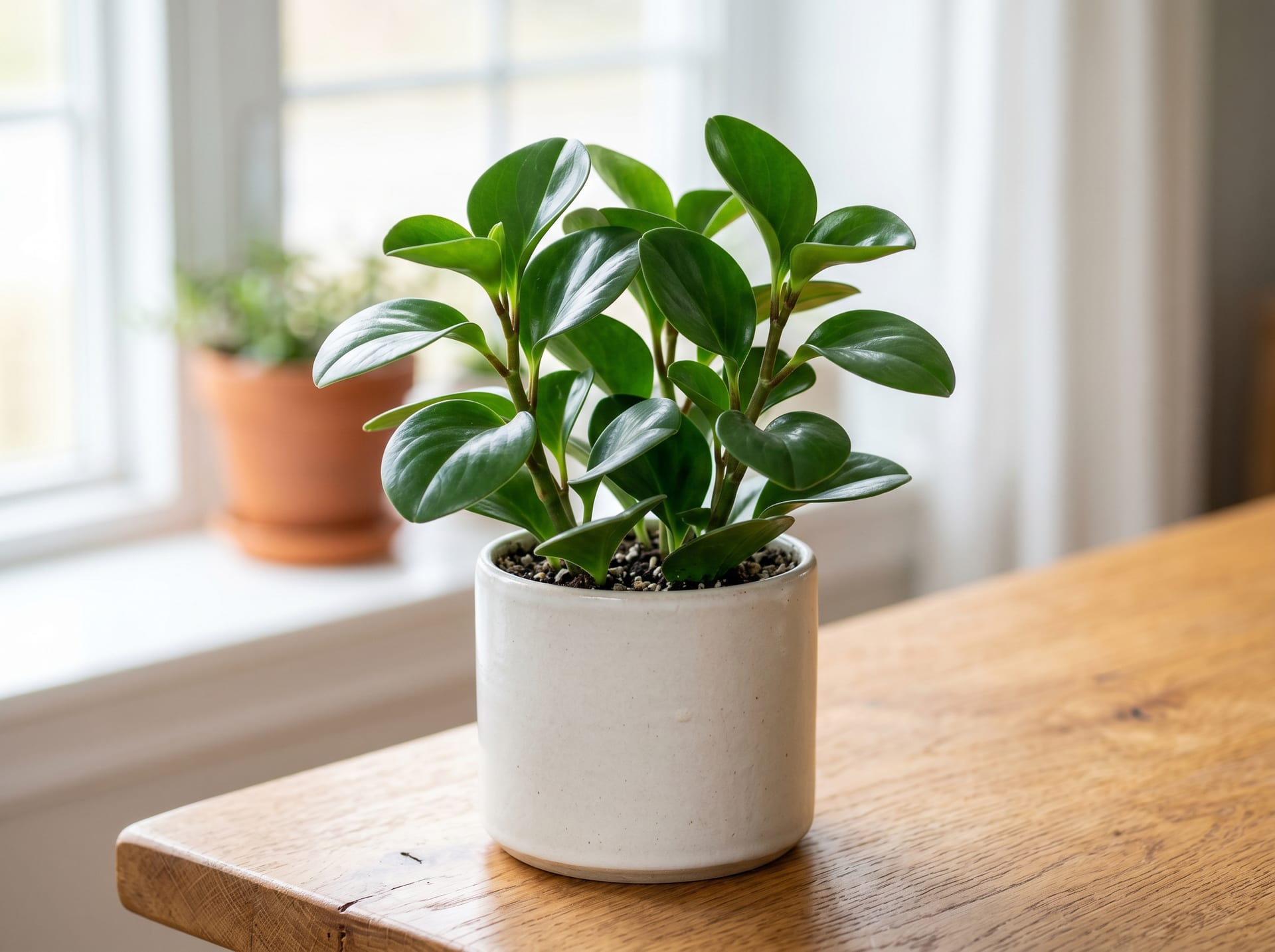
Baby Rubber Plant
Peperomia obtusifolia
Cute compact plant with thick, glossy rounded leaves. Perfect size for desks and shelves. Drought-tolerant but sensitive to overwatering. Variegated varieties popular.
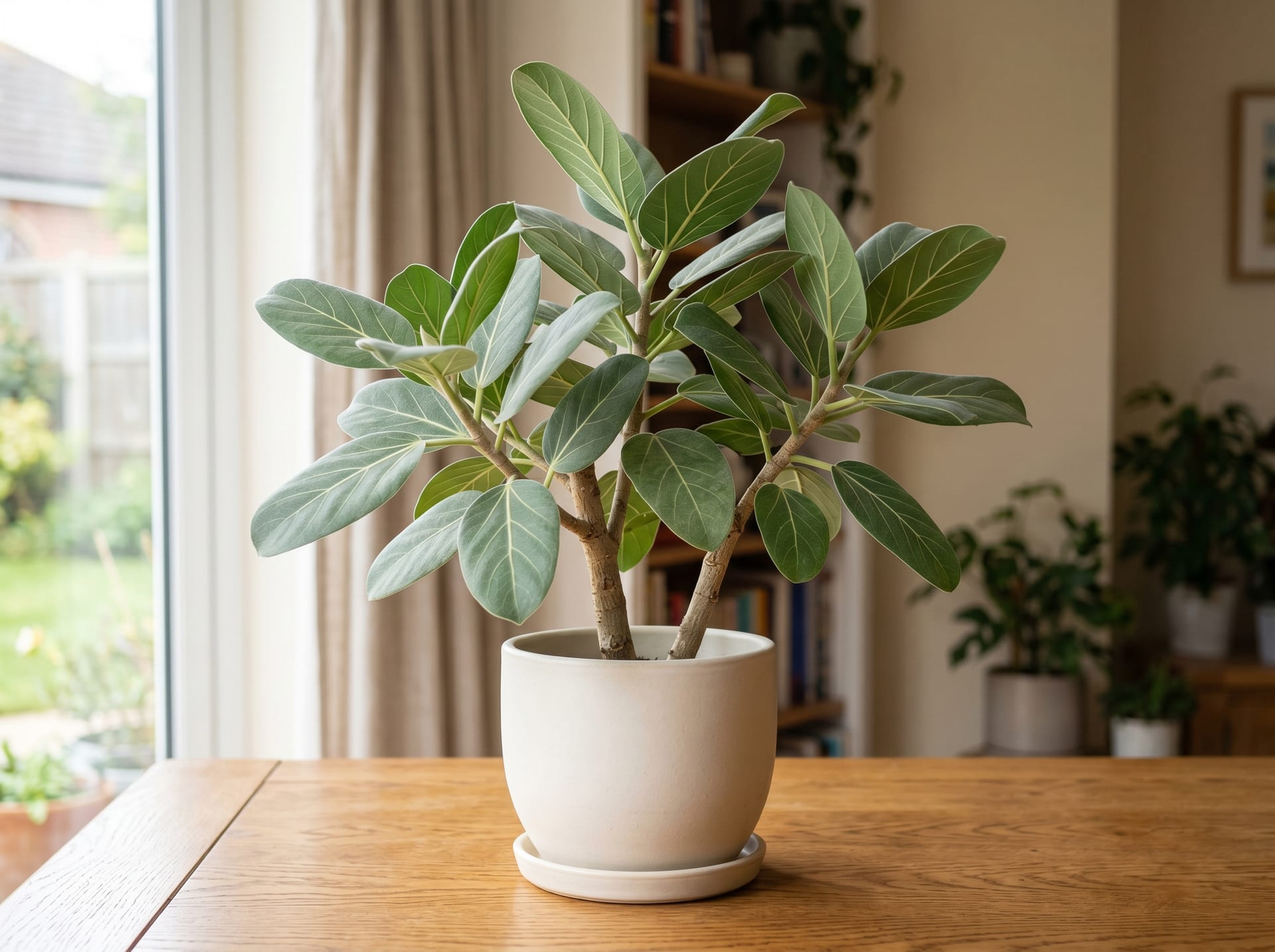
Bengal Fig
Ficus benghalensis
Popular interior plant with white trunk and large rounded leaves. Similar to Ficus umbellata but with thicker leaves and stronger presence. Vigorous in bright spots.
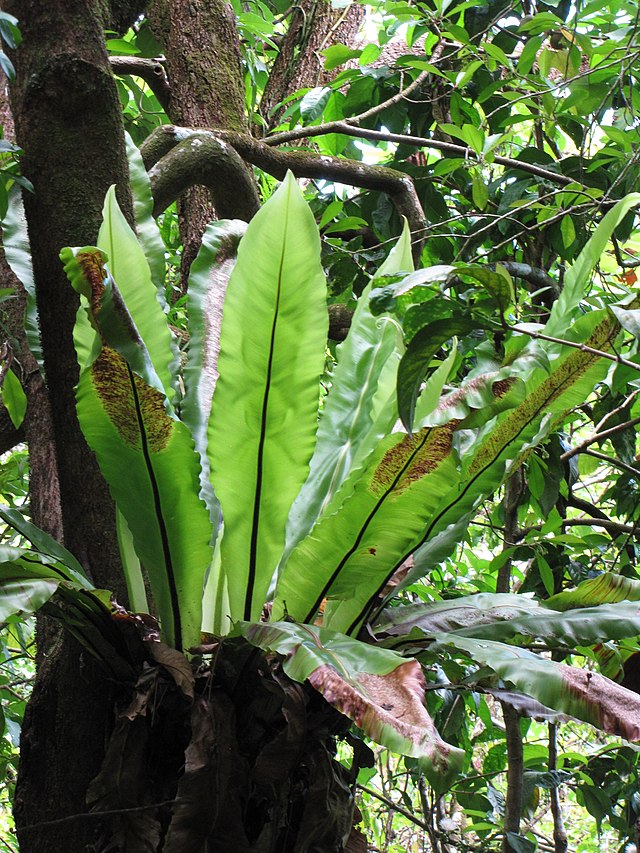 © Kurt Stüber [1] / CC BY-SA 3.0
Bird's Nest Fern
Asplenium nidus
A beautiful fern with glossy green wavy leaves. Also suitable for high-humidity environments like bathrooms.
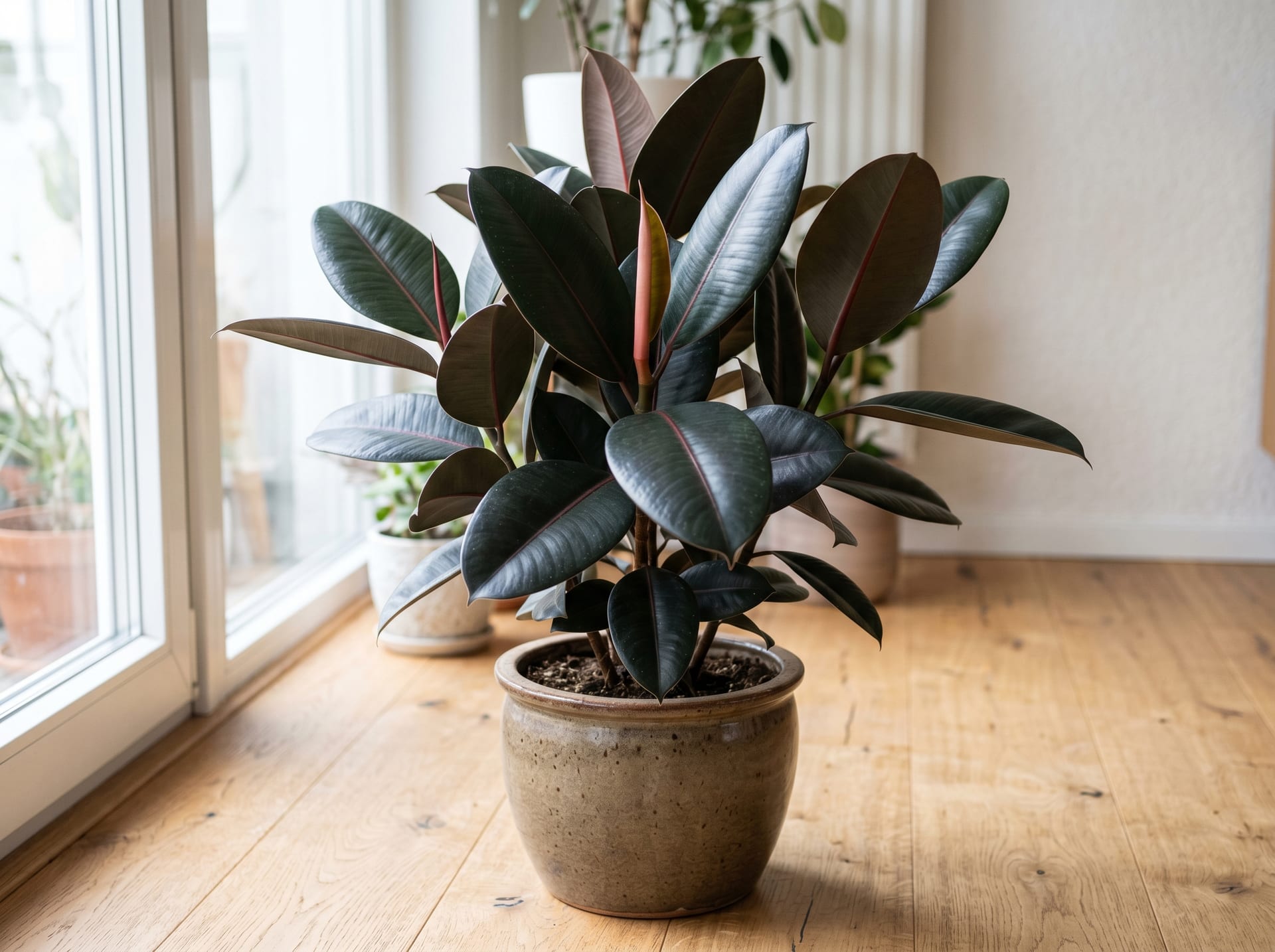
Burgundy Rubber Plant
Ficus elastica 'Burgundy'
A rubber plant with deep burgundy leaves that complements sophisticated spaces.
 © H. Zell / CC BY-SA 3.0
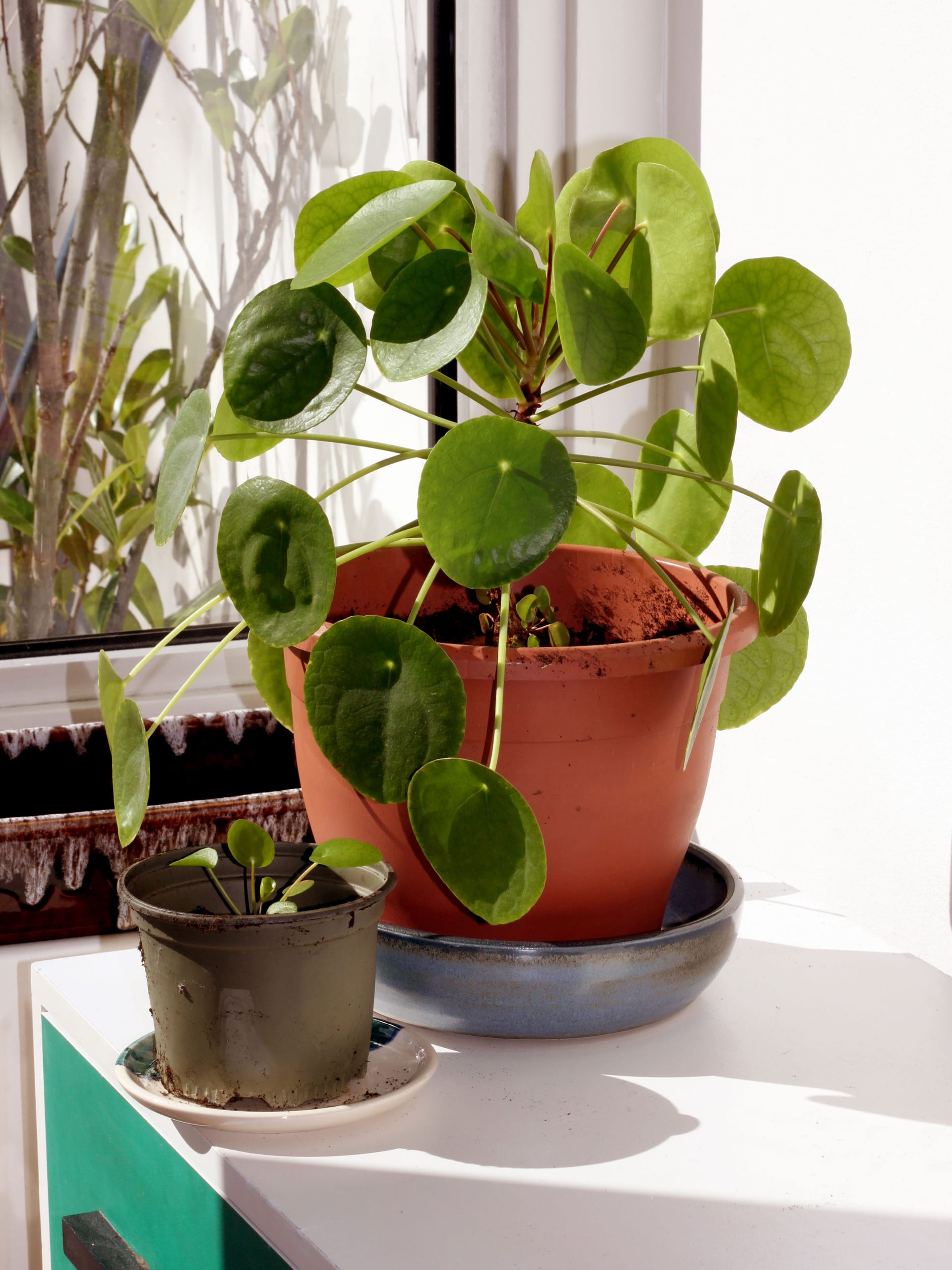
Chinese Banyan
Ficus microcarpa
A houseplant fig that lives for decades in a pot with steady care, and reaches several centuries in the wild. Known for its aerial roots and rounded leaves, and cherished in Okinawa as the tree where the kijimuna spirit dwells.
 © Husky / CC0
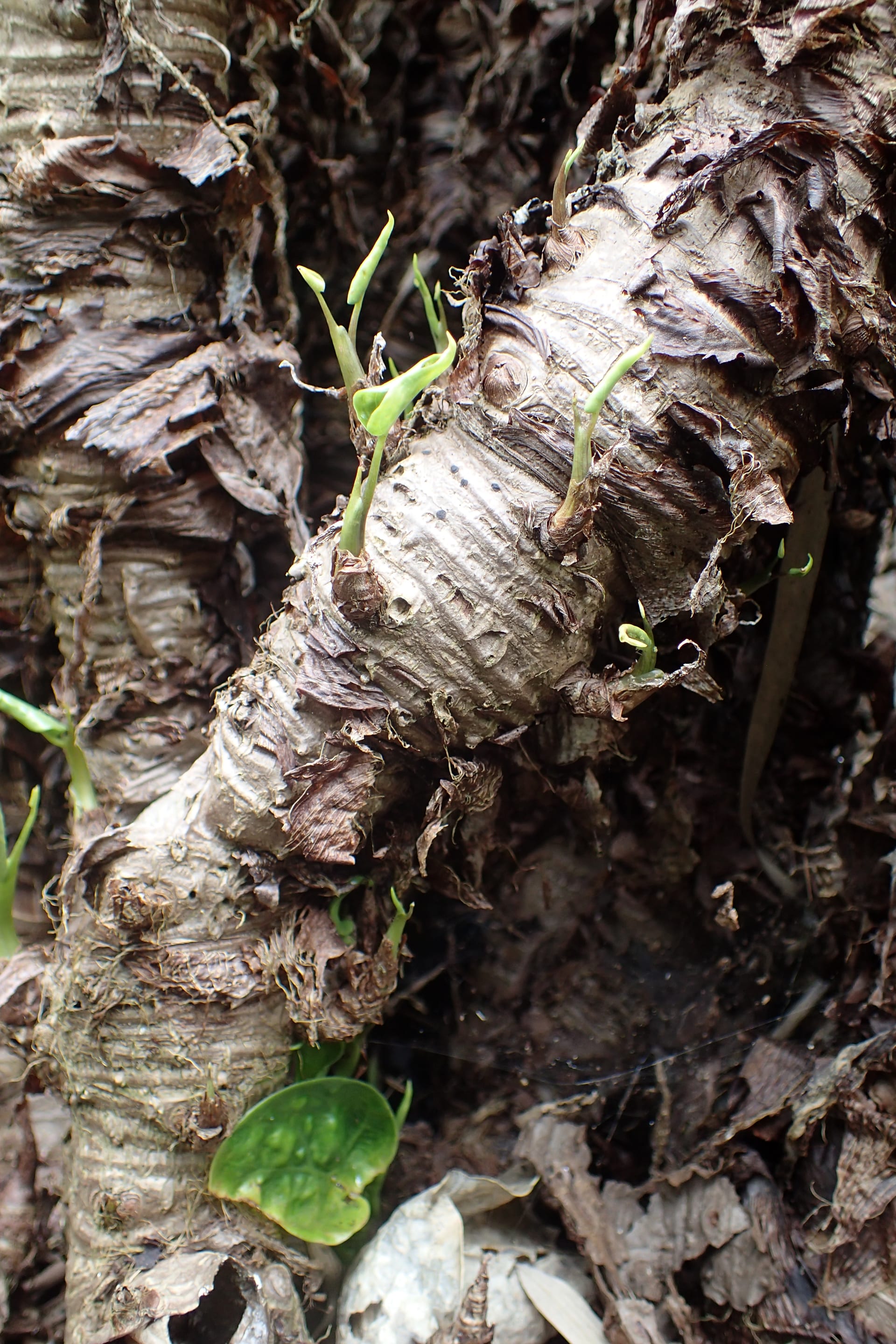
Chinese Money Plant
Pilea peperomioides
A houseplant hugely popular in Scandinavia with round coin-shaped leaves. Cute form perfect for social media.
 © Krzysztof Ziarnek, Kenraiz / CC BY-SA 4.0
Chinese Taro / Buddha's Hand
Alocasia cucullata
A compact Alocasia with glossy heart-shaped leaves forming a leafy clump. Its stems branch from the base and readily produce offsets.
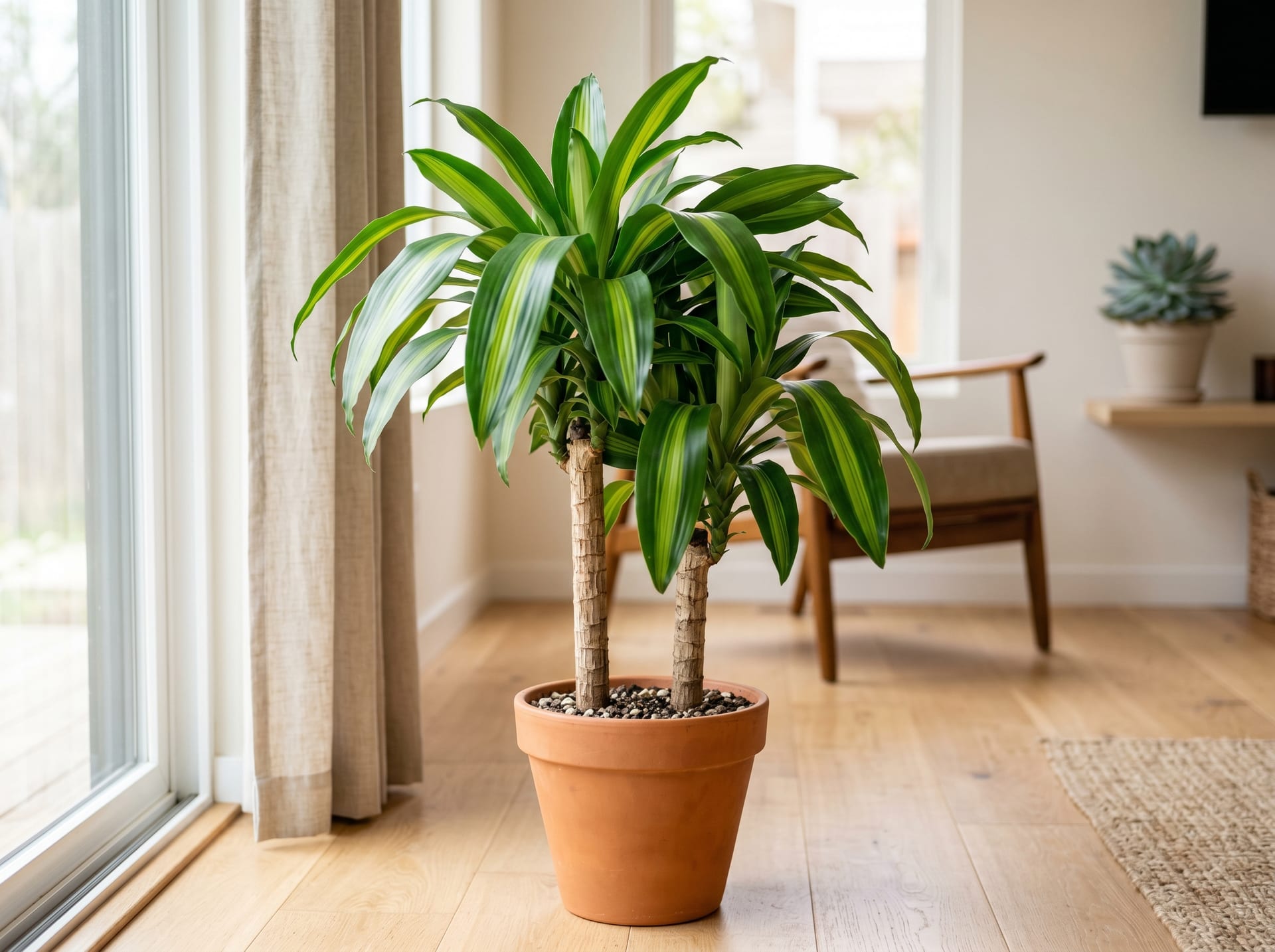
Corn Plant
Dracaena fragrans
Classic houseplant popular as 'Tree of Happiness' gift. 'Massangeana' with yellow stripes is most popular. Hardy, easy to grow, with air-purifying properties.
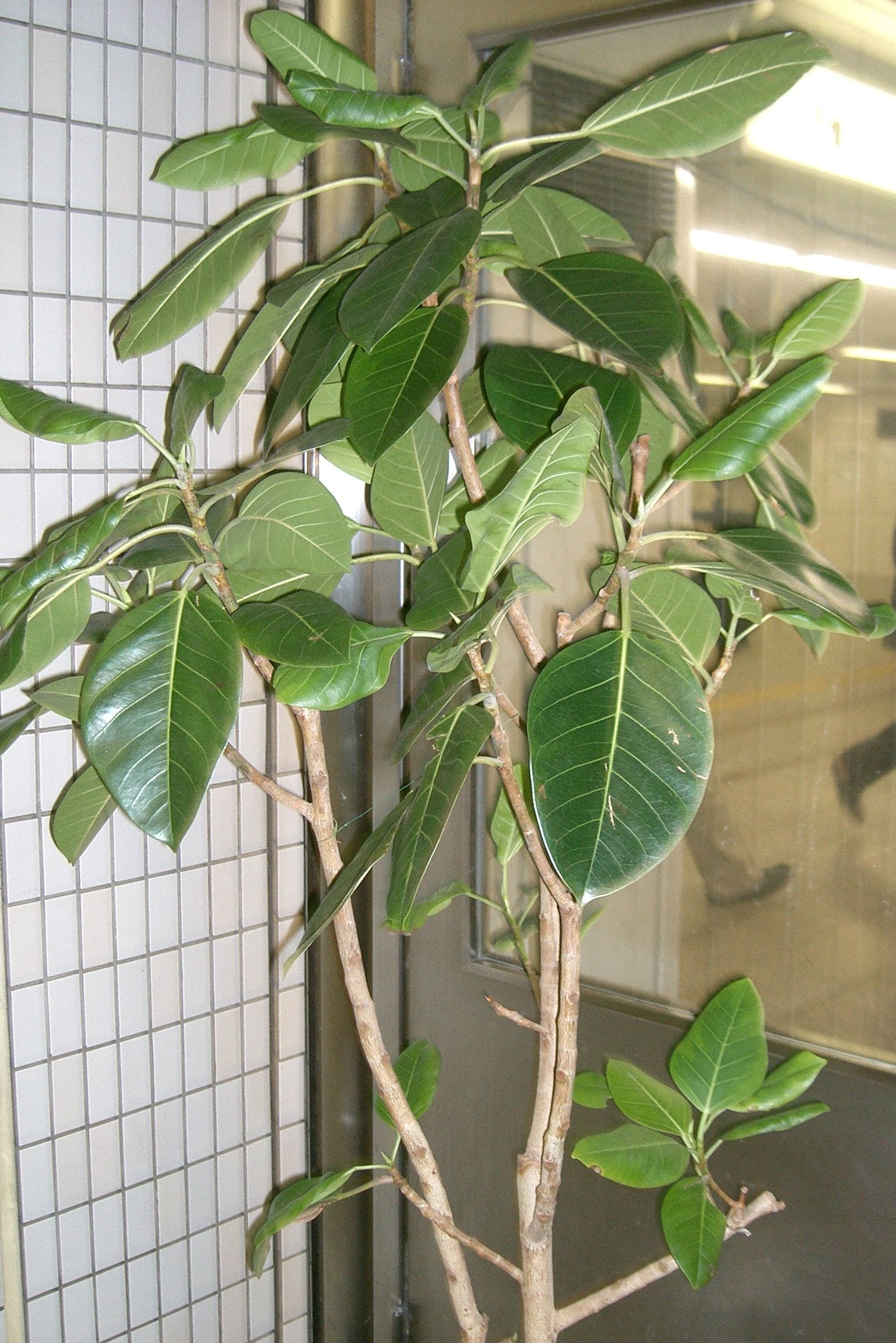 © KENPEI / CC BY-SA 3.0
Council Tree
Ficus altissima
A fig sold mainly as large potted plants with glossy leaves variegated yellow or lime. In the wild it is a Southeast Asian 'strangler fig' that grows into a large tree.
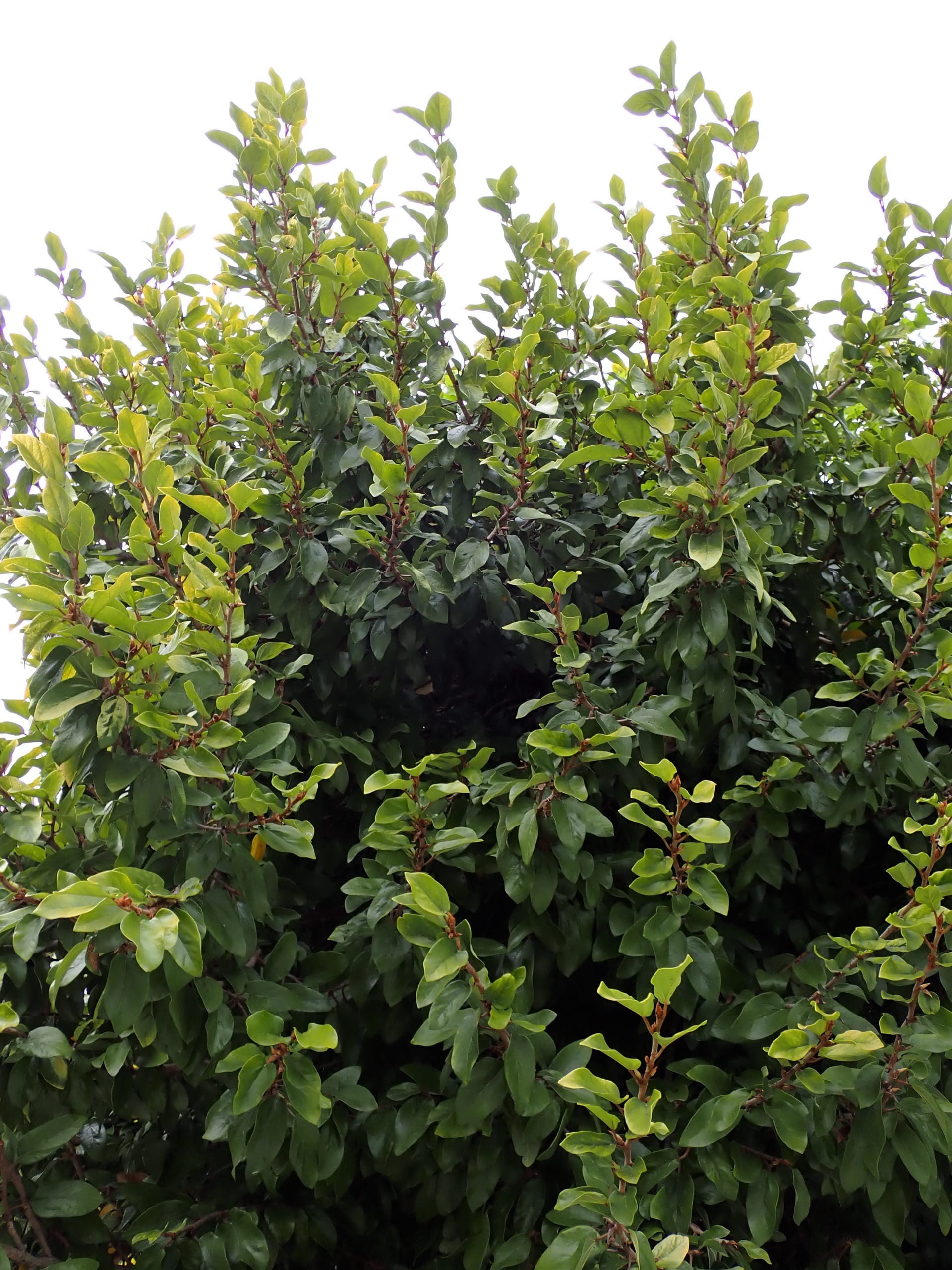 © Krzysztof Ziarnek, Kenraiz / CC BY-SA 4.0
Creeping Fig
Ficus pumila
A climbing fig with tiny heart-shaped leaves about 2 cm long that clings to walls and rocks with aerial roots. Native to warm parts of Japan as well.
 © “Jon Zander ( Digon3 )" / CC BY-SA 3.0
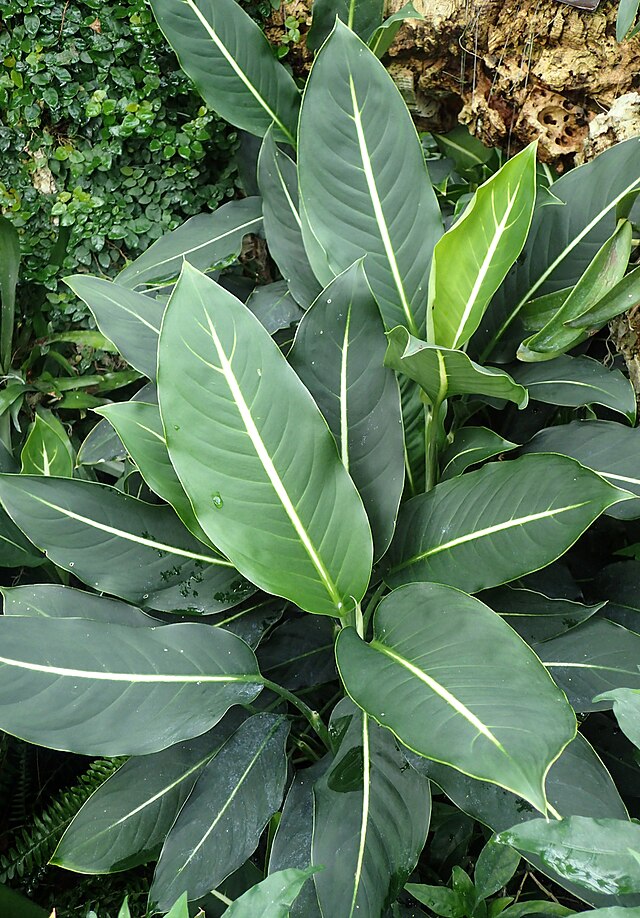
Dieffenbachia
Dieffenbachia
A tropical plant with large leaves featuring cream variegation. High shade tolerance, grows in dark indoor spots.
 © Jerzy Opioła / CC BY-SA 4.0
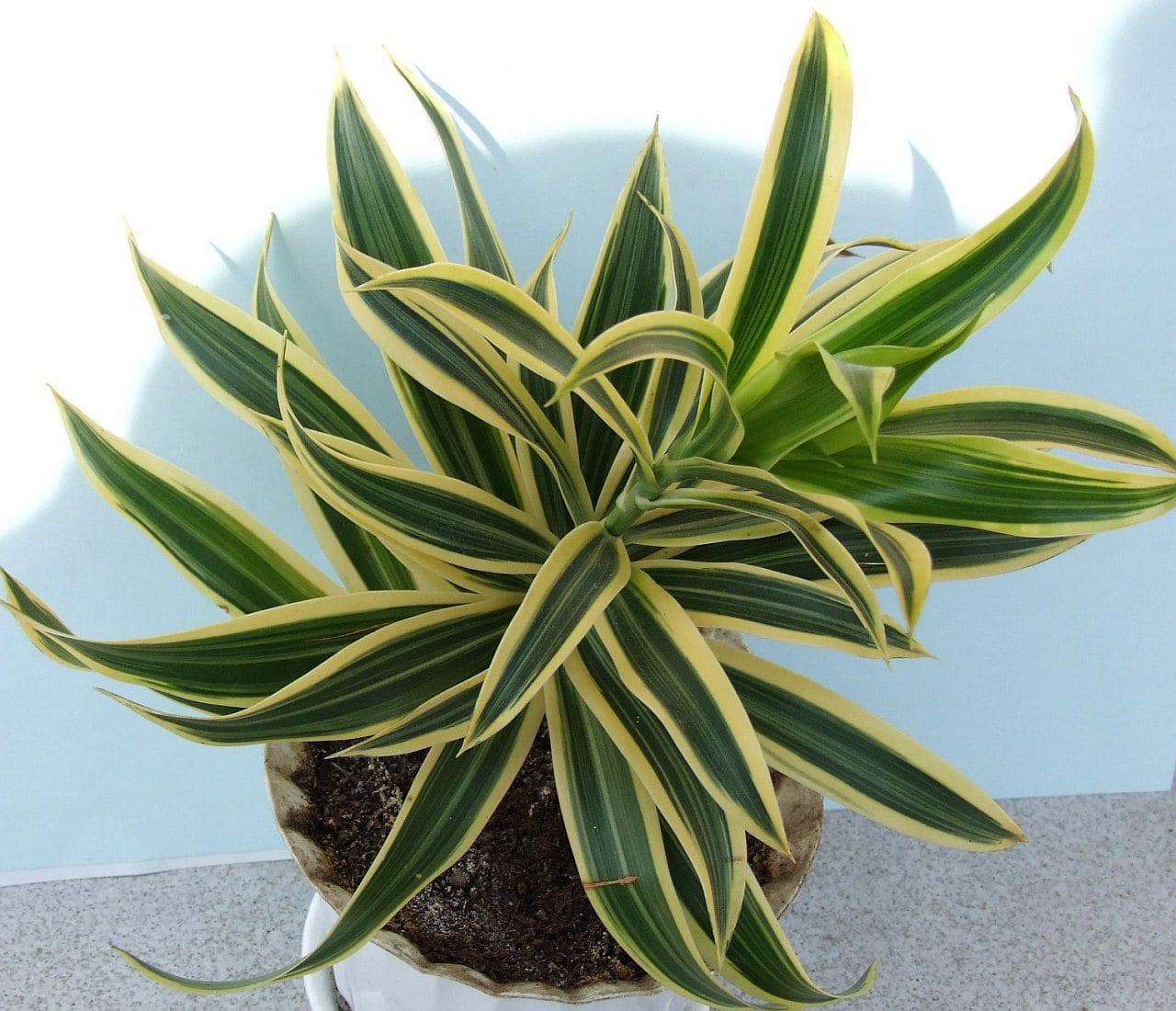
Dracaena
Dracaena
Massangeana (a cultivar of Dracaena fragrans), known as Fortune Plant, is the representative variety. Sword-shaped leaves radiate outward. Hardy and popular as gifts.
Dracaena / Cordyline
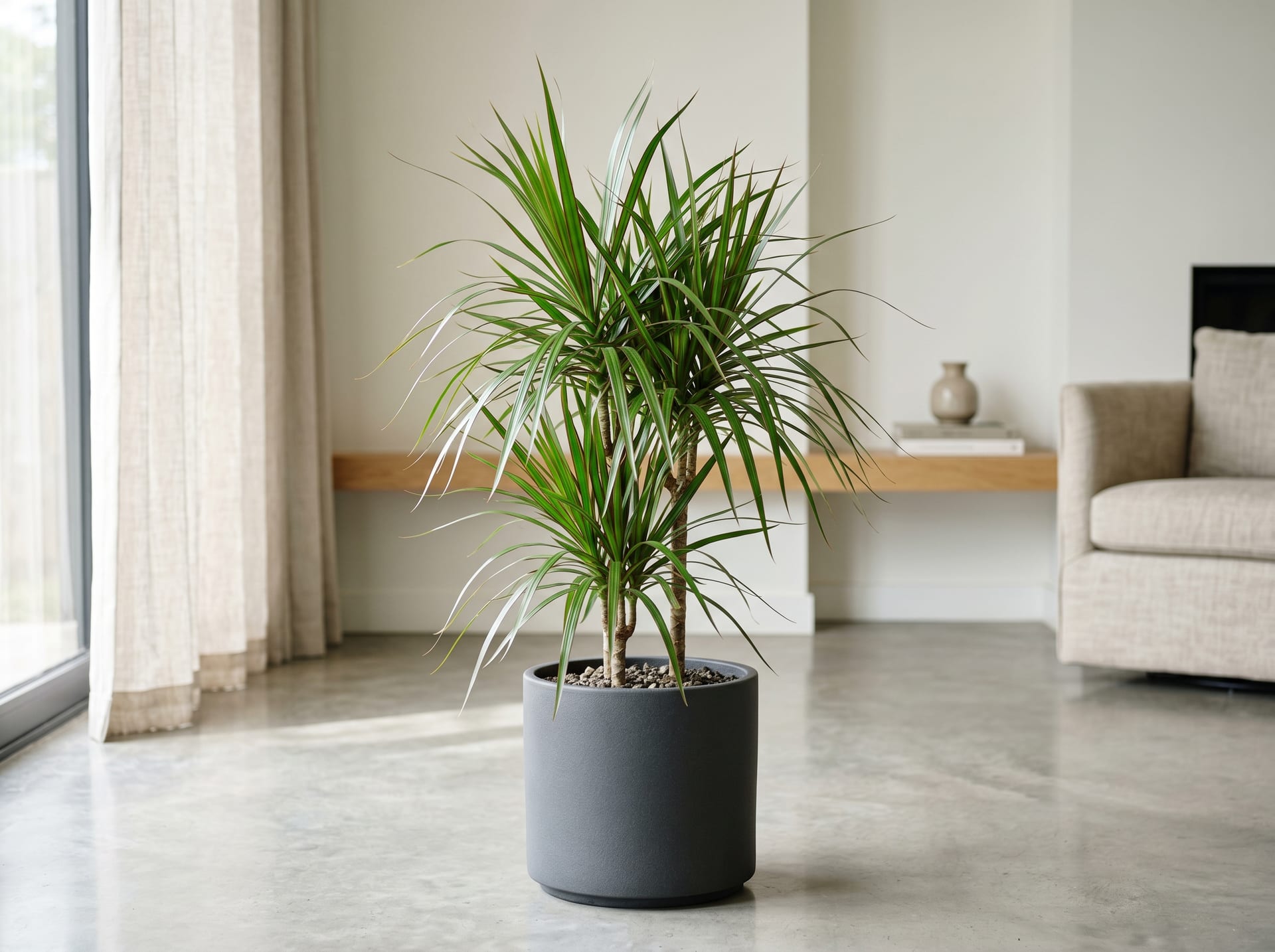
Dracaena spp. / Cordyline spp.
Popular foliage plants—Dracaena with slender leaves, Cordyline with vibrant colorful foliage. Ideal for indoor environments with minimal care demands. Both achieve good height for statement displays in interior spaces.
Dracaena Janet Craig Compacta
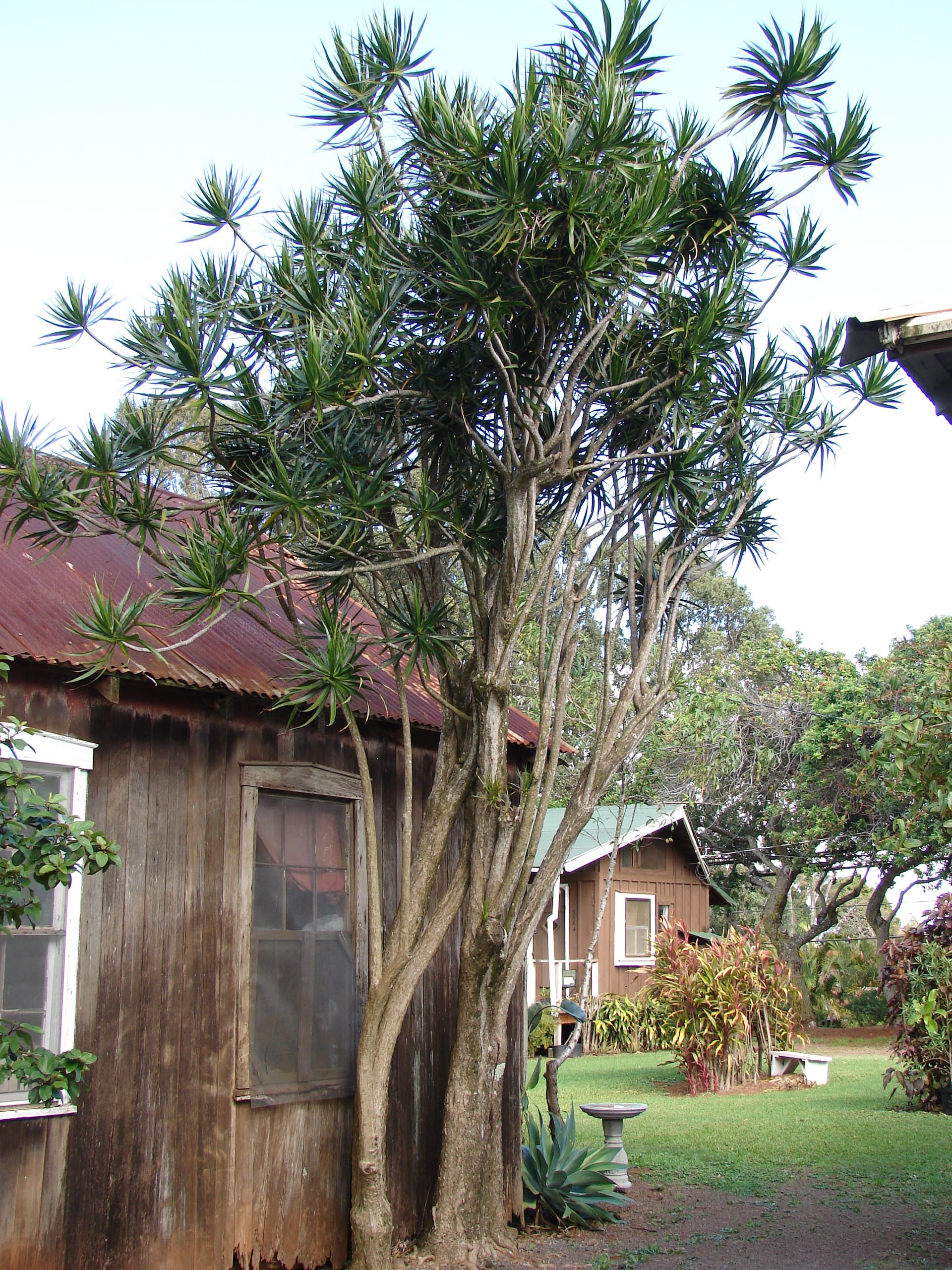
Dracaena fragrans 'Compacta'
A cultivar of Dracaena fragrans with short, solid dark green leaves packed densely around the stems, giving slender trunks topped with compact leafy clusters. It is very shade-tolerant.
 © Forest & Kim Starr / CC BY 3.0
Dragon Tree
Dracaena marginata
A Dracaena with red lines along the edges of slender leaves. Popular for modern interiors with its stylish form.
 © Hladac / CC BY-SA 4.0
English Ivy
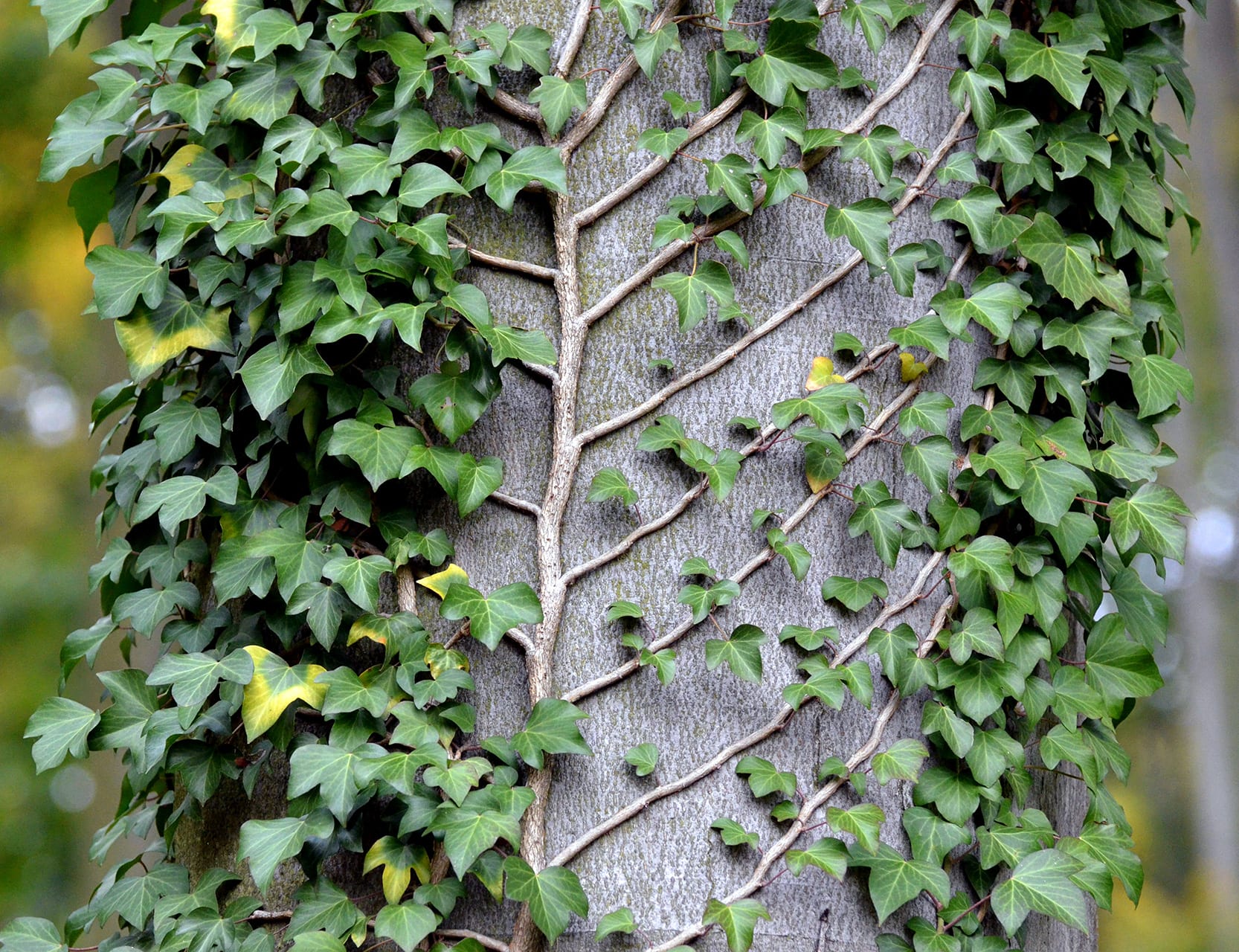
Hedera helix
An evergreen vine that climbs walls and trees with aerial roots. There are a great many cultivars with different leaf shapes and variegation; it is a staple trailing plant but is toxic to dogs and cats.
Epipremnum Cebu Blue
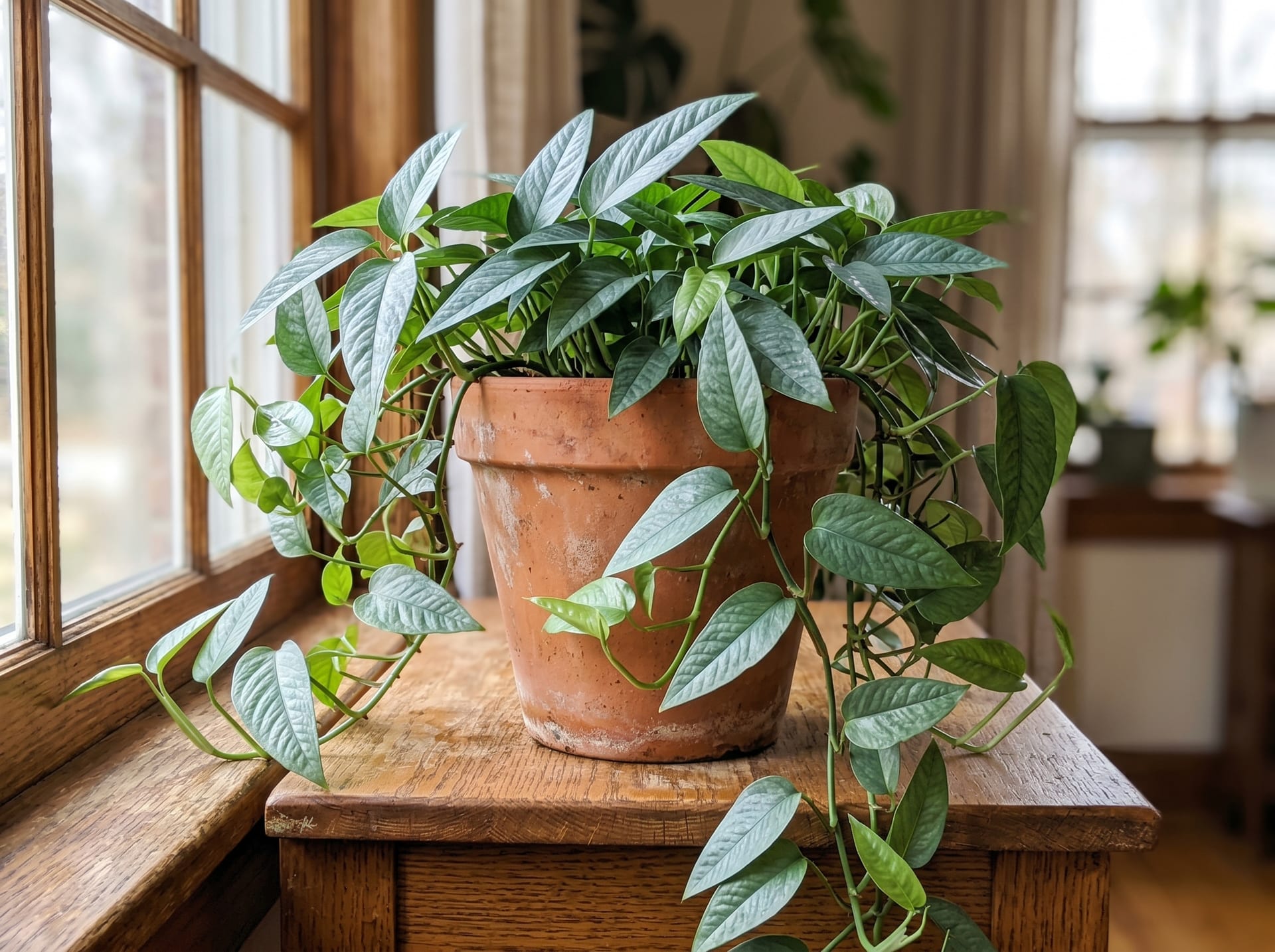
Epipremnum pinnatum 'Cebu Blue'
A pothos relative with beautiful bluish-silver leaves. Mature leaves develop fenestrations.
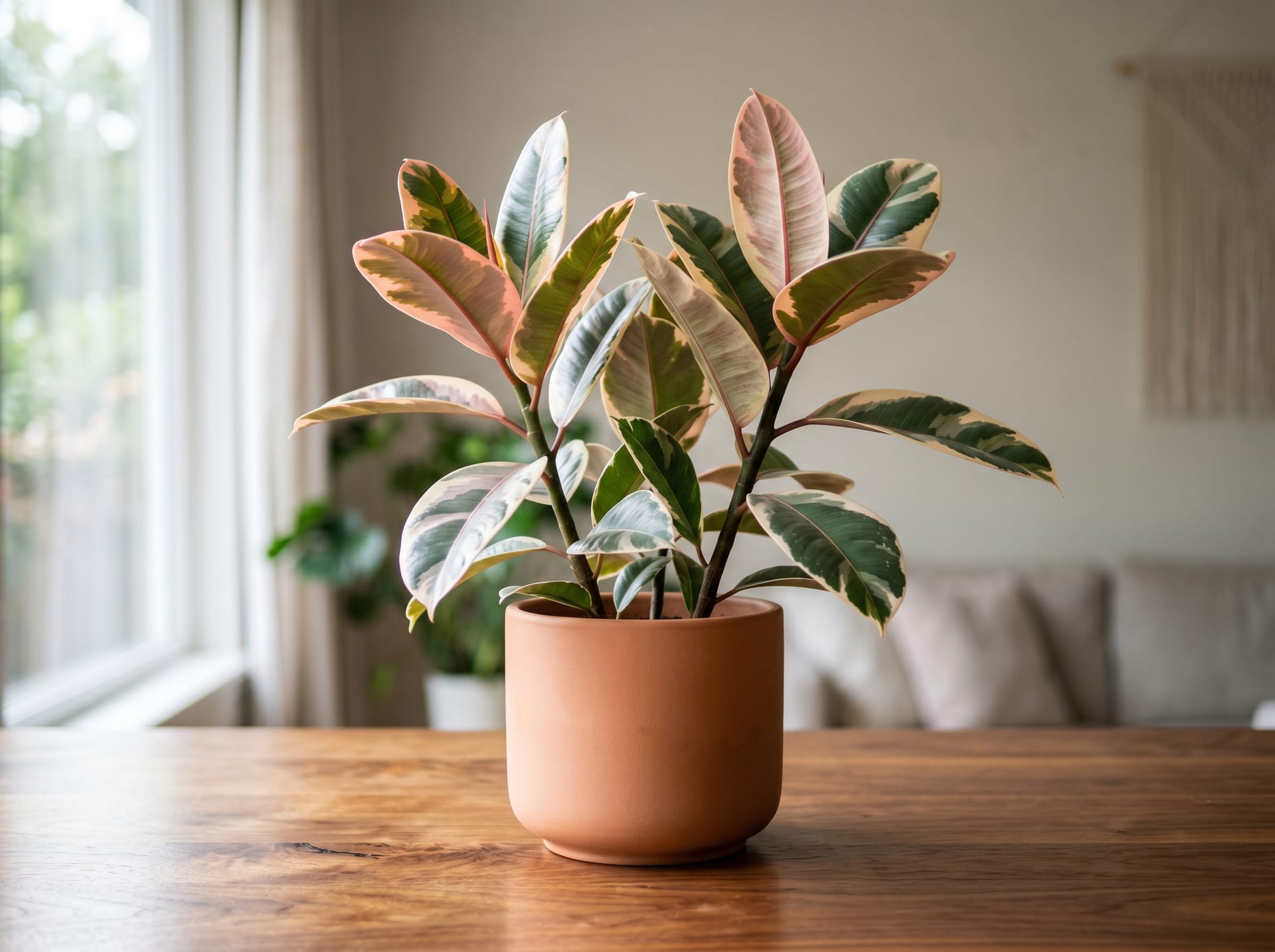
Ficus Elastica Ruby
Ficus elastica 'Ruby'
A rubber plant with beautiful reddish-pink variegation. New growth dyes especially vivid pink.
 © Kodchiang / CC BY-SA 3.0
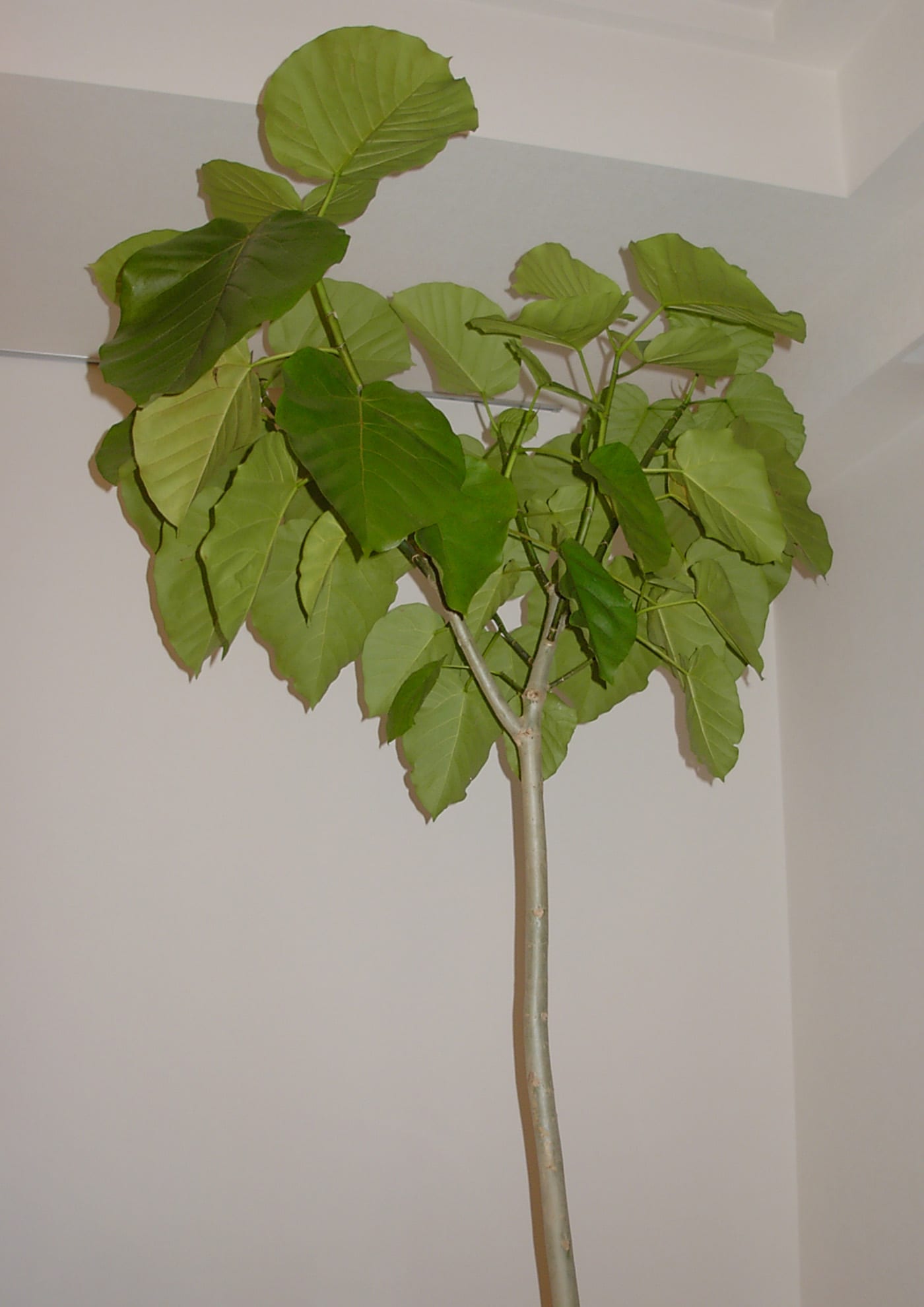
Ficus Umbellata
Ficus umbellata
Popular houseplant with large heart-shaped leaves. Often seen in trendy cafes and shops. Highly decorative.
Related Content
Houseplant FAQ
- How much do houseplants cost?
- Common Pothos and small Monstera cost 500-3,000 yen, variegated Monstera 10,000-100,000+ yen, and rare Philodendrons can reach tens to hundreds of thousands of yen.
- Can beginners grow houseplants?
- Pothos, Sansevieria, and Pachira are shade-tolerant and hardy, making them easy for beginners. Once you learn the watering schedule, they're hard to kill and great for indoor enjoyment.
- What should I check when buying houseplants?
- Check for well-established roots, leaves free of disease spots or pests, and no excessive stretching. After purchase, avoid sudden environment changes and acclimate gradually.
- Why do houseplants die?
- Root rot from overwatering is the most common cause. Water only when the soil surface is dry. Insufficient light is the next most common issue, so ensure proper brightness for your variety.
- How long do houseplants live?
- With proper care, houseplants can thrive for decades. Monstera and rubber plants commonly live for many decades, and you can propagate them through cuttings and division.