Orchid Encyclopedia
Encyclopedia of popular orchid species with care guides, traits, and flowering tips.
Showing 81 of 140 species(25–48)
 © Orchi / CC BY-SA 3.0
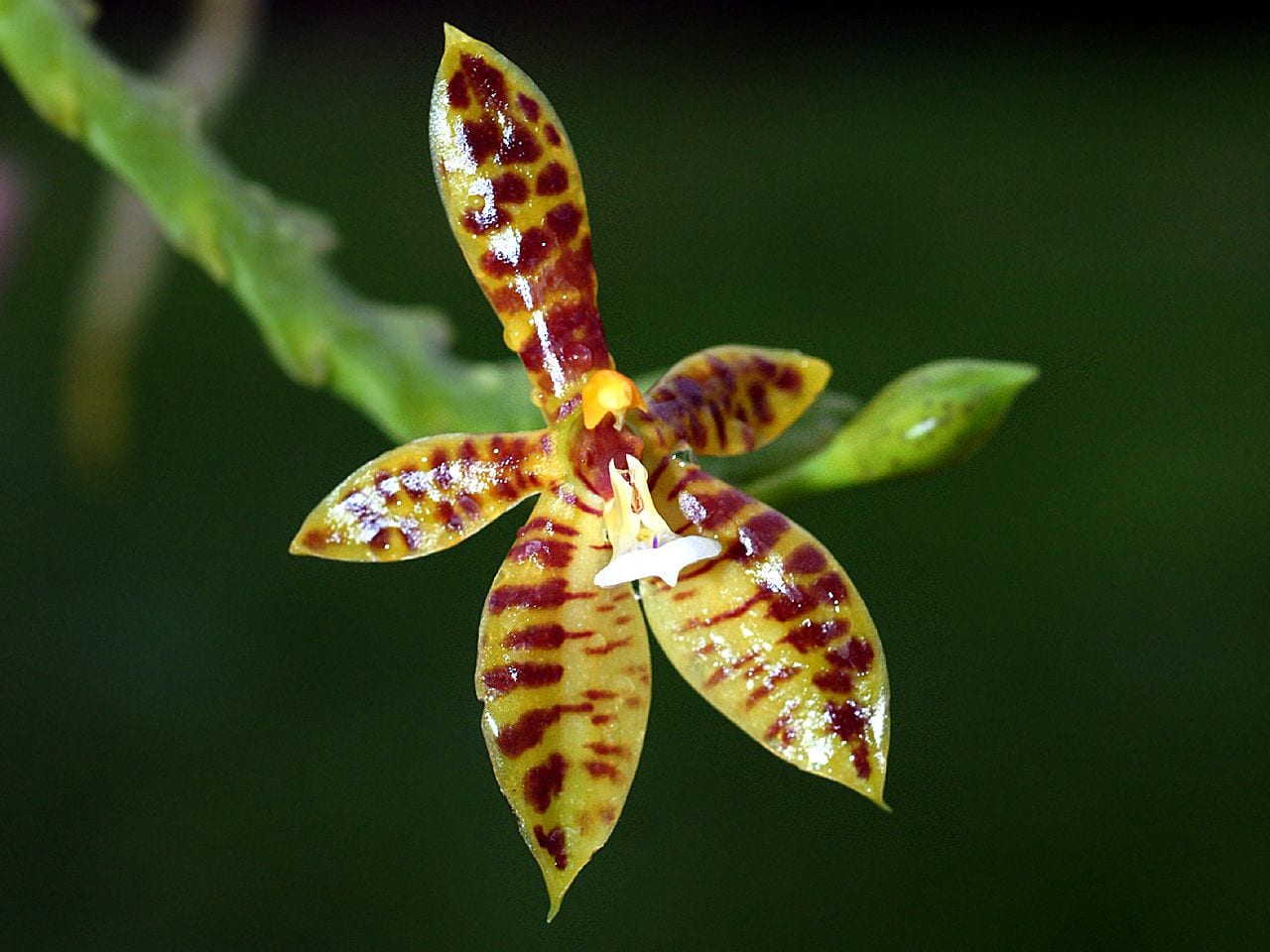
Deer-antlered Phalaenopsis
Phalaenopsis cornu-cervi
A moth orchid species named for its flattened, branching flower stem that resembles a deer's antler. The same stem keeps producing fleshy, fragrant flowers 3-5 cm across over a long period. It is widespread in lowland Southeast Asia.
 © The original uploader was JoJan at English Wikipedia . / Attribution
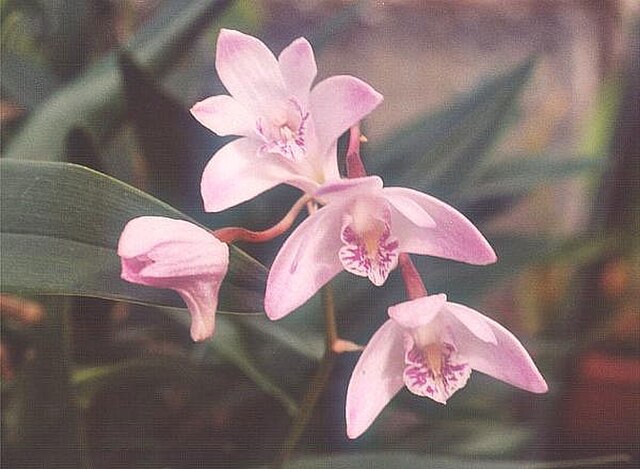
Dendrobium
Dendrobium spp.
One of the largest orchid genera with ~1,500 species. Nobile type is most popular in Japan. Spectacular blooms along the entire cane. Winter cold treatment is key to flowering.
Dendrobium Aggregatum
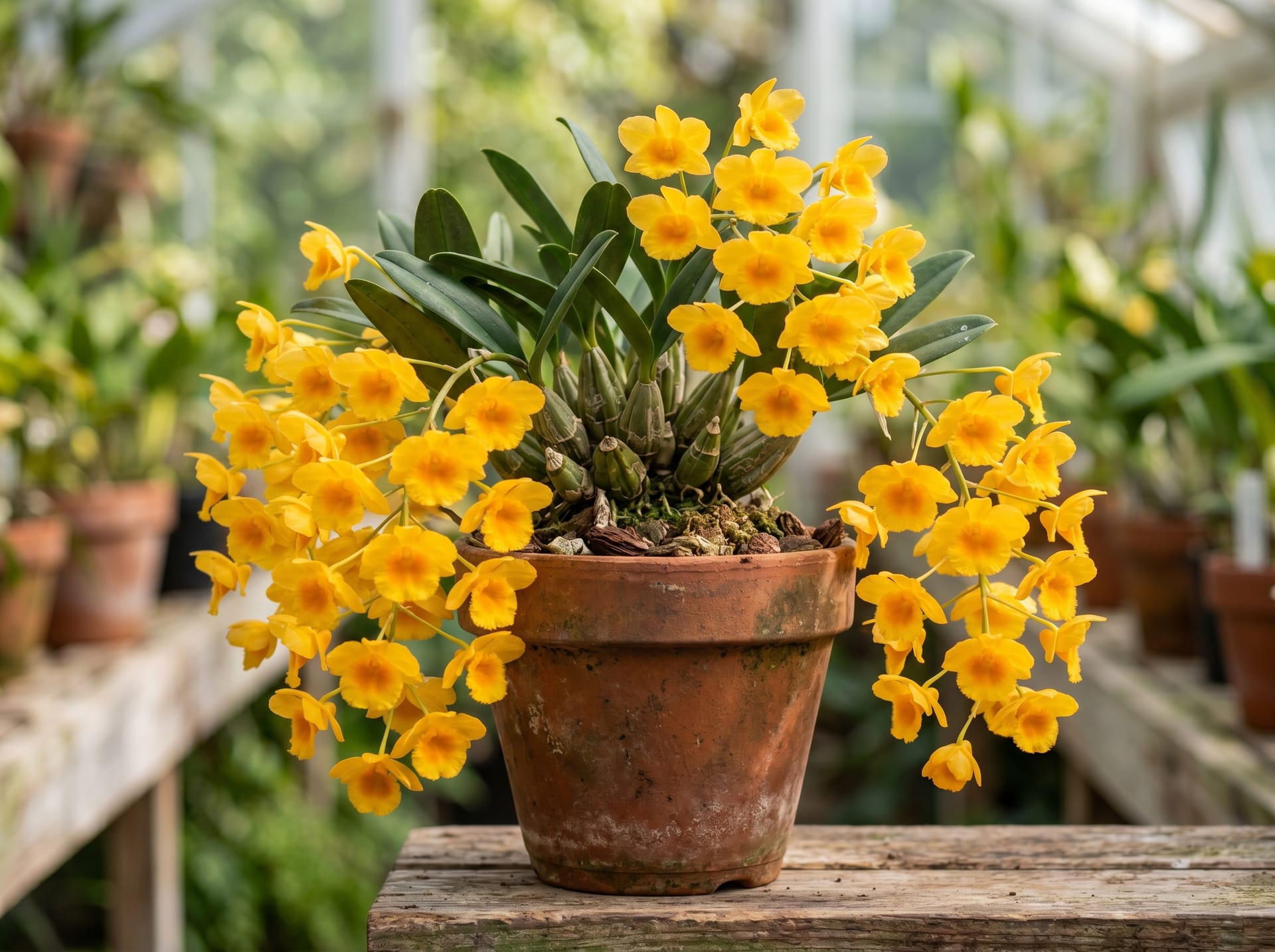
Dendrobium aggregatum
A small Dendrobium with vivid yellow flower clusters, spectacular when blooming all at once in spring.
 © KENPEI / CC BY-SA 3.0
Dendrobium Chrysotoxum
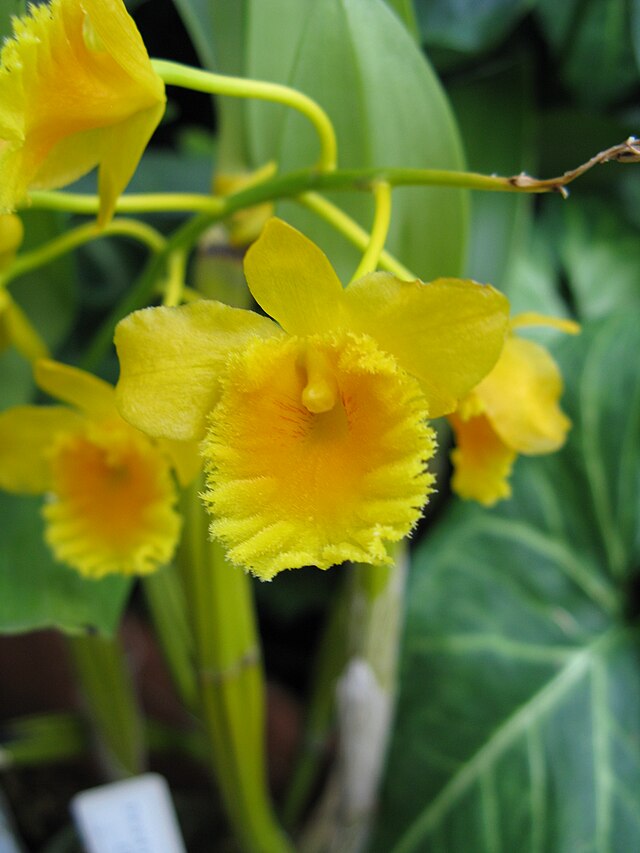
Dendrobium chrysotoxum
A Dendrobium with vivid golden flower clusters and sweet honey-like fragrance.
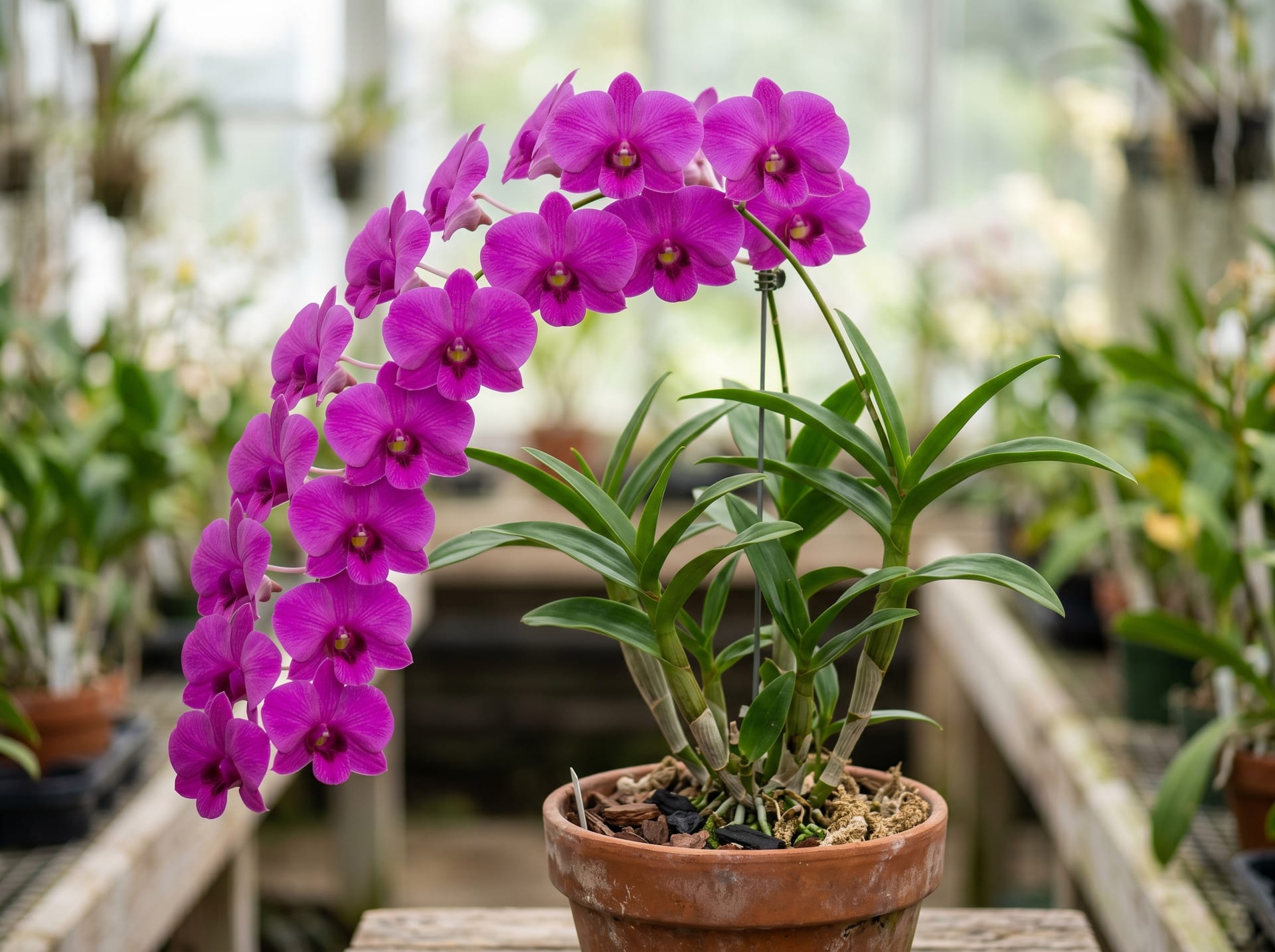
Dendrobium Phalaenopsis Type
A Dendrobium with Phalaenopsis-like flowers, popular as cut flowers, preferring warm conditions.
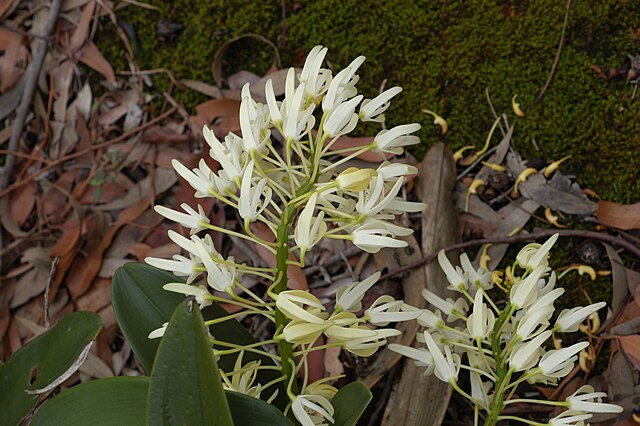 © Doug Beckers from Killcare Heights, Australia / CC BY-SA 2.0
Dendrobium Speciosum
Dendrobium speciosum
Australia's largest Dendrobium, spectacular with many long flower spikes from massive plants.
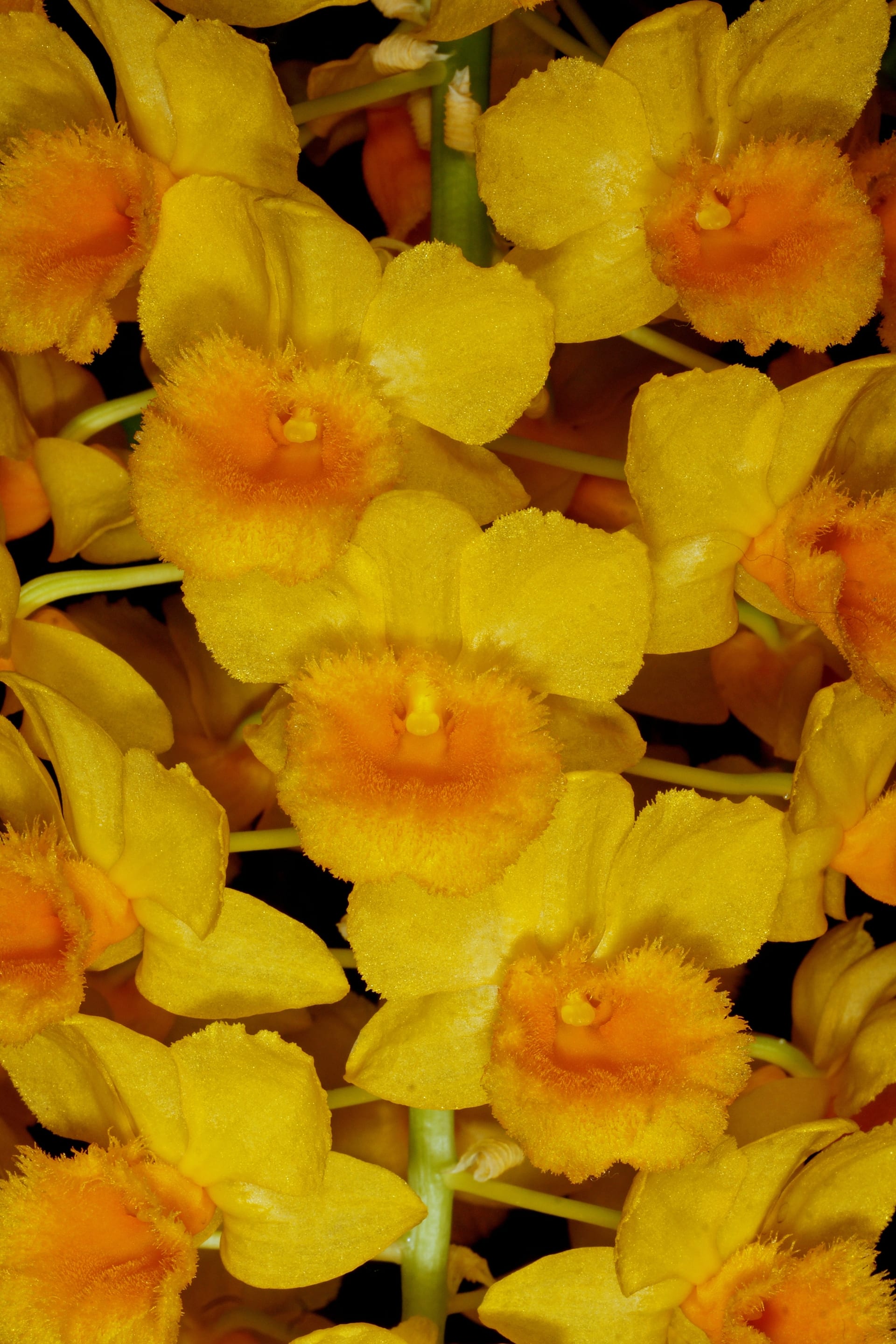 © Orchi / CC BY-SA 3.0
Dense-flowered Dendrobium
Dendrobium densiflorum
A cluster-flowering Dendrobium packed with pale yellow flowers with golden lips on hanging sprays. Its stems are square in section; it is robust, though the flowers last only about a week.
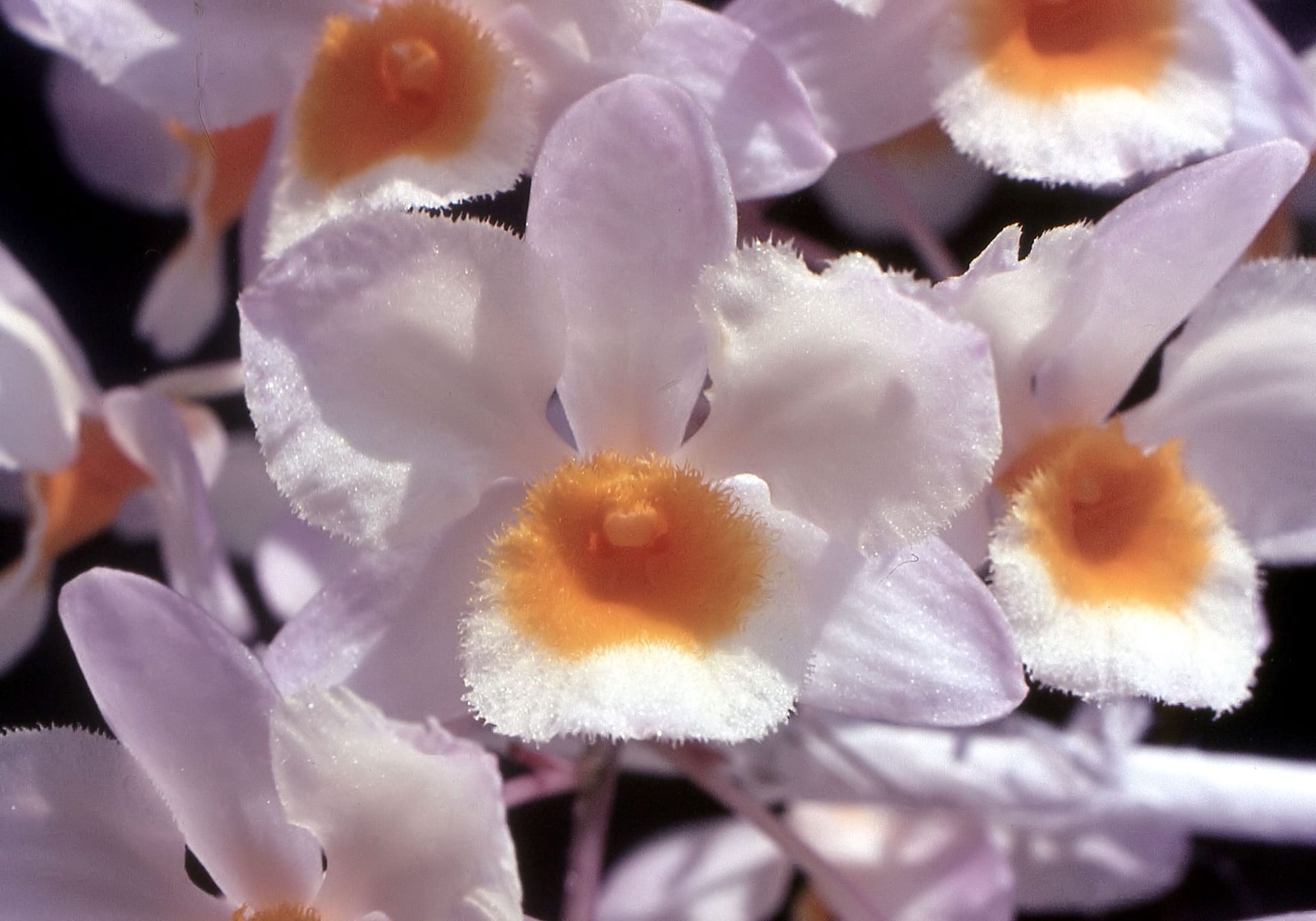 © Orchi / CC BY-SA 3.0
Farmer's Dendrobium
Dendrobium farmeri
A cluster-flowering Dendrobium that hangs sprays of up to 30 or more flowers with pale lilac to white petals and a yellow-centred lip. Its stems swell only near the top and are diamond-shaped in cross-section.
 © Naoki Takebayashi from Fairbanks, AK, USA / CC BY-SA 2.0
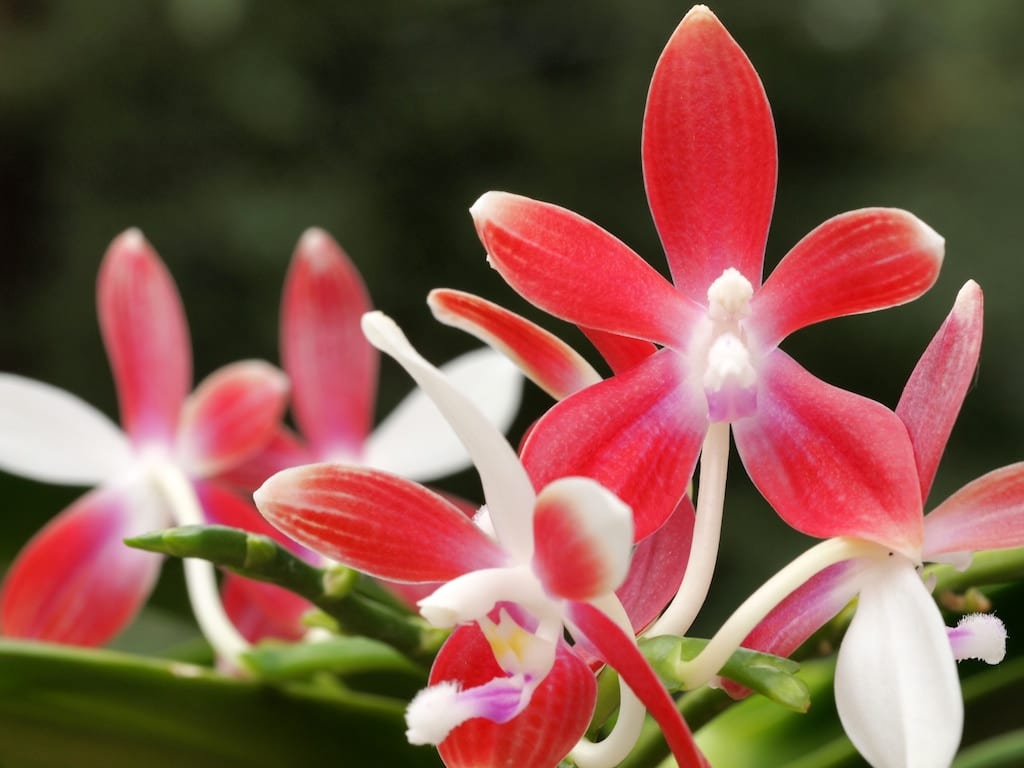
Four-shield Phalaenopsis
Phalaenopsis tetraspis
A moth orchid species from the Andaman and Nicobar Islands and north-western Sumatra. Its fleshy, strongly scented flowers range from white to red, varying between plants and even from year to year on one plant, and the former P. speciosa is now included in it.
 © M.S. del., J.N.Fitch lith. / Public domain
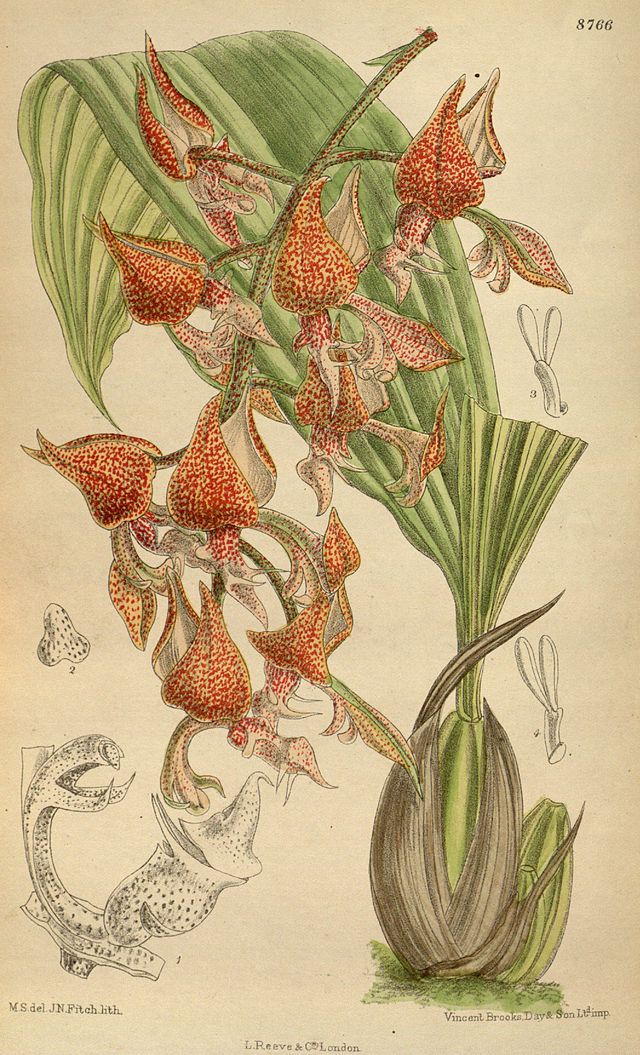
Gongora
An orchid with complex flowers in pendant spikes, many species with spicy fragrance.
 © Alpsdake / CC BY-SA 4.0
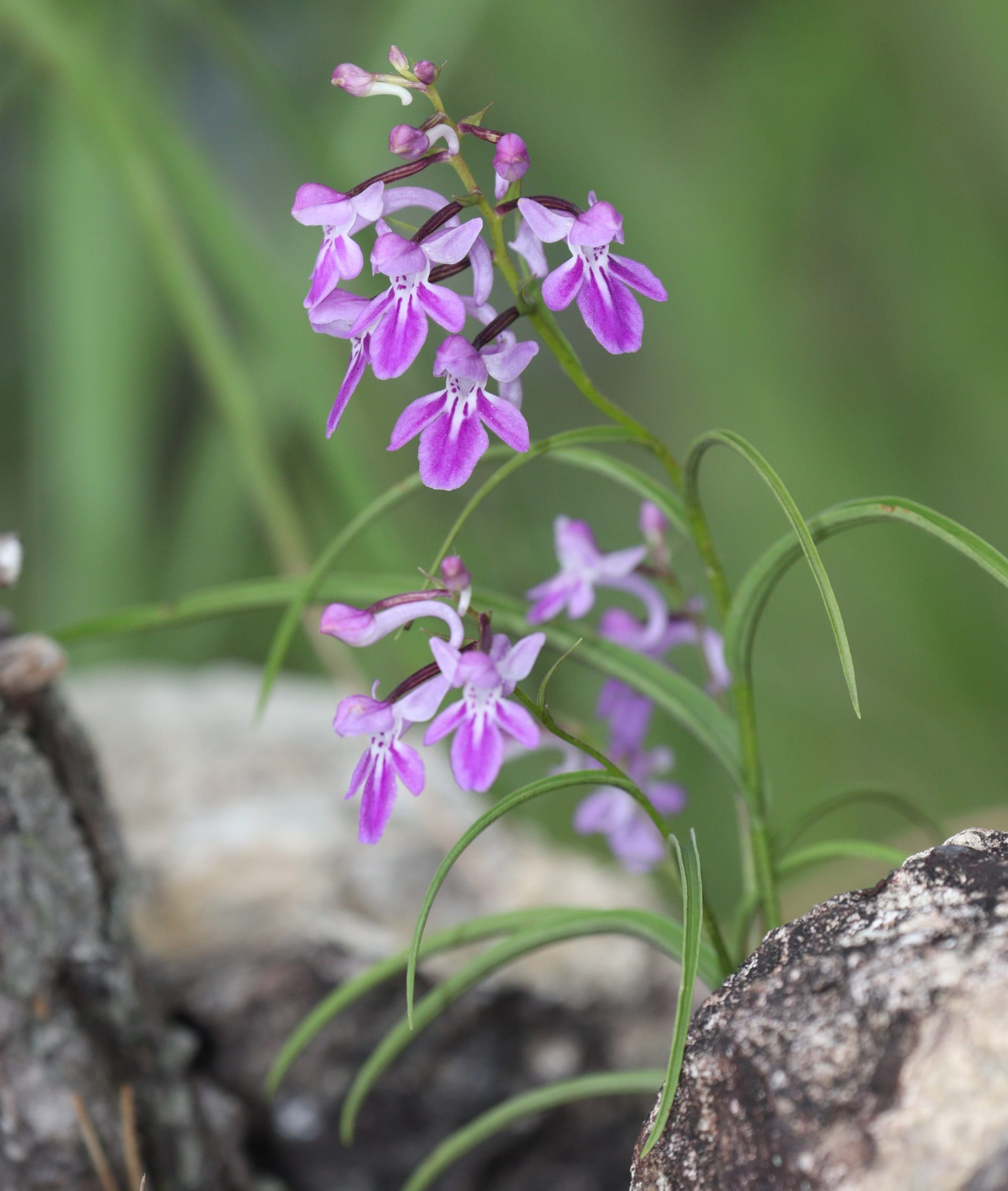
Grass-leaved Hemipilia
Hemipilia graminifolia
A small terrestrial orchid of damp rock faces in the hills of Japan and southern Korea. Between narrow leaves it bears a few to dozens of small purple-pink flowers, and many cultivars with different lip markings and colours have been raised.
 © Alpsdake / CC BY-SA 3.0
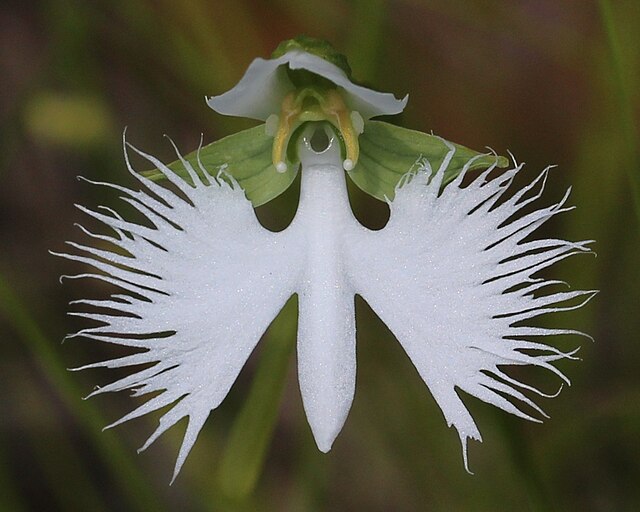
Habenaria Radiata
Pecteilis radiata
A Japanese terrestrial orchid with flowers resembling white egrets in flight, a summer icon.
 © Orchi / CC BY-SA 3.0
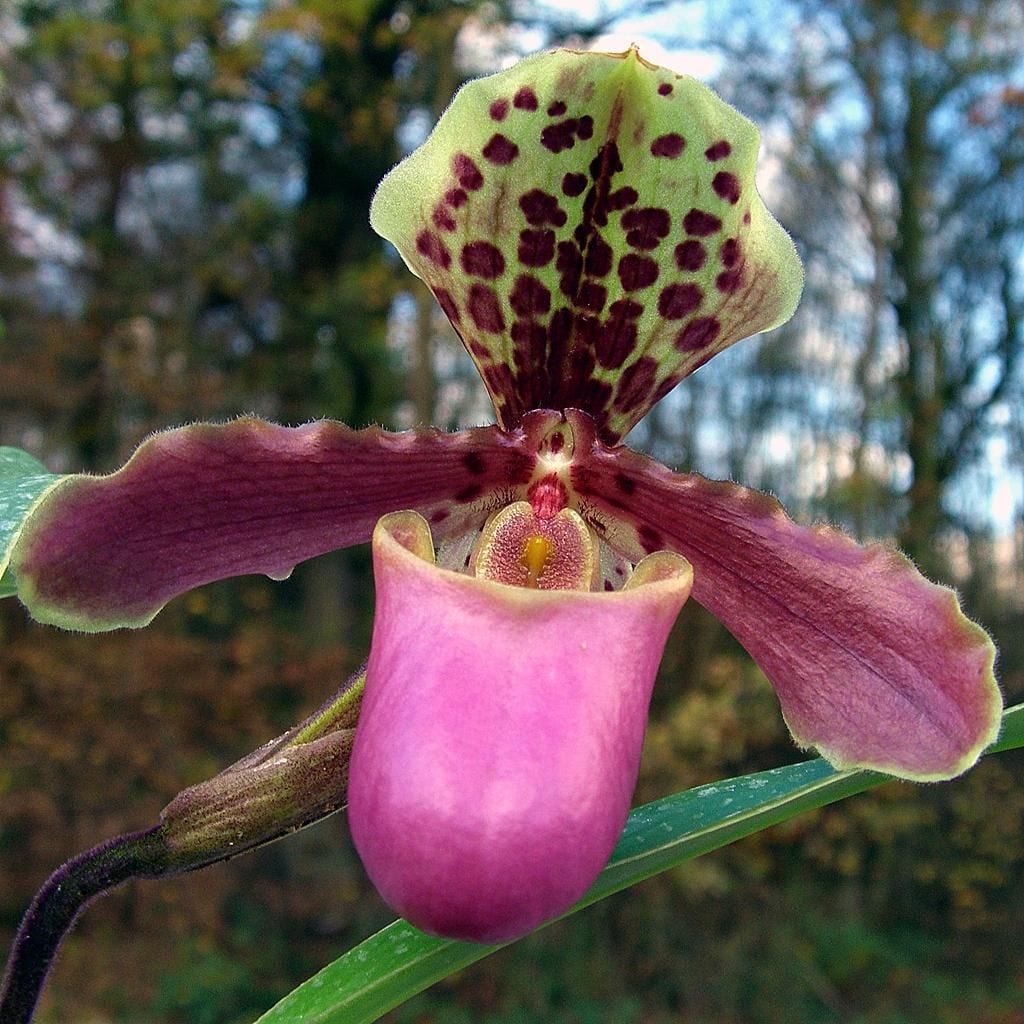
Henry's Paphiopedilum
Paphiopedilum henryanum
A small slipper orchid from limestone cliffs in Guangxi and Yunnan, China, and northern Vietnam. It has narrow, glossy dark green leaves and in autumn and winter bears a single flower 4-6 cm across on a stem 12-15 cm tall.
 © 日:Jnn / CC BY 2.1 jp
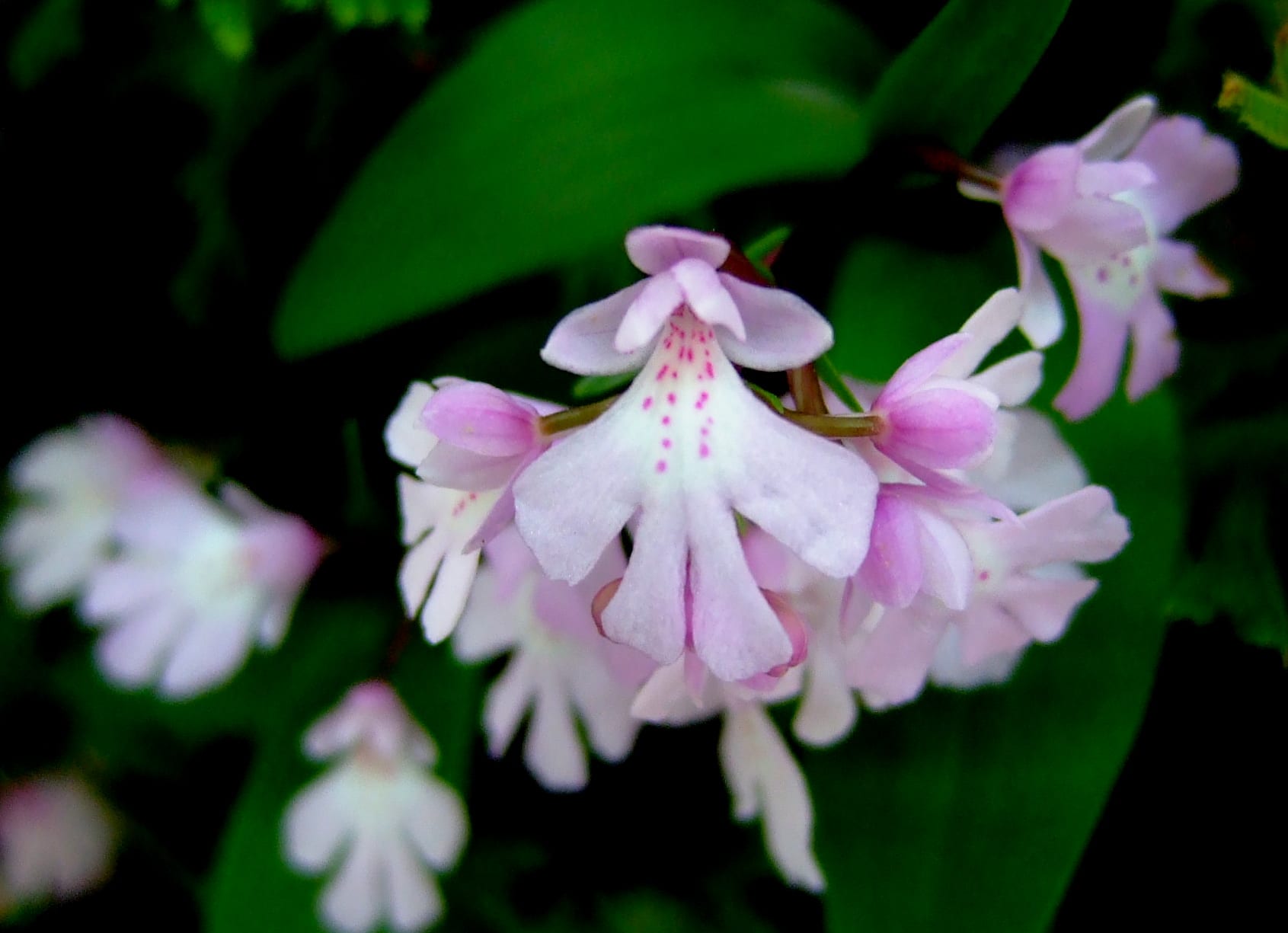
Iwa-chidori
Hemipilia keiskei
A tiny terrestrial orchid endemic to Japan, growing in rock crevices in gorges from central Honshu westwards and on Shikoku. About 10 cm tall, it opens pink-purple flowers about 1 cm across in April and May and is nicknamed the fairy of the gorges.
 © M108t / CC BY 4.0
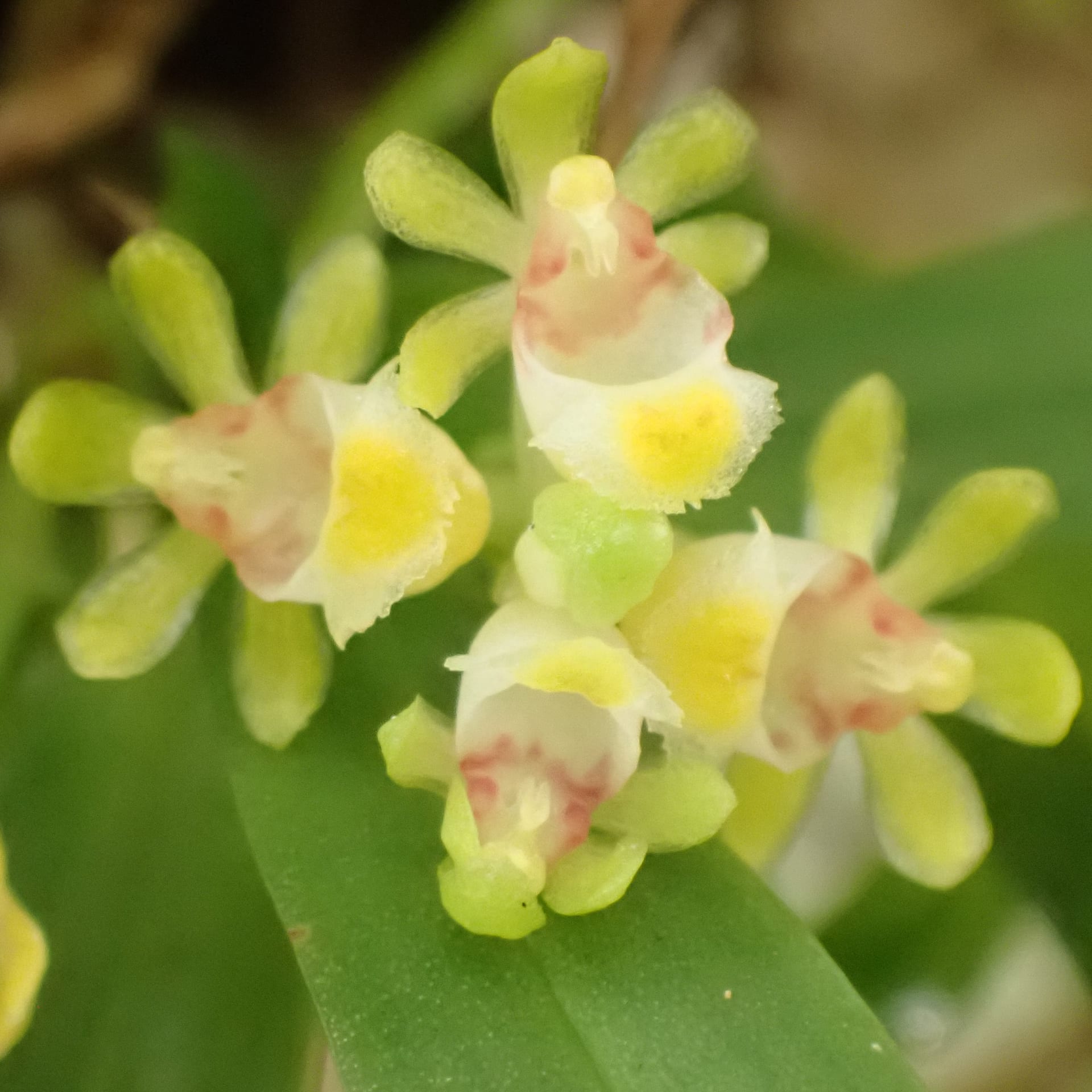
Japanese Gastrochilus
Gastrochilus japonicus
A small orchid growing on the trunks and branches of evergreen trees. It has leathery leaves like those of an evergreen oak in two rows and in summer opens clusters of pale yellow flowers about 1 cm across; the pouched lip is marked red-purple inside.
 © Qwert1234 / Public domain
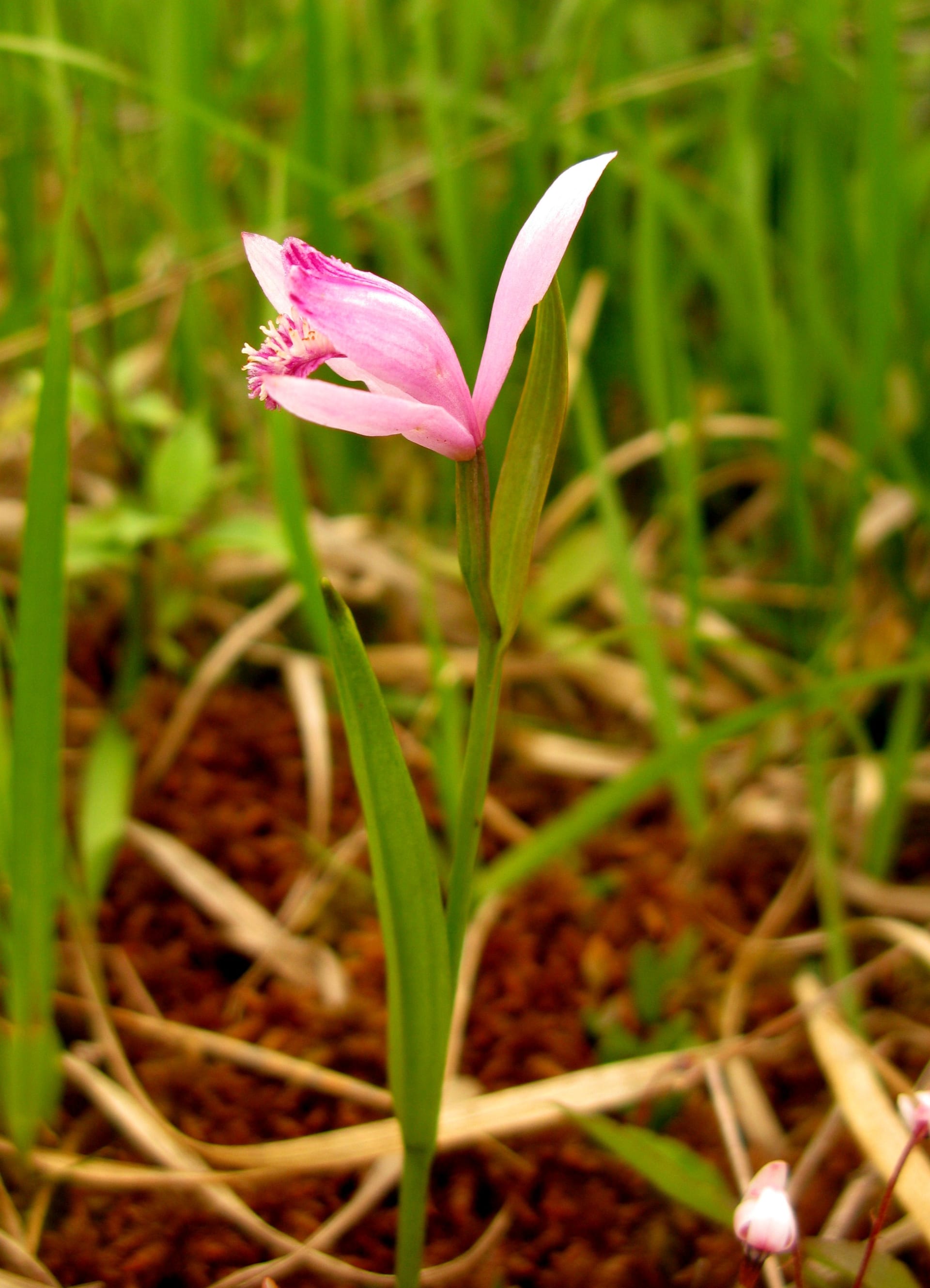
Japanese Pogonia
Pogonia japonica
A small terrestrial orchid of sunny wetlands and moors. A slender stem bears a single leaf and, in early summer, one sideways-facing flower in the soft pink-purple of the crested ibis (toki). The inside of the lip is densely covered in fleshy hairs.
 © Michael Wolf (Webseite) / CC BY-SA 3.0
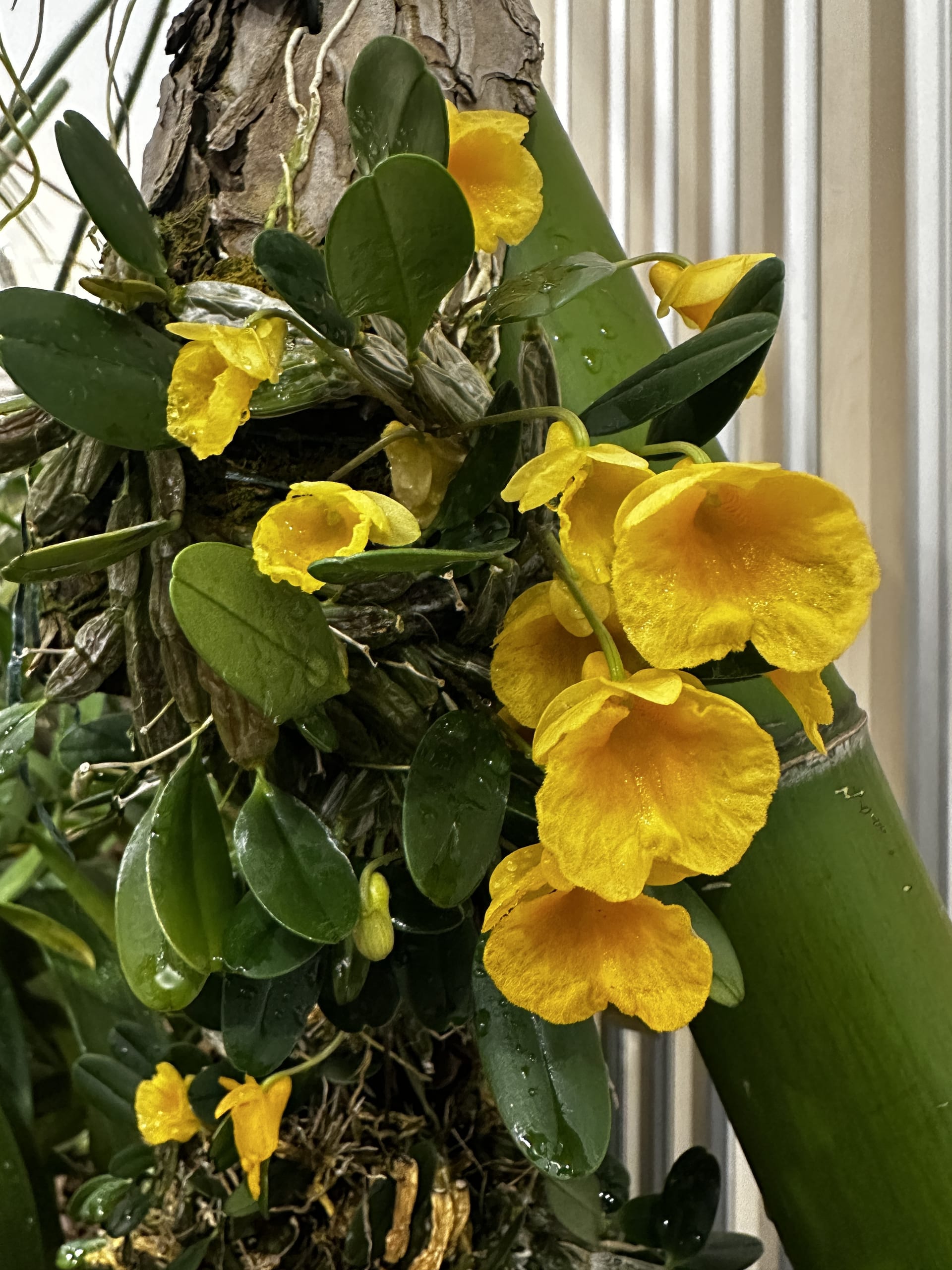
Jenkins' Dendrobium
Dendrobium jenkinsii
A tiny Dendrobium with clusters of small flattened pseudobulbs. In early spring, one to five honey-scented yellow flowers appear beside each thick single leaf. It is usually sold mounted on cork.
 © Orchi / CC BY-SA 3.0
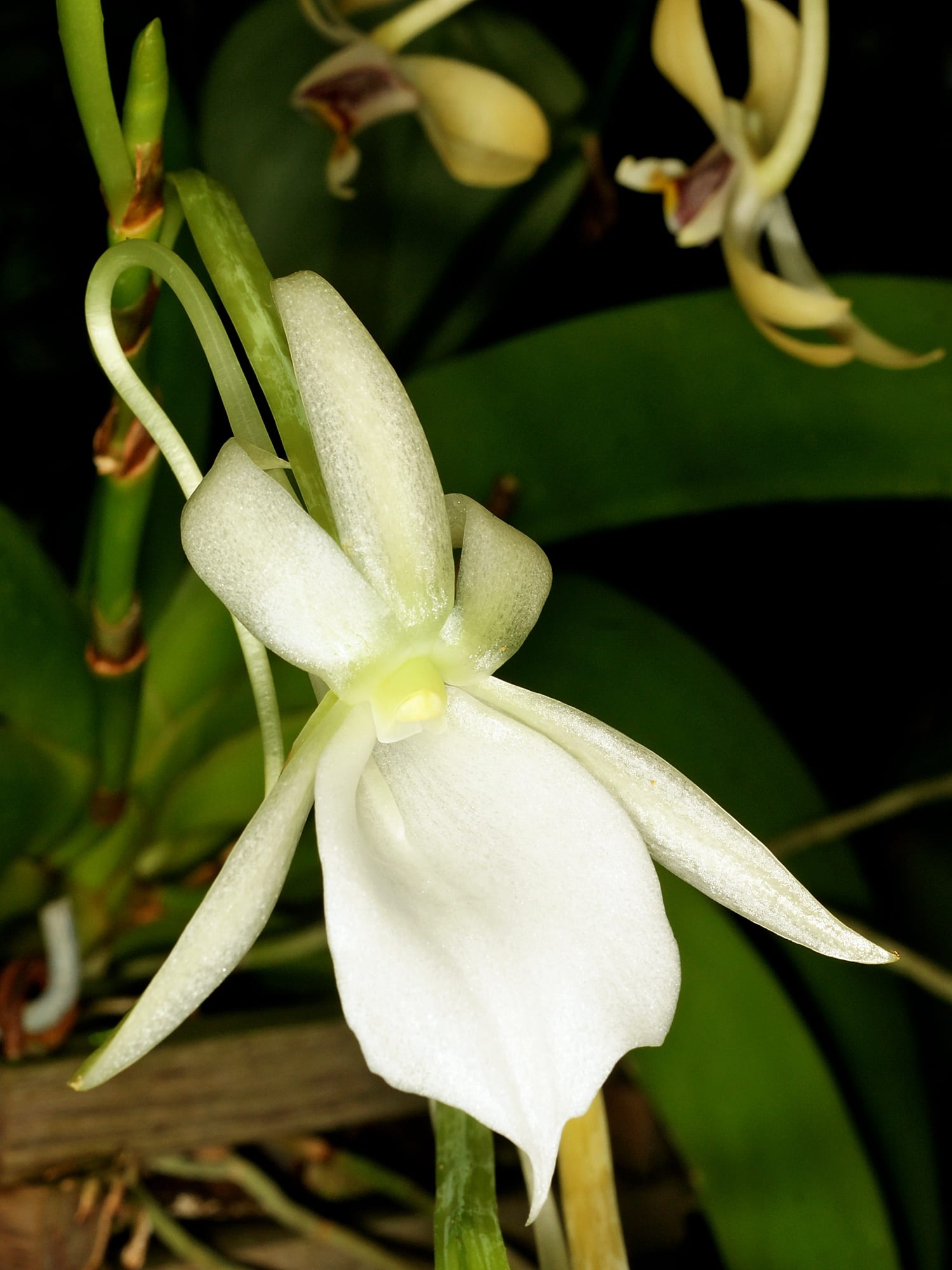
Leon's Angraecum
Angraecum leonis
An epiphytic orchid from Madagascar and the Comoros, recognised by its flattened, fleshy leaves stacked into a fan. Its waxy white flowers carry a long spur and give off a jasmine-like scent at night.
 © Orchi / CC BY-SA 3.0
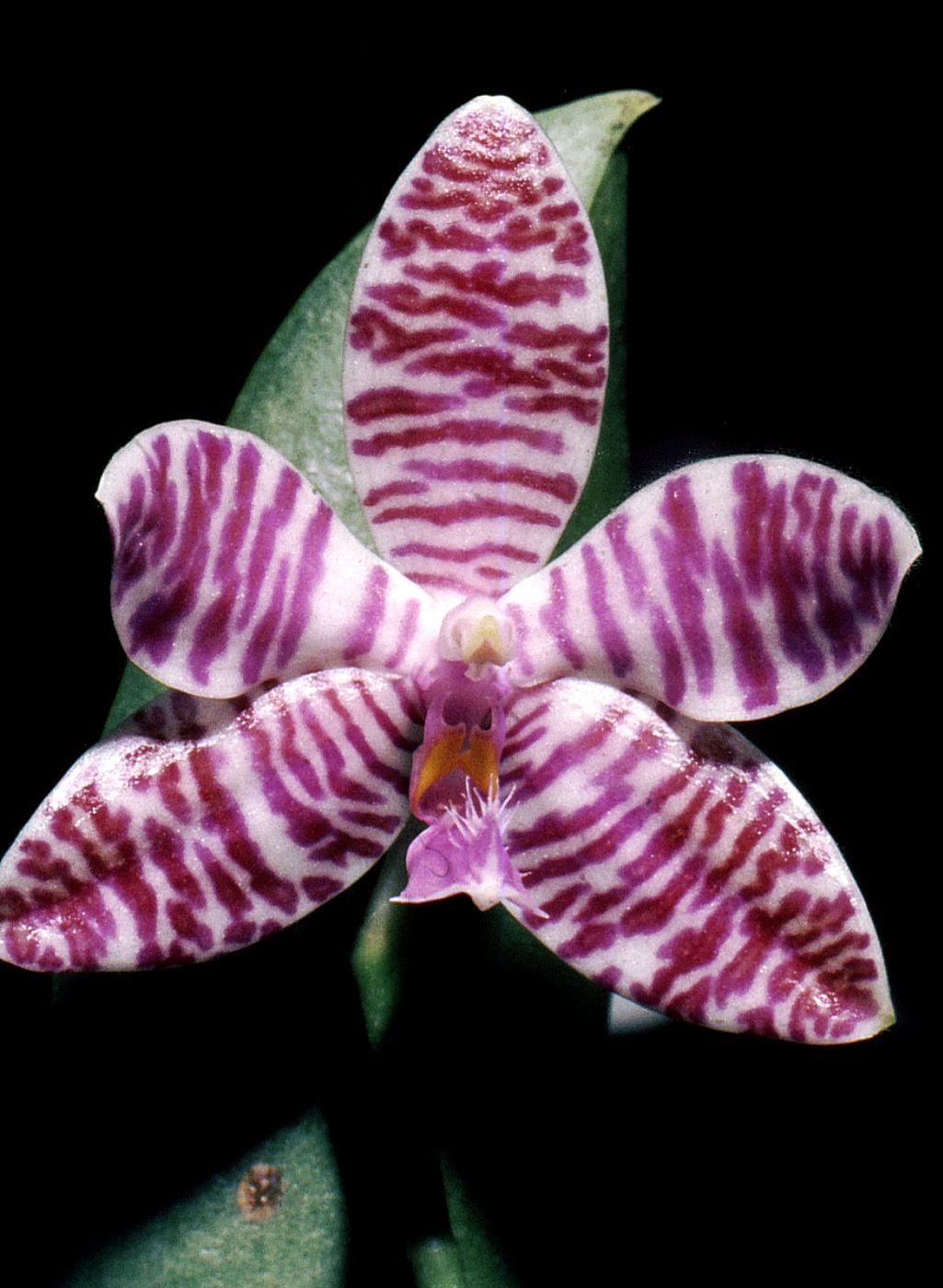
Lueddemann's Phalaenopsis
Phalaenopsis lueddemanniana
A moth orchid species endemic to the Philippines. Its waxy, fleshy flowers are white to ochre, barred and spotted violet to magenta, sweetly scented and long-lasting. The flower stems readily produce plantlets (keikis).
 © Orchi / CC BY-SA 3.0
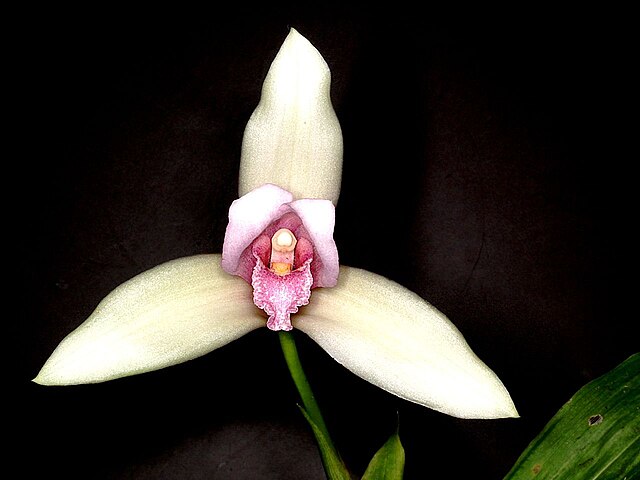
Lycaste
A deciduous orchid with large triangular waxy flowers in vivid colors.
 © Arne and Bent Larsen, Haarby, Denmark / CC BY-SA 2.5 dk
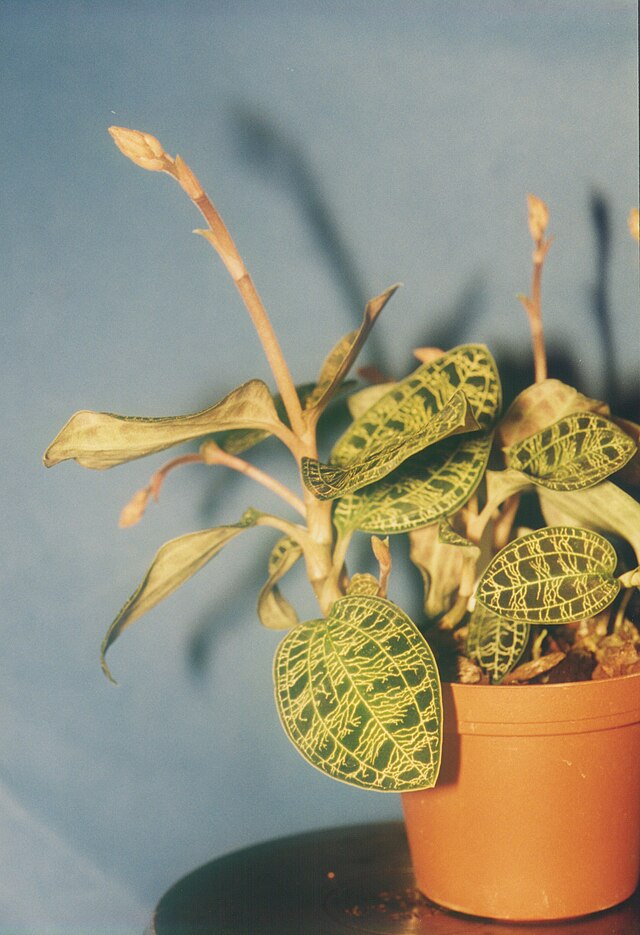
Macodes Petola
Macodes petola
A jewel orchid with lightning-like golden lines on leaves, the most popular foliage orchid.
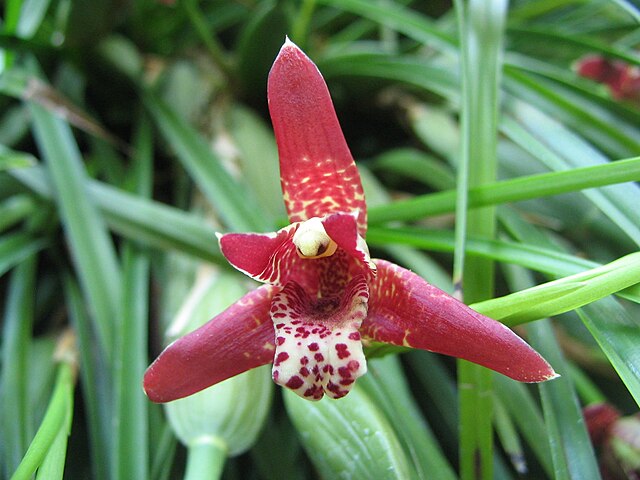
Maxillaria
Maxillaria
An epiphytic orchid with many species having coconut scent, producing numerous flowers.
 © Eric Hunt / CC BY-SA 2.5
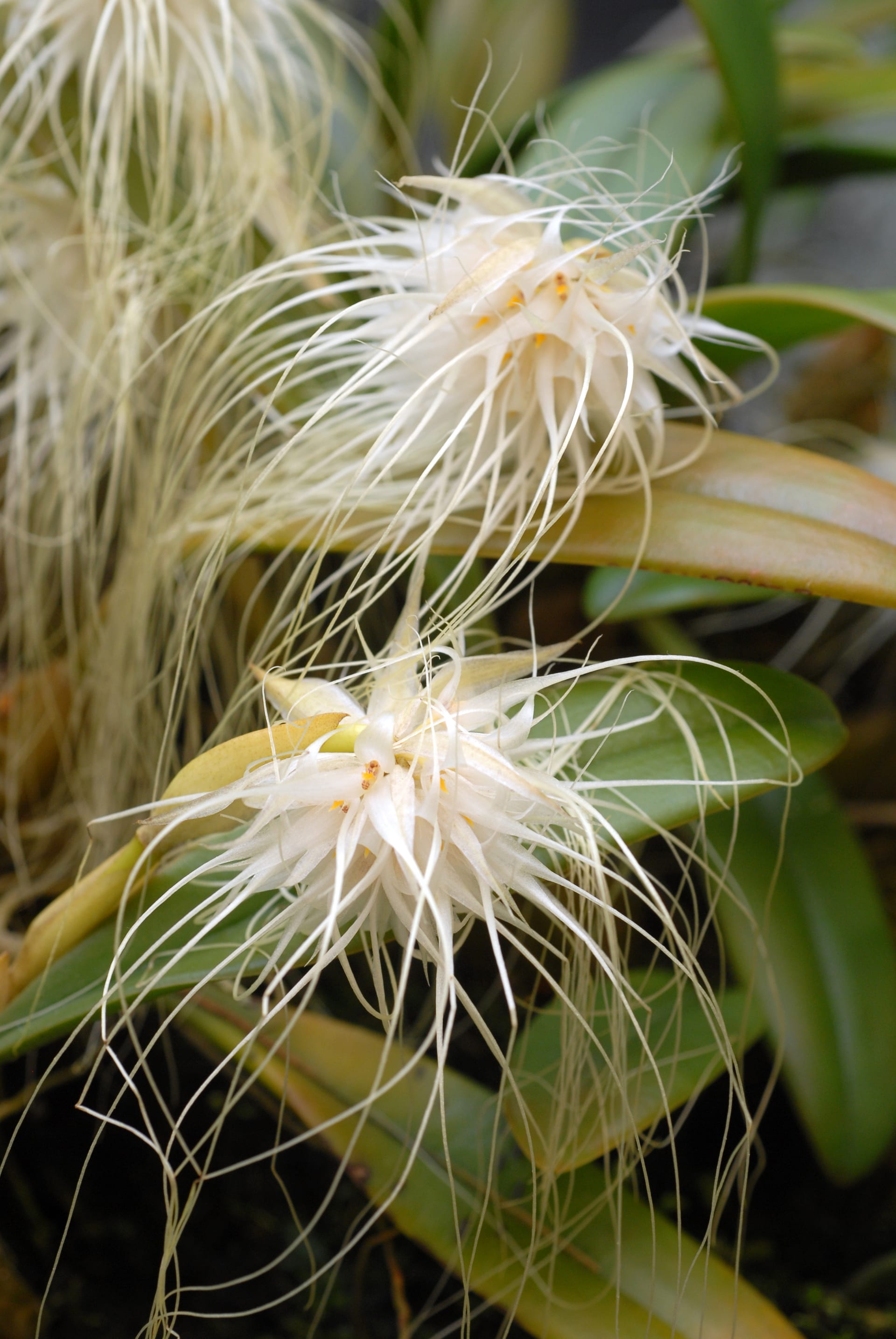
Medusa's Head Orchid
Bulbophyllum medusae
A curiosity from South-East Asia whose small white to pale yellow flowers, each with thread-like sepals, gather into a shaggy round tuft named after Medusa. It is a warm, humid-loving epiphyte.
 © KENPEI / CC BY-SA 3.0
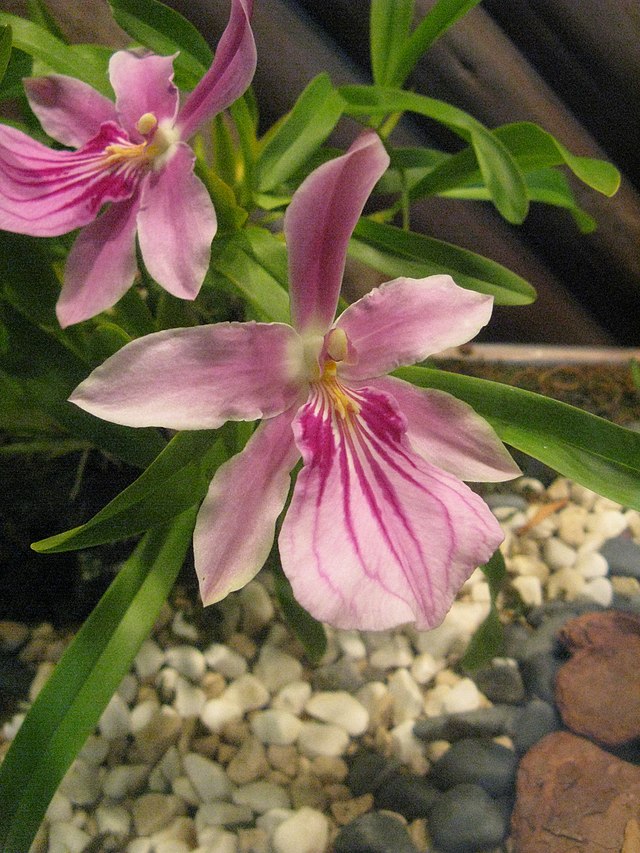
Miltonia Spectabilis
Miltonia spectabilis
A Brazilian Miltonia species with large flowers and distinctive lip patterns, relatively heat tolerant.
Related Content
Orchid FAQ
- How much do orchids cost?
- Mini Phalaenopsis cost 1,000-5,000 yen, large Phalaenopsis 5,000-30,000 yen, Cattleya 3,000-20,000 yen, and rare species orchids tens of thousands of yen depending on type and size.
- Can beginners grow orchids?
- Phalaenopsis and Dendrobium are easy to manage indoors and recommended for beginners. Place in bright indirect light and water when the moss dries out for long-lasting blooms.
- How long do orchids live?
- With proper care, orchids can be grown for decades. Phalaenopsis bloom annually and can be propagated by division. Many enthusiasts have plants over 10 years old.
- What should I check when buying orchids?
- Check that roots are green and healthy, leaves are firm, and there are no disease spots. Choosing a blooming plant helps you see what to expect and is easier for beginners.
- How do I get orchids to rebloom?
- Cut the flower spike above a node after blooming and keep in bright shade. A day-night temperature difference in autumn encourages flower spike formation. Consistent fertilizing and watering are key.