 © 5snake5 / CC0
日本马醉木
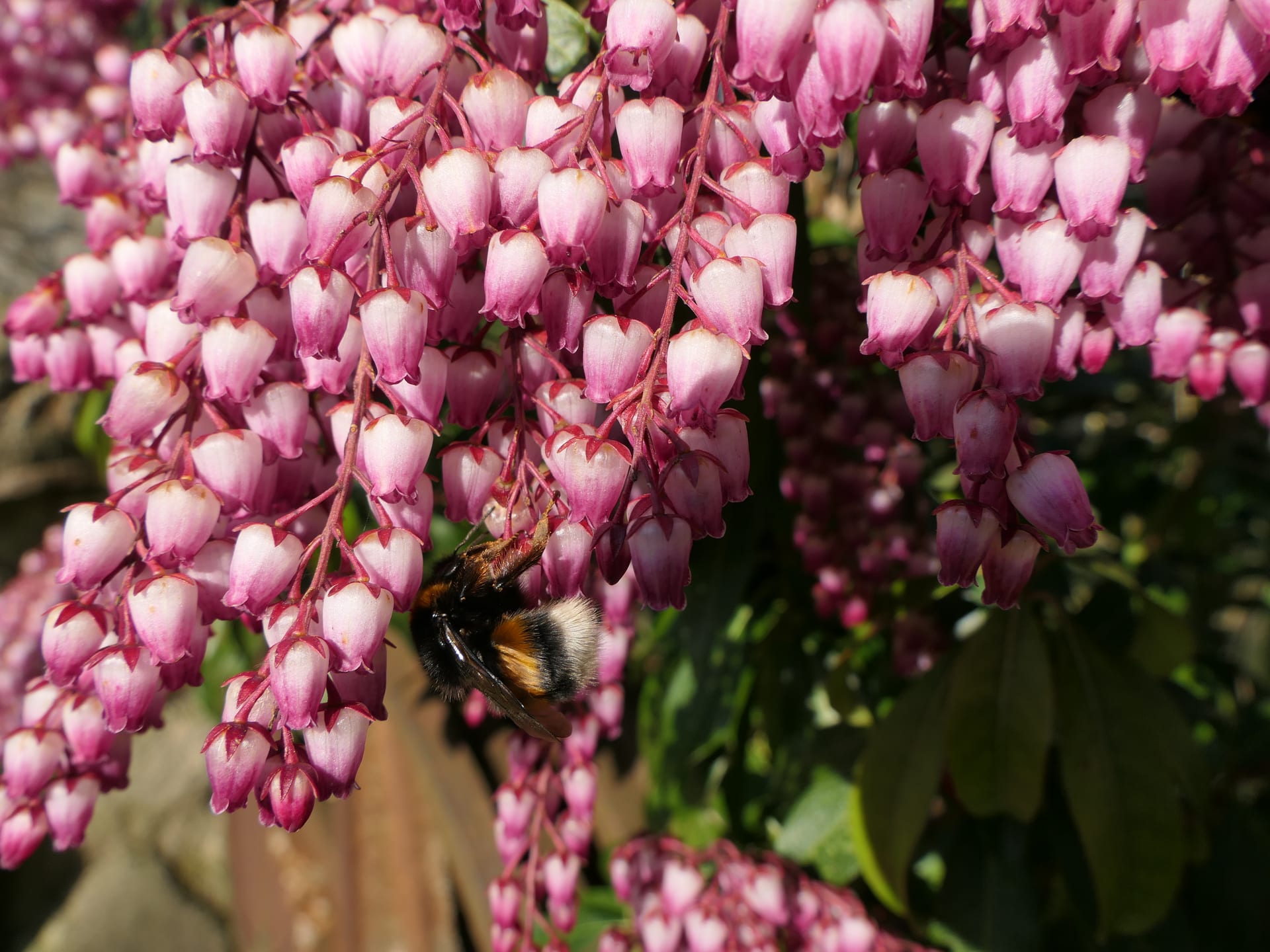
Asebi, known in English as Japanese andromeda, is a native Japanese evergreen shrub that opens clusters of small, urn-shaped flowers in early spring. While the wild species flowers white, bonsai growers particularly prize cultivars with pale pink to deep red blooms. Its glossy, compact leaves and elegant branching make it appealing year-round, and it is generally considered approachable for beginners. Left to grow naturally it can reach around 3 meters, but bonsai training keeps it compact through regular pruning. Every part of the plant is toxic, so care should be taken to keep it away from curious mouths.
View 日本马醉木 encyclopedia →成交手续费0%!2026年9月30日前注册,前 2 株免佣金!
生产者 招募中!
在GrowerDirect上销售,直接面向全国客户销售吗?
GrowerDirect的 6 项透明性承诺
在盆景的上架中,生产者公开以下信息。确保树种、产地、光照需求、栽培难度的透明度。
- 树种公开
- 实物照片
- 色彩
- 产地公开
- 光照需求
- 难度公开
查看全部144个品种
已注册的生产者(抢先看)
日本马醉木的基本数据
- 养护难度
- 适合新手
- 寿命
- 寿命资料较少
- 体型
- 自然状态下树高约3米
- 浇水
- 肥料(盆景方面资料较少。喜肥沃土壤)
- 光照与放置位置
- 具有阴树特性,不耐直射日光和西晒。理想情况下每天接收约3-4小时的日照,在完全黑暗的阴影处花量会减少。
- 温度与越冬
- 作为常绿树,耐寒性强,即使在其自然分布地以北的地区也能生长。同时抗大气污染、海风和干旱。
- 用土与换盆
- 喜欢肥沃的土壤,但不挑土质,能够健壮生长。
- 修剪与造型
- 花朵开在前一年生长的枝条先端,所以秋季以后修剪会减少开花。生长缓慢,只需要修剪突出的枝条或枯死的枝条即可。
- 病虫害与注意事项
- 抗病虫害能力强,但如果通风不良,可能会有网蝽或卷叶蛾出现。由于整个植株有毒,需要注意防止儿童和宠物误食,修剪下的枝条也应妥善处理。
关于日本马醉木
Asebi is a Japanese native evergreen shrub with clustered urn-shaped flowers in early spring, generally considered beginner-friendly. Bonsai growers favor cultivars with pale to deep red blooms, though the whole plant is toxic and should be handled with care.
开始养护日本马醉木前需要了解的7件事
1Light and airflow
Asebi is a shade-tolerant tree that dislikes direct sun and strong afternoon sun. The ideal spot gets about three to four hours of sunlight a day, and harsh west-facing summer sun should be avoided. Deep shade, however, reduces flowering. Good airflow around the plant also helps prevent pests such as lace bugs.
2Watering balance
Asebi dislikes drying out, so the basic rule is to water thoroughly once the soil surface feels dry. It dries out faster in summer, so check it morning and evening during that season. In winter, cut back on watering to avoid root rot.
3Slightly acidic soil
As a member of the heath family, Asebi prefers slightly acidic soil. Choose a mix that balances drainage with moisture retention. Blending standard bonsai soil with kanuma soil is a common way to achieve this.
4Repotting timing
The best time to repot is right after flowering ends, before new growth begins. Loosen the old soil gradually rather than disturbing the root ball too much at once. Repotting too often stresses the plant, so once every few years is a good guideline.
5Pruning after flowering
Next year's flower buds form by summer, so pruning should happen right after the current bloom fades. Missing this window can reduce the following spring's flowers. Trim back any overgrown branches to maintain the tree's shape.
6Cold hardiness
For an evergreen, Asebi is quite cold-hardy and grows even in regions north of its natural range. It can stay outdoors through winter, but potted plants have roots that chill and dry out more easily than those in the ground, so keep the pot out of cold, drying winter winds.
7Choosing a healthy plant
Look beyond flower color and bloom density to the branch structure and trunk movement that define its bonsai form. A plant with glossy leaves and a sturdy base is usually in good condition. Since the whole plant is toxic, it's worth planning a spot where young children or pets can't reach it.
日本马醉木的常见问题
- Q.Is Asebi suitable for beginners?
- A.Yes, Asebi is a relatively hardy plant generally considered beginner-friendly. With a basic understanding of placement and watering, it's an approachable choice even for those new to bonsai.
- Q.What flower colors are available?
- A.The wild species flowers white, but bonsai cultivars range from pale pink to deep red, with these red-flowered varieties being especially popular.
- Q.I've heard it's toxic — is it still safe to grow?
- A.Every part of Asebi is toxic, but that doesn't pose a problem when it's grown purely for ornamental purposes. Just be mindful of where you place it if young children or pets are around, so it isn't accidentally ingested.
- Q.How large does it grow?
- A.In its natural form it can reach around 3 meters, but bonsai training keeps it compact through regular pruning. Managing it relative to its pot size lets you enjoy a small, tidy form for years.
- Q.When does it bloom?
- A.Asebi flowers in early spring, with small urn-shaped blossoms hanging in clusters. Pruning right after flowering helps the plant produce a good number of blooms again the following year.
日本马醉木种植的实用工具
在图鉴中详细了解日本马醉木
查看日本马醉木的图鉴条目 →
收录栽培难度、尺寸、原产地、日照等基础数据。