 © Cliff from Arlington, Virginia, USA / CC BY 2.0
锦松
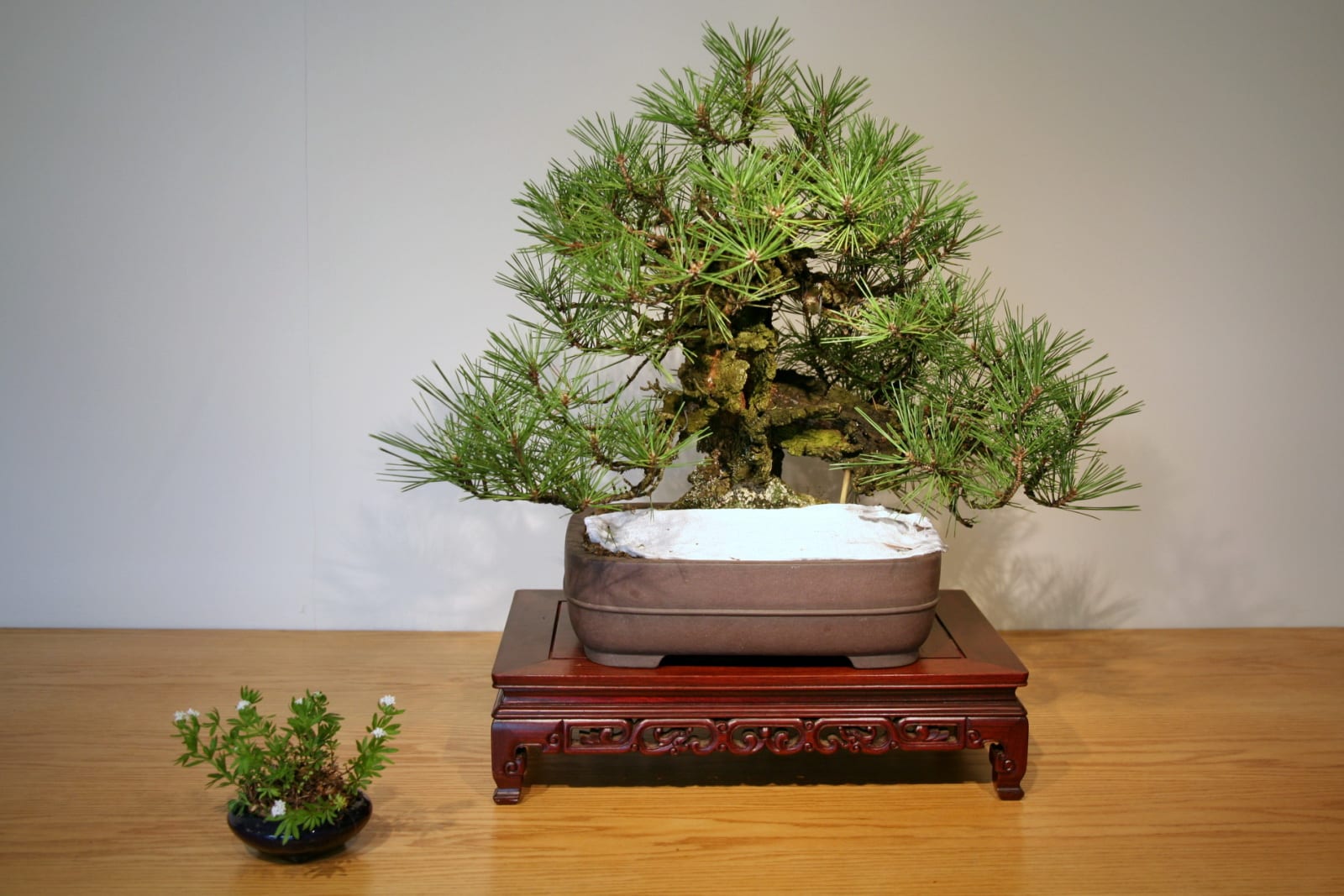
Nishiki-matsu is a cork-bark variety of Japanese black pine discovered along the Seto Inland Sea coast in Takamatsu, Kagawa Prefecture. Its bark thickens into deep, rugged cork-like fissures as the tree matures, giving even young specimens the weathered look of an ancient tree that has withstood decades of wind and snow. This striking contrast between bold pine branching and craggy bark makes it a favorite among bonsai enthusiasts who enjoy watching the texture evolve over the years. Cultivation calls for some intermediate-level experience, making it a rewarding long-term companion tree.
View 锦松 encyclopedia →成交手续费0%!2026年9月30日前注册,前 2 株免佣金!
生产者 招募中!
在GrowerDirect上销售,直接面向全国客户销售吗?
GrowerDirect的 6 项透明性承诺
在盆景的上架中,生产者公开以下信息。确保树种、产地、光照需求、栽培难度的透明度。
- 树种公开
- 实物照片
- 色彩
- 产地公开
- 光照需求
- 难度公开
查看全部144个品种
已注册的生产者(抢先看)
锦松的基本数据
- 养护难度
- 适合中级者
- 寿命
- 寿命长,有树龄达100年的盆栽
- 体型
- 在人工环境中通常管理在3米以下(盆栽为小品至中品)
- 浇水
- 肥料(4月至11月,除梅雨季和盛夏)
- 日照与摆放位置
- 全年在光照充足、通风良好的户外。以日照时间4至5小时以上为目标,定期改变花盆方向
- 浇水
- 比黑松更喜欢水。春季每天1至2次,夏季2至3次,冬季2至3天1次,以表土干燥为准进行浇水。盛夏傍晚的叶面喷水也有防止红蜘蛛的作用
- 温度与越冬
- 耐高温耐严寒(黑松为USDA气候带5至8)。小株或衰弱的植株在冬季需要保护。枝条易被积雪压折
- 土壤与换盆
- 用赤玉土(小粒)混合2至3成的桐生砂,排水良好的土壤。幼树2至3年换一次,成型树3至4年换一次
- 肥料
- 4月至11月(除梅雨季和盛夏),每月1次施用油粕等固形肥料
- 修剪与整形
- 过度摘芽容易削弱树势。通过摘芽、芽切和疏叶使叶片长度整齐。芽切在7月进行,金属丝整形在休眠期轻度进行
- 病虫害与注意事项
- 抗病虫害能力强,但衰弱的株易受红蜘蛛和叶脱落病。老叶容易卡在树皮上,应随时清除
关于锦松
Nishiki-matsu is a cork-bark black pine variety discovered on Japan's Seto Inland Sea coast, known for its thick, deeply fissured bark that gives even young trees an aged, weathered look. Recommended for intermediate-level bonsai growers.
开始养护锦松前需要了解的7件事
1Give It Full Sun
As a black pine relative, nishiki-matsu should be kept outdoors year-round in a spot with plenty of sun and good air circulation. Insufficient light can cause leggy growth and slow the development of its signature corky bark. Just shield it from harsh summer west sun and direct winter frost.
2Thirstier Than Black Pine
Although nishiki-matsu behaves much like black pine, it likes somewhat more water. Water thoroughly once the soil surface dries; as a guide, that is once or twice a day in spring, two to three times a day in summer, and once every two to three days in winter. Misting the foliage on midsummer evenings also helps prevent spider mites.
3Well-Drained Soil Mix
A fast-draining, well-aerated mix built around akadama with hard granular additions like kiryu or hyuga soil suits this variety well. Commercial "pine and conifer" bonsai soil blends are a convenient option. Avoid mixes that retain too much moisture, as they can harm root health.
4Repot in Early Spring
Black pines are generally repotted in early spring, before new buds begin to swell. Because roots can become congested over time, repotting every few years is a reasonable guideline, adjusted to the tree's condition. After repotting, keep it out of direct sun while it recovers.
5Seasonal Pinching and Care
Like other black pines, nishiki-matsu benefits from seasonal techniques such as pinching new spring shoots ("candles") to refine shape and needle size. The exact timing and method depend on the tree's stage of training, so general black pine bonsai care guides are a useful reference. It tolerates cold well, though potted trees still need protection from extreme freezing.
6Choose by Bark Character
The defining appeal of nishiki-matsu is its corky bark, so when selecting a tree, look closely at how developed and textured the fissures already are. Individual trees vary in how their rugged bark expresses itself, even at similar ages. Choose based on branch structure and overall form as well as whether the bark's character suits your taste.
7A Tree for the Long Term
Nishiki-matsu is long-lived — some bonsai specimens are said to reach around 100 years old — and its form and bark character deepen gradually over time. In cultivation it's typically kept under 3 meters, worked as a shohin to chuhin (small to medium) sized bonsai. It rewards owners who approach it with patience rather than expecting quick results.
锦松的常见问题
- Q.Is nishiki-matsu suitable for beginners?
- A.Nishiki-matsu is generally considered better suited to intermediate growers who already have some experience with basic pine care such as watering, pinching, and repotting. Complete beginners may find it easier to build foundational skills with a more common black pine or five-needle pine first.
- Q.Why does the bark look so rugged and cork-like?
- A.Nishiki-matsu arose as a mutation of Japanese black pine found along the Seto Inland Sea coast in Takamatsu, Kagawa Prefecture, with bark that thickens into a cork-like texture and develops deep, dramatic fissures. This gives even young trees the weathered, rugged trunk of an ancient tree that has endured many years of wind and snow.
- Q.How long can a nishiki-matsu bonsai live?
- A.It's a long-lived tree, with some bonsai specimens said to be around 100 years old. With consistent care, it can potentially be enjoyed and passed down over many years.
- Q.How large does nishiki-matsu grow?
- A.When cultivated, it's typically kept under 3 meters, and as bonsai it's most often worked as a shohin to chuhin (small to medium) size. Regular repotting and pruning help maintain the size you prefer.
- Q.Does the corky bark harm the tree's health?
- A.The corky bark is simply a natural characteristic of nishiki-matsu, not a sign of stress or weakness. It arose naturally as a mutation of black pine, and this rugged trunk texture is precisely what gives the variety its ornamental appeal.
锦松种植的实用工具
在图鉴中详细了解锦松
查看锦松的图鉴条目 →
收录栽培难度、尺寸、原产地、日照等基础数据。