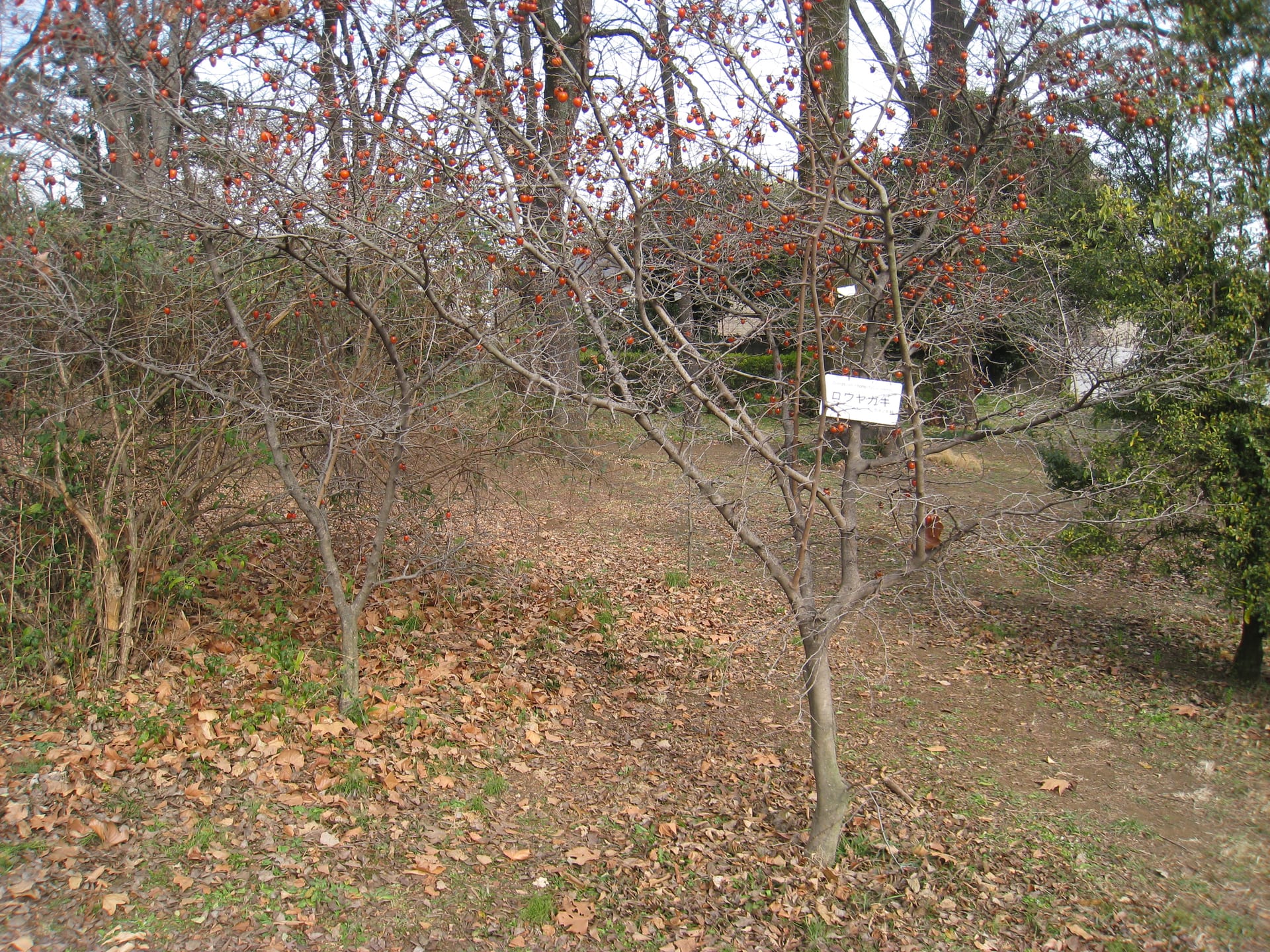
 © Daderot / Public domain
老鸦柿
Rōya-gaki (Diospyros rhombifolia), known in English as the rhombic-leaf persimmon, is a small persimmon species native to China, valued in bonsai for its rounded, diamond-shaped leaves and tiny pointed orange fruit that colors up in autumn. In the wild it can grow as a shrub or small tree up to around 8 meters tall, but as bonsai it is trained into mini to medium-sized forms that still display fruit within a pot. Because the species is dioecious, the usual way to get fruit is to keep a male tree and hand-pollinate, although some cultivars set fruit without cross-pollination. Growing it well calls for some intermediate-level experience, but the interplay of foliage and fruit gives this variety a distinctive bonsai character.
View 老鸦柿 encyclopedia →成交手续费0%!2026年9月30日前注册,前 2 株免佣金!
生产者 招募中!
在GrowerDirect上销售,直接面向全国客户销售吗?
GrowerDirect的 6 项透明性承诺
在盆景的上架中,生产者公开以下信息。确保树种、产地、光照需求、栽培难度的透明度。
- 树种公开
- 实物照片
- 色彩
- 产地公开
- 光照需求
- 难度公开
查看全部144个品种
已注册的生产者(抢先看)
老鸦柿的基本数据
- 养护难度
- 适合中级者
- 寿命
- 关于树龄的资料很少
- 体型
- 自然环境中为灌木至乔木,高度可达8米(盆景为微型至中等大小)
- 浇水
- 肥料(从结果开始到8月份施用较多,秋季追肥)
- 光照和摆放位置
- 在光照充足、通风良好的地方,结果更好。小品种在夏季应避免强烈的午间西日。
- 浇水
- 高温潮湿环境下容易根腐,应避免过度潮湿。春季每天浇水1-2次,夏季2-3次,当表土干燥时充分浇水。
- 温度和越冬
- 耐热耐寒(可耐USDA 7b区左右)。小品、结果过多的株和秋季移植后的株应防止冻害和干风。
- 用土和换盆
- 用硬质赤玉土混合河砂2-3成。幼树隔年换盆,老树3-5年换盆一次。最适时期为秋季(8月下旬至9月中旬)或萌芽前,避免在4-5月换盆。
- 肥料
- 春季施肥易引起落果,应适量施用。从结果开始至8月持续施肥,初秋停止一次,10月中旬再施追肥。
- 修剪和造型
- 新枝伸长后在2-3节处回剪以形成侧枝。修剪和布线在2月下旬至3月及11-12月进行。枝条易折,应避免强力弯曲。
- 病虫害和注意事项
- 需防范蚜虫、蓟马和介壳虫。由于为雌雄异株,欣赏果实需准备雄树并在4-5月进行人工授粉。
关于老鸦柿
Rōya-gaki is a small Chinese persimmon bonsai known for diamond-shaped leaves and tiny orange fruit. It's dioecious, so fruit usually needs pollen from a male tree (some cultivars fruit without it), and it suits intermediate-level growers.
开始养护老鸦柿前需要了解的7件事
1Sun and Air Circulation
Rōya-gaki thrives outdoors in a spot with plenty of sun and good air circulation. Strong direct sun in midsummer can scorch the leaves, so moving it to partial shade during the hottest stretch of summer is a good precaution.
2Watering Basics
Water thoroughly once the surface of the soil dries out. The tree can dry out quickly while fruiting or during summer heat, so keep an eye on soil moisture, and ease off on watering in winter when growth slows.
3Well-Draining Soil Matters
Because Rōya-gaki is prone to root rot in soggy soil, use a well-draining, well-aerated bonsai mix, such as a standard akadama-based blend. Good drainage keeps the roots healthy through the growing season.
4When to Repot
Repot once the roots have filled the pot. Doing this while growth has settled down puts less stress on the tree, and trimming the roots at repotting time helps keep drainage and growth stable afterward.
5Winter Care
As temperatures drop, Rōya-gaki tends to shed its leaves and enter a dormant period. Depending on your climate, some winter protection may be needed, so pay attention to where you keep it, and water more sparingly (without letting it dry out completely) during dormancy.
6Check the Sex and Cultivar Name
Rōya-gaki is dioecious, so the usual way to get fruit is to keep a male tree and hand-pollinate with its pollen. Some cultivars, however, set fruit without cross-pollination. When buying, check whether the tree is male or female and what cultivar it is, which makes later care much easier to plan.
7Choosing a Good Specimen
Leaf color, branch shape, and how fruit sets can vary from tree to tree, so look closely at the description as well as the photos when choosing. Since this variety suits intermediate growers, it helps to review the basics of its care beforehand if this is your first fruiting bonsai.
老鸦柿的常见问题
- Q.Is Rōya-gaki suitable for beginners?
- A.Rōya-gaki is generally considered a variety for intermediate growers, with a few things to learn around watering, soil, and its male/female habit. Anyone with some basic bonsai experience should find it manageable.
- Q.What does it take to get fruit on the tree?
- A.Rōya-gaki is dioecious, so in most cases you need a male tree and hand-pollination with its pollen. Some cultivars set fruit without cross-pollination, so check whether the tree is male or female and what cultivar it is when you buy.
- Q.How large does it grow?
- A.In the wild it can grow as a shrub or small tree up to around 8 meters tall, but as bonsai it's trained into mini to medium-sized forms. That means it can be kept small and well-balanced even in a pot.
- Q.How should I care for it in winter?
- A.As temperatures fall, it tends to drop its leaves and enter dormancy. During this period, water less often and keep the soil somewhat drier than during the growing season.
- Q.When is the right time to repot?
- A.Repot once the roots have filled the pot. Doing it while growth has settled down, then trimming the roots and replanting in well-draining soil, helps minimize stress on the tree.
老鸦柿种植的实用工具
在图鉴中详细了解老鸦柿
查看老鸦柿的图鉴条目 →
收录栽培难度、尺寸、原产地、日照等基础数据。