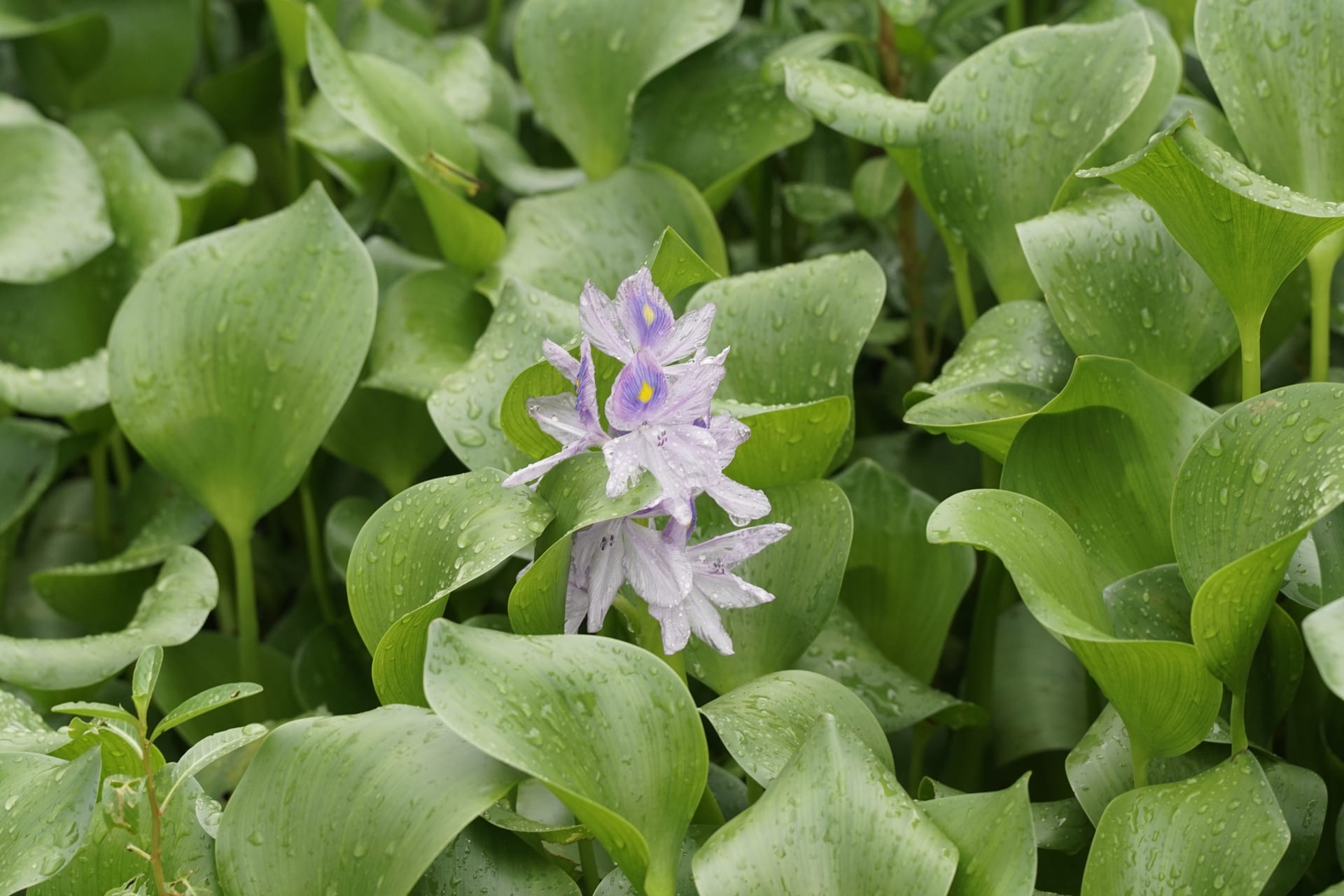
 © Vengolis / CC BY-SA 4.0
Water hyacinth
Water hyacinth is a floating plant from South America, easily recognized by its rounded, bladder-like leaf stalks that keep it buoyant on the water's surface. Because it needs no soil at all, it's simple to grow — just let it float in a tub, pond, or container water garden, making it a great choice for beginners. In summer it produces delicate pale blue-purple flowers that add a soft touch to any water feature. It grows vigorously and multiplies readily by producing offsets, so a single plant can keep providing new ones for a long time. That vigorous growth does mean it should be kept contained and never allowed to escape into rivers or ponds outdoors.
View Water hyacinth encyclopedia →0% commission on your first sales!Register by September 30, 2026 and your first 2 plants are commission-free!
Grower Wanted!
List your plants on GrowerDirect and sell directly to customers nationwide!
6 Transparency Commitments from GrowerDirect
Grower provide complete information for all Aquatic Plants listings. We guarantee transparency in variety, origin, light requirements, and difficulty level.
- Variety Clarity
- Live Photos
- Color Details
- Origin Transparency
- Light Requirements
- Difficulty Level
Browse all 134 varieties
Difficulty Level
Verified growers wanted for Aquatic Plants
Growers are signing up now ahead of launch. Subscribe to be notified when new listings go live.
Getting alerts is free with a member account. When new listings match your saved search, we'll notify you by email and in-app.
Browse other categories
Are you growing aquatic plants?
Register as a grower and connect with buyers directly.
Apply as a growerWater hyacinth key facts
- Growing Difficulty
- Beginner-friendly
- Lifespan
- Perennial; easily killed by cold
- Size
- Usually a few tens of cm; up to about 1.5 m when rooted in mud
- Temperature
- 25〜30℃
- Watering
- Prefers nutrient-rich water; leaves pale when starved
- Lighting
- Needs full sun; in weak light such as indoors it gradually declines and dies.
- CO2 & Fertilizer
- No CO2 needed. It thrives in nutrient-rich water; poor growth and pale leaves usually mean starvation or cold.
- Water Temperature & Quality
- Optimum 25–30°C. Cold-sensitive; most plants die in winter, so keep it warm and bright indoors if overwintering.
- Substrate & Attachment
- Grown floating on the surface in outdoor containers, biotopes or large open-topped tanks.
- Trimming & Propagation
- Produces daughter plants on runners; remove surplus plants regularly.
- Cautions
- Listed as a Priority Control Alien Species. Never dump it in rivers, ponds or ditches, and prevent overflow from containers in heavy rain. Dry unwanted plants before binning them.
About Water hyacinth
Discover water hyacinth, a beginner-friendly floating plant from South America that needs no soil and produces pale blue-purple flowers each summer.
7 things to know before growing Water hyacinth
1Full Sun Is a Must
Water hyacinth needs full sun. In a bright, sunny outdoor spot it grows well and flowers readily, but in weak light — indoors, for example — it gradually weakens and dies, so keep it in an outdoor container or water garden.
2Watch the Water Level
Since it isn't planted in soil, there's no watering as such — instead, just keep the container topped up with water. In summer, water evaporates quickly, so check the level often and refill as needed.
3No Soil Needed
As a floating plant, water hyacinth draws nutrients through roots that hang in the water, so no soil is required. Simply let it float in a tub, pond, or water garden.
4Propagate by Division
New plantlets form at the end of runners and can be separated from the parent once their roots are well developed. Thinning out crowded plants helps each one stay healthy.
5Sensitive to Cold
Although it's a perennial, water hyacinth doesn't tolerate cold well, and its leaves can blacken and die back as temperatures drop. To keep it going through winter, move it indoors to a warm tank or container.
6Choosing a Healthy Plant
Look for plants with plump, rounded leaf stalks and glossy, firm leaves. Healthy white roots trailing in the water are also a good sign of vigorous growth.
7Keep Growth and Disposal in Check
Water hyacinth multiplies very quickly and can cover a water surface in a short time under good conditions. It is listed as a "priority control" invasive species on Japan's Ministry of the Environment list of alien species harmful to ecosystems; buying and growing it is legal, but it must be kept out of natural waters and managed so it can't escape. Never dump it into rivers, ponds, or waterways, keep rain from overflowing the container and washing plants out, and dry out any plants you discard before throwing them away.
Frequently asked questions about Water hyacinth
- Q.Can it grow without being planted in soil?
- A.Yes, water hyacinth is a floating plant that doesn't need soil — its roots hang in the water and absorb nutrients directly.
- Q.Can it survive outdoors in winter?
- A.It's sensitive to cold, so overwintering outdoors can be difficult. Moving it to an indoor tank when temperatures drop makes it easier to keep it growing the following year.
- Q.When does it bloom?
- A.It typically flowers in summer, producing pale blue-purple blooms. Depending on sunlight and growing conditions, it may not flower every year.
- Q.How big does it get?
- A.It's a floating plant held up by swollen, bladder-like leaf stalks, and its size varies with the plant and growing conditions. It keeps producing new plantlets on runners and grows vigorously in nutrient-rich water, spreading across the surface, so remove excess plants regularly.
- Q.What should I do if it multiplies too much?
- A.Because it grows and spreads very quickly, thin it out regularly to keep it manageable. Never let it escape into outdoor ponds or waterways, as it could affect the local ecosystem.
Handy Growing Tools for Water hyacinth
Learn more about Water hyacinth in the encyclopedia
View Water hyacinth encyclopedia entry →
Care difficulty, size, origin and light needs — all basics covered.
More in this category
Can't find the plant you're looking for?
Post your wishes for free and growers with matching plants will contact you with introductions.