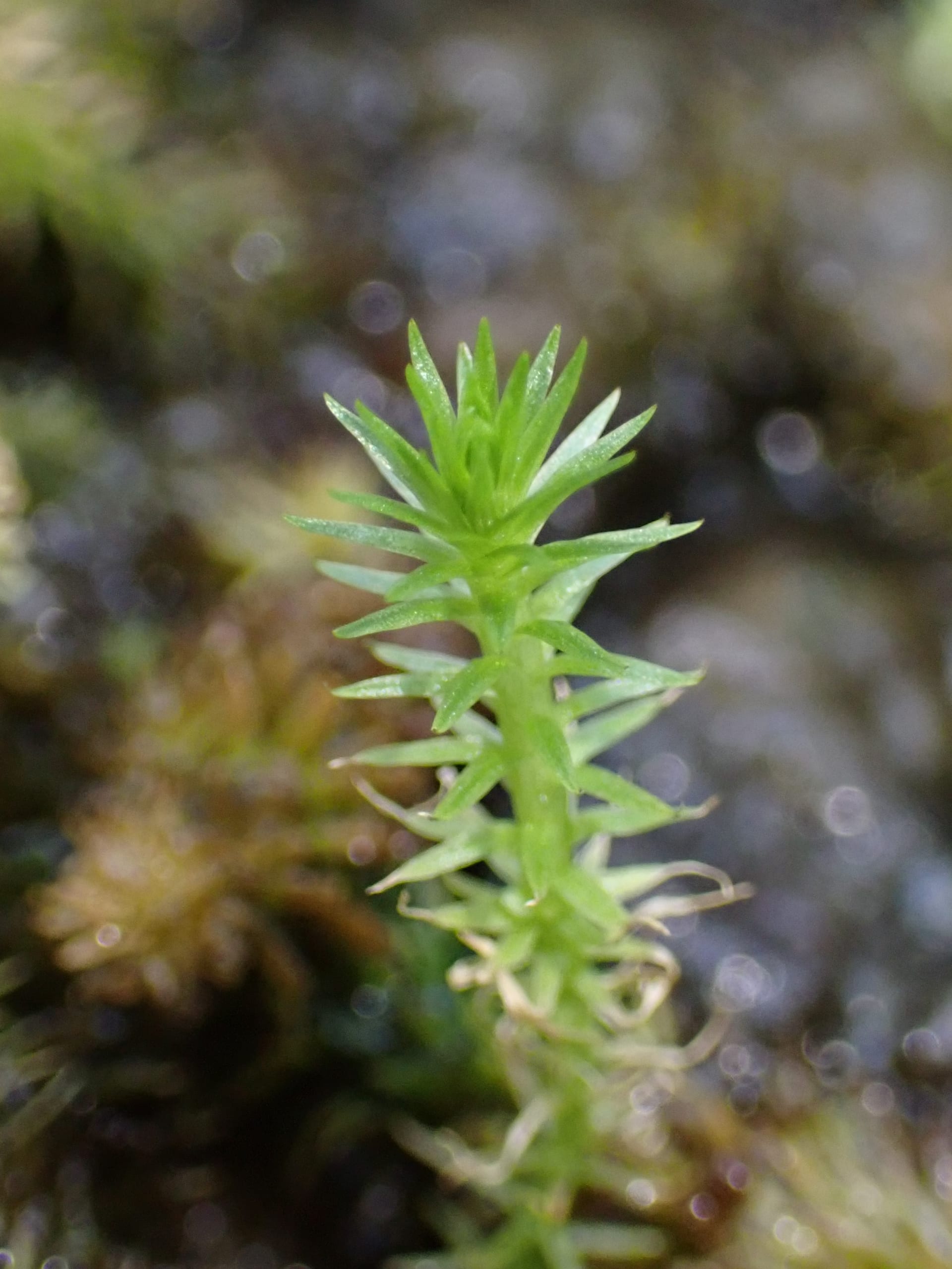
 © Krzysztof Ziarnek, Kenraiz / CC BY-SA 4.0
Bog moss
Mayaca fluviatilis, also called bog moss, is a stem plant prized for its moss-like texture: countless slender, bright green leaves spiral tightly around soft, pale stems. Native to a range stretching from the southeastern United States down to South America, it builds a delicate, feathery mass of green underwater. As a perennial, it can be kept going indefinitely by cutting back overgrown stems and replanting them, a practice known as reforming. It asks for a bit more experience to grow well, since pale, whitened tips are a telltale sign of iron deficiency, but reward you with a soft, textured accent in an aquascape.
View Bog moss encyclopedia →0% commission on your first sales!Register by September 30, 2026 and your first 2 plants are commission-free!
Grower Wanted!
List your plants on GrowerDirect and sell directly to customers nationwide!
6 Transparency Commitments from GrowerDirect
Grower provide complete information for all Aquatic Plants listings. We guarantee transparency in variety, origin, light requirements, and difficulty level.
- Variety Clarity
- Live Photos
- Color Details
- Origin Transparency
- Light Requirements
- Difficulty Level
Browse all 134 varieties
Difficulty Level
Verified growers wanted for Aquatic Plants
Growers are signing up now ahead of launch. Subscribe to be notified when new listings go live.
Getting alerts is free with a member account. When new listings match your saved search, we'll notify you by email and in-app.
Browse other categories
Are you growing aquatic plants?
Register as a grower and connect with buyers directly.
Apply as a growerBog moss key facts
- Growing Difficulty
- Intermediate
- Lifespan
- Perennial; maintained by replanting cuttings
- Size
- 15–30 cm or more in aquaria; stems up to about 1 m
- Temperature
- 23〜25℃
- Watering
- Needs CO2 and fertiliser including iron
- Lighting
- Needs medium to strong light.
- CO2 & Fertilizer
- CO2 is needed. Pale tips signal iron deficiency; dose an iron-containing liquid fertiliser.
- Water Temperature & Quality
- Optimum 23–25°C; prefers soft, slightly acidic water (KH 0–6°dKH, pH 4.5–7) but adapts to moderate hardness.
- Substrate & Attachment
- Plant stems singly with space between them; the stems are soft, so separate bunches before planting.
- Trimming & Propagation
- Branches and grows fast; prune regularly and replant tops.
- Cautions
- It has naturalised abroad via the plant trade and regrows from small fragments. Never release plants, or even fragments, into the wild.
About Bog moss
Mayaca fluviatilis (bog moss) is a moss-textured stem plant with slender bright green leaves spiraling around soft stems. This perennial grows 15-30cm or more in aquariums and can be maintained long-term through trimming and replanting.
7 things to know before growing Bog moss
1Provide Bright Light
Mayaca fluviatilis prefers moderately strong lighting to maintain its dense, moss-like growth habit. Insufficient light can cause the stems to stretch out and the leaves to thin. Place it where light reaches well within the aquascape layout.
2CO2 Injection Is Needed
Mayaca fluviatilis needs CO2 injection, and combined with moderate to strong light it keeps its leaves dense and richly colored. Adjust the dosage as you would for other aquatic plants, keeping an eye on any tankmates.
3Use a Nutrient-Rich Substrate
As a stem plant, it also absorbs nutrients through its roots, so a nutrient-rich substrate such as aqua soil supports steadier growth. This makes it easier to grow well without needing extra root fertilizer.
4Watch for Iron Deficiency
A classic sign of iron deficiency is the newest stem tips turning pale or white. If you notice this, supplementing with a liquid iron fertilizer for aquatic plants usually helps. Acting early makes it easier for the plant to return to healthy green growth.
5Trim and Replant to Sustain
As a perennial, Mayaca fluviatilis can be kept going for years by trimming overgrown stems and replanting the cuttings. Since stems can reach up to about a meter, regular trimming keeps the plant sized to your tank. It can regrow from tiny fragments and has naturalized abroad, so never discard it outdoors and keep even small trimmings from escaping the aquarium.
6Avoid Sudden Temperature Swings
This plant originates from a range spanning the southeastern United States to South America and does best with stable water temperatures. Large swings, such as those between seasons, can stress it, so using a heater or chiller to hold a steady temperature helps.
7Check Leaf Tips Before Buying
When choosing a plant, check that the leaf tips aren't bleached white and that the stems feel firm. Bright green leaves spiraling densely around the stem are a good sign of healthy growth. Since this species is moderately demanding to grow, starting with a healthy plant makes it easier to enjoy long-term.
Frequently asked questions about Bog moss
- Q.Is this a good plant for beginners?
- A.Mayaca fluviatilis is generally considered suited to intermediate-level growers. It calls for attention to lighting, CO2, and iron supplementation, so it's best attempted once you're comfortable with aquatic plant care.
- Q.How large does it grow?
- A.In an aquarium it typically reaches 15-30cm or more, with stems capable of growing up to about a meter. If it gets too long, trimming and replanting keeps it compact.
- Q.Why do the leaf tips turn white?
- A.This happens when the plant isn't getting enough iron, causing new growth at the stem tips to lose its color and turn pale. Supplementing with an iron fertilizer usually brings the green color back.
- Q.How long can I keep this plant growing?
- A.As a perennial, it can be maintained indefinitely through repeated trimming and replanting. Cutting back the stems and replanting them keeps the plant vigorous over the long term.
- Q.Is CO2 supplementation necessary?
- A.Yes, it needs CO2 injection, along with sufficient light. If the new stem tips start turning pale, that signals iron deficiency, so supplement with a liquid fertilizer containing iron.
Handy Growing Tools for Bog moss
Learn more about Bog moss in the encyclopedia
View Bog moss encyclopedia entry →
Care difficulty, size, origin and light needs — all basics covered.
More in this category
Can't find the plant you're looking for?
Post your wishes for free and growers with matching plants will contact you with introductions.