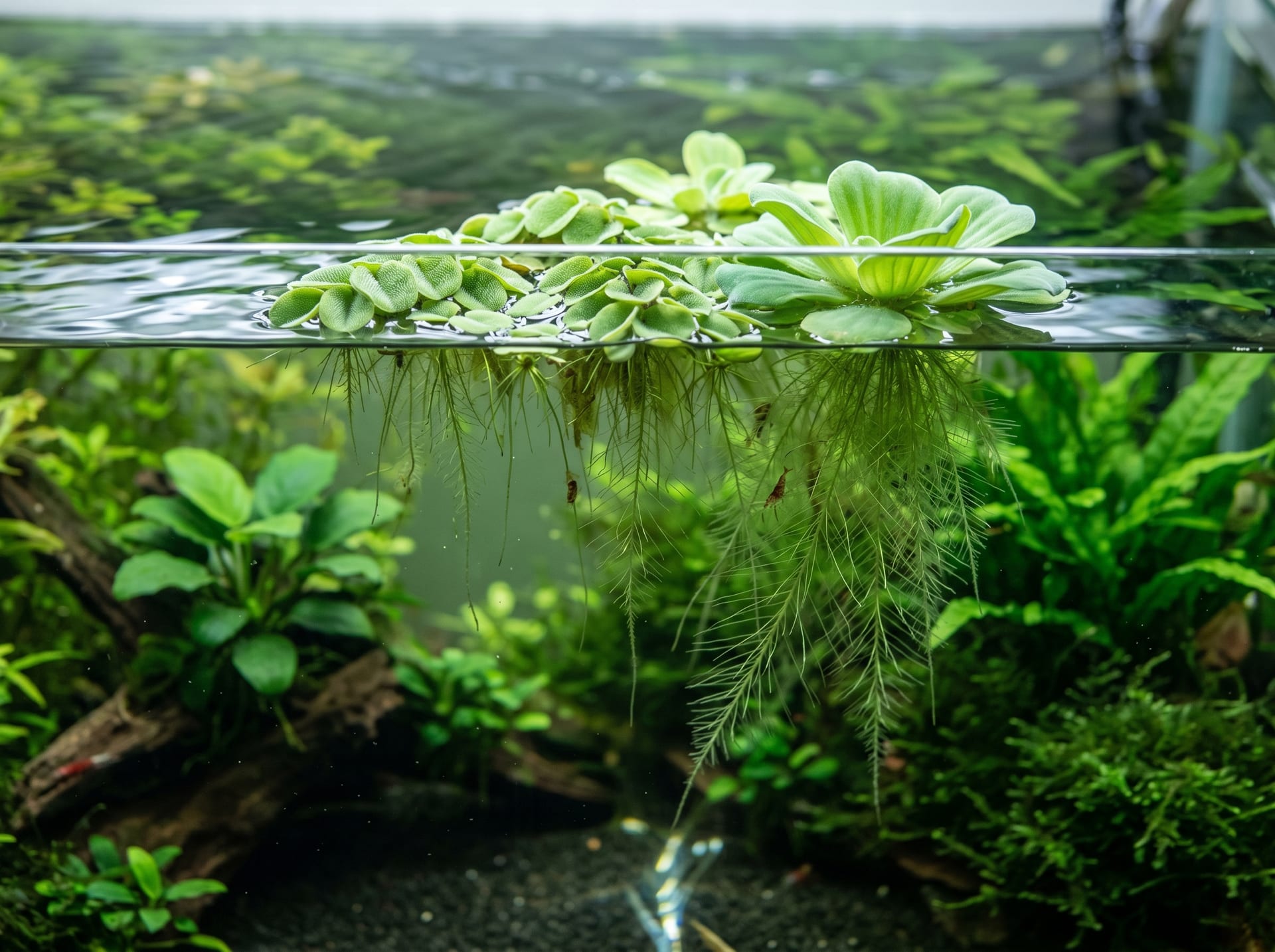
Floating Plant
Floating plants are aquatic plants that drift on the water surface, with popular varieties including water hyacinth and Salvinia. They absorb nutrients through roots dangling into the water and serve as shelter and spawning sites for fish. They are beginner-friendly as long as sufficient light is provided, and they also help improve water quality.
Grower Wanted!
List your plants on GrowerDirect and sell directly to customers nationwide!
6 Transparency Commitments from GrowerDirect
Grower provide complete information for all Aquatic Plants listings. We guarantee transparency in variety, origin, light requirements, and difficulty level.
- Variety Clarity
- Live Photos
- Color Details
- Origin Transparency
- Light Requirements
- Difficulty Level
Browse all 134 varieties
Difficulty Level
Verified growers wanted for Aquatic Plants
Growers are signing up now ahead of launch. Subscribe to be notified when new listings go live.
Getting alerts is free with a member account. When new listings match your saved search, we'll notify you by email and in-app.
Browse other categories
Are you growing aquatic plants?
Register as a grower and connect with buyers directly.
Apply as a growerAbout Floating Plant
Floating plants are aquatic plants adapted to life on the water's surface, found naturally in tropical and temperate lakes, rivers, and ponds around the world. Though they span multiple unrelated plant families, they share a common lifestyle: leaves that float at the surface and roots that trail into the water below. Water hyacinth, native to South America, produces striking purple flowers; Salvinia charms with feathery leaves that bead water droplets; Amazon frogbit is favored for its round, coin-like leaves that suit smaller tanks. A key appeal of floating plants is their role as biological filters — they absorb excess nitrogen and phosphorus, helping to maintain water quality. They also provide natural shelter for fish and fry. Because they require no substrate and minimal fertilizer as long as light is strong, they can be grown in something as simple as a bucket, making them an accessible and rewarding choice for beginners.
7 things to know before growing Floating Plant
1Light Is Key to Growth
Floating plants depend on photosynthesis and need about 6 to 8 hours of bright light per day. Insufficient light causes yellowing and dieback. Use natural sunlight outdoors or a dedicated aquarium light indoors.
2Watch for Fast Spreading
Floating plants can multiply rapidly under ideal conditions and may cover the entire water surface. Overgrowth blocks light and oxygen from reaching the water below, so regular thinning is necessary. Water hyacinth in particular can spread explosively outdoors.
3Keep Water Flow Gentle
Floating plants are sensitive to strong currents and struggle to thrive on choppy water surfaces. Direct the filter outlet below the waterline to keep the surface calm. Reducing water flow allows floating plants to spread and root more stably.
4Suitable Water Temperature
Most floating plants thrive at water temperatures between 20 and 30 degrees Celsius. Many species die off when temperatures drop below 10 degrees in winter, so seasonal management is needed for outdoor setups. Cold tolerance varies by species, so check before purchasing.
5Nutrient Absorption Over Fertilizer
Floating plants absorb nitrogen and phosphorus dissolved from fish waste and leftover food through their roots. Additional fertilizer is rarely needed in a typical aquarium setup. Over-fertilizing can promote algae growth, so adjust based on plant condition.
6Shelter Effect for Fish
The dangling roots of floating plants serve as hiding spots for small fish and fry. They are useful for spawning and raising young fish such as medaka and guppies, helping recreate a more natural environment. They also provide shade that shields fish from direct sunlight.
7Tips for Outdoor Management
When managing floating plants outdoors, take care to prevent them from washing out of containers during typhoons or heavy rain. Some species such as water hyacinth are considered invasive in certain regions, so never discard them into natural rivers or ponds. To dispose of them properly, dry them out before placing in general waste.
Frequently asked questions about Floating Plant
- Q.Can floating plants be grown in an indoor aquarium?
- A.Yes, floating plants can be grown indoors, but aquatic LED lighting is needed where natural light is insufficient. With adequate light, they grow vigorously in indoor tanks. Strong surface agitation can damage leaves, so adjust filter flow to keep surface movement gentle.
- Q.What should I do when floating plants spread too much?
- A.Thin them out by hand regularly, aiming to leave roughly half the current coverage. Dispose of removed plants as burnable waste — never discard them in rivers or ponds. If a variety spreads too quickly, consider switching to a slower-growing species or using a smaller container.
- Q.Can floating plants be kept with medaka or goldfish?
- A.Floating plants pair very well with medaka, serving as spawning material, shade, and shelter — they are often kept together. Goldfish may nibble on leaves and roots, so hardier varieties like water hyacinth with robust roots are a better match. Be aware that enthusiastic goldfish can deplete plants quickly.
- Q.How can I prevent floating plants from dying in winter?
- A.Tropical varieties such as water hyacinth and Amazon frogbit are cold-sensitive and may die outdoors below 5°C. Move them indoors to a warm spot in winter and maintain water temperature above 15°C. Cold-hardy varieties like Salvinia natans can sometimes overwinter outdoors in temperate climates.
- Q.Why are my floating plant's leaves turning yellow?
- A.The three main causes are insufficient light, nutrient deficiency, and low water temperature. First, check the light level at the plant's location and strengthen lighting if needed. In fish-free containers, adding a small amount of iron-containing liquid fertilizer can help. Also verify that water temperature is within the appropriate range of 15–28°C.
Handy Growing Tools for Floating Plant
More in this category
Can't find the plant you're looking for?
Post your wishes for free and growers with matching plants will contact you with introductions.