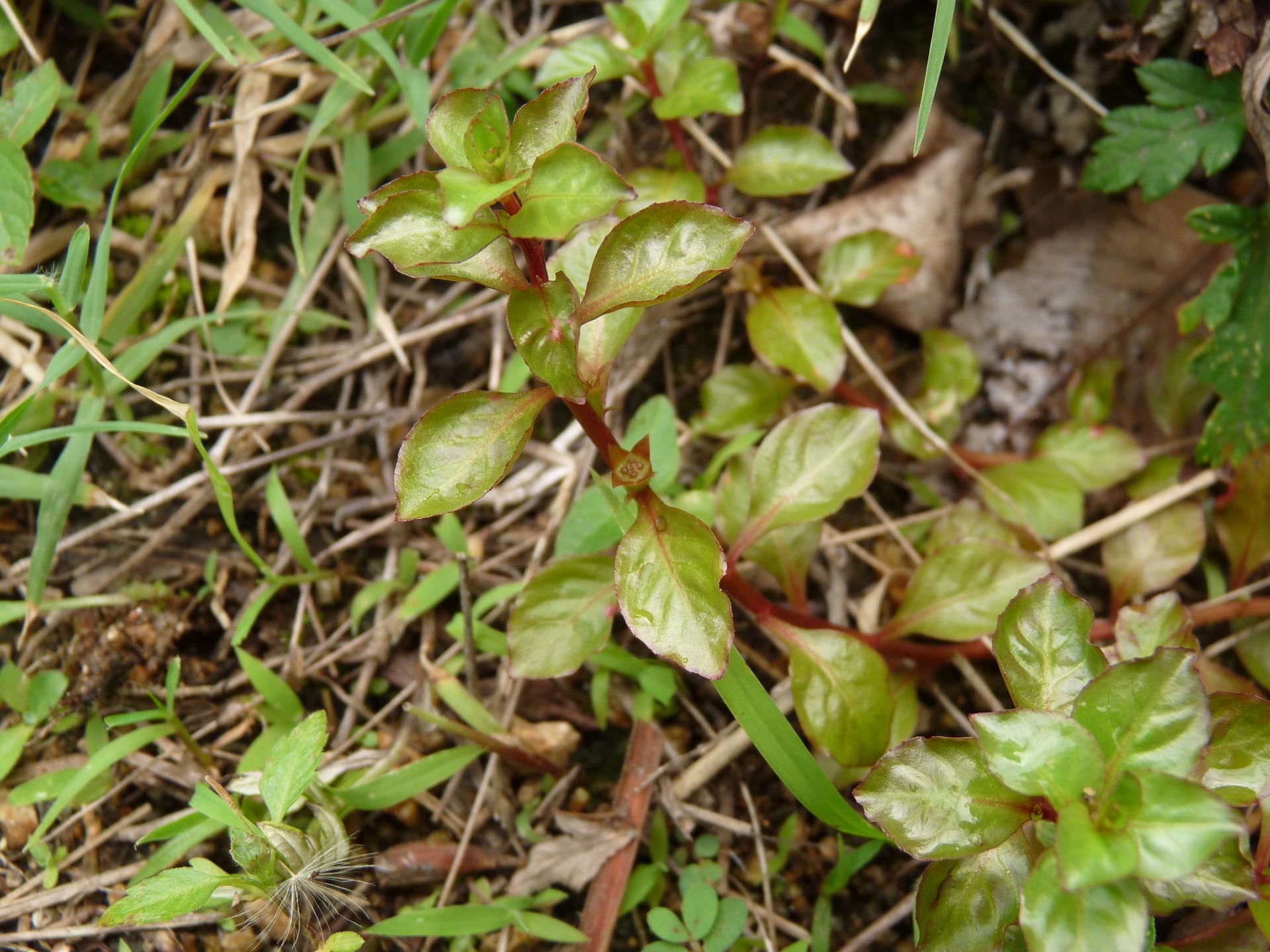
 © Show ryu / CC BY-SA 3.0
Ludwigia ovalis
Ludwigia ovalis is a stem plant native to Japan, known there as "Mizu-yukinoshita." Its rounded, oval leaves take on beautiful pink-to-orange hues underwater, adding soft color to an aquascape. A distinguishing trait is its alternate leaf arrangement, with a single leaf at each node — a helpful clue for telling it apart from the similar-looking Ludwigia repens and Ludwigia palustris. As a perennial, it can be kept long-term, but maintaining its vivid coloration and compact form calls for careful attention to lighting, making it better suited to intermediate keepers. Its low-growing habit works well in the midground to foreground of a tank, where it pairs nicely with red- and green-leaved plants for contrast.
View Ludwigia ovalis encyclopedia →0% commission on your first sales!Register by September 30, 2026 and your first 2 plants are commission-free!
Grower Wanted!
List your plants on GrowerDirect and sell directly to customers nationwide!
6 Transparency Commitments from GrowerDirect
Grower provide complete information for all Aquatic Plants listings. We guarantee transparency in variety, origin, light requirements, and difficulty level.
- Variety Clarity
- Live Photos
- Color Details
- Origin Transparency
- Light Requirements
- Difficulty Level
Browse all 134 varieties
Difficulty Level
Verified growers wanted for Aquatic Plants
Growers are signing up now ahead of launch. Subscribe to be notified when new listings go live.
Getting alerts is free with a member account. When new listings match your saved search, we'll notify you by email and in-app.
Browse other categories
Are you growing aquatic plants?
Register as a grower and connect with buyers directly.
Apply as a growerLudwigia ovalis key facts
- Growing Difficulty
- Intermediate
- Lifespan
- Perennial
- Size
- Low-growing stem plant; leaves 0.5–3 cm long
- Temperature
- 22〜26℃
- Watering
- CO2 optional; iron and trace elements improve colour
- Lighting
- Grows well in medium to strong light. Emersed culture needs near-direct sunlight and very high humidity.
- CO2 & Fertilizer
- CO2 is optional but speeds and strengthens growth. Lean nitrate and phosphate plus added iron give deeper colour.
- Water Temperature & Quality
- Optimum 22–26°C in soft to moderately soft water (KH 1–7°dKH) at pH 4.5–7.
- Substrate & Attachment
- Plant stems in the substrate; its low habit suits the midground.
- Trimming & Propagation
- Propagate by replanting side shoots or tops.
- Cautions
- It is easily confused with L. repens and L. palustris (both alien species), which have opposite leaves. Never release plants into the wild.
About Ludwigia ovalis
Ludwigia ovalis, a Japan-native stem plant with rounded oval leaves that turn pink to orange underwater. This perennial adds soft color to aquascapes and suits intermediate keepers.
7 things to know before growing Ludwigia ovalis
1Lighting Affects Color
Strong lighting brings out deeper pink and orange tones in the leaves. Under weaker light, the leaves tend to stay greenish, so place this plant where it gets good light.
2CO2 Keeps It Compact
Adding CO2 helps keep the stems sturdy and the nodes close together, preserving a neat growth habit. It can still grow without CO2, but the stems may become leggier.
3Choose Nutrient Soil
A nutrient-rich soil substrate helps the roots establish well. Bury the roots firmly into the substrate at planting time to help the plant settle in.
4Trim and Replant
Once the stems lengthen and lower leaves start dropping, cut the growing tip and replant it to keep the plant looking fresh. Trim overgrown stems regularly to prevent crowding at the base.
5ID by Leaf Arrangement
A key trait of this species is its alternate leaf arrangement, with one leaf per node. If you're unsure whether you have this plant or the similar-looking Ludwigia repens or palustris, checking this leaf pattern helps tell them apart.
6Avoid Sudden Water Changes
This plant tends to do best in slightly acidic to neutral water and doesn't respond well to sudden shifts in water conditions. Since it's a perennial, it can be kept long-term, but avoiding abrupt changes in temperature or water chemistry is key to growing it steadily.
7Picking a Healthy Plant
When choosing a plant, look for one with vibrant leaf color, sturdy stems, and closely spaced nodes. Healthy specimens without blackened or melting leaves and with well-developed roots tend to establish more easily after planting.
Frequently asked questions about Ludwigia ovalis
- Q.Can beginners grow Ludwigia ovalis?
- A.It's generally considered a plant for intermediate keepers. Those with some basic aquascaping experience can take it on, though keeping its coloration vivid requires attention to lighting.
- Q.Why aren't the leaves turning red?
- A.Insufficient light is a common cause. Moving the plant to a spot with stronger lighting can gradually improve its coloration.
- Q.How is it different from Ludwigia repens?
- A.The two look quite similar, but Ludwigia ovalis is distinguished by its alternate leaf arrangement, with one leaf per node. Checking this leaf pattern is the easiest way to tell them apart.
- Q.How large does this plant grow?
- A.It's a low-growing stem plant with leaves around 0.5 to 3 cm long. Since it doesn't get overly large, it works well in the midground to foreground of a layout.
- Q.Can it be kept growing for a long time?
- A.Yes, it's a perennial, so it can be grown long-term when conditions suit it. Regular trimming and replanting help maintain a neat growth habit over time.
Handy Growing Tools for Ludwigia ovalis
Learn more about Ludwigia ovalis in the encyclopedia
View Ludwigia ovalis encyclopedia entry →
Care difficulty, size, origin and light needs — all basics covered.
More in this category
Can't find the plant you're looking for?
Post your wishes for free and growers with matching plants will contact you with introductions.