Caudex Plants & Potting | Pot Coordination Techniques to Highlight Individuality
A guide to selecting and displaying pots that bring out the individuality of caudex plants such as Operculicarya, Adenium, and Euphorbia. We explore material, shape, and color compatibility, as well as display techniques using height, angles, and grouping.
Key Takeaways
A guide to selecting and displaying pots that bring out the individuality of caudex plants such as Operculicarya, Adenium, and Euphorbia. We explore material, shape, and color compatibility, as well as display techniques using height, angles, and grouping.
Related Species
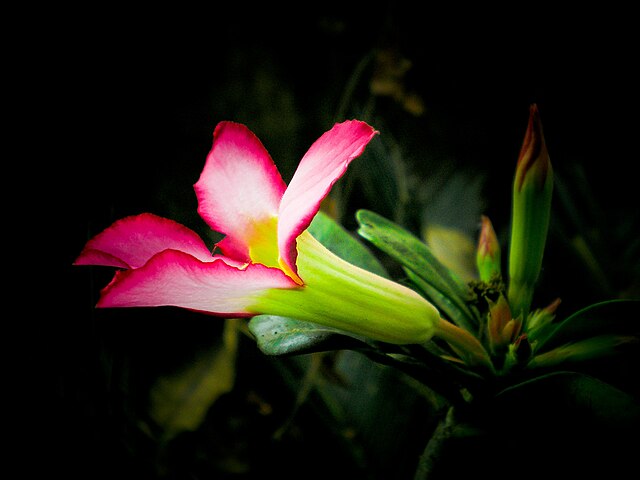
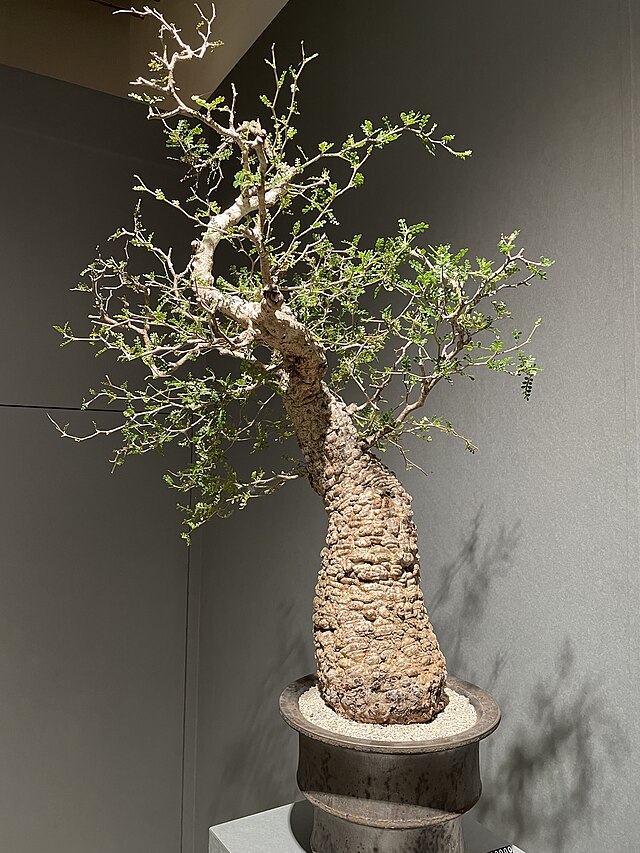
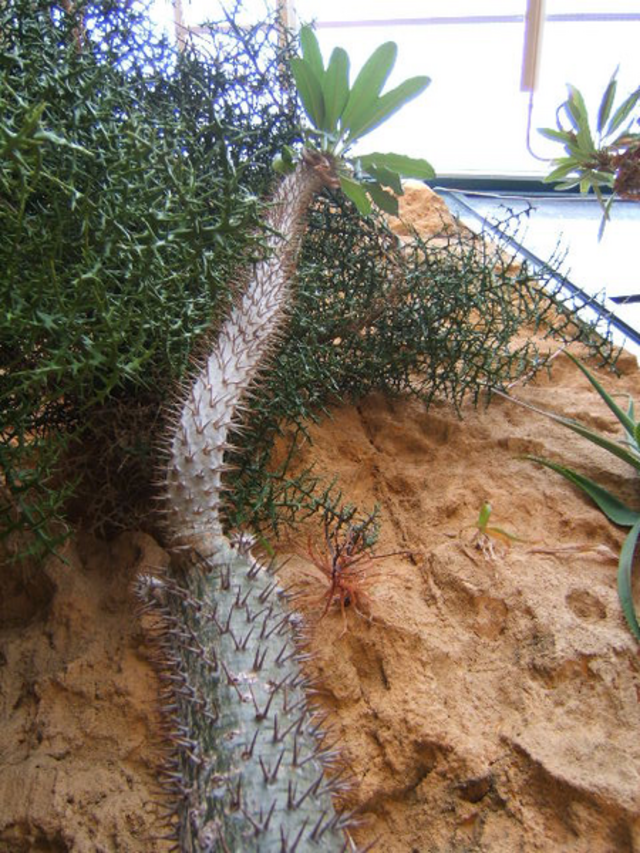
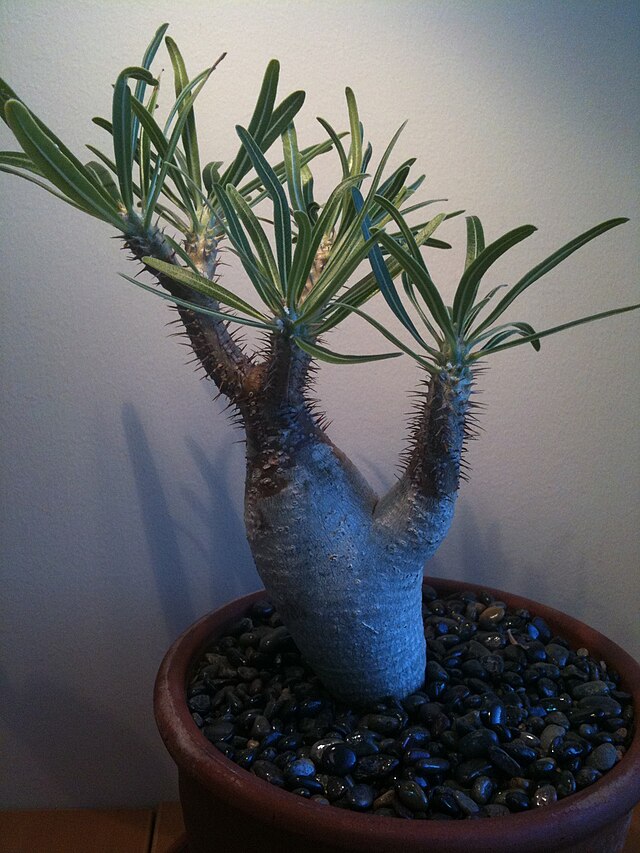
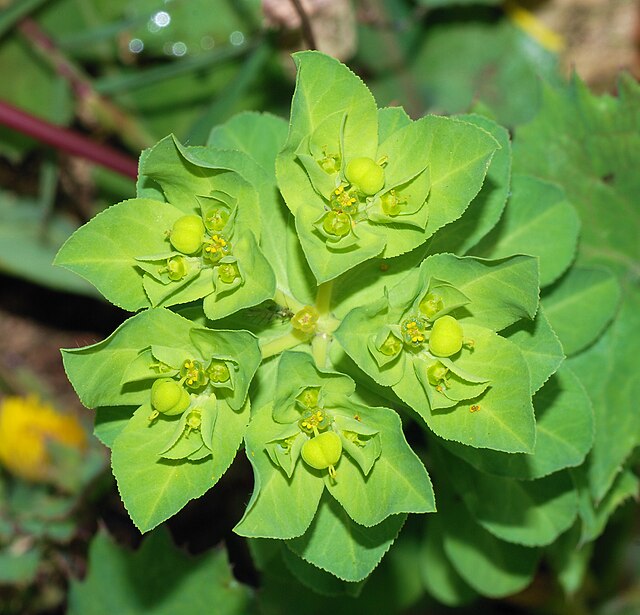
The charm of caudex plants lies in their unique sculptural beauty—the swollen roots and trunks that define their form. To truly showcase their individuality, choosing the right pot and display method is essential.
While the philosophy "any pot that allows the plant to grow is fine" isn't entirely wrong, coordinating the right pot can dramatically transform how the plant appears. This article provides practical guidance on selecting pots and display techniques that highlight the unique character of caudex plants.
The Basics: Caudex Plants and Pots
Function First: Drainage is Priority
Most caudex plants are sensitive to excess moisture, and root rot is their greatest enemy. No matter how stylish a pot may be, those without drainage holes or poor drainage are unsuitable.
Functional requirements for a suitable pot:
- Drainage holes (multiple holes are ideal)
- Terracotta or other breathable materials that promote drying
- Pot size should be minimal—just large enough for the roots (oversized pots retain too much moisture)
Aesthetics: Balancing Form and Design
Once function is secured, coordinate the pot's design with the plant's form, color, and texture.
Materials and Their Characteristics
Terracotta & Unglazed Clay
Pros: Excellent breathability and drainage—ideal for caudex plants. The rustic finish enhances the plant's natural beauty.
Cons: Heavy, fragile, and prone to white salt deposits after watering.
Ideal for: Operculicarya pachypus, Adenium (Desert Rose), and most Madagascan plants.
Plastic
Pros: Lightweight, affordable, durable.
Cons: No breathability, roots can suffer in heat, and appearance is cheap.
While functionally suboptimal for caudex plants, plastic pots are valuable during nursery and root development stages. They are not suitable for display.
Cement & Concrete
Handmade cement pots offer distinctive weight and texture, complementing the wild aesthetics of caudex plants. Breathability is moderate.
High-Fire Ceramic & Porcelain
Tightly fired ceramics have low breathability, so soil dries slower than in terracotta—adjust placement and watering frequency accordingly.
Japanese Pots & Bonsai Pots
Using traditional Japanese bonsai pots for caudex plants has gained attention. This pairing of tropical plants with Japanese craftwork creates a distinctive aesthetic contrast.
Selecting Shape and Size
Deep vs. Shallow Pots
Deep pots: Ideal for species with downward-growing roots or long caudexes (like Pachypodium gracilis). They provide stable weight distribution and prevent tipping.
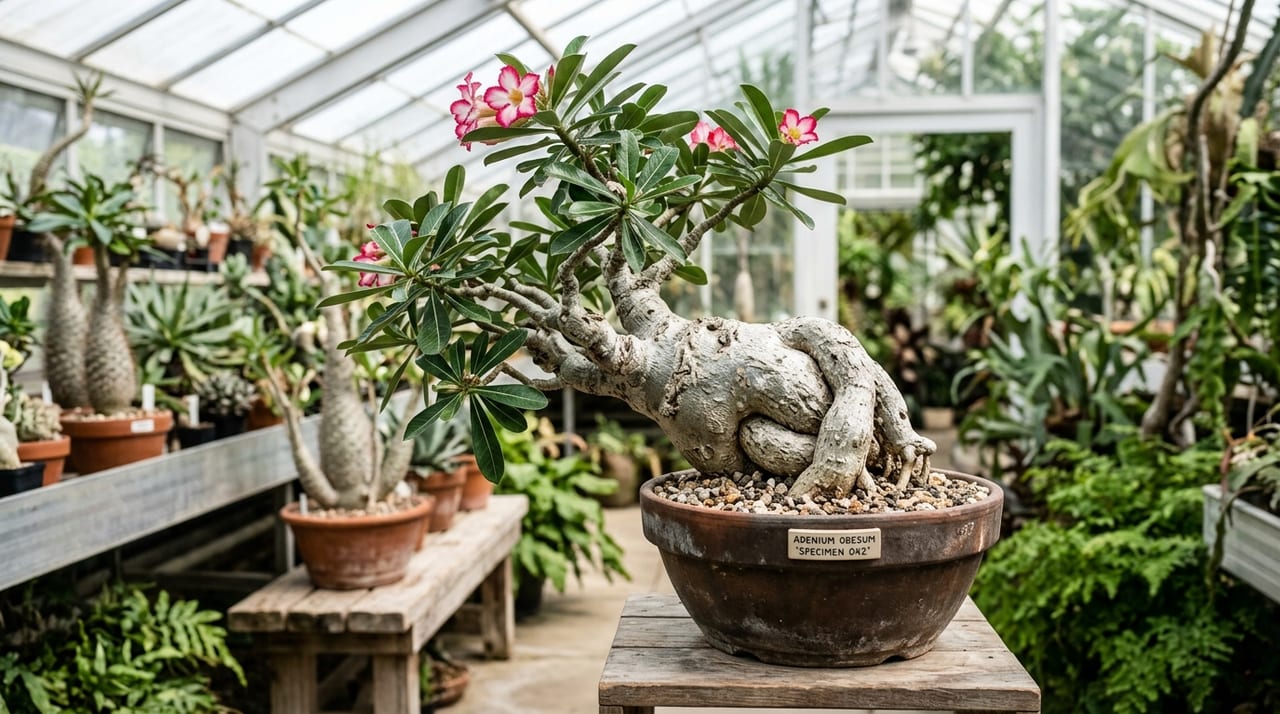
Shallow pots (flat or bonsai-style): For species with flat caudexes (like Adenium, Operculicarya pachypus, and some Euphorbias), shallow pots allow the swollen base to project above the rim, emphasizing its sculptural form.
Size Guidelines
A general rule: the pot should be one size (2–3 cm) larger than the root ball.
For display purposes, plants may be temporarily moved to larger pots, but as soil volume increases, drying slows—adjust watering accordingly. For detailed repotting procedures, see The Complete Guide to Repotting Caudex Plants.
Coordinating Color and Design
Match the Plant's Color Palette
| Plant Characteristics | Recommended Pot Color & Texture |
|---|---|
| Gray or white-toned trunk (like Pachypodium gracilis) | Black, white, or gray ceramics, terracotta |
| Green or brown trunk (like Operculicarya pachypus) | Terracotta, ochre, sand tones |
| Red or pink flowers (like Adenium/Desert Rose) | White or gray (complementary colors enhance blooms) |
| Black spines or stems (Euphorbia species) | White or beige (emphasizes contrast) |
Embrace Simplicity
Since caudex plants possess strong visual character, simple pot designs often showcase them best. Excessive ornamentation or garish colors can diminish the plant's sculptural beauty.
Display and Styling Techniques
Create Height Variation
Using pedestals or stands creates elevation that highlights the plant's form and roots. Varying heights produces a more dynamic, three-dimensional display than uniform placement.
Recommended bases:
- Wooden stools
- Concrete blocks
- Granite slabs
Vary the Angle
Assess the plant not only from the front but also from 45-degree angles and the side. Position the most striking angle toward the front during display.
Angling the pot slightly creates a sense of movement, especially for caudex plants with bonsai-like forms.
Grouping (Mass Display)
When displaying multiple caudex plants together:
- Odd numbers (3, 5, 7) create visual stability and a natural feel
- Varying sizes and shapes create visual interest
- Unifying the pot design or material (like all terracotta) creates a cohesive look
For comprehensive collection layout ideas, see Displaying Your Caudex Collection.
Pairing with Stone & Gravel
Mulching the soil surface with zeolite, volcanic sand, or river stone improves appearance while aiding soil drainage and preventing weeds.
Summary
Successful pot coordination for caudex plants balances function (drainage) and aesthetics. Start with terracotta, select pots that complement the plant's form and color, and employ thoughtful display techniques—varying height, angle, and grouping—to maximize the plant's unique character.
Part of the joy in growing caudex plants lies in those moments of discovery: "In this pot, the plant reveals a different side of itself."