Caudex Rare Plant Collection Guide | How to Select and Source Rare Varieties
This guide explains how to build a rare caudex collection: defining rarity, characteristics of popular rare species, sourcing methods (grower direct sales, auctions, imports), and understanding the Washington Convention (CITES).
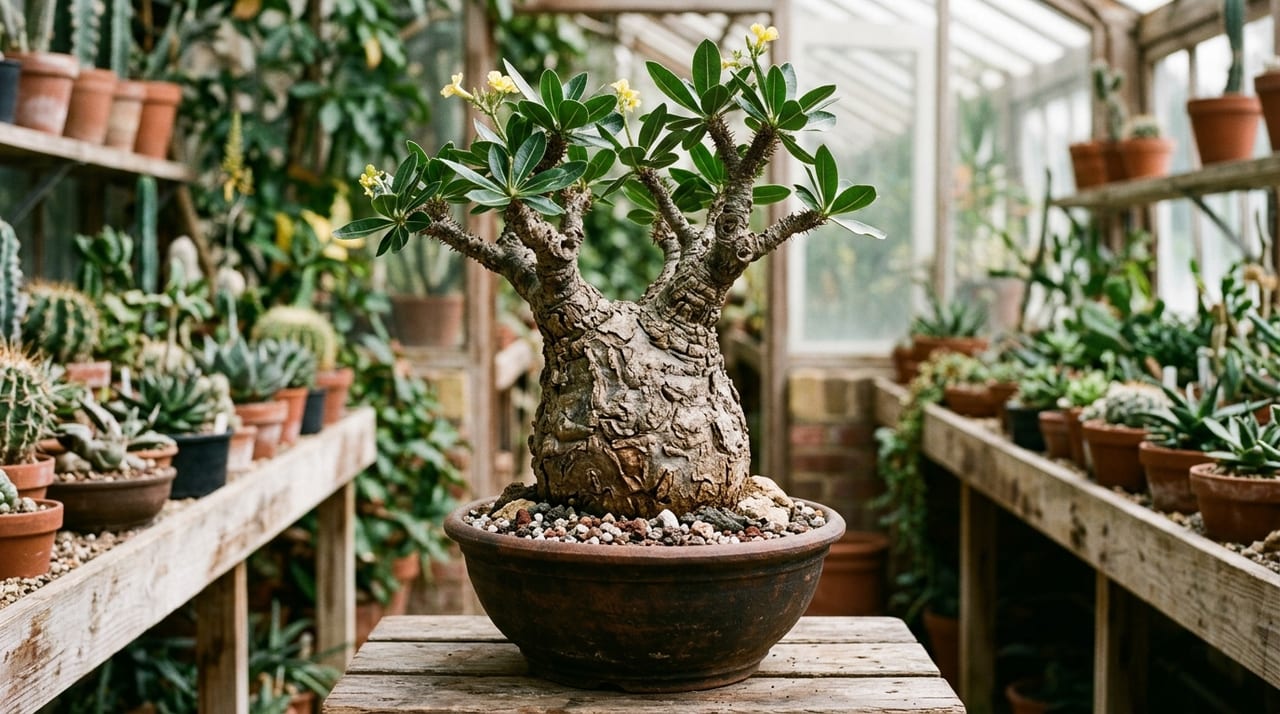
Key Takeaways
This guide explains how to build a rare caudex collection: defining rarity, characteristics of popular rare species, sourcing methods (grower direct sales, auctions, imports), and understanding the Washington Convention (CITES).
Related Species
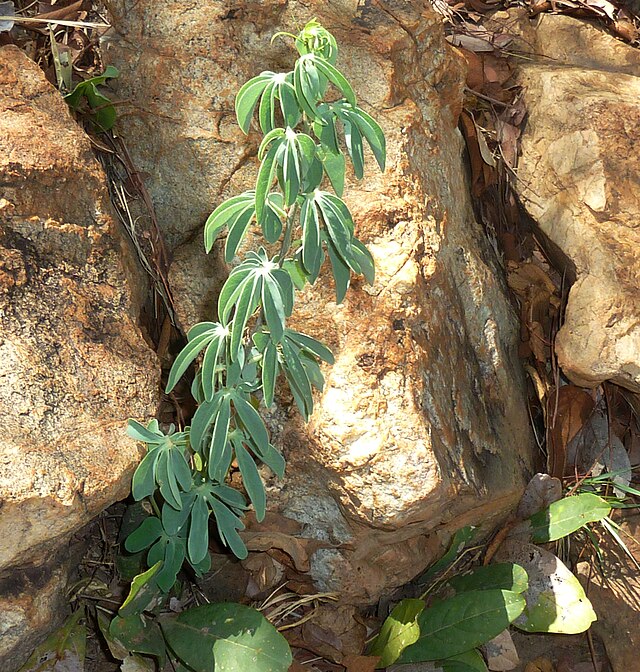
Adenia Glauca
View species details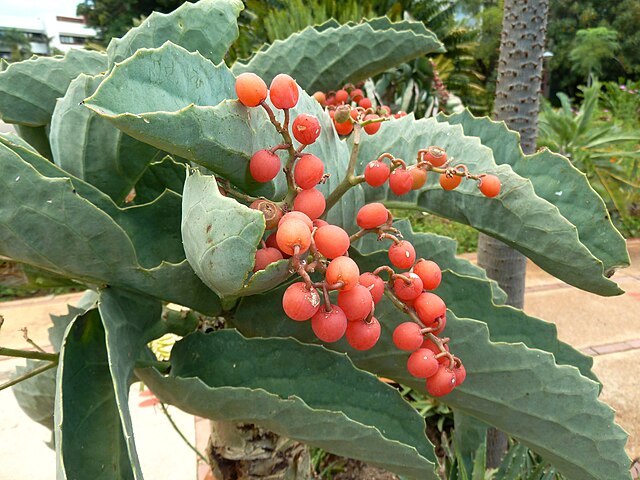
Cyphostemma Juttae
View species detailsEuphorbia Guillauminiana
View species details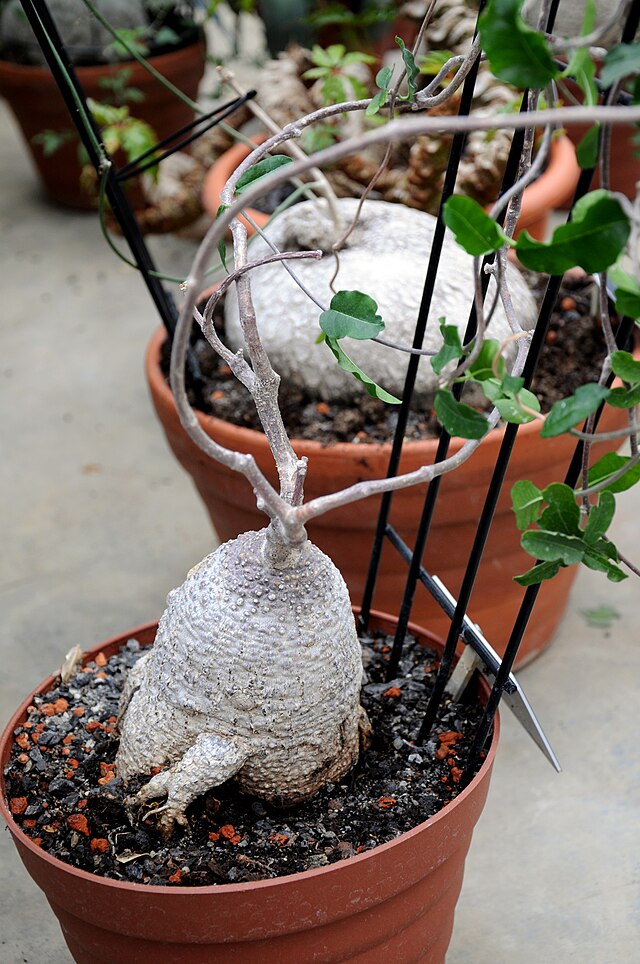
Fockea Edulis
View species details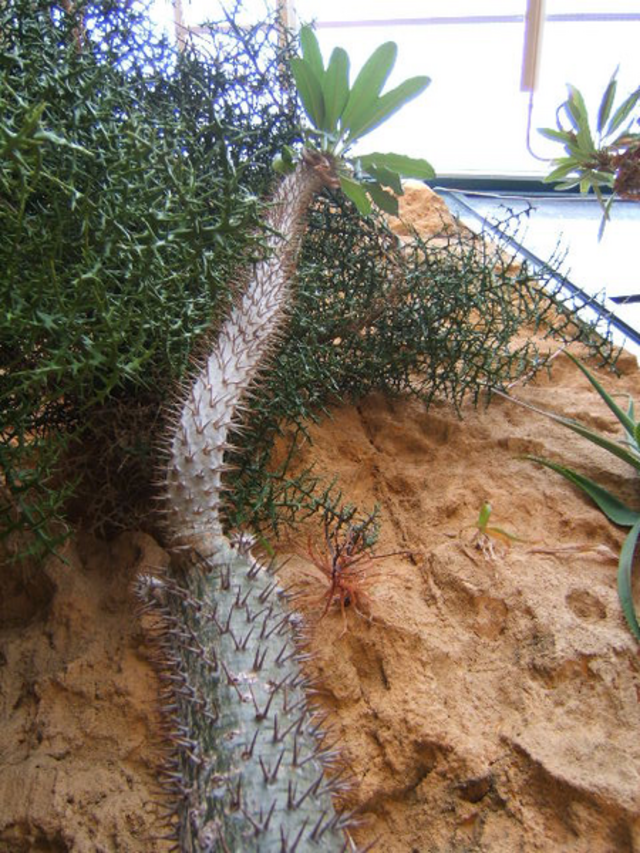
Pachypodium
View species details
Pachypodium inopinatum
View species details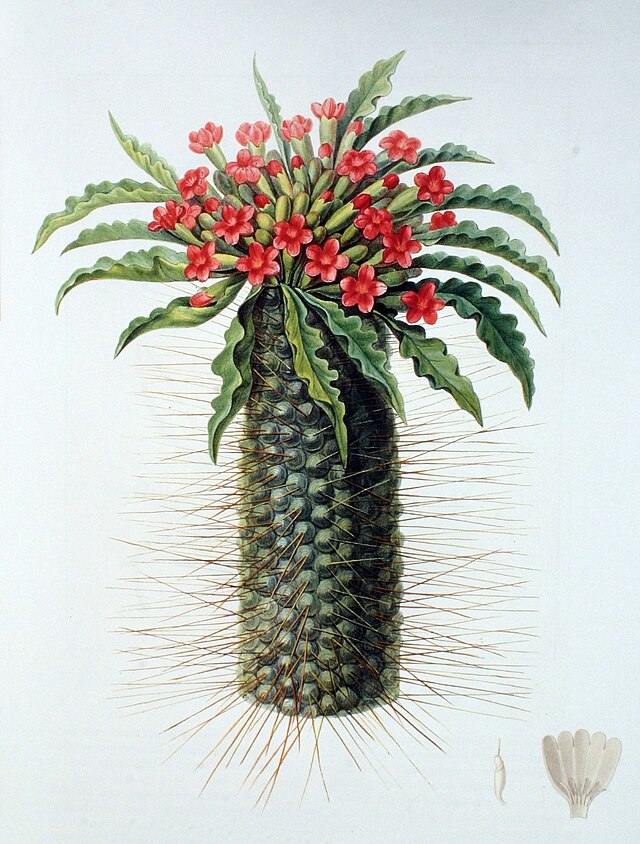
Pachypodium Namaquanum
View species details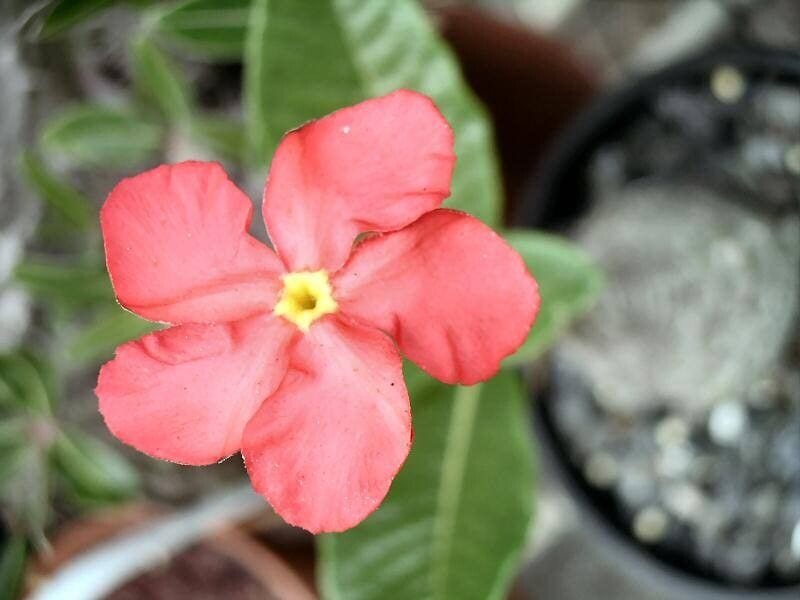
Pachypodium windsorii
View species detailsWhat Are Caudex Rare Plants?
In the world of caudex plants, the concept of "rare species" has developed its own unique character. It is not simply about low circulation volume, but rather a collection-oriented genre where specimens from specific origins, particular forms and shapes, and other unique characteristics command premium prices.
Rarity in caudex plants is generally considered along three main axes:
1. Low Circulation Volume Species whose domestic distribution is limited due to import restrictions or listing in the appendices of the Washington Convention (CITES). Many Pachypodium species from Madagascar are listed in CITES Appendix II, and proper import requires certification.
2. Rarity of Individual Specimens Even among species that circulate domestically, specimens with "specific local origins (locality)," "superior individuals with extremely thick or short leaves," or "variegated natural mutations" command significantly higher market value.
3. High Cultivation Difficulty Some rare species have strict environmental requirements and may die under ordinary care methods. Successfully cultivating these challenging species provides collectors with deep satisfaction.
Rare Species Readily Available in Japan (by Difficulty × Popularity Balance)
Here we introduce rare species that receive particular attention in Japan, selected for their balance between acquisition difficulty and popularity.
Pachypodium windsorii An endemic species from northern Madagascar. Featuring beautiful red flowers and less common in circulation than P. gracilius. Its popularity has surged in recent years.
Pachypodium inopinatum A curious species whose caudex resembles a spiky ball. Distribution in Japan remains limited, with individual plants often trading for tens of thousands of yen or more.
Fockea edulis A winter-growing caudex native to South Africa. The caudex develops an elephant's foot-like shape, with vining foliage. While generally available, large, superior specimens are rare.
Tephrocactus articulatus A cactus relative that is treated as a caudex—a personality-filled individual species. Spine form varies significantly by specimen, making it highly collectible.
Euphorbia obesa A ball-type Euphorbia. While reproduction is possible, large specimens that maintain a perfect spherical shape are truly rare.
Methods for Sourcing Rare Species
1. Direct Purchase from Growers Purchasing directly from domestic caudex specialist growers is the most reliable method. GrowerDirect features many caudex specialist growers offering a wide selection, allowing you to trade directly for seedlings (grown from seed) and cutting-propagated specimens. You can also get advice on plant origin information and care, making it a safe choice for your first rare species purchase.
2. Succulent Plant Specialty Shops and Events Specialty succulent shops often stock imported plants or domestically propagated specimens. At regional succulent plant sales and plant festivals, you may encounter plants from individual growers not available through general distribution.
3. Auctions and Resale Apps Caudex plants do appear on Yahoo Auctions and Mercari, but you must always verify the seller's credibility and the presence of phytosanitary certificates. For species subject to import restrictions, trading without certificates may be illegal.
4. Purchasing Legally Imported Specimens Domestic importers regularly sell plants legally imported from overseas (Madagascar, South Africa, etc.). Specimens with origin certificates are particularly valuable and can be safely retained long-term.
Important Points When Purchasing Rare Species
Compliance with the Washington Convention Many Pachypodium and Euphorbia species from Madagascar are CITES Appendix II listed species. Legally imported specimens include import and phytosanitary certificates. Trading specimens or privately importing plants without certificates may be illegal, so always verify certificate presence.
Condition Verification When purchasing high-value rare species, it is important to verify root condition, caudex firmness, and freedom from pests and diseases through photos, or to see the plant in person before purchase. GrowerDirect offers a grower inquiry function, allowing detailed condition verification.
Season and Transport Stress Winter shipping carries the risk of cold damage. For shipments to cold regions, ask the grower to confirm use of heat boxes and insulation materials.
Quick Reference Comparison Table for Rare Species
The following table summarizes representative rare and semi-rare species by origin, growth type, acquisition difficulty, and estimated price range. Please note these are approximate, as distribution status fluctuates.
| Species | Origin | Growth Type | Acquisition Difficulty | Estimated Price Range |
|---|---|---|---|---|
| Pachypodium windsorii | Northern Madagascar | Summer-growing | High | Tens of thousands of yen and up |
| Pachypodium inopinatum | Madagascar | Summer-growing | Very High | Tens of thousands to hundreds of thousands of yen |
| Pachypodium namaquanum (Light Hall) | Namibia to South Africa | Summer-growing | High | Tens of thousands of yen and up |
| Cyphostemma juttae | Namibia | Summer-growing | Moderate to High | Thousands to tens of thousands of yen |
| Adenia glauca | South Africa | Summer-growing | Moderate | Thousands of yen and up |
| Euphorbia girauldii | Madagascar | Summer-growing | High | Thousands to tens of thousands of yen |
| Euphorbia obesa | South Africa | Summer-growing | Moderate | Hundreds to tens of thousands of yen |
Since winter-growing types (such as tortoise plants) and summer-growing types have opposite dormancy and dry periods, always verify growth type when cultivating multiple types together. For detailed information on watering schedules by growth type, see Caudex Watering Frequency Guide.
Additional Noteworthy Rare Species
Pachypodium namaquanum (Light Hall) Named "Light Hall" for its distinctive silhouette, with its cylindrical trunk crowned with velvety foliage. Growth is extremely slow, and developing a graceful specimen requires many years.
Cyphostemma juttae A grape family plant native to Namibia, characterized by a bottle tree-like thickening trunk and red berries that appear in summer. It loses its leaves and enters dormancy in winter.
Adenia glauca A South African species with greenish-white round caudex from which vines extend. The contrast between the sculptural caudex and vigorous vining makes it an enjoyable plant—a relatively accessible entry-level rare species.
Euphorbia girauldii Native to Madagascar, it extends thin branches radially from the caudex and produces yellow flowers. As a summer-growing species that loses leaves during winter dormancy, it is for advanced collectors.
Related Guides
For an overview of caudex plants, see Caudex Popular Plants TOP 10; for soil selection, see Soil Mix Guide. For detailed information on CITES and import restrictions, see Agave Import Restrictions and CITES Complete Guide, and the same principles apply to importing rare caudex specimens. You can find specimens available for purchase in GrowerDirect's Caudex Category.
Enjoying Caudex Plants as a Collection
The true joy of rare species collecting lies not in ownership alone, but in "cultivating and watching your plant grow." By acquiring young seedlings and raising them to mature size over years, each specimen becomes uniquely yours, with character and history.
GrowerDirect carries many carefully cultivated seedlings from domestic growers, making it possible to source rare species seedlings at relatively accessible prices. If you are starting your collection, we recommend beginning with seedlings from trusted growers.