Houseplant Encyclopedia
Encyclopedia of popular houseplants with care guides, traits, and placement tips.
Showing 76 of 134 species(25–48)
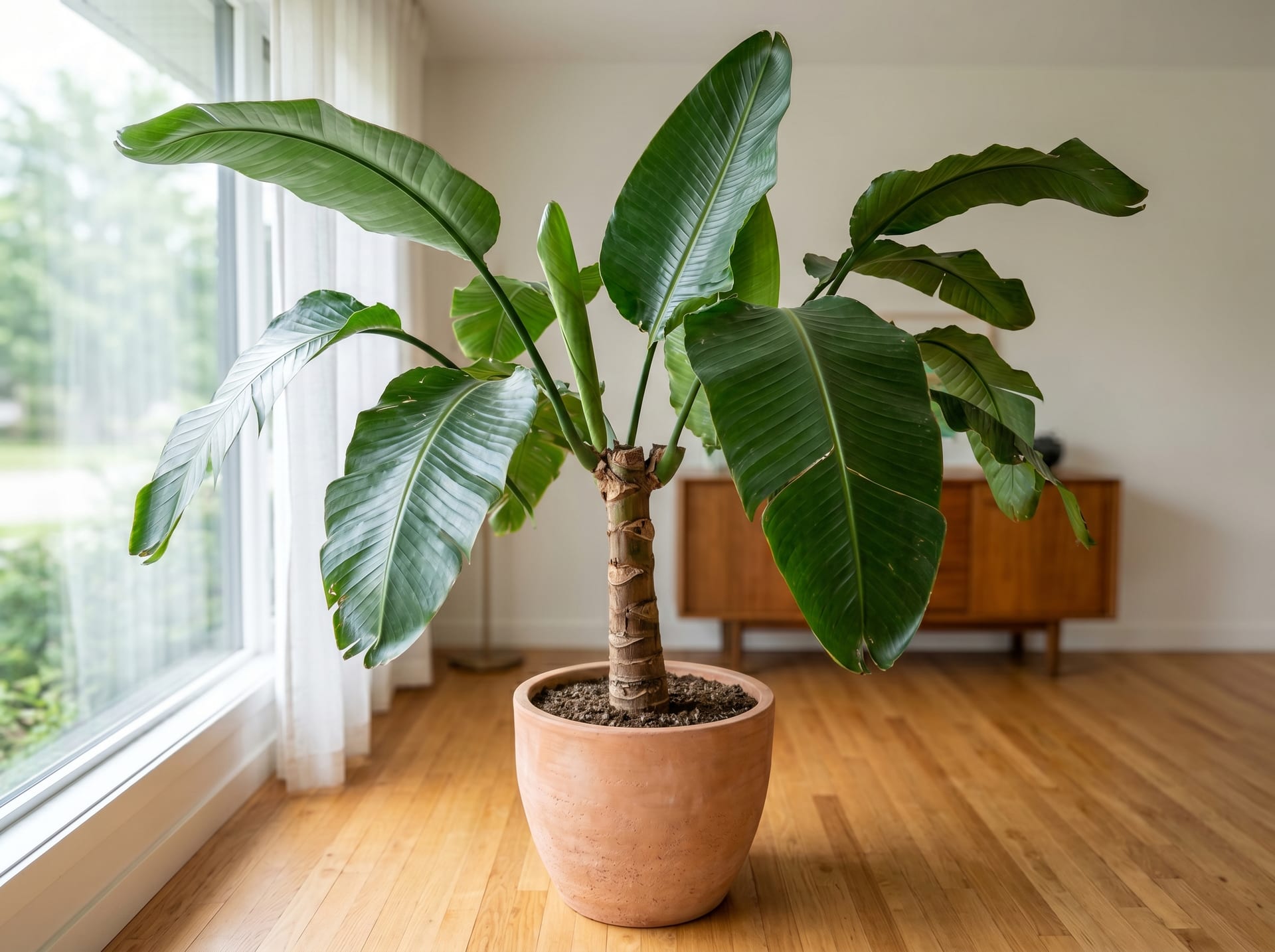
Giant Bird of Paradise
Strelitzia nicolai
A large houseplant with big banana-like leaves creating tropical atmosphere. A staple of resort hotels.
 © Steve Fitzgerald / CC BY-SA 4.0
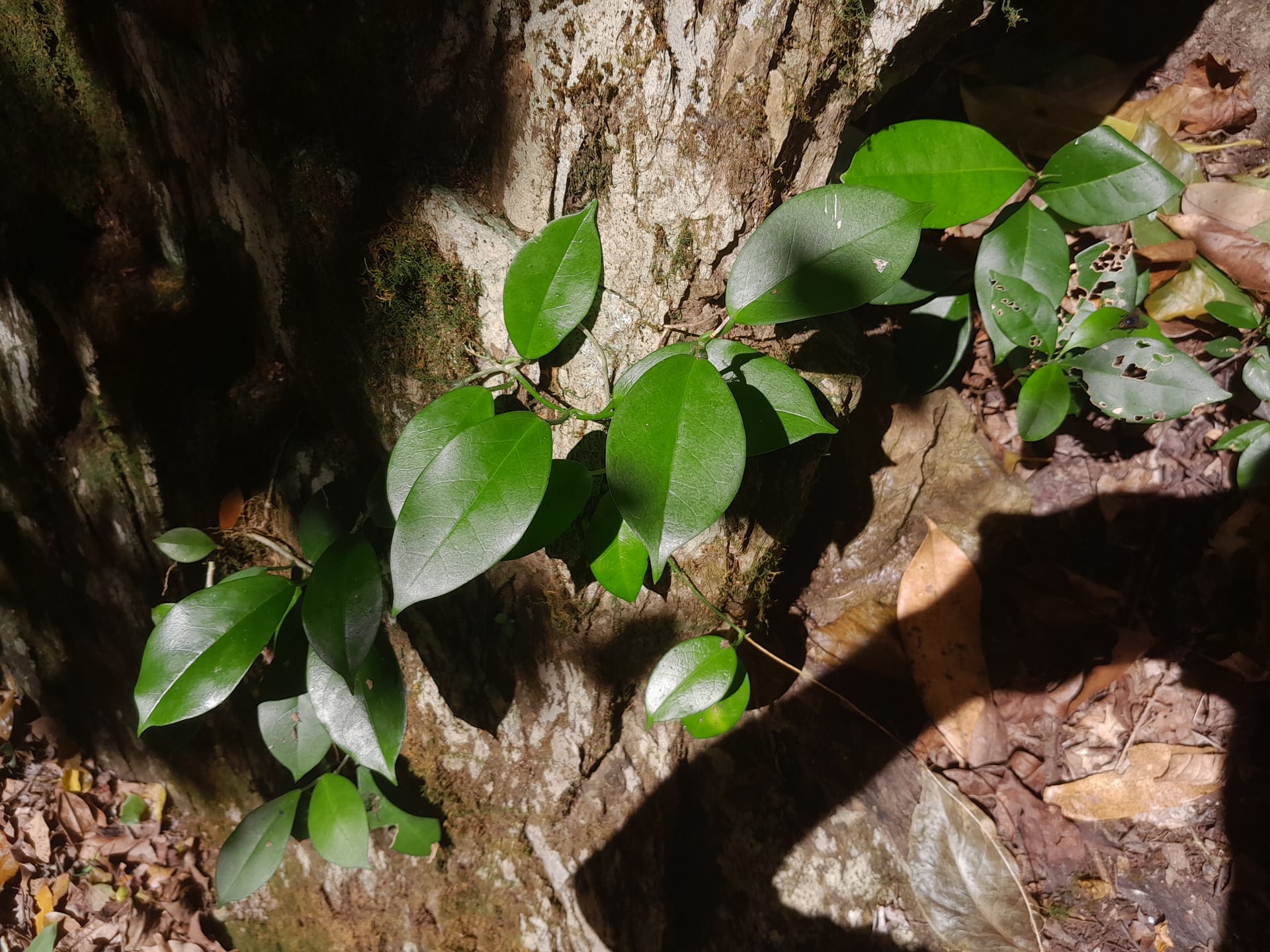
Hoya australis
Hoya australis
A tough Hoya with thick, rounded glossy leaves and clusters of fragrant cream flowers with red centres. The variegated selection 'Lisa' is widely sold.
 © Yvan leduc / CC BY-SA 3.0
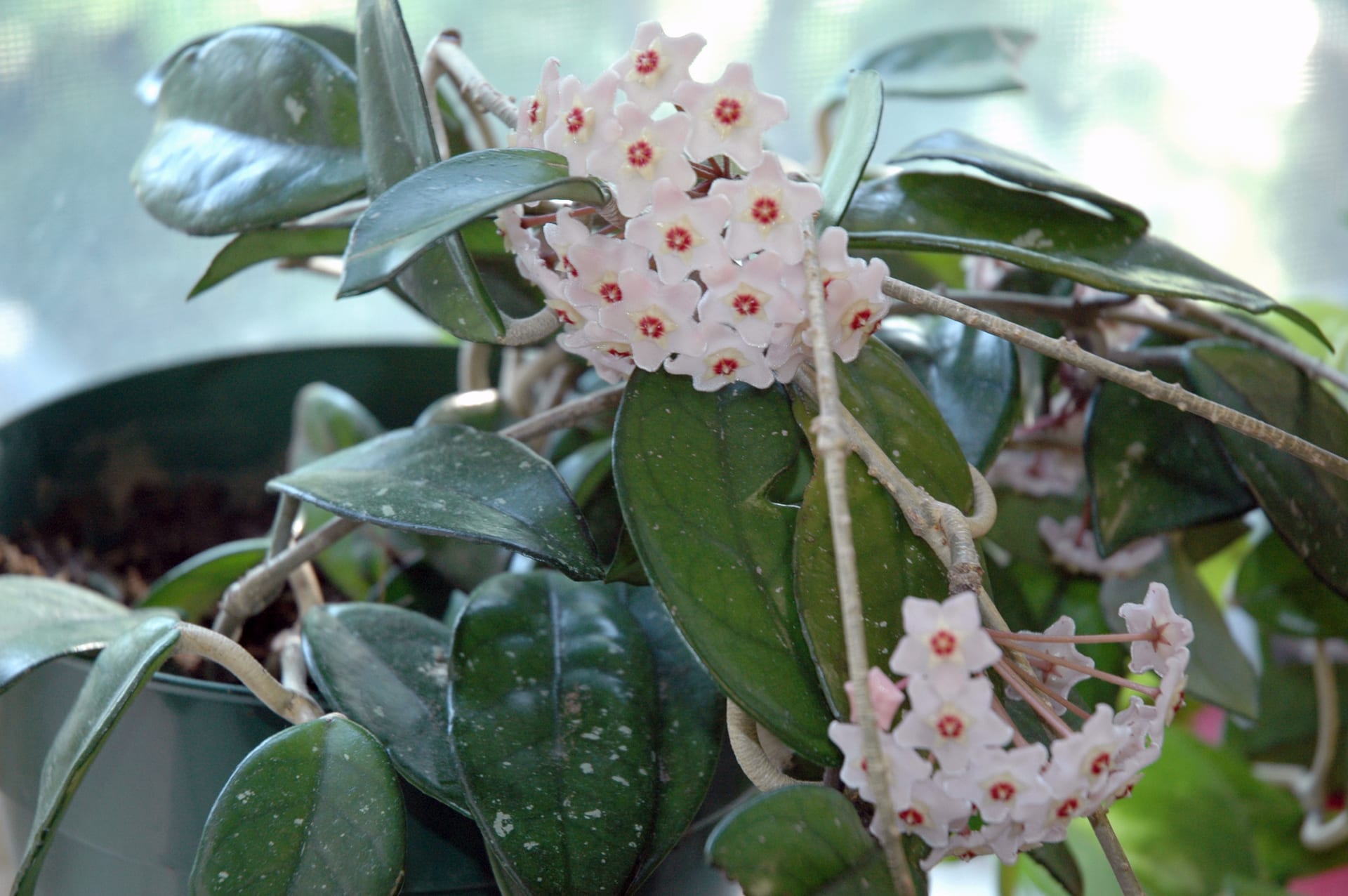
Hoya Carnosa
Hoya carnosa
A vine plant with thick leaves and waxy star-shaped flowers. Also known as Wax Plant.
 © Krzysztof Ziarnek, Kenraiz / CC BY-SA 4.0
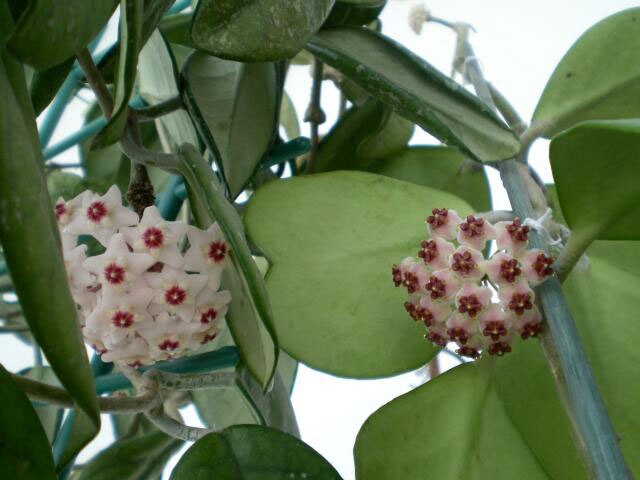
Hoya Kerrii
Hoya kerrii
A hoya with distinctive thick heart-shaped leaves. Also popular as Valentine's Day gift.
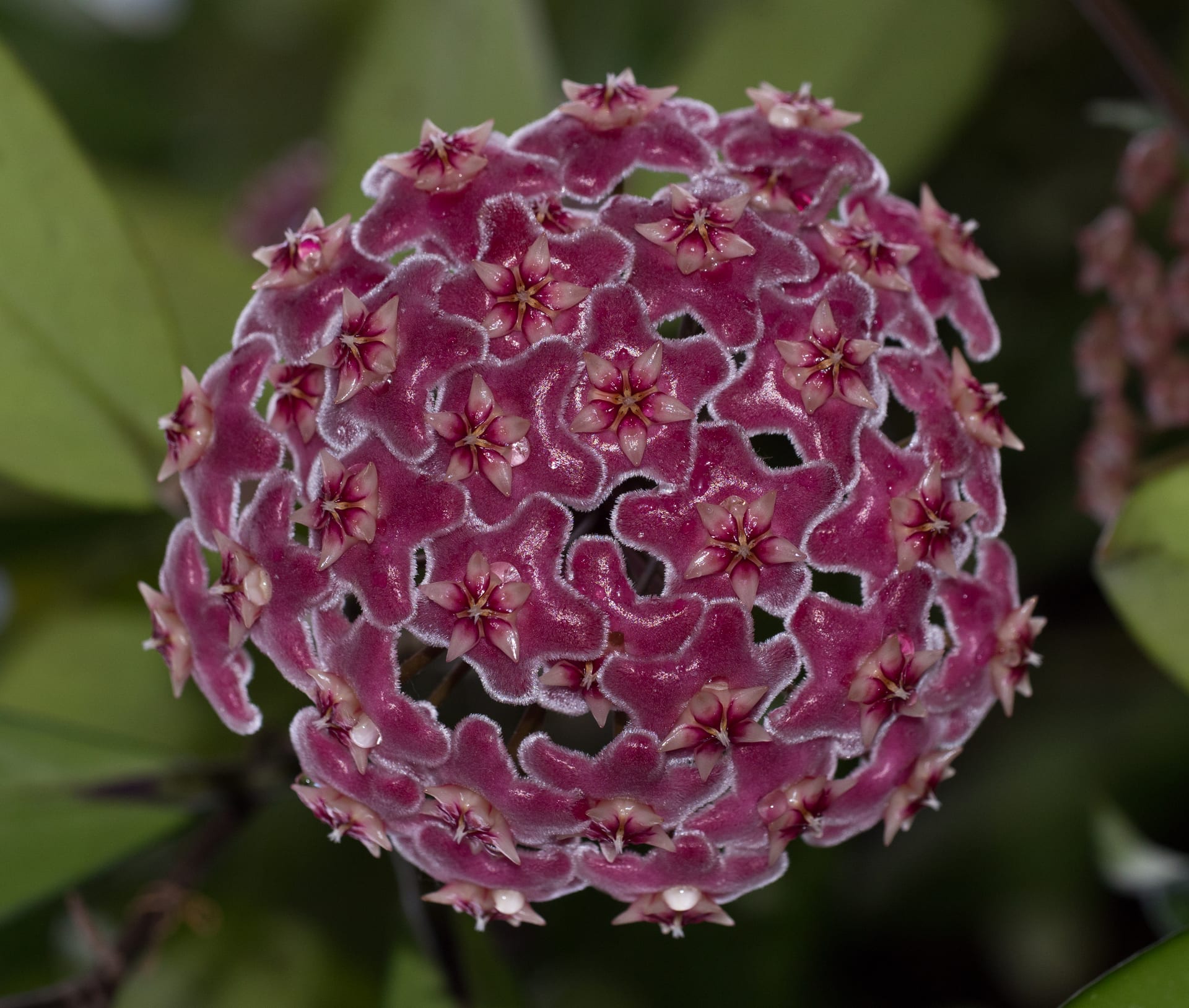 © Rhododendrites / CC BY-SA 4.0
Hoya pubicalyx
Hoya pubicalyx
A Philippine Hoya with long, fleshy leaves speckled silver. Its flowers are showiest and most fragrant at night, and appear on a Philippine coin.
 © Black Diamond Images / CC BY 2.0
Kentia Palm
Howea forsteriana
The classic indoor palm, spreading arching feather-shaped leaves from a single trunk. Native only to Lord Howe Island, Australia, it copes well with low light, dry air and other indoor hardships.
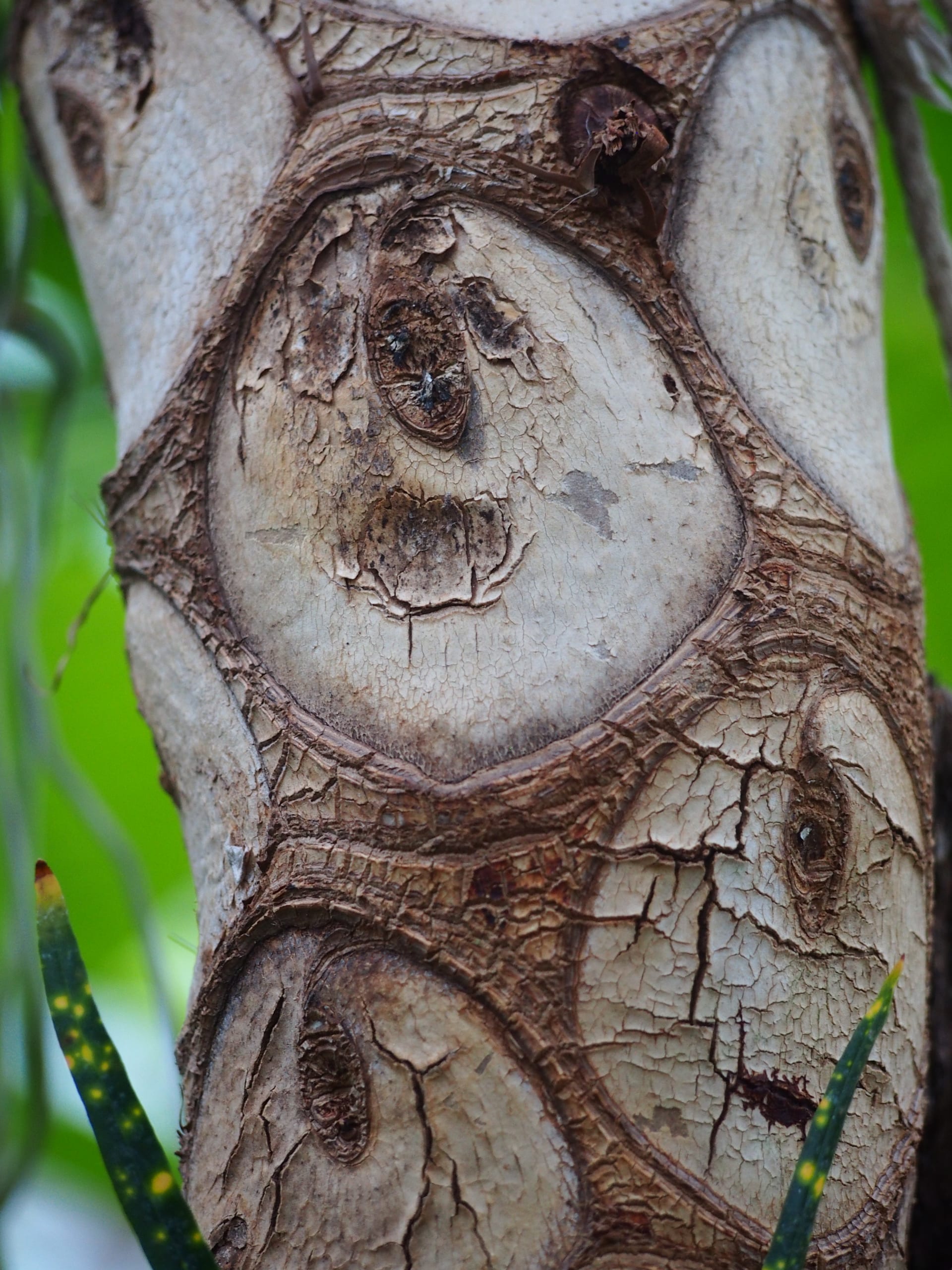 © Agnieszka Kwiecień, Nova / CC BY-SA 4.0
Lacy Tree Philodendron
Thaumatophyllum bipinnatifidum
A large philodendron that spreads big, glossy, deeply lobed leaves from a thick trunk. Old leaf scars remain on the trunk like eyes, and stout aerial roots grow down from it. In pots it reaches 1.2-3 m.
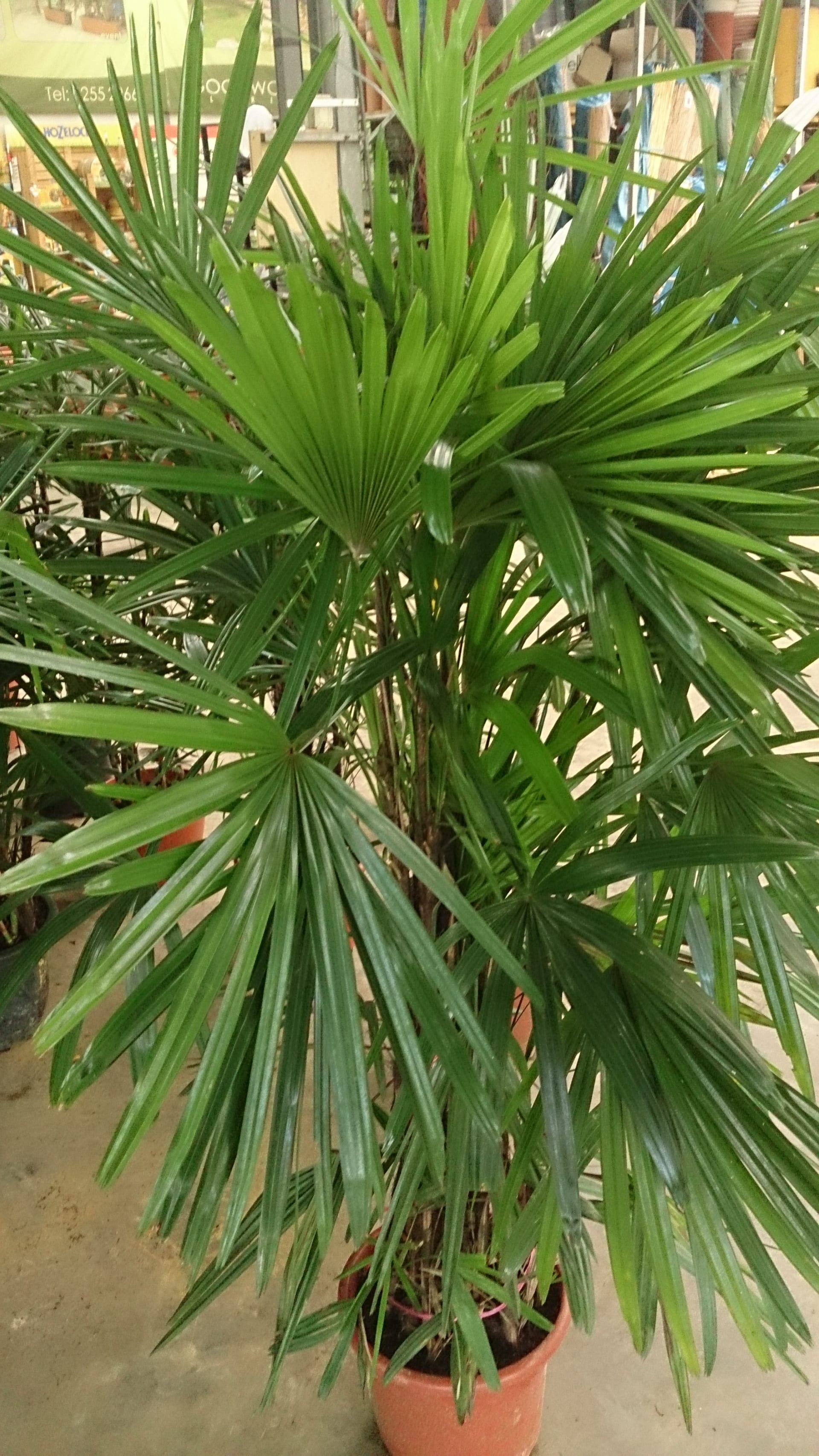 © Mokkie / CC BY-SA 3.0
Lady Palm
Rhapis excelsa
A clumping palm with slender, bamboo-like stems wrapped in dark brown fibre, bearing deeply divided, fan-shaped leaves. Shade tolerant, it is grown in many green and variegated forms.
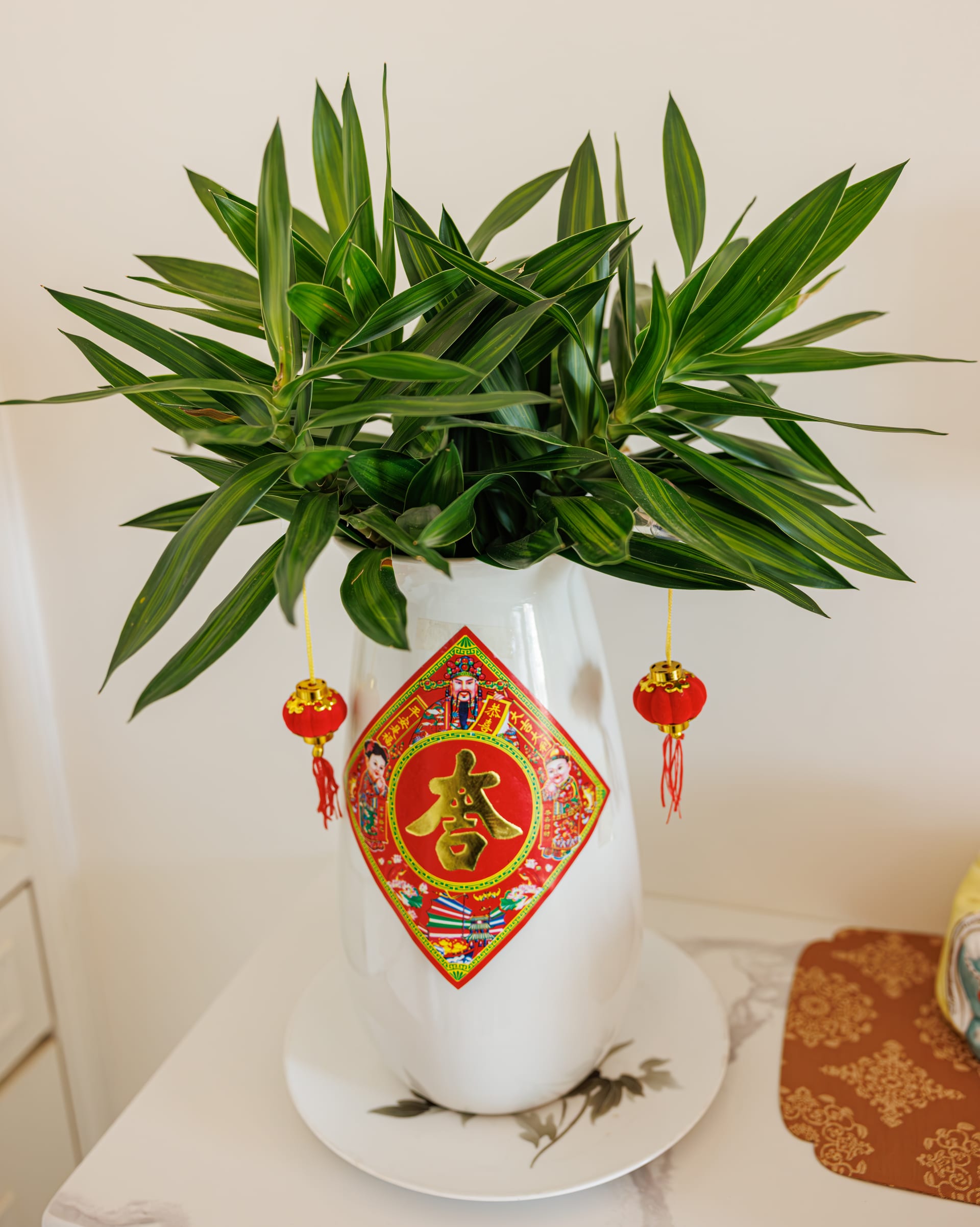 © Dinkun Chen / CC BY-SA 4.0
Lucky Bamboo
Dracaena sanderiana
A dracaena with bamboo-like jointed green stems and narrow leaves that can grow in water alone. Sold as 'lucky bamboo', it is not related to true bamboo.
 © Krzysztof Ziarnek, Kenraiz / CC BY-SA 4.0
Million Hearts
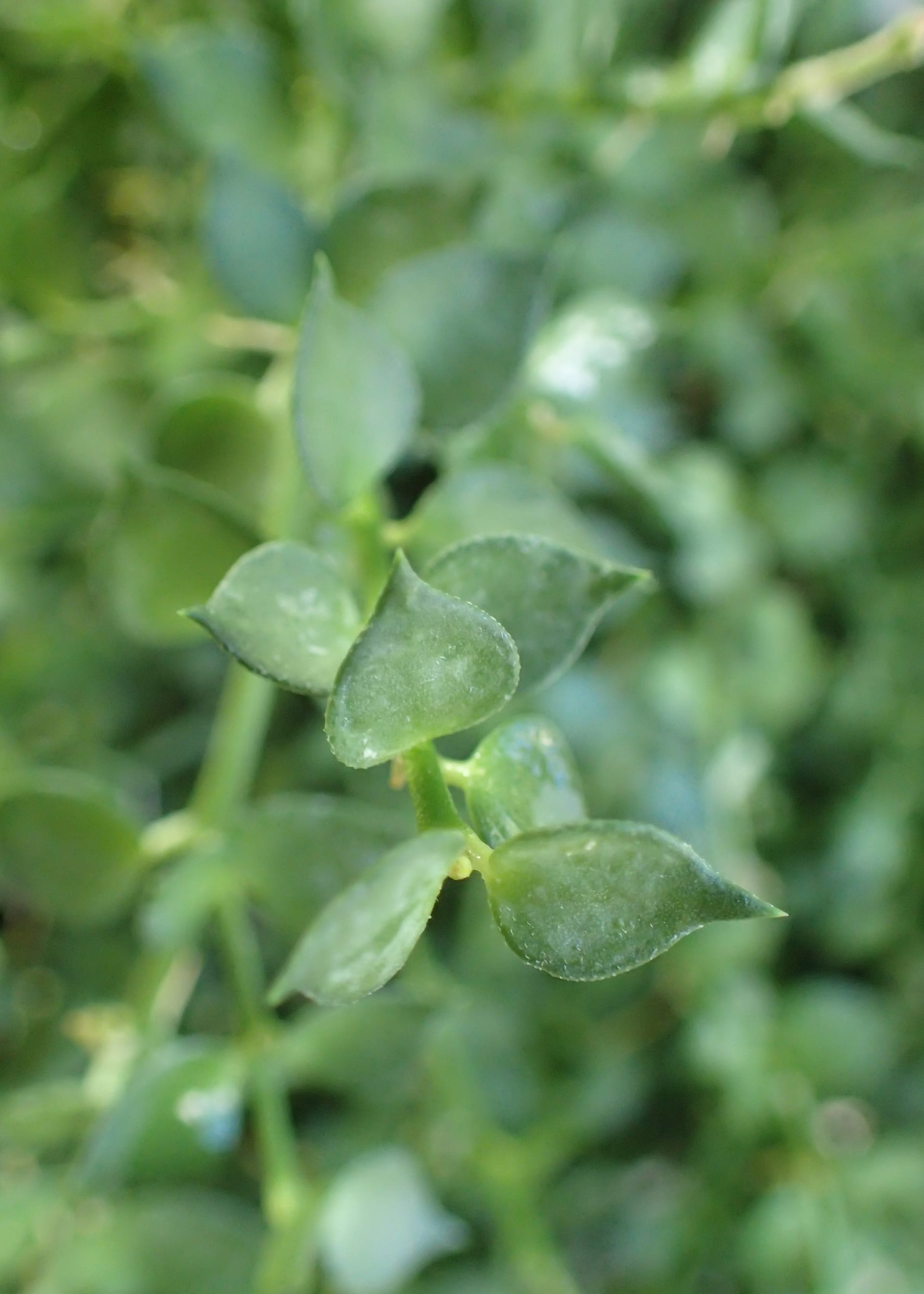
Dischidia ruscifolia
An epiphyte whose slender stems are densely lined with pairs of small, stiff, succulent heart-shaped leaves. Sold as 'Million Hearts', it is grown trailing from hanging pots.
Mini Monstera
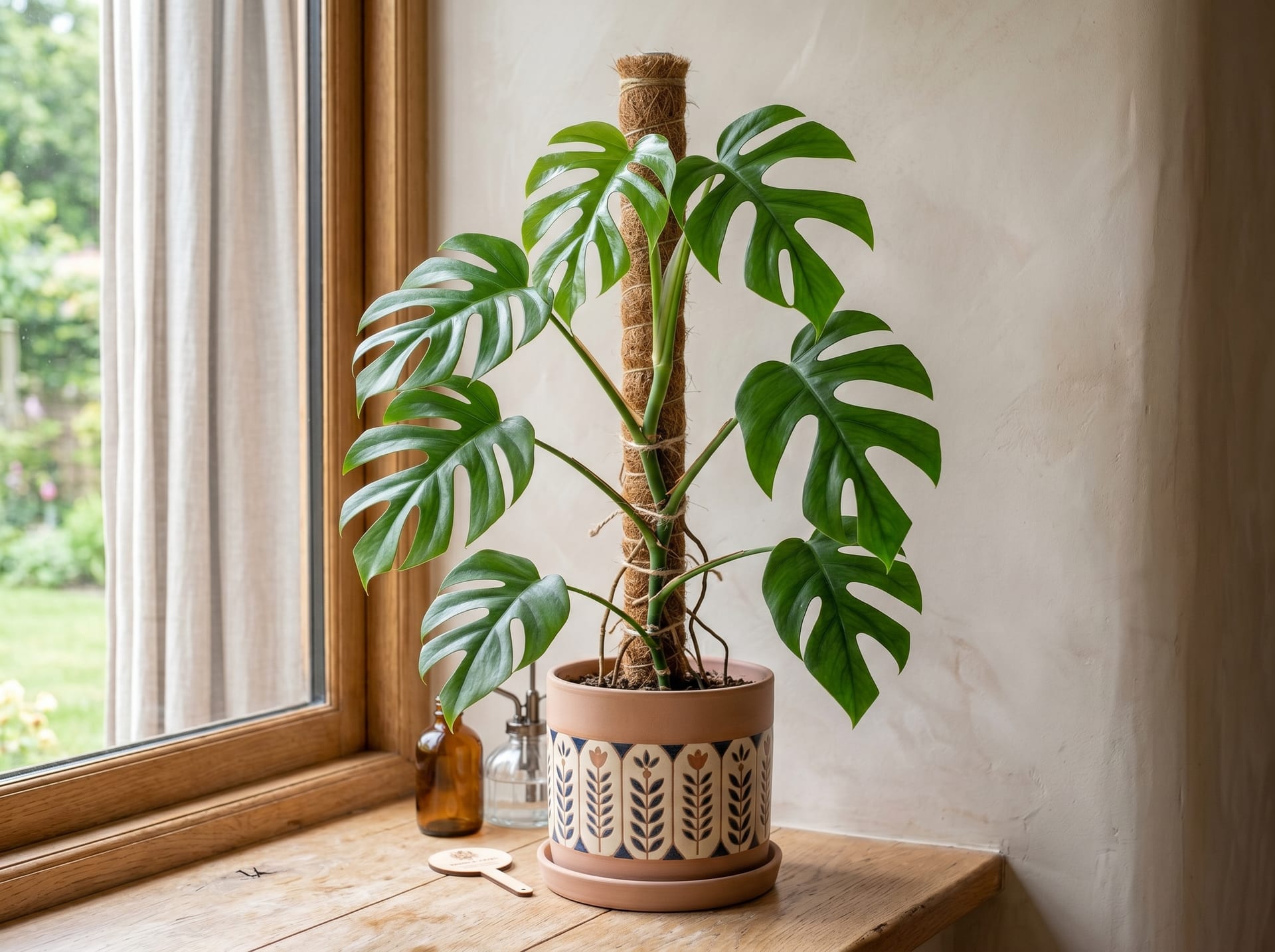
Rhaphidophora tetrasperma
Popular for small leaves with cuts similar to Monstera. Fast growing vine, easy to display.
 © Hans Hillewaert / CC BY-SA 3.0
Money Tree
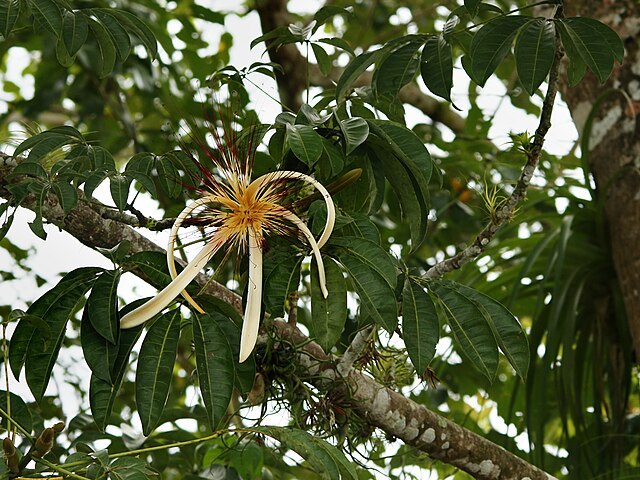
Pachira aquatica
A lucky houseplant with braided trunk and palm-like leaves. An office staple.
 © Walter Hood Fitch / Public domain
Monstera Adansonii
Monstera adansonii
Smaller monstera variety. Nicknamed Swiss cheese vine for distinctive holey leaves resembling cheese.
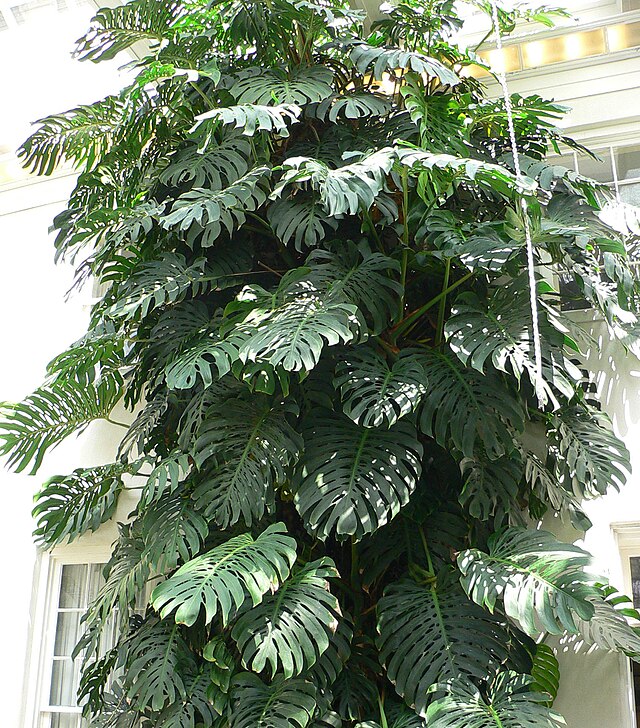
Monstera Deliciosa
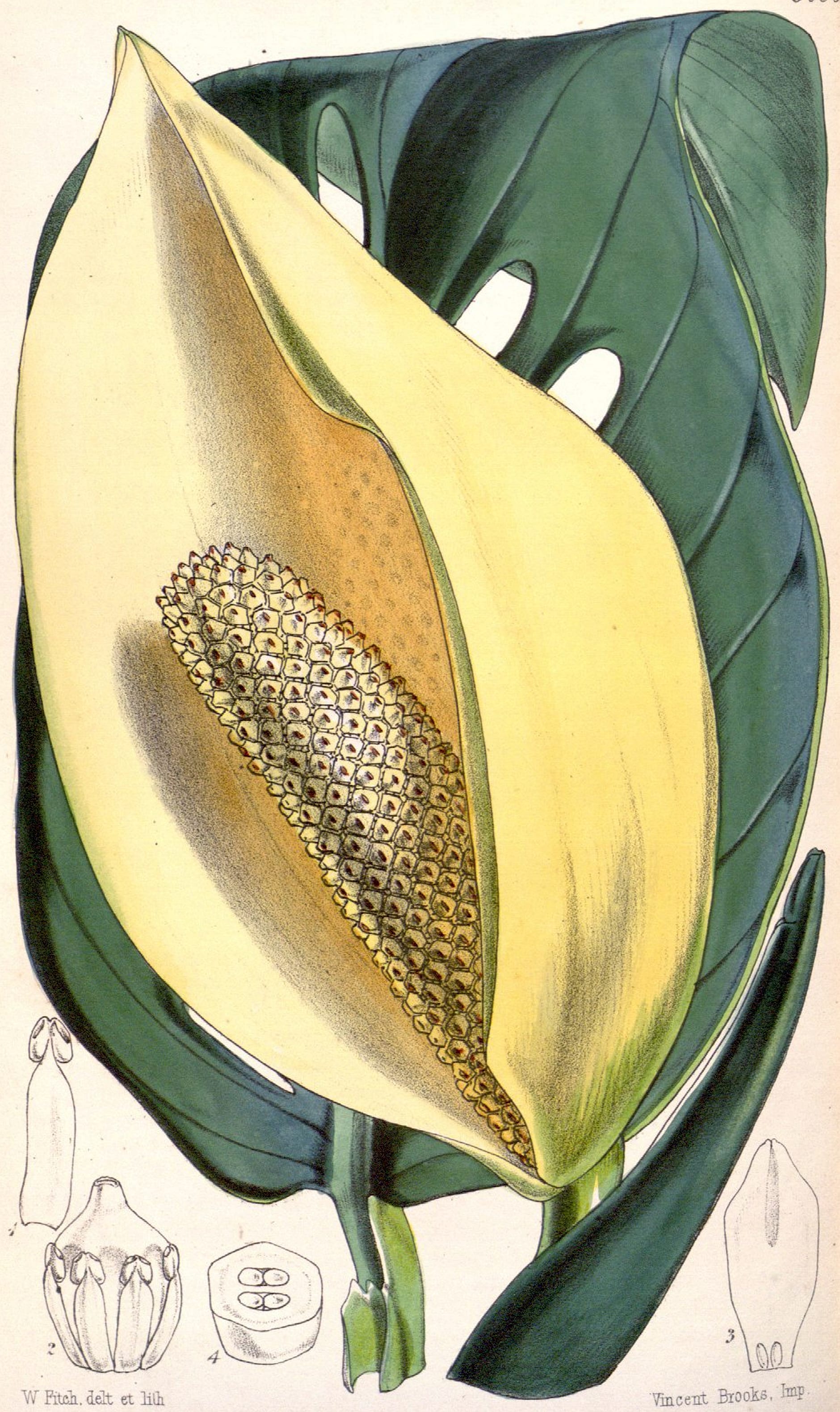
Monstera deliciosa
Iconic split-leaf houseplant. Vigorous grower in bright indirect light. Train aerial roots on moss poles or supports.
 © KENPEI / CC BY-SA 3.0
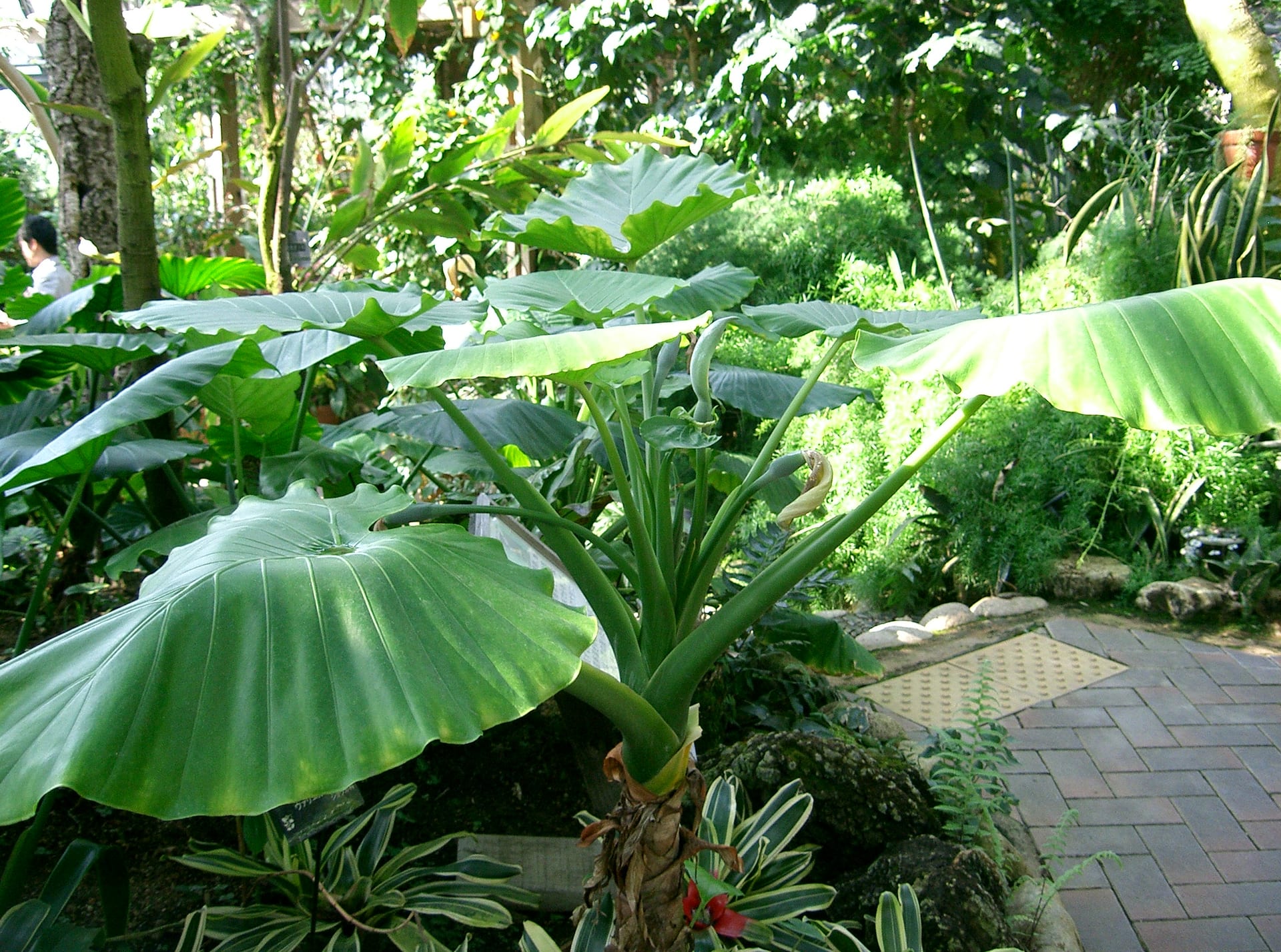
Night-scented Lily / Giant Upright Elephant Ear
Alocasia odora
The most widely grown Alocasia in Japan, holding large oval leaves up on thick petioles. Its rod-like rhizome creeping along the soil surface is the key difference from look-alike taro. The whole plant is poisonous.
 © Steve Fitzgerald / CC BY-SA 4.0
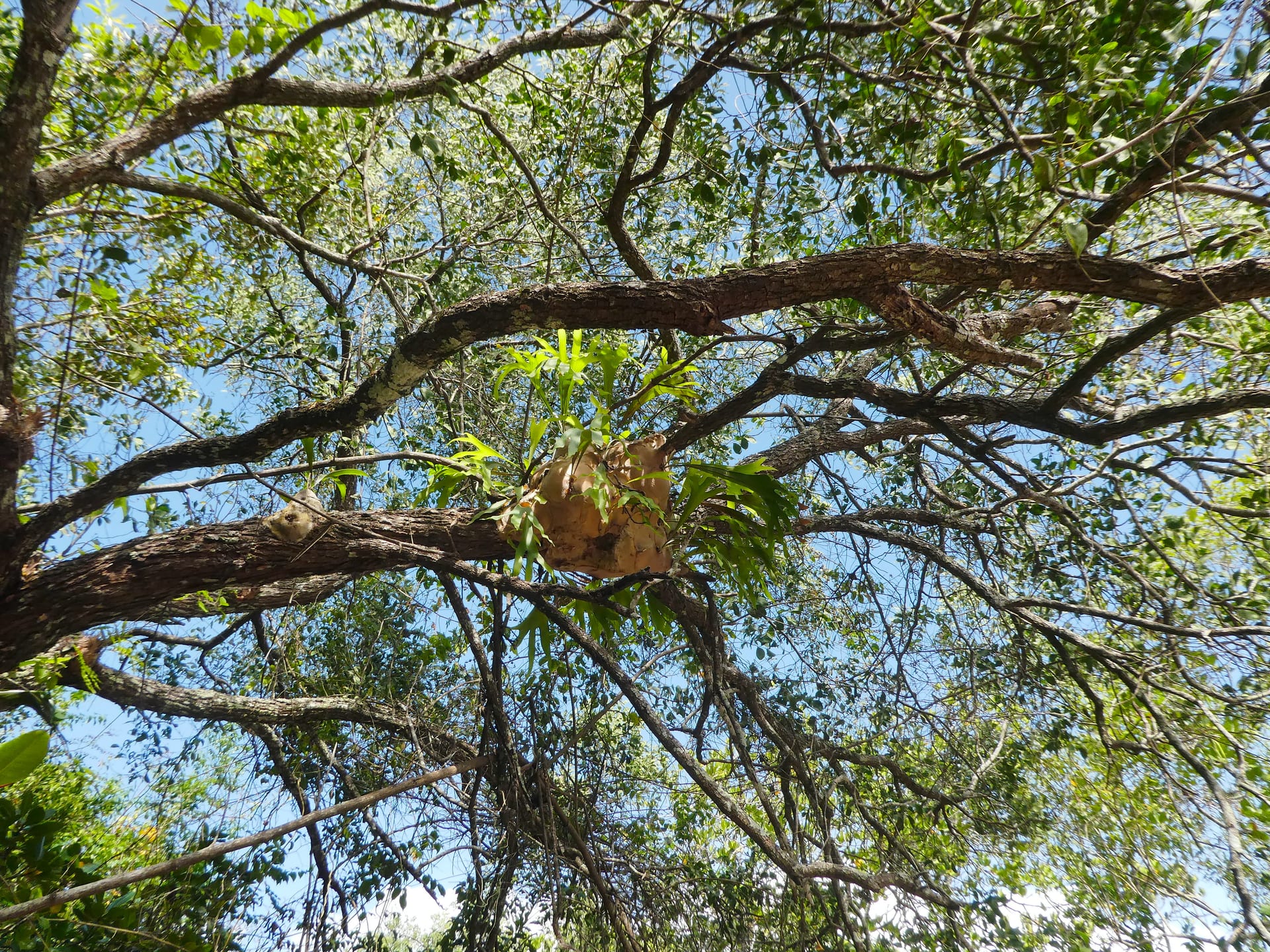
Northern Elkhorn Fern (Platycerium hillii)
Platycerium hillii
A staghorn fern with rounded, uncut shield fronds and broad, almost hairless dark green fertile fronds that rise at an angle. The fertile fronds fork only in the outer third, giving a broad paddle-like look.
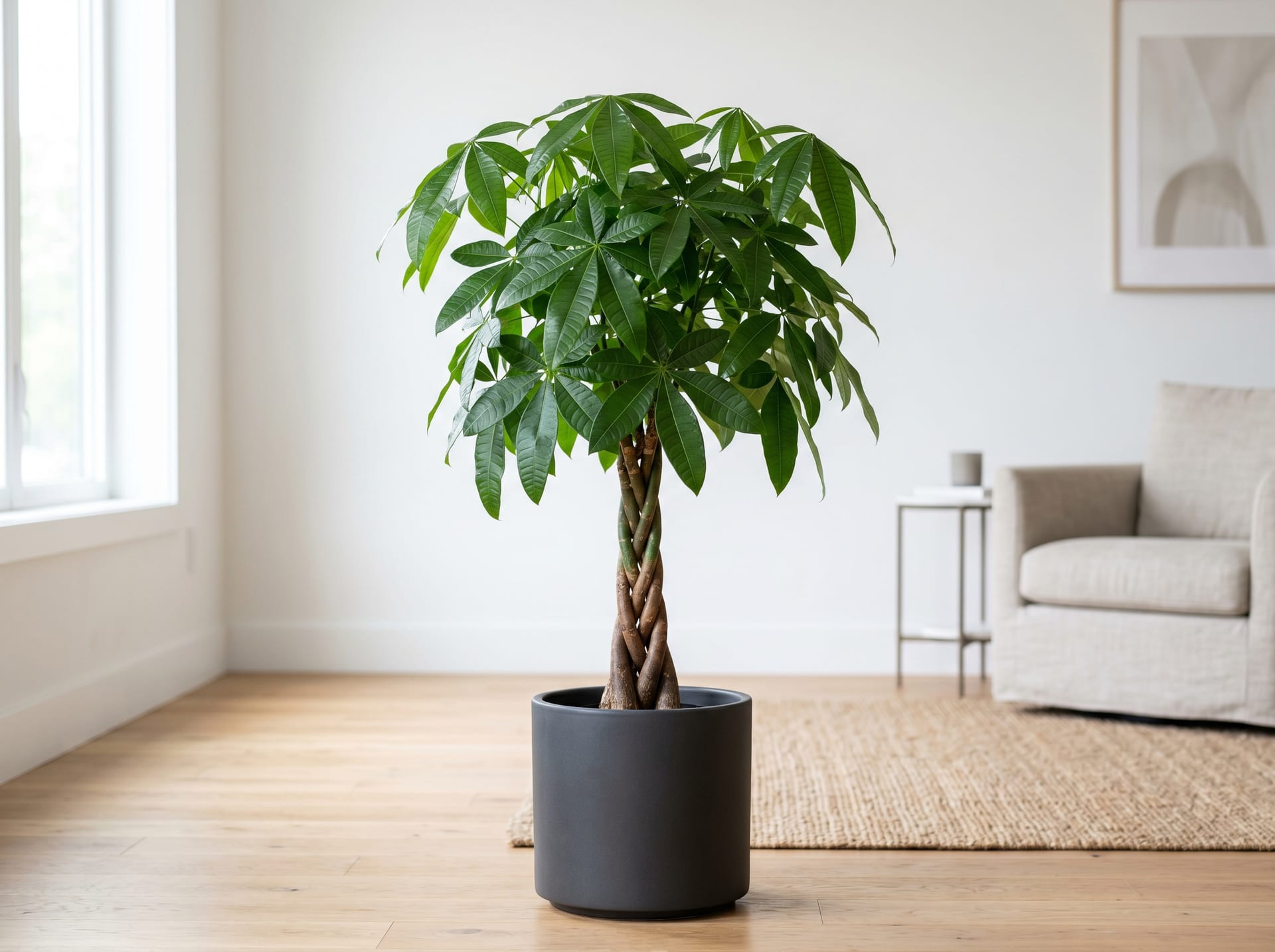
Pachira / Schefflera
Pachira aquatica / Schefflera spp.
Popular indoor foliage—Pachira with braided trunks and upright growth, Schefflera with radiant umbrella-like leaves. Both adapt well to indoor conditions and tolerate variable light. Minimal care requirements for beginners.
 © Daderot / CC0
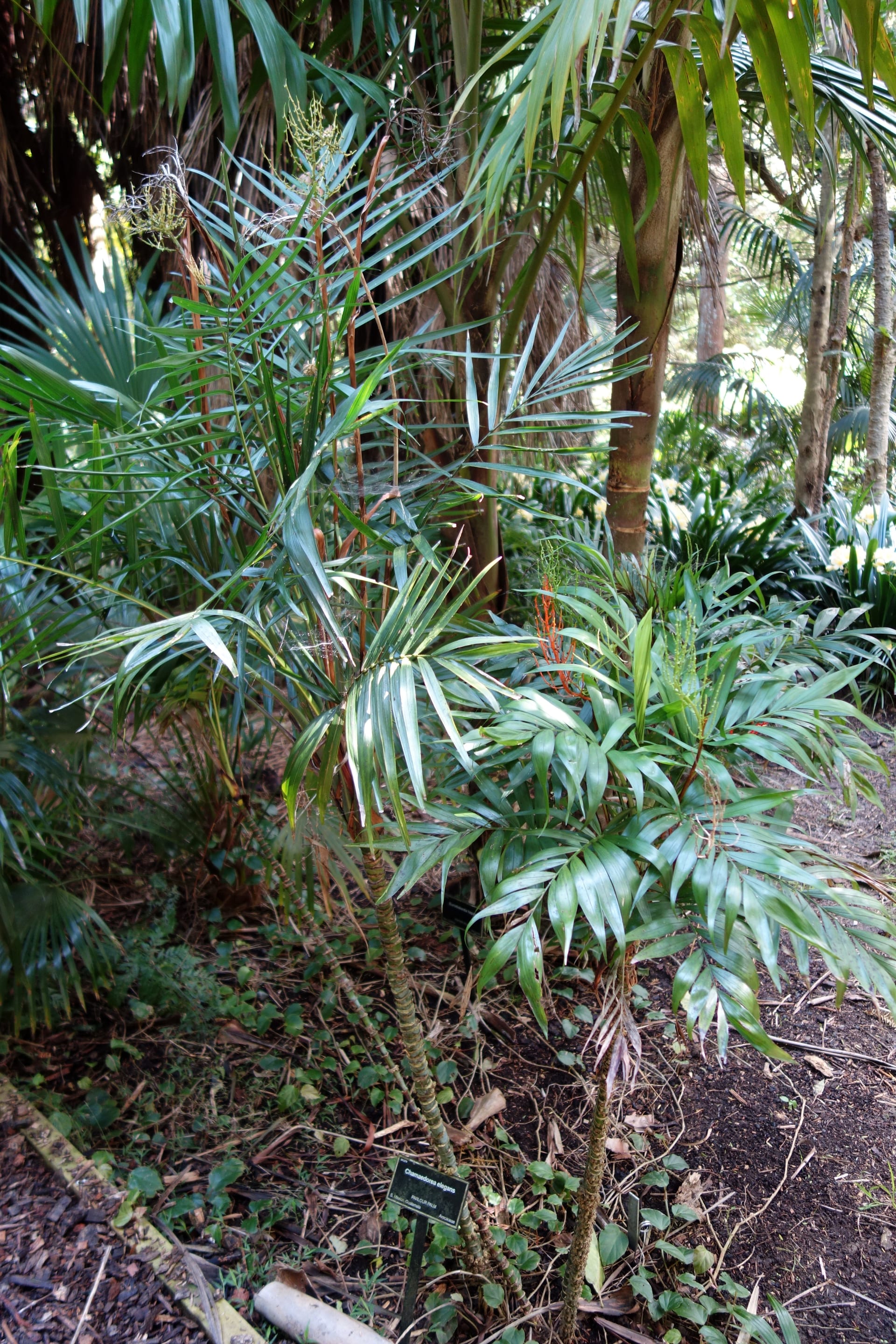
Parlor Palm
Chamaedorea elegans
A small palm with fine, feathery leaves on slender green stems. It copes well with dim light and dry indoor air, and is sold in sizes from mini pots to table plants.
 © Benutzer:Callipides / CC BY-SA 2.0 de
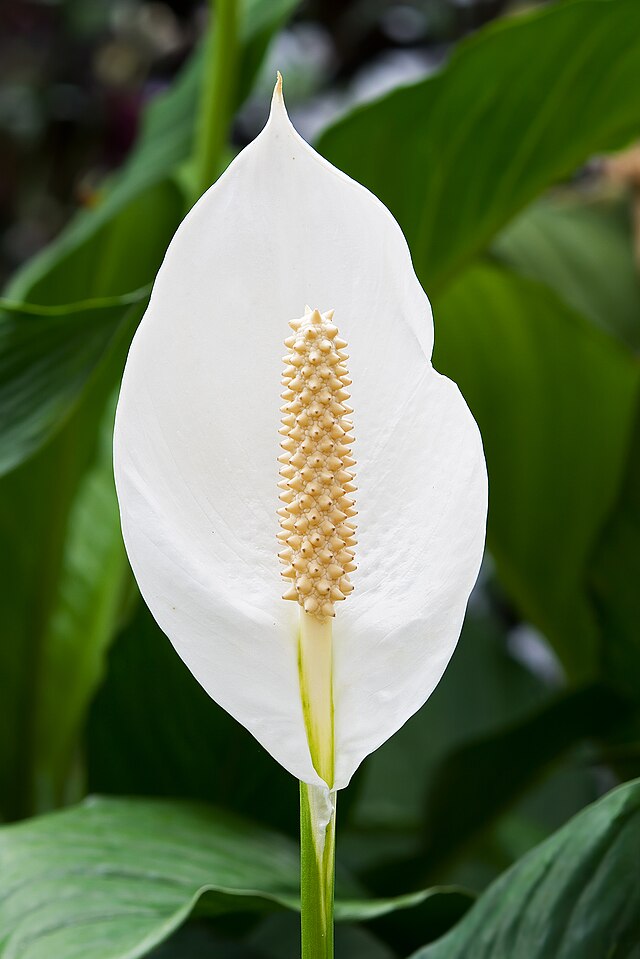
Peace Lily
Spathiphyllum
A shade-tolerant plant with beautiful white spathe flowers. Famous from NASA's air purification research.
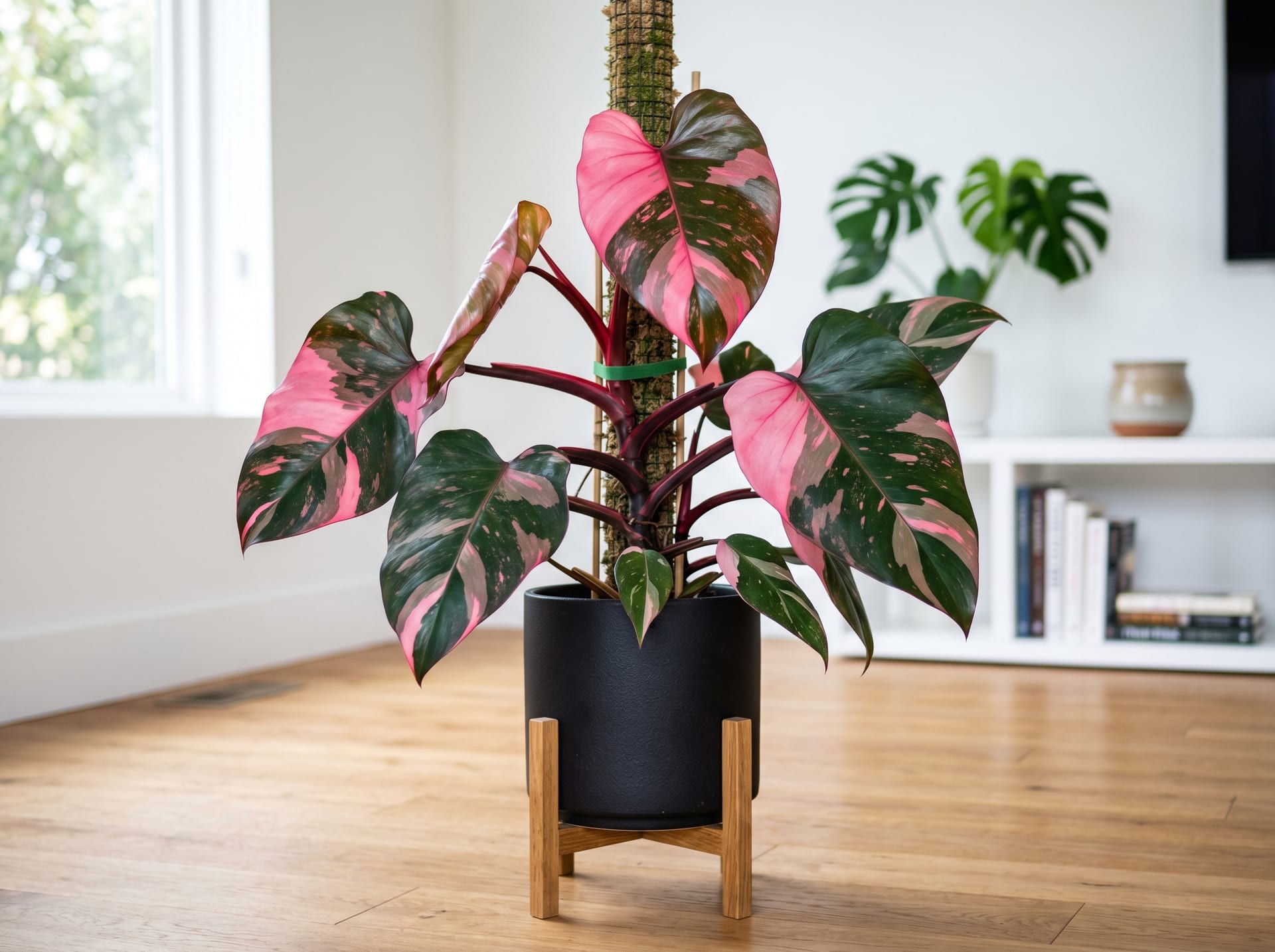
Philodendron
Philodendron spp.
A massive genus of ~500 species ranging from vining to rosette forms. Rare species and variegated specimens are popular with collectors. Thrives in warm, humid indoor conditions.
 © AlbeitPK / CC BY-SA 4.0
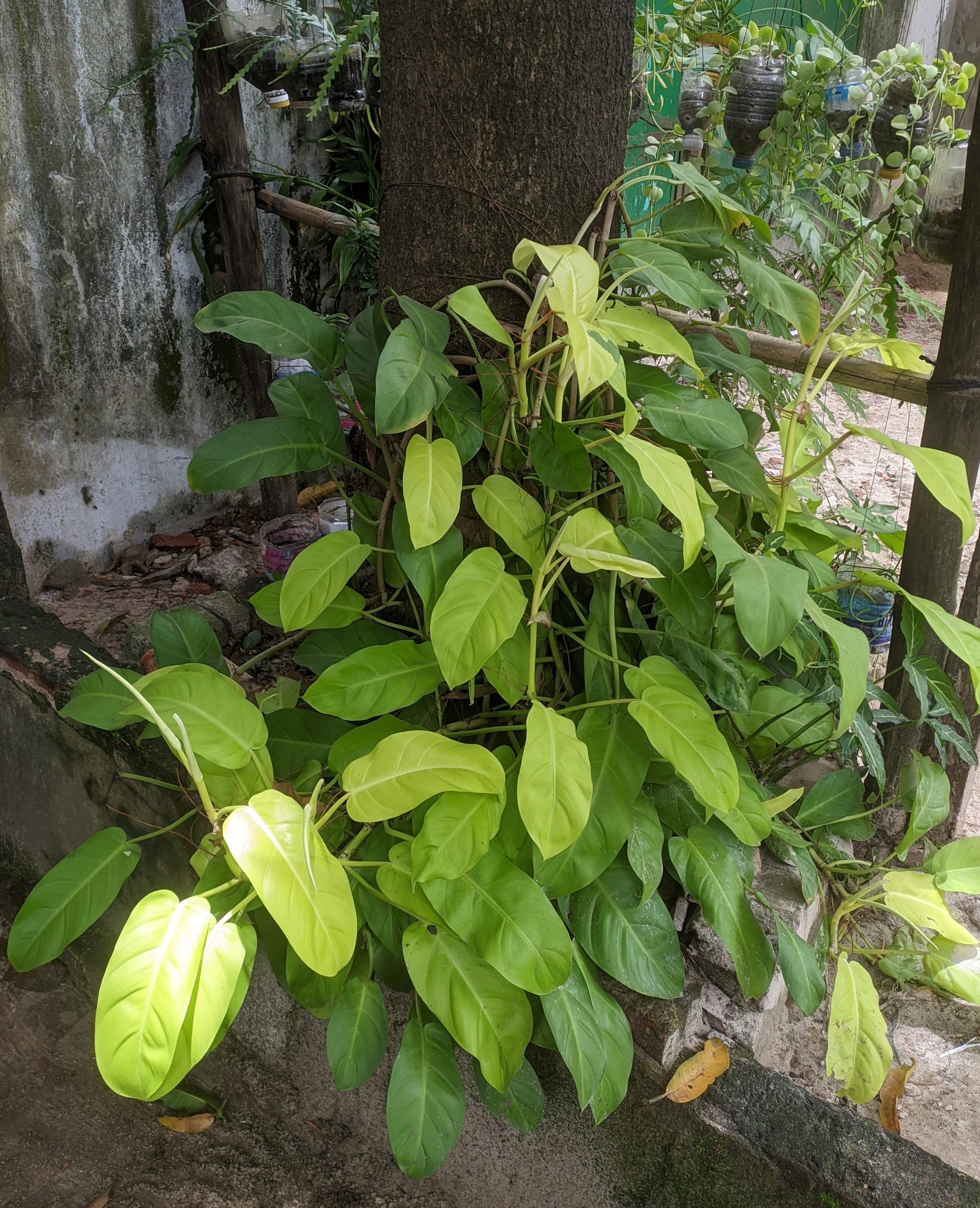
Philodendron 'Lemon Lime'
Philodendron hederaceum 'Lemon Lime'
A trailing heartleaf philodendron whose entire heart-shaped leaves are bright lemon-yellow to lime green. The colour is in the whole leaf rather than in patches.
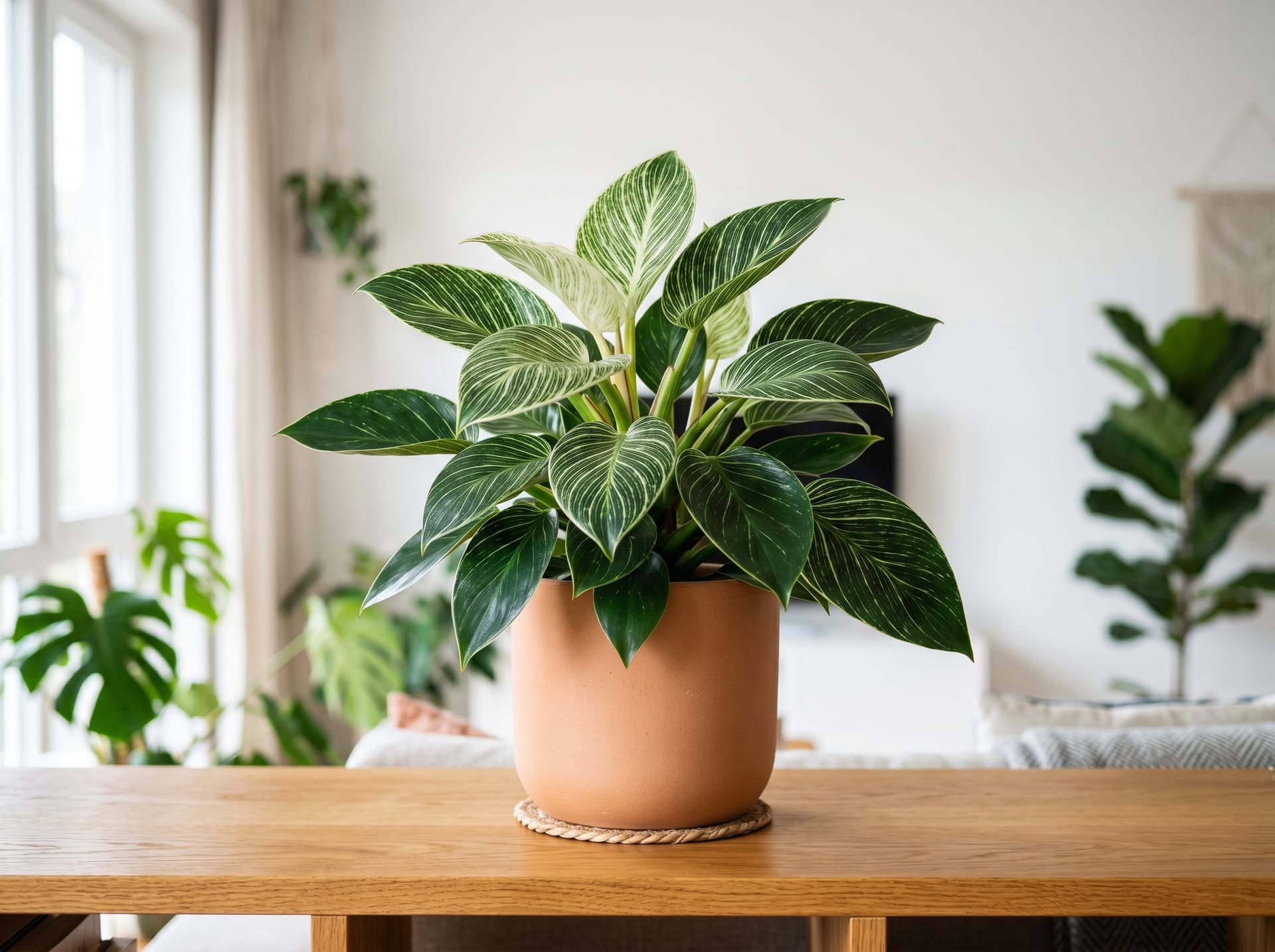
Philodendron Birkin
Philodendron 'Birkin'
A popular variegated Philodendron with dark green leaves and white pinstripes. Compact enough for indoor display. The stripe patterns change as it grows.
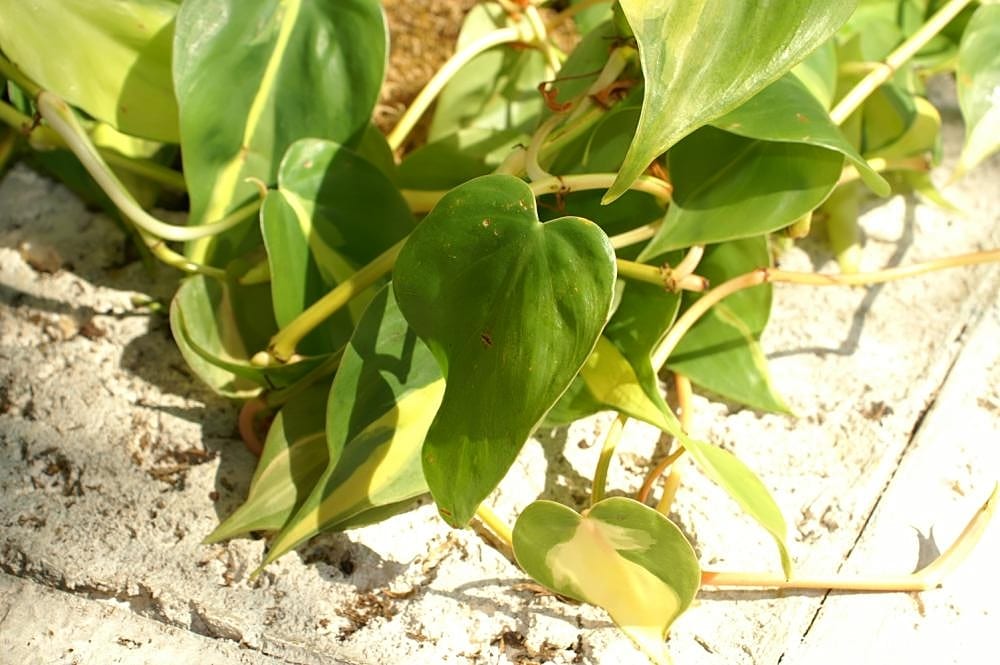 © Photo by David J. Stang / CC BY-SA 4.0
Philodendron Brasil
Philodendron hederaceum 'Brasil'
A trailing heartleaf philodendron whose deep green leaves carry a central stripe of yellow to light green. The variegation sits in the middle of the leaf while the margins stay dark green.
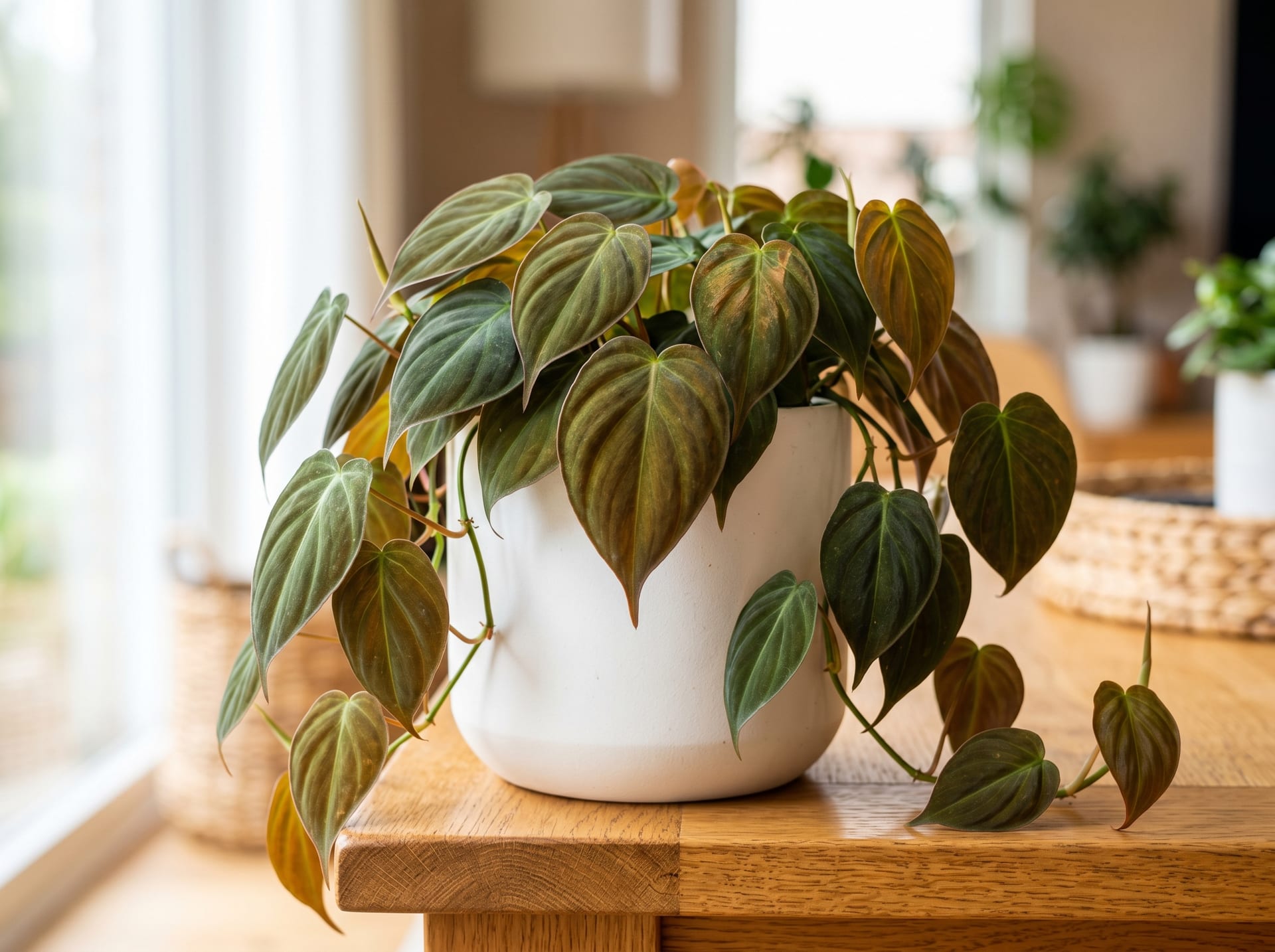
Philodendron Micans
Philodendron hederaceum var. hederaceum 'Micans'
Trailing Philodendron with velvety bronze to deep green leaves. New leaves are chocolate-colored, maturing to deep green. Easy care and perfect for hanging.
Related Content
Houseplant FAQ
- How much do houseplants cost?
- Common Pothos and small Monstera cost 500-3,000 yen, variegated Monstera 10,000-100,000+ yen, and rare Philodendrons can reach tens to hundreds of thousands of yen.
- Can beginners grow houseplants?
- Pothos, Sansevieria, and Pachira are shade-tolerant and hardy, making them easy for beginners. Once you learn the watering schedule, they're hard to kill and great for indoor enjoyment.
- What should I check when buying houseplants?
- Check for well-established roots, leaves free of disease spots or pests, and no excessive stretching. After purchase, avoid sudden environment changes and acclimate gradually.
- Why do houseplants die?
- Root rot from overwatering is the most common cause. Water only when the soil surface is dry. Insufficient light is the next most common issue, so ensure proper brightness for your variety.
- How long do houseplants live?
- With proper care, houseplants can thrive for decades. Monstera and rubber plants commonly live for many decades, and you can propagate them through cuttings and division.