Paludarium Setup Guide: Creating Aquatic-Terrestrial Water Gardens
Learn how to create a paludarium that combines aquatic and terrestrial plants in a single container. This guide covers essential equipment, layout design, plant selection, and daily care tips.
Key Takeaways
Learn how to create a paludarium that combines aquatic and terrestrial plants in a single container. This guide covers essential equipment, layout design, plant selection, and daily care tips.
Related Species
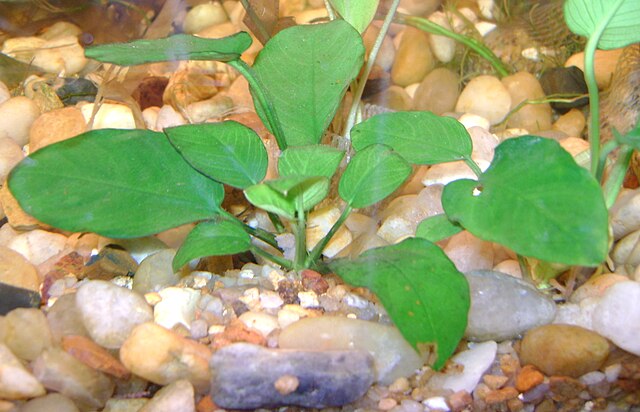
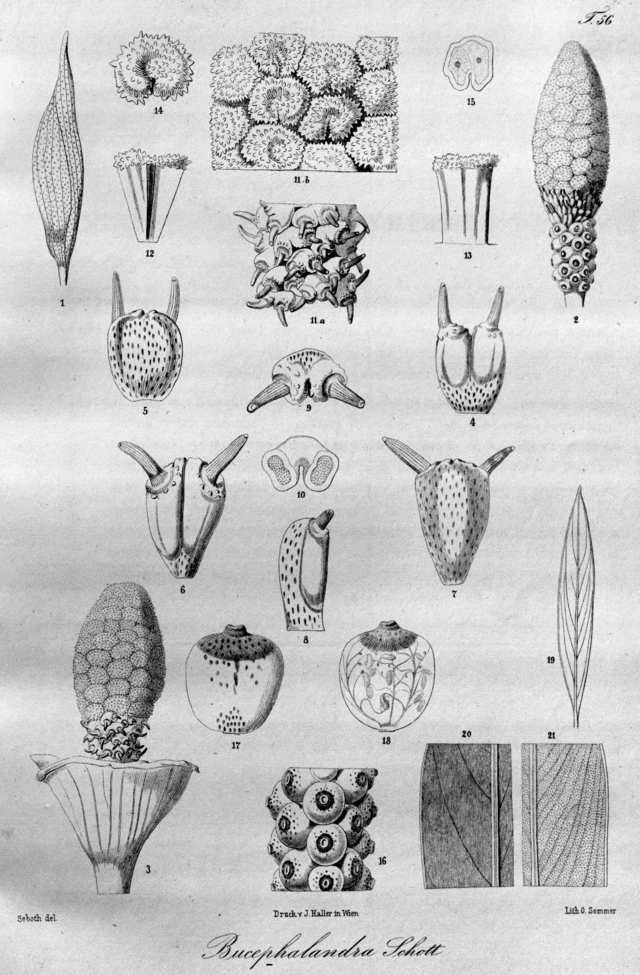
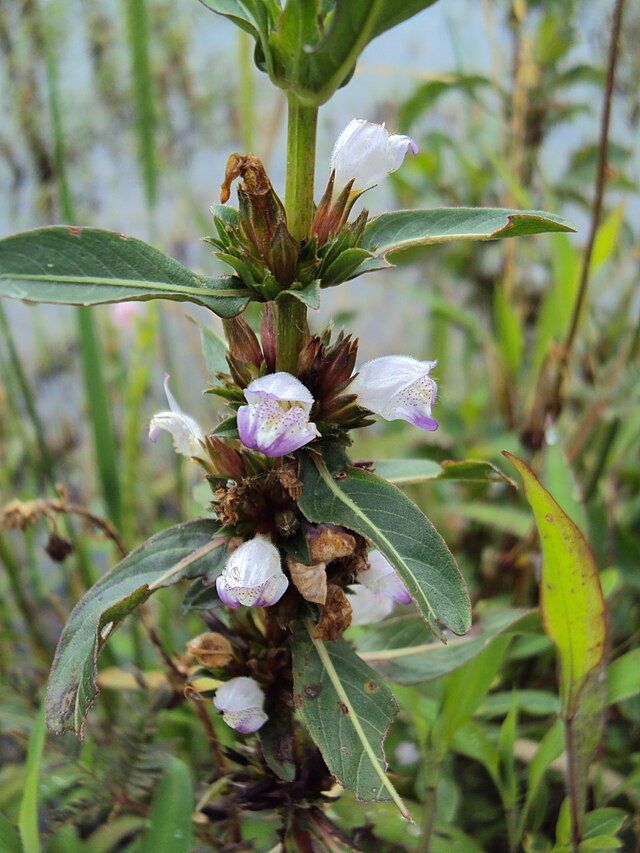
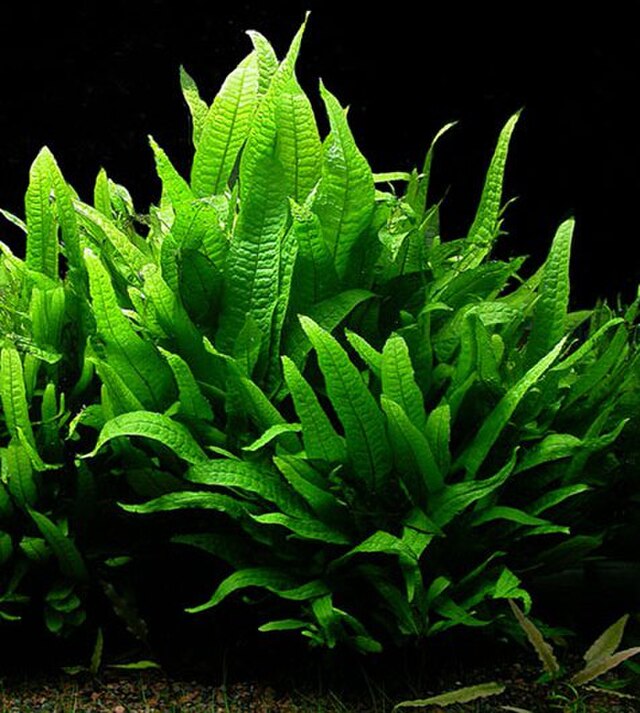
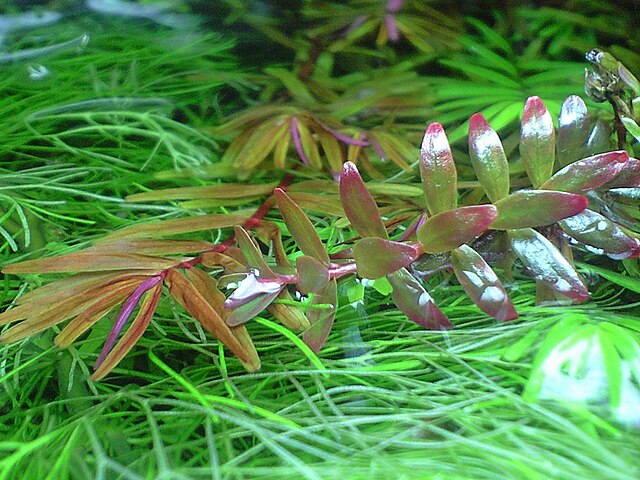
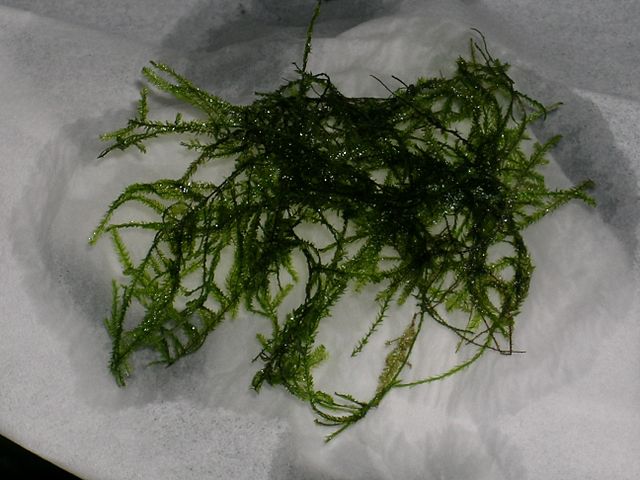
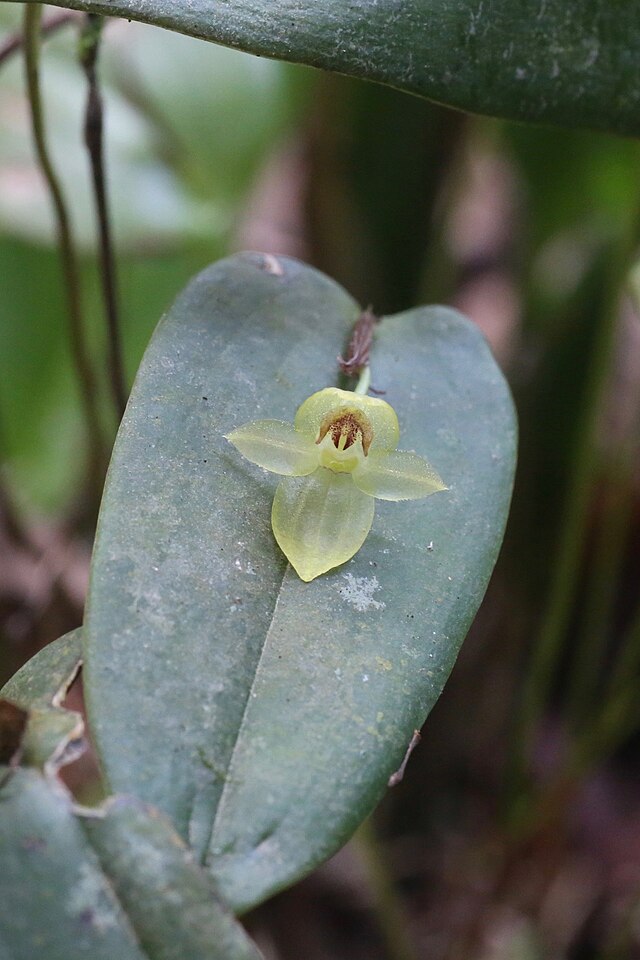
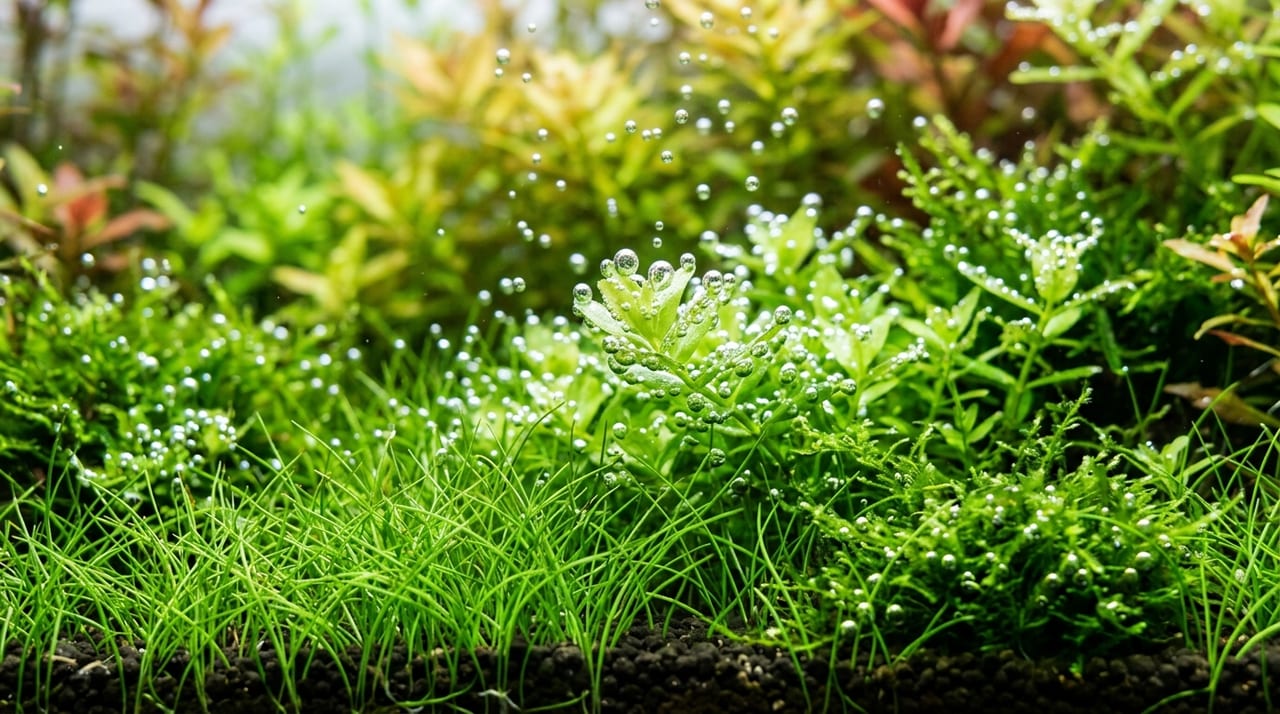
A paludarium is a hybrid layout that merges aquarium and terrarium design—combining aquatic plants and terrestrial plants in a single tank or container. You can recreate natural riparian landscapes indoors: waterfalls and flowing streams, moss-covered rocks, and aquatic plants emerging above the water surface. In recent years, paludariums have surged in popularity through social media and are now recognized as an exciting new way for aquatic plant enthusiasts to enjoy the hobby. Here, we explain the fundamentals of setting up a paludarium.
Types and Characteristics of Paludariums
Paludariums come in several styles, and the design varies depending on the aesthetic you aim to achieve.
- Open aquarium style involves lowering the water level in a standard aquarium tank and allowing driftwood or rocks to protrude above the water surface. Mosses and emergent-form plants are attached to the exposed portions, creating a terrestrial atmosphere. Since you can repurpose existing aquarium equipment as-is, this is the easiest style to begin with.
- Wall-mounted paludarium involves creating a wall surface on the back panel using foam or cork bark, then planting epiphytic plants onto it. This style effectively utilizes vertical space, allowing you to create landscapes with impressive depth. While this requires more technical skill to construct, the finished result is spectacular.
- Waterfall and stream style uses a submersible pump to draw water up and cascade it over the terrestrial portion, recreating waterfalls and small streams. The addition of water sounds and movement creates a sense of realism that other styles cannot match.
- Terrarium-based style uses a glass terrarium case with a shallow water area at the bottom. Terrestrial plants are the primary focus, with the aquatic portion serving a supporting role. This style is ideal for cultivating tropical plants that prefer high humidity.
Necessary Equipment and Container Selection
The basic container for a paludarium is a tall glass case. Since you need to accommodate both an aquatic section and a terrestrial section, the tank must be taller than a standard aquarium. Tanks measuring 30–45 cm wide and 30–45 cm tall are good starting sizes and easy to work with.
Lighting must cover both the aquatic and terrestrial sections. While aquarium LEDs can work, you should adjust their position and angle to ensure adequate light reaches the terrestrial plants. Suspended fixtures are ideal for paludariums because they allow easy height adjustment.
For paludariums with smaller water volumes, hang-on filters or small external filters are appropriate. A submersible pump can circulate water while simultaneously serving as the water flow for your waterfall feature. If you're considering CO2 supplementation, Choosing a CO2 System for Aquatic Plant Tanks is also a helpful reference.
A misting system greatly simplifies humidity maintenance for the terrestrial section. Setting it to spray automatically several times a day on a timer significantly reduces maintenance effort. If you prefer manual misting, spraying twice daily (morning and evening) is a good target.
A standard aquarium heater is placed in the aquatic section. Maintaining a water temperature around 25°C in winter ensures both aquatic and terrestrial plants grow healthily.
How to Create the Layout Structure
The most critical aspect of paludarium design is the border between the aquatic and terrestrial sections—the shoreline. The overall quality depends largely on how naturally you can recreate this transition.
Start with the basic structure: lay substrate soil or gravel on the bottom, then create an incline on one side to form the terrestrial area. Use stones and driftwood as retaining elements along the slope, then fill gaps with soil or sphagnum moss to create planting space for terrestrial plants.
Position driftwood to span from the aquatic section to above the waterline, creating natural continuity. Branching driftwood serves as a substrate for epiphytic plants and forms the layout's structural backbone. Lava rock and mountain stone are standard choices for rock arrangements, as their porous surfaces readily accept moss and plant attachment.
To create a waterfall, conceal the submersible pump beneath the terrestrial area and use tubing to lift water to a high point where it can cascade down. Creating the water path with flat stones produces a thin sheet of falling water that looks beautiful. Since the visibility of the tubing directly affects appearance, hide it carefully behind stones and plants.
The terrestrial soil should be a moisture-retentive mix of Akadama, peat moss, and vermiculite. Covering it with sphagnum moss prevents drying and encourages moss establishment.
Choosing Aquatic and Terrestrial Plants
In a paludarium, select plants suited to each zone: aquatic, shoreline, and terrestrial.
For the aquatic section, shade-loving rhizome plants like Anubias nana, Microsorum, and Bucephalandra are excellent choices. These grow without CO2 supplementation and attach to driftwood and rocks to create a natural appearance. For detailed care instructions, see The Complete Guide to Anubias: Types and Care and Bucephalandra Care: A Complete Guide.
At the shoreline, aquatic plants that thrive both submerged and above water—such as Willow moss and Flame moss—are ideal. Covering the boundary between water and land with moss creates a natural transition. Planting emergent forms of Hygrophila and Rotala at the shoreline is also effective. Propagation techniques for emergent forms are covered in Emersed Growing Guide for Aquatic Plants.
The terrestrial section is best suited to tropical plants that prefer high humidity. Fittonia is a classic choice with vivid foliage and easy care requirements. Selaginella has delicate, moss-like leaves that look beautiful and grow vigorously in humid conditions. Small ferns and wild-type begonias also excel at establishing ambiance.
For epiphytic plants, small Tillandsia and Dischidia are easily attached to driftwood and walls. Miniature epiphytic orchids such as Lepanthes and Pleurothallis are also popular as advanced accents.
Daily Care and Management of Paludariums
Paludarium care differs from standard aquarium maintenance in several key ways.
- Water level management is the most critical aspect. Since water evaporates readily, check the water level every 2–3 days and top it off as needed. Use dechlorinated water that matches the tank's temperature when refilling.
- Humidity management is handled through manual misting or a misting system. Since the terrestrial section's moss and epiphytic plants will die if allowed to dry out, aim to maintain 60–80% humidity. However, excessive moisture promotes mold, so ensure adequate air circulation.
- Water changes should be performed weekly at 20–30% since the water volume is limited. Use a dropper or syringe to remove water from the aquatic section and add fresh water. Clean areas where debris accumulates by siphoning with a dropper.
- Trimming terrestrial plants should be done as needed based on growth rate. Fast-growing plants (like Fittonia) should be pruned regularly to maintain layout balance. Remove dead leaves promptly to prevent mold development.
Aquatic plants for your paludarium can be sourced from GrowerDirect. Plants shipped in emergent form are particularly convenient for paludarium shoreline sections since they can be used as-is. By informing growers that you're building a paludarium, they can recommend suitable species.