Summer Care Guide for Succulent Plants and Agave: Protection from Heat
A guide to summer care for succulents and agaves. Learn about different growth types such as summer-growing and winter-dormant varieties, how to prevent leaf burn and heat stress through shading, adjusting watering based on plant variety and season, ensuring adequate air circulation to prevent rot and moisture damage, why to avoid repotting during peak summer, and when to bring plants indoors.
Key Takeaways
A guide to summer care for succulents and agaves. Learn about different growth types such as summer-growing and winter-dormant varieties, how to prevent leaf burn and heat stress through shading, adjusting watering based on plant variety and season, ensuring adequate air circulation to prevent rot and moisture damage, why to avoid repotting during peak summer, and when to bring plants indoors.
Related Species
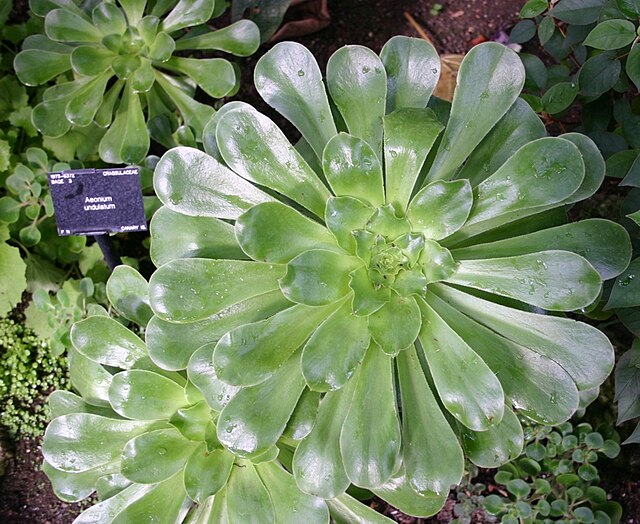
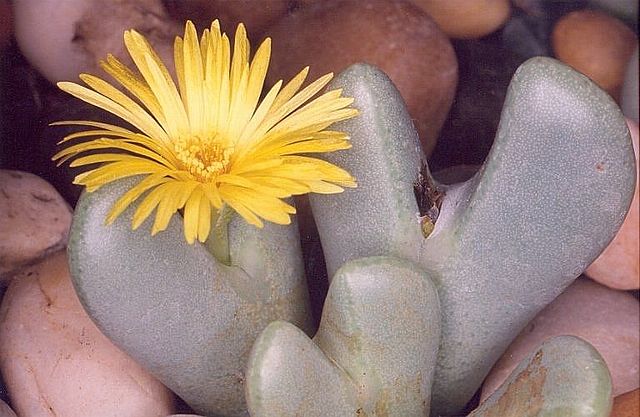
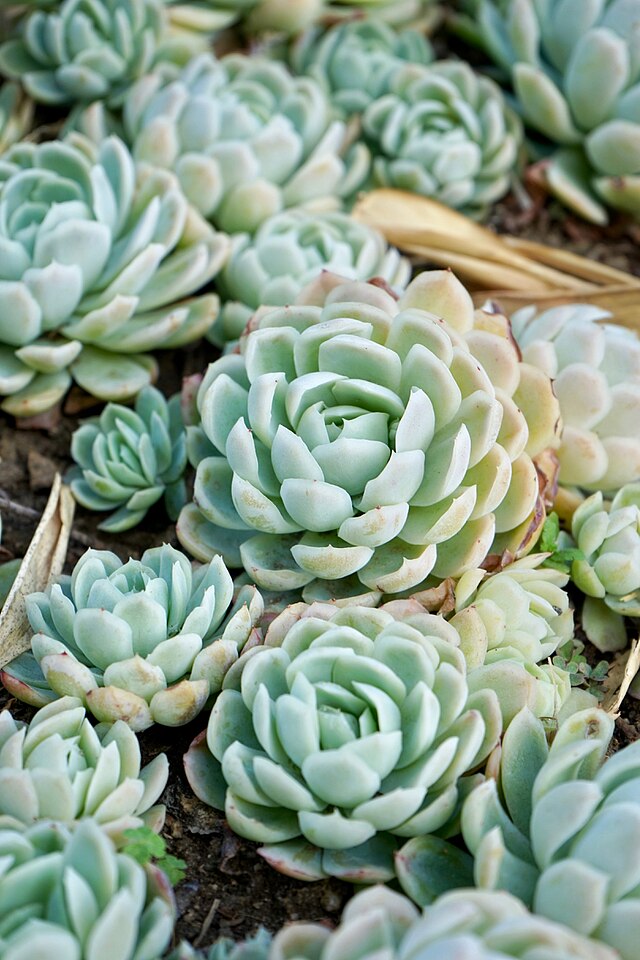
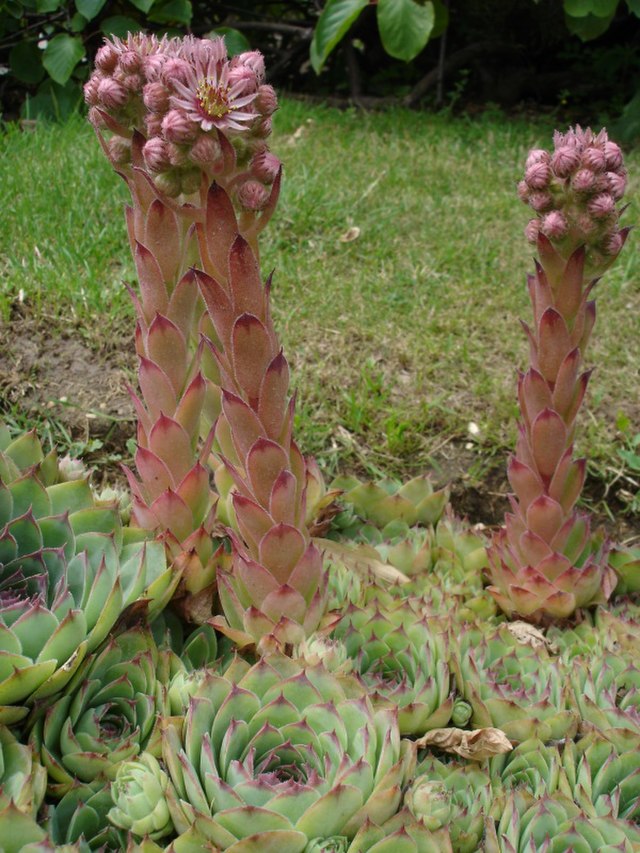
Many succulents originate from deserts and arid regions, so they're often perceived as "heat-tolerant plants." However, the real challenge lies in Japan's unique summer combination of "high temperature + high humidity," which is their major weakness. This season sees frequent problems such as root rot from excess moisture and soft rot, where leaves dissolve and collapse.
To successfully get through summer, it's essential to understand the different growth types for each species and review your management of light, water, and air circulation. This guide provides detailed, easy-to-follow summer care tips for beginners.
Understanding Succulent "Growth Types" is the First Step to Summer Survival
The most important thing to keep in mind when managing succulents through summer is understanding the differences in "growth types." Succulents fall into three major categories.
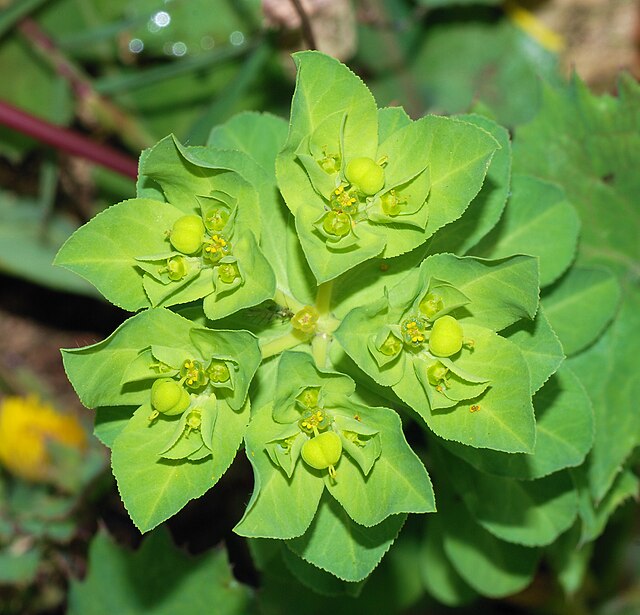
- Summer growers: Actively grow during warm spring through autumn. Examples include Agave, Adenium, Euphorbia, and some Sempervivum. They require regular watering and sunlight even in summer.
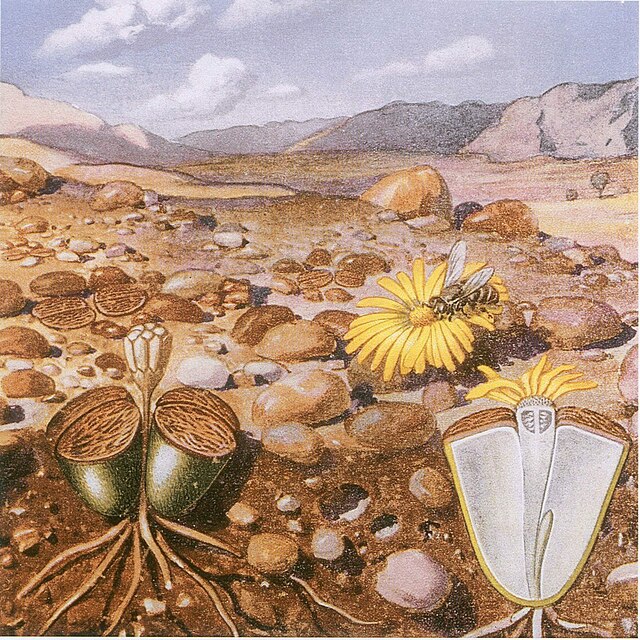
- Winter growers: Their active growth period is cool autumn through spring, entering dormancy in summer. Examples include Lithops, Conophytum, and Aeonium. Summer management involves minimal to no watering.
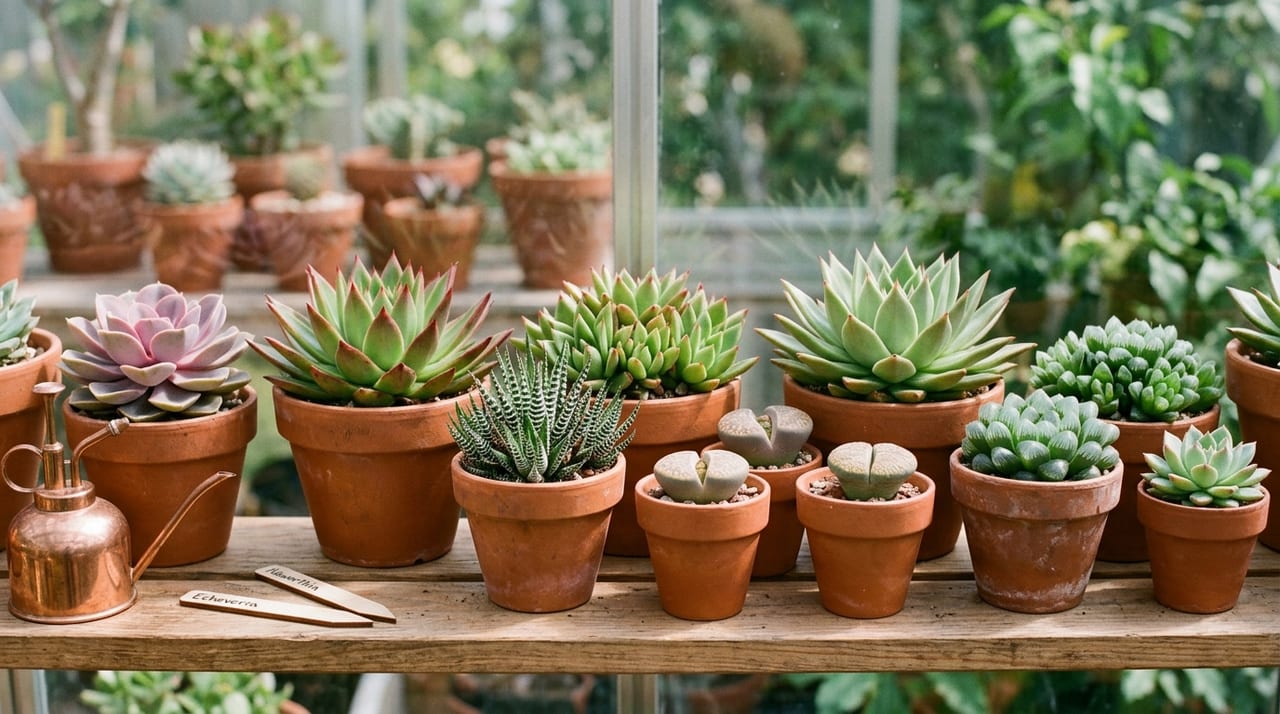
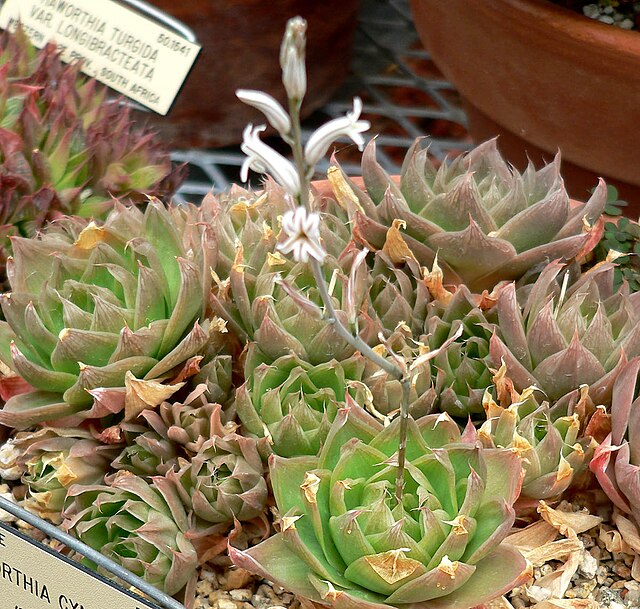
- Spring/autumn growers: Peak growth occurs during mild spring and autumn temperatures. This includes most Echeveria, Haworthia, and Sedum. They enter semi-dormancy in summer, so watering should be reduced.
The mistaken belief that "all succulents need the same care" is a common pitfall. First, identify which growth type your species belongs to—this is the foundation for successful summer care.
Prevent Sunburn and Heat Damage with Shading
Japan's mid-summer direct sunlight is extremely intense, and UV levels between 10 AM and 3 PM can be excessive for succulents. Particularly just after the rainy season ends, sunlight becomes suddenly strong, and plants that were previously in outdoor care often suffer sudden sunburn.
How to Choose Shade Cloth
Shade cloth is readily available at home improvement stores and garden centers. The appropriate shading percentage depends on the species.
- 30–50% shade: Summer growers that prefer light, such as Agave and Caudex plants
- 50% shade: Most spring/autumn growers such as Echeveria and Sedum
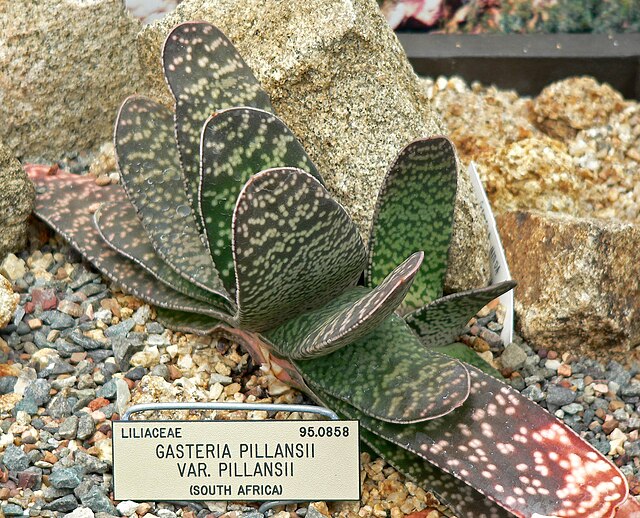
- 50–70% shade: Species that dislike direct sunlight, such as Haworthia and Gasteria
Haworthia grows under rocks or grass in its native habitat, making it particularly sensitive to strong light. Simply moving them to bright shade or partial shade during summer can significantly improve their condition.
Beyond just blocking light, shade cloth also helps reduce temperature increases on the ground and pots. Black plastic pots in particular tend to retain heat, so switching to white pots or wrapping insulation around the pot are also effective measures.
Adjust Watering: Flexible Responses Based on Species and Season
Summer watering requires flexible management that takes into account growth type, temperature, and humidity.
Watering Summer Growers
Summer growers like Agave and Adenium require active watering even during summer. However, timing is critical. Watering during hot daytime temperatures causes the pot to become like a steam bath, damaging roots. The basic rule is to water in the evening or night after temperatures drop.
Watering Winter and Spring/Autumn Growers
Winter growers like Lithops and Conophytum enter dormancy in summer and should be kept almost completely dry. If complete withholding of water is difficult, water lightly just enough to moisten the surface of the soil once or twice per month.
Spring/autumn growers should also have significantly reduced watering in summer; as a guideline, wait several days after the soil dries completely before watering. Consider slightly wrinkled leaves as a signal that it's time to water.
The Mechanism of "Excess Moisture" to Be Aware Of
When soil remains constantly moist in hot, humid conditions, roots become oxygen-depleted and waterlogged, causing rapid root rot. Because above-ground parts of root-rotted plants suddenly collapse, early detection is difficult and damage tends to be severe. Even if the soil surface is dry, the inside of the pot may still be wet, so it's reassuring to develop the habit of lifting the pot and checking its weight before watering.
Ensure Air Circulation: The Most Critical Step in Humidity Control
Alongside watering, ensuring "air circulation" is equally important in summer succulent care. In windless environments, humidity builds up, and the risk of excess moisture and pests (scale insects, aphids, etc.) increases dramatically.
Using a Circulator
For indoor management, using a circulator to keep air constantly moving is effective. There's no need to direct strong wind directly; gentle room air circulation is sufficient. Especially during the humid rainy season through summer, combining a dehumidifier is also effective.
For Outdoor Management
When placing plants on a balcony or in a garden, be conscious of spacing pots wider apart. When plants are densely packed, humidity tends to accumulate between pots. If arranged on shelving, reducing the number of shelf levels to ensure airflow to lower levels is also an effective measure.
Repotting in Peak Summer is Prohibited in Principle. Know When to Bring Plants Indoors Too
Wait Until Fall to Repot
Repotting in peak summer is extremely risky because roots are easily damaged when exposed to high temperatures, and their recovery ability is diminished. Damaging roots often leads directly to death. The ideal time to repot is late September through October when temperatures cool down.
If repotting is absolutely necessary in summer (such as when root rot is discovered), after cleaning the roots, reduce watering and allow the plant to recover in bright shade away from direct sunlight for one to two weeks before returning to normal care.
When to Move Plants Indoors
When maximum temperatures exceed 35°C for several consecutive days or more, temporarily bringing plants indoors is also a wise choice. However, moving indoors typically results in insufficient light, so place them as much as possible near south-facing or east-facing windows to ensure light through the window.
Avoid placing them where air conditioning cold air blows directly, as this causes sudden temperature changes. Even near windows, direct sunlight can be intensified by glass, so adjusting light through sheer curtains is safer.
Summary: The Basics of Summer Care is "Subtractive Management"
To sum up succulent summer care in one phrase: "subtractive management—doing less unnecessary work." Reduce watering, block excessive light, and ensure air circulation. Following these three simple principles can prevent most problems.
| Management Item | Summer Growers | Spring/Autumn & Winter Growers |
|---|---|---|
| Watering | Normal care from evening onward | Greatly reduced to no watering |
| Shading | 30–50% | 50–70% |
| Air circulation | Ensure thoroughly | Ensure thoroughly |
| Repotting | Avoid | Avoid |
Plants that successfully survive summer will resume vigorous growth as autumn cools down. Look forward to that sight and continue careful summer care without rushing.
On GrowerDirect (GrowerDirect), where you can purchase succulents directly from growers and experts, you can also ask sellers detailed care questions for each species. Beginners especially should feel free to start your succulent journey with confidence by communicating with growers who know how to care for these plants well.