Caudex Plants Market Value Guide | Factors Determining Price and How to Read Market Rates
Explaining the factors influencing caudex plant prices (caudex size, tree form, origin, seedling age, etc.). Introducing market rates for popular species like Pachypodium and Adenium, trends in price fluctuations, and criteria for evaluating value at purchase.
Key Takeaways
Explaining the factors influencing caudex plant prices (caudex size, tree form, origin, seedling age, etc.). Introducing market rates for popular species like Pachypodium and Adenium, trends in price fluctuations, and criteria for evaluating value at purchase.
Related Species
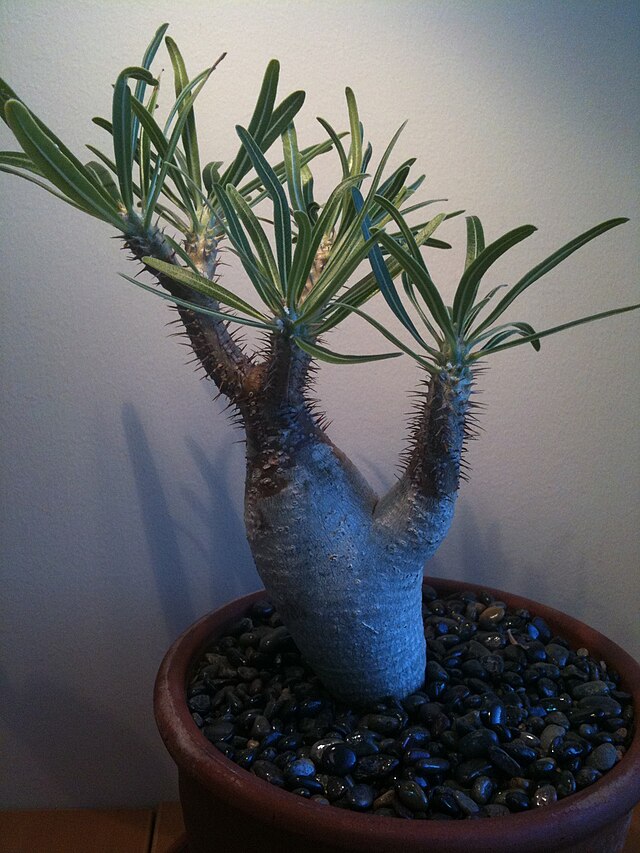
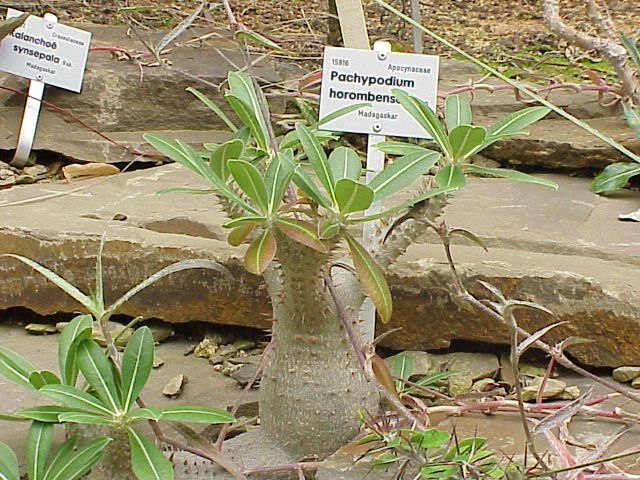
Why Are Caudex Plant Prices So Variable?
In the caudex plant market, the price difference for the same species can be twenty-fold or more—ranging from seedlings worth a few thousand yen to wild-collected specimens that fetch hundreds of thousands of yen or even over a million. Compared to typical houseplants, the price range is remarkably high, so many people wonder "why is it so expensive?"
This price difference is not determined by rarity alone. Multiple factors—cultivation environment, plant form, distribution transparency, and regulatory trends—intertwine to shape market value. In this article, we organize the structural factors that determine caudex plant prices as of 2026 and explain how to read market rates in ways useful for purchasing and collecting. Those new to the hobby may find it helpful to first check 15 Recommended Caudex Plants for Beginners to understand the tendencies of easy-to-grow species—this will make the market rates easier to understand.
Key Factors Determining Value
Wild Collected (WC) vs Seedlings
The origin of the plant is the single largest factor in price difference. How to distinguish authenticity between the two is covered in detail in Caudex Plant Authenticity Guide | Differences Between Seedlings, Wild-Collected, and Grafted.
Wild Collected (WC) specimens are individuals collected and imported from their natural habitats, possessing a distinctive character formed over decades in the wild. The dramatic swelling at the base, the weathered feel of the skin exposed to wind and rain, the asymmetrical twists—these represent an accumulation of time that cannot be replicated in cultivation. The high prices of large, well-conditioned wild specimens—hundreds of thousands to over a million yen—reflect the value placed on this uniqueness.
Seedlings are plants grown from seed, produced and distributed by growers both domestically and internationally. Young plants can be purchased for a few hundred to a few thousand yen, offering the pleasure of nurturing them yourself. In recent years, cultivation techniques have improved, and increasing numbers of 5- to 10-year-old seedlings now achieve forms that rival wild-collected specimens.
A current important trend is the strengthening of Washington Convention (CITES) regulations. The listing of Madagascar endemics to Appendices I and II is progressing, and the difficulty of obtaining permits for legal wild-collected imports is increasing yearly. Details on regulations are compiled in Caudex Plant Import Regulation Guide | CITES and Basics of Plant Quarantine. Seedlings are predicted to become the market mainstream in the future, and among collectors, the strategy of "securing high-quality seedlings while young" is becoming widespread.
Size and Plant Form
While it is true that larger caudex (thickened base) tends to have higher value, "the beauty of the plant's form" is the core of evaluation, rather than simple size alone.
Characteristics of highly valued plant forms:
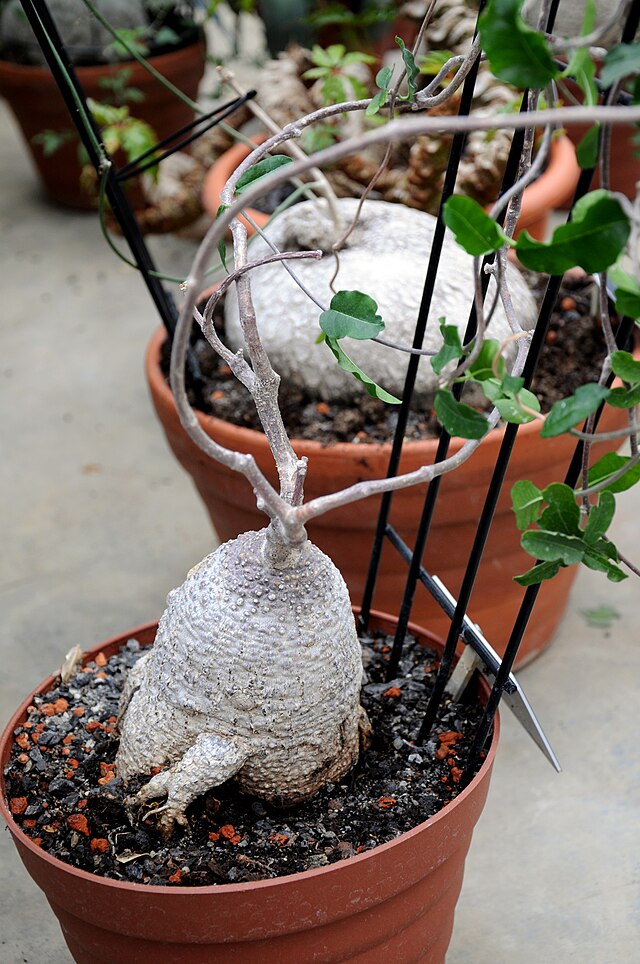
- A round, bulbous caudex swelling from the base (typical of Gracilius)
- Even balance of the trunk from side to side and front to back
- Free of scars, rot, or disease marks, or these characteristics elevated as "character"
- Natural twisting or curvature of the trunk
- Exposed roots (root-over-stone form) spreading attractively
Conversely, unnaturally elongated stems growing in only one direction or large plants with poor form are priced lower. Even with a "caudex size of 8 cm, 5-year seedling," price can easily vary 2–3 fold depending on the quality of the form.
Rarity Based on Species and Origin
The balance of supply and demand significantly drives price.
Examples of high-price ranges:
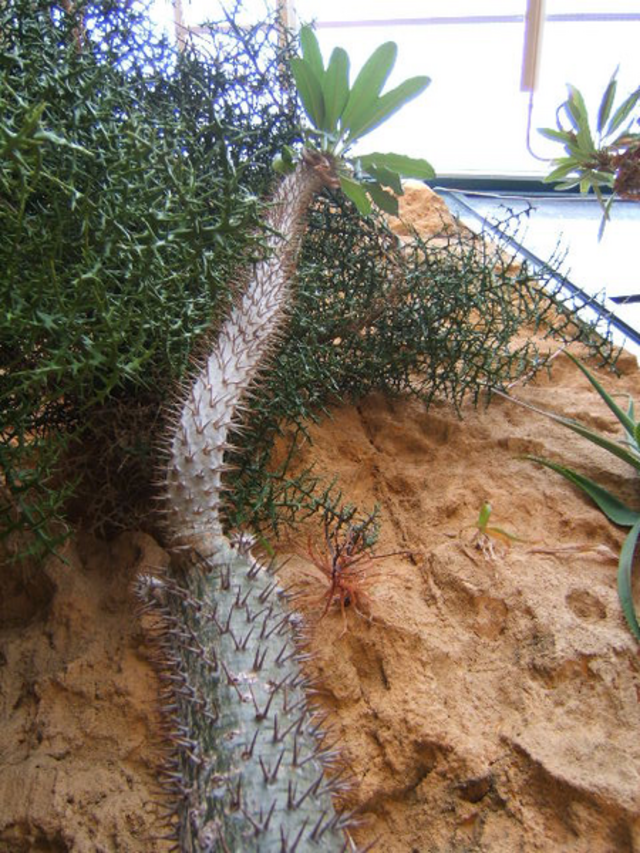
- Pachypodium Gracilius (especially broad octopus-type forms and group specimens)
- Pachypodium Horombense (Madagascar endemic, very limited distribution)
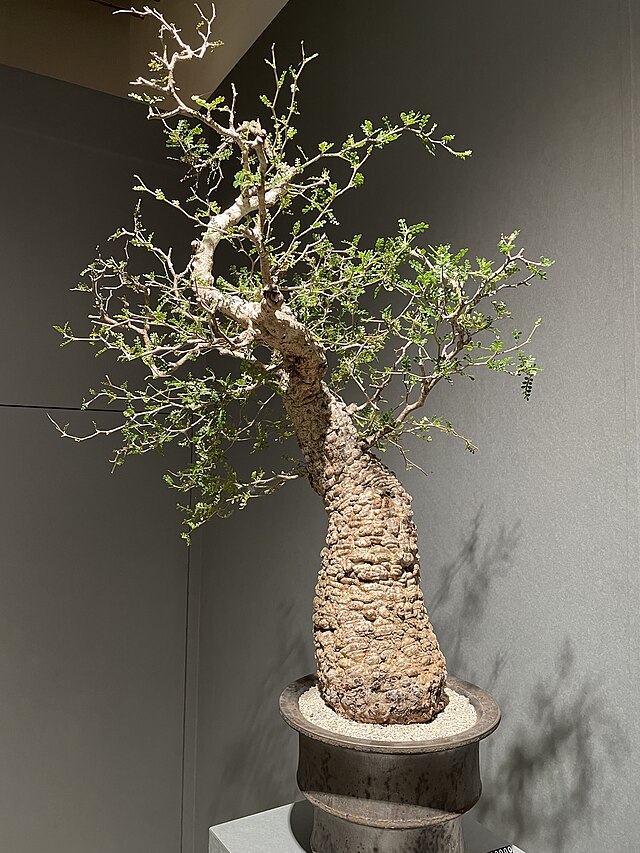
- Large Operculicarya Pachypus (slow growth makes large specimens difficult to obtain)
- Adenium special variants (multi-stem, giant flowers, variegation)
- Fockea Edulis (South African, large specimens rare)
Origin-based value differences should not be overlooked. Even within the same species, information such as "Madagascar, Fianarantsoa origin" or "selected clone from a specific grower" raises evaluation among collectors. For more on the value of named and selected clones by breeders, see What Are Named and Selected Caudex Plants | Why Breeder Selection Creates Price Differences.
Presence of CITES Permits and Documentation
Specimens imported with official documentation such as CITES export permits from the exporting country have guaranteed distribution transparency and legality, forming the foundation of market value. For wild-collected specimens in particular, the presence or absence of permits directly affects both price and credibility.
In recent years, more buyers are emphasizing "completeness of documentation," including plant quarantine certificates and export country certificates. Even for domestically propagated and cultivated seedlings, sellers who clearly state the origin of parent stock are highly valued for credibility.
How to Read Market Rates and Main Purchasing Routes
Even for the same species, prices vary significantly across platforms. Choosing a route that suits your purpose is important.
Secondhand marketplaces and auctions (Mercari, Yahoo Auctions): Most useful as a reference for general market prices. It is important to check multiple transaction histories for the same species and similar sizes to grasp "winning bid prices." Seller ratings, photo quality, and detail in descriptions are also important judgment criteria.
Specialty shops and direct grower sales: Prices are often higher than secondhand markets, but you can expect better care quality, accurate species identification, and after-purchase support. Plant events (succulent fairs, caudex festivals, etc.) also offer opportunities to buy directly from growers. Popular species trends are also featured in Top 10 Popular Caudex Plants Ranking.
Collector-to-collector transactions on social media (Instagram, X): Price expectations vary from person to person. While you may make good finds, judging whether prices are fair can be difficult. Check transaction history, follower count, and reputation within the community before proceeding.
International auctions (for reference comparison): International listings on Instagram, Etsy, etc. have value for understanding prices closer to the source origin. However, personal imports may require CITES permit applications, so we recommend regular imports through domestic specialist dealers.
Market Trends Influencing Price Fluctuations
Caudex plant prices surged rapidly from 2018 to 2021 on the back of a boom, with some species entering a correction phase afterward. As of 2026, further refinement is occurring where "high-quality seedlings are valued higher and poorly-formed wild-collected specimens command lower prices."
Notable trends:
- Domestic Gracilius seedling producers are increasing, making high-quality plants easier to obtain
- Demand for rare species remains strong; Pachypus and Horombense continue to command high prices
- Seedlings with "growth records" and "clear parent plant origin" are gaining premium value
- Exchange rates and transportation cost fluctuations directly impact imported plant prices
Considerations When Starting a Collection
Prioritize growing first: Before investing in expensive plants, acquire management skills with mid-priced plants in the ¥10,000–30,000 range. Learning the techniques for watering, light, and dormancy management before tackling large specimens significantly reduces the risk of failure.
Develop market sense across multiple routes: Relying on only one platform creates biased price expectations. Cross-reference specialty shops, secondhand markets, social media, and events to refine your market awareness.
Choose with a long-term perspective: Caudex plants grow over 10–20 year spans. Prioritizing "whether you can envision growing this plant long-term" over the purchase price leads to greater collection satisfaction.
Summary
The value of caudex plants is determined by the complex interplay of origin (wild-collected or seedling), plant form, species rarity, presence of documentation, and market trends. It is important to develop an eye to evaluate each factor yourself, rather than relying on the simple formula of "high price equals good plant" and "low price equals poor plant." By consistently pursuing legitimate purchasing routes and acquiring proper management techniques, you can also contribute to the healthy development of the market.