Succulent Plant Guide | Characteristics and Growing Tips for Popular Species
Featuring Echeveria, Haworthia, Sedum, Lithops, Astrophytum, and other popular succulents, we introduce carefully selected species. We provide detailed explanations of each type's characteristics, difficulty level, light requirements, and watering guidelines.
Key Takeaways
Featuring Echeveria, Haworthia, Sedum, Lithops, Astrophytum, and other popular succulents, we introduce carefully selected species. We provide detailed explanations of each type's characteristics, difficulty level, light requirements, and watering guidelines.
Related Species
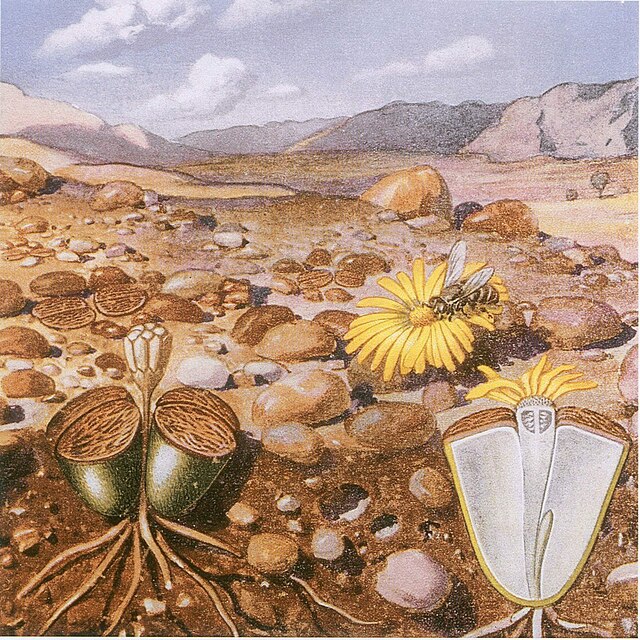
Succulents exist in thousands of species worldwide, and the term refers to plants that have acquired the ability to store water in their leaves, stems, and roots as they adapted to harsh environments such as deserts and rocky areas. Due to their unique forms and diverse colors, they remain steadily popular as interior greenery. While many species are easy for beginners to grow, there are also abundant rare species and collector varieties that fascinate experienced growers. This article provides detailed explanations of the characteristics of representative genera and species, as well as key points for successful cultivation.
Rosette-type Standards | Echeveria, Graptopetalum, Pachyphytum
Among succulents, particularly popular are those belonging to a group that develops rosette-shaped leaves reminiscent of rose flowers.
Echeveria
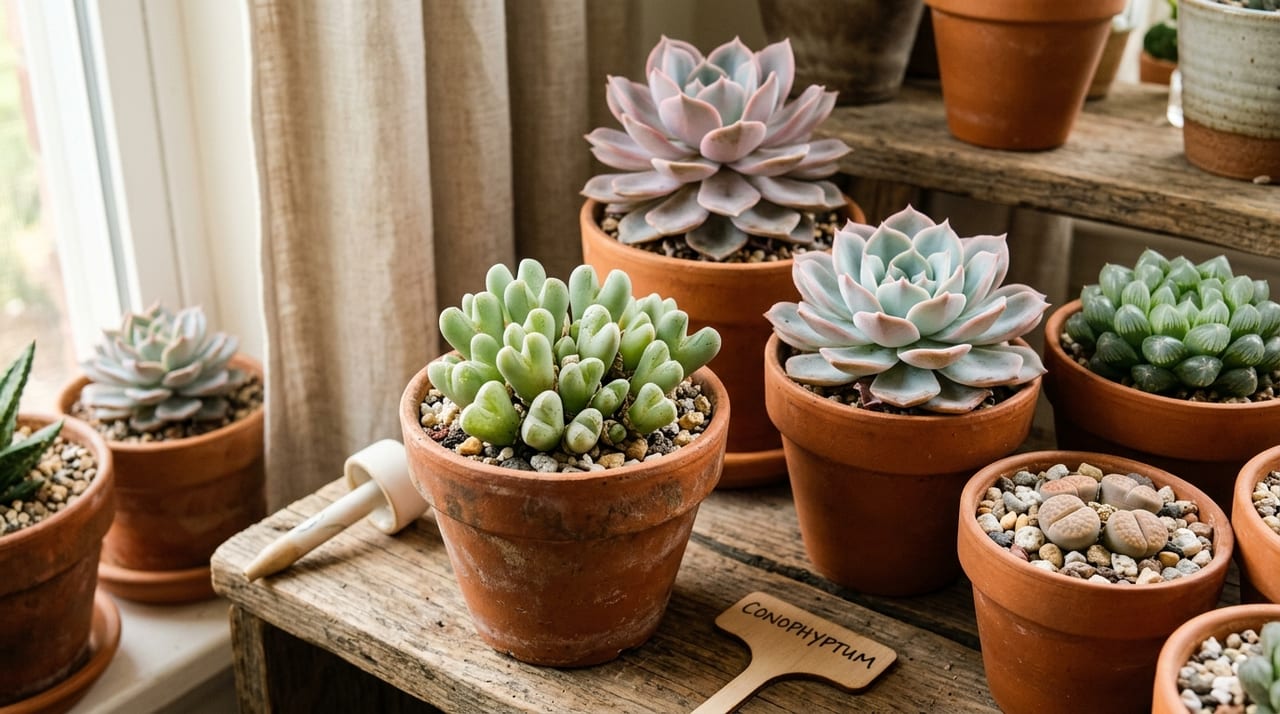
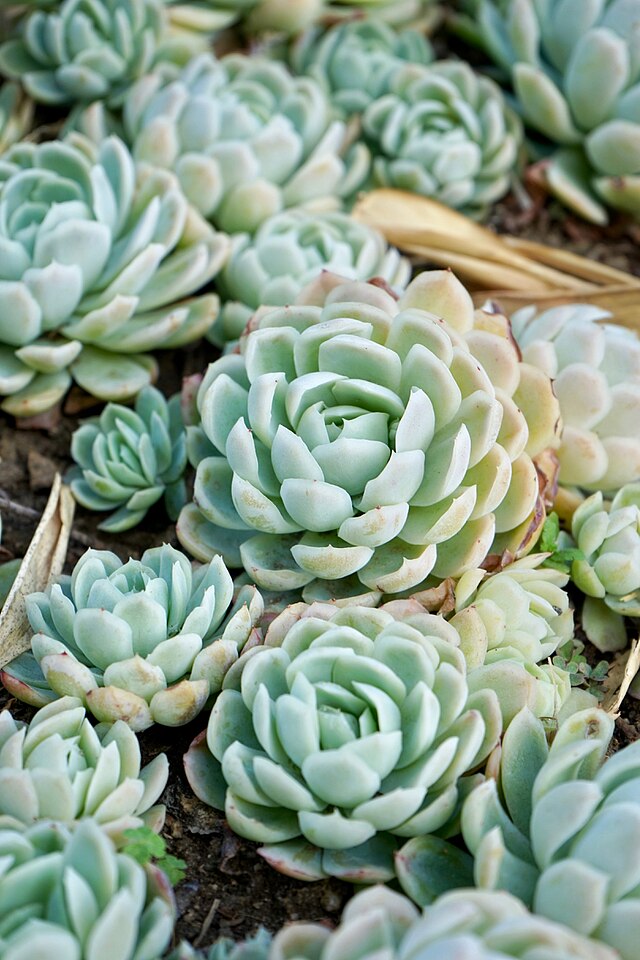
Echeveria is sometimes called the "queen" of succulents, with over 1,000 varieties said to exist. Leaf colors are diverse—green, blue-white, pink, purple—and many varieties develop stunning autumn and winter colors when temperatures drop, which is also part of their charm. For those interested in propagation methods, Echeveria Propagation and Leaf-Cutting Techniques is also helpful.
- Difficulty level: Low to medium
- Light requirements: Prefers direct sunlight. A bright windowsill is ideal
- Watering: During spring and autumn growing seasons, water about every two weeks after soil dries thoroughly. Reduce to about once monthly in summer and winter
- Caution: Susceptible to rot from excess humidity; ensure ventilation from the rainy season through summer. Water pooling between leaves causes rot easily, so be careful
Graptopetalum
Similar in appearance to Echeveria but extremely hardy, with excellent heat and cold tolerance. "Oborodzuki" is the representative species, and it tolerates even ground planting on balconies and in gardens. It is one of the most recommended groups as a first plant for beginners. The hybrid "Graptoveria" (crossing Echeveria and Graptopetalum) is also in circulation, with varieties combining the best of both.
Pachyphytum
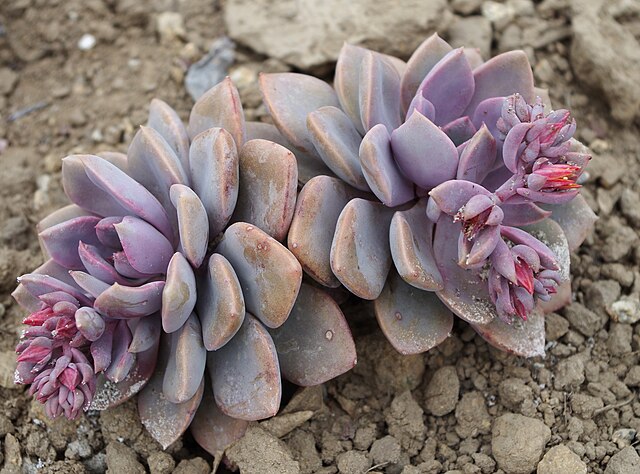
Characterized by plump, thick leaves, many varieties are covered with white powder (bloom) on the surface. Since touching them leaves marks, they are best enjoyed as ornamental-only specimens. Species names like "Moonbeauty" and "Peachbeauty" are charming, and they are also popular as gifts. Cultivation is essentially the same as Echeveria, making them an easy genus to manage.
Indoor Standard | Haworthia
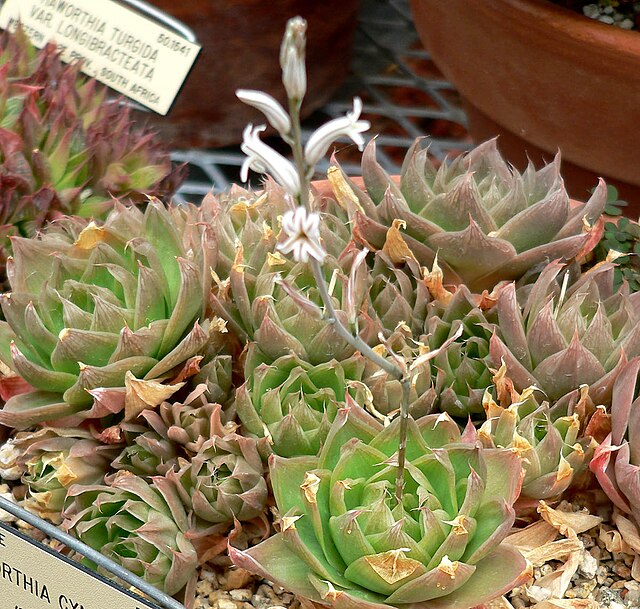
Haworthia is a representative "indoor succulent" that avoids direct sunlight and can grow in bright shade. Many species have semi-transparent "windows" at the leaf tips, and the unique structure that takes in light through them conveys the fascination of evolution.
- Difficulty level: Low to medium
- Light requirements: Avoid direct sunlight, which causes leaf burn. Soft light filtered through sheer curtains is optimal
- Watering: About every two weeks in spring and autumn, about once monthly in summer and winter
- Features: Growth is slow but extremely hardy; placed on an indoor windowsill, they can be enjoyed for a long time
Species like "Manzo" and "Gyokusean" with beautiful windows are also popular among collectors, and rare specimens sometimes trade for tens of thousands to hundreds of thousands of yen. It is one of the deepest genres among succulents.
Hardy and Easy | Sedum
Sedum is an extremely hardy and easy-to-grow group with small densely packed leaves. There are numerous species with varied leaf colors and forms. Being resistant to cold and dryness, it serves as ground cover outdoors and as a "bridge" in mixed plantings.
- Difficulty level: Low (among the easiest to grow among succulents)
- Light requirements: Bright outdoor light is ideal, but it adapts indoors as well
- Watering: Moderate in spring and autumn. Reduce in summer and winter
- Uses: Besides individual potting of small plants, it is invaluable in mixed plantings with other succulents
It is ideal for those growing succulents for the first time or enjoying plants together with children. If unsure about mixed planting layout, How to Create Succulent Group Plantings is also helpful.
Individual Variety Enjoyed by Advanced Growers | Lithops, Conophytum, Astrophytum
For intermediate to advanced growers wishing to experience the depth of the succulent world, species with unique growth cycles and rarity are recommended.
Lithops and Conophytum (Aizoaceae)
Lithops, native to South Africa, are known by the alternative name "living stones." Their most distinctive feature is their stone and pebble-mimicking form, believed to have evolved to avoid being eaten by herbivorous animals. Once yearly they undergo "molting," with old leaves splitting and new ones emerging. During this molting period, complete water withholding is essential; watering causes rot.
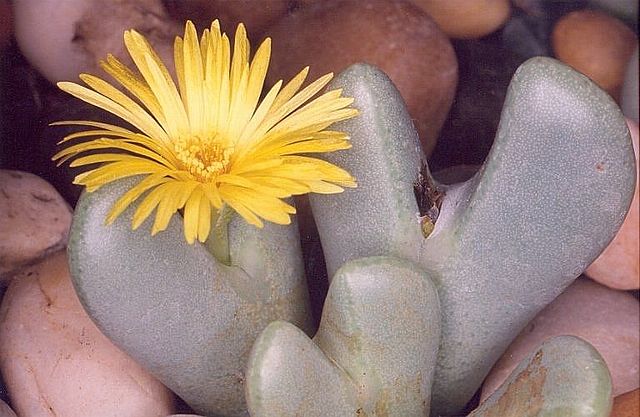
Conophytum, also in the Aizoaceae family as Lithops, are a group of smaller, rounder-shaped species. Many bloom with small, cute flowers in autumn, requiring dormancy management with water withholding in summer.
Both can be enjoyed long-term once their unique management rhythm is understood, but it is best to first become familiar with Echeveria or Sedum before attempting them.
Astrophytum
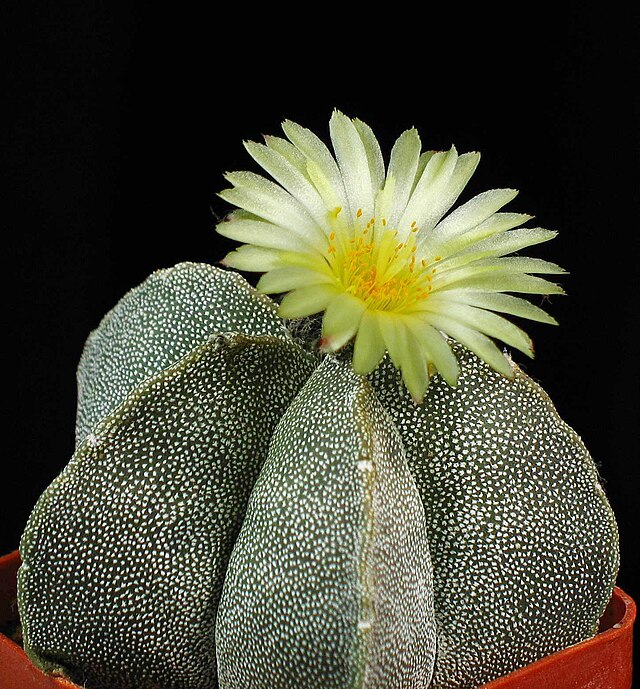
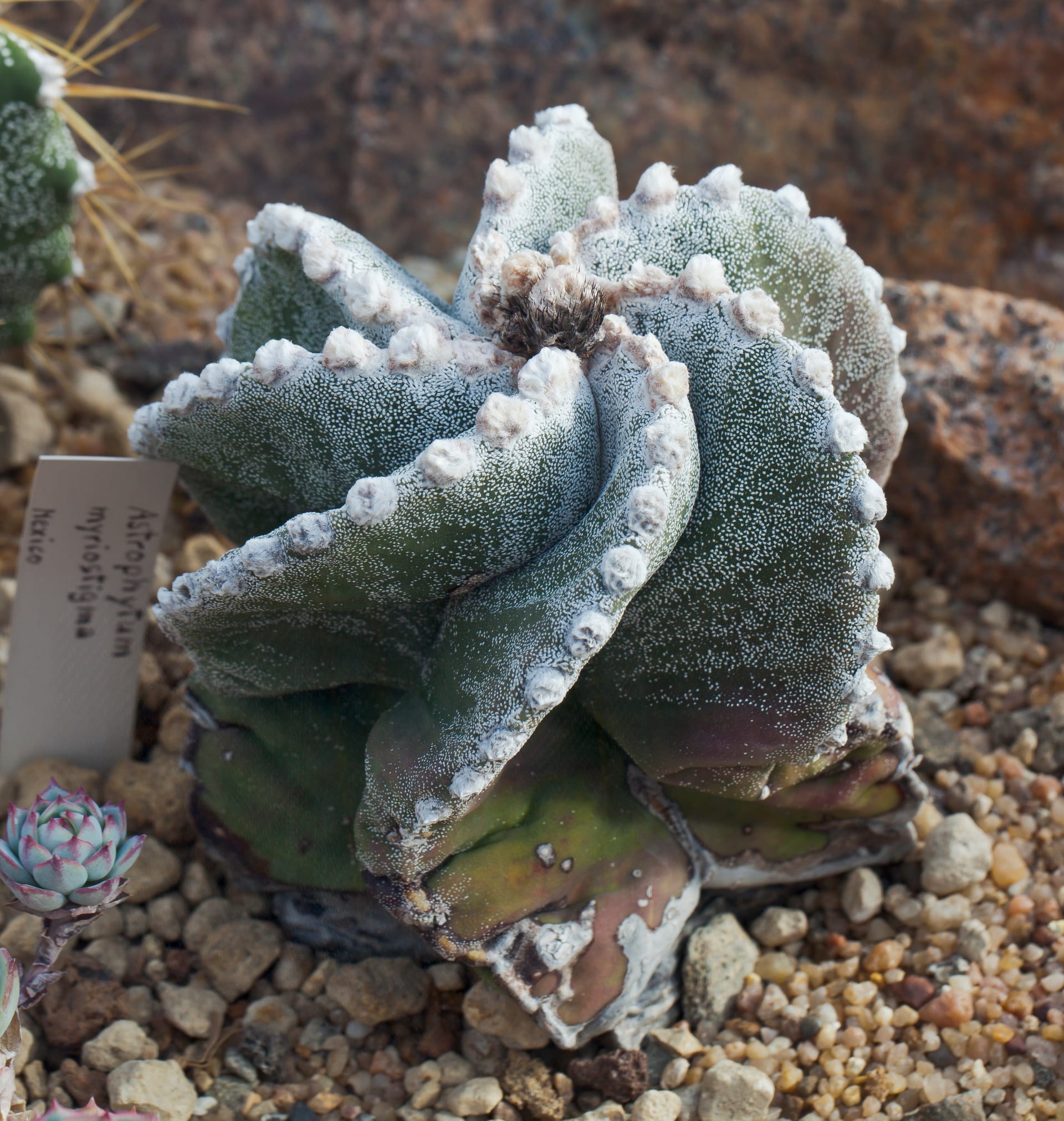
A type of cactus with white spots scattered like stars, with "Kabuto" and "Ranpo-gyoku" as representative species. Cultivar development is actively pursued domestically, and an active collector market for hybrid individuals exists. They are also hardy to direct sunlight, requiring watering 1–2 times monthly from spring through autumn. In winter, they are nearly water-withheld and dormant.
Basic Care for Enjoying Succulents Long-Term
Regardless of species, there are common basic points for keeping succulents healthy. Understanding that summer-type and winter-type species have different growing seasons makes management much easier (for details, see Summer-type and Winter-type Succulents: Growth Cycle and Watering Strategy).
Soil and Pots Using well-draining, specialized succulent and cactus potting soil is standard. Unglazed terracotta pots offer better air circulation than plastic and help prevent root rot.
Watering Principle The majority of succulent failures stem from overwatering. Follow a rhythm of "water several days after soil is completely dry." It is also important not to let water stand in the saucer.
Light and Ventilation They basically prefer bright, well-ventilated locations. When growing indoors, place them near a bright window or regularly take them outside for sunlight exposure.
Fertilizer During the growing season (spring and autumn), applying diluted liquid fertilizer about once monthly promotes growth. Fertilizing during dormancy can have the opposite effect, so avoid it.
GrowerDirect's Safe and Secure System
When purchasing succulents, obtaining healthy plants in good condition is crucial for long-term enjoyment. GrowerDirect provides a system for direct purchase from specialized succulent growers and collectors.
- Healthy, well-maintained plants: Purchase plants in good condition directly from experts who cultivate them in proper environments. You can obtain rare species difficult to find at home centers and carefully managed specimens
- Abundant rare and collector varieties: High-grade Haworthia specimens and selected Lithops are listed by enthusiasts seeking such species
- Directly confirm growing conditions: You can ask the seller directly about the environment in which the plant was managed, so you can confidently care for it after purchase
- Fair-price transactions: Direct grower transactions eliminate intermediary markups, allowing fair-price purchases
- Reliable transaction support: GrowerDirect's support system handles any issues, so even first-time online purchases are reliable
The succulent world is profound, and new charm is discovered with deeper knowledge. The key to long-term enjoyment is starting with easy-to-grow species and gradually finding your preferred genres. Please explore GrowerDirect and find your favorite specimen.