Carnivorous Plant Encyclopedia
Encyclopedia of popular carnivorous plants with care guides, trapping mechanisms, and cultivation tips.
Featured Carnivorous Plant
Showing 44 of 140 species(25–44)
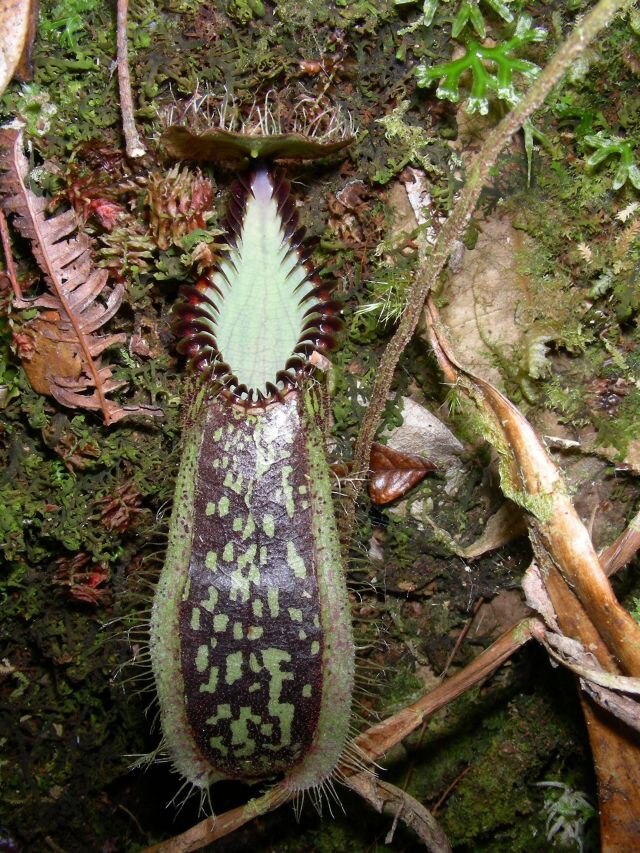 © Urs Zimmermann, Switzerland ( www.nepenthes.ch ) / CC BY 3.0
Nepenthes Hamata
Nepenthes hamata
A fearsome-looking Nepenthes with fang-like sharp projections inside pitchers, from Sulawesi highlands.
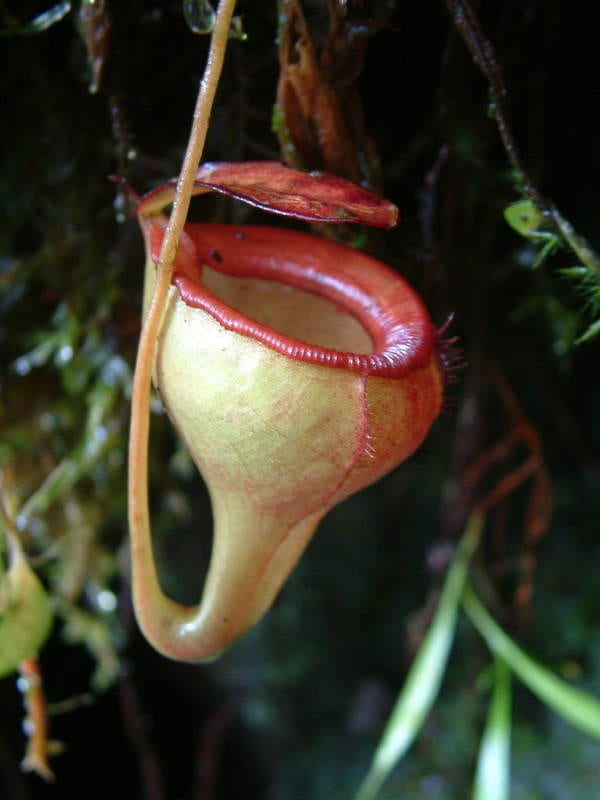 © Alfindra Primaldhi / CC BY 2.0
Nepenthes jamban
Nepenthes jamban
A small highland pitcher plant endemic to northern Sumatra. Its name is Indonesian for 'toilet', after the wide-mouthed yellow upper pitchers shaped like a toilet bowl. It was described only in 2006.
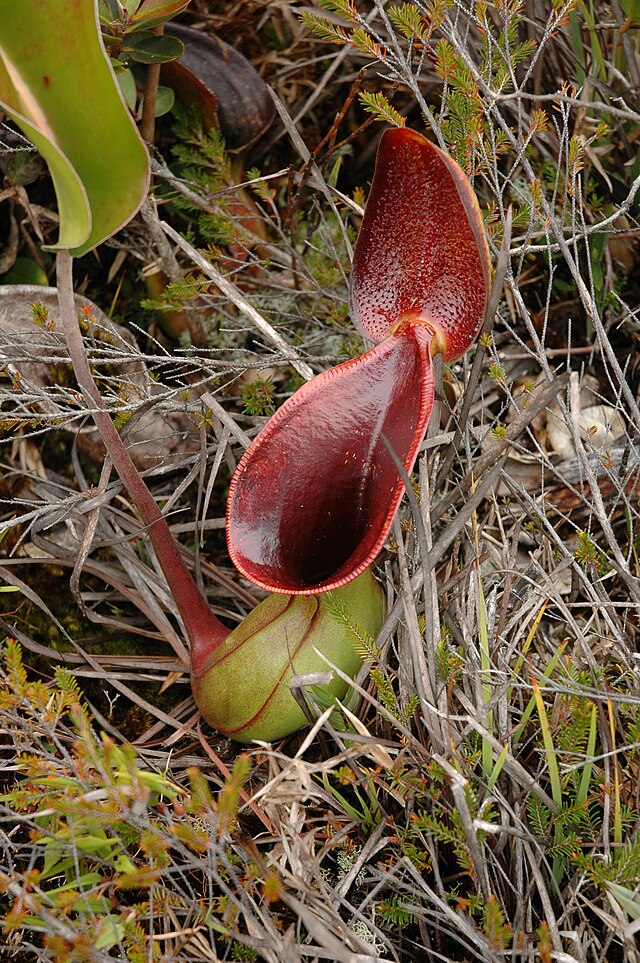 © JeremiahsCPs / CC BY-SA 3.0
Nepenthes Lowii
Nepenthes lowii
A Nepenthes with toilet-shaped pitchers that collect tree shrew droppings as nutrition.
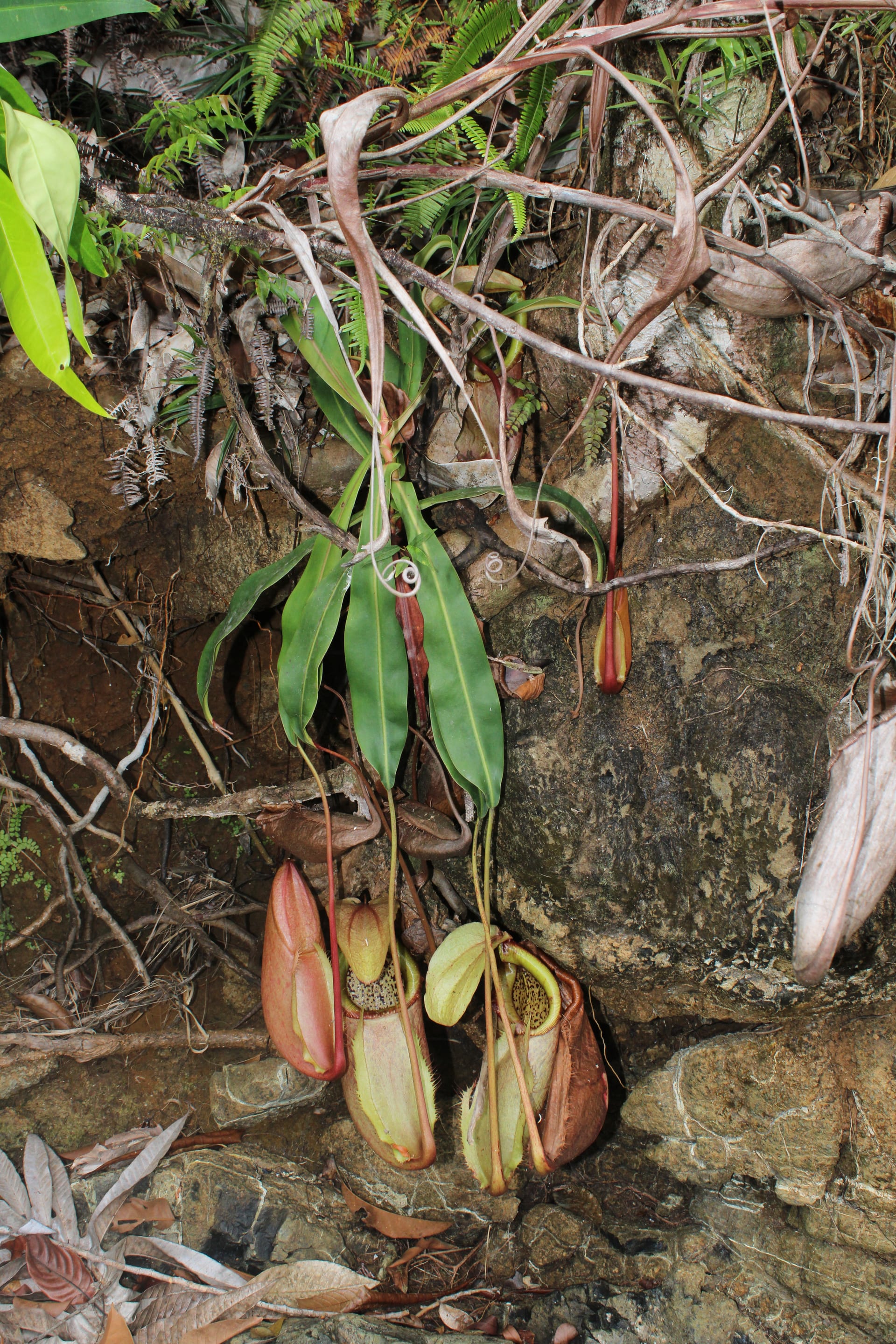 © Jp2593 / CC BY-SA 4.0
Nepenthes merrilliana
Nepenthes merrilliana
A lowland pitcher plant from the southern Philippines. Its upper pitchers reach 40 cm long, among the largest in the genus and rivalling N. rajah, with a broad, strongly ribbed peristome and a large lid.
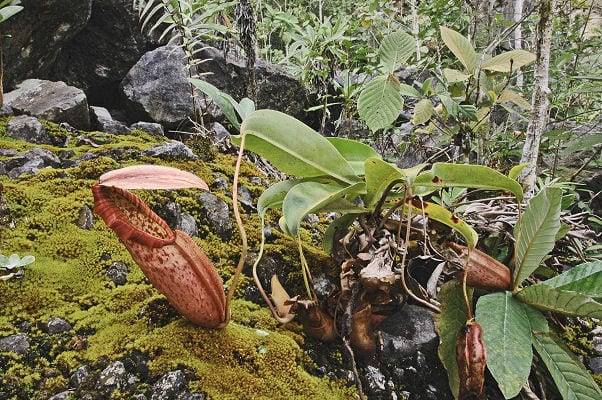 © The original uploader was XQ fan at English Wikipedia. / Public domain
Nepenthes northiana
Nepenthes northiana
A large pitcher plant found only on limestone cliffs around Bau in Sarawak, Borneo. Its red-blotched pitchers reach 40 cm tall, with a peristome that flares widely to the sides in wavy frills.
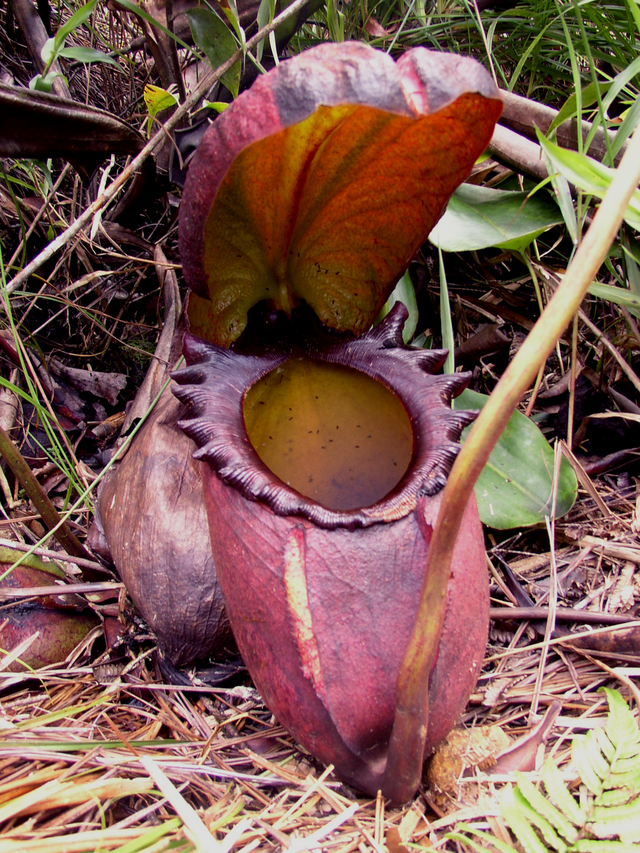
Nepenthes Rajah
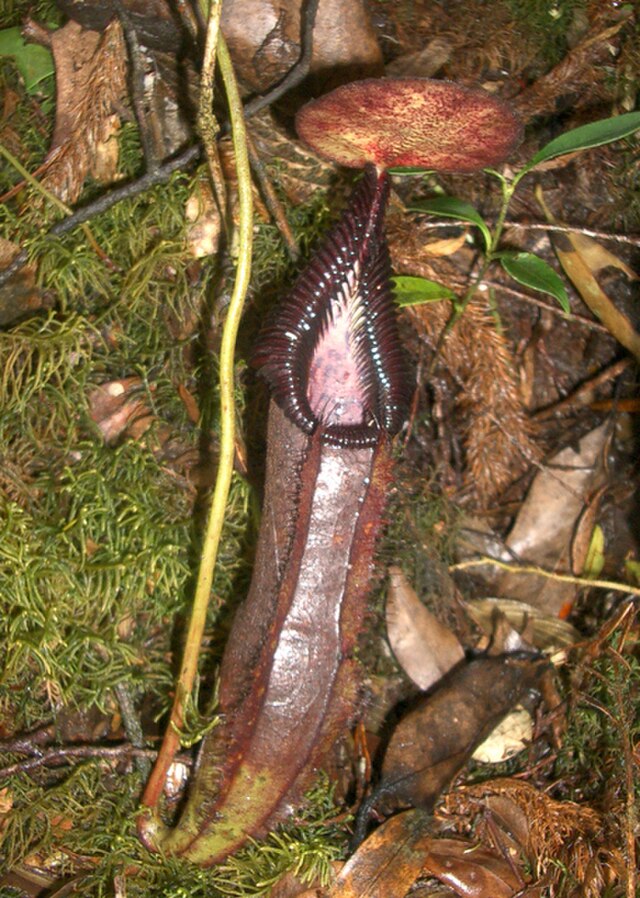
Nepenthes rajah
The world's largest Nepenthes from Mt. Kinabalu, Borneo, with pitchers exceeding 35cm. CITES protected.
 © en:User:NepGrower / Public domain
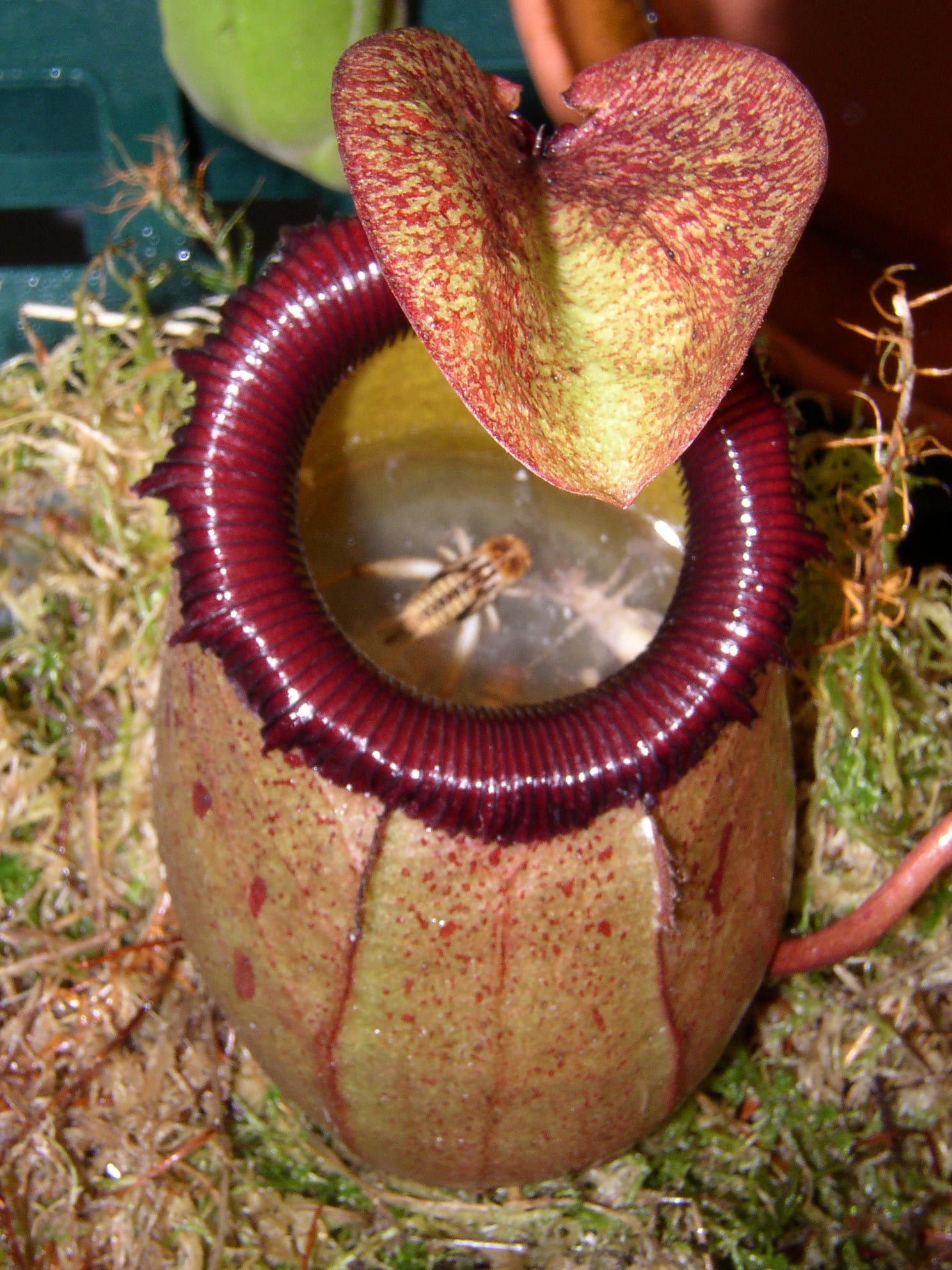
Nepenthes sibuyanensis
Nepenthes sibuyanensis
A highland pitcher plant found only on the mountains of Sibuyan Island in the Philippines. Yellow to red egg-shaped pitchers reach 26 cm tall, set off by a broad, almost black dark-red peristome. Listed as Vulnerable by the IUCN.
 © Alfindra Primaldhi / CC BY 2.0
Nepenthes Singalana
Nepenthes singalana
A highland Nepenthes from Sumatra with rounded pitchers and beautiful red coloring.
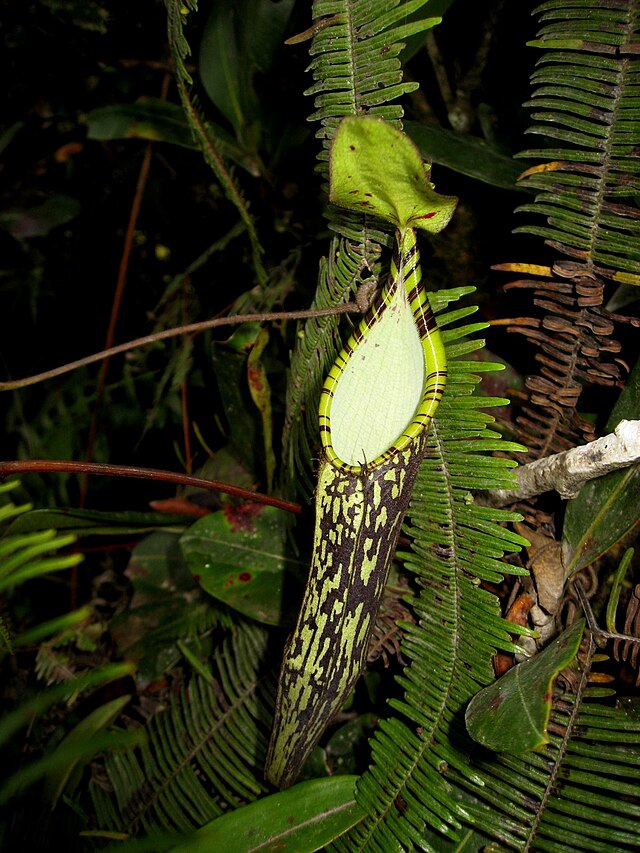 © Shawn Mayes / CC BY-SA 3.0
Nepenthes Spectabilis
Nepenthes spectabilis
A highland Nepenthes from Sumatra with strikingly beautiful striped peristome.
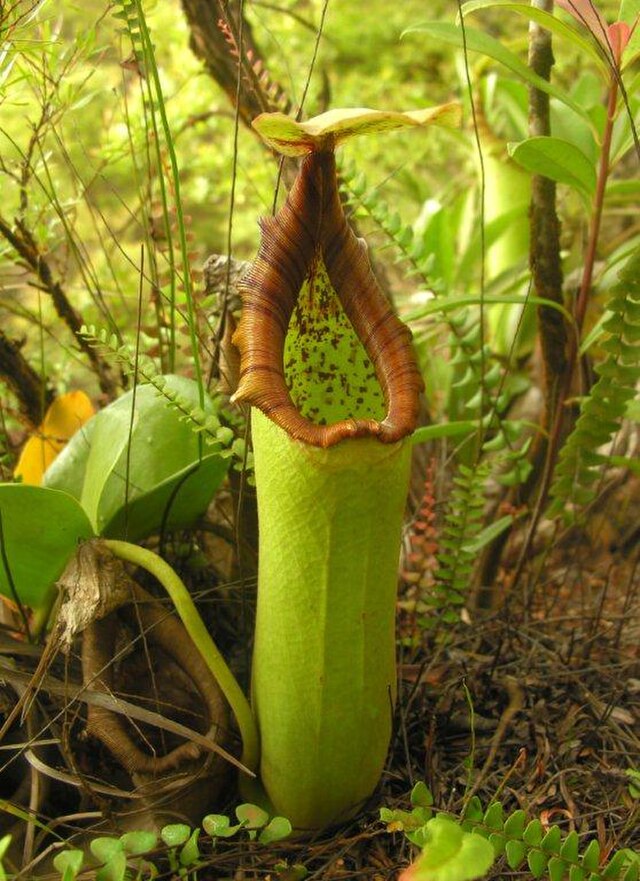 © Stewart McPherson / CC BY-SA 3.0
Nepenthes Truncata
Nepenthes truncata
With flat-cut leaf tips and huge pitchers, said to catch rats. A giant species.
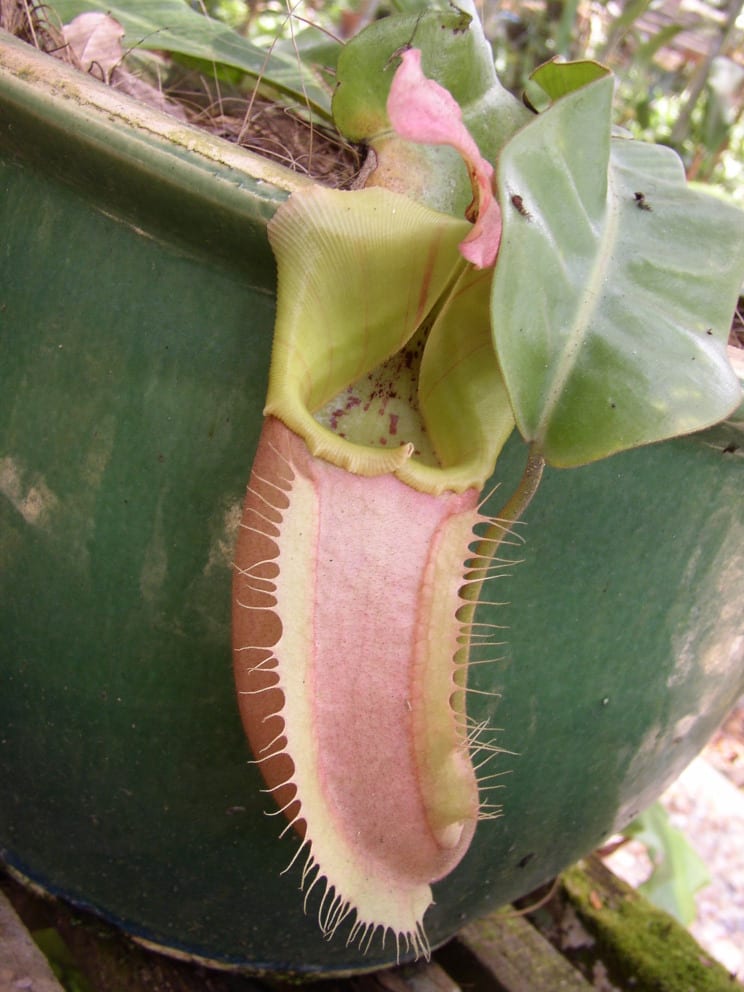 © en:User:NepGrower / Public domain
Nepenthes veitchii
Nepenthes veitchii
A Bornean pitcher plant whose broad, upright peristome flares widely with fine ridges likened to a fish's gills. It grows as an epiphyte, producing leaves in two ranks that clasp tree trunks.
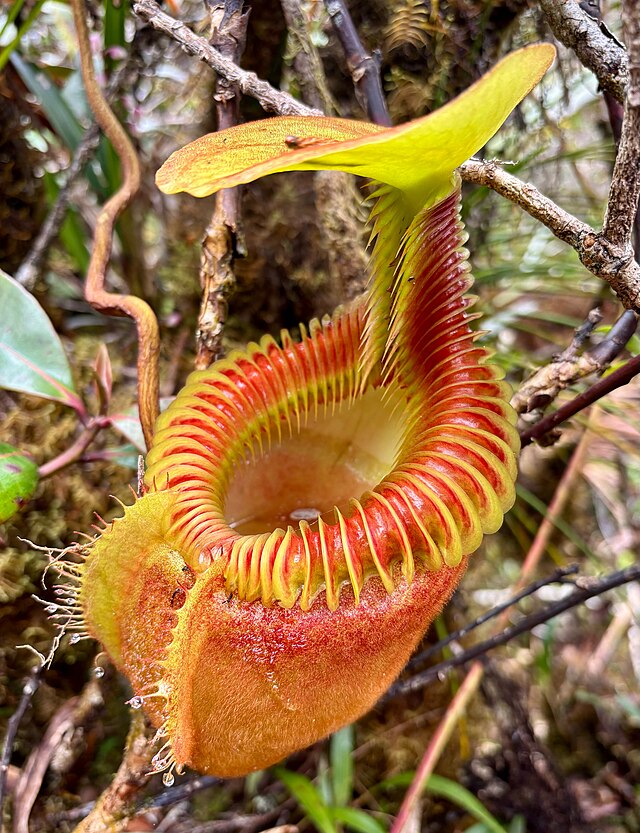 © kallerna / CC BY-SA 4.0
Nepenthes Villosa
Nepenthes villosa
A Mt. Kinabalu endemic Nepenthes with hairy pitchers and intricate peristome of stunning beauty.
 © Noah Elhardt / CC BY-SA 2.5
Pinguicula Gypsicola
Pinguicula gypsicola
A Mexican butterwort growing on gypsum rocks with delicate translucent leaves.
 © Nick Helme / CC BY-SA 4.0
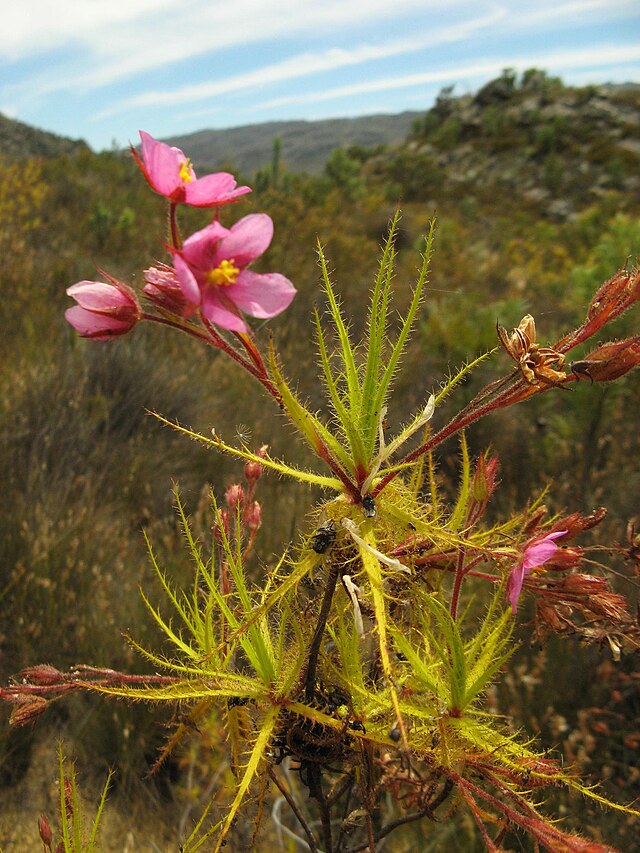
Roridula Dentata
Roridula dentata
A semi-carnivorous plant from South Africa that traps insects with sticky glands but gains nutrients via symbiotic assassin bugs.
 © Tony Rebelo / CC BY-SA 4.0
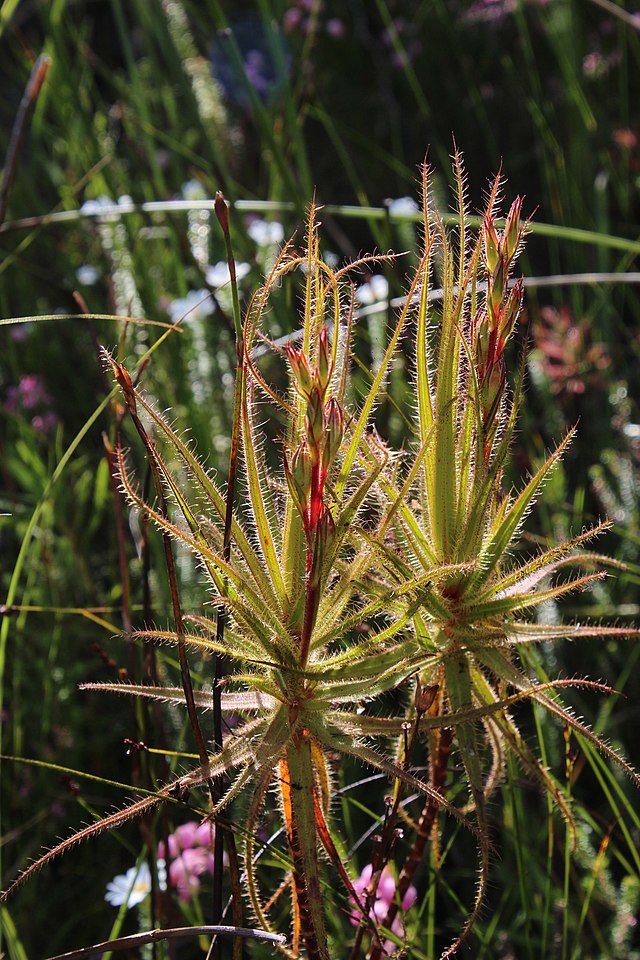
Roridula Gorgonias
Roridula gorgonias
A South African proto-carnivore trapping insects with mucilage but relying on symbiotic bugs to digest.
 © Noah Elhardt / CC BY-SA 2.5
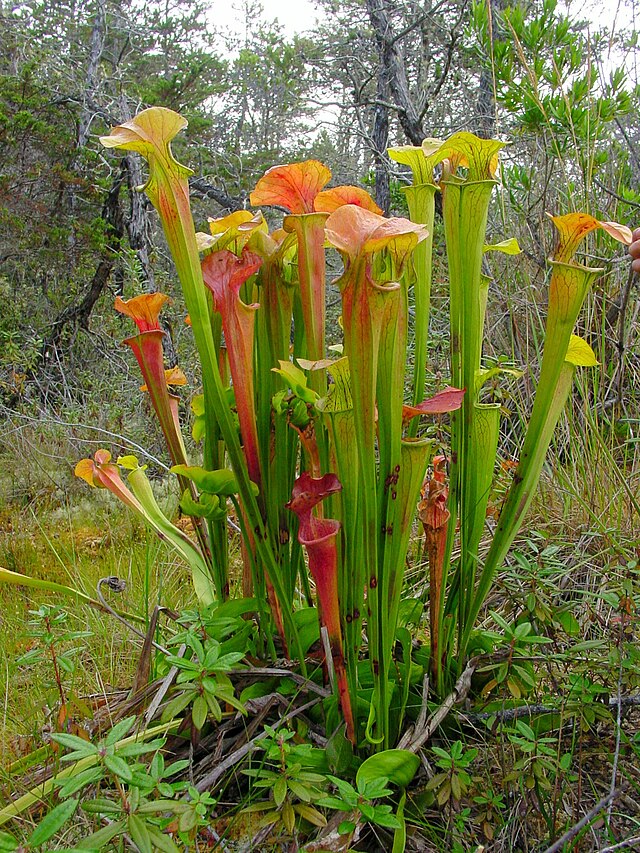
Sarracenia Oreophila
Sarracenia oreophila
A highland Sarracenia, endangered and protected, with beautiful yellow-green tubes.
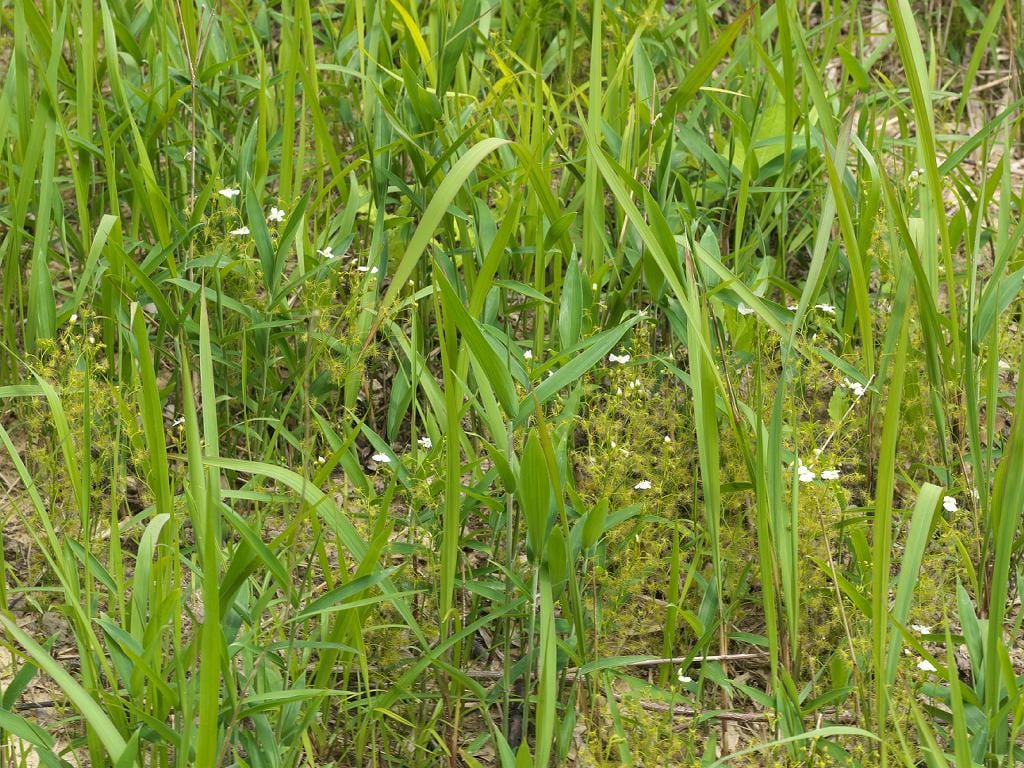 © Keisotyo / CC BY-SA 4.0
Shield sundew
Drosera peltata
A Japanese native sundew that raises an upright stem each spring from a small tuber, bearing crescent-shaped sticky leaves. The name means 'stone-holding plant', from its glue said to lift pebbles. White flowers appear in early summer, then it dies back and rests over summer.
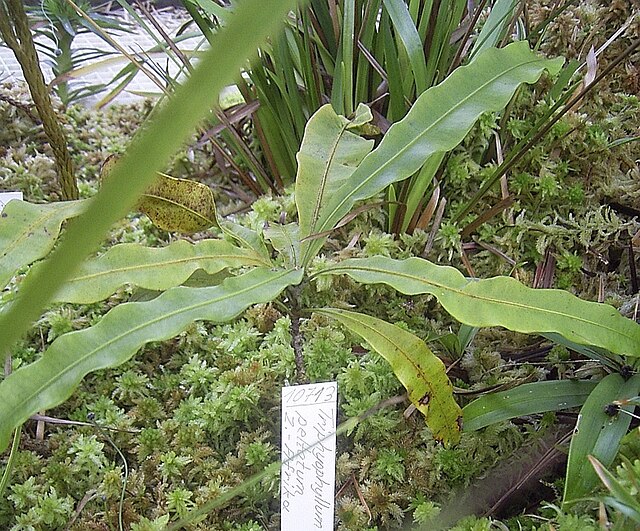 © No machine-readable author provided. Denis Barthel assumed (based on copyright claims). / CC BY-SA 3.0
Triphyophyllum Peltatum
Triphyophyllum peltatum
A rare West African carnivorous plant whose leaves change form three times, temporarily developing sticky trapping leaves.
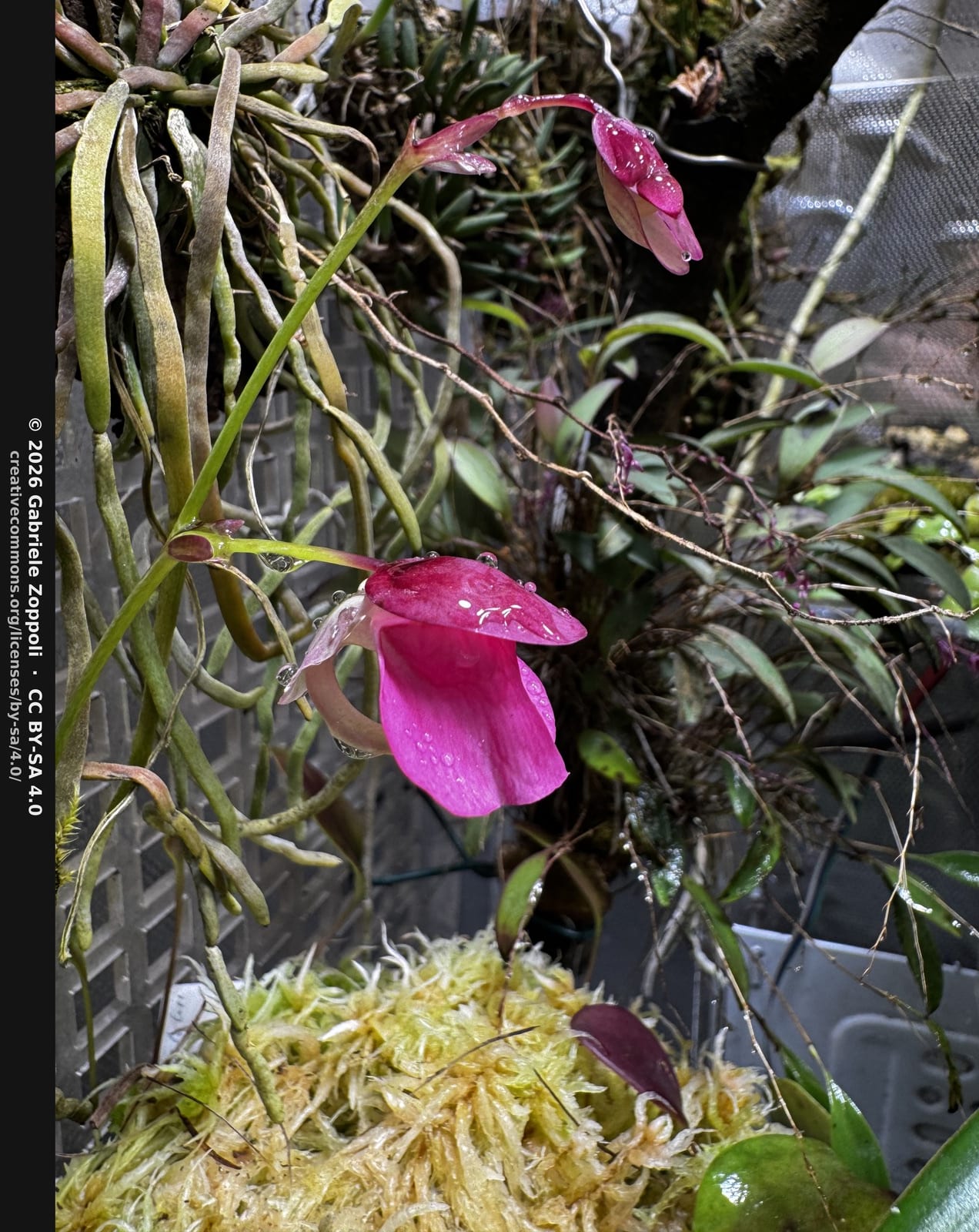 © Gabriele Zoppoli / CC BY-SA 4.0
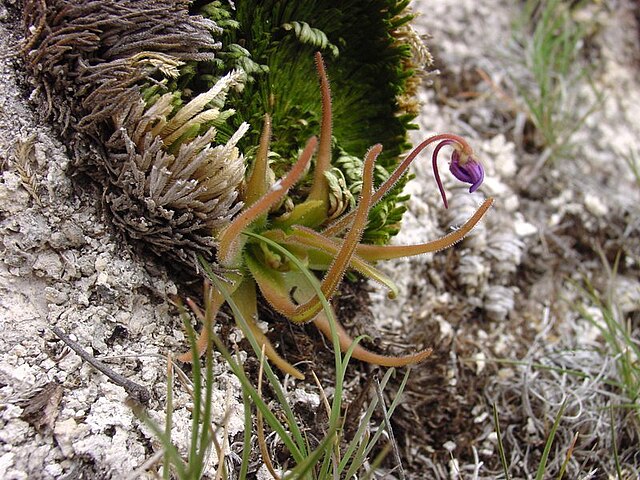
Utricularia quelchii
Utricularia quelchii
A small bladderwort growing on mossy rocks and trees on the Guiana Highlands. It is one of the few red-flowered species in the genus, and sometimes grows in water held in the leaf axils of Brocchinia.
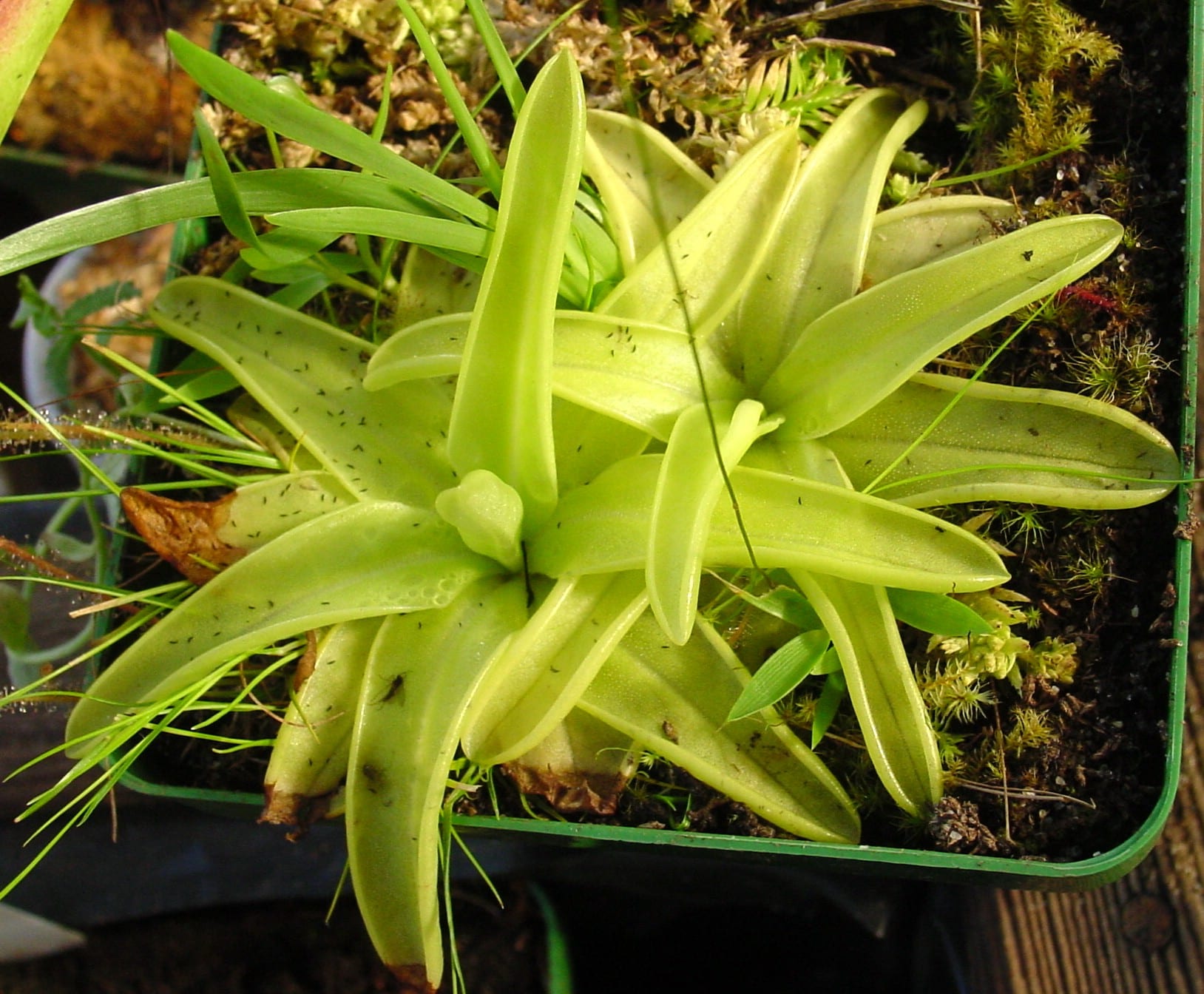 © Noah Elhardt / CC BY-SA 2.5
Yellow butterwort
Pinguicula lutea
A butterwort of savannas and sandy bogs in the south-eastern United States. In spring it bears bright yellow flowers, unusual in the genus, above a yellow-green rosette up to about 15 cm across.
Related Content
Carnivorous Plant FAQ
- How much do carnivorous plants cost?
- Venus Flytraps cost 500-2,000 yen, Nepenthes 1,000-10,000 yen, and rare highland Nepenthes can exceed tens of thousands of yen depending on species and size.
- Can beginners grow carnivorous plants?
- Venus Flytraps, Sundews, and Sarracenia are relatively easy and beginner-friendly. Keep them in a tray of water for humidity and place in a sunny spot.
- How long do carnivorous plants live?
- Venus Flytraps can live 10+ years with proper care, and Sarracenia are similarly long-lived. Nepenthes can grow for decades in the right conditions, getting progressively larger.
- What should I check when buying carnivorous plants?
- Check that leaves and traps are healthy with no root rot. For Nepenthes, choose specimens with pitchers. Avoid sudden environment changes after purchase and acclimate gradually.
- Do I need to feed insects to carnivorous plants?
- They grow fine through photosynthesis alone without feeding. Insects are supplemental nutrition and don't need to be force-fed. Outdoor plants catch bugs naturally, which is fun to observe.