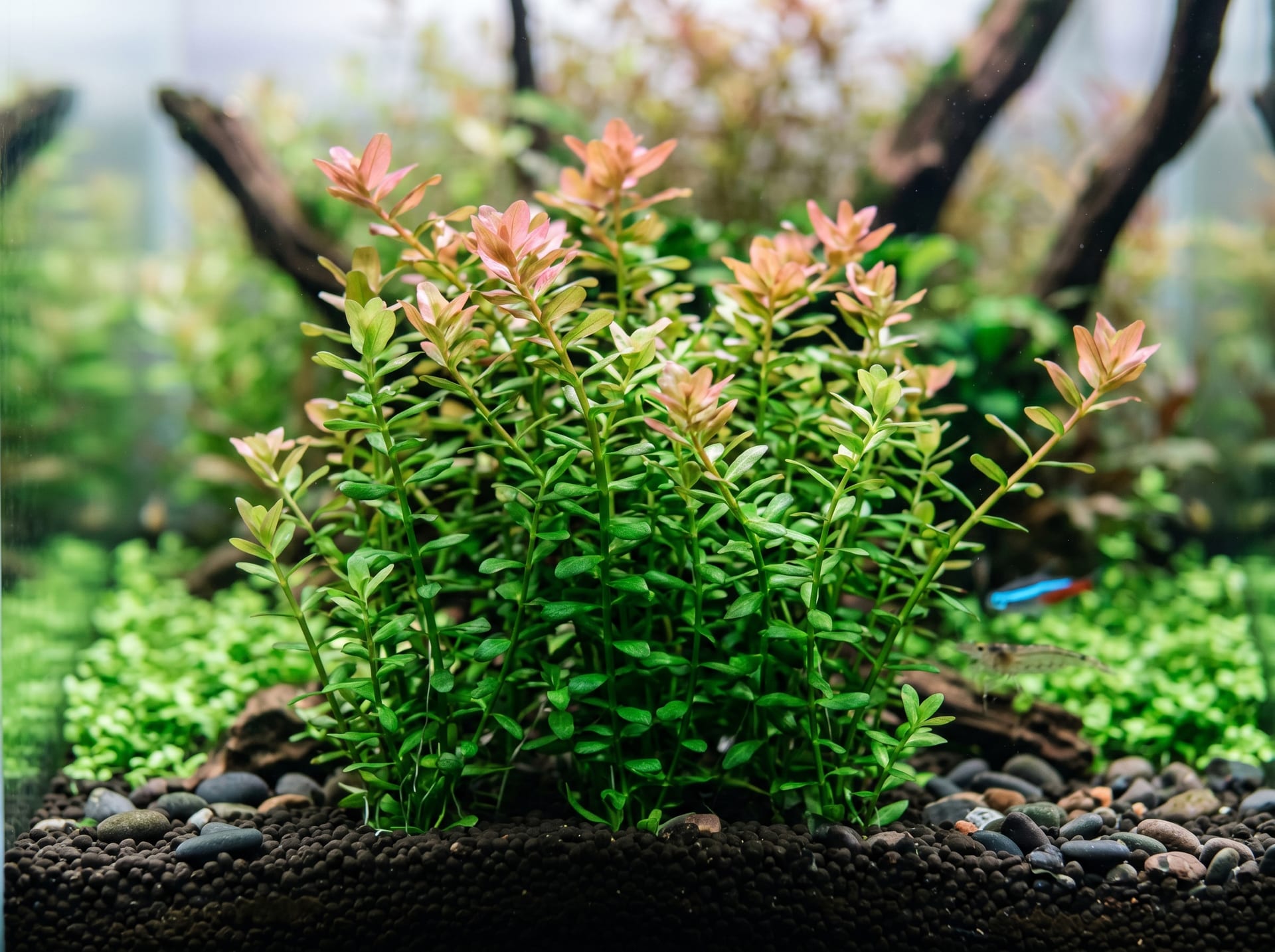
Rotala
Essential background stem plant genus. Many species including R. rotundifolia and R. indica. Beautiful red coloration and dense bushes achievable through trimming.
View Rotala encyclopedia →Grower Wanted!
List your plants on GrowerDirect and sell directly to customers nationwide!
6 Transparency Commitments from GrowerDirect
Grower provide complete information for all Aquatic Plants listings. We guarantee transparency in variety, origin, light requirements, and difficulty level.
- Variety Clarity
- Live Photos
- Color Details
- Origin Transparency
- Light Requirements
- Difficulty Level
Browse all 134 varieties
Difficulty Level
No listings match your filters
Adjust your filters, or get notified when new listings arrive.
Getting alerts is free with a member account. When new listings match your saved search, we'll notify you by email and in-app.
Browse other categories
Are you growing aquatic plants?
Register as a grower and connect with buyers directly.
Apply as a growerRotala key facts
- Growing Difficulty
- Beginner-friendly
- Size
- 10-40cm
- Temperature
- 22〜28℃
- Watering
- CO2 recommended + liquid fert (iron is key for red color)
- Lighting
- Medium to high light. More light = deeper red coloration
- CO2
- Recommended. Grows without but slower and less colorful
- Water Temperature & Quality
- Aim for 22–28°C. Light and water requirements differ by species, so choose one that suits your tank conditions.
- Trimming
- Replant cuttings for denser growth. Stick trimmed stems back in
- Notes
- Iron deficiency causes pale leaves. Supplement with iron-rich liquid fert
About Rotala
Rotala is a genus of stem plants in the family Lythraceae, widely distributed across tropical and subtropical wetlands and shallows, primarily in Asia. It began gaining popularity in aquariums during the 1970s and 1980s and is now established as an indispensable background plant in aquascapes worldwide. The visual characteristics vary considerably by species: Rotala rotundifolia features rounded leaves, while Rotala wallichii displays needle-thin foliage with a dreamlike quality — a remarkable range within a single genus. The standout appeal of growing Rotala lies in how dramatically its leaf color responds to changes in light intensity, CO2, and fertilization. Under optimal conditions, the leaf tips turn deep crimson, adding depth and dynamism to any layout. Its vigorous growth also means trimmings can be replanted to multiply the plant, making it easy to fill a tank beautifully without high ongoing costs.
7 things to know before growing Rotala
1Difficulty Varies by Species
R. rotundifolia is hardy and beginner-friendly, while fine-leaved species like R. wallichii are sensitive to flow, CO₂, and light. Starting with R. rotundifolia or R. indica reduces the risk of failure for newcomers.
2High Light Is Essential
Strong lighting for 8–10 hours per day is key to bringing out red hues. Insufficient light causes etiolated, green growth that ruins the layout. A high-CRI LED designed for planted tanks improves coloration noticeably.
3CO₂ Transforms Color
Rotala can survive without CO₂ injection, but adding it dramatically intensifies red coloration and accelerates growth. The initial investment is worthwhile if you're aiming for a serious aquascape.
4Soft, Slightly Acidic Water
Rotala thrives in water with a pH of 6.0–7.0 and GH of 2–8 °dH. In hard water, leaves may turn pale or growth may stall. Using RO water or a water softener helps create ideal conditions.
5Trim Regularly for Density
Without regular trimming, only the tops thrive while lower leaves die off. Trim every 2–4 weeks and replant cut stems directly into the substrate — they re-root readily and multiply your planting.
6Use Both Liquid and Root Tabs
As stem plants absorb nutrients through both roots and leaves, combining root tabs with liquid fertilizers is effective. Potassium and iron deficiencies in particular cause yellowing and fading, so supplement them on a regular schedule.
7Don't Neglect Algae Control
The high-light, high-nutrient environment suited to Rotala also encourages algae growth. Adding Amano shrimp or otocinclus helps keep algae in check and maintains clean, healthy foliage.
Frequently asked questions about Rotala
- Q.Can Rotala grow without CO2 injection?
- A.Rotala can survive without CO2, but growth slows and red coloration becomes harder to achieve. It remains manageable as a green plant in low-tech setups, but if you aim for vivid reds, light to moderate CO2 injection is recommended.
- Q.How often should I trim Rotala?
- A.The general guideline is every two to four weeks, depending on growth rate and conditions. It's best to trim before stems reach the water surface; the cut portions can be replanted directly into the substrate. Without regular trimming, lower leaves tend to decay and the plant loses its visual appeal.
- Q.Why aren't my Rotala leaves turning red?
- A.The most common causes are insufficient light or a lack of CO2 and iron. Review your lighting intensity and duration, and consider adding a liquid fertilizer, particularly one containing iron. Also confirm that the tank is not placed in a spot with poor ambient light.
- Q.Is Rotala suitable for beginners?
- A.It depends on the species. Rotala rotundifolia is relatively hardy and is considered a beginner-friendly option. Basic water quality management and regular trimming are sufficient to enjoy it. Fine-leaved species are more delicate and best attempted after gaining some experience.
- Q.Can Rotala be kept with other plants and fish?
- A.Rotala coexists well with most tropical fish and other aquatic plants. However, herbivorous fish such as goldfish may nibble on the leaves. It pairs well with shrimp — Amano shrimp and small dwarf shrimp make excellent tank mates and help control algae at the same time.
Handy Growing Tools for Rotala
Learn more about Rotala in the encyclopedia
View Rotala encyclopedia entry →
Care difficulty, size, origin and light needs — all basics covered.
Rotala related articles
How to Care for Rotala and Bring Out Beautiful Red Color | Methods to Achieve Vibrant Red Through Light Intensity, CO₂, and Trimming
This guide explains the light intensity, CO₂, and fertilizer management needed to bring out red coloration in the popular Rotala genus used in aquatic plant layouts, as well as trimming techniques to maintain beautiful, lush growth.
Aquatic Plant Guide: Characteristics and Cultivation of Popular Species
Featuring popular aquatic plant species including Anubias, Bucephalandra, Rotala, Cryptocoryne, and Willow Moss. This guide explains the characteristics, cultivation difficulty, CO2 requirements, and layout examples for each species in detail.
More in this category
Can't find the plant you're looking for?
Post your wishes for free and growers with matching plants will contact you with introductions.