Complete Growing Guide for Nepenthes (Pitcher Plants) | Managing Highland & Lowland Species
A comprehensive guide to growing Nepenthes (pitcher plants), beloved for their diverse traps. We cover the temperature and humidity differences between highland and lowland species, tips for developing large pitchers, and propagation methods.
Key Takeaways
A comprehensive guide to growing Nepenthes (pitcher plants), beloved for their diverse traps. We cover the temperature and humidity differences between highland and lowland species, tips for developing large pitchers, and propagation methods.
Related Species
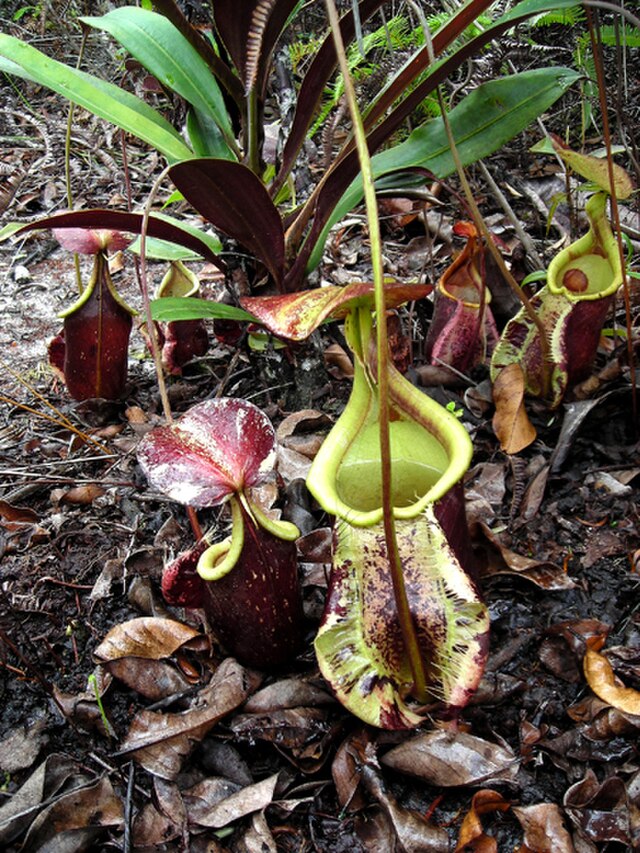
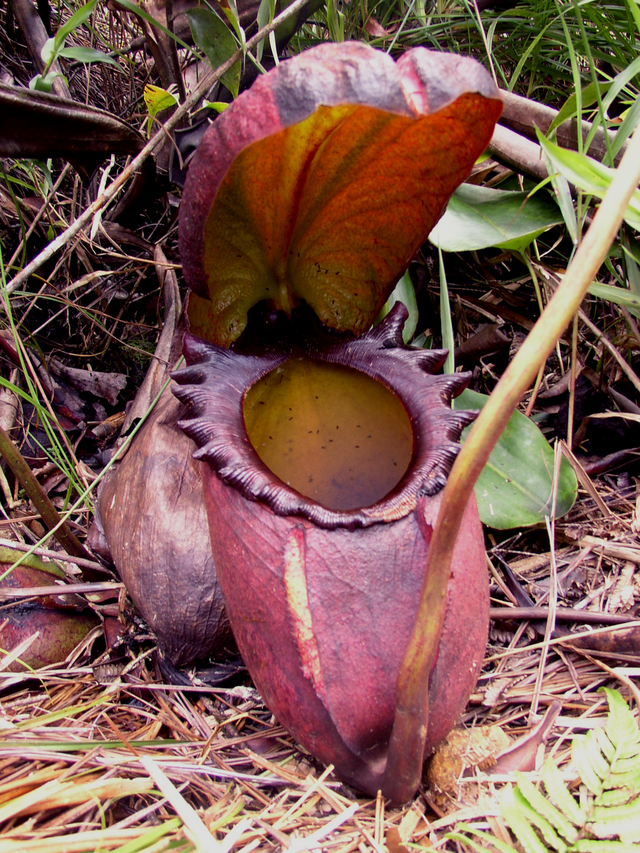
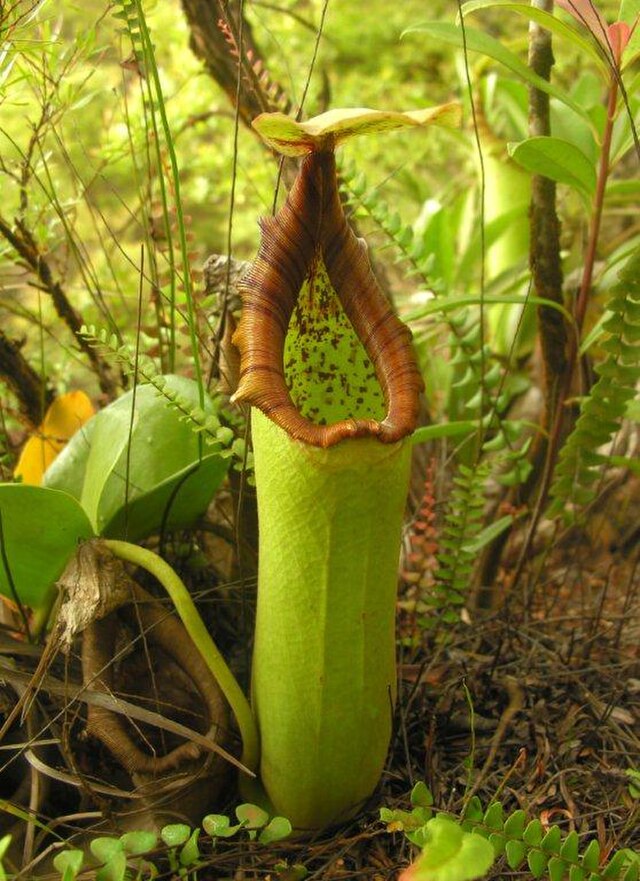
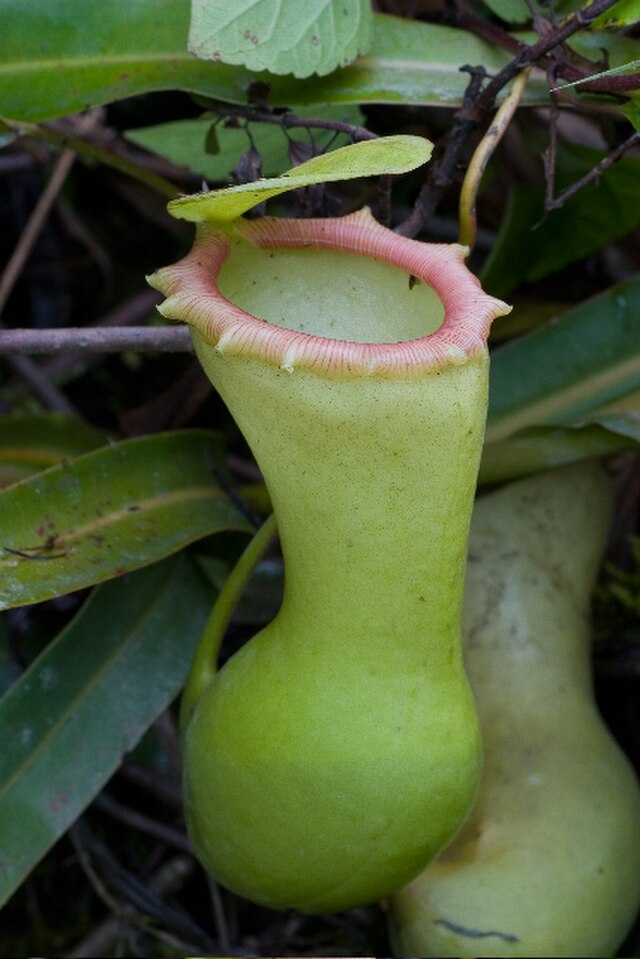
The Charm of Nepenthes: The King of Carnivorous Plants That Trap Prey in Pitfall Traps
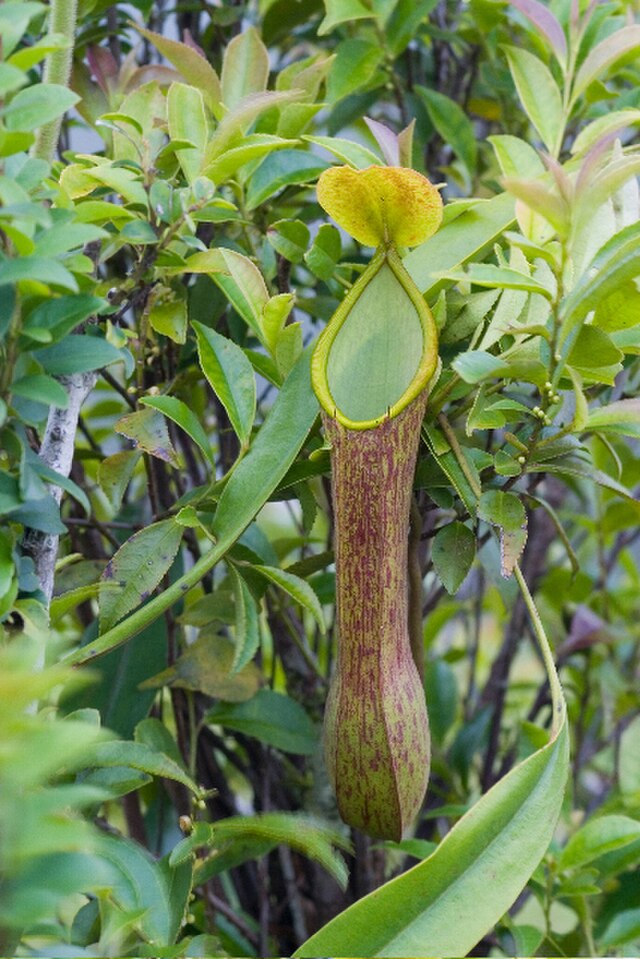
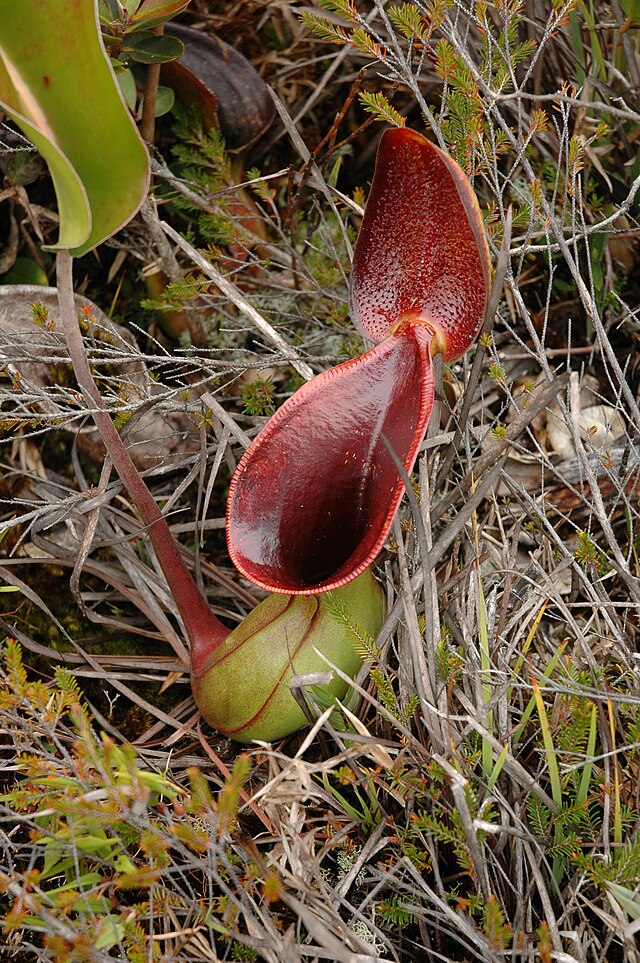
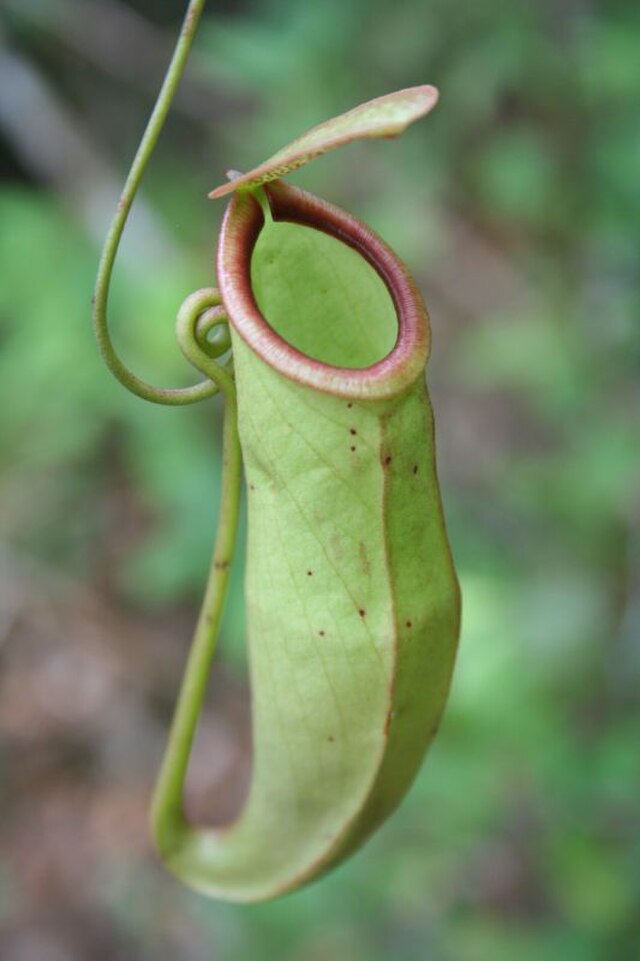
Nepenthes (Nepenthes spp., pitcher plants) are carnivorous plants with over 150 known species, found primarily in Southeast Asia, Madagascar, and northern Australia. They possess a "pitfall trap" mechanism, luring insects and small animals into pitcher-shaped traps that extend from leaf tips, then dissolving and absorbing them using digestive enzymes.
The large Borneo-endemic species N. rajah has pitchers that can exceed 3.5 liters in capacity—large enough to trap and drown mice and frogs. In contrast, smaller lowland species are manageable for beginners and serve as ideal entry-level carnivorous plants. Pitcher coloration changes vividly with light intensity; the contrast of red, green, and purple makes them highly ornamental as indoor plants.
Differences Between Highland, Intermediate, and Lowland Species
Nepenthes are classified into three types based on their native altitude. This is the most important classification for determining your growing environment. For detailed differences by type, see Differences Between Highland and Lowland Nepenthes and How to Create the Right Growing Environment.
Lowland Species
Native to tropical lowlands at approximately 0–1,000 m elevation. They prefer warm, humid conditions.
- Daytime temperature: 25–32°C, Nighttime temperature: 20–25°C (minimal nighttime drop required)
- Representative species: N. rafflesiana, N. mirabilis, N. alata
- Difficulty level: Low (beginner-friendly)
The advantage is that they maintain warm nighttime temperatures and are easy to grow indoors.
Intermediate Species
Native to elevations around 1,000–1,500 m. They prefer moderate day-night temperature fluctuations.
- Daytime temperature: 25–28°C, Nighttime temperature: 15–20°C
- Representative species: N. ventricosa, N. truncata, N. maxima
- Difficulty level: Moderate
In Japan, summer nighttime management can be somewhat challenging, but they grow well with air conditioning.
Highland Species
Native to misty highlands at 1,500 m or higher elevation. A large day-night temperature difference is essential.
- Daytime temperature: 22–28°C, Nighttime temperature: 10–15°C (nighttime cooling is critical)
- Representative species: N. rajah, N. villosa, N. lowii
- Difficulty level: High
Achieving nighttime temperatures of 10–15°C requires specialized cooling equipment or a chiller. Start with lowland to intermediate species to build experience.
Setting Up the Growing Environment
Humidity Management
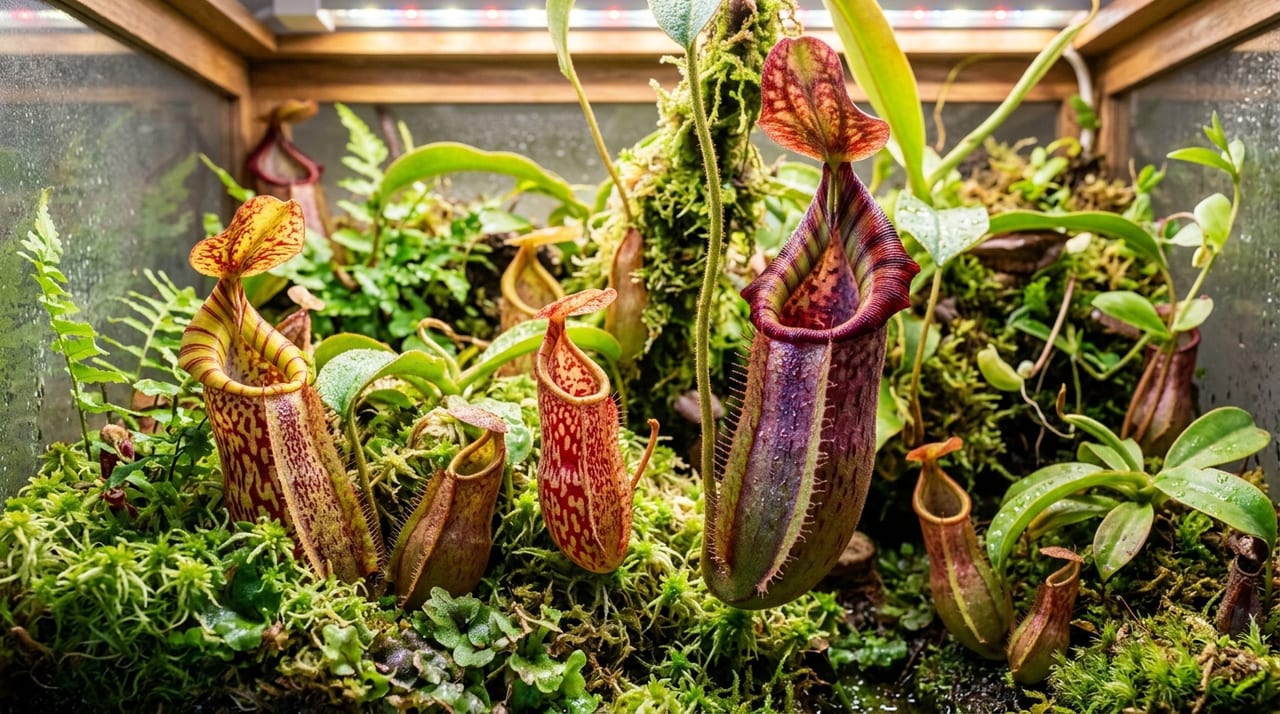
Humidity is the most critical factor in cultivation. Aim for 50–80%. Insufficient humidity causes pitchers to remain small and tips to die back. For detailed guidance on closed-environment cultivation, see How to Make a Carnivorous Plant Terrarium | Humidity Management and Layout Tips.
- Closed-system terrariums (glass or acrylic cases) are effective for maintaining humidity
- In open environments, daily misting is necessary
- Take special care: AC environments in summer tend to be very dry
Light Adjustment
Bright indirect light to lightly dappled sunlight is ideal. The more light, the more vibrant the pitcher coloration becomes, with reds and purples becoming more vivid.
- Rainy season through summer: Aim for 50% shade (direct summer sun causes leaf burn)
- Winter: Place in a bright location, such as a south-facing window
- Artificial light: LED grow lights (6500K) run for 12–14 hours daily can substitute
Substrate and Watering
Use a well-draining, acidic substrate. Sphagnum moss alone or a 7:3 mix of sphagnum:perlite is standard. Do not use fertilizer-containing potting soil, as it damages roots.
Water from above, allowing excess to drain from the bottom—this prevents root rot. If you're concerned about chlorine or fluoride in tap water, use filtered water or rainwater. Also, do not empty the digestive fluid inside pitchers—it contains protein-digesting enzymes essential to their trapping function.
Popular Species Guide: For Beginners to Intermediate Growers
N. alata The most widely available and easily obtained lowland species. Slender pitchers with red spots are highly ornamental. Wide tolerance for temperature and humidity variations makes it ideal for your first plant.
N. ventricosa A Philippines-native intermediate species. Characterized by rounded, bulbous pitchers and popular with collectors. Relatively easy to grow if you can maintain stable conditions around 25°C.
N. mirabilis A robust lowland species widely distributed across tropical Asia. Extremely hardy—the best choice for a beginner's first plant. Pitchers range from green to reddish-brown and are simple in appearance, but unmatched in durability.
N. truncata A large Philippines-native lowland to intermediate species. When mature, it forms impressive pitchers of exceptional ornamental value. Growth is somewhat slow. For tips on developing larger pitchers, see How to Grow Nepenthes | Techniques for Larger Pitchers.
N. lowii A Borneo-native highland species. It has a unique characteristic—it secretes nectar on the inner pitcher walls and uses animal droppings as a nutrient source, a trait called "coprophagy." Cultivation difficulty is moderately high.
Troubleshooting When Pitchers Won't Form
Here are the main causes and solutions for when pitchers fail to form or become small.
- Insufficient humidity (most common): Below 50%, pitchers form poorly. Seal the case or introduce a humidifier.
- Insufficient light: Move to a brighter location or add grow lights.
- Nighttime temperature mismanagement (highland species): If nighttime temperatures are too high, pitcher formation is inhibited.
- Root-bound or root rot: Check the substrate if the plant hasn't been repotted in 3–4 years or more.
- Overfertilization: Roots may be damaged. Fertilizer is generally unnecessary.
Summary
With proper temperature and humidity management, Nepenthes rewards you with unique pitchers. Start with hardy lowland species, and as you gain experience, consider advancing to intermediate and highland species. Setting up a terrarium or dedicated greenhouse will greatly expand your cultivation options. Experience the diverse world of Nepenthes—among the most varied carnivorous plants—and check out Carnivorous Plant Encyclopedia | Popular Species & Care Guide to learn more.