Caudex Plant Encyclopedia
Encyclopedia of popular caudex plants with care guides, traits, and root management tips.
Featured Caudex Plant
Showing 80 of 141 species(49–72)
 © Rosario / CC BY 4.0
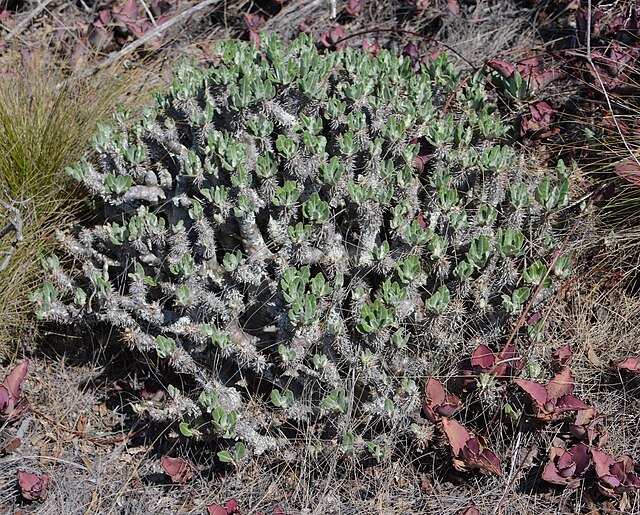
Pachypodium Densiflorum
Pachypodium densiflorum
Called Shiba Queen's Comb in Japanese, with dense yellow flowers and stocky caudex.
Pachypodium enigmaticum
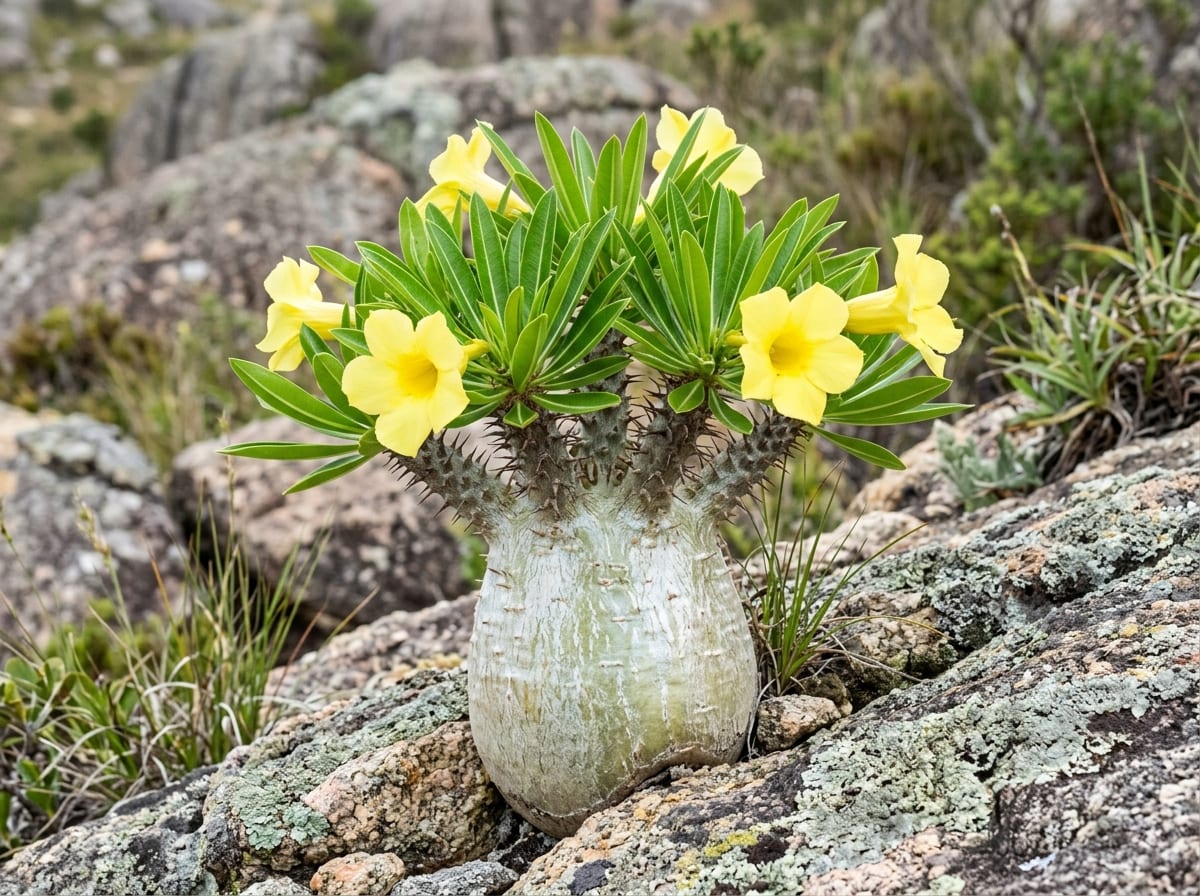
Pachypodium enigmaticum
A Pachypodium from central Madagascar described in 2014. From the top of a round, greenish-white caudex it spreads glossy, hairless leaves and bears large, clear yellow flowers.
 © Jesteinwiki / CC0
Pachypodium Gracilius
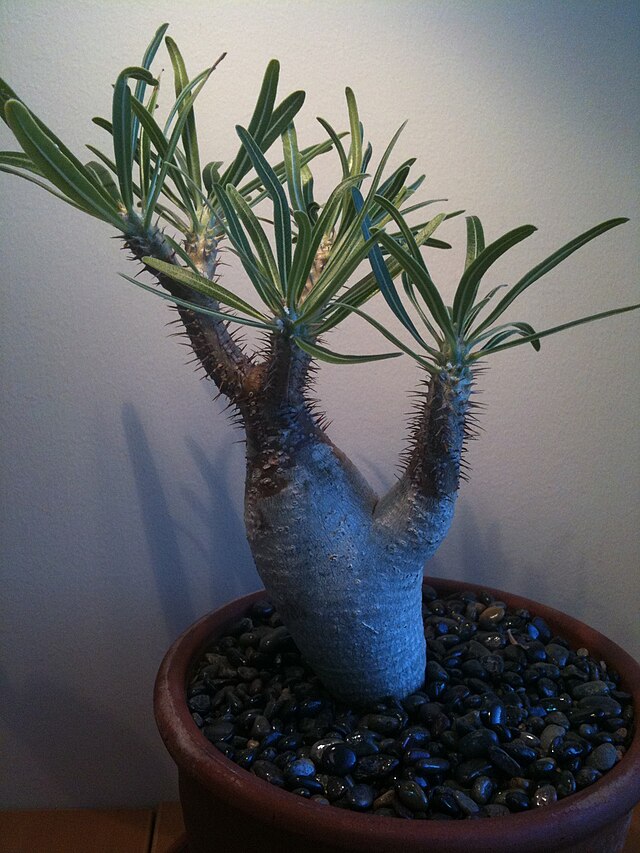
Pachypodium gracilius
The quintessential caudex plant from Madagascar. Round caudex body with yellow flowers. Wild-collected specimens with unique forms command high prices. Seed-growing is also very popular.
 © Kurt Stüber [1] / CC BY-SA 3.0
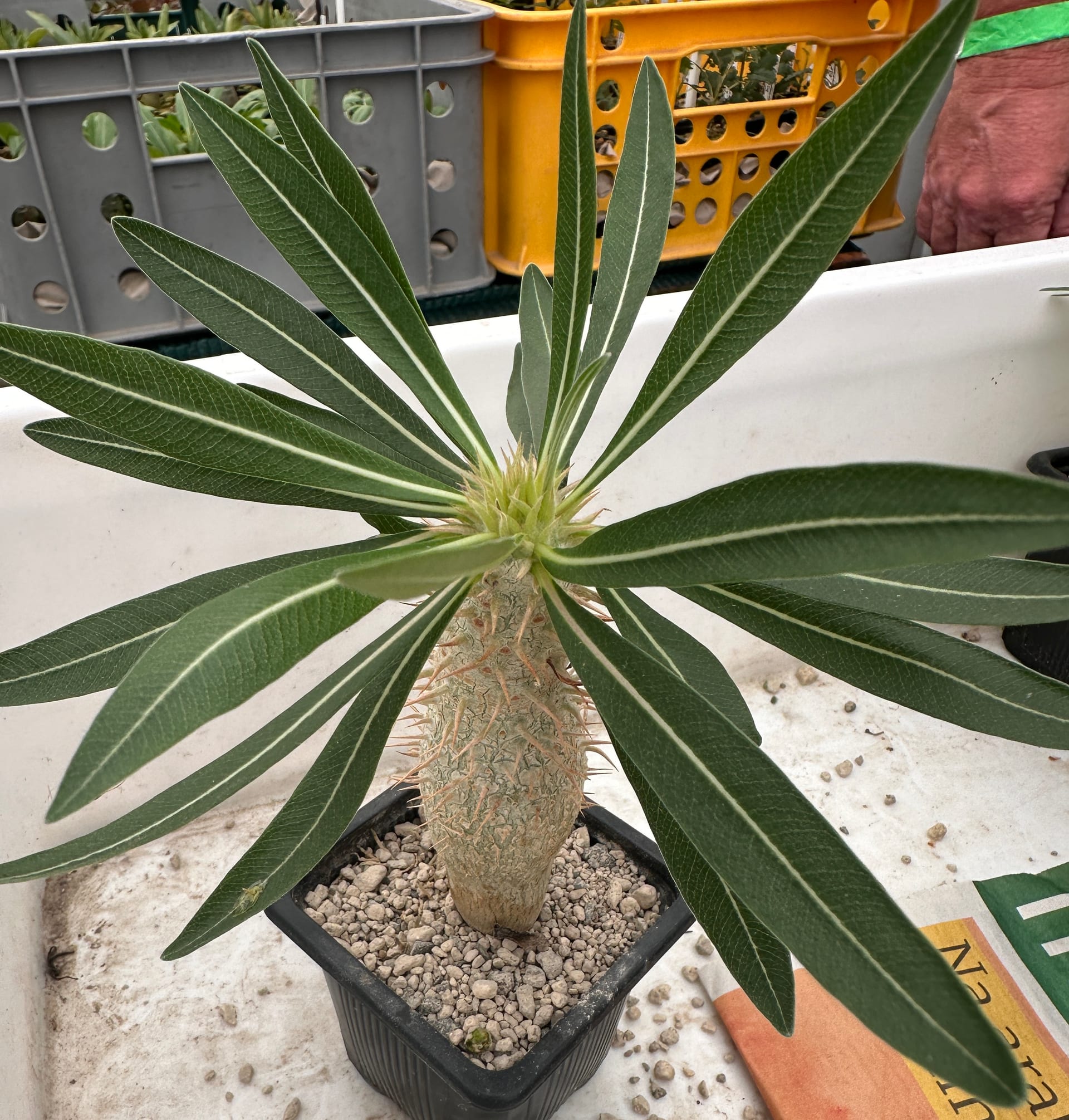
Pachypodium Horombense
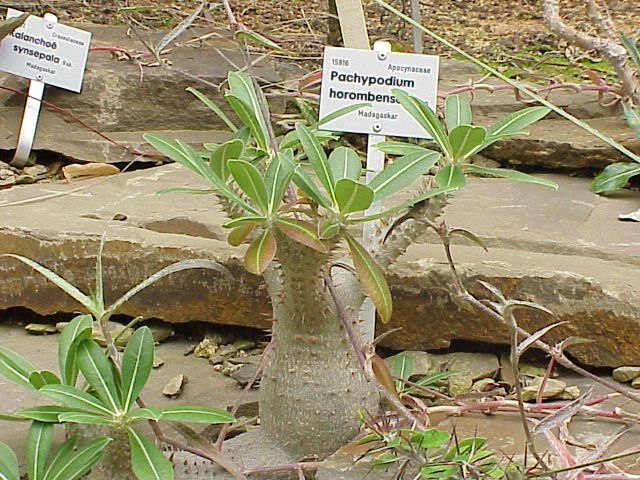
Pachypodium horombense
A Pachypodium with thick caudex producing multiple branches, yellow flowers and silver trunk.
 © Michael Wolf (Webseite) / CC BY-SA 3.0
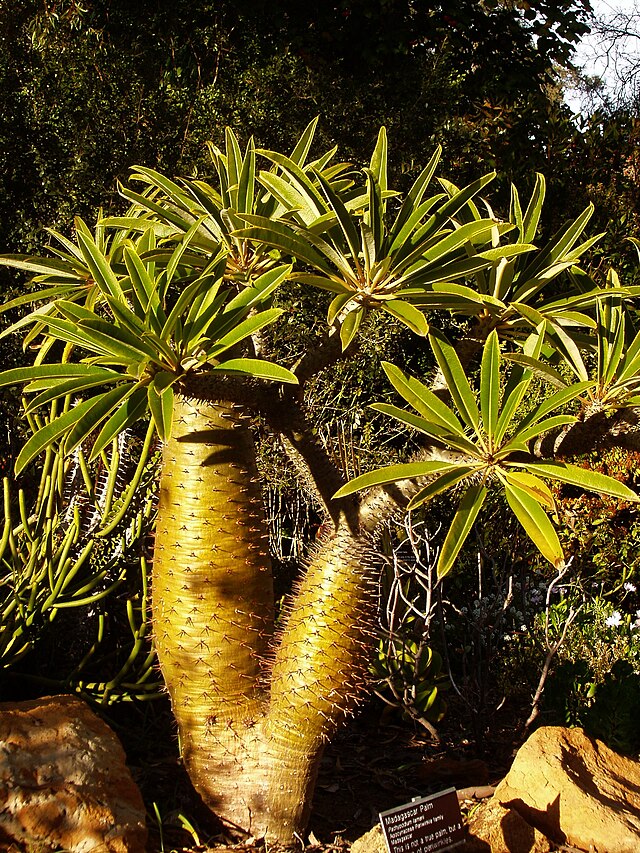
Pachypodium inopinatum
Pachypodium inopinatum
A small central-northern Madagascan Pachypodium in the P. rosulatum group. Slender spiny branches rise from a swollen trunk, and unusually for this mostly yellow-flowered group it bears ivory flowers.
 © Daderot at English Wikipedia / CC BY-SA 3.0
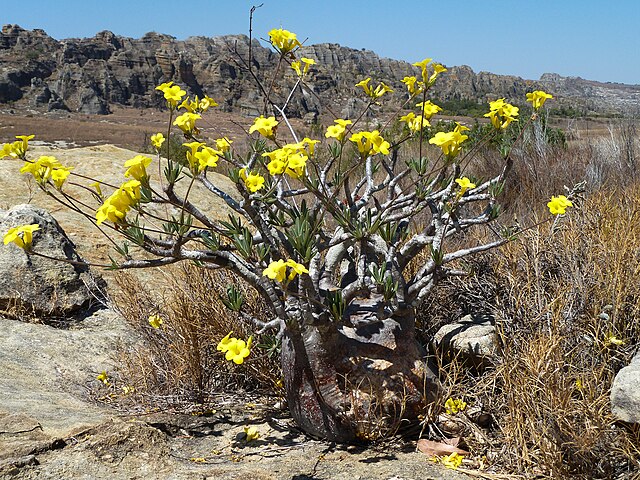
Pachypodium Lamerei
Pachypodium lamerei
A spiny caudex plant from Madagascar. Popular as 'Madagascar Palm Tree'.
 © User:Hardscarf / CC BY-SA 3.0
Pachypodium Rosulatum
Pachypodium rosulatum
A Pachypodium with vase-shaped caudex and rosette leaves, relatively easy to grow.
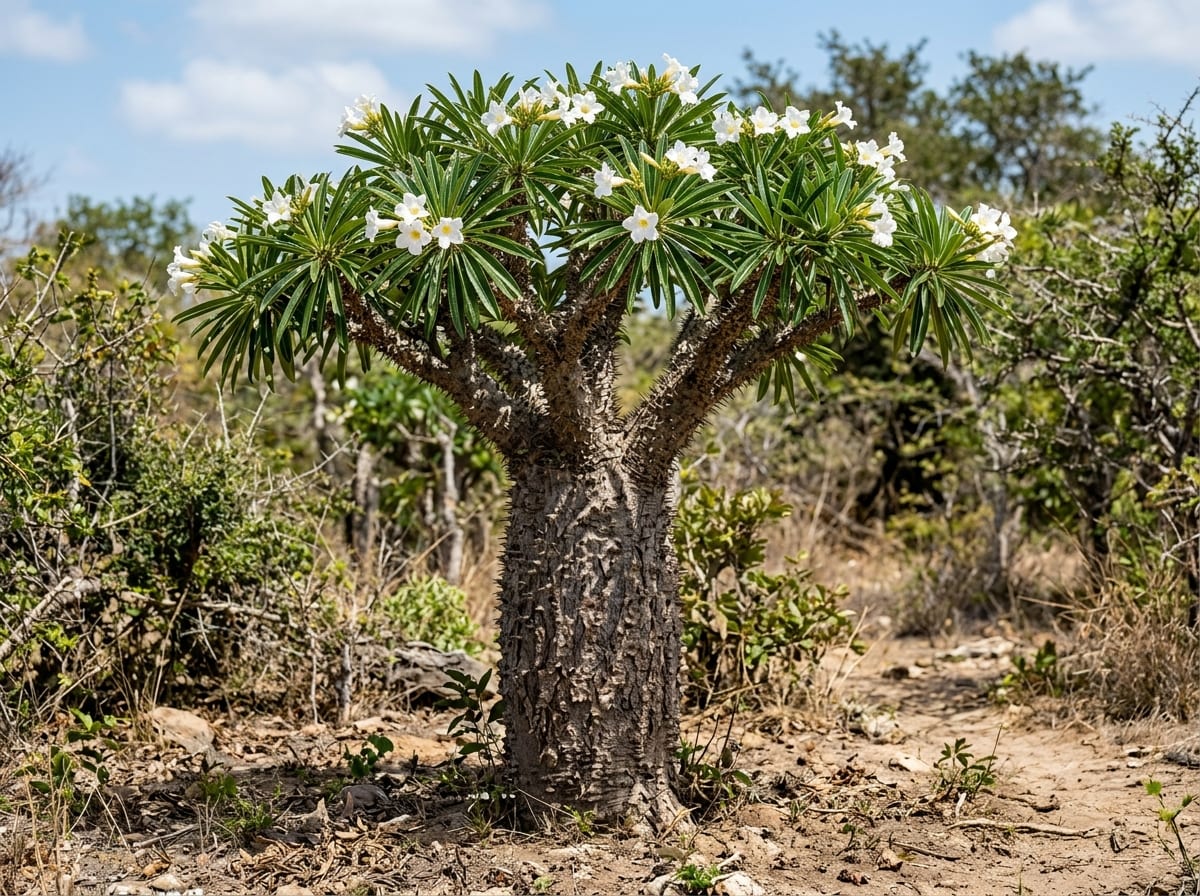
Pachypodium sofiense
Pachypodium sofiense
A tree-like Pachypodium from north-western Madagascar close to P. rutenbergianum, reaching about 5 m. Spiny branches end in dense, palm-like tufts of leaves, and it produces many white flowers.
 © Daderot / CC0
Palmer's fig
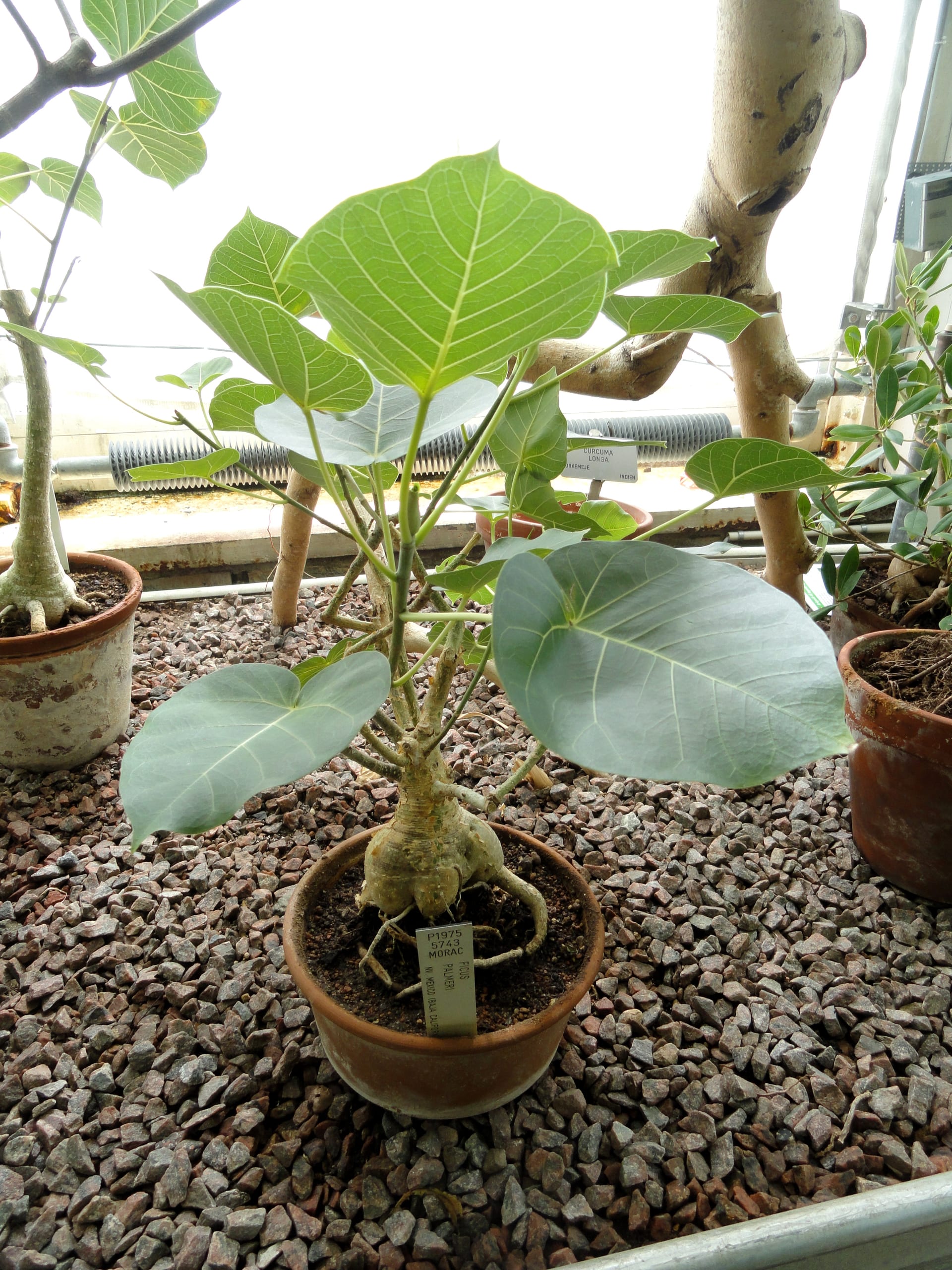
Ficus petiolaris subsp. palmeri
A subspecies of Ficus petiolaris from the dry lands of the Baja California peninsula and Sonora. In Japan it is sold separately from the parent species as "Palmeri", as plants with swollen caudex-like bases.
Pelargonium (Caudex)
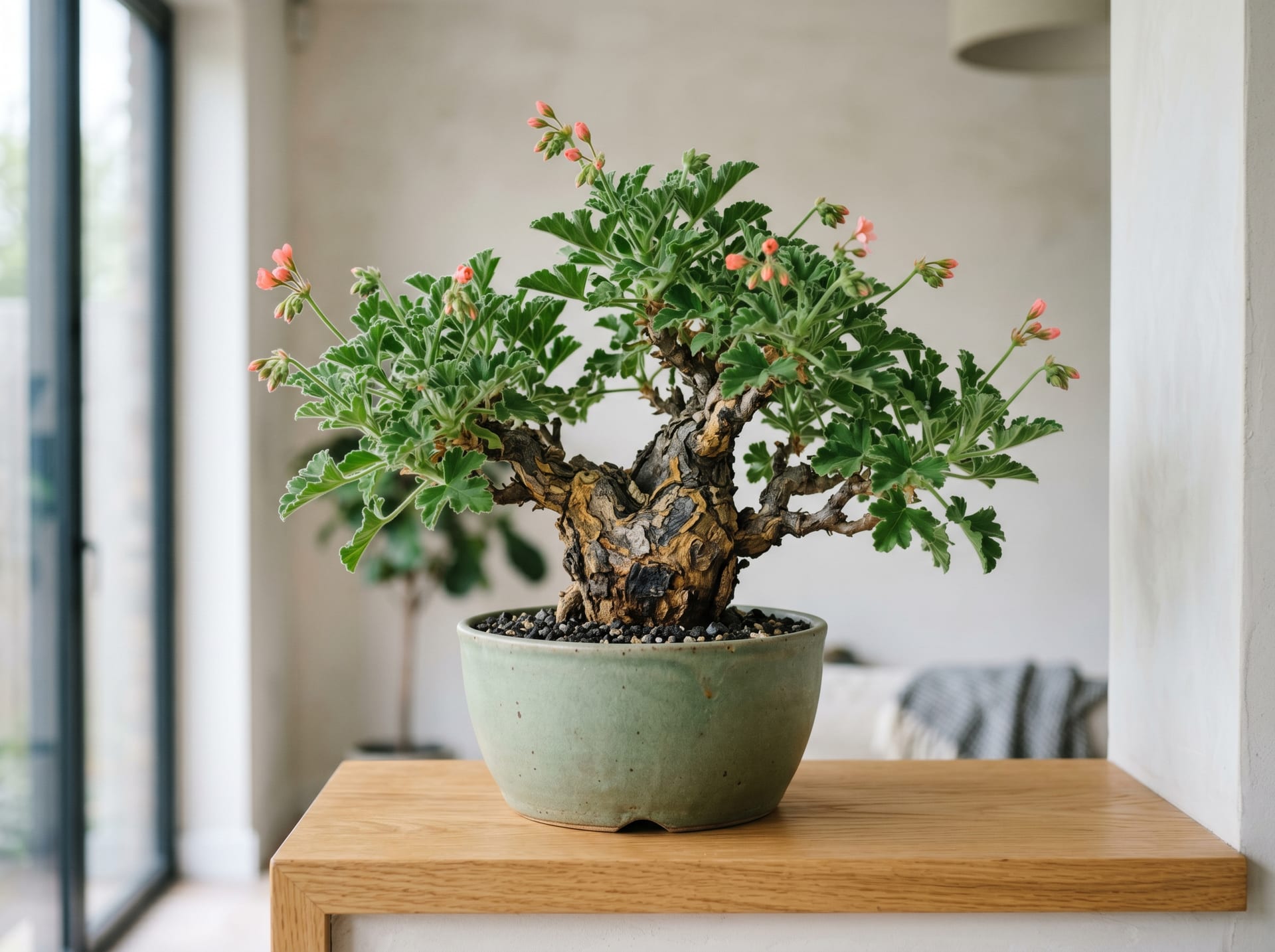
Pelargonium spp.
South African caudex-forming pelargonium displaying prominent exposed root systems. Blooms in warm months with distinct dormancy period. Highly drought-tolerant, requiring excellent drainage and minimal water during dormancy.
 © HelenaH / CC BY-SA 3.0
Pelargonium Appendiculatum
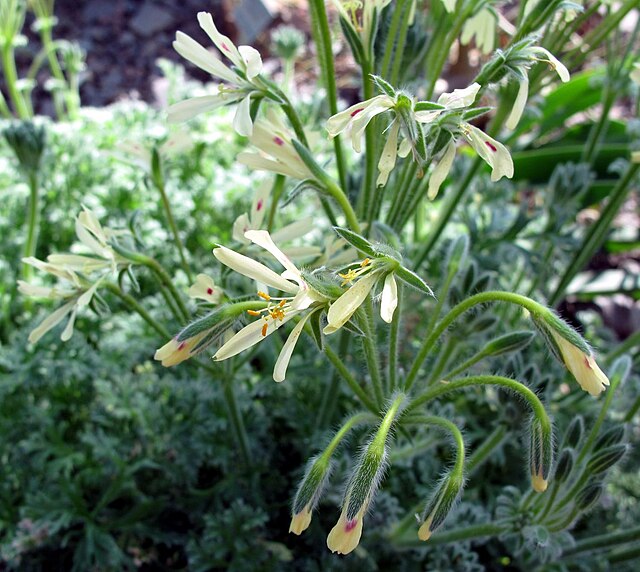
Pelargonium appendiculatum
A Pelargonium with branching tuber and fine leaves creating bonsai-like appearance, winter-growing.
 © Ragnhild&Neil Crawford from Sweden / CC BY-SA 2.0
Pelargonium mirabile
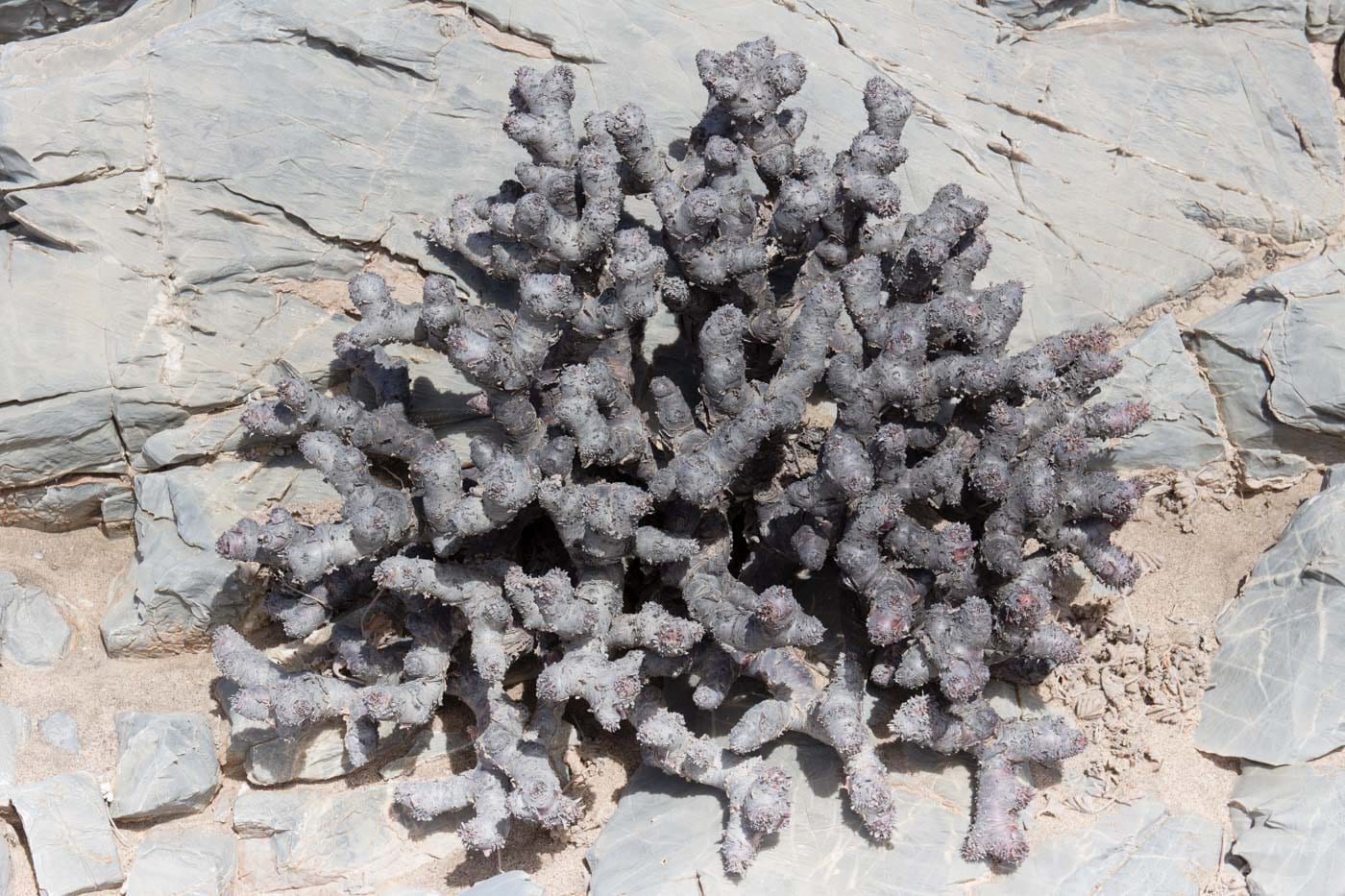
Pelargonium mirabile
A winter-growing Pelargonium from Namibia that forms a low mound of hundreds of pencil-thin, glossy dark brown branches, branching like coral. After rain it puts out grey-green leaves and white to pale pink flowers.
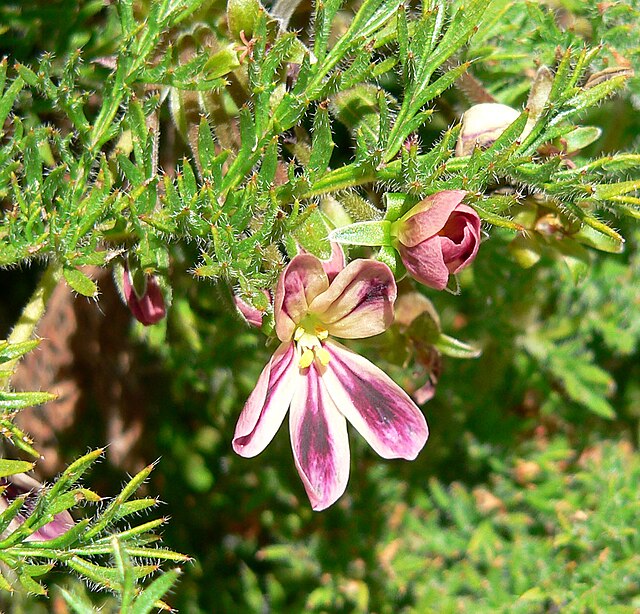 © Stan Shebs / CC BY-SA 3.0
Pelargonium Triste
Pelargonium triste
A tuberous Pelargonium with sweet night fragrance, gnarly tuber and carrot-like leaves.
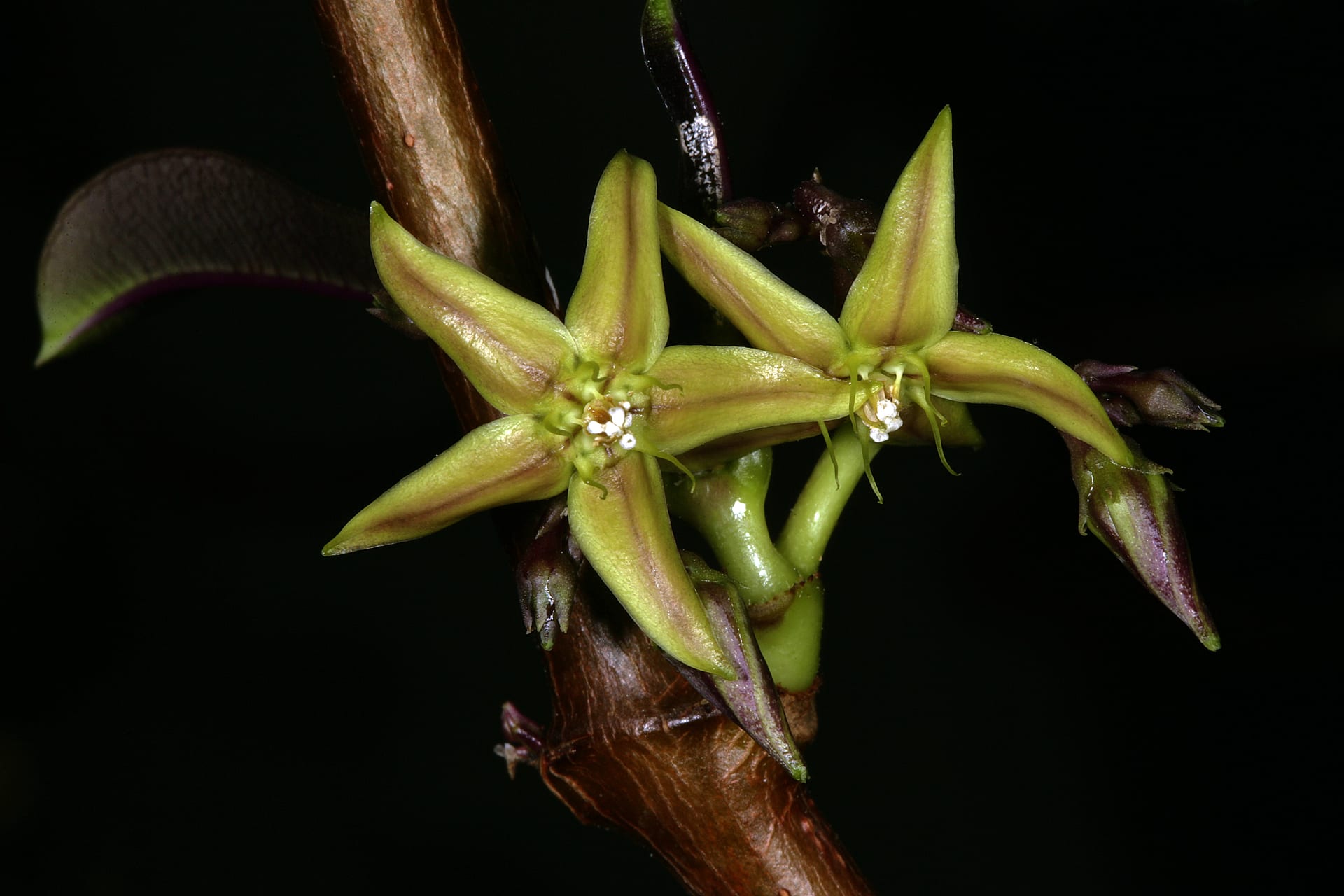 © SAplants / CC BY-SA 4.0
Petopentia natalensis
Petopentia natalensis
A climber in the dogbane family from eastern South Africa that sends slender twining stems up from an underground tuber. In English it is known as propeller vine.
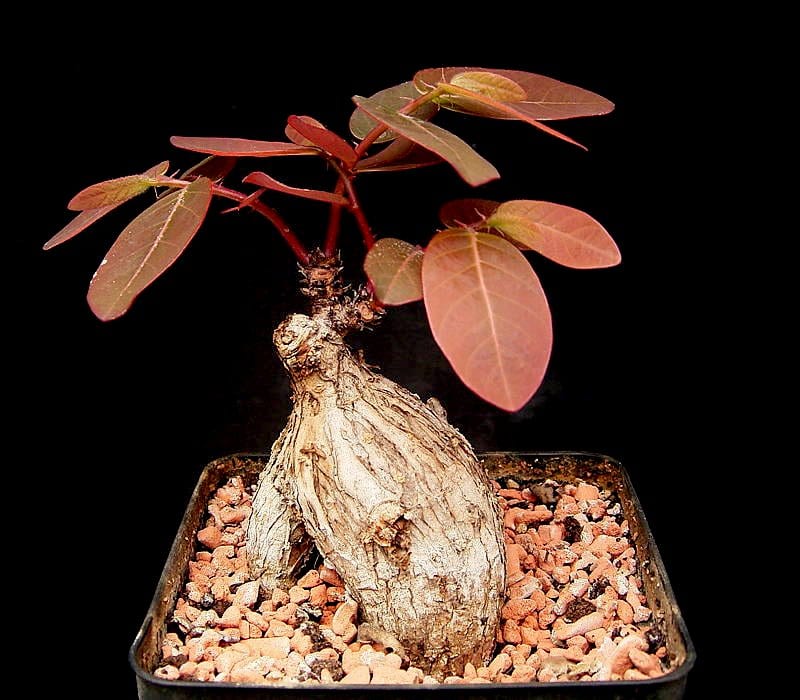 © Frank Vincentz / CC BY-SA 3.0
Phyllanthus mirabilis
Phyllanthus mirabilis
A small Thai shrub with twisted branches and pinnate leaves whose base swells into a caudex while young. At dusk the leaflets fold together in pairs like butterfly wings and open again in the morning.
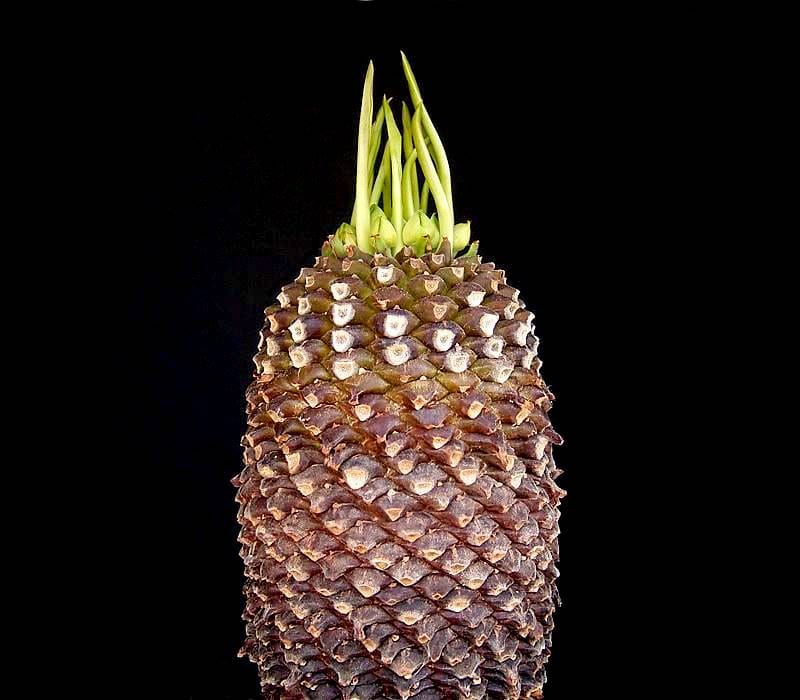 © Frank Vincentz / CC BY-SA 3.0
Pine-cone Plant
Euphorbia bupleurifolia
Known in Japan as Tekkoumaru. A South African spurge whose brown stem, patterned with neat spiralling leaf scars like a pine cone, is topped by a tuft of long willow-like leaves. CITES Appendix I since March 2026.
 © SAplants / CC BY-SA 4.0
Pterodiscus Speciosus
Pterodiscus speciosus
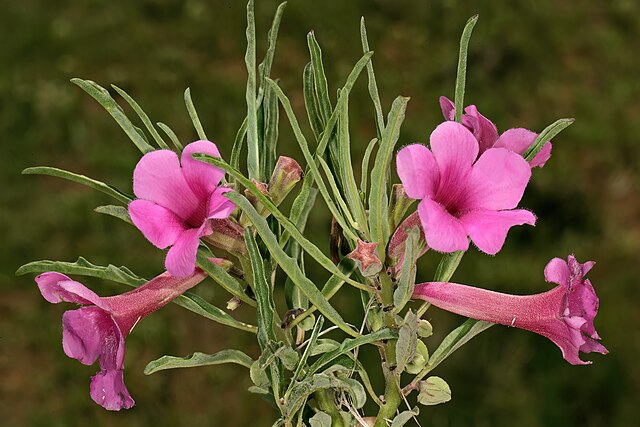
A sesame-family caudex with beautiful pink-purple flowers and compact form.
 © KATHERINE WAGNER-REISS / CC BY-SA 4.0
Rock fig
Ficus petiolaris
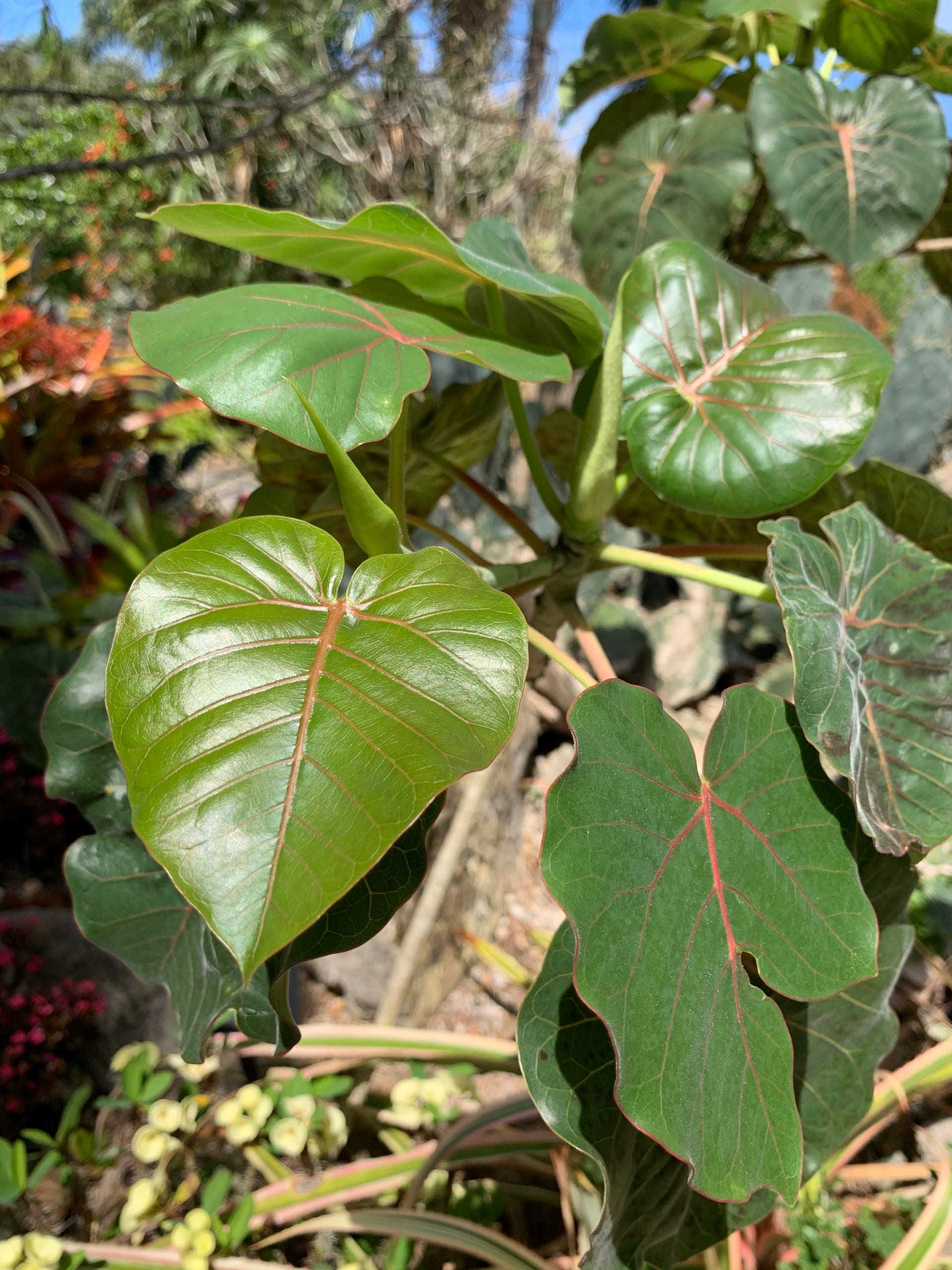
A fig endemic to Mexico with a yellowish-green trunk and bright green heart-shaped leaves. White tufts of hair in the vein axils on the leaf underside help identify it; in Japan, potted plants with swollen bases are sold as caudiciforms.
 © SAplants / CC BY-SA 4.0
Sesamothamnus Lugardii
Sesamothamnus lugardii
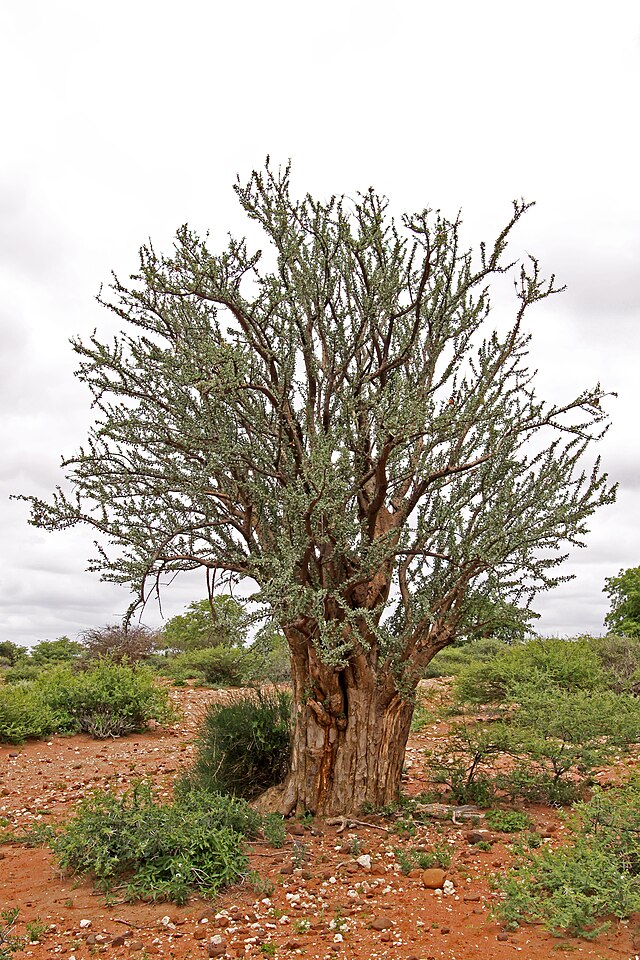
A large sesame-family caudex tree with thick trunk and green bark, popular non-Madagascar species.
 © Mokkie / CC BY-SA 4.0
Shaving brush tree
Pseudobombax ellipticum
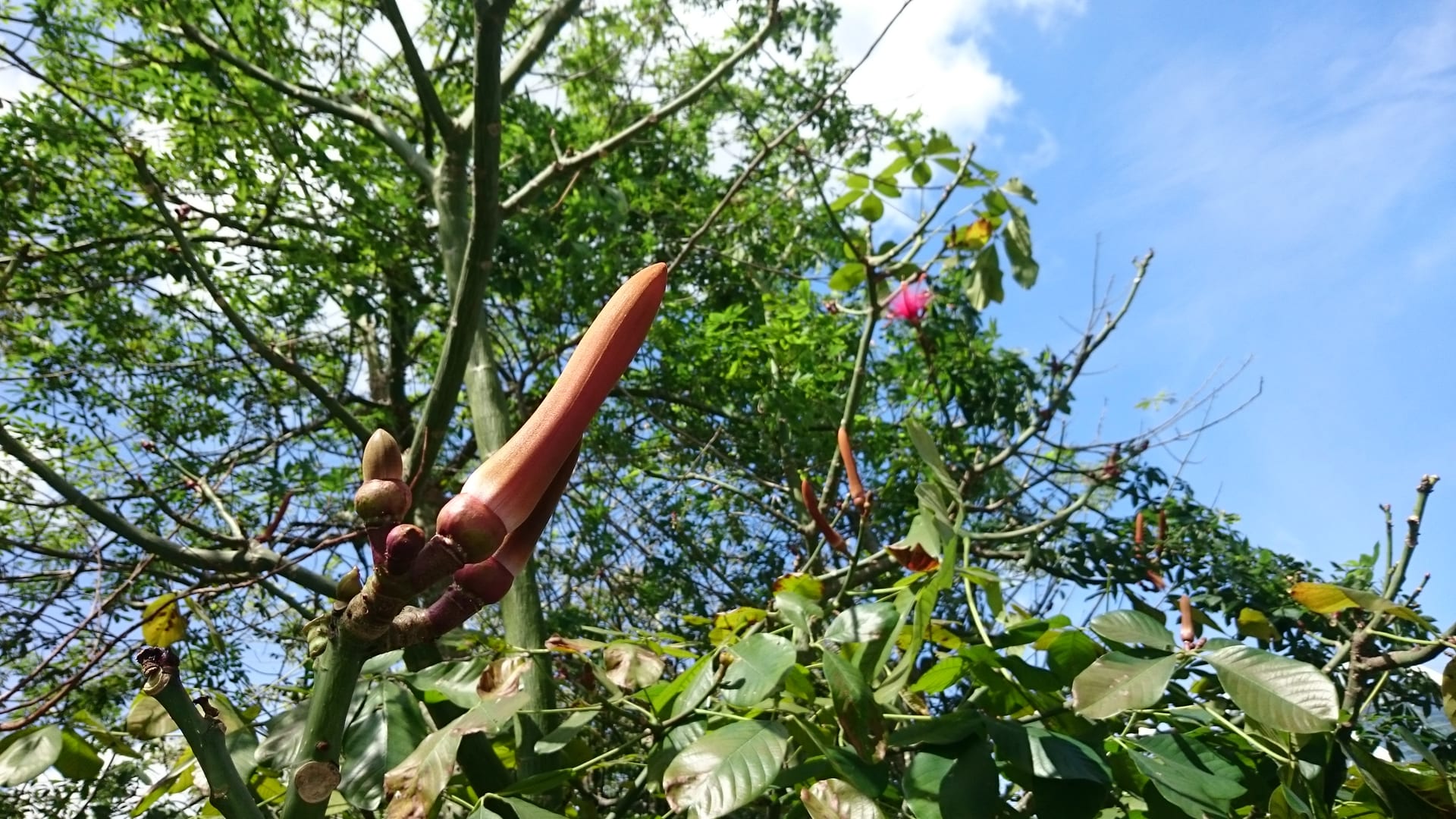
A deciduous tree from Central America whose smooth green trunk, marbled with grey, swells at the base. From late winter to spring, before the leaves, it opens brush-like flowers of long pink stamens that last a single night.
Sinningia
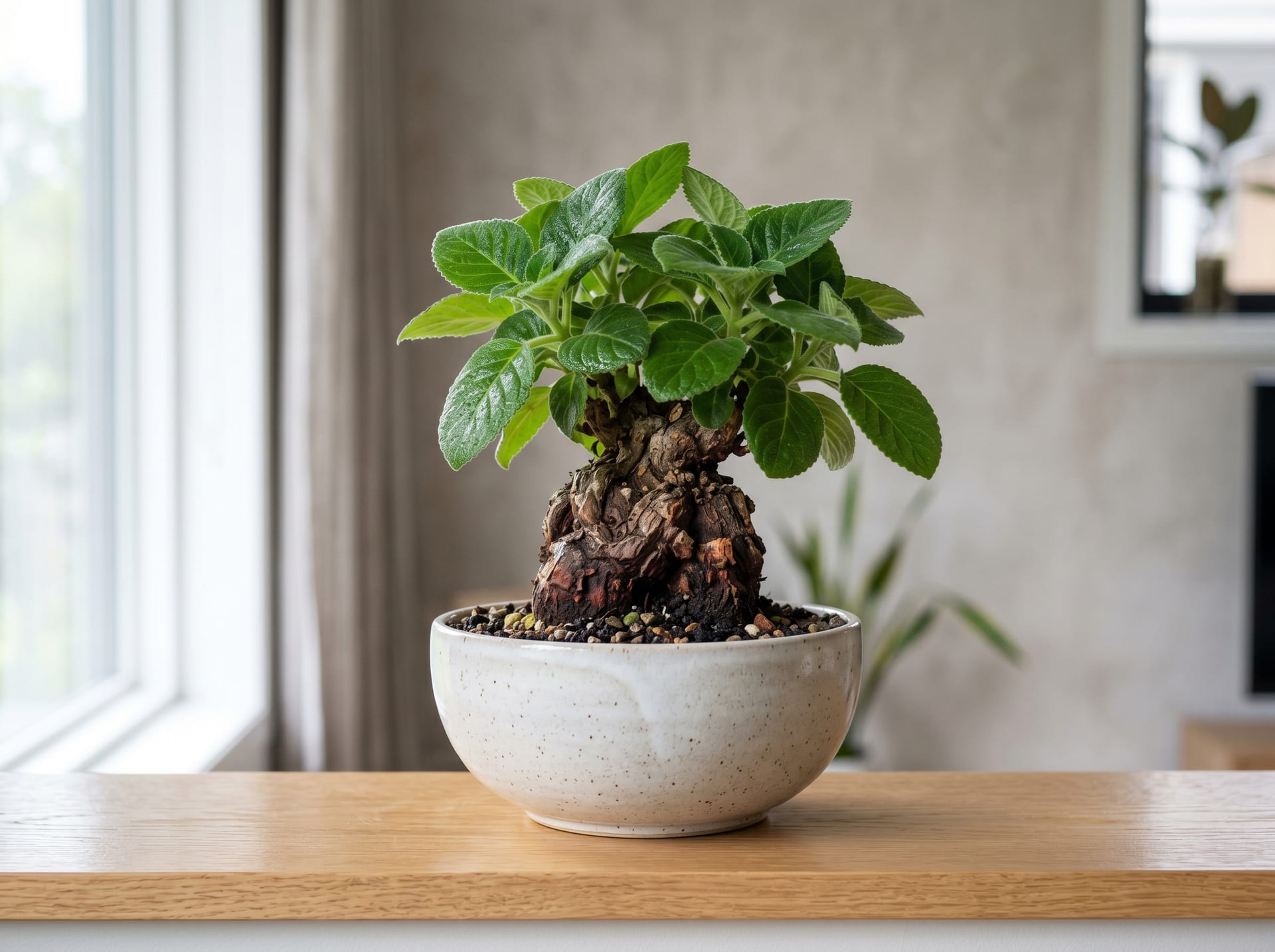
Sinningia
The genus Sinningia in the gesneriad family. About 80 species are known from Central and South America, centred on Brazil; most form tubers and rest through the dry or cool season. Includes Brazilian edelweiss (S. leucotricha) and the florist's gloxinia (S. speciosa).
 © Andy king50 / CC BY-SA 3.0
Sinningia Leucotricha
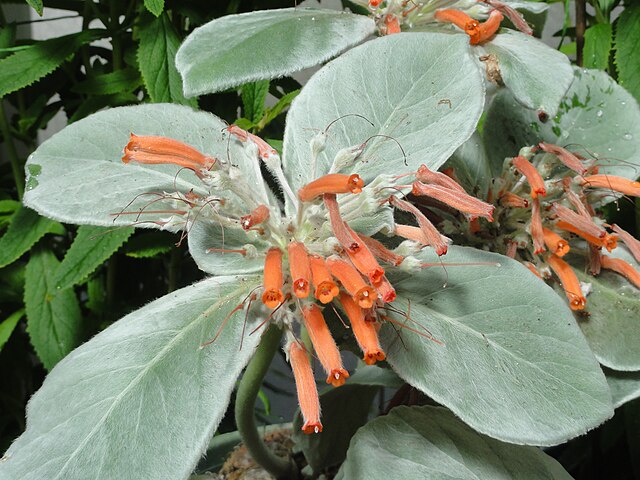
Sinningia leucotricha
Known as Brazilian Edelweiss with silver-haired leaves and orange flowers.
Stephania Erecta
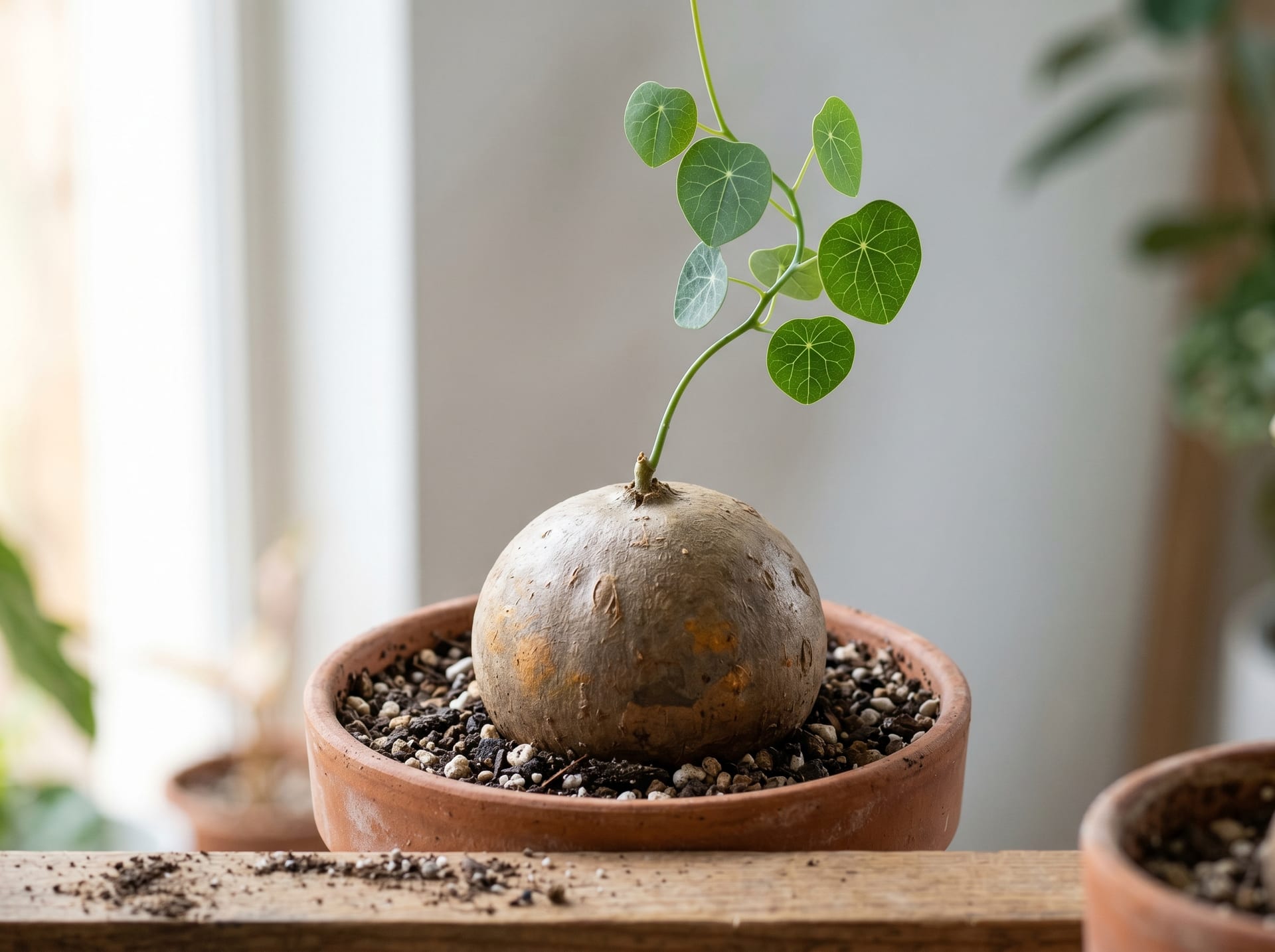
Stephania pierrei
A caudex plant that sends up a single stem from a round tuber and unfurls lotus-like peltate leaves. Imported plants arrive as dormant bare tubers, so warmth around 25C and steady humidity are the keys to breaking dormancy.
 © Averater / CC BY 3.0
Stephania venosa
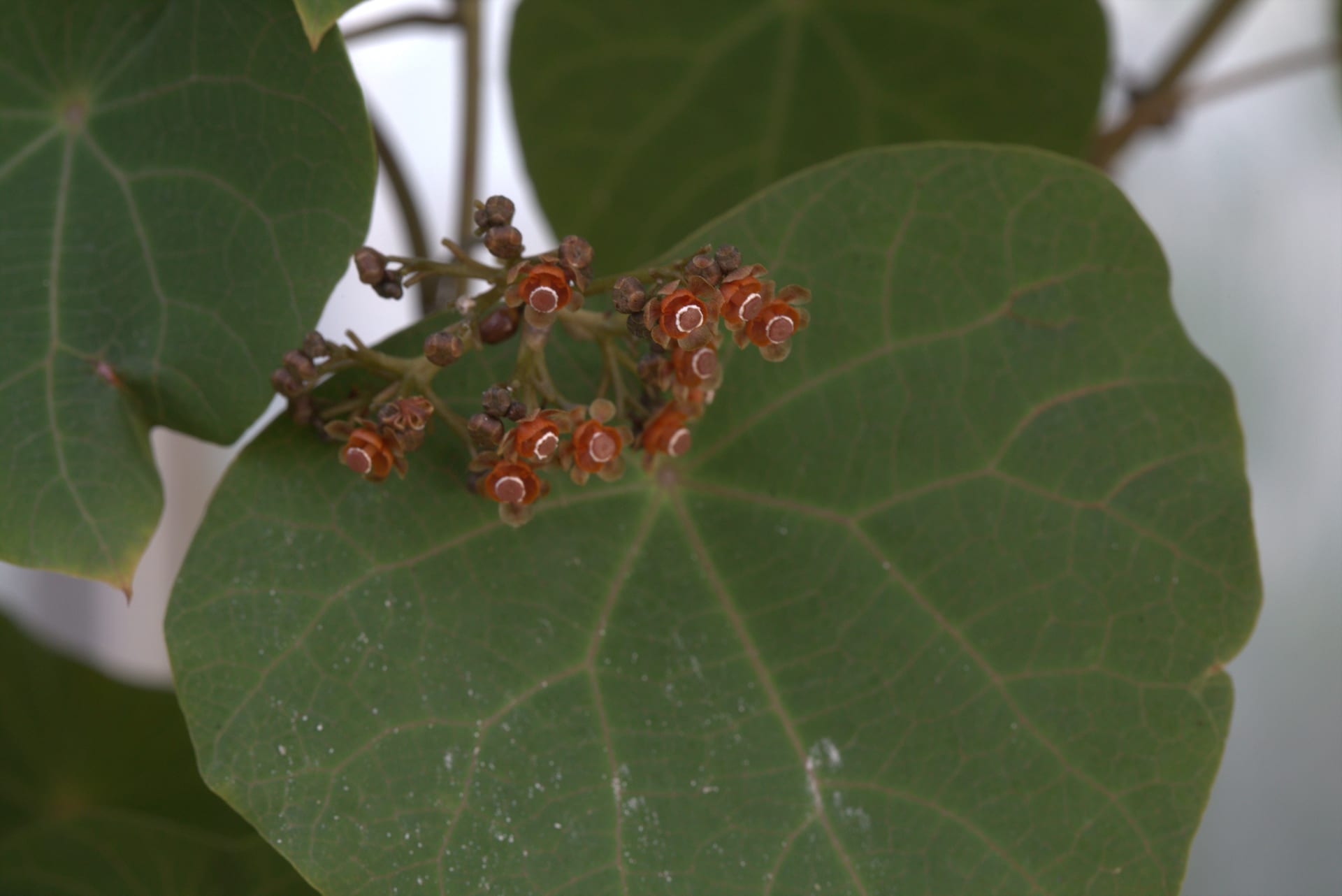
Stephania venosa
A Southeast Asian Stephania that sends vines with round leaves from a large, round brown tuber each year. Cut stems and tubers ooze red sap, which gives it a Thai name containing the word for blood.
Related Content
Caudex Plant FAQ
- How much do caudex plants cost?
- Pachypodium gracilius seedlings cost 2,000-10,000 yen, wild-collected specimens 30,000-200,000+ yen, and Operculicarya pachypus can reach hundreds of thousands of yen.
- Can beginners grow caudex plants?
- Adenium (Desert Rose) and Pachypodium seedlings are relatively easy and beginner-friendly. Just be careful with watering during winter dormancy, and you can enjoy them for years.
- How long do caudex plants live?
- Some specimens live for hundreds of years in the wild. In cultivation, they can thrive for decades with proper care. Watching the caudex thicken year by year is the greatest appeal.
- What should I check when buying caudex plants?
- Whether it's rooted is the most important point. Wild-collected imports are often unrooted and require root establishment. Beginners should start with rooted domestically grown seedlings.
- How do caudex plants overwinter?
- Many caudex plants go dormant in winter. Reduce watering from October, and withhold water completely from December to February. Keep indoors in a sunny spot at minimum 10°C.